


Gas Leak Detector Circuit
#gas sensor
#LPG
#SEN-1327
#audio-visual alarm
#9V battery
#Zener diode
#safety
#leak detection
#RhydoLABZ

Description: A gas leak detector circuit that detects the leakage of LPG gas and alerts the user through audio-visual indications. The circuit operates off a 9V PP3 battery. A Zener diode is used to convert 9V into 5V DC to drive the gas sensor module. The gas leakage circuit utilizes the SEN-1327 gas sensor module from RhydoLABZ. Its output goes high when the gas level reaches or exceeds a certain point. A preset in the module is used to set the threshold. Interfacing with the sensor module is accomplished through a 4-pin SIP header. An MQ-6 gas sensor is integrated into the gas sensor module, which can also detect combustible gases, particularly methane. When the LPG concentration reaches 1000 ppm (parts per million), the OUT pin of the sensor module goes high. This signal activates a timer IC 555, configured as an astable multivibrator, which functions as a tone generator. The output pin 3 of IC 555 is connected to an LED and a speaker-driver transistor through current-limiting resistors. The LED illuminates, and the alarm sounds to alert the user of gas leakage. The pitch of the tone can be adjusted by varying a preset resistor. A suitable heat sink is recommended for the transistor.
The gas leak detector circuit is designed to monitor LPG gas concentrations and provide immediate alerts to the user through both visual and auditory signals. Powering the circuit with a 9V PP3 battery ensures portability and ease of use. The Zener diode serves a critical role in voltage regulation, stepping down the voltage to 5V DC, which is necessary for the proper functioning of the gas sensor module.
The SEN-1327 gas sensor module employs an MQ-6 sensor capable of detecting LPG and other combustible gases. The sensor's output is designed to trigger when gas concentrations reach a threshold of 1000 ppm, indicating a potentially hazardous situation. The adjustable preset allows for customization of the detection threshold, ensuring sensitivity can be tailored to specific environmental conditions.
The astable multivibrator configuration of the timer IC 555 generates a continuous square wave output, which is effective for producing an audible alarm tone. The output pin 3 connects to both an LED and a transistor, which amplifies the signal to drive a speaker or buzzer, ensuring the alert is loud enough to be heard in various environments. The inclusion of current-limiting resistors protects the LED and the transistor from excessive current, enhancing circuit reliability.
The circuit design emphasizes safety and user-friendliness, with easy interfacing through a 4-pin SIP header, allowing for straightforward connections to the sensor module. The recommendation for a heat sink on the transistor indicates consideration for thermal management, ensuring the component operates within safe temperature limits during prolonged use. Overall, this gas leak detector circuit combines functionality, safety, and ease of use, making it an effective solution for monitoring LPG gas leaks.A gas leak detector circuit that detects the leakage of LPG gas and alerts the user through audio-visual indications. The circuit operates off a 9V PP3 battery. Zener diode ZD1 is used to convert 9V into 5V DC to drive the gas sensor module. The gas leakage circuit uses the SEN-1327 gas sensor module from RhydoLABZ. Its output goes high wh en the gas level reaches or exceeds certain point. A preset in the module is used to set the threshold. Interfacing with the sensor module is done through a 4-pin SIP header. Pin details of the gas sensor module are shown in Fig. 2. An MQ-6 gas sensor is used in the gas sensor module. The sensor can also be used to detect combustible gases, especially methane. Whenever there is LPG concentration of 1000 ppm (parts per million) in the area, the OUT pin of the sensor module goes high. This signal drives timer IC 555, which is wired as an astable multivibrator. The multivibrator basically works as a tone generator. Output pin 3 of IC 555 is connected to LED1 and speaker-driver transistor SL100 through current-limiting resistors R5 and R4, respectively.
LED1 glows and the alarm sounds to alert the user of gas leakage. The pitch of the tone can be changed by varying preset VR1. Use a suitable heat-sink for transistor SL100.
The gas leak detector circuit is designed to monitor LPG gas concentrations and provide immediate alerts to the user through both visual and auditory signals. Powering the circuit with a 9V PP3 battery ensures portability and ease of use. The Zener diode serves a critical role in voltage regulation, stepping down the voltage to 5V DC, which is necessary for the proper functioning of the gas sensor module.
The SEN-1327 gas sensor module employs an MQ-6 sensor capable of detecting LPG and other combustible gases. The sensor's output is designed to trigger when gas concentrations reach a threshold of 1000 ppm, indicating a potentially hazardous situation. The adjustable preset allows for customization of the detection threshold, ensuring sensitivity can be tailored to specific environmental conditions.
The astable multivibrator configuration of the timer IC 555 generates a continuous square wave output, which is effective for producing an audible alarm tone. The output pin 3 connects to both an LED and a transistor, which amplifies the signal to drive a speaker or buzzer, ensuring the alert is loud enough to be heard in various environments. The inclusion of current-limiting resistors protects the LED and the transistor from excessive current, enhancing circuit reliability.
The circuit design emphasizes safety and user-friendliness, with easy interfacing through a 4-pin SIP header, allowing for straightforward connections to the sensor module. The recommendation for a heat sink on the transistor indicates consideration for thermal management, ensuring the component operates within safe temperature limits during prolonged use. Overall, this gas leak detector circuit combines functionality, safety, and ease of use, making it an effective solution for monitoring LPG gas leaks.A gas leak detector circuit that detects the leakage of LPG gas and alerts the user through audio-visual indications. The circuit operates off a 9V PP3 battery. Zener diode ZD1 is used to convert 9V into 5V DC to drive the gas sensor module. The gas leakage circuit uses the SEN-1327 gas sensor module from RhydoLABZ. Its output goes high wh en the gas level reaches or exceeds certain point. A preset in the module is used to set the threshold. Interfacing with the sensor module is done through a 4-pin SIP header. Pin details of the gas sensor module are shown in Fig. 2. An MQ-6 gas sensor is used in the gas sensor module. The sensor can also be used to detect combustible gases, especially methane. Whenever there is LPG concentration of 1000 ppm (parts per million) in the area, the OUT pin of the sensor module goes high. This signal drives timer IC 555, which is wired as an astable multivibrator. The multivibrator basically works as a tone generator. Output pin 3 of IC 555 is connected to LED1 and speaker-driver transistor SL100 through current-limiting resistors R5 and R4, respectively.
LED1 glows and the alarm sounds to alert the user of gas leakage. The pitch of the tone can be changed by varying preset VR1. Use a suitable heat-sink for transistor SL100.

Zener diode tester
This circuit is designed for testing Zener diodes. The NE555 integrated circuit (IC1) is configured as an astable multivibrator, generating a square wave output. This output is transformed into a high voltage alternating current (AC) by transformer T1, with an...

Variable zener diode
The circuit operates similarly to a zener diode across a wide range of voltages. The current flowing through the voltage divider formed by resistors R1 and R2 is significantly greater than the base current of the transistor, approximately 8 mA....

I/O Line Protectors
A 5.1-V zener diode is utilized to clamp positive-going transients, while a Schottky rectifier is employed to clamp negative-going transients. The Schottky rectifier, however, experiences issues at both extremes of the temperature range. At 125°C (257°F), its leakage current can...
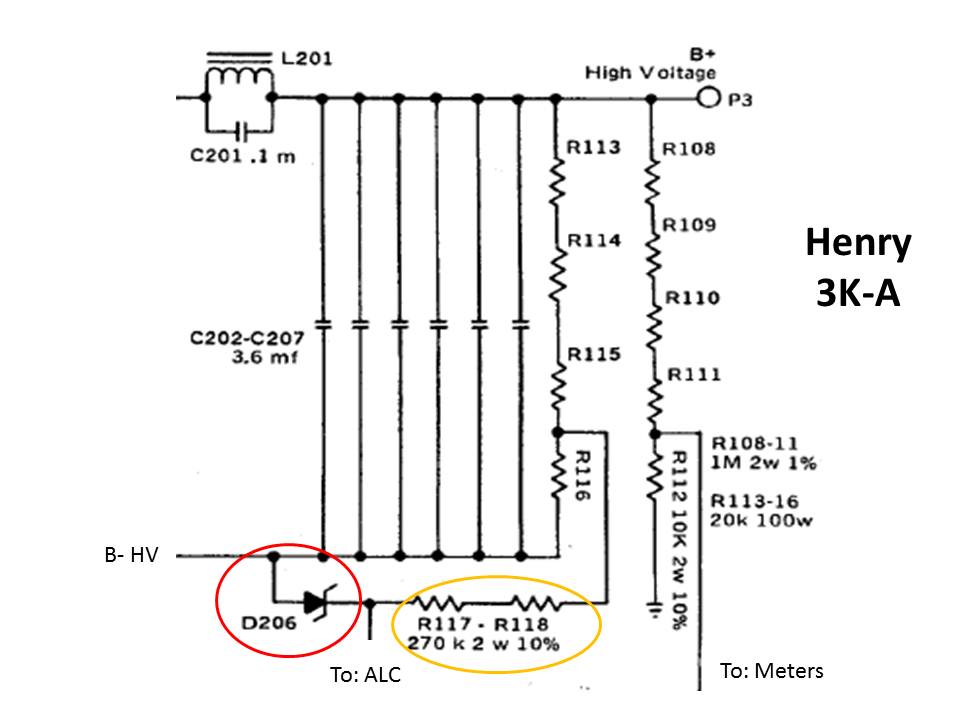
henry alc zener
The Automatic Loading Control (ALC) 100 volt 5 watt zener diode in Henry RF amplifiers is known to fail. Initially, it shorts, causing a high voltage (HV) surge, which typically results in the zener blowing open and tripping the main...

Zener Diode Tester
Using a single 555 Timer IC and a small transformer to generate a high voltage, this circuit will test zener diodes of voltage ratings up to 50VDC. The 555 timer is used in the astable mode, the output at pin3...

Regulated 12 Volt Supply
This circuit utilizes a 13-volt zener diode, D2, which is responsible for voltage regulation. Approximately 0.7 volts are dropped across the base-emitter junction of the transistors, resulting in a higher current output of 12.3 volts. The circuit is capable of...

Explosive gas detector circuit diagram
A gas sensor (from Allegro Electronics, Cornwall Bridge, CT06754 Ts GS823) activates in the presence of explosive gas. U5 functions as a voltage-to-frequency converter, with the sensor producing a frequency that is proportional to conductance. The output frequency varies from...

Zener Diode checker
Many times we have found itself in the necessity to use a Zener diode and cannot to know the voltage of operation. Many times we cannot read the characteristics or the type that is written on her. In this case,...

Do not drink and drive I wish you a safe journey home Language Integrated Circuits
Do not drink and drive. Wishing you a safe journey home. Language Integrated Circuits.
Language Integrated Circuits (LICs) are specialized electronic components designed to facilitate the processing of language-based data within various applications. These circuits integrate multiple functions, such as signal...