


TEA6320 Multichannel Audio Selector and Volume Control
#audio selector
#volume control
#TEA6320
#digital interface
#microcontroller
#high-end audio
#multichannel
#audio equipment

Description: High-end audio equipment is typically controlled digitally by a microprocessor (microcontroller) system. It is necessary to have a digital interface that allows for effective communication and control.
High-end audio systems utilize a microcontroller to manage various functionalities, enabling precise control over audio processing, signal routing, and user interface interactions. The microcontroller serves as the central processing unit, executing algorithms that optimize audio performance while managing inputs from various sources, such as digital audio players, streaming services, and traditional analog devices.
A digital interface is essential for facilitating communication between the microcontroller and other system components. Common interfaces include I2C, SPI, and UART, which allow for efficient data transfer and control signals. These protocols enable the microcontroller to send commands to digital-to-analog converters (DACs), audio processors, and user interface elements such as displays and buttons.
The schematic of a high-end audio system would typically include the microcontroller connected to these various components through the aforementioned digital interfaces. Power supply circuits must also be included to ensure stable operation of the microcontroller and peripheral devices. Additionally, proper grounding and shielding techniques should be implemented to minimize noise and interference, which are critical in high-fidelity audio applications.
In summary, the integration of a microcontroller with a robust digital interface is fundamental in the design of high-end audio equipment, ensuring precise control and high-quality audio output.High-end audio equipments are normally digitally controlled by a a microprocessor (microcontroller) system. It?s necessary to have? digital interface that.
High-end audio systems utilize a microcontroller to manage various functionalities, enabling precise control over audio processing, signal routing, and user interface interactions. The microcontroller serves as the central processing unit, executing algorithms that optimize audio performance while managing inputs from various sources, such as digital audio players, streaming services, and traditional analog devices.
A digital interface is essential for facilitating communication between the microcontroller and other system components. Common interfaces include I2C, SPI, and UART, which allow for efficient data transfer and control signals. These protocols enable the microcontroller to send commands to digital-to-analog converters (DACs), audio processors, and user interface elements such as displays and buttons.
The schematic of a high-end audio system would typically include the microcontroller connected to these various components through the aforementioned digital interfaces. Power supply circuits must also be included to ensure stable operation of the microcontroller and peripheral devices. Additionally, proper grounding and shielding techniques should be implemented to minimize noise and interference, which are critical in high-fidelity audio applications.
In summary, the integration of a microcontroller with a robust digital interface is fundamental in the design of high-end audio equipment, ensuring precise control and high-quality audio output.High-end audio equipments are normally digitally controlled by a a microprocessor (microcontroller) system. It?s necessary to have? digital interface that.

Eight-digit-microprocessor-display
The display interface utilizes the ICM7218A/B in conjunction with an 8048 family microcontroller. An 8-bit data bus (DBO/DB7-IDO/ID7) facilitates the transfer of control and data information to the 7218 display interface during successive WRITE pulses. The mode input pins on...

Microcontroller Based Telephone Remote Control Circuit
This device enables remote control of various appliances (up to eight with suitable add-on expansion boards) such as lights, water heaters, air conditioning, plant watering systems, alarms, etc., via a relay. It allows users to perform actions such as watering...
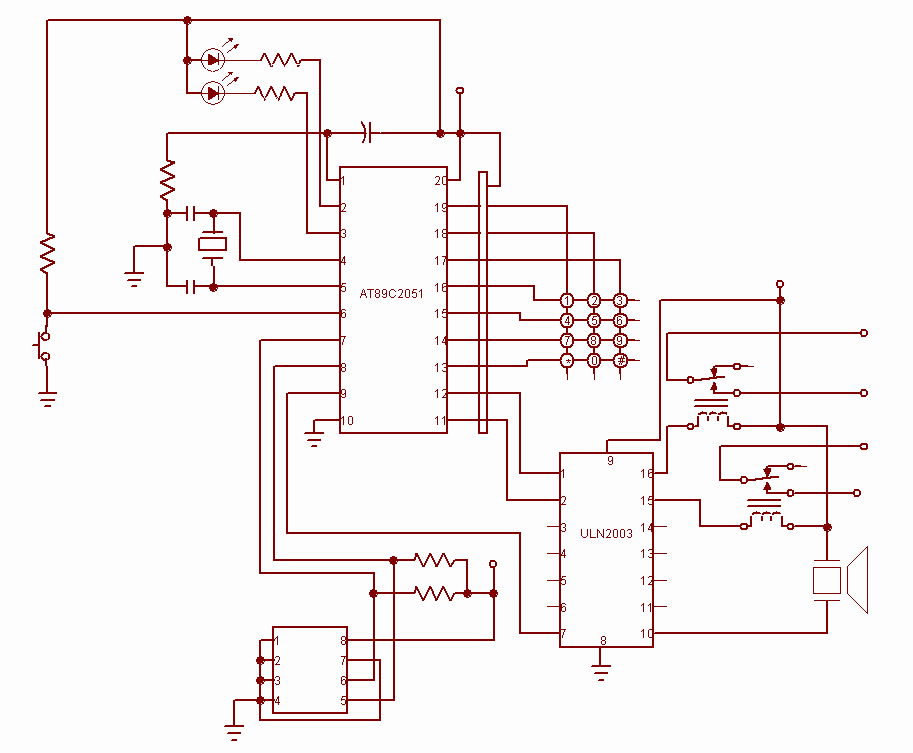
Password Based Door Locking
Security is a prime concern in our day-to-day life. Everyone wants to be as much secure as possible. An access control for doors forms a vital link in a security chain. The microcontroller based Door locker is an access control...

IR On/Off Switch Using Microcontroller
Turning electrical devices ON or OFF using a remote control is a well-established concept, with numerous devices available that perform this function effectively. To create such a device, it is necessary to construct a receiver and a transmitter, as well...

How to Design Battery Charger Applications that Require External Microcontrollers and Related System-Level Issues
Application note on designing linear and switch-mode (switching DC-DC converter current source) battery charger applications that require external microcontrollers and related system-level issues for notebook computers.
The application note provides guidance on the design of both linear and switching DC-DC converter...

GSM Remote Control 2 IN and 2 OUT Part 2 Schematic
The control of the system is managed by a Microchip PIC18F46K20-I/PT microcontroller, which is programmed with firmware to oversee the activity of the GSM/GPRS module, monitor the logic conditions of two opto-isolated inputs, and send commands to two relays within...
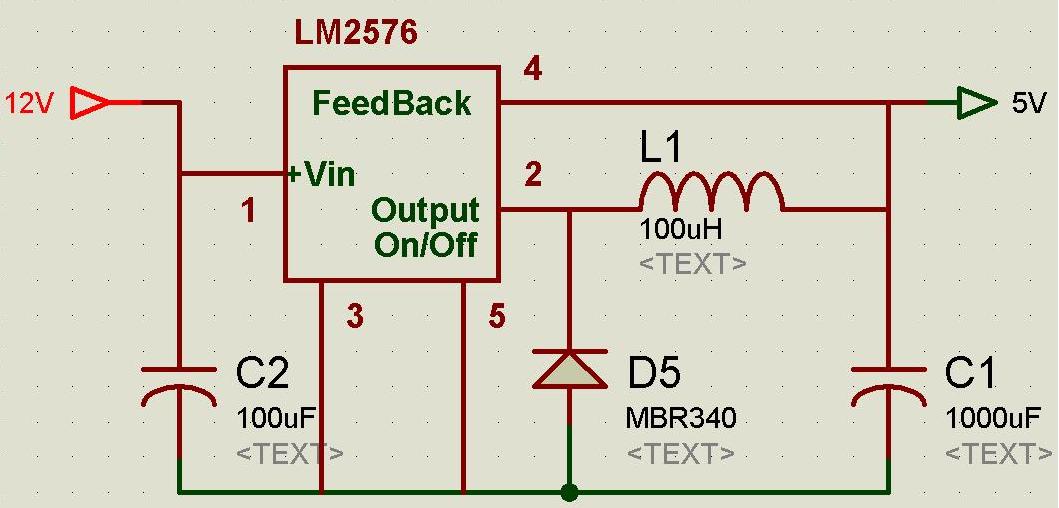
Some Voltage Regulator Ciruits for Microcontroller based Projects
A regulated and noise-free power supply voltage is essential for microcontrollers and other components such as amplifiers, filters, and GPS devices. Voltage surges in the supply voltage can permanently damage embedded systems. A voltage regulator must maintain the output voltage...

MCU controlled Bluetooth automation
The microcontroller used is 0822 zilog encore! 8k series (soic,28pin) as shown on the figure. Is a programmable microcontroller, the functions used are the GPIO and the UART of the chip. GPIO is used on led indicators, and the UART...

delay
This article outlines the construction of a simple microcontroller-based delay circuit designed for photographic applications, such as drop or high-speed photography. It is capable of controlling the trigger lag for cameras and flash units, generating periodic trigger pulses, or managing...