


12V lead acid battery charger by LM317K
#LM317K
#lead acid battery
#12V
#voltage regulator
#battery charger
#DIY
#power supply
#circuit design
#electronics
#energy

Description: A close friend is interested in a dry cell lead-acid battery charger circuit designed for a 12V, 7.5Ah battery. The proposed model is simple and economical. The recommendation is to build this circuit using the highly popular LM317K integrated circuit voltage regulator. The principle of this circuit is straightforward, providing a stable output voltage of approximately 13.5 volts. This higher voltage is necessary for effective charging of the battery. The battery requires a current of 1A, and it will take about 8 hours to fully charge, resulting in a complete energy capacity. Further details can be found in the circuit schematic.
The described circuit utilizes the LM317K voltage regulator, which is an adjustable three-terminal device capable of delivering a stable output voltage. In this application, it is configured to output approximately 13.5 volts, which is essential for charging a 12V lead-acid battery. The circuit typically includes a few additional components such as resistors to set the output voltage, capacitors for filtering, and a diode to prevent reverse current flow.
To construct the circuit, the input voltage should be higher than the desired output voltage to account for the dropout voltage of the LM317K. A suitable transformer or power supply can be used to provide the necessary input voltage, ideally around 15V to 18V AC, which will be rectified and filtered to provide a DC input to the LM317K.
The charging current is regulated to 1A, which is suitable for the 7.5Ah battery, ensuring that the battery can be charged in approximately 8 hours. This is achieved by selecting the appropriate resistor values in the circuit. It is critical to monitor the charging process to prevent overcharging, which can damage the battery. A simple LED indicator can be included in the circuit to signal when charging is in progress.
Overall, this battery charger circuit is efficient and cost-effective, making it an excellent choice for those needing to charge lead-acid batteries safely and effectively. The simplicity of the design allows for easy assembly and troubleshooting, making it accessible for hobbyists and engineers alike.Today a close friend visits tell want Dry cell lead acid battery charger circuit 12V 7. 5hA sizes. In model to are simple and economize with. I then advise this circuit try build see. By use the integrated circuit voltage regulator the number is highly popular be, LM317K. This circuit has the principle is simple be heal level voltage be stable 13. 5 Volt. Because battery must use voltage tall more then charger get follow want. Which battery of a friend must use current 1A take time charging about 8 hour then will have the electric energy with full speed ahead. The detail is other, see in the circuit.
The described circuit utilizes the LM317K voltage regulator, which is an adjustable three-terminal device capable of delivering a stable output voltage. In this application, it is configured to output approximately 13.5 volts, which is essential for charging a 12V lead-acid battery. The circuit typically includes a few additional components such as resistors to set the output voltage, capacitors for filtering, and a diode to prevent reverse current flow.
To construct the circuit, the input voltage should be higher than the desired output voltage to account for the dropout voltage of the LM317K. A suitable transformer or power supply can be used to provide the necessary input voltage, ideally around 15V to 18V AC, which will be rectified and filtered to provide a DC input to the LM317K.
The charging current is regulated to 1A, which is suitable for the 7.5Ah battery, ensuring that the battery can be charged in approximately 8 hours. This is achieved by selecting the appropriate resistor values in the circuit. It is critical to monitor the charging process to prevent overcharging, which can damage the battery. A simple LED indicator can be included in the circuit to signal when charging is in progress.
Overall, this battery charger circuit is efficient and cost-effective, making it an excellent choice for those needing to charge lead-acid batteries safely and effectively. The simplicity of the design allows for easy assembly and troubleshooting, making it accessible for hobbyists and engineers alike.Today a close friend visits tell want Dry cell lead acid battery charger circuit 12V 7. 5hA sizes. In model to are simple and economize with. I then advise this circuit try build see. By use the integrated circuit voltage regulator the number is highly popular be, LM317K. This circuit has the principle is simple be heal level voltage be stable 13. 5 Volt. Because battery must use voltage tall more then charger get follow want. Which battery of a friend must use current 1A take time charging about 8 hour then will have the electric energy with full speed ahead. The detail is other, see in the circuit.
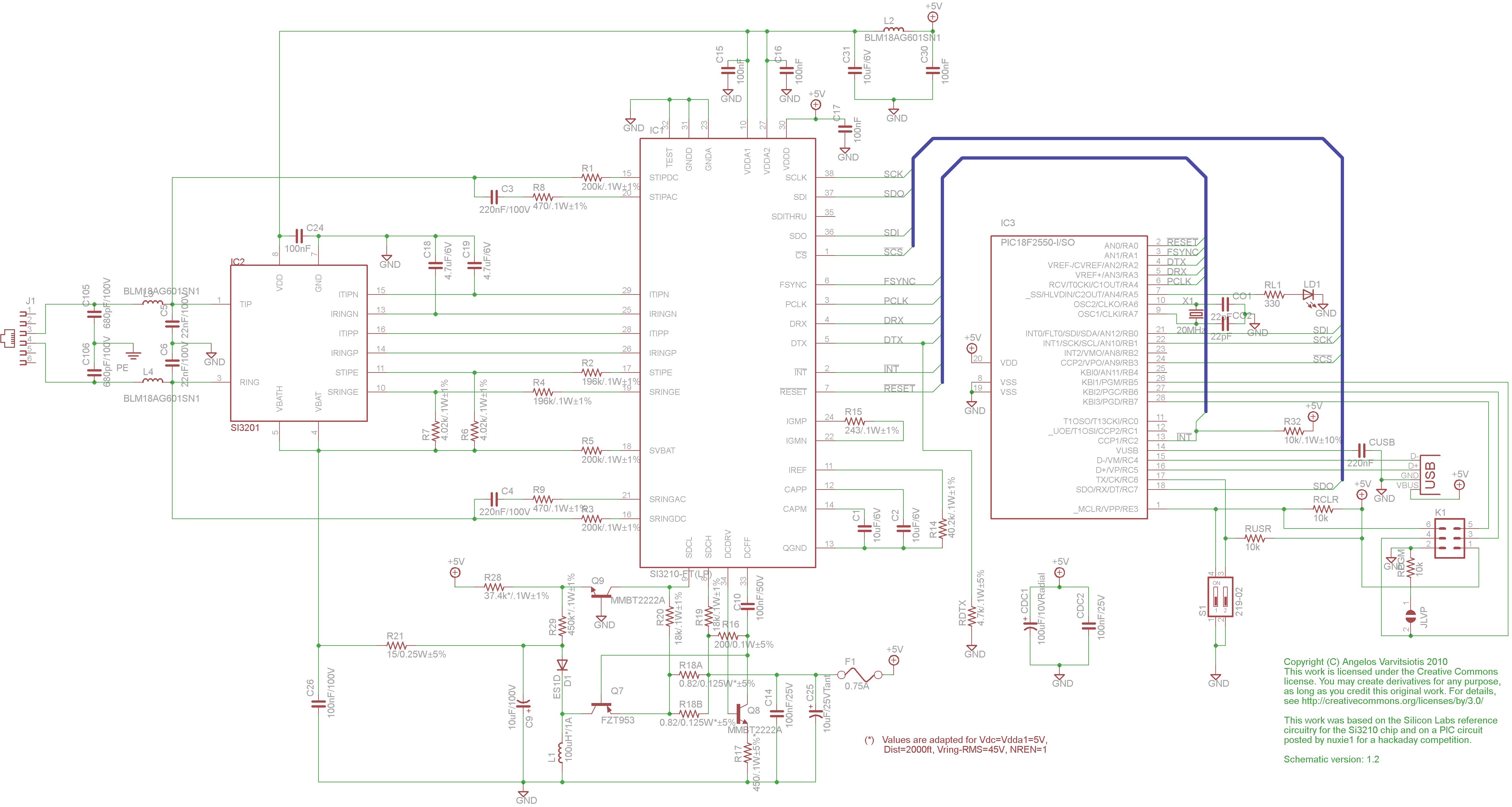
dyi setup and debugging guide
This page discusses the differences between assembled Open USB FXS dongle boards and DIY boards. While the assembled boards are fully tested and quality control approved, DIY boards may encounter various issues during assembly. Fortunately, most of these issues can...

Stand-by Battery Charger
This simple circuit will find many applications as a battery eliminator for low power requirements. It consists of a transformer, a bridge rectifier and an electrolytic capacitor followed by a zener controlled series pass transistor. The output is stabilized at...

LM78S40 5V to 15V Step-up Voltage Regulator
A step-up conversion can be achieved without utilizing a transformer. This circuit is capable of converting a 5V DC source into 15V. It is important to note that there is no power gain.
The described circuit employs a DC-DC boost converter...

Universal-battery-charger
When power is applied to the circuit, SCR1 is off, resulting in no bias current path to ground; thus, LM317 operates as a current regulator. The LM317 is connected to the battery through steering diode D1, limiting resistor R1, and...

Dual Regulated Power Supply
The 7815 regulates the positive supply, while the 7915 regulates the negative supply. The transformer should have a primary rating of 240/220 volts for Europe or 120 volts for North America. The center-tapped secondary coil should be rated approximately 18...
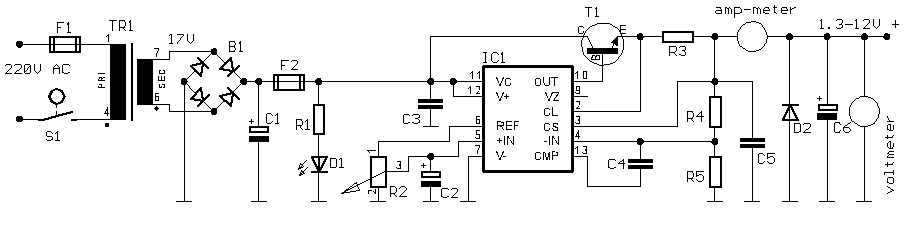
Small Variable power Supply
This is a simple yet reliable device based on one of the oldest integrated voltage regulators, the LM723.
The LM723 is a versatile voltage regulator that can be configured to provide a wide range of output voltages. It is capable of...

Rapid battery charger
The rectified and filtered voltage from the 24 Vac transformer is applied to the LM723 voltage regulator and the NPN pass transistor configured for constant current supply. A 470-ohm resistor limits trickle current until the momentary pushbutton (S2) is pressed,...

Logic PSU with Overvoltage Protection
The 5 volt regulated power supply for TTL and 74LS series integrated circuits has to be very precise and tolerant of voltage transients. These ICs are easily damaged by short voltage spikes. A fuse will blow when its current rating...

12Vdc Mobile Battery Charger
This circuit provides an output of up to 20 V from a 12-V automotive supply, enabling constant current charging of NiCad battery assemblies with a total voltage of approximately 18 V. The circuit utilizes a square-wave oscillator (VI) and diodes...