


pong reborn
#arcade
#video game
#discrete chips
#digital circuit
#Pong
#schematic
#game control
#sound generation
#graphics
#retro

Description: This is the schematic diagram for the original arcade version of Pong, the first digital video game. Unlike other video games of that era, Pong utilized an entirely digital circuit to generate graphics, sound, and game control. It operates without software or a processor, relying solely on a collection of 66 discrete chips that perform a singular function, interconnected to create the game as it is known today. The various sections are color-coded. However, many of the part annotations are difficult to read, and artifacts from copying obscure numerous details.
The schematic for the original Pong arcade game is a fascinating representation of early digital electronics, showcasing the ingenuity of circuit design in the absence of modern computing resources. The circuit is primarily composed of 66 discrete integrated circuits, each dedicated to specific tasks such as generating the game's visuals, sound effects, and handling player input. The design emphasizes modularity, with each section color-coded to enhance clarity and facilitate troubleshooting.
The video generation component utilizes oscillators and flip-flops to create the visual representation of the paddles and the ball on the screen. This section is responsible for generating the horizontal and vertical sync signals required to properly display the game on a CRT monitor. The sound generation circuit, built using simple waveform generators, produces the iconic beeps and boops that accompany gameplay, enhancing the user experience.
Player control is managed through analog inputs, where potentiometers are used to detect the position of the paddles. These inputs are converted into digital signals that dictate the movement of the paddles on the screen. The interconnection of these discrete components is meticulously laid out in the schematic, with clear pathways illustrating how signals flow between the various sections of the circuit.
Despite the simplicity of the components, the design exhibits a high level of sophistication, demonstrating how engineers of the time creatively overcame limitations to produce an engaging gaming experience. The challenges posed by the legibility of part annotations and the presence of copying artifacts highlight the importance of clear documentation in electronic schematics, as it directly impacts the ability to understand and replicate such pioneering designs.Here is the schematic diagram for the original arcade version of Pong, the first digital video game. Unlike other video games of the time, Pong used an all digital circuit to produce the graphics, sound and game control. There is no software or processor, just a collection of 66 discrete chips performing a single function, inter-connected to creat
e the game we know. The different sections have been colour coded. As you can see many of the part annotations are very hard to read and copying artifacts obscure many details.
The schematic for the original Pong arcade game is a fascinating representation of early digital electronics, showcasing the ingenuity of circuit design in the absence of modern computing resources. The circuit is primarily composed of 66 discrete integrated circuits, each dedicated to specific tasks such as generating the game's visuals, sound effects, and handling player input. The design emphasizes modularity, with each section color-coded to enhance clarity and facilitate troubleshooting.
The video generation component utilizes oscillators and flip-flops to create the visual representation of the paddles and the ball on the screen. This section is responsible for generating the horizontal and vertical sync signals required to properly display the game on a CRT monitor. The sound generation circuit, built using simple waveform generators, produces the iconic beeps and boops that accompany gameplay, enhancing the user experience.
Player control is managed through analog inputs, where potentiometers are used to detect the position of the paddles. These inputs are converted into digital signals that dictate the movement of the paddles on the screen. The interconnection of these discrete components is meticulously laid out in the schematic, with clear pathways illustrating how signals flow between the various sections of the circuit.
Despite the simplicity of the components, the design exhibits a high level of sophistication, demonstrating how engineers of the time creatively overcame limitations to produce an engaging gaming experience. The challenges posed by the legibility of part annotations and the presence of copying artifacts highlight the importance of clear documentation in electronic schematics, as it directly impacts the ability to understand and replicate such pioneering designs.Here is the schematic diagram for the original arcade version of Pong, the first digital video game. Unlike other video games of the time, Pong used an all digital circuit to produce the graphics, sound and game control. There is no software or processor, just a collection of 66 discrete chips performing a single function, inter-connected to creat
e the game we know. The different sections have been colour coded. As you can see many of the part annotations are very hard to read and copying artifacts obscure many details.
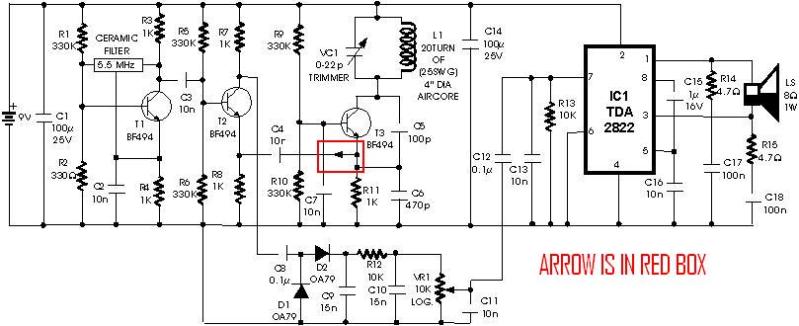
metal detector project circuit
A schematic diagram for a metal detector has been found. The project does not need to be original and can be sourced from the internet. There are several questions regarding this schematic. One query pertains to a small arrow connected...

Electronic potentiometer circuit composed of digital circuits
Figure 4-14 illustrates a digital integrated circuit featuring 16 preset potentiometers for Siniperca electronic circuits. The circuit comprises three main components: an input controller, a presettable counter, an analog electronic switch, and a resistor network. It includes a push-button switch...
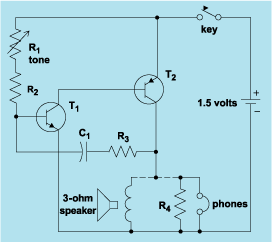
schematic diagram graphic arts
Schematic diagram. A presentation of the element-by-element relationship of all parts of a system.
A schematic diagram serves as a crucial tool in electronic design and engineering, representing the interconnections and relationships between various components within a system. It provides a...

How to Read a Schematic
Electronic circuits are presented in schematic form. A schematic is essentially a map that illustrates the path of current through various components. Each component is represented by a symbol, typically accompanied by a label or a value, or both. The...

ELECTRONIC SCHEMATIC CIRCUIT DIAGRAMS
Electronic Schematic Circuit Diagrams Manual PDF Download.
The document provides a comprehensive manual that focuses on electronic schematic circuit diagrams. These diagrams are essential tools for understanding and designing electronic circuits, offering visual representations of circuit components and their interconnections. The...

audio Smallest circuit to make a sound
Any ideas? Is this circuit going to be standalone? Is there any other circuitry around it, perhaps a microcontroller? What circuitry does the timing device contain, or does it even contain electronics? Abdullah Kahraman Mar 22, '13 at 18:10. Since...

Submarine Periscope Arcade Shooter
This is an old periscope game where players hunt down ships that pass by in the dark. Upon powering it on, a loud 60Hz hum was heard from the audio circuit. The game started, but aiming was inaccurate, and ships...

Need to have the circuit schematic for LG 29SA1RL model
The schematic is in PDF format and cannot be sent through this site. It is recommended to check a specific website that contains various schematics, including older posts that might have the schematic needed. A WS-55807 model is experiencing issues...
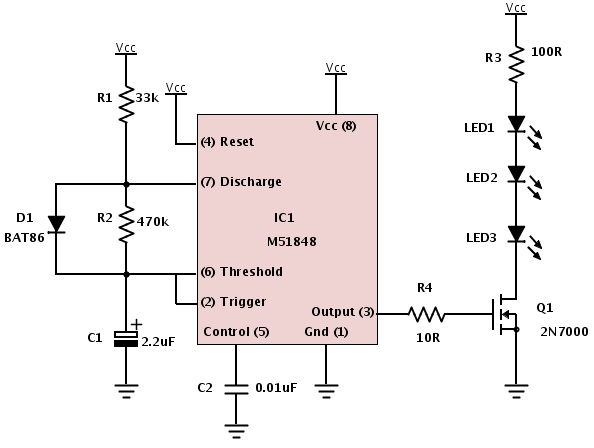
Building a device from a schematic
A common issue encountered is that individuals possess a schematic, also known as a circuit diagram, that they wish to construct. However, they discover that there are...
Building a circuit from a schematic requires a clear understanding of the components involved...