


Network Bandwidth Meter

Description: The meter was acquired from eBay and features a full-scale movement of 1 mA, already marked from 0 to 100. The original scale was removed, scanned, and modified to include "% NETWORK" markings using an image editor. The new scale was printed and affixed over the original one. The circuit employs a simple design utilizing a Maxim MX7224 8-bit D/A converter, with digital inputs connected directly to the parallel port. Power and reference voltage are sourced from a disk drive connector. The schematic is available. The circuit is constructed on a piece of perfboard and attached to the back of the meter. While the circuit is not critical, caution is advised to prevent shorts, as PC power supplies can deliver 30 amps or more, which can damage the meter movement and cause insulation to burn off thin wire without the supply recognizing a fault. The MX7224 is a CMOS chip, necessitating precautions against static discharge during handling, and a grounded soldering iron should be used if the chip is not socketed. Possible enhancements include utilizing the MX7224's latch lines for driving multiple meters from a single port or enabling printer pass-through. An antique wood-cased meter housing this circuit would create an appealing external version; the MX7224 can output up to 5 mA, and an emitter follower may be employed to increase current for meters requiring more. The software consists of a basic C program for bit manipulation and a Perl program to calculate bandwidth usage from netstat output, both tailored for FreeBSD. In theory, it may be feasible to execute all functions through Perl, but employing non-standard ioctls in Perl is complex.
The described circuit design integrates a Maxim MX7224 8-bit digital-to-analog (D/A) converter, which is essential for converting digital signals from a parallel port into corresponding analog voltages. This conversion is crucial for applications where real-time monitoring or control of analog devices is required. The digital inputs are directly interfaced with the parallel port, allowing for straightforward integration with a computer system, facilitating easy data transfer and control.
Powering the circuit from a disk drive connector ensures compatibility with common PC hardware, while the use of perfboard for circuit assembly provides flexibility in layout and design. However, careful attention must be paid to avoid shorts, especially given the high current capabilities of typical PC power supplies. This precaution is vital to prevent catastrophic failure of the meter movement, which could occur almost instantaneously under high current conditions.
The MX7224's CMOS technology implies a sensitivity to electrostatic discharge (ESD); therefore, proper handling and grounding techniques are necessary to maintain the integrity of the device. The suggestion of using latch lines for driving multiple meters indicates a potential for scalability in the design, allowing for expanded functionality without the need for additional parallel ports.
The proposed enhancements, such as utilizing an emitter follower to increase output current, demonstrate an understanding of the requirements of various meter types that may require more than the standard output current provided by the MX7224. This adaptability ensures that the circuit can be tailored to meet specific application needs.
The software component, comprising both a C program and a Perl script, highlights the importance of software-hardware integration in modern electronic designs. The C program's role in manipulating digital signals complements the hardware design, while the Perl script’s function of analyzing bandwidth usage indicates a comprehensive approach to system monitoring and performance evaluation.
Overall, this circuit represents a blend of practical electronic design and software integration, suitable for various applications in monitoring and control systems. The aesthetic consideration of housing the circuit in an antique meter adds a unique visual appeal, merging functionality with vintage design.The meter came from eBay, and has a 1 mA full scale movement. It was already marked 0 to 100. I simply removed the original scale, scanned it, and added the "% NETWORK" markings over some of the original ones with an image editor. I then printed the new scale and glued it over the old one. The circuit is a simple design using a Maxim MX7224 8-bit D/A converter, with the digital inputs driven directly by the parallel port. Power and reference voltage come from a disk drive connector. The schematic is available here. I built the circuit on a piece of perfboard and affixed it to the back of the meter. There`s nothing critical about the circuit, but be particularly careful to avoid shorts. PC power supplies can source 30 amps or more. This will destroy a meter movement in an instant, and smoke the insulation right off thin wire without the supply even recognizing a fault. The MX7224 is a CMOS chip, so use some precautions to avoid static discharge while handling it, and use a grounded soldering iron if you don`t socket the chip.
Possible refinements would include using the MX7224`s latch lines to allow driving multiple meters off one port, or to allow a printer pass-through. An antique wood-cased meter with this circuit built inside would make a lovely external version; the MX7224 can source up to 5 mA, and an emitter follower could be used to boost the current for meters that need more.
The software includes a simple C program to do the actual bit-twiddling, and a Perl program to calcuate the bandwidth usage from netstat`s output. These are both pretty FreeBSD-specific. It should, in theory, be possible to do everything from Perl, but using non-standard ioctls from Perl isn`t easy.
The described circuit design integrates a Maxim MX7224 8-bit digital-to-analog (D/A) converter, which is essential for converting digital signals from a parallel port into corresponding analog voltages. This conversion is crucial for applications where real-time monitoring or control of analog devices is required. The digital inputs are directly interfaced with the parallel port, allowing for straightforward integration with a computer system, facilitating easy data transfer and control.
Powering the circuit from a disk drive connector ensures compatibility with common PC hardware, while the use of perfboard for circuit assembly provides flexibility in layout and design. However, careful attention must be paid to avoid shorts, especially given the high current capabilities of typical PC power supplies. This precaution is vital to prevent catastrophic failure of the meter movement, which could occur almost instantaneously under high current conditions.
The MX7224's CMOS technology implies a sensitivity to electrostatic discharge (ESD); therefore, proper handling and grounding techniques are necessary to maintain the integrity of the device. The suggestion of using latch lines for driving multiple meters indicates a potential for scalability in the design, allowing for expanded functionality without the need for additional parallel ports.
The proposed enhancements, such as utilizing an emitter follower to increase output current, demonstrate an understanding of the requirements of various meter types that may require more than the standard output current provided by the MX7224. This adaptability ensures that the circuit can be tailored to meet specific application needs.
The software component, comprising both a C program and a Perl script, highlights the importance of software-hardware integration in modern electronic designs. The C program's role in manipulating digital signals complements the hardware design, while the Perl script’s function of analyzing bandwidth usage indicates a comprehensive approach to system monitoring and performance evaluation.
Overall, this circuit represents a blend of practical electronic design and software integration, suitable for various applications in monitoring and control systems. The aesthetic consideration of housing the circuit in an antique meter adds a unique visual appeal, merging functionality with vintage design.The meter came from eBay, and has a 1 mA full scale movement. It was already marked 0 to 100. I simply removed the original scale, scanned it, and added the "% NETWORK" markings over some of the original ones with an image editor. I then printed the new scale and glued it over the old one. The circuit is a simple design using a Maxim MX7224 8-bit D/A converter, with the digital inputs driven directly by the parallel port. Power and reference voltage come from a disk drive connector. The schematic is available here. I built the circuit on a piece of perfboard and affixed it to the back of the meter. There`s nothing critical about the circuit, but be particularly careful to avoid shorts. PC power supplies can source 30 amps or more. This will destroy a meter movement in an instant, and smoke the insulation right off thin wire without the supply even recognizing a fault. The MX7224 is a CMOS chip, so use some precautions to avoid static discharge while handling it, and use a grounded soldering iron if you don`t socket the chip.
Possible refinements would include using the MX7224`s latch lines to allow driving multiple meters off one port, or to allow a printer pass-through. An antique wood-cased meter with this circuit built inside would make a lovely external version; the MX7224 can source up to 5 mA, and an emitter follower could be used to boost the current for meters that need more.
The software includes a simple C program to do the actual bit-twiddling, and a Perl program to calcuate the bandwidth usage from netstat`s output. These are both pretty FreeBSD-specific. It should, in theory, be possible to do everything from Perl, but using non-standard ioctls from Perl isn`t easy.
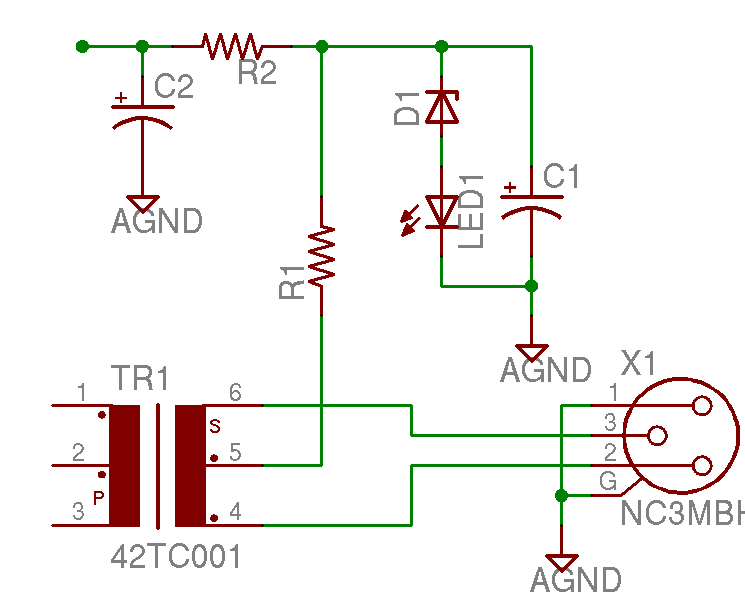
Help with a schematic please
A project is underway to construct the CountryHick DI as illustrated on DIYFactory, incorporating a few minor modifications. The final design aims to be a 1U unit with four inputs.
The CountryHick DI (Direct Injection) box is a crucial tool in...

8-bit bus control widely used 12-bit DA converter Universal
The 8 microcomputer data operates with an 8-bit parallel output, while also accommodating serial input for D-A converters. Typically, data must be entered in two groups and processed as a whole. The requirements for data latching involve 16 straight odd...

MePADS
If you are considering building the Desert Ratt 2, it is advisable to read all the accompanying text, as it contains relevant construction details. Engaging with the comments and replies can also provide additional insights, as previous blog posts have...

DC Lessons In Electric Circuits
A meter is a device designed to accurately detect and display an electrical quantity in a form that is readable by humans. This "readable form" is typically visual, such as the motion of a pointer on a scale, a series...
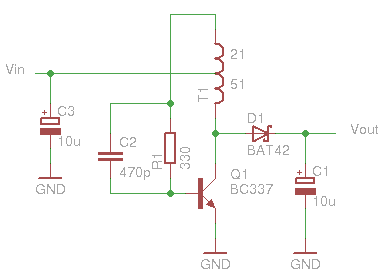
Glue stck torch
This project, developed around 2005, involves constructing a torch using a glue stick, which conveniently accommodates an AA battery within its plastic casing. To create a functional battery holder, contacts for both the positive and negative connections are necessary. The...

Mathematical approch to measuring current voltage and resistance of mixed series and parallel
There is one significant low-impedance node in the entire circuit, referred to as 0V, located at the frame and the intersection in the middle. The upper voltage source is connected to this midpoint through a 1kΩ resistor, indicating that the...

turret diy
For maximum mini-security, this RC Tupperware Turret delivers a formidable deterrent against food theft. While it lacks motion sensors, potential food thieves will think twice before attempting to swipe baked goods. This 11-hour project, designed by Chris of PyroElectro, emphasizes...

high side current measurements
It is often challenging to measure the current in the positive lead of a power supply, such as a battery charger. Fortunately, specialized integrated circuits (ICs) have been developed for this purpose in recent years, including the Burr-Brown INA138 and...
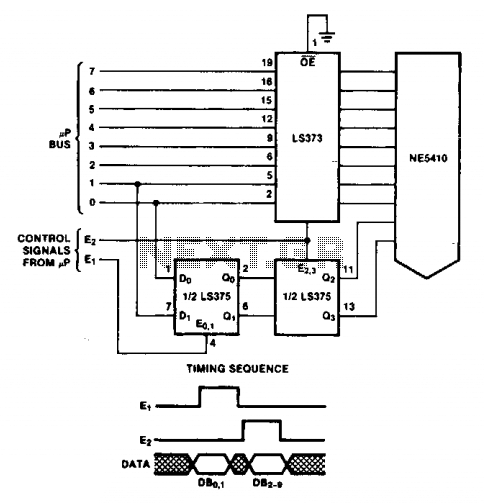
8-bit bus interface
The double latch technique ensures that valid data is latched to the Digital-to-Analog Converter (DAC) until it is updated by the E2 pulse. The timing of this process will depend on the specific processor utilized.
The double latch technique is a...