


USB-DUX
#USB-DUX
#sigma board
#LM35
#voltage range
#HD connector
#soldering
#measurement
#data acquisition
#sensor interface

Description: The input range of the USB-DUX sigma board (+/-1.35V) is compatible with the output voltage range of the LM35 temperature sensor. Ground (GND) is accessible on multiple pins of the HD connector, allowing selection of the most convenient pins for soldering. Resistor R5 should be placed near the D connector, such as within the backshell, to serve as a termination and to mitigate oscillations. To facilitate the measurement of negative temperatures, a 100K resistor should be connected between pins 16 and 31 (-5V).
The USB-DUX sigma board is designed to interface seamlessly with the LM35 temperature sensor, which provides a linear output voltage proportional to the temperature in degrees Celsius. The specified input voltage range of +/-1.35V ensures that the board can accurately process the output of the LM35, which typically operates within a similar voltage range.
The HD connector on the board offers multiple ground pins, enhancing flexibility during the assembly process. This allows for optimal placement of ground connections, minimizing potential noise and improving signal integrity. The careful selection of ground pins can significantly affect the performance of the circuit, especially in sensitive applications.
The placement of resistor R5 is critical; it should be soldered close to the D connector. This positioning acts as a termination resistor, which is essential for reducing reflections and preventing oscillations in high-frequency signals. Proper termination is crucial for maintaining signal quality and ensuring reliable operation of the overall system.
For applications requiring the measurement of negative temperatures, the inclusion of a 100K resistor between pins 16 and 31 is necessary. This configuration allows the circuit to extend its measurement capabilities into the negative temperature range, which is particularly useful in various environmental monitoring applications. The careful integration of this resistor ensures that the LM35 can provide accurate readings even when temperatures drop below zero degrees Celsius.
Overall, the design considerations outlined here highlight the importance of careful component placement and selection in achieving optimal performance in temperature measurement applications using the USB-DUX sigma board and the LM35 sensor.The input range of the USB-DUX sigma board (+/-1. 35V) matches perfectly the output voltage range of the LM35. GND is available on many pins on the HD connector (check out the pinout ) so that you can choose the ones which are easiest to solder to. R5 should be soldered close to the D con nector (e. g. inside of the backshell) which acts as a termination and prevents oscillations. To be able to measure negative temperatures connect a 100K resistor between pins 16 and 31 (-5V).
The USB-DUX sigma board is designed to interface seamlessly with the LM35 temperature sensor, which provides a linear output voltage proportional to the temperature in degrees Celsius. The specified input voltage range of +/-1.35V ensures that the board can accurately process the output of the LM35, which typically operates within a similar voltage range.
The HD connector on the board offers multiple ground pins, enhancing flexibility during the assembly process. This allows for optimal placement of ground connections, minimizing potential noise and improving signal integrity. The careful selection of ground pins can significantly affect the performance of the circuit, especially in sensitive applications.
The placement of resistor R5 is critical; it should be soldered close to the D connector. This positioning acts as a termination resistor, which is essential for reducing reflections and preventing oscillations in high-frequency signals. Proper termination is crucial for maintaining signal quality and ensuring reliable operation of the overall system.
For applications requiring the measurement of negative temperatures, the inclusion of a 100K resistor between pins 16 and 31 is necessary. This configuration allows the circuit to extend its measurement capabilities into the negative temperature range, which is particularly useful in various environmental monitoring applications. The careful integration of this resistor ensures that the LM35 can provide accurate readings even when temperatures drop below zero degrees Celsius.
Overall, the design considerations outlined here highlight the importance of careful component placement and selection in achieving optimal performance in temperature measurement applications using the USB-DUX sigma board and the LM35 sensor.The input range of the USB-DUX sigma board (+/-1. 35V) matches perfectly the output voltage range of the LM35. GND is available on many pins on the HD connector (check out the pinout ) so that you can choose the ones which are easiest to solder to. R5 should be soldered close to the D con nector (e. g. inside of the backshell) which acts as a termination and prevents oscillations. To be able to measure negative temperatures connect a 100K resistor between pins 16 and 31 (-5V).

Fahrenheit Thermometer Using LM35 Temperature Sensor IC
A digital voltmeter, or any voltmeter with millivolt resolution and high input impedance, can be utilized as a temperature-to-voltage adapter.
The described temperature-to-voltage adapter is designed to convert temperature readings into corresponding voltage outputs, suitable for interfacing with digital voltmeters. This...
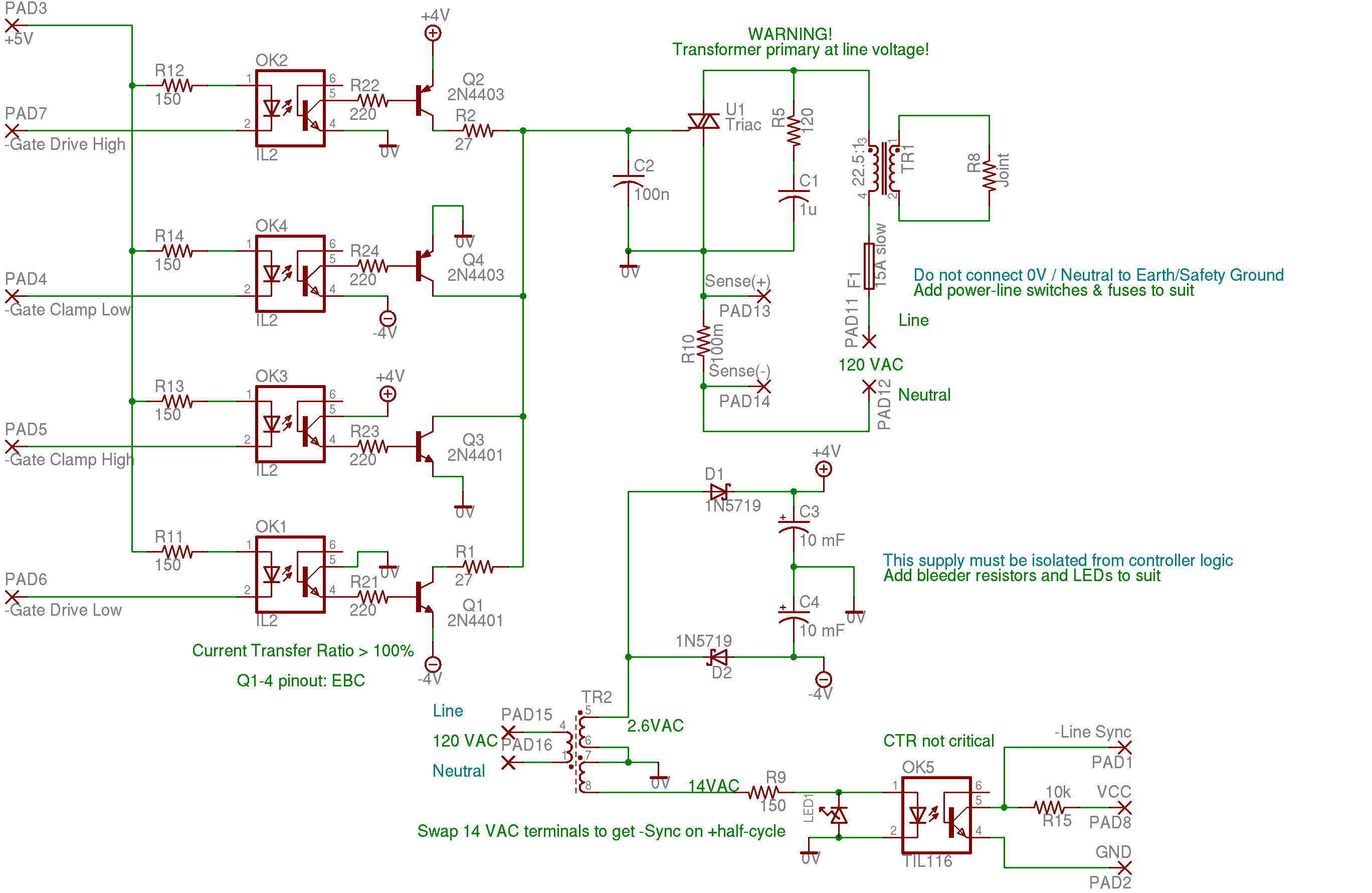
resistance soldering circuitry
None of this triggering circuitry is exactly what is desired, but it will provide a starting point in the right direction.
The triggering circuitry mentioned serves as a foundational element for various electronic applications, particularly in the realm of signal processing...

pic thermometer
The circuit utilizes the LM35 temperature sensor to measure temperature in the range of 0 to 99 degrees Celsius and displays the readings using two seven-segment displays. It is designed to activate devices through the RC pins; for instance, RC0...

Data acquisition system circuit
Converters and data sampling: A 12-bit A/D converter, AD574, is interfaced with an 8031 microcontroller circuit. Parameters are measured by a multi-way switch after a CD4051 strobe signal is sent to the sample/hold input device. The selection of the input...
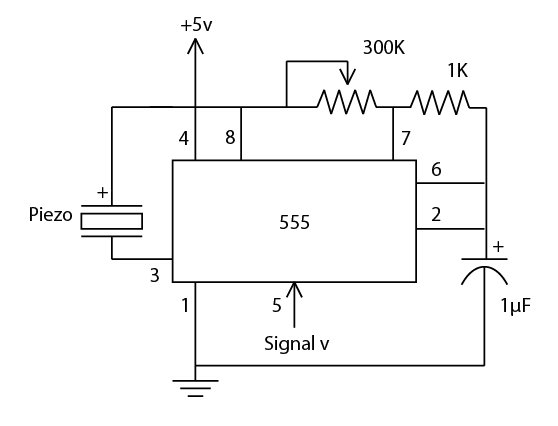
acoustic daq mathematica
For physical computing or amateur science projects, it is often necessary to transfer the output from a sensor or transducer to a computer. Various methods exist for achieving this, utilizing specialized data acquisition hardware and software. This particular method is...

ProfiLab-Expert 4.0
The ProfiLab-Expert software allows you to develop your own digital or analogue measuring technology projects. It doesn't matter if you want to create analogue measurements or digital controls - you can realize it all. And for all this you don't...

DESKTOP 386SX PC AS DAQ (Data AQuisitor)
Chipmunk BASIC has many useful functions. A small BASIC file was created to read the serial port and plot the value on the screen (available upon request for free). The desktop 386SX PC is equipped with a 1.44MB floppy disk...
ProfiLab-Expert 4.0
The ProfiLab-Expert software allows you to develop your own digital or analogue measuring technology projects. It doesn't matter if you want to create analogue measurements or digital controls - you can realize it all. And for all this you don't...

Revised version of LM35 based digital temperature meter
This document outlines a revised version of an LM35-based digital thermometer project previously shared. While it is a straightforward project, it remains popular among beginners learning about microcontrollers. The initial version contained a flaw, as some readers noted that a...