


night light saver using pic12c508
#PIC12C508
#night light
#microcontroller
#energy saver
#home automation
#lighting control
#8-pin microcontroller
#Microchip

Description: Introduction It is time for the 8-pin microcontroller Microchip PIC12C508, the SAVER V3.2, a new design of a device that controls a night light by turning it on and off.
The SAVER V3.2 utilizes the Microchip PIC12C508 microcontroller, which features 8 pins and is well-suited for low-power applications. This device is designed to automate the operation of a night light, providing convenience and energy savings. The microcontroller can be programmed to turn the night light on at dusk and off at dawn, ensuring that the light is only active when needed.
The circuit design includes essential components such as a light-dependent resistor (LDR) for ambient light sensing, which allows the microcontroller to determine the surrounding light conditions. The LDR is connected to an analog input pin of the PIC12C508, enabling it to read the voltage level that corresponds to the amount of light detected.
A transistor is used as a switch to control the night light, allowing the microcontroller to manage higher currents than it can handle directly. The output pin of the microcontroller is connected to the base of the transistor through a current-limiting resistor. When the microcontroller outputs a high signal, the transistor turns on, allowing current to flow through the night light, thereby illuminating it.
Additional components may include a diode for reverse polarity protection and capacitors for power supply stabilization. The circuit should also incorporate a suitable power supply to ensure the microcontroller operates within its specified voltage range. This design not only enhances the functionality of the night light but also contributes to energy efficiency by reducing unnecessary power consumption.
Overall, the SAVER V3.2 is an effective solution for automating night light operations, utilizing the capabilities of the PIC12C508 microcontroller to create a user-friendly and energy-efficient device.Introduction It`s time for 8-pin microcontroller Microchip PIC12C508, the SAVER V3.2, my latest design of a device that turns a night light on and off ever..
The SAVER V3.2 utilizes the Microchip PIC12C508 microcontroller, which features 8 pins and is well-suited for low-power applications. This device is designed to automate the operation of a night light, providing convenience and energy savings. The microcontroller can be programmed to turn the night light on at dusk and off at dawn, ensuring that the light is only active when needed.
The circuit design includes essential components such as a light-dependent resistor (LDR) for ambient light sensing, which allows the microcontroller to determine the surrounding light conditions. The LDR is connected to an analog input pin of the PIC12C508, enabling it to read the voltage level that corresponds to the amount of light detected.
A transistor is used as a switch to control the night light, allowing the microcontroller to manage higher currents than it can handle directly. The output pin of the microcontroller is connected to the base of the transistor through a current-limiting resistor. When the microcontroller outputs a high signal, the transistor turns on, allowing current to flow through the night light, thereby illuminating it.
Additional components may include a diode for reverse polarity protection and capacitors for power supply stabilization. The circuit should also incorporate a suitable power supply to ensure the microcontroller operates within its specified voltage range. This design not only enhances the functionality of the night light but also contributes to energy efficiency by reducing unnecessary power consumption.
Overall, the SAVER V3.2 is an effective solution for automating night light operations, utilizing the capabilities of the PIC12C508 microcontroller to create a user-friendly and energy-efficient device.Introduction It`s time for 8-pin microcontroller Microchip PIC12C508, the SAVER V3.2, my latest design of a device that turns a night light on and off ever..
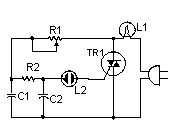
300-350W Lighting Control
This circuit illustrates a lighting control circuit diagram with a power rating of approximately 300-350W. Features include low cost, simplicity, and operation at 120V AC voltages. Components: ..
The lighting control circuit designed for 300-350W applications is intended to provide a...
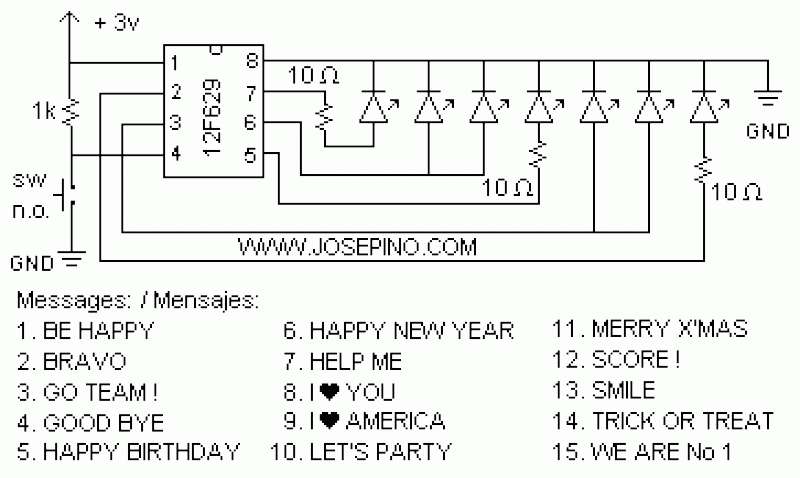
ON/OFF button using Microcontrollers
Using a switch to power up your microcontroller projects may not be a good idea if you need to "wake" the PIC during some events. For example: A metal detector sends a pulse indicating a car is ready to enter...

Interface a uC to PC RS232 with MAX232A
This document outlines the standard configuration for interfacing a microcontroller, such as the 8051, with a PC using RS232 through the MAX232A. The UART or serial port was absent in the 8049 and 8749 microcontrollers, which were predecessors to the...
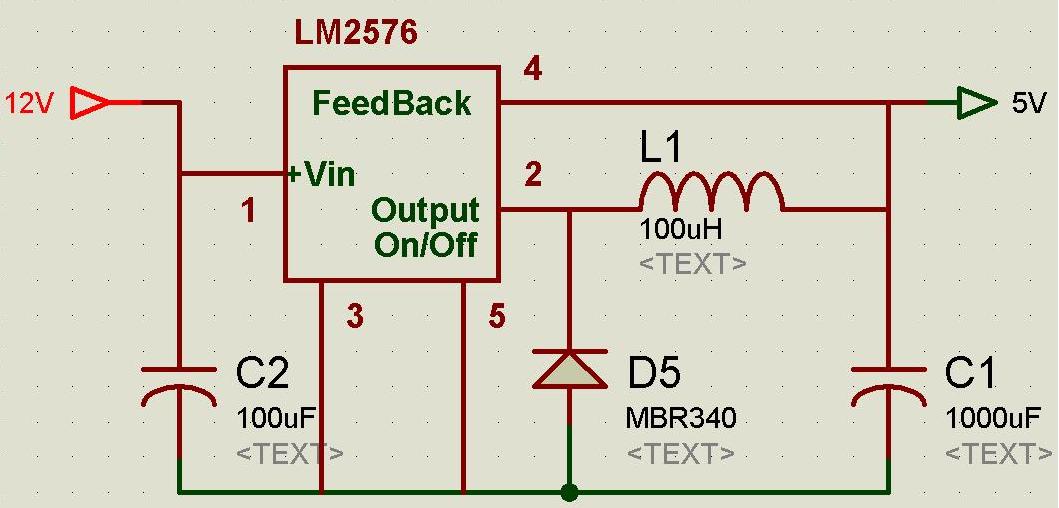
Some Voltage Regulator Ciruits for Microcontroller based Projects
A regulated and noise-free power supply voltage is essential for microcontrollers and other components such as amplifiers, filters, and GPS devices. Voltage surges in the supply voltage can permanently damage embedded systems. A voltage regulator must maintain the output voltage...

Layout Control Mother Board
The layout control motherboard is designed to facilitate the management of various sections of a layout. It features a microcontroller that connects to the MRNet bus and multiple slots for inexpensive control and sensor boards. All control and sensor boards...

Microcontroller Backup Thin Film Batteries
Cymbet Corporation provides rechargeable solid-state batteries designed for advanced microcontroller power backup applications. The company is recognized as a leader in thin-film energy storage technology.
Cymbet Corporation's rechargeable solid-state batteries are engineered to deliver reliable power solutions for microcontrollers, which are...

Night Light Saver
The Saver V5.0 runs simple clock emulation program, turns a night light on and off with preset time, say 19:00 to 22:00 everyday. The design features low cost, easy installation, no battery backup and no EMI. The AT89C2051 uses external...

Eight-digit-microprocessor-display
The display interface utilizes the ICM7218A/B in conjunction with an 8048 family microcontroller. An 8-bit data bus (DBO/DB7-IDO/ID7) facilitates the transfer of control and data information to the 7218 display interface during successive WRITE pulses. The mode input pins on...

Metal detector circuit
The project demonstration has been successfully completed, with the only remaining task being the final project report due on June 15, which will be integrated with a conference paper. This update marks the last entry in the electronic notebook, although...