


Electronics
#home decor
#DIY
#furniture
#organization
#storage
#IKEA
#apartment living
#wine rack
#liquor cabinet
#compact design

Description: When a couple moved into their small apartment in San Francisco, they wanted to create a compact liquor cabinet and wine rack. After a visit to IKEA, they acquired a bookshelf that could be easily transformed into a stylish liquor display unit. They added holders for wine glasses and bottles, enhancing its functionality. However, the setup still lacked visual appeal, remaining shadowy against the wall at night and not showcasing their effort. The couple felt it needed additional elements, such as lighting and sensors, to elevate the experience.
To enhance the aesthetic and functional qualities of the liquor cabinet and wine rack, a lighting system can be integrated into the design. This system can utilize LED strip lights, which are energy-efficient and available in various colors, allowing for customization based on mood or occasion. The installation of these lights can be done along the edges or shelves of the unit, illuminating the bottles and glasses while creating an inviting ambiance.
Incorporating sensors into the design can further enhance user interaction. For instance, a motion sensor can be installed to automatically turn on the lights when someone approaches the cabinet, providing convenience and an element of surprise. Additionally, a sound sensor can be integrated to activate the lighting in sync with music, creating a dynamic atmosphere suitable for gatherings.
For the electrical schematic, the LED strips will require a power supply rated for the total wattage of the lights used. A microcontroller, such as an Arduino, can be programmed to control the lighting and sensor functionality. The motion sensor can be connected to a digital input pin on the microcontroller, while the sound sensor can be wired to another input pin. The output pins of the microcontroller will control the LED strips, allowing for various lighting effects based on sensor input.
In summary, by integrating a lighting system with sensors into the liquor cabinet and wine rack, the overall aesthetic and functionality can be significantly improved. This setup not only highlights the couple's collection but also adds an interactive and enjoyable element to their living space.When my girlfriend and I moved into our small apartment in San Francisco we wanted to setup some sort of compact liquor cabinet and wine rack. After a quick trip to IKEA we had a bookshelf we could easily convert into a fancy boozeshelf unit! *insert music montage here* After adding holders for wine glasses and bottles it was good, but still a bit
boring and not quite perfect. At night it would just stand there against the wall in a shadow, not presenting our handiwork at all. A true insult to all the alcohol we had on display. I felt like it needed something more some light and sensors and might as well throw in a dance party while I`m at it.
To enhance the aesthetic and functional qualities of the liquor cabinet and wine rack, a lighting system can be integrated into the design. This system can utilize LED strip lights, which are energy-efficient and available in various colors, allowing for customization based on mood or occasion. The installation of these lights can be done along the edges or shelves of the unit, illuminating the bottles and glasses while creating an inviting ambiance.
Incorporating sensors into the design can further enhance user interaction. For instance, a motion sensor can be installed to automatically turn on the lights when someone approaches the cabinet, providing convenience and an element of surprise. Additionally, a sound sensor can be integrated to activate the lighting in sync with music, creating a dynamic atmosphere suitable for gatherings.
For the electrical schematic, the LED strips will require a power supply rated for the total wattage of the lights used. A microcontroller, such as an Arduino, can be programmed to control the lighting and sensor functionality. The motion sensor can be connected to a digital input pin on the microcontroller, while the sound sensor can be wired to another input pin. The output pins of the microcontroller will control the LED strips, allowing for various lighting effects based on sensor input.
In summary, by integrating a lighting system with sensors into the liquor cabinet and wine rack, the overall aesthetic and functionality can be significantly improved. This setup not only highlights the couple's collection but also adds an interactive and enjoyable element to their living space.When my girlfriend and I moved into our small apartment in San Francisco we wanted to setup some sort of compact liquor cabinet and wine rack. After a quick trip to IKEA we had a bookshelf we could easily convert into a fancy boozeshelf unit! *insert music montage here* After adding holders for wine glasses and bottles it was good, but still a bit
boring and not quite perfect. At night it would just stand there against the wall in a shadow, not presenting our handiwork at all. A true insult to all the alcohol we had on display. I felt like it needed something more some light and sensors and might as well throw in a dance party while I`m at it.
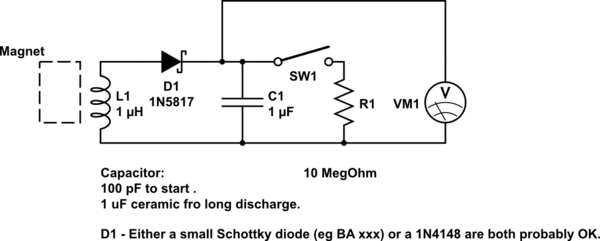
DIY kinetic energy harvester
A DIY kinetic energy harvester utilizing the electromagnetic method to generate electricity. The materials that will be used are currently known.
The project involves creating a kinetic energy harvester that converts mechanical energy from motion into electrical energy through electromagnetic induction....

MePADS
If you are considering building the Desert Ratt 2, it is advisable to read all the accompanying text, as it contains relevant construction details. Engaging with the comments and replies can also provide additional insights, as previous blog posts have...
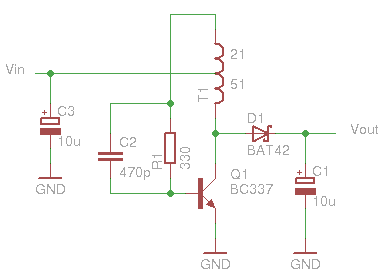
Glue stck torch
This project, developed around 2005, involves constructing a torch using a glue stick, which conveniently accommodates an AA battery within its plastic casing. To create a functional battery holder, contacts for both the positive and negative connections are necessary. The...

5 Minute Signal
For the past year and a half, a group based in Ann Arbor, Michigan, named GO-Tech has been formed, uniting individuals interested in creating projects using technology, such as hardware, software, metal, and wood. This initiative is referred to as...

how to convert a 9v battery to 3.7v
A regulator circuit is needed for this DIY project. Familiarity with electronic components, circuitry, the use of a multitester, and a soldering iron is essential. The schematic diagram provided can accept an input voltage ranging from 6 to 24 volts...

Homemade Metal Detector Kit
A simple home project can quickly become problematic if it encounters electric cables, gas, or water pipes, or the central heating system. Using a metal detector allows one to check for metal objects within walls, ceilings, or floors beforehand. An...
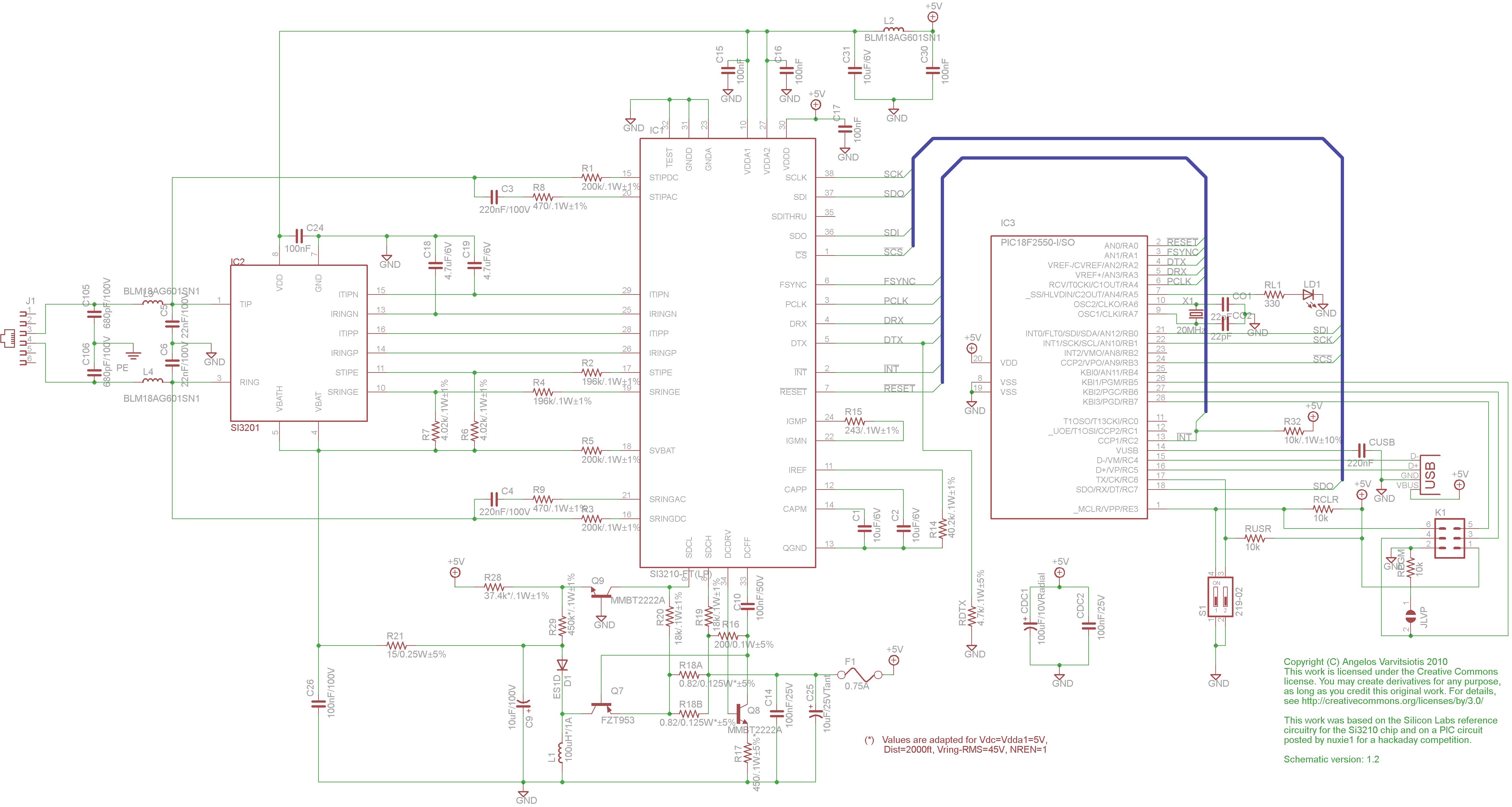
dyi setup and debugging guide
This page discusses the differences between assembled Open USB FXS dongle boards and DIY boards. While the assembled boards are fully tested and quality control approved, DIY boards may encounter various issues during assembly. Fortunately, most of these issues can...

Crescendo ampilifier elektor1982
The Elector Crescendo was the first DIY amplifier that was not a kit. The design was sourced from the Elector magazines available at a local library.
The Elector Crescendo is an innovative audio amplifier designed for DIY enthusiasts. It features a...

turret diy
For maximum mini-security, this RC Tupperware Turret delivers a formidable deterrent against food theft. While it lacks motion sensors, potential food thieves will think twice before attempting to swipe baked goods. This 11-hour project, designed by Chris of PyroElectro, emphasizes...