


generating stripboard layouts
#stripboard
#layout
#automation
#graph theory
#circuit design
#wire links
#optimal layout
#electronics
#DIY
#prototyping

Description: The task involves arranging components in such a way that connections are made along the same lanes. To facilitate this process, lanes can be broken or joined using wire links. The focus of this discussion is on automating the arrangement to achieve an optimal and seamless transition from a graphical representation to a set of lanes. The N-Queens problem serves as a relevant example, where N queens must be placed on an NxN board without any queen threatening another. This is accomplished using the all-different constraint, which ensures that the queens occupy distinct rows, columns, and diagonals. Lanes are defined as a finite set of numbers, which allows the use of all-different constraints but complicates the representation of broken lines. Components are represented as a list of connected points, with connected components sharing the same variable. However, this approach encounters difficulties when integrating wire links.
The circuit design described involves a logical arrangement of components based on the principles of the N-Queens problem. In this context, the components are represented as nodes on a graph, with lanes acting as pathways for connections. The use of the all-different constraint ensures that each component occupies a unique position within the defined lanes, thereby preventing conflicts in connectivity.
The implementation begins by defining the lanes as a range of integers, which establishes a finite domain for the connections. A function is defined to represent the relationship between connected components, ensuring that they adhere to the constraints of the circuit design. For example, the resistor function is utilized to define connections between two points, requiring that the lanes assigned to the components are distinct and valid according to the defined constraints.
The circuit also incorporates wire links to facilitate connections between broken lanes. This is achieved through the use of fresh variables that represent the new connections, allowing for flexibility in the arrangement of components. The distinctness of lanes is maintained through the use of the distinctfd function, which checks that the lanes assigned to each component do not overlap.
The overall process involves running queries that generate valid configurations of the circuit, ensuring that all components are connected appropriately while adhering to the constraints imposed by the N-Queens problem. This automated approach not only streamlines the arrangement of components but also enhances the efficiency of circuit design by reducing the potential for errors in connectivity.All you have to do is insert the pieces so that things that should connect are on the same lane. To make things even easier, you can break lanes, or join lanes with a wire link. Right, this brings me to the meat of this post. How can we automate this, to get an optimal and flawless translation from what is basically a graph, to a set of lanes In he N-Queens problem, N queens must be arranged on an NxN board, so that no queen attacks another queen. This is implemented using all-difffd 2, which forces the queens to all be on different rows, columns and diagonals.
For starters, lets define lanes as a finite domain of numbers. This allows us to use all-difffd, but gets us in trouble when we need to express broken lines. In this simplified version, I also just defined components as a list of points they are connected to. Components that are connected, use the same fresh variable. This also gets us into trouble when we insert wire links. > (run 1 (q) (fresh (l1 l2 l3 l4) (infd l1 l2 l3 l4 (range 0 10) (= q (list (list `r1 l1 l2) (list `r2 l3 l4) (list `fet l1 l3 l2) (distinctfd (list l1 l2 l3 l4) (r1 0 1) (r2 2 3) (fet 0 2 1) (define lanes (range 0 50) (define lane (lambda (l) (infd l lanes) (define resistor (lambda (l1 l2 r) (fresh (l2+) (lane l1) (lane l2) (lane l2+) (plusfd l2 2 l2+) ( (run 5 (q) (fresh (l1 l2) (resistor l1 l2 q) (r 3 0) (r 4 0) (r 4 1) (r 5 0) (r 5 1) > (run 1 (q) (fresh (l1 l2 l3 l4 r1 r2) (infd l1 l2 l3 l4 lanes) (resistor l1 l2 r1) (resistor l3 l4 r2) (= q (list r1 r2 (list `fet l1 l3 l2) (distinctfd (list l1 l2 l3 l4) (r 3 0) (r 4 1) (fet 3 4 0)
The circuit design described involves a logical arrangement of components based on the principles of the N-Queens problem. In this context, the components are represented as nodes on a graph, with lanes acting as pathways for connections. The use of the all-different constraint ensures that each component occupies a unique position within the defined lanes, thereby preventing conflicts in connectivity.
The implementation begins by defining the lanes as a range of integers, which establishes a finite domain for the connections. A function is defined to represent the relationship between connected components, ensuring that they adhere to the constraints of the circuit design. For example, the resistor function is utilized to define connections between two points, requiring that the lanes assigned to the components are distinct and valid according to the defined constraints.
The circuit also incorporates wire links to facilitate connections between broken lanes. This is achieved through the use of fresh variables that represent the new connections, allowing for flexibility in the arrangement of components. The distinctness of lanes is maintained through the use of the distinctfd function, which checks that the lanes assigned to each component do not overlap.
The overall process involves running queries that generate valid configurations of the circuit, ensuring that all components are connected appropriately while adhering to the constraints imposed by the N-Queens problem. This automated approach not only streamlines the arrangement of components but also enhances the efficiency of circuit design by reducing the potential for errors in connectivity.All you have to do is insert the pieces so that things that should connect are on the same lane. To make things even easier, you can break lanes, or join lanes with a wire link. Right, this brings me to the meat of this post. How can we automate this, to get an optimal and flawless translation from what is basically a graph, to a set of lanes In he N-Queens problem, N queens must be arranged on an NxN board, so that no queen attacks another queen. This is implemented using all-difffd 2, which forces the queens to all be on different rows, columns and diagonals.
For starters, lets define lanes as a finite domain of numbers. This allows us to use all-difffd, but gets us in trouble when we need to express broken lines. In this simplified version, I also just defined components as a list of points they are connected to. Components that are connected, use the same fresh variable. This also gets us into trouble when we insert wire links. > (run 1 (q) (fresh (l1 l2 l3 l4) (infd l1 l2 l3 l4 (range 0 10) (= q (list (list `r1 l1 l2) (list `r2 l3 l4) (list `fet l1 l3 l2) (distinctfd (list l1 l2 l3 l4) (r1 0 1) (r2 2 3) (fet 0 2 1) (define lanes (range 0 50) (define lane (lambda (l) (infd l lanes) (define resistor (lambda (l1 l2 r) (fresh (l2+) (lane l1) (lane l2) (lane l2+) (plusfd l2 2 l2+) (

Electronic Projects
This program includes circuit design CAD, simulation, and auto-routing PC layout. PSPICE is also utilized at Unisys, which offers more capabilities but costs six times as much and requires annual renewal. With these requirements and others in mind, a variation...

automatic pet feeder
An automatic feeder dispenses food based on the activation of a series of buttons, which interface with a system controller and a food dispenser. The system is designed for intelligent processing of inputs and outputs, allowing dynamic configuration of button...

case stepper
Beige Bag Software has been offering affordable and innovative circuit design tools since 1990. B2 Spice provides schematics as well as analog, digital, and mixed-mode electronic circuit simulation. It integrates with EAGLE and CADSTAR PCB software.
B2 Spice is a powerful...

Coop automatic controller circuit diagram
The automatic controller for a chicken coop is designed to automatically regulate light, temperature, and humidity, thereby enhancing egg production and survival rates of chickens. This device is intended for specialized poultry households in rural areas. The circuit operates through...

MePADS
If you are considering building the Desert Ratt 2, it is advisable to read all the accompanying text, as it contains relevant construction details. Engaging with the comments and replies can also provide additional insights, as previous blog posts have...
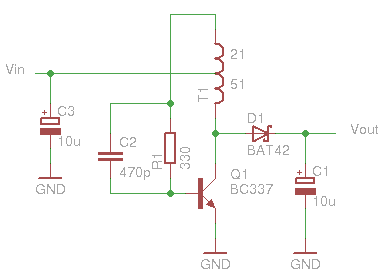
Glue stck torch
This project, developed around 2005, involves constructing a torch using a glue stick, which conveniently accommodates an AA battery within its plastic casing. To create a functional battery holder, contacts for both the positive and negative connections are necessary. The...

Lochmaster 3.0
LochMaster is a developers tool for stripboard projects. It has useful functions for designing, documenting and testing a board. Therefore you will find features like auto-generation of components lists, a connection test, an editable library with a large number of...
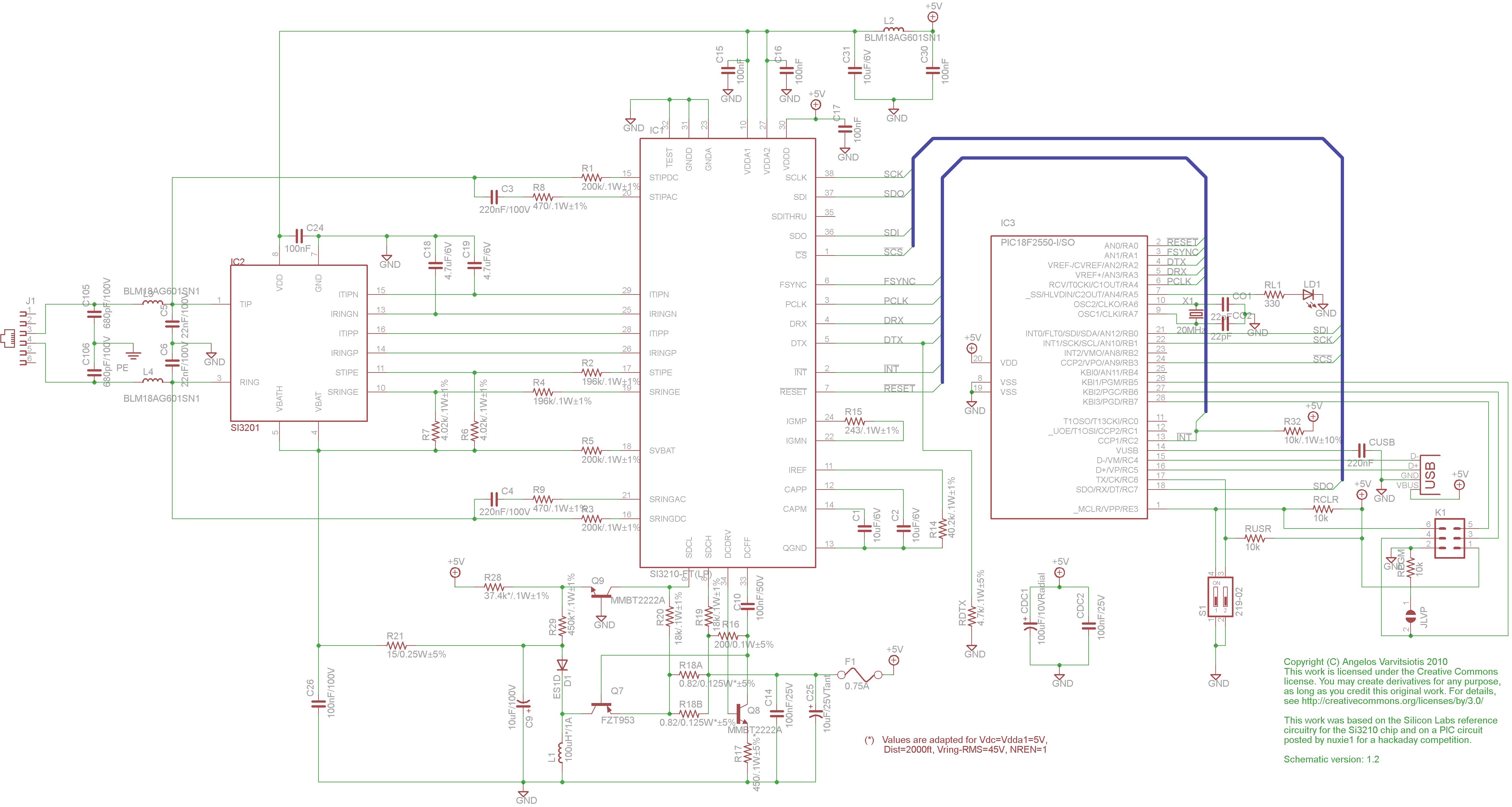
dyi setup and debugging guide
This page discusses the differences between assembled Open USB FXS dongle boards and DIY boards. While the assembled boards are fully tested and quality control approved, DIY boards may encounter various issues during assembly. Fortunately, most of these issues can...
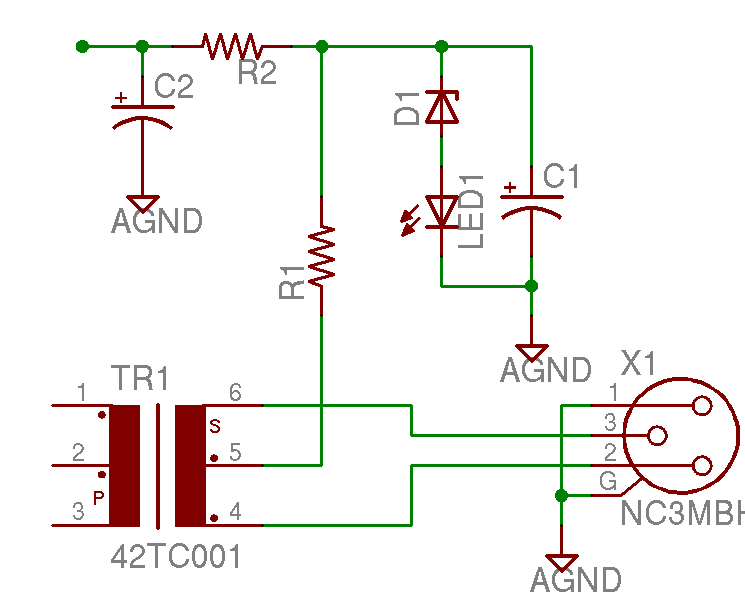
Help with a schematic please
A project is underway to construct the CountryHick DI as illustrated on DIYFactory, incorporating a few minor modifications. The final design aims to be a 1U unit with four inputs.
The CountryHick DI (Direct Injection) box is a crucial tool in...