


hannah montana electric guitar circuit bending
#circuit bending
#electric guitar
#toy modification
#DIY electronics
#audio modification
#thrift shopping
#creative electronics
#sound experimentation
#hobbyist project
#battery testing
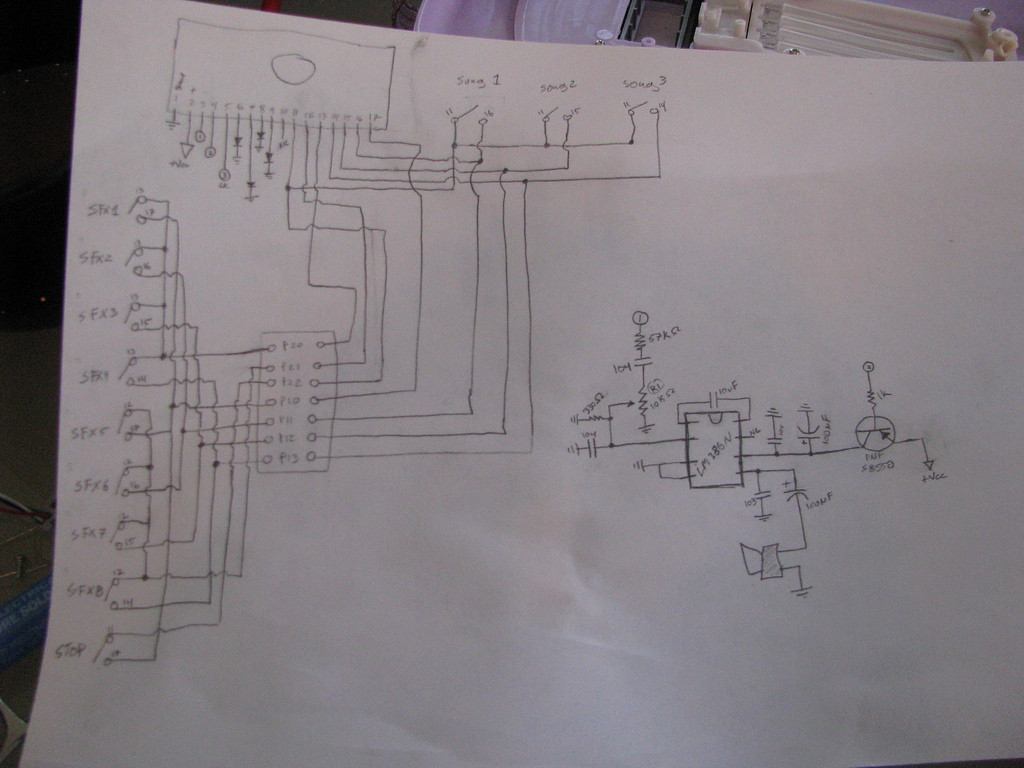
Description: A recent thrift shopping experience revealed a toy that appears to be suitable for circuit bending. The toy was found without batteries, preventing any testing at the store. It may be beneficial to bring batteries during future visits or request assistance from store attendants for testing.
The toy identified as a candidate for circuit bending likely contains various electronic components, such as resistors, capacitors, integrated circuits, and possibly sound generation elements. Circuit bending is an experimental approach to modifying electronic devices, particularly toys and synthesizers, to create new sounds or functionalities. This process often involves opening the device to access its internal circuitry and making alterations, such as adding switches, potentiometers, or other components to manipulate the signals.
To successfully engage in circuit bending with this toy, the following steps are recommended:
1. **Disassembly**: Carefully open the toy to access its circuit board. This may involve removing screws or gently prying apart plastic components without damaging them.
2. **Identification of Components**: Examine the circuit board to identify key components. Look for points where connections can be made or interrupted, such as the outputs of sound chips or the inputs from sensors.
3. **Testing**: Before making any modifications, it is advisable to test the existing functionality of the toy. This can be done by powering it with the appropriate batteries. Listening to the original sounds will provide a baseline for future modifications.
4. **Circuit Bending**: Introduce modifications by soldering wires to specific points on the circuit board. This can involve connecting different components together, adding new elements like potentiometers to control volume or pitch, or incorporating switches to toggle effects.
5. **Reassembly and Experimentation**: After modifications are complete, reassemble the toy, ensuring all components are secure. Experiment with the new configurations to discover unique sounds and effects.
6. **Documentation**: It is beneficial to document the modifications made for future reference or to share with others interested in circuit bending. This can include schematic drawings or notes on the changes implemented.
Through these steps, the toy's potential can be fully explored, leading to creative sound generation and a deeper understanding of electronic circuitry. This process not only enhances the functionality of the toy but also serves as an engaging educational experience in electronics.I went thrift shopping the other day and I found a pretty cool toy that looked like it would be great for circuit bending. It didn`t have batteries when I found it so I didn`t test it out at the thrift store. I should really bring batteries with me or have the attendants test them..
The toy identified as a candidate for circuit bending likely contains various electronic components, such as resistors, capacitors, integrated circuits, and possibly sound generation elements. Circuit bending is an experimental approach to modifying electronic devices, particularly toys and synthesizers, to create new sounds or functionalities. This process often involves opening the device to access its internal circuitry and making alterations, such as adding switches, potentiometers, or other components to manipulate the signals.
To successfully engage in circuit bending with this toy, the following steps are recommended:
1. **Disassembly**: Carefully open the toy to access its circuit board. This may involve removing screws or gently prying apart plastic components without damaging them.
2. **Identification of Components**: Examine the circuit board to identify key components. Look for points where connections can be made or interrupted, such as the outputs of sound chips or the inputs from sensors.
3. **Testing**: Before making any modifications, it is advisable to test the existing functionality of the toy. This can be done by powering it with the appropriate batteries. Listening to the original sounds will provide a baseline for future modifications.
4. **Circuit Bending**: Introduce modifications by soldering wires to specific points on the circuit board. This can involve connecting different components together, adding new elements like potentiometers to control volume or pitch, or incorporating switches to toggle effects.
5. **Reassembly and Experimentation**: After modifications are complete, reassemble the toy, ensuring all components are secure. Experiment with the new configurations to discover unique sounds and effects.
6. **Documentation**: It is beneficial to document the modifications made for future reference or to share with others interested in circuit bending. This can include schematic drawings or notes on the changes implemented.
Through these steps, the toy's potential can be fully explored, leading to creative sound generation and a deeper understanding of electronic circuitry. This process not only enhances the functionality of the toy but also serves as an engaging educational experience in electronics.I went thrift shopping the other day and I found a pretty cool toy that looked like it would be great for circuit bending. It didn`t have batteries when I found it so I didn`t test it out at the thrift store. I should really bring batteries with me or have the attendants test them..

Circuit Bending a Digitech RDS Time Machine
This project is suitable for individuals who enjoy experimenting with electronics. It presents a low risk of damaging the unit.
This project involves creating a simple electronic circuit that allows users to engage in hands-on experimentation without significant risk. The circuit...

Circuit Bending the Alesis HR-16 Drum Machine
Aux Send is an in-studio performance web show and podcast dedicated to showcasing unique, diverse, and talented independent musicians.
Aux Send serves as a platform for independent musicians, providing them with an opportunity to perform and share their artistry in a...

Electric Guitar Preamp Mixer and Line Driver
Depending on its design, an electric guitar may have anywhere from one to six pickup elements. Classic acoustic guitars can also benefit from one or more retrofitted pickups. Each pickup produces a specific sound based on the type of sensor...

Electric Guitar Pickup SPICE Model (w/Sig. Gen.)
A simple electric guitar SPICE subcircuit has been designed, which features a signal generator producing a 440 Hz sine wave output at 100 mV.
This electric guitar SPICE subcircuit serves as a fundamental tool for simulating the behavior of an electric...

Electric Guitar Preamp Mixer and Line Driver
Depending on its design, an electric guitar may have anywhere from one to six pickup elements. Classic (acoustic) guitars could also benefit from one or more pickups.
Electric guitars utilize a variety of pickup configurations to capture the vibrations of the...

Electric Guitar Matching Amplifier
An electric guitar often needs to be connected to a mixing panel, a tape deck, or a portable studio. While cabling is typically not an issue, the challenge lies in matching the high impedance of the guitar pickup to the...