


Print 3d
#3D printing
#RepRap
#Open Hardware
#DIY
#additive manufacturing
#electronics
#prototyping
#maker movement

Description: A blog focusing on recent advancements in 3D printing, RepRap technology, and Open Hardware.
The blog serves as a valuable resource for enthusiasts and professionals alike, providing insights into the latest trends and innovations within the realms of 3D printing and open-source hardware development. Topics covered may include new printing techniques, enhancements in RepRap designs, community contributions, and the implications of open hardware on the manufacturing landscape. The content is likely to feature detailed analyses of emerging technologies, project showcases, and discussions on best practices for both novice and experienced users in the 3D printing community. Additionally, it may explore the intersection of 3D printing with other fields such as robotics, electronics, and sustainable manufacturing, highlighting the potential for collaborative projects and the sharing of knowledge among makers and engineers.A blog about new developments in 3D printing, RepRap and Open Hardware A blog about new developments in 3D printing, RepRap and Open Hardware.
The blog serves as a valuable resource for enthusiasts and professionals alike, providing insights into the latest trends and innovations within the realms of 3D printing and open-source hardware development. Topics covered may include new printing techniques, enhancements in RepRap designs, community contributions, and the implications of open hardware on the manufacturing landscape. The content is likely to feature detailed analyses of emerging technologies, project showcases, and discussions on best practices for both novice and experienced users in the 3D printing community. Additionally, it may explore the intersection of 3D printing with other fields such as robotics, electronics, and sustainable manufacturing, highlighting the potential for collaborative projects and the sharing of knowledge among makers and engineers.A blog about new developments in 3D printing, RepRap and Open Hardware A blog about new developments in 3D printing, RepRap and Open Hardware.

how to convert a 9v battery to 3.7v
A regulator circuit is needed for this DIY project. Familiarity with electronic components, circuitry, the use of a multitester, and a soldering iron is essential. The schematic diagram provided can accept an input voltage ranging from 6 to 24 volts...
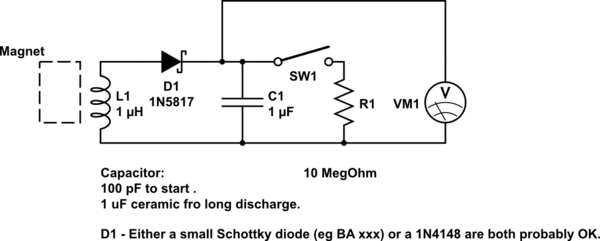
DIY kinetic energy harvester
A DIY kinetic energy harvester utilizing the electromagnetic method to generate electricity. The materials that will be used are currently known.
The project involves creating a kinetic energy harvester that converts mechanical energy from motion into electrical energy through electromagnetic induction....

Crescendo ampilifier elektor1982
The Elector Crescendo was the first DIY amplifier that was not a kit. The design was sourced from the Elector magazines available at a local library.
The Elector Crescendo is an innovative audio amplifier designed for DIY enthusiasts. It features a...
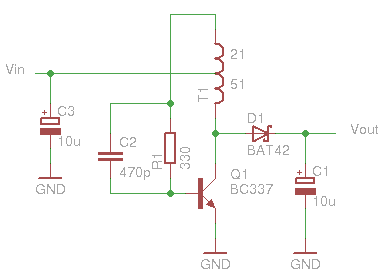
Glue stck torch
This project, developed around 2005, involves constructing a torch using a glue stick, which conveniently accommodates an AA battery within its plastic casing. To create a functional battery holder, contacts for both the positive and negative connections are necessary. The...

turret diy
For maximum mini-security, this RC Tupperware Turret delivers a formidable deterrent against food theft. While it lacks motion sensors, potential food thieves will think twice before attempting to swipe baked goods. This 11-hour project, designed by Chris of PyroElectro, emphasizes...
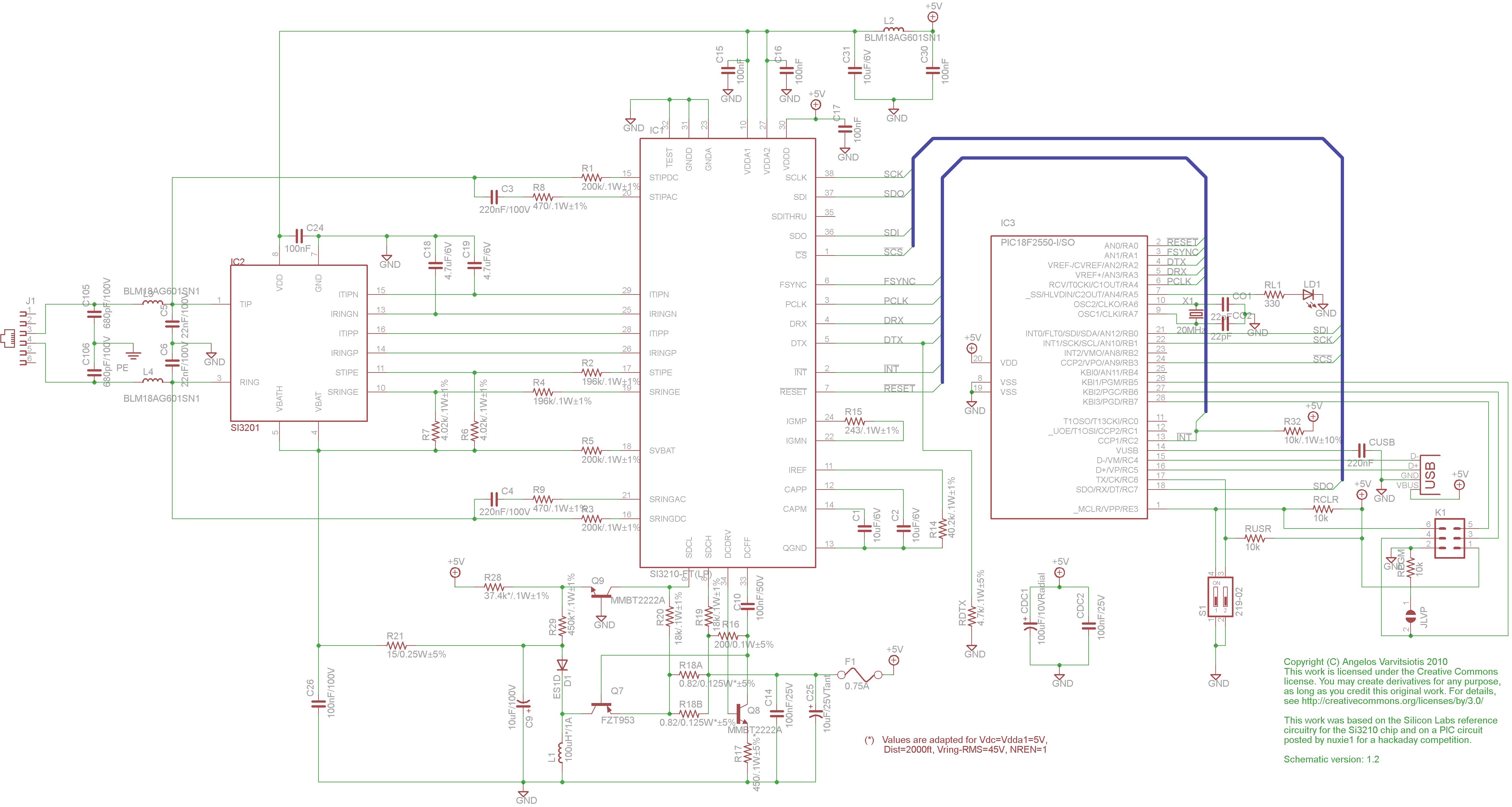
dyi setup and debugging guide
This page discusses the differences between assembled Open USB FXS dongle boards and DIY boards. While the assembled boards are fully tested and quality control approved, DIY boards may encounter various issues during assembly. Fortunately, most of these issues can...
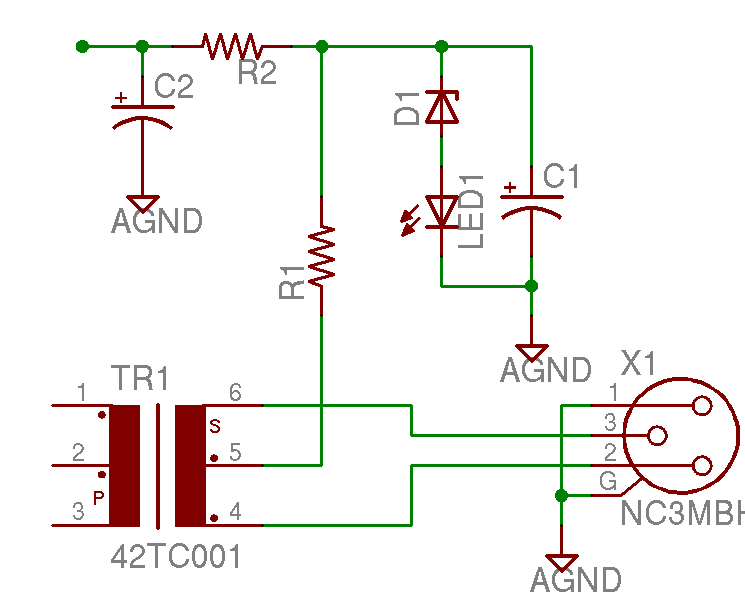
Help with a schematic please
A project is underway to construct the CountryHick DI as illustrated on DIYFactory, incorporating a few minor modifications. The final design aims to be a 1U unit with four inputs.
The CountryHick DI (Direct Injection) box is a crucial tool in...
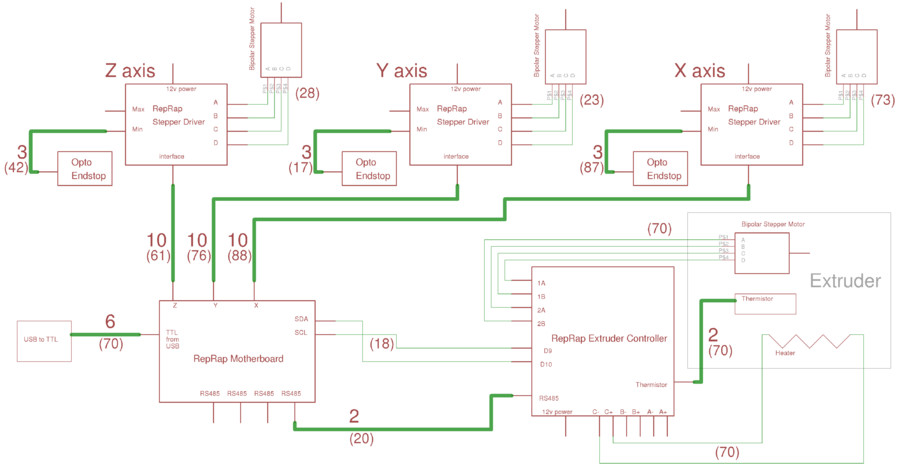
Mendel Electronic Wiring
This page outlines the wiring procedure for the RepRap Version II "Mendel." Prior to connecting the machine, it is essential to test the circuit boards individually, as detailed on this page. The overall Mendel wiring diagram is available; clicking the...

MePADS
If you are considering building the Desert Ratt 2, it is advisable to read all the accompanying text, as it contains relevant construction details. Engaging with the comments and replies can also provide additional insights, as previous blog posts have...