


Asymmetric Electrodynamic Machines
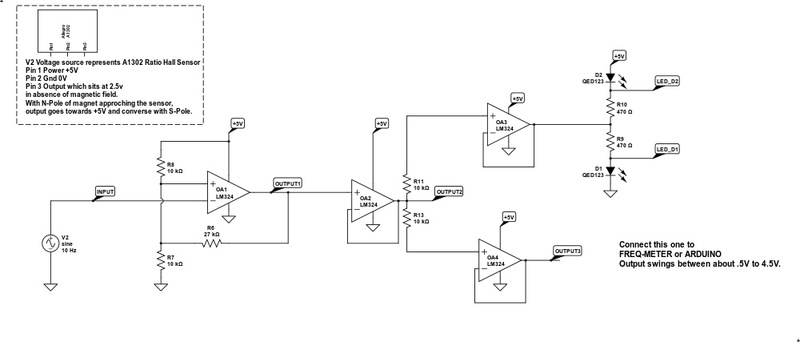
Description: Ian, I obtained some hedges from the local motor repair shop, and they also provided me with a large flat sheet of material before I departed. After having to re-bend a...
The provided text appears to be an incomplete description regarding the acquisition of materials from a motor repair shop. In an electronic context, "hedges" may refer to components used for electrical shielding or protection in circuit design, while a "large flat sheet" could indicate a sheet of conductive or insulating material utilized in constructing circuit boards or enclosures.
In the development of an electronic schematic, the integration of these materials would typically involve the following considerations:
1. **Hedges**: If the hedges refer to shielding components, they can be implemented to minimize electromagnetic interference (EMI) in sensitive circuits. The schematic should detail the placement of these components around critical areas, ensuring that they effectively cover the necessary sections of the circuit. Proper grounding techniques should be indicated to ensure that the shielding is effective.
2. **Flat Sheet Material**: The large flat sheet could be made of materials such as copper, aluminum, or FR-4 (a common PCB material). If it is conductive, the schematic would include connections to various components, indicating where traces will be routed. If it is an insulating material, it may serve as a substrate for mounting components or as a barrier between conductive paths to prevent short circuits.
3. **Re-bending**: The reference to re-bending suggests that the components or materials may need to be shaped or adjusted to fit within a specific enclosure or layout. This aspect could be represented in the schematic by showing the physical arrangement of components, ensuring that all elements are accommodated within the design constraints.
4. **Integration into Circuit Design**: The schematic should reflect the complete circuit design, including power supply connections, signal pathways, and component specifications. Each element should be labeled clearly, with annotations indicating the purpose of the hedges and the flat sheet material, as well as any necessary adjustments made during the assembly process.
In summary, the schematic design would incorporate the hedges for EMI protection and utilize the flat sheet material as either a conductive or insulating base, with attention to the physical arrangement and adjustments necessary for optimal performance.Ian I got some hedges from the local motor repair place and also they gave me a large flat sheet of the stuff before I left. After having to re-bend a ..
The provided text appears to be an incomplete description regarding the acquisition of materials from a motor repair shop. In an electronic context, "hedges" may refer to components used for electrical shielding or protection in circuit design, while a "large flat sheet" could indicate a sheet of conductive or insulating material utilized in constructing circuit boards or enclosures.
In the development of an electronic schematic, the integration of these materials would typically involve the following considerations:
1. **Hedges**: If the hedges refer to shielding components, they can be implemented to minimize electromagnetic interference (EMI) in sensitive circuits. The schematic should detail the placement of these components around critical areas, ensuring that they effectively cover the necessary sections of the circuit. Proper grounding techniques should be indicated to ensure that the shielding is effective.
2. **Flat Sheet Material**: The large flat sheet could be made of materials such as copper, aluminum, or FR-4 (a common PCB material). If it is conductive, the schematic would include connections to various components, indicating where traces will be routed. If it is an insulating material, it may serve as a substrate for mounting components or as a barrier between conductive paths to prevent short circuits.
3. **Re-bending**: The reference to re-bending suggests that the components or materials may need to be shaped or adjusted to fit within a specific enclosure or layout. This aspect could be represented in the schematic by showing the physical arrangement of components, ensuring that all elements are accommodated within the design constraints.
4. **Integration into Circuit Design**: The schematic should reflect the complete circuit design, including power supply connections, signal pathways, and component specifications. Each element should be labeled clearly, with annotations indicating the purpose of the hedges and the flat sheet material, as well as any necessary adjustments made during the assembly process.
In summary, the schematic design would incorporate the hedges for EMI protection and utilize the flat sheet material as either a conductive or insulating base, with attention to the physical arrangement and adjustments necessary for optimal performance.Ian I got some hedges from the local motor repair place and also they gave me a large flat sheet of the stuff before I left. After having to re-bend a ..

Burst-power-control
Industrial applications sometimes require that power be briefly applied to a load following the closure of a switch, such as a microswitch or foot switch. The load could be a heating element used for sealing plastic bags, a DC motor...
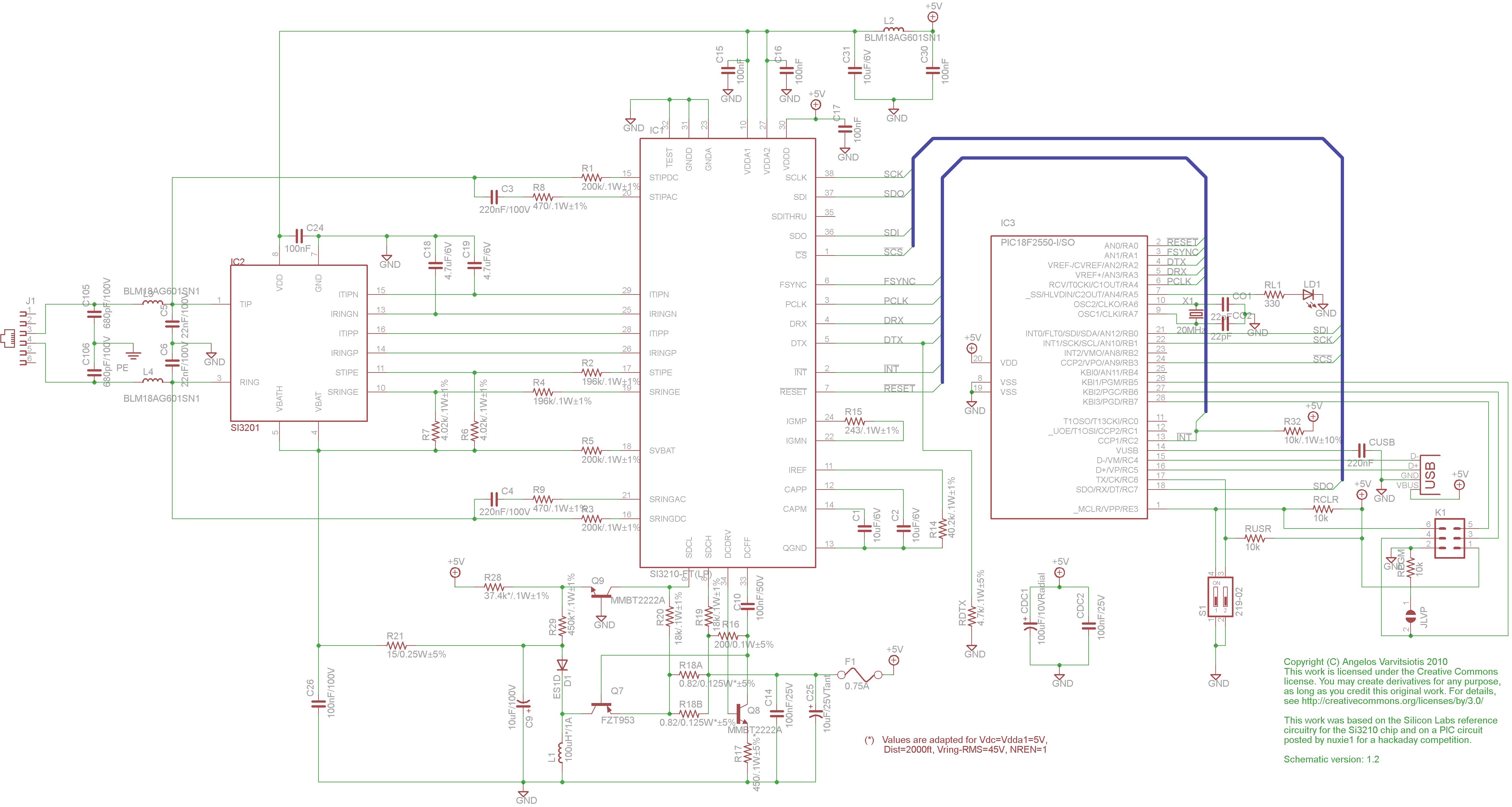
dyi setup and debugging guide
This page discusses the differences between assembled Open USB FXS dongle boards and DIY boards. While the assembled boards are fully tested and quality control approved, DIY boards may encounter various issues during assembly. Fortunately, most of these issues can...

turret diy
For maximum mini-security, this RC Tupperware Turret delivers a formidable deterrent against food theft. While it lacks motion sensors, potential food thieves will think twice before attempting to swipe baked goods. This 11-hour project, designed by Chris of PyroElectro, emphasizes...

5 Minute Signal
For the past year and a half, a group based in Ann Arbor, Michigan, named GO-Tech has been formed, uniting individuals interested in creating projects using technology, such as hardware, software, metal, and wood. This initiative is referred to as...

how to convert a 9v battery to 3.7v
A regulator circuit is needed for this DIY project. Familiarity with electronic components, circuitry, the use of a multitester, and a soldering iron is essential. The schematic diagram provided can accept an input voltage ranging from 6 to 24 volts...

MePADS
If you are considering building the Desert Ratt 2, it is advisable to read all the accompanying text, as it contains relevant construction details. Engaging with the comments and replies can also provide additional insights, as previous blog posts have...

Homemade Metal Detector Kit
A simple home project can quickly become problematic if it encounters electric cables, gas, or water pipes, or the central heating system. Using a metal detector allows one to check for metal objects within walls, ceilings, or floors beforehand. An...
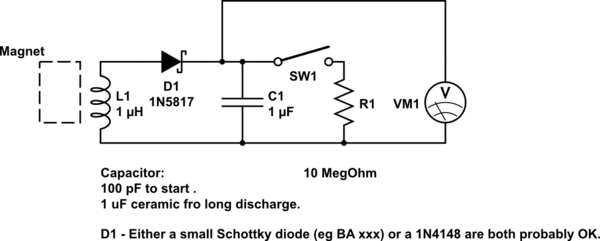
DIY kinetic energy harvester
A DIY kinetic energy harvester utilizing the electromagnetic method to generate electricity. The materials that will be used are currently known.
The project involves creating a kinetic energy harvester that converts mechanical energy from motion into electrical energy through electromagnetic induction....
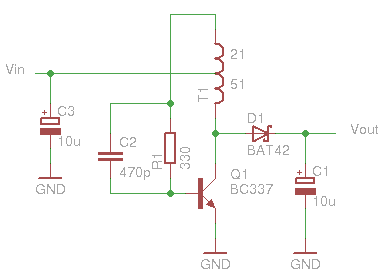
Glue stck torch
This project, developed around 2005, involves constructing a torch using a glue stick, which conveniently accommodates an AA battery within its plastic casing. To create a functional battery holder, contacts for both the positive and negative connections are necessary. The...