


Microvolt-comparator-with-hysteresis
#microvolt
#comparator
#hysteresis
#op-amp
#positive feedback
#nulling terminals
#output sink
#low voltage
#precision

Description: Positive feedback to one of the nulling terminals creates approximately 5 μV of hysteresis. The output can sink 16 mA; the input offset voltage is typically changed to less than 5 μV because of the feedback.
In this circuit, the implementation of positive feedback to a nulling terminal is essential for enhancing the stability and performance of the system. The introduction of approximately 5 μV of hysteresis serves to mitigate the effects of noise and improve the reliability of the output signal. This hysteresis ensures that the circuit remains in a defined state even in the presence of small variations in the input signal.
The output stage of the circuit is capable of sinking up to 16 mA, indicating that it can effectively handle significant load currents without compromising performance. This characteristic is particularly useful in applications where the circuit must drive external components or interfaces.
Furthermore, the feedback mechanism plays a crucial role in minimizing the input offset voltage. Typically, the input offset voltage is adjusted to less than 5 μV due to the feedback process. This low offset voltage is vital for precision applications, ensuring that the output accurately reflects the intended input signal without introducing significant errors.
Overall, this circuit design demonstrates a robust approach to managing hysteresis and offset voltage through positive feedback, ensuring reliable operation across various conditions.Positive feedback to one of the nulling terminals creates approximately 5 p.V of hysteresis. The output can sink 16 mA; the input offset voltage is typically changed less tban 5 p.V because of the feedback.
In this circuit, the implementation of positive feedback to a nulling terminal is essential for enhancing the stability and performance of the system. The introduction of approximately 5 μV of hysteresis serves to mitigate the effects of noise and improve the reliability of the output signal. This hysteresis ensures that the circuit remains in a defined state even in the presence of small variations in the input signal.
The output stage of the circuit is capable of sinking up to 16 mA, indicating that it can effectively handle significant load currents without compromising performance. This characteristic is particularly useful in applications where the circuit must drive external components or interfaces.
Furthermore, the feedback mechanism plays a crucial role in minimizing the input offset voltage. Typically, the input offset voltage is adjusted to less than 5 μV due to the feedback process. This low offset voltage is vital for precision applications, ensuring that the output accurately reflects the intended input signal without introducing significant errors.
Overall, this circuit design demonstrates a robust approach to managing hysteresis and offset voltage through positive feedback, ensuring reliable operation across various conditions.Positive feedback to one of the nulling terminals creates approximately 5 p.V of hysteresis. The output can sink 16 mA; the input offset voltage is typically changed less tban 5 p.V because of the feedback.

Classic-op-amp-astable-multivibrator
This circuit utilizes the CA3130 BiMOS operational amplifier, which operates at a frequency of 1 kHz. It features a rail-to-rail output swing, ensuring that the output can reach the supply voltage levels. The frequency of operation remains independent of supply...

Op Amp Classic Gain and Linearity Testing
The diagram below illustrates a classic test fixture that has been utilized for an extended period to assist individuals in addressing non-linearity errors.
The classic test fixture depicted in the diagram serves as a fundamental tool in electronics testing and calibration....
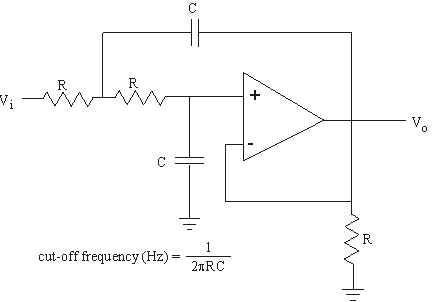
Operational Amplifiers and Signal Conditioning
A lens is a specialized perspective on the content within a repository. It can be considered a sophisticated type of list that enables users to view content from the viewpoint of trusted organizations and individuals.
A lens in this context serves...

Relaxation Oscillator
This circuit is an oscillator that generates a square wave. The operational amplifier (op-amp) begins with its two inputs in an undefined state, starting with the non-inverting input slightly higher than the inverting input. The op-amp significantly amplifies this difference,...

crack lebox
After gathering information about the cracklebox, a decision was made to build one in the spring of 2007. The cracklebox is a solid-state op-amp circuit designed to facilitate interaction through bodily contact. It features several touch points that allow users...

Signal Meter circuit
The operational amplifier (op-amp) used in the signal meter circuit is the TL061. The LF351 can also be used interchangeably, as it has the same pin layout. For those using a TL062 or similar models, the differing pin configurations are...

Audio Triangle Square Wave Generator Using Op-Amp
The circuit illustrates a straightforward triangle and square wave generator utilizing a common dual operational amplifier, the LM1558, capable of producing very low frequencies around 10 kHz. The time interval for one half-cycle is approximately determined by the product of...
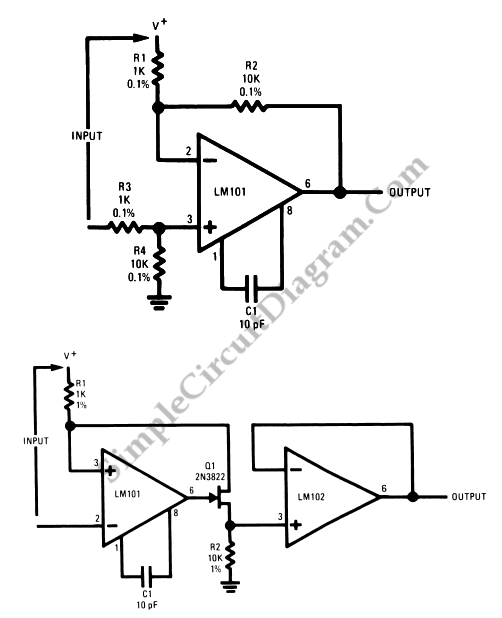
Op-Amp Application: Level Shifting Amplifier
In linear equipment design, it is sometimes necessary to take a voltage that is referenced to a certain DC level and generate an amplified output that is also referenced.
In linear circuit design, the process of amplifying a voltage that is...

Bilateral-current-source
This circuit employs a CA3193 precision operational amplifier to provide a current that remains consistent regardless of variations in the load resistance (RL). By configuring the input resistance (RI) to be equal to resistance R3 and setting resistance R2 to...