


Unmanned Ground Vehicle (UGV) or Spycar
#UGV
#Spycar
#wireless camera
#radio controlled
#4 wheeler
#video feedback
#remote driving
#PC control
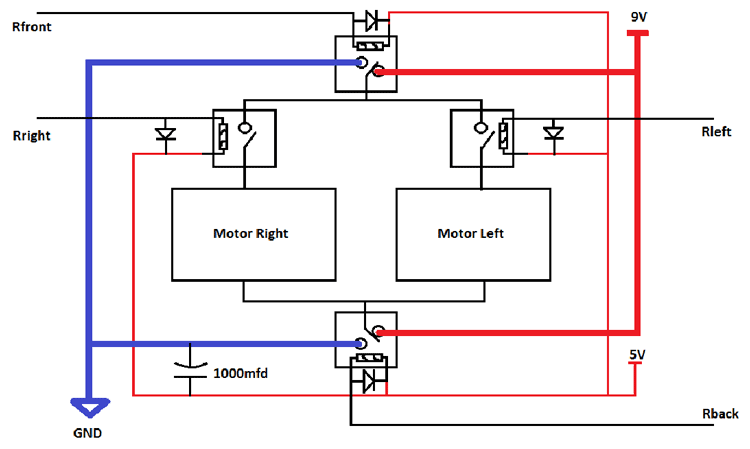
Description: The Unmanned Ground Vehicle (UGV), also referred to as the Spycar project, is a radio-controlled four-wheeled platform capable of six different motions. This vehicle can be equipped with a wireless camera, allowing for video feedback to be transmitted to a PC, enabling remote operation from a distance.
The Unmanned Ground Vehicle (UGV) project is an innovative design that integrates advanced remote control technology with versatile mobility features. The UGV is structured as a four-wheeled vehicle, which is capable of executing six distinct movements, enhancing its maneuverability and operational range.
The core of the UGV's functionality relies on its radio control system, which allows operators to command the vehicle from a significant distance. This system typically employs RF (radio frequency) communication, ensuring reliable connectivity even in environments where obstacles may obstruct direct line-of-sight. The design may include a transmitter and receiver setup, where the transmitter is operated by the user and the receiver is installed on the UGV.
Additionally, the UGV can be equipped with a wireless camera, which serves as an essential component for surveillance and reconnaissance missions. The camera captures real-time video footage, which is transmitted back to a PC or other display devices. This feedback loop enables the operator to navigate the vehicle effectively, providing situational awareness and enhancing the overall control experience.
The vehicle's six different motions can be achieved through a combination of servo motors and wheel configurations. The use of a differential drive system allows for precise control of the vehicle's direction and speed, making it adept at navigating various terrains. The integration of sensors, such as ultrasonic distance sensors or infrared sensors, may further enhance the UGV's capabilities by enabling obstacle detection and avoidance.
Power management is another critical aspect of the UGV design. The vehicle typically operates on rechargeable batteries, which must be carefully selected to provide adequate power for both the propulsion system and the wireless camera. Battery life can be extended through efficient power distribution and management circuits, ensuring prolonged operational time during missions.
In conclusion, the Unmanned Ground Vehicle project represents a sophisticated blend of radio control technology, mobility, and real-time video surveillance capabilities. Its design allows for versatile applications in remote monitoring, reconnaissance, and other fields where unmanned operation is advantageous.Unmanned Ground Vehicle (UGV) or Spycar project is a radio controlled 4 wheeler, which have 6 different motions. In this 4 wheeler platform we can mount wireless camera and using the video feedback on a PC, we can drive the vehicle from a distant place
The Unmanned Ground Vehicle (UGV) project is an innovative design that integrates advanced remote control technology with versatile mobility features. The UGV is structured as a four-wheeled vehicle, which is capable of executing six distinct movements, enhancing its maneuverability and operational range.
The core of the UGV's functionality relies on its radio control system, which allows operators to command the vehicle from a significant distance. This system typically employs RF (radio frequency) communication, ensuring reliable connectivity even in environments where obstacles may obstruct direct line-of-sight. The design may include a transmitter and receiver setup, where the transmitter is operated by the user and the receiver is installed on the UGV.
Additionally, the UGV can be equipped with a wireless camera, which serves as an essential component for surveillance and reconnaissance missions. The camera captures real-time video footage, which is transmitted back to a PC or other display devices. This feedback loop enables the operator to navigate the vehicle effectively, providing situational awareness and enhancing the overall control experience.
The vehicle's six different motions can be achieved through a combination of servo motors and wheel configurations. The use of a differential drive system allows for precise control of the vehicle's direction and speed, making it adept at navigating various terrains. The integration of sensors, such as ultrasonic distance sensors or infrared sensors, may further enhance the UGV's capabilities by enabling obstacle detection and avoidance.
Power management is another critical aspect of the UGV design. The vehicle typically operates on rechargeable batteries, which must be carefully selected to provide adequate power for both the propulsion system and the wireless camera. Battery life can be extended through efficient power distribution and management circuits, ensuring prolonged operational time during missions.
In conclusion, the Unmanned Ground Vehicle project represents a sophisticated blend of radio control technology, mobility, and real-time video surveillance capabilities. Its design allows for versatile applications in remote monitoring, reconnaissance, and other fields where unmanned operation is advantageous.Unmanned Ground Vehicle (UGV) or Spycar project is a radio controlled 4 wheeler, which have 6 different motions. In this 4 wheeler platform we can mount wireless camera and using the video feedback on a PC, we can drive the vehicle from a distant place
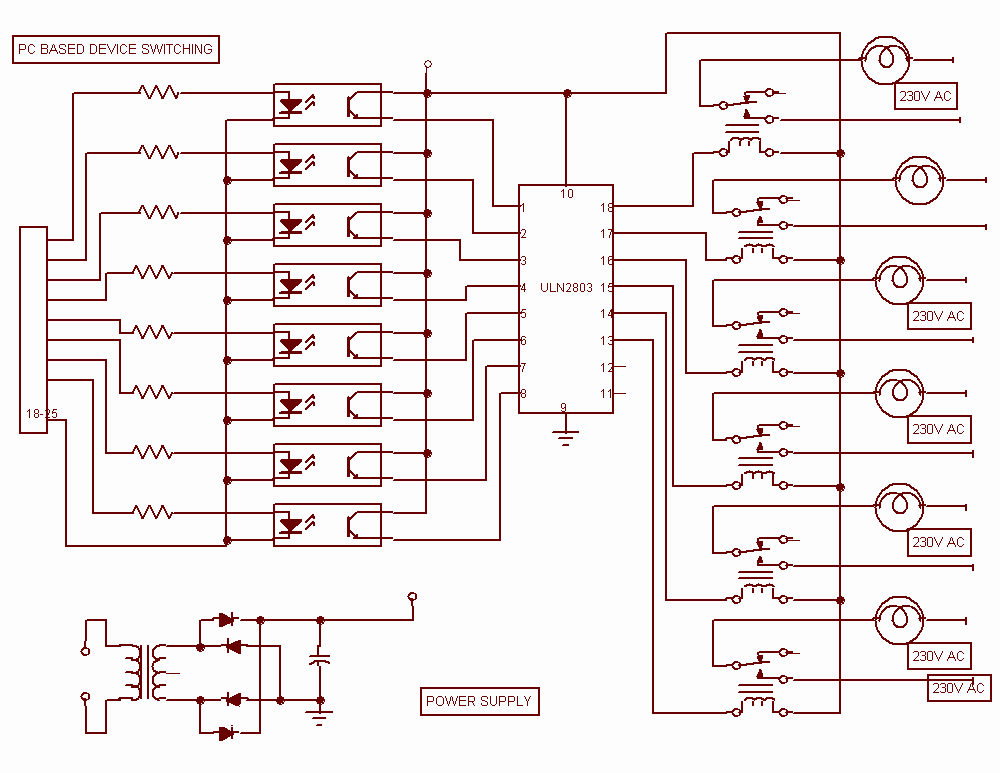
PC home light control system
This project describes a new economical solution of home light control systems. The presented home light control system can be used for different sophisticated home applications. The control system consists of a PC, and control circuitry and the electrical devices....

Equipment controller with PC
Here is a circuit for using the printer port of a PC for control application using software and some interface hardware. The interface circuit along with the given software can be used with the printer port of any PC for...
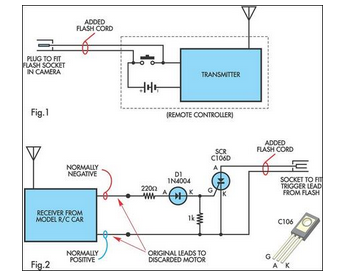
Radio Controlled Electronic Flash
A radio-controlled electronic flash is an essential tool in any photographer's kit. Professionals frequently utilize them, such as wedding photographers.
A radio-controlled electronic flash system typically consists of a transmitter and one or more receivers. The transmitter, often mounted on the...

Extra security for radio controlled alarms
This is a small circuit that provides extra security for radio controlled models. When the signal from the transmitter fails, grab the circuit and set the servo connected to a preset position. The circuit is built around a CMOS IC,...

Radio Controlled Electronic Flash
A radio-controlled electronic flash is a valuable tool in any photographer's kit, frequently utilized by professionals. For instance, a wedding photographer may position one behind the bride to illuminate her gown and veil, avoiding visible wires in the shot. To...

Control electrical appliances using PC
Control electrical appliances using a PC. This circuit utilizes the printer port of a PC for control applications through software and some interface hardware. The interface circuit is included.
The described circuit leverages the parallel printer port (also known as LPT...

build your own rc tank bot
An alternative method to create a radio-controlled system without the complexities of designing hardware from scratch is presented through the RC Brutusbot project. This project demonstrates a practical application of the Brutusbot kit while exploring Wireless RF networking. The process...

PC based Robot Circuit
To create the circuitry described, a computer software capable of controlling a parallel port is required, with an estimated cost of approximately $30. For instance, a transistor (model number 2N2222) is priced around $0.50, while a DPDT relay costs about...