


Ph-probe-and-detector
#pH probe
#detector
#sensitivity
#voltage control
#shaping circuit
#measurement
#sensor calibration
#output voltage
#non-linear correlation

Description: The highest sensitivity is attained when R1 is roughly equal to the probe resistance. The circuit can be calibrated to zero using R2, while R5 regulates the full-scale voltage. The relationship between pH and output voltage may not be linear, which could require the implementation of a shaping circuit. Additionally, a calibration scheme utilizing solutions with known pH values may be sufficient and more dependable over time due to variations in the probe.
In this circuit design, R1 plays a crucial role in achieving optimal sensitivity by matching the resistance of the pH probe. This matching ensures that the circuit can accurately detect minute changes in pH levels, which is essential for precise measurements. The zeroing process facilitated by R2 allows for calibration adjustments, ensuring that the output voltage accurately reflects the pH level when the probe is submerged in a neutral solution, typically at pH 7.
R5 is responsible for controlling the full-scale voltage, which defines the maximum output voltage of the circuit corresponding to the extreme pH values (usually pH 0 to pH 14). This component must be carefully selected to ensure that the output range fits within the specifications of the subsequent data acquisition system or display unit.
The non-linear correlation between pH and output voltage indicates that a simple linear relationship cannot be assumed. Therefore, a shaping circuit may be necessary to linearize the output signal. This can be achieved through various methods, such as using operational amplifiers configured to provide a logarithmic or polynomial response, thereby transforming the non-linear output into a more usable linear format.
Additionally, the calibration scheme that employs solutions of known pH values is vital for maintaining measurement accuracy over time. pH probes can exhibit drift and variance in their readings due to factors such as aging, contamination, or changes in temperature. Regular calibration with standard buffer solutions helps to mitigate these issues, ensuring that the circuit maintains reliable performance and accurate readings throughout its operational lifespan. This approach is particularly important in applications requiring high precision, such as laboratory analysis or industrial processes.The greatest sensitivity is achieved if R1 is approximately equal to the probe resistance. The circuit can be zeroed with R2, while the full-scale voltage is controlled by R5. The correlation between pH and output voltage might not be linear, which would necessitate a shaping circuit. A calibration scheme, using solutions of known pH, might prove adequate and more reliable over a period of time because of probe variance.
In this circuit design, R1 plays a crucial role in achieving optimal sensitivity by matching the resistance of the pH probe. This matching ensures that the circuit can accurately detect minute changes in pH levels, which is essential for precise measurements. The zeroing process facilitated by R2 allows for calibration adjustments, ensuring that the output voltage accurately reflects the pH level when the probe is submerged in a neutral solution, typically at pH 7.
R5 is responsible for controlling the full-scale voltage, which defines the maximum output voltage of the circuit corresponding to the extreme pH values (usually pH 0 to pH 14). This component must be carefully selected to ensure that the output range fits within the specifications of the subsequent data acquisition system or display unit.
The non-linear correlation between pH and output voltage indicates that a simple linear relationship cannot be assumed. Therefore, a shaping circuit may be necessary to linearize the output signal. This can be achieved through various methods, such as using operational amplifiers configured to provide a logarithmic or polynomial response, thereby transforming the non-linear output into a more usable linear format.
Additionally, the calibration scheme that employs solutions of known pH values is vital for maintaining measurement accuracy over time. pH probes can exhibit drift and variance in their readings due to factors such as aging, contamination, or changes in temperature. Regular calibration with standard buffer solutions helps to mitigate these issues, ensuring that the circuit maintains reliable performance and accurate readings throughout its operational lifespan. This approach is particularly important in applications requiring high precision, such as laboratory analysis or industrial processes.The greatest sensitivity is achieved if R1 is approximately equal to the probe resistance. The circuit can be zeroed with R2, while the full-scale voltage is controlled by R5. The correlation between pH and output voltage might not be linear, which would necessitate a shaping circuit. A calibration scheme, using solutions of known pH, might prove adequate and more reliable over a period of time because of probe variance.

Blanket internal measurement circuit disconnection
The internal disconnection circuit for a blanket operates on the principle of induction. It includes a wire approximately 2 cm in length that senses the proximity of a charged mains power source. When the sensing wire is close to the...

Digital-ProfiLab 4.0
Digital-ProfiLab was designed for measurement and control applications, combining features like circuit and logic simulation, front panel design, and hardware control to one powerful tool. Incoming signals from external devices may be processed and displayed. A circuit editor is used...

Cat / Dog Detector
This can be used to control entry on a Cat or Dog Door. NOTE: There may be some changes and improvements coming. However, this circuit does work and you can build it as shown. The PCB shown below is available...
RealView 2.0
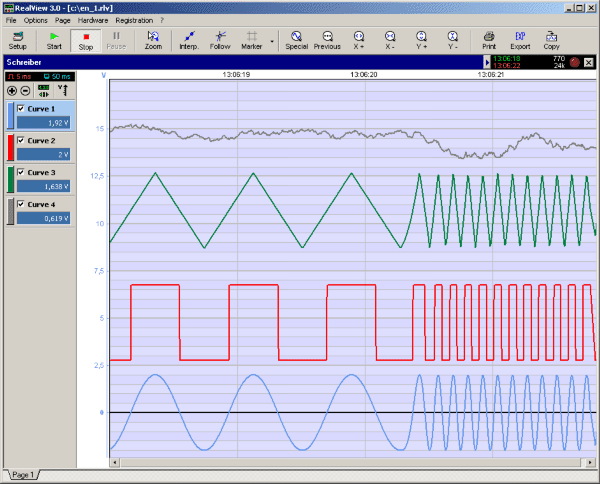
RealView is a measurement application, which records and plots measured values from analogue hardware devices in real-time. Several curves can be plotted into a single diagram. Several diagrams can be arranged on one or more pages if necessary. Plot options...

Advances in Measurement & Sensor Tech
This issue features articles on various measurement and sensor-related embedded design projects. Readers are encouraged to attempt similar projects and share their results. Starting on page 14, Petre Tzvetanov Petrov describes a multilevel audible logical probe design. Petrov notes that...

PC Controlled Voltage or Current Source
This project was begun as a means to charge and cycle NiCad batteries but has become a versatile tool for experiments requiring either a controlled voltage up to +30V and/or a current of +/- 2.5 Amps. If all you want...
Detector switch circuits
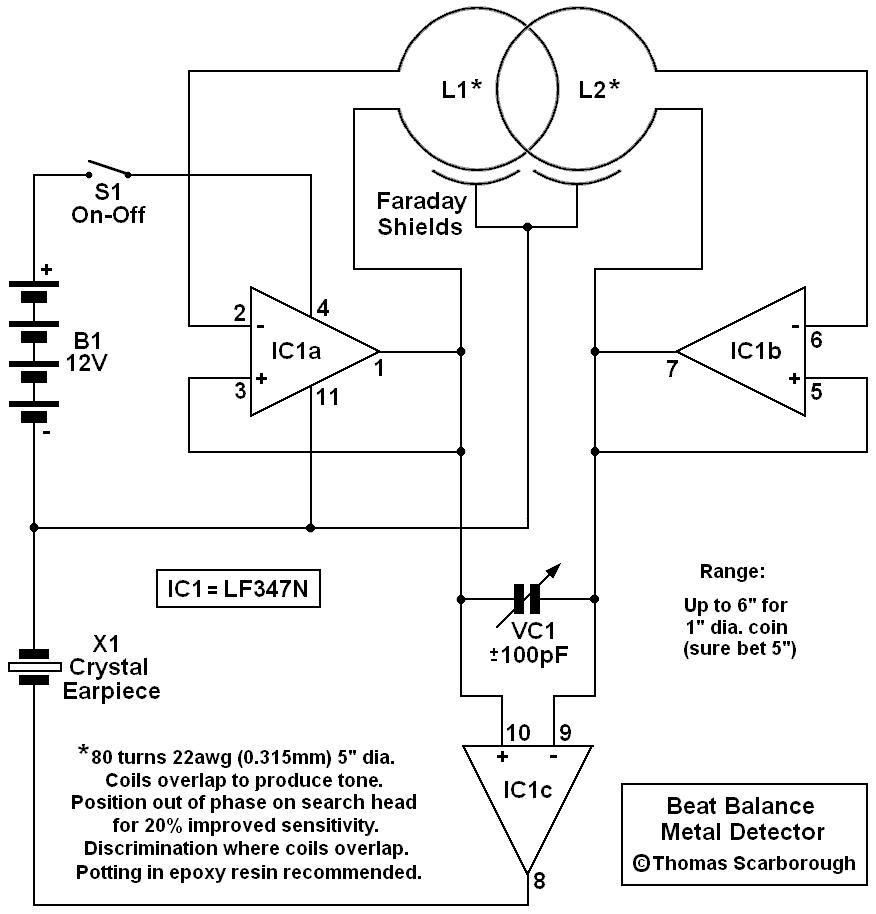
A simple test circuit designed for troubleshooting audio and radio equipment. It can inject a square wave signal rich in harmonics or be used with headphones as an audio tracer. A single-pole double-throw switch is utilized to toggle between injection...

Gas Generator Voltage Control Circuit
A power supply system utilizes a generator as a source of fuel to separate hydrogen and oxygen gases from natural water. It has the capability to control gas production by varying the amplitude of the voltage and/or the pulse repetition...

ProfiLab-Expert 4.0
The ProfiLab-Expert software allows you to develop your own digital or analogue measuring technology projects. It doesn't matter if you want to create analogue measurements or digital controls - you can realize it all. And for all this you don't...