


Simple Lie Detector
#lie detector
#skin resistance
#sensor
#biofeedback
#simple circuit
#truth detection
#electronics project
#DIY

Description: Here's a simple lie detector that can be built in a few minutes, but can be incredibly useful when you want to know if someone is really telling you the truth. It is not as sophisticated as the ones the professionals use, but it works. It works by measuring skin resistance, which goes down when you lie.
The described lie detector circuit operates on the principle of galvanic skin response (GSR), which is the change in electrical resistance of the skin due to emotional arousal. The basic components required for this circuit include a microcontroller or an op-amp, resistors, a power supply, and electrodes that will come into contact with the skin.
The circuit typically consists of a voltage divider configuration where the skin resistance is one part of the divider. When the electrodes are placed on the skin, they measure the resistance, which can vary based on the subject's physiological state. When a person is calm and truthful, their skin resistance is relatively high. Conversely, when they lie or experience stress, the skin resistance drops, which can be detected by the circuit.
To construct the circuit, connect the electrodes to the input of an operational amplifier configured as a differential amplifier. This setup will amplify the small changes in voltage corresponding to variations in skin resistance. The output of the op-amp can be fed into an analog-to-digital converter (ADC) if a microcontroller is used, allowing for digital processing and interpretation of the signals.
For visual feedback, an LED can be connected to indicate the results. The LED can light up or change color based on the threshold set in the microcontroller, which determines whether the measured resistance indicates truthfulness or deceit. Calibration of the circuit is essential to ensure accurate readings, which can be achieved by testing the device with known responses.
Overall, this simple lie detector circuit serves as an educational tool to understand the principles of biofeedback and physiological measurement, while also demonstrating the application of basic electronic components in creating an interactive device.Here`s a simple lie detector that can be built in a few minutes, but can be incredibly useful when you want to know if someone is really telling you the truth. It is not as sophisticated as the ones the professionals use, but it works. It works by measuring skin resistance, which goes down when you lie.
The described lie detector circuit operates on the principle of galvanic skin response (GSR), which is the change in electrical resistance of the skin due to emotional arousal. The basic components required for this circuit include a microcontroller or an op-amp, resistors, a power supply, and electrodes that will come into contact with the skin.
The circuit typically consists of a voltage divider configuration where the skin resistance is one part of the divider. When the electrodes are placed on the skin, they measure the resistance, which can vary based on the subject's physiological state. When a person is calm and truthful, their skin resistance is relatively high. Conversely, when they lie or experience stress, the skin resistance drops, which can be detected by the circuit.
To construct the circuit, connect the electrodes to the input of an operational amplifier configured as a differential amplifier. This setup will amplify the small changes in voltage corresponding to variations in skin resistance. The output of the op-amp can be fed into an analog-to-digital converter (ADC) if a microcontroller is used, allowing for digital processing and interpretation of the signals.
For visual feedback, an LED can be connected to indicate the results. The LED can light up or change color based on the threshold set in the microcontroller, which determines whether the measured resistance indicates truthfulness or deceit. Calibration of the circuit is essential to ensure accurate readings, which can be achieved by testing the device with known responses.
Overall, this simple lie detector circuit serves as an educational tool to understand the principles of biofeedback and physiological measurement, while also demonstrating the application of basic electronic components in creating an interactive device.Here`s a simple lie detector that can be built in a few minutes, but can be incredibly useful when you want to know if someone is really telling you the truth. It is not as sophisticated as the ones the professionals use, but it works. It works by measuring skin resistance, which goes down when you lie.

Gate automatic lamp circuit
The circuit utilizes multiple integrated circuits to form an automatic lighting device that is activated by door and window sensors. It includes CD4093 digital integrated circuits, a relay, and a power supply circuit. The system typically remains closed when a...
DIY kinetic energy harvester
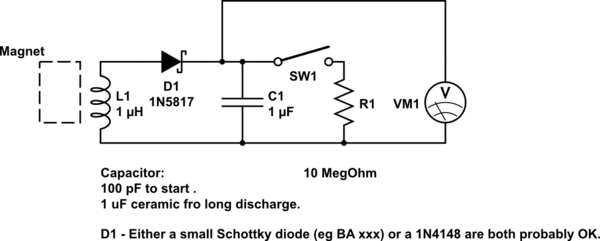
A DIY kinetic energy harvester utilizing the electromagnetic method to generate electricity. The materials that will be used are currently known.
The project involves creating a kinetic energy harvester that converts mechanical energy from motion into electrical energy through electromagnetic induction....

how to convert a 9v battery to 3.7v
A regulator circuit is needed for this DIY project. Familiarity with electronic components, circuitry, the use of a multitester, and a soldering iron is essential. The schematic diagram provided can accept an input voltage ranging from 6 to 24 volts...

dyi setup and debugging guide
This page discusses the differences between assembled Open USB FXS dongle boards and DIY boards. While the assembled boards are fully tested and quality control approved, DIY boards may encounter various issues during assembly. Fortunately, most of these issues can...
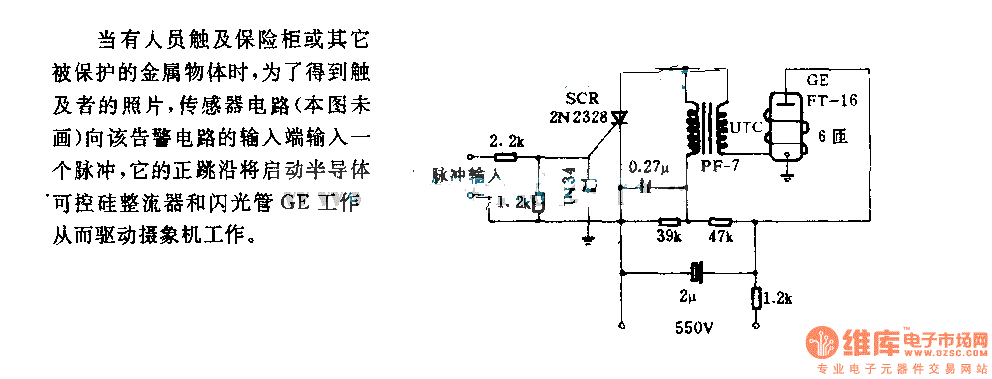
The alarm circuit diagram for safety box and other metal objects
When an individual touches the safety box or other protected metal objects, the sensor circuit generates a pulse to the alarm circuit. The positive edge of this pulse activates the semiconductor and thyristor flash GE, subsequently triggering the camera to...
The alarm circuit diagram for safety box and other metal objects
When an individual touches the safety box or other protected metal objects, the sensor circuit generates a pulse to the alarm circuit. The positive edge of this pulse activates the semiconductor and thyristor flash GE, subsequently triggering the camera to...
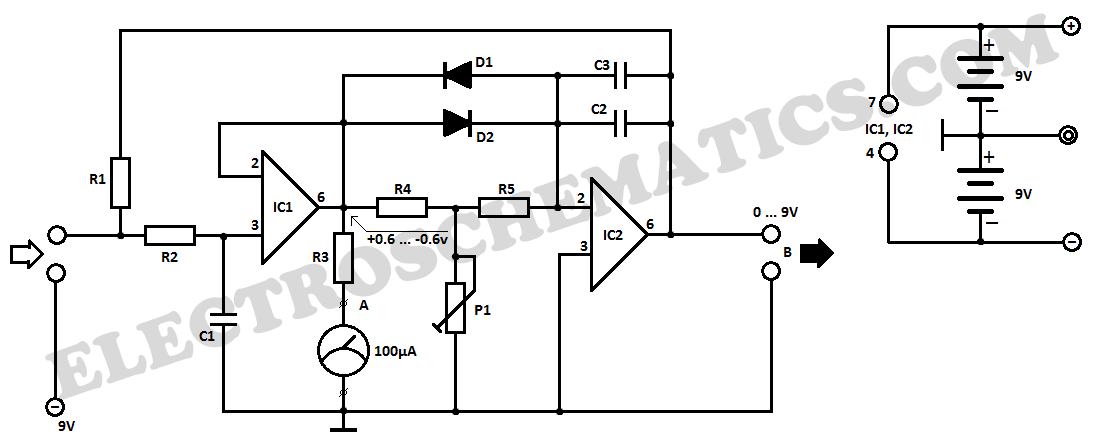
Lie Detector Circuit
This electronic lie detector circuit project will provide two readings: one for challenging questions posed to the subject and another to indicate their emotional state.
The electronic lie detector circuit operates on the principles of galvanic skin response (GSR) and heart...

5 Minute Signal
For the past year and a half, a group based in Ann Arbor, Michigan, named GO-Tech has been formed, uniting individuals interested in creating projects using technology, such as hardware, software, metal, and wood. This initiative is referred to as...

Wire Break Sensor Alarm Circuit Schematic
The circuit of a loop sensor-based simple security alarm is described here. The sensor loop consists of a short length of thin enamelled copper wire.
The loop sensor security alarm operates on the principle of detecting interruptions in the circuit formed...