


Spoofing magnetic swipe cards
#magnetic swipe
#card reader
#data security
#sensor
#Digikey
#information storage
#electronics
#DIY
#experimental

Description: Approximately one year ago, a magnetic swipe card reader was included in a larger order from Digikey. At the time, there were no specific plans for its use; the primary motivation was curiosity about swipe cards and the types of concealed information stored within personal wallets.
The magnetic swipe card reader operates by utilizing magnetic stripes embedded in the cards, which store data in a format that can be read by the device. The reader typically consists of a magnetic head, which captures the magnetic field changes as the card is swiped through it. This data is then processed by an integrated circuit that decodes the information, which can include account numbers, expiration dates, and other relevant data.
The circuit design of a magnetic swipe card reader generally includes several key components: a power supply, a magnetic read head, a microcontroller or processor for data decoding, and an output interface for transmitting the decoded information to a host device, such as a computer or point-of-sale terminal. The power supply can be sourced from battery or mains power, depending on the application requirements.
The magnetic read head is responsible for sensing the magnetic fields on the card's stripe as it passes through. This component typically requires careful alignment and calibration to ensure accurate data capture. The microcontroller processes the signals from the read head, converting them into a digital format that can be interpreted. This often involves filtering the signals to eliminate noise and extracting the relevant bits of information.
The output interface may include both serial and parallel communication options, allowing the reader to connect to various systems. Common protocols for data transmission include USB, RS-232, and I2C, depending on the design specifications and intended use case.
Overall, the magnetic swipe card reader serves as a practical tool for understanding the technology behind magnetic stripe cards and offers insights into the data management systems that utilize such devices.About a year ago I threw a magnetic swipe card reader into a larger Digikey order. I didn`t have any specific plans for it at the time; mostly I was just curious to learn about swipe cards and what kind of hidden information I was carrying around in my wallet..
The magnetic swipe card reader operates by utilizing magnetic stripes embedded in the cards, which store data in a format that can be read by the device. The reader typically consists of a magnetic head, which captures the magnetic field changes as the card is swiped through it. This data is then processed by an integrated circuit that decodes the information, which can include account numbers, expiration dates, and other relevant data.
The circuit design of a magnetic swipe card reader generally includes several key components: a power supply, a magnetic read head, a microcontroller or processor for data decoding, and an output interface for transmitting the decoded information to a host device, such as a computer or point-of-sale terminal. The power supply can be sourced from battery or mains power, depending on the application requirements.
The magnetic read head is responsible for sensing the magnetic fields on the card's stripe as it passes through. This component typically requires careful alignment and calibration to ensure accurate data capture. The microcontroller processes the signals from the read head, converting them into a digital format that can be interpreted. This often involves filtering the signals to eliminate noise and extracting the relevant bits of information.
The output interface may include both serial and parallel communication options, allowing the reader to connect to various systems. Common protocols for data transmission include USB, RS-232, and I2C, depending on the design specifications and intended use case.
Overall, the magnetic swipe card reader serves as a practical tool for understanding the technology behind magnetic stripe cards and offers insights into the data management systems that utilize such devices.About a year ago I threw a magnetic swipe card reader into a larger Digikey order. I didn`t have any specific plans for it at the time; mostly I was just curious to learn about swipe cards and what kind of hidden information I was carrying around in my wallet..

Crescendo ampilifier elektor1982
The Elector Crescendo was the first DIY amplifier that was not a kit. The design was sourced from the Elector magazines available at a local library.
The Elector Crescendo is an innovative audio amplifier designed for DIY enthusiasts. It features a...

MePADS
If you are considering building the Desert Ratt 2, it is advisable to read all the accompanying text, as it contains relevant construction details. Engaging with the comments and replies can also provide additional insights, as previous blog posts have...

Gate automatic lamp circuit
The circuit utilizes multiple integrated circuits to form an automatic lighting device that is activated by door and window sensors. It includes CD4093 digital integrated circuits, a relay, and a power supply circuit. The system typically remains closed when a...

Automatic plant waterer
The unit consists of a sensor, timer, and electric water pump. The sensor is embedded in the soil, and when dry, the electronics operate the water pump for a preset time. The circuit is composed of a level-sensitive Schmitt trigger,...

Electronics Projects Circuits
Over 1400 top electronics projects and electronic circuits with photos, datasheets, and easy-to-read schematics, along with explanations of how they work and how to build them.
The collection comprises a vast array of electronics projects suitable for enthusiasts and professionals alike....

Homemade Metal Detector Kit
A simple home project can quickly become problematic if it encounters electric cables, gas, or water pipes, or the central heating system. Using a metal detector allows one to check for metal objects within walls, ceilings, or floors beforehand. An...

turret diy
For maximum mini-security, this RC Tupperware Turret delivers a formidable deterrent against food theft. While it lacks motion sensors, potential food thieves will think twice before attempting to swipe baked goods. This 11-hour project, designed by Chris of PyroElectro, emphasizes...
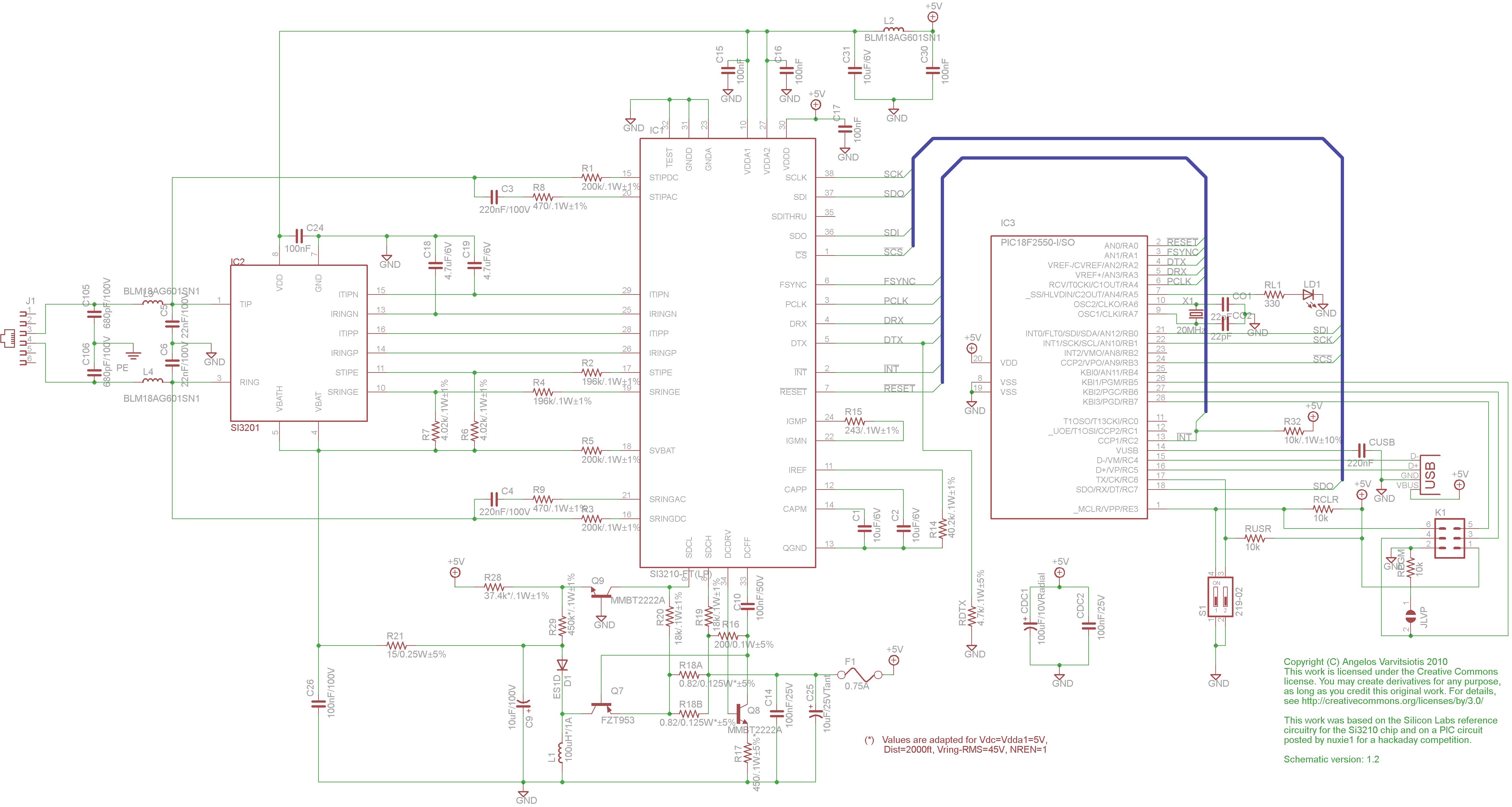
dyi setup and debugging guide
This page discusses the differences between assembled Open USB FXS dongle boards and DIY boards. While the assembled boards are fully tested and quality control approved, DIY boards may encounter various issues during assembly. Fortunately, most of these issues can...
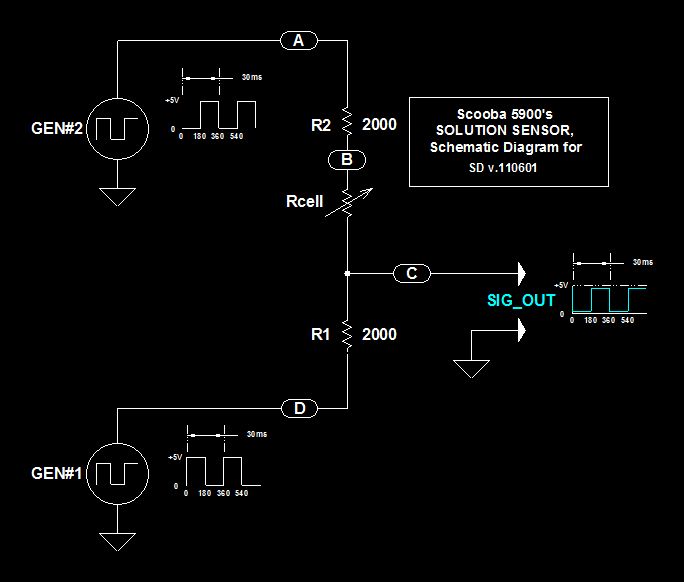
Scoobas Solution Sensing Tactic
This document serves multiple purposes, primarily to document the methods employed by a Scooba robot to detect: a) the presence of an acceptable cleaning solution being delivered to its pump, and b) the excess presence of used solution collected off...