

Contactless Voltage Detectors
1. Basic Principles of Voltage Detection
1.1 Basic Principles of Voltage Detection
Contactless voltage detectors are devices critical in modern electrical safety and diagnostics. These tools function without needing direct electrical contact with the circuits they assess, making them invaluable for minimizing electrocution risks during maintenance and troubleshooting. At the core of these voltage detectors are several fundamental principles of electromagnetic fields, capacitance, and the detection of potential differences.
Understanding Electric Fields
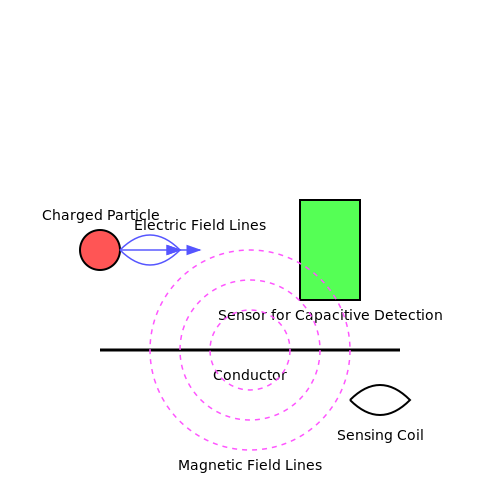
To grasp the functionality of contactless voltage detectors, one must first understand electric fields. An electric field is a region around a charged particle where a force would be exerted on other charged particles. The strength of this field decreases with distance, and it is described mathematically by the equation:
where E is the electric field strength, F is the force experienced by a test charge, and q is the magnitude of the test charge. Contactless voltage detectors exploit these electric fields, allowing users to detect the presence of voltage from a distance.
Detection Mechanisms
There are several detection mechanisms utilized in contactless voltage detectors, primarily based on capacitive and inductive sensing principles.
Capacitive Sensing
Capacitive voltage detection works on the principle of capacitance, which is the ability of a system to store electric charge. When a voltage is present in a nearby conductor, it creates an electric field that can induce a small charge on a nearby sensor. This effect can be quantified using the capacitance formula:
Here, C is the capacitance, Q is the charge stored, and V is the voltage across the capacitor. The voltage across the sensor can be inferred by measuring the induced charge, providing an effective means to detect voltage without direct contact.
Inductive Sensing
Another method of voltage detection is based on inductive sensing, which utilizes the principles of electromagnetic induction. When electrical current flows through a conductor, it generates a magnetic field around it. The relationship between the magnetic field and the current can be expressed as:
where Φ is the magnetic flux, L is inductance, and I is the current. By placing a sensing coil within this magnetic field, the induced electromotive force (EMF) can be detected, thus indicating the presence of voltage in the conductor.
Applications and Practical Considerations
The application of contactless voltage detectors is broad, ranging from electrical maintenance in homes and offices to industrial applications where high-voltage components must be handled safely. These detectors facilitate non-invasive inspections, allowing technicians to identify live wires or faulty circuits without risking electrical shock.
When implementing contactless voltage detectors, it is essential to consider their limitations, such as range and sensitivity, as well as the surrounding electromagnetic interference that might affect readings. Understanding these nuances ensures that the detection techniques remain reliable and effective in real-world scenarios.
In conclusion, the basic principles of voltage detection through contactless methods lie in the intricacies of electric fields, capacitance, and inductive susceptibility. A deeper understanding of these concepts is vital for engineers and technicians to enhance safety protocols while achieving efficient electrical diagnostics and maintenance.
1.2 Types of Contactless Voltage Detectors
In the landscape of electrical diagnostics and safety, contactless voltage detectors (CVDs) stand out as pivotal tools, enabling engineers and technicians to quickly assess voltage presence without direct electrical contact. Understanding the types of CVDs enhances the ability to select the right tool for specific applications, ensuring safety and efficiency in measurement. Contactless voltage detectors broadly fall into three categories: passive detectors, active detectors, and inductive voltage detectors. Each type possesses unique operational principles and applications, making them suited for various measurement and testing environments.Passive Detectors
Passive detectors primarily rely on the *electrostatic field* created by the high voltage without requiring any external power source. These devices utilize principles of capacitance to sense voltage presence. When in proximity to a live conductor, the electrostatic field induces a small voltage in the detector's circuitry, which is then amplified and signaled through visual indicators, such as LEDs, or audible alarms. One notable advantage of passive detectors is their high level of safety, as they operate without connecting to surrounding circuits. However, they often have limitations regarding sensitivity, especially for low voltage applications. These detectors might prove insufficient in environments with clutter or multiple nearby conductors.Active Detectors
In contrast, active voltage detectors require an external power source. They are built with sophisticated electronics that can amplify the signal received from the detected voltage source. These devices frequently feature advanced signal processing algorithms to filter out noise, providing enhanced accuracy in voltage measurements. Active detectors can detect lower voltage levels than passive types due to their enhanced sensitivity. Moreover, they often come equipped with a display interface, enabling users to read precise voltage values, which is especially useful for troubleshooting. Their complexity, however, can lead to higher costs and increased maintenance in the long run.Inductive Voltage Detectors
Inductive voltage detectors operate based on principles of *electromagnetic induction*. These detectors sense the magnetic field generated around a live conductor, allowing them to detect both alternating current (AC) and, in some designs, direct current (DC) systems. Inductive sensors are particularly valuable for diagnosing circuit faults from a safe distance, as they enable operators to isolate problems without direct contact with the electrical equipment. The practicality of inductive voltage detectors has driven their popularity in both household and industrial applications. They are particularly useful in environments where conventional testing methods pose safety risks, such as near high-tension power lines and distribution centers.Conclusion
Each type of contactless voltage detector is shaped by its operational mechanism, and their characteristics define their suitability for different scenarios. From ensuring *safety* through inherent features in passive detectors to the accuracy of active detectors and versatility of inductive detectors, knowing when and how to use these tools is essential for effective electrical engineering practices. Understanding these distinctions can lead to more informed decisions in selecting the appropriate technology to ensure both safety and operational efficacy in voltage diagnostics.- Inductive Voltage Detectors — This page provides an overview of inductive voltage detectors, explaining their working principles and applications in different scenarios.
- Comprehensive Guide to Contactless Voltage Testing — A detailed guide on contactless voltage testing techniques, covering various detectors and their respective applications in the field.
- Understanding Contactless Voltage Detectors — Fluke’s educational article discussing the different types of contactless voltage detectors and their specific advantages.
- Voltage Detector Selection Guide — A resource offering practical advice for selecting the right voltage detector based on application requirements and operational context.
- General Safety in Using Contactless Voltage Detectors — An article highlighting safety aspects and best practices for utilizing contactless voltage detectors effectively.
- A Study on the Effectiveness of Inductive Voltage Detectors — Research focusing on the effectiveness of inductive voltage detectors in real-world applications and their impact on electrical safety.
- Contactless Voltage Sensing and Measurement Approaches — A journal article exploring various approaches to contactless voltage sensing, including both theoretical and practical perspectives.

1.3 Safety Considerations in Voltage Detection
The integration of contactless voltage detectors into the realm of electrical engineering represents a significant advancement in safety and efficiency. While these devices offer remarkable benefits such as non-invasive measurement and ease of use, understanding the accompanying safety considerations is paramount. This section delves into the critical safety practices and precautions that engineers and technicians should adhere to when utilizing these tools.
Understanding Voltage Detection Ratings
Before delving into specific safety measures, it is essential to grasp the concept of voltage detection ratings. Contactless voltage detectors are typically rated for the maximum voltage they can detect, and exceeding this limit can lead to device failure or, more dangerously, electrical shock. Most detectors are designed for specific voltage classes, such as:
- Low Voltage: Devices that can detect voltages up to 1,000 V AC or 1,500 V DC.
- Medium Voltage: Detectors capable of handling voltages ranging from 1,001 V to 36,000 V.
- High Voltage: Equipment designed for voltages above 36,000 V.
Understanding these ratings ensures that the devices used are appropriate for the tasks at hand, mitigating risks associated with incorrect usage.
Environmental Factors
Safety is not only about the device itself but also the environment in which it is used. Various environmental factors, such as weather conditions, can influence the effectiveness and safety of voltage detectors. For instance, when working outdoors, precipitation can create conductive pathways that increase the risk of electric shock. Therefore, technicians must assess the operational environment before measurement. Key considerations include:
- Wet Conditions: Ensure that detectors are rated for wet or damp use when operating in adverse weather.
- Temperature Extremes: Inspect devices for functionality in extreme temperatures, as this may affect their performance.
- Obstructions and Clearances: Maintain a clear line of sight to potential hazards to avoid unintended contact with live components.
Proper Personal Protective Equipment (PPE)
Despite the non-contact method of voltage detection, wearing the appropriate personal protective equipment (PPE) is crucial. PPE serves as an essential barrier against potential hazards that may not be immediately visible. Recommendations include:
- Insulated Gloves: To protect against accidental contact with live wires.
- Safety Glasses: To shield eyes from accidental sparks or debris.
- Hard Hats: To safeguard the head from falling objects in overhead work scenarios.
Training and Familiarization
Lastly, adequate training cannot be overlooked. All personnel must be trained on the proper use and limitations of contactless voltage detectors. Familiarization with the device's features, such as:
- Detection ranges and capabilities.
- Clear indicators of voltage presence.
- Proper shut-down and maintenance procedures.
Training enhances not only individual competency but also promotes a culture of safety within work environments, reducing potential accidents stemmed from incorrect usage.
Conclusion
In concluding this examination of safety considerations, it is evident that while contactless voltage detection technology significantly enhances operational safety, the responsibility lies with the user to adhere to safety standards. Through understanding voltage ratings, adapting to environmental conditions, utilizing proper PPE, and undergoing comprehensive training, surveyors can mitigate risks associated with high voltage environments.
As technology evolves, staying informed about best practices ensures that safety remains a priority in the field of electrical engineering.
2. Electromagnetic Fields and Their Role
2.1 Electromagnetic Fields and Their Role
In the realm of electronic measurements, contactless voltage detectors represent a fascinating interplay of physics and engineering. Central to their operation is the concept of electromagnetic fields, which are crucial for sensing voltages without direct electrical contacts. These fields arise from the movement of charged particles, thereby facilitating the detection of electrical potentials from a distance. At its core, an electromagnetic field consists of an electric field (E) and a magnetic field (B), which are intrinsically linked. According to Maxwell's equations, the generation of one necessarily influences the other. The amplitude and frequency of these fields can be associated with varying voltages. Therefore, understanding how these fields propagate and interact with the environment is vital for comprehending how contactless voltage detectors function. Electric Fields An electric field is generated around any charged object and can be described quantitatively by the electric field intensity \(E\) at a point in space:
2.2 Capacitive Coupling Explained
Capacitive coupling is a fundamental phenomenon that underpins the functionality of contactless voltage detectors. This method of voltage detection relies on the use of capacitors to transfer energy between two circuits or systems without direct electrical connection. In this subsection, we will delve into the underlying principles of capacitive coupling, its mathematical formulation, and its practical significance in the context of contactless voltage detection applications.
The Principle of Capacitive Coupling
To understand capacitive coupling, we must first grasp the basic concept of capacitance. A capacitor is an electronic component capable of storing electrical energy in an electric field, defined as:
where C is the capacitance (in farads), Q is the charge stored (in coulombs), and V is the voltage across the capacitor (in volts). In capacitive coupling, the capacitor allows an alternating current (AC) signal to pass from one circuit to another while blocking direct current (DC).
The effectiveness of capacitive coupling can be determined through the concept of the coupling capacitor, which forms part of a voltage detection circuit. This capacitor defines a path for AC signals to couple from a high-voltage area into a low-voltage detection circuit. The circuit can sense the presence of voltage without any physical connections, thus ensuring safety and efficiency.
Mathematical Modeling of Capacitive Coupling
The voltage transfer through a coupling capacitor can be analyzed using a basic RC (resistor-capacitor) circuit model. For an AC input voltage Vin, the output voltage Vout across a resistor R in series with the capacitor can be represented as:
where ω is the angular frequency of the applied signal and C is the capacitance. This formula highlights the importance of selecting appropriate values for R and C based on the intended detection frequency range. By tuning these components, we can optimize the response of the detector, allowing it to sense voltages at specific frequencies while rejecting unwanted signals.
Practical Applications of Capacitive Coupling in Voltage Detection
Capacitive coupling plays a pivotal role in numerous applications that require non-invasive voltage detection. Some notable examples include:
- High Voltage Measurement: Contactless voltage detectors utilize capacitive coupling to measure the high voltage levels in transmission lines or substations without direct electrical connections, thus enhancing safety during maintenance.
- Leakage Current Monitoring: In industrial applications, capacitive coupling can facilitate the detection of leakage currents from high-voltage equipment, safeguarding operators and equipment.
- Electromagnetic Field Sensing: Capacitive coupling is employed in sensors that detect electromagnetic fields, important for applications in telecommunications and security systems.
In summary, capacitive coupling serves as a foundational principle that enables contactless voltage detectors to operate effectively. By leveraging the unique properties of capacitors, engineers can design robust systems that ensure accuracy and safety in electrical measurements, paving the way for advancements in both industrial and consumer electronics.

2.3 Inductive Coupling Mechanisms
Inductive coupling mechanisms form the backbone of contactless voltage detection, enabling devices to measure electrical voltage in a non-invasive manner. This principle taps into the phenomena of electromagnetism, whereby a changing magnetic field induces an electromotive force (EMF) in a nearby conductor. Understanding inductive coupling requires a careful examination of both the physical principles at play and their practical applications in modern technologies. At its core, inductive coupling relies on Faraday's law of electromagnetic induction. According to this principle, a time-varying magnetic field generated by an alternating current (AC) in one coil induces a current in a adjacent coil. The strength and effectiveness of this coupling can be influenced by several factors, including the geometrical configuration of the coils, their relative positioning, the frequency of the AC signal, and the magnetic permeability of the materials surrounding them.Fundamentals of Inductive Coupling
Let’s consider two coils, Coil A (the primary coil) carrying an alternating current, and Coil B (the secondary coil) located nearby. The magnetic field produced by Coil A induces a voltage across Coil B. The induced voltage (\( V_B \)) can be described mathematically by:Factors Influencing Inductive Coupling
Several parameters can significantly impact the efficiency of inductive coupling:- Coil Geometry: The relative diameters and lengths of the coils can alter the inductive coupling strength. Larger coils tend to capture a greater magnetic field.
- Distance: The proximity of the two coils plays a critical role; greater distances result in weaker coupling and lower induced voltage.
- Frequency of Operation: The frequency of the AC signal significantly affects the resulting magnetic field dynamics, with higher frequencies generally resulting in stronger coupling.
- Materials: The presence of ferromagnetic materials can enhance the magnetic field, thereby improving the induced voltage.
Conclusion
Inductive coupling mechanisms represent a sophisticated means of utilizing electromagnetic principles to achieve contactless voltage detection. As industries move toward more automated and efficient technologies, understanding the factors that influence inductive coupling will be essential for optimizing these systems. This knowledge base will enable engineers and researchers to innovate and implement cutting-edge solutions in fields ranging from consumer electronics to advanced aerospace systems.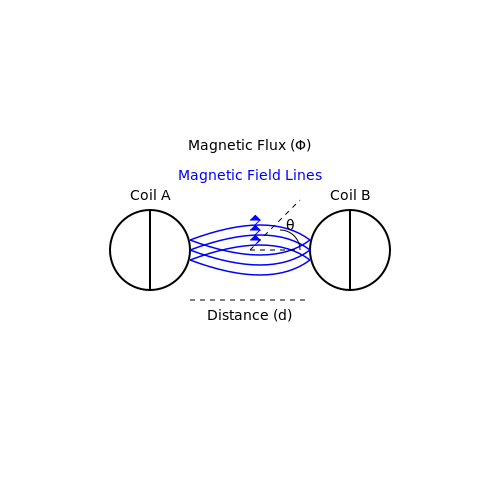
3. Household Uses in Electrical Testing
3.1 Household Uses in Electrical Testing
Contactless voltage detectors (CVDs) have become indispensable tools in modern households, especially for those engaged in electrical testing and DIY projects. They allow users to ascertain the presence of voltage without needing to make direct contact with electrical conductors. This capability not only enhances user safety by minimizing the risk of electric shock but also simplifies various troubleshooting processes.
Understanding Contactless Voltage Detection
CVDs typically operate using the principle of electrostatic field detection. When voltage is present, it generates an electric field around the conductor. The CVD senses this field and provides a visual or auditory indication of voltage presence. Most CVDs can detect both AC and DC voltages, expanding their utility in household applications. Users should familiarize themselves with the tool’s specifications to determine the voltage range and the type of signals it can detect, as some devices might have limitations based on capacitance or inductive coupling.
Common Household Applications
The versatility of contactless voltage detectors translates into several practical applications within the household setting:
- Checking Outlets: Homeowners can easily test electrical outlets to verify whether they are live. By moving the CVD near the outlet, any present voltage will trigger the device, ensuring safety before handling any wiring.
- Identifying Electrical Issues: When troubleshooting circuit problems, a CVD can be employed to trace wires and identify breaks or shorts within the circuit without opening junction boxes or disconnecting wires.
- Testing Light Fixtures: When replacing light bulbs or fixtures, it is crucial to ensure that the circuit is de-energized. A CVD can determine if current is still flowing, thereby preventing accidental shocks during maintenance.
- Voltage Detection in Appliances: Users can test specific appliances to confirm that they are receiving power, which is essential for diagnosing failures without extensive disassembly.
Enhanced Safety and Best Practices
While CVDs greatly improve safety during electrical testing, users should adhere strictly to best practices:
- Regular Calibration: Ensure that the CVD is regularly calibrated according to manufacturer specifications, which can help sustain accuracy over time.
- Follow Voltage Rating Guidelines: Utilize CVDs within their specified voltage range to avoid damaging the device or compromising the user’s safety.
- Visual Indicators: Make maximum use of visual signals, such as flashing lights on the device, which often provide a quick reference to voltage presence, especially in noisy environments where auditory signals might be missed.
In summary, contactless voltage detectors have revolutionized the way basic electrical testing is conducted in households, allowing for a safer and more efficient approach to identifying electrical issues. Mastering the use of these tools can significantly enhance a user’s ability to manage electrical systems effectively.
3.2 Industrial Applications and Safety
Understanding the Role of Contactless Voltage Detectors in Industry
Contactless voltage detectors play a vital role in various industrial applications, primarily due to their ability to enhance both safety and efficiency. These devices utilize non-invasive methods, such as electromagnetic field detection, to ascertain the presence of voltage without direct contact with electrical conductors. This characteristic is especially crucial in environments where the risk of electric shock is heightened, allowing maintenance personnel and engineers to perform their tasks with improved safety measures. One of the prominent applications of contactless voltage detectors is in the electrical maintenance of high-voltage power lines. Utility workers often face significant hazards when working near these lines, as the voltages can exceed safe levels. By employing contactless voltage detectors, they can quickly check for live lines without interrupting service or coming within a dangerous proximity of the electrical source.Electrical Safety: Practical Relevance
To further illustrate their relevance, consider the adoption of contactless voltage detectors in electrical utility companies where workers frequently deal with overhead power lines. The safety protocols in these environments mandate stringent checks, and the use of these detectors allows for quick and accurate measurements. This minimizes the potential for accidents arising from human error or faulty equipment and ensures compliance with safety regulations. Moreover, industries that involve troubleshooting complex electrical systems utilize contactless voltage detectors to prevent equipment damage while isolating faults. Rather than de-energizing an entire system, technicians can utilize these detectors to selectively assess voltage levels in specific sections of the circuit, promoting minimal downtime.Integration with Safety Standards
Moreover, compliance with safety standards such as the National Electrical Code (NEC) and International Electrotechnical Commission (IEC) guidelines reinforces the implementation of contactless voltage detectors. They are often employed in environments governed by regulations demanding specific equipment safety features. The operational principle remains that non-contact voltage detection promotes a proactive safety approach. In addition to regulatory compliance, these detectors often come equipped with user-friendly features such as audible alarms or visual indicators that alert users to the presence of voltage. Such enhancements not only improve user awareness but also provide an extra layer of protection.Challenges and Considerations
Though contactless voltage detectors have expanded their presence in industrial applications, they are not without limitations. Their accuracy can be affected by external factors such as nearby electrical noise or physical barriers. Engineers must understand the proper operational context to maximize effectiveness. Training personnel to recognize and mitigate these limitations is paramount. Engineers also need to consider the environmental factors that impact the performance of these detectors. For instance, operating under various atmospheric conditions—such as humidity or extreme temperatures—may alter detection capabilities. Therefore, when specifying a contactless voltage detector for industrial use, it is critical to review its specifications and ensure it is suitable for the intended application.Conclusion
In summary, contactless voltage detectors serve crucial roles in enhancing safety, compliance, and efficiency in industrial settings. Their ability to detect live voltage without direct contact is indispensable in high-risk environments, aiding in the insulation of electrified components and minimizing downtime in electrical maintenance. The integration of such devices into industrial practices aligns with stringent safety standards, reflecting a commitment to reducing accidents and promoting safe work practices. Through continuous advancements in technology, contactless voltage detectors are set to become even more accurate and user-friendly, which will further nurture safety in high-stakes environments. As industries evolve, so too will the implications and innovations surrounding contactless voltage detection.3.3 Use in Electrical Maintenance and Inspections
Contactless voltage detectors have become indispensable tools in electrical maintenance and inspections. Their design allows for easy, quick, and safe voltage detection without the need for direct electrical contact, enabling technicians to assess the state of electrical systems efficiently.
Traditionally, electrical maintenance often involved cumbersome and time-consuming methods that required the de-energization of circuits to ensure safety. However, the advent of contactless voltage detection technology enables professionals to assess voltage presence without interrupting service. This contributes significantly to enhancing safety measures and reducing downtime in various applications.
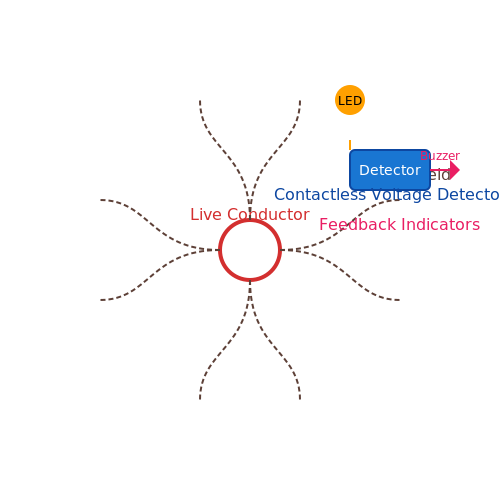
The operational principle behind contactless voltage detectors primarily relies on electrostatic fields. When voltage is present in a conductor, it generates an electric field around it, which can be detected by sensitive circuits in the device. These circuits interpret the variations in the electric field to indicate whether voltage is present, and the device typically provides auditory, visual, or both types of feedback to the user.
Applications in Maintenance Practices
Electrical maintenance technicians utilize contactless voltage detectors in several key areas:
- Safety Checks: Prior to working on electrical installations, technicians can use these detectors to ensure circuits are de-energized, thereby preventing accidental shock.
- Fault Diagnosis: During troubleshooting, these devices help identify live conductors quickly, aiding technicians in efficiently narrowing down sources of electrical faults.
- Inspection Procedures: Regular inspections will benefit from rapid voltage assessments, allowing for routine checks on electrical systems without the need for extended outages or disconnections.
- Verification of Compliance: Many safety regulations require proof of disconnecting electric circuits. Contactless voltage detectors provide a practical means for compliance verification.
The ability of contactless voltage detectors to minimize human error while enhancing safety cannot be overstated. Their use in identifying potential issues before they escalate into hazardous situations allows engineers and technicians to maintain operational continuity and adhere to safety protocols.
Real-World Case Studies
Numerous case studies illustrate the practical advantages of contactless voltage detectors in maintenance. For instance, in large industrial complexes, technicians reported a reduction in maintenance time by as much as 30% when integrating these tools into their workflows. Additionally, safety incidents related to accidental contact with live wires saw a marked decrease, showcasing the effectiveness of adopting advanced detection technologies in high-risk environments.
Conclusion
In a rapidly advancing field where the complexity of electrical systems continues to grow, the importance of reliable and efficient tools like contactless voltage detectors cannot be understated. Their integration into electrical maintenance practices not only improves operational efficiency but also enhances safety measures, making them vital components in modern electrical engineering.
4. Benefits of Contactless Voltage Detection
4.1 Benefits of Contactless Voltage Detection
Given the evolution of electrical measurements, the advent of contactless voltage detectors stands as a significant leap forward in ensuring both safety and convenience. These non-invasive devices have gained traction among engineers and technicians who demand precision without compromising safety or accessibility. Let us explore the key benefits of contactless voltage detection, examining their relevance in modern applications and their underlying principles.Enhanced Safety Features
One of the foremost advantages of contactless voltage detectors is the enhancement of safety for users. By allowing voltage measurement without the need for direct contact with electrical conductors, these devices significantly reduce the risk of electric shock. The operational principle typically involves the detection of electric fields generated by live wires. When a conductor carries an alternating current, it produces an alternating electric field, detectable at a safe distance. This safety feature is particularly crucial in environments where the risk of electrical hazards is pronounced, such as industrial sites or residential areas with neglected wiring. Additionally, the use of contactless voltage detectors allows for rapid fault diagnosis without needing to disable power sources, which is particularly beneficial in systems where downtime must be minimized.Efficiency in Testing and Troubleshooting
Another critical benefit is the efficiency they provide in testing and troubleshooting electrical systems. Traditional methods of verifying voltage levels typically require physical access to the conductors, often requiring the removal of safety covers or protective insulation. In contrast, contactless devices can readily identify live conductors through insulation, enabling maintenance personnel to work more efficiently and effectively. This capability becomes vital in complex circuit configurations, where multiple conductors may be present in confined spaces. The instant feedback from contactless voltage detectors allows for quicker assessment and less time spent in potentially hazardous environments.Versatility and Application Scope
The versatility of contactless voltage detectors cannot be overstated. These instruments are not limited to a specific voltage range; rather, they can be designed to detect a broad spectrum of voltages, from low-voltage residential applications to high-voltage industrial systems. This wide applicability makes them indispensable tools in various fields, including electrical engineering, telecommunications, and public utilities. Furthermore, the compact nature of many contactless voltage detector designs has facilitated their integration into portable tools. This portability allows for on-site inspections and readings with minimal setup, streamlining workflows and enhancing productivity.Cost-Effectiveness and Resource Conservation
From an economic perspective, contactless voltage detectors also offer a cost-effective solution. By enabling quicker troubleshooting and reducing the incidence of electrical accidents, these devices can lead to significant savings in labor costs and legal liabilities associated with workplace injuries. In addition, reduced downtime and swift fault remediation contribute to the overall efficiency of electrical systems, enabling companies to maximize resource utilization.Conclusion
In summary, contactless voltage detectors present numerous benefits that make them a crucial addition to the toolkit of engineers and technicians. Their ability to enhance safety, improve efficiency in testing, offer versatile applications, and contribute to cost savings reflects their growing importance in both industrial and residential contexts. As technology continues to advance, the role of contactless voltage detection will undoubtedly expand, paving the way for smarter and safer electrical systems. These advantages support the ongoing adoption of contactless voltage detection in diverse applications, ensuring that professionals can perform their tasks with confidence and security. As you proceed to the following sections of this tutorial, you'll find a deeper understanding of the technical workings behind these devices, allowing you to appreciate their design and functionality even further.
4.2 Limitations and Common Misunderstandings
As we explore the domain of contactless voltage detectors, it is crucial to acknowledge the limitations inherent to these devices, as well as common misconceptions that may arise in their usage. Understanding their constraints will equip advanced users with the necessary context to utilize these tools effectively in both practical and experimental settings.Understand the Limitations
Contactless voltage detectors, while convenient and usually reliable, do not operate without limitations. These limitations can lead to significant misunderstandings if not properly addressed. Some of the key constraints include:- Response Sensitivity: The sensitivity of contactless voltage detectors may vary significantly, influenced by factors such as the distance from the conductor, environmental electromagnetic noise, and the design of the sensor itself. This variance can lead to false positives or negatives.
- Frequency Range: Many detectors are calibrated for specific frequency ranges, often focusing on common residential power frequencies (e.g., 50/60 Hz). Use outside these ranges may yield inaccurate readings.
- Surface Conditions: The ability to detect voltage can be severely hampered by the condition of insulation surfaces and other environmental variables. Dirty, wet, or damaged surfaces can decrease sensitivity and performance.
- Field Interference: Nearby electromagnetic fields, especially from high-power sources or inductive loads, can interfere with readings, leading the detector to produce erroneous results.
Addressing Common Misunderstandings
Misconceptions about contactless voltage detection can lead users to overlook critical details, which may compromise safety. Here are some prevalent misunderstandings, along with clarifications:- Misunderstanding One: Contactless indicates no risk. While the term "contactless" suggests reduced risk, it does not eliminate it entirely. High voltage systems pose dangers, and reliance on a detector should not replace adherence to safety protocols, including personal protective equipment (PPE).
- Misunderstanding Two: All detectors work equally well. There is a diverse range of contactless voltage detectors, and their performance can vary widely. Users should not presume that all detectors have the same capabilities; specifications should be thoroughly reviewed before use.
- Misunderstanding Three: Detection guarantees safety. Simply detecting voltage does not confirm that a line is safe to touch or work on. A contactless detector may indicate the presence of voltage without indicating the line’s condition or reactivity.
- Misunderstanding Four: They can identify all voltage levels. Most contactless voltage detectors have a threshold sensitivity. As such, they may not detect low voltage levels, meaning users should verify equipment ratings for efficiency.
Real-World Applications and Considerations
In practical applications, understanding these limitations is essential. For instance, electric utility workers utilize contactless voltage detectors to identify live lines during maintenance operations. A failure to account for the detector's sensitivity to electromagnetic noise could lead to incorrectly assessing a power line's status. Similarly, in laboratory research, physicists may apply contactless voltage detection as a means of verifying experimental setups involving high voltage. Correctly interpreting the output while considering the detector’s limitations becomes critical to achieving robust and safe results. Ultimately, a nuanced understanding of contactless voltage detectors—not just their operational principles, but also their limitations and common misconceptions—supports safer practices in electrical work and research. This knowledge is invaluable for engineers and researchers alike, allowing them to harness these tools effectively and responsibly.5. Key Features to Consider
5.1 Key Features to Consider
When evaluating various contactless voltage detectors, a thorough understanding of their key features is paramount. These detectors have gained traction in the electrical engineering and physics domains due to their ability to safely assess voltage levels without requiring direct contact with live conductors. This subsection aims to delve into the essential aspects that should be considered when selecting or designing contactless voltage detectors.Detection Technology
The technology employed determines a contactless voltage detector's accuracy and range. Most detectors use one of two primary principles: electromagnetic field detection or capacitive coupling. - Electromagnetic Field Detection: This method exploits the electromagnetic fields generated by live conductors. The detectors can sense these fields and estimate voltage levels through advanced signal processing techniques. A common example is the use of Hall effect sensors, which can provide precise measurements in high-frequency environments. - Capacitive Coupling: In contrast, capacitive coupling relies on the electric fields surrounding conductors. These detectors measure voltage levels by picking up the capacitive coupling between the detector and the live wire. This method is especially useful in non-intrusive applications but may be affected by surrounding materials and environmental factors. Understanding the underlying detection technology is crucial for engineers as it influences both performance and applicability across different scenarios.Voltage Range and Sensitivity
The operating voltage range and sensitivity are critical parameters in the selection of contactless voltage detectors. - Voltage Range: Detectors are often rated for specific voltage levels. Many commercial models can handle standard voltage systems, such as 120V or 240V AC, but emerging technologies may extend these ranges significantly. For applications in high-voltage environments, identifying a model that accommodates higher voltages is essential to ensure both reliability and safety. - Sensitivity: High sensitivity allows for the detection of low voltages, expanding the range of applications, particularly in maintenance and diagnostics. It is achieved through advanced signal processing and sensor design. For instance, some detectors can identify voltage presence as low as a few hundred volts, proving essential in troubleshooting circuits without potentiating contact.Safety Features
Safety is paramount when working with high-voltage systems. Manufacturers implement various safety features into contactless voltage detectors to mitigate risks: - Visual Indicators: Many models incorporate LED indicators that signal the presence of voltage, alerting users instantly. Some advanced models even provide audible alerts, which can be especially useful in noisy environments. - Insulation and Build Quality: Robust construction materials help ensure that detectors can withstand harsh environments, providing users with reliable performance over time. Dielectric strength is a critical specification that indicates the maximum voltage the detector can handle without breaking down. - Auto Shut-off Features: These features can conserve battery life and enhance safety by ensuring the device automatically powers down after a set period of inactivity.User Interface and Ergonomics
The user interface significantly affects the usability of contactless voltage detectors, especially in the context of frequent fieldwork: - Display: Intuitive displays, such as digital screens that provide clear readouts in real-time, improve operational transparency. Some models offer backlit screens for visibility in dim lighting conditions. - Ergonomics: A well-designed form factor enables ease of handling, particularly in various work environments. Features like rubberized grips or belt clips add convenience and safety to operations, allowing professionals to maneuver effectively. These usability aspects are crucial for engineers and technicians who rely on efficiency while maintaining safety in high-voltage environments.Real-World Application Considerations
Real-world applications necessitate a broad understanding of how key features address specific operational conditions. For example, field technicians working for utility companies benefit from a contactless voltage detector with broad voltage range capabilities and robust safety features, as they often encounter high-voltage systems in outdoor environments. In contrast, an engineer involved in laboratory work may prioritize sensitivity and user interface in a highly controlled setting, where precise measurements and operational ease are paramount. Ultimately, selecting the right contactless voltage detector requires analyzing the specific needs of an application while balancing safety, accuracy, and user experience. With technological advancements continuing to evolve, staying updated on features will empower engineers and researchers to make informed choices tailored to their work requirements.
5.2 Comparing Different Models
As the demand for safe and efficient electrical maintenance grows, understanding the comparative performance of various contactless voltage detectors becomes essential. These devices can significantly vary in technology, sensitivity, reliability, and application suitability. In this section, we'll explore key categories of voltage detectors, examining their operating principles, specifications, and real-world applications, providing engineers and researchers with critical insights for selecting the optimal model for specific tasks.
Types of Contactless Voltage Detectors
Contactless voltage detectors primarily fall into two categories: the traditional capacitive sensors and the more modern inductive sensors. Understanding the differences between these technologies is crucial for determining their applicability in various settings.
Capacitive Voltage Detectors
Capacitive sensors operate on the principle of detecting electric fields generated around live electrical conductors. When a live wire is nearby, it creates an electric field that can be sensed by a capacitive probe. These sensors can identify voltage presence without making physical contact with the conductor, making them invaluable in the maintenance of high-voltage installations.
Characteristics of capacitive voltage detectors include:
- Range: Typically able to detect voltages from as low as 50V to several kilovolts.
- Response Time: Fast response times, which are essential for quick safety checks.
- Sensitivity: Varies with the dielectric properties of the surrounding environment, requiring calibration for accurate readings in different settings.
Inductive Voltage Detectors
Inductive sensors, on the other hand, utilize the principle of electromagnetic induction. They detect voltage through the magnetic field created by current flowing through a conductor. Inductive sensors are particularly beneficial in environments where physical contact is challenging or unsafe.
Notable attributes of inductive voltage detectors include:
- Immunity to Environmental Factors: Less susceptible to environmental conditions such as moisture or dirt.
- Detection Distance: Generally effective over longer ranges compared to capacitive sensors, depending on the strength of the magnetic field.
- Calibration Needs: They require less calibration over time and are often plug-and-play devices.
Comparison of Characteristics
When assessing which type of contactless voltage detector to utilize, several factors must be considered, including application context, environmental constraints, and performance requirements. Below, we present a comparative overview of both technologies:
| Feature | Capacitive Sensors | Inductive Sensors |
|---|---|---|
| Voltage Detection Range | Low to High Voltages | Low to High Voltages |
| Calibration | Requires periodic calibration | Minimal calibration required |
| Environmental Influence | Susceptible to interference | More robust in adverse conditions |
| Application Suitability | Ideal for indoor, controlled environments | Suitable for both indoor and outdoor applications |
Real-World Applications
Both capacitive and inductive voltage detectors find their places across various sectors. For instance, capacitive models are preferred in industrial settings where workers are required to verify voltage presence before maintenance. Conversely, inductive detectors are becoming increasingly prevalent in situations where speed is paramount, such as high-voltage transmission line inspections.
Ultimately, the choice between capacitive and inductive contactless voltage detectors hinges on the specific requirements of the task at hand. Each model offers distinct advantages and limitations, and understanding these nuances can significantly enhance safety and efficiency in electrical maintenance practices.

5.3 Recommendations for Specific Applications
In the realm of electrical diagnostics, contactless voltage detectors have become invaluable tools. Their ability to measure voltage levels without physical contact offers both safety and convenience, particularly in high-voltage environments. However, the effectiveness of these devices can greatly depend on their design and the specific application for which they are intended. This section discusses tailored recommendations for various applications, ensuring optimal functionality and safety.
Residential Use
For applications in residential settings, detecting low voltage systems commonly found in alarm systems, doorbells, and lighting control is essential. It is advisable to select contactless voltage detectors equipped with a sensitivity adjustment feature. This allows users to differentiate between low and high voltage quickly. Additionally, look for features such as a built-in flashlight, which aids in illuminating dark areas when performing diagnostics.
Industrial Applications
In industrial environments where high voltage is prevalent, robust construction and enhanced sensitivity are crucial. Therefore, it is recommended to use contactless voltage detectors designed for heavy-duty applications, capable of withstanding harsh conditions such as dirt, moisture, and temperature variations. Instruments that provide a clear LCD screen with both audible and visual indicators can significantly enhance safety when working near live electrical panels.
Utility and Maintenance Work
Utility workers and maintenance personnel often encounter diverse voltage levels across various infrastructures. For these professionals, employing multifunctional contactless voltage detectors can yield benefits. Devices that measure alternating current (AC) and direct current (DC) voltage, and that can also test continuity, are particularly advantageous. Moreover, integrating data logging capabilities into the design allows technicians to record voltage levels over time, assisting in identifying potential issues in the systems.
Testing and Calibration
Regular testing and calibration of contactless voltage detectors should not be overlooked. It is vital to ensure that the tool maintains accuracy, particularly in sensitive environments such as medical facilities where the performance of equipment can be critical. Devices may require periodic verification against known voltage sources, and maintaining a record of such calibrations can be useful for compliance with regulatory standards.
Educational Use
In educational settings, where demonstrations of electrical principles are common, using user-friendly and intuitive contactless voltage detectors can enhance learning experiences. Devices equipped with easily interpretable indicators for voltage detection and explanations of the underlying principles can aid students' understanding. Furthermore, incorporating safety features like automatic turn-off and non-contact functionality ensures a safe learning environment.
Summary
In choosing the appropriate contactless voltage detector, it is crucial to consider the specific application requirements. By tailoring selections based on the operating environment—whether residential, industrial, utility maintenance, or educational settings—engineers and technicians can significantly enhance both safety and efficacy. The diversity in design and functionality of these instruments allows for specialized performance that meets the demands of various tasks and challenges.
6. Books on Electrical Safety and Voltage Detection
6.1 Books on Electrical Safety and Voltage Detection
- Electrical Safety and the Law — This book provides a comprehensive overview of electrical safety regulations, legal responsibilities, and practical examples of compliance in various environments. It is essential for understanding the legal framework around electrical safety.
- Electrical Safety Practice and Standards — Offering insights into electrical safety for professionals and engineers, this text covers industry standards, procedures, and safety measures for working with electricity.
- Guide to the Wiring Regulations: 18th Edition IET Wiring Regulations — An authoritative guide on the latest wiring regulations, providing insights into safe electrical installation practice and compliance with standards.
- The Electrical Safety Guide — Mike Morrison's guide explains key principles of electrical safety, including risk assessment and safety protocols, making it an invaluable resource for practitioners aiming to enhance workplace safety.
- NFPA 70E: Handbook for Electrical Safety in the Workplace — This handbook outlines electrical safety in workplaces and provides a practical guide to implementing NFPA 70E standards, emphasizing hazard assessment and risk management.
- Electrical Safety Engineer's Reference Book — Designed for engineers, this reference book provides detailed technical guidelines on safe electrical engineering practices and how to manage electrical hazards effectively.
- Electrical Safety: Guidance for Low Voltage Systems — This guide covers theoretical and practical aspects of managing electrical safety for low voltage systems, including risk assessment and mitigation methods.
- Power System Engineering — While primarily focusing on power systems, this book includes a section on electrical safety standards and practices, useful for engineers dealing with high voltage applications.
- NFPA 70E: Standard for Electrical Safety in the Workplace — The NFPA 70E standard is a critical resource that outlines most recent safety regulations and industry practices for electrical safety in the workplace.
6.2 Scientific Journals and Articles
- A Novel Contactless Voltage Sensing Method — This paper introduces a new approach for contactless voltage sensing, detailing the theoretical foundation and experimental validations of the method, providing advanced insights into its practical applications.
- Advances in Contactless Voltage Measurement Techniques — This article reviews the latest developments in contactless voltage measurement technologies, focusing on innovative sensor designs and potential industrial applications.
- Sensors for Contactless Electrical Measurements — A comprehensive study on different sensor technologies for contactless voltage measurements, including their operational principles, advantages, and limitations.
- Overview of Microwave-Based Voltage Measurement — This overview article delves into the principles of using microwave techniques to perform contactless voltage measurements and explores their efficacy in complex electronic circuits.
- Optical-Based Voltage Measurement Systems — The paper explores optical techniques for voltage measurement, analyzing their performance in high-voltage applications and presenting case studies in power grid monitoring.
- Innovations in Inductive Voltage Sensors — Focused on recent advancements in inductive sensors, this article discusses improved designs for enhancing sensitivity and accuracy in electrical field detection.
- Capacitive Monitoring of Electrical Fields — An in-depth study on capacitive sensors used for contactless voltage detection, providing insights into their material properties and alignment techniques for optimized performance.
- Developments in Electric Field Sensing for Contactless Measurements — This research paper presents smart electric field sensors designed for contactless voltage detection, emphasizing their role in IoT and smart grid applications.
6.3 Online Resources and Tutorials
For advanced learners looking to expand their understanding of contactless voltage detectors, a variety of online resources provide in-depth information, tutorials, and simulations. These platforms offer valuable insights into the design, working principles, and applications of contactless voltage detectors. Below is a curated list of high-quality resources where you can explore further.
- All About Circuits - Electronic Voltage Detector — This resource explains the principles of electronic voltage detection, with diagrams and examples to better understand the technology behind contactless detectors.
- Texas Instruments Contactless Voltage Detection Video — An informative video by Texas Instruments that covers the implementation of contactless voltage detection in various applications, providing practical examples from industry leaders.
- Circuit Digest - Voltage Sensor Tutorial — A comprehensive guide on voltage sensors, including contactless options. This tutorial covers working principles, schematics, and real-world applications.
- Adafruit Industries - Non-contact Voltage Tester — A practical video by Adafruit showcasing how to test and use non-contact voltage detectors effectively in various scenarios.
- EDN - The Art of Voltage Sensing — An article depicting the evolution and art of voltage sensing, including advances in contactless technology and their impact on safety and convenience.
- Microchip Technology - Motor Voltage Sensing — Offers technical details about integrating voltage sensing in motor control systems, focusing on both contact and contactless techniques and their impact on efficiency.
- Electronics Tutorials - Inductors and Voltage Detection — This tutorial dives into the role of inductors in voltage detection circuits, providing insights that benefit the understanding of contactless voltage detection.
- Electronics Hub - Non-contact Voltage Detectors Overview — A video resource offering a broad overview of non-contact voltage detectors, suitable for engineers seeking visual and practical learning experiences.


