


Home Built Nuclear Magnetic Resonance Spectrometer
#NMR
#spectrometer
#18 MHz
#pulse sequence
#FID
#spin echo
#home built
#scientific instrumentation
#radio frequency
#magnetic resonance
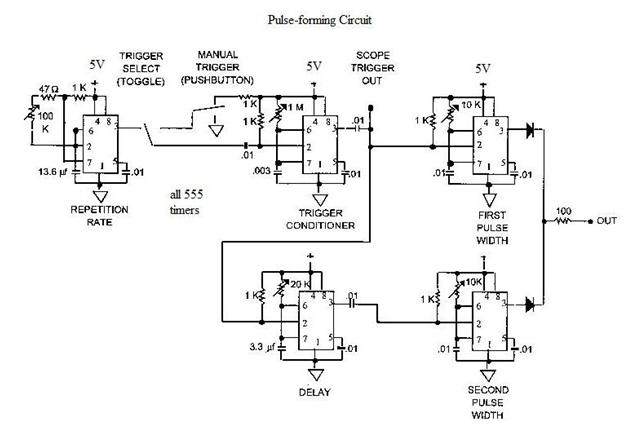
Description: Home-built NMR spectrometer, illustrating the construction and circuitry. Demonstrates 90-degree and 180-degree pulse sequences, as well as the generation of FIDs and spin echoes at 18 MHz.
The home-built NMR (Nuclear Magnetic Resonance) spectrometer is an intricate device designed for analyzing the magnetic properties of atomic nuclei. The construction comprises a combination of hardware and software components that work together to generate and detect radiofrequency (RF) pulses.
The primary components of the spectrometer include a strong magnet, RF transmitter, RF receiver, and a computer interface for data acquisition and processing. The magnet creates a uniform magnetic field that aligns the nuclear spins of the sample. The RF transmitter generates the 90-degree and 180-degree pulse sequences essential for exciting the nuclei. A 90-degree pulse flips the spins into the transverse plane, while a 180-degree pulse is used for refocusing the spins, creating spin echoes.
The spectrometer operates at a frequency of 18 MHz, which corresponds to the resonant frequency of the nuclei being studied, typically protons in organic compounds. The generated Free Induction Decay (FID) signals are captured by the RF receiver, which converts the RF signals into digital data for further analysis. The computer interface processes these signals to reconstruct the NMR spectrum, revealing information about the molecular structure and dynamics of the sample.
The design may also incorporate various safety features and calibration mechanisms to ensure accuracy and reliability during operation. Overall, this NMR spectrometer serves as a valuable tool for research and educational purposes in the field of chemistry and material science.Home built NMR spectrometer, showing the construction and circuitry. Demonstates 90 degree and 180 degree pulse sequence, and generation of FIDs and spin echos at 18 MHz..
The home-built NMR (Nuclear Magnetic Resonance) spectrometer is an intricate device designed for analyzing the magnetic properties of atomic nuclei. The construction comprises a combination of hardware and software components that work together to generate and detect radiofrequency (RF) pulses.
The primary components of the spectrometer include a strong magnet, RF transmitter, RF receiver, and a computer interface for data acquisition and processing. The magnet creates a uniform magnetic field that aligns the nuclear spins of the sample. The RF transmitter generates the 90-degree and 180-degree pulse sequences essential for exciting the nuclei. A 90-degree pulse flips the spins into the transverse plane, while a 180-degree pulse is used for refocusing the spins, creating spin echoes.
The spectrometer operates at a frequency of 18 MHz, which corresponds to the resonant frequency of the nuclei being studied, typically protons in organic compounds. The generated Free Induction Decay (FID) signals are captured by the RF receiver, which converts the RF signals into digital data for further analysis. The computer interface processes these signals to reconstruct the NMR spectrum, revealing information about the molecular structure and dynamics of the sample.
The design may also incorporate various safety features and calibration mechanisms to ensure accuracy and reliability during operation. Overall, this NMR spectrometer serves as a valuable tool for research and educational purposes in the field of chemistry and material science.Home built NMR spectrometer, showing the construction and circuitry. Demonstates 90 degree and 180 degree pulse sequence, and generation of FIDs and spin echos at 18 MHz..

bugs
Radio transmitters for eavesdropping on private conversations and sending video pictures, battery-operated.
Radio transmitters designed for eavesdropping applications typically operate within specific frequency ranges to capture audio and video signals discreetly. These devices often utilize low-power RF (radio frequency) technology to...

remote control for electrical
A circuit for a remote control unit utilizes radio frequency signals to operate various electrical appliances. This remote control unit features four channels, which can be expanded to twelve. Unlike typical remote control circuits that rely on infrared light for...
Spectrometer
A spectrometer is an instrument used to view and analyze a spectrum of a specific characteristic of a substance, such as mass-to-charge values in mass spectrometry or wavelengths in absorption spectrometry, including techniques like nuclear magnetic resonance spectroscopy and infrared...

AF2310 radio controlled motor circuit design project
This circuit resembles that of a car radio-controlled toy with seven control functions: forward, forward-left, forward-right, backward, backward-left, backward-right, and stop. Additionally, this radio frequency circuit can be utilized for other electronic circuits that require a simple wireless motor controller....
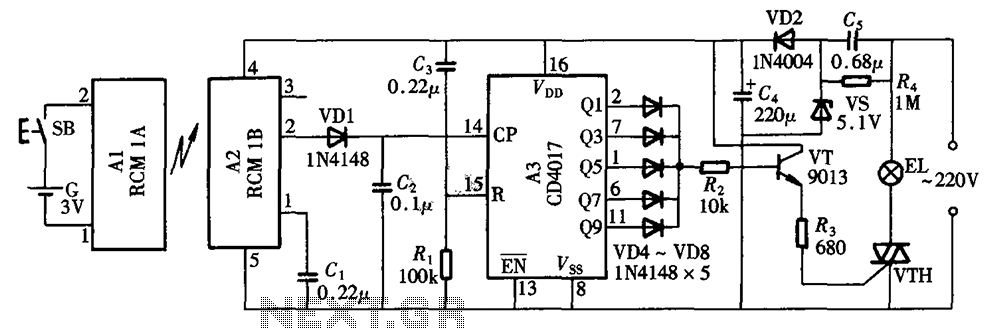
Radio remote control lighting switch CD4017 RCM1 schematic
The circuit consists of a radio remote lighting switch utilizing RCM1 type radio-controlled remote control transmitter and receiver components. It features the RCM1A/B component, which facilitates the remote control functionality. Additionally, the design incorporates a remote control transmitter and receiver...
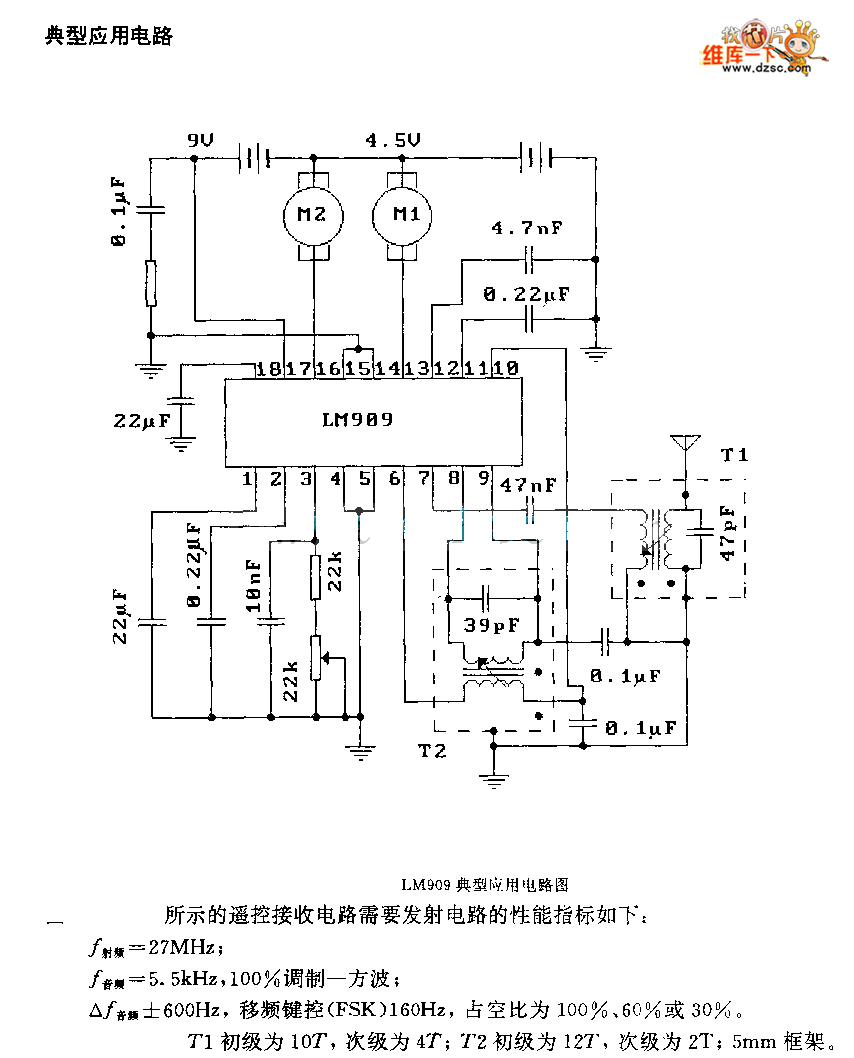
LM909 radio telecontrol receiving decoding circuit diagram
The performance indices of the telecontrol receiving decoding circuit are as follows: radio frequency (f) = 27 MHz, audio frequency (f) = 5.5 kHz, 100% modulation in square-wave form; radio frequency deviation is ±600 Hz, and the frequency shift keying...

Dual AC radio remote control switch circuit diagram
The circuit diagram illustrates a dual radio remote control switch system. The transmitter section features Q3, which generates a high-frequency carrier signal, while Q1 and Q2 form the oscillator circuit. Pressing switch SW1 results in an oscillation frequency of 5...
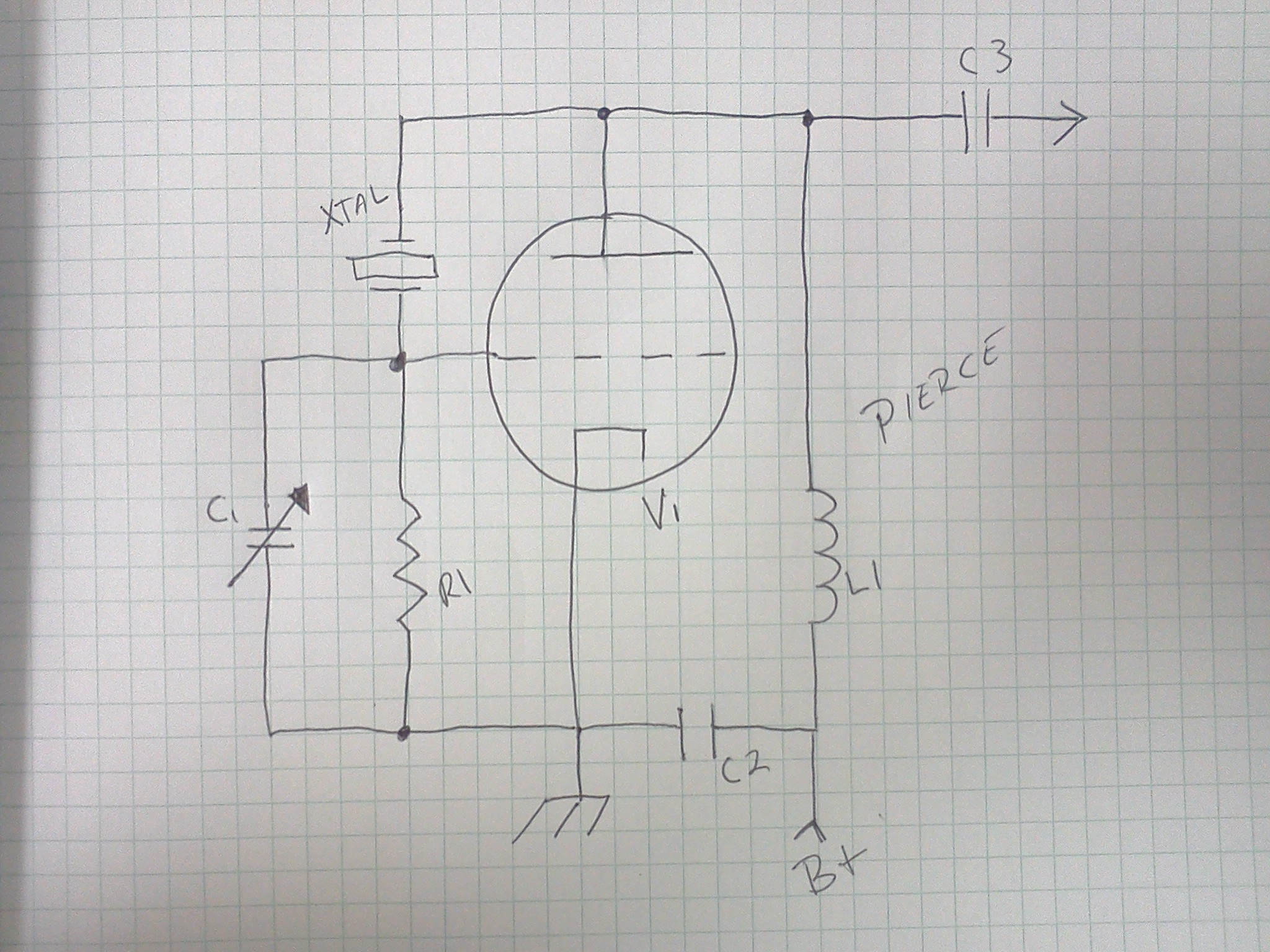
More About Oscillators
Online Electronics Course covering the Science of Radio Frequency Engineering, including topics such as Electronics, Microwave Technology, Waveguides, Antennas, Tubes, Historical Context, Klystrons, Magnetrons, Traveling Wave Tubes (TWT), Internet of Things (IoT), Klystrodes, Broadcast Equipment, and Repair Techniques.
The online electronics...

SEISMIC RADIO 500mHz - 200Hz frequency range
The most popular network is MED-NET, which encompasses the entire Mediterranean Sea with its observation points. The accompanying map illustrates these observation points. For more information about this network, which is part of the Italian Geophysical National Institute, the official...