


DIY Stun Gun Circuit
#stun gun
#high voltage
#DIY
#educational
#safety warning
#electronics project
#dangerous circuits
#learning purpose
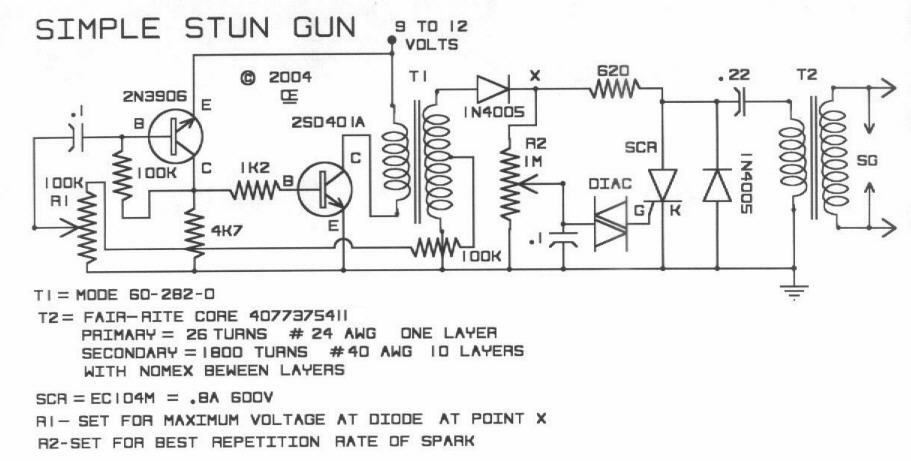
Description: This is a DIY simple stun gun circuit presented solely for educational purposes. There is no recommendation for constructing these stun guns or for their actual use in any capacity.
The circuit for a DIY stun gun typically consists of a high-voltage transformer, a capacitor, a switch, and a discharge electrode. The high-voltage transformer is essential for stepping up the voltage from a low-voltage power source, such as a battery, to a level that can produce a significant electric shock. The transformer may be sourced from various devices, such as a flyback transformer from an old television or a neon sign transformer.
The capacitor in the circuit serves to store electrical energy, which is then discharged through the electrodes when the switch is activated. The choice of capacitor is critical; it must be rated for high voltage and capable of discharging quickly to generate a pulse of electricity.
The switch is used to control the flow of electricity from the power source to the transformer and capacitor. A momentary push-button switch is commonly utilized, allowing the user to activate the circuit only when needed, thus minimizing the risk of accidental discharge.
The discharge electrodes are positioned to create an air gap that can break down under high voltage, allowing the electric current to arc between them. The distance between the electrodes can be adjusted to control the intensity and reach of the shock.
Safety precautions are paramount when dealing with high-voltage circuits. Proper insulation, secure connections, and protective enclosures should be implemented to prevent accidental contact with live components. Additionally, it is crucial to adhere to all local laws and regulations regarding the construction and use of such devices, as they may be illegal or restricted in many areas.
This circuit is intended strictly for educational purposes to understand the principles of high-voltage electronics and should not be built or used in practice.This is a diy simple stun gun circuit showned only for learning! In No Way Do I Recommend Building these Stun-Guns or the actual use of them for any purpos..
The circuit for a DIY stun gun typically consists of a high-voltage transformer, a capacitor, a switch, and a discharge electrode. The high-voltage transformer is essential for stepping up the voltage from a low-voltage power source, such as a battery, to a level that can produce a significant electric shock. The transformer may be sourced from various devices, such as a flyback transformer from an old television or a neon sign transformer.
The capacitor in the circuit serves to store electrical energy, which is then discharged through the electrodes when the switch is activated. The choice of capacitor is critical; it must be rated for high voltage and capable of discharging quickly to generate a pulse of electricity.
The switch is used to control the flow of electricity from the power source to the transformer and capacitor. A momentary push-button switch is commonly utilized, allowing the user to activate the circuit only when needed, thus minimizing the risk of accidental discharge.
The discharge electrodes are positioned to create an air gap that can break down under high voltage, allowing the electric current to arc between them. The distance between the electrodes can be adjusted to control the intensity and reach of the shock.
Safety precautions are paramount when dealing with high-voltage circuits. Proper insulation, secure connections, and protective enclosures should be implemented to prevent accidental contact with live components. Additionally, it is crucial to adhere to all local laws and regulations regarding the construction and use of such devices, as they may be illegal or restricted in many areas.
This circuit is intended strictly for educational purposes to understand the principles of high-voltage electronics and should not be built or used in practice.This is a diy simple stun gun circuit showned only for learning! In No Way Do I Recommend Building these Stun-Guns or the actual use of them for any purpos..

HV REGULATOR WITH FOLDBACK CURRENT LIMITING
A TMOS MTM7N45 (Q2) functions as a series pass element in a linear high voltage supply that accepts +275 V unregulated input and produces a regulated output of 250 V, incorporating foldback current limiting. A 15 V zener diode, D1,...

High Voltage Switching for Energy Recovery
This is a High Voltage switching device for driving coils and which have big impedance when it is switched off. It can be used in Back-EMF energy recovery tests, Newman coils electronic commutator. This device is driven by an opto-coupler...

Commercial Stun Gun Circuit
A commercial stun gun circuit that generates approximately 100 kV pulses from a 9V battery is illustrated in Figures 1-2. The core of the circuit is a power oscillator centered around transistor Q1. When switch S1 is activated, capacitor C1...

High Voltage Stun Gun
High Voltage Stun Gun Disclaimer: This device is not a toy. It should not be misused. The creator does not accept any responsibility for damages caused to others or oneself with this device. If one intends to build it, they...

HIGH VOLTAGE PULSE SUPPLY
This high-voltage pulse supply generates pulses up to 30 kV. Transistors Q1 and Q2 create a multivibrator in conjunction with peripheral components R1 through R6 and capacitors C1, C2, C3, C5, C6, and diode D2. Resistor R9 adjusts the pulse...
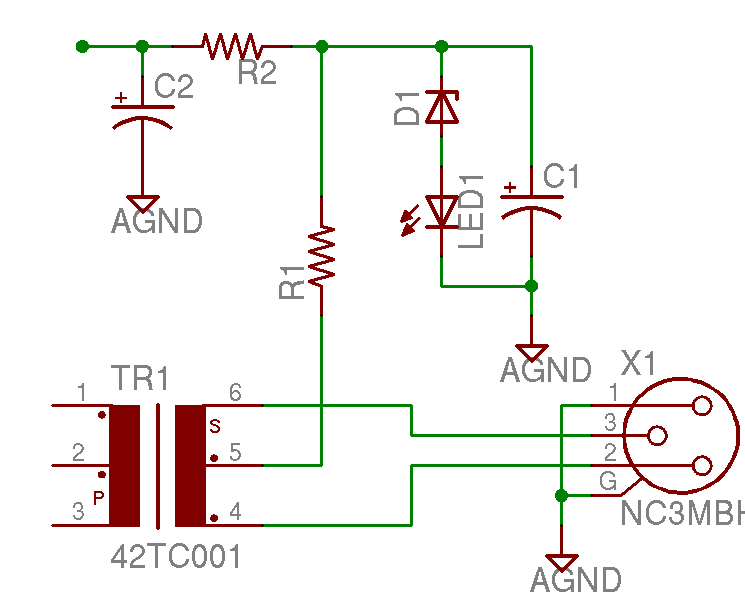
Help with a schematic please
A project is underway to construct the CountryHick DI as illustrated on DIYFactory, incorporating a few minor modifications. The final design aims to be a 1U unit with four inputs.
The CountryHick DI (Direct Injection) box is a crucial tool in...

Stun Gun with 555
This stun gun is powered by a 9V battery. The transformer steps up the voltage to about 1800V (but with very low current). A 555 timer IC is used to generate a high-frequency output. A 1 MEG variable resistor can...

High Voltage High Current Power Supply
The circuit can produce about 250-500mA at 2KV, depending on the transformer. For C1, you can use the capacitor out of an old microwave. This circuit is mainly provided as a demonstration of using commonly available parts for something uncommon....

High Voltage Power Supply for Geiger Tubes
These power supply circuits generate 500 volts, but they can be modified to supply several hundred to nearly 1000 volts by changing the zener diodes. These circuits produce high voltages and can cause dangerous shocks. Caution is advised; these devices...