Applied Electronic Textiles
1. Definition and Overview
1.1 Definition and Overview
Applied electronic textiles, often referred to as "e-textiles," represent a fusion of traditional textiles and advanced electronics. These innovative materials integrate conductive fibers, sensors, and sometimes even power sources within the fabric structure, allowing for seamless interaction between the user, the garment, and its environment. This intersection between textiles and electronics is not only revolutionizing the clothing industry but is also paving the way for applications across various fields, including healthcare, sports, and military.
The essence of applied electronic textiles lies in their ability to sense, react, and communicate, attributes often likened to the capabilities of traditional electronic devices, but now embedded into fabrics. For instance, garments can monitor physiological parameters such as heart rate, temperature, and even movement, enabling real-time health monitoring. Such applications highlight the significant potential of e-textiles in improving personal health management, specifically in remote patient monitoring scenarios, where constant medical supervision is necessary.
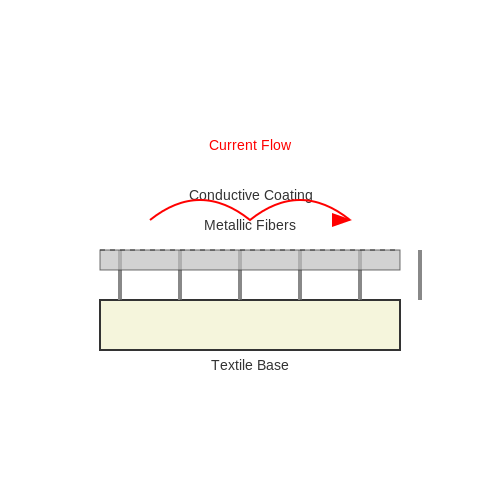
A key feature of applied electronic textiles is the use of conductive materials—substances that can conduct electricity. These materials can be woven into fabrics, allowing for the creation of circuits directly on the textile. As outlined by some recent studies, the integration of conductive polymers and metallic fibers leads to enhanced durability and flexibility, which are essential qualities for wearable technologies as they undergo frequent motion and washing.
Moreover, the versatility of e-textiles enables diverse practical applications. In sports, for example, clothing fitted with sensors can provide athletes with valuable insight into their performance, helping to optimize their training regimens and reduce injury risk. Such insights are uniquely derived from the real-time data gathered by sensors sewn into shirts, shorts, or even shoes, showcasing how wearing apparel can become an active medium for collecting performance data.
Historically, the idea of integrating electronics into everyday items dates back many decades, but the modern era of applied electronic textiles gained traction with advancements in materials science and flexible electronics. The manufacturing processes that allow for the embedding of electronics into fabrics have also advanced, resulting in lower production costs and broader accessibility. As the field continues to evolve, researchers anticipate breakthroughs in energy harvesting technologies, enabling e-textiles to be self-sustaining by harvesting energy from body heat or motion.
In conclusion, applied electronic textiles stand at the forefront of merging functionality with everyday wear. This convergence not only enhances the fabric itself, imparting new capabilities, but it also reshapes user experience across various sectors. The upcoming sections will delve deeper into these applications, elucidating both the technological underpinnings and the future trajectory of this exciting field.
1.2 Historical Development
The evolution of applied electronic textiles, often referred to as e-textiles, represents a fascinating convergence of materials science, electronics, and fabric engineering. The journey begins in the late 20th century, with early explorations into integrating conductive materials into textiles, ultimately leading to the sophisticated designs and applications we witness today. Initially, the concept of smart textiles emerged from military and medical applications. The X-Scape project in the early 1990s sought to develop textiles that could monitor physiological parameters for soldiers in combat, indicating early recognition of the potential of integrating electronics into everyday fabrics. During this period, researchers began experimenting with conductive threads made from metals coated with polymers, enabling the basic functionality of data transmission through fabrics. By the late 1990s and early 2000s, advancements in nanotechnology and the discovery of conductive polymers provided researchers with new materials to work with, leading to improved sensitivity and flexibility in electronic textiles. The introduction of materials such as silver nanowires and carbon nanotubes revolutionized the field, offering higher conductivity and durability, which were essential for the viability of wearable technology. These innovations birthed applications spanning from fitness monitoring clothing to military uniforms designed for performance and survivability. The commercial landscape began to shift significantly around the mid-2000s, as companies such as Wearable X and Adidas showcased products incorporating basic electronic functionalities. For instance, the Adidas "ClimaCool" line incorporated moisture-wicking technology alongside basic electronic sensing capabilities, laying a foundation for future growth. The 2010s marked a transformative period for applied electronic textiles, as consumer interest surged. The introduction of components like flexible circuit boards and advancements in embedded systems made it possible to integrate complex sensors and actuators into garments without compromising comfort or flexibility. Significant projects like the Fitbit and the Google Smart Fabric initiative demonstrated the practical relevance of e-textiles in everyday life, pointing toward a future where garments not only serve aesthetic purposes but also function as smart, interactive devices. As the field has matured into the 2020s, research continues to focus on enhancing the functionalities of e-textiles, including further integration with the Internet of Things (IoT) and development of biodegradable materials aimed at reducing environmental impact. Today's smart textiles are characterized by multifunctional capabilities that allow them to monitor health, adapt to temperature changes, and even negotiate changes in the environment—all while being aesthetically appealing. The historical timeline of electronic textiles, therefore, provides critical insights into both the technological and cultural trajectories of wearables, illustrating how innovation in materials and electronics once imagined in laboratories is now reshaping our daily interactions with clothing and personal technology. The ongoing research in this exciting field promises even more revolutionary applications in the near future, suggesting that the fusion of fabric and electronics has only just begun.1.3 Application Areas
The field of applied electronic textiles (e-textiles) has gained momentum over the last few decades, driven by innovations in materials science, electronics, and miniaturization technologies. These smart textiles possess the ability to integrate functionality, aesthetics, and comfort, marking a paradigm shift not only in apparel but across various sectors. E-textiles are effectively woven with conductive materials, allowing them to collect data, process information, and interact with the environment. This fundamental capability opens avenues for a range of applications. In this section, we delve into several application areas of e-textiles, exploring their practical relevance and potential impact on diverse domains.Health Monitoring and Medical Applications
One of the most promising applications of e-textiles is in the healthcare sector. Wearable health devices can be seamlessly integrated into clothing, enabling continuous monitoring of vital signs such as heart rate, respiratory rate, and even electrical activity of muscles. Such capabilities facilitate proactive health management and can significantly enhance patient care. For example, smart shirts embedded with conductive fibers are already in use to provide data for remote patient monitoring systems. In a clinical setting, utilizing e-textiles can reduce the dependency on bulky medical devices while maintaining accurate tracking of patient metrics. More advanced applications also include the development of textiles capable of delivering medication transdermally based on biometric feedback.Sports and Fitness
In the sports and fitness domain, e-textiles are transforming the way athletes train and perform. By incorporating sensors into garments, coaches and athletes can track performance metrics in real-time, providing actionable insights to optimize training regimens. These smart fabrics can measure body mechanics, hydration levels, muscle fatigue, and more as athletes engage in training. For instance, sensors embedded in a runner's shirt can provide data on running form that is crucial in preventing injuries while improving performance. Furthermore, data gathered from these e-textiles can be processed and analyzed through mobile applications, creating personalized training programs that offer tailored guidance based on individual performance.Fashion and Aesthetics
Beyond their functional attributes, e-textiles also hold significant potential in the realm of fashion. Designers are increasingly exploring how to blend smart technology with contemporary aesthetics. Interactive garments can change color or pattern based on environmental stimuli or user input, creating a new fashion experience that is dynamic and engaging. The integration of sensors with illuminating fibers allows for the creation of garments that can react to sound, light, or touch, thus transforming clothing into a medium of artistic expression. This innovative intersection of electronics and fashion not only enhances creativity but also opens the door for functional clothing that adapts to various situations.Military and Safety Applications
In military applications, e-textiles offer enhanced situational awareness for soldiers. Integrated sensors can monitor biometrics and environmental conditions, providing critical information that can inform command decisions. For instance, uniforms with integrated communication devices and sensors can relay vital information, enhancing coordination in combat scenarios. Additionally, e-textiles can improve personal safety in hazardous environments. Firefighters, for instance, could wear suits that monitor their physiological status and environmental metrics, alerting them to dangerous levels of heat or toxic gases, thus enabling timely intervention and potentially saving lives.Environmental Monitoring
Another emerging area is the use of e-textiles for environmental monitoring. Textiles with integrated sensors can be deployed in various environments, such as wildfires or weather reporting, to track temperature, humidity, and pollutants. These devices can collect and transmit data to central databases, providing insights into environmental conditions that can inform disaster prevention efforts and public safety initiatives. In urban settings, e-textiles can aid in smart city initiatives by enabling the continuous collection of environmental data while minimizing the need for extensive infrastructure.Conclusion
The potential of applied electronic textiles spans numerous industries, each with unique contributions to everyday life, healthcare, and advanced technology. As research and development continue to progress, the integration of smart textiles into mainstream applications appears increasingly promising, heralding a future where clothing is highly functional, responsive, and integrated seamlessly into our daily lives.2. Conductive Fabrics and Threads
2.1 Conductive Fabrics and Threads
In recent years, there has been significant advancement in the field of applied electronic textiles, particularly concerning the development of conductive fabrics and threads. These materials play a crucial role in integrating electronic components with textiles, leading to innovative applications in wearable technology, smart clothing, and healthcare monitoring systems.
Conductive fabrics are textile materials that have been treated or composed in such a way that they can conduct electricity. This conductivity can be achieved through various methods, including:
- Metal Coating: Fabrics can be coated with thin layers of metals such as silver, copper, or nickel. These metals provide excellent conductivity.
- Carbon-Based Solutions: Carbon nanotubes or graphene can be integrated into the fabric to create a conductive pathway.
- Intrinsic Conductive Polymers: Polymers themselves can be engineered to conduct electricity, often involving doping techniques that enhance their conductivity.
Conductive Threads
Conductive threads are specially designed fibers capable of conducting electrical signals. These threads can be sewn or woven into garments, allowing them to serve dual purposes: as clothing and as an integral component of electronic circuits.
The use of conductive threads often involves considerations of mechanical strength, durability, and washability, ensuring that textiles maintain functionality even after multiple washes or under mechanical strain.
Real-World Applications
The practical relevance of conductive fabrics and threads is clear in various applications. For instance:
- Wearable Health Monitors: Smart textiles can monitor physiological parameters such as heart rate, temperature, and movement, providing continuous health data without invasive procedures.
- Interactive Clothing: Fabrics embedded with conductive elements can sense touch or gestures, transforming everyday clothing into interactive interfaces for controlling devices.
- Military and Safety Gear: Conductive textiles offer the possibility to embed sensors and communication devices directly into uniforms, enhancing situational awareness on the battlefield, or in emergency services.
Column Transitions and Challenges
The transition from traditional textiles to conductive textilestextiles raises challenges such as ensuring reliable signal conduction and maintaining comfort against the skin. Moreover, the integration of electronic components presents potential issues concerning usability and scalability.
Despite these challenges, advances in fabrication technologies and material sciences continue to contribute to the evolution of electronic textiles. As engineers and researchers seek optimal ways to blend electronics with fabric without compromising wearability, the future holds promising possibilities for a more interconnected world.
2.2 Insulating Materials
When discussing applied electronic textiles, the choice of insulating materials is crucial for the performance and reliability of these devices. Insulation not only protects electronic components but also plays a significant role in the performance of conductive threads and fabrics. The interdisciplinary nature of electronic textiles, which integrates materials science, textile engineering, and electrical engineering, necessitates a deeper understanding of the various types of insulating materials available, their properties, and their applications in real-world scenarios.Types of Insulating Materials in Electronic Textiles
Insulating materials can typically be categorized into three primary groups: polymer-based, ceramic-based, and composite materials. Each type features unique characteristics that make them suitable for different applications.- Polymer-based Insulators: These materials, including polyethylene (PE), polyimide (PI), and polyvinyl chloride (PVC), are favored for their flexibility, lightweight nature, and chemical resistance. They can easily be integrated into fabrics, providing both electrical insulation and comfort. For instance, polyimide films are used for flexible printed circuits found in wearable devices due to their excellent thermal stability and dielectric properties.
- Ceramic-based Insulators: Ceramics, such as alumina and zirconia, offer high dielectric strength and thermal stability, making them ideal for high-frequency applications. However, their brittleness can limit their application in textiles, leading to the exploration of more adaptable forms, such as ceramic coatings that can be applied over flexible substrates.
- Composite Materials: These insulators combine two or more materials to achieve enhanced properties. For instance, carbon nanofiber-reinforced polymers can provide improved strength and conductivity while maintaining insulation properties. This versatility enables the design of textiles that can harness both conductive and insulating characteristics simultaneously.
Key Properties of Insulating Materials
The effectiveness of an insulating material can be evaluated based on several properties:- Dielectric Strength: This is the maximum electric field that a material can withstand without breakdown. High dielectric strength is essential for preventing short circuits in densely packed electronic textiles.
- Thermal Stability: Insulation materials must retain their properties over a wide temperature range, especially for electronic textiles subjected to varying environments. Polyimides, for example, can maintain their integrity even at elevated temperatures.
- Flexibility and Comfort: In wearable applications, the insulating material should not impede the garment's wearability. Thus, the mechanical properties of insulators need to be balanced with their electrical performance.
- Moisture Resistance: Exposure to moisture can deteriorate the insulating properties and increase the risk of electric shorting. Hydrophobic treatments can enhance the performance of insulating fabrics.
Applications of Insulating Materials
The practical applications of insulating materials in electronic textiles are vast. In healthcare, for instance, wearable devices equipped with flexible electrodes and insulating layers can monitor vital signs without causing skin irritation. Additionally, insulating materials can serve in smart clothing that requires the integration of sensors used for fitness tracking or environmental monitoring. One of the noteworthy case studies involves the development of smart textiles for military applications, where insulating materials are engineered to shield electronic components from electromagnetic interference while mitigating the risk of injury to the wearer. These textiles ensure reliable communication and performance in varying conditions.Future Trends and Research Directions
The field of applied electronic textiles is rapidly evolving, with ongoing research aimed at enhancing the performance of insulating materials. Nanomaterials, for example, are increasingly being explored for their potential to provide superior insulation while enabling additional functionalities, such as self-heating or self-sensing capabilities. Moreover, the integration of artificial intelligence and machine learning in the design process for electronic textiles may lead to innovations in material selection, optimizing both the functional and aesthetic aspects of future wearable technologies. In conclusion, the selection of appropriate insulating materials is essential in the design and implementation of electronic textiles. A thorough understanding of material properties and their practical applications will drive the next generation of innovative textile-based electronics, leading to advancements in various sectors, including healthcare, sports, and military technologies.2.3 Sensors and Actuators
The integration of electronic components into textiles has transformed how we perceive and interact with our environments. One of the most pivotal elements of applied electronic textiles (e-textiles) is the incorporation of sensors and actuators. These devices not only enable a deeper interaction between the user and the fabric but also facilitate a range of applications from health monitoring to ambient intelligence.
Understanding Sensors in E-Textiles
Sensors are devices that detect and respond to changes in the surrounding environment. In the context of e-textiles, sensors can measure a myriad of variables such as temperature, pressure, humidity, and motion. The choice of sensor technology is crucial and depends on the intended application.
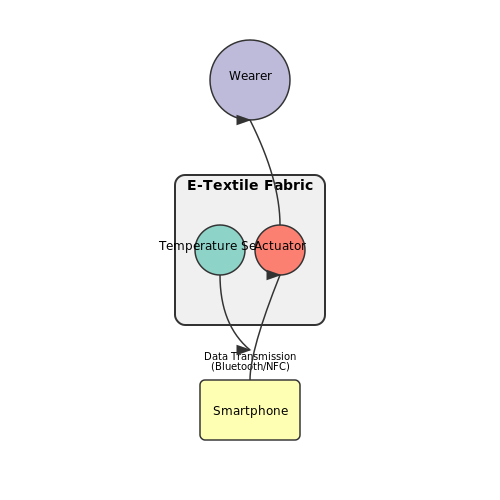
For instance, a temperature sensor, such as thermistors or resistive temperature devices (RTDs), can be woven into a fabric to monitor a wearer’s body temperature. These sensors operate on the principle of changing resistance with temperature variance, allowing for precise thermal readings. In wearable applications, this data can be transmitted wirelessly to a smartphone or a computer via Bluetooth or NFC protocols.
Case Study: Smart Clothing with Temperature Sensors
A notable application of temperature sensors is in smart sportswear, which helps athletes to monitor vital signs in real-time. The data can be used for performance optimization and injury prevention, exemplifying how sensors enhance personal health management.
Exploring Actuators in E-Textiles
Actuators, in contrast, are devices that cause a physical change or action in the system they are part of. In e-textiles, actuators are used for various purposes such as feedback mechanisms, haptic responses, and dynamic adjustments of the fabric properties. For example, shape memory alloys (SMAs) can change shape in response to electrical signals, thereby allowing e-textiles to adapt their form or tension in real-time.
The integration of actuators into e-textiles can create garments that not only report data but also react to that data, providing haptic feedback to the wearer. This capability is particularly beneficial in rehabilitation technology, where garments can help guide the wearer through physical exercises.
In the equation above, \( F \) represents the force applied by the actuator, \( k \) is the spring constant of the material, and \( \Delta x \) is the displacement from the model's equilibrium position. Understanding these mechanical parameters is essential when designing actuators for e-textiles, as they dictate how the material behaves under different conditions.
Practical Implementation
The fabrication of e-textiles necessitates the creation of conductive paths and ensuring the durability of both sensors and actuators in fabric. Techniques such as screen printing conductive inks, embroidery of conductive threads, and the integration of flexible circuit boards are some common methodologies employed to implement these functionalities.
Moreover, advancements in material science allow for the creation of textiles that maintain comfort and breathability while embedding electronic components. This balance of functionality and user comfort is pivotal for the widespread adoption of e-textiles.
As we continue to explore the realms of sensors and actuators in electronic textiles, the potential applications span numerous sectors, including healthcare, fashion, and military. The ability to weave intelligence into the very fabric of everyday life heralds a future where our environments are more responsive, personalized, and interconnected.
2.4 Power Supply Solutions
In the realm of applied electronic textiles, providing a reliable power supply is crucial for the integration of electronics into fabrics. This section delves into the various power supply solutions that cater to the unique demands of electronic textiles, emphasizing compactness, flexibility, and efficiency.
Battery Technology
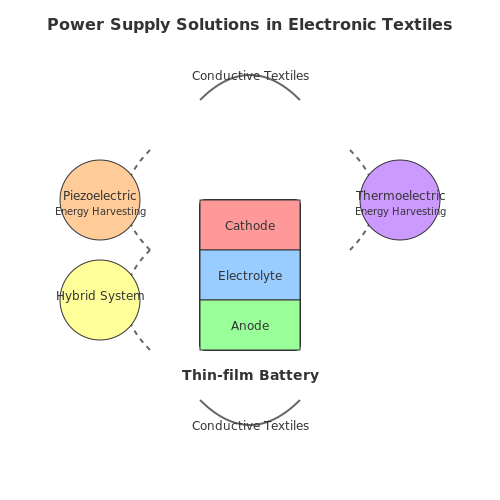
Traditionally, batteries have been the primary method for powering electronic devices due to their portability and ease of use. In electronic textiles, thin-film batteries have emerged as a leading solution, offering several advantages such as lightweight construction, high energy density, and flexibility. Thin-film batteries can be fabricated directly onto the textile, allowing for seamless integration without compromising the fabric's aesthetics or functionality.
The typical composition of thin-film batteries includes a cathode and an anode layer, which are separated by an electrolyte layer. The light weight of these batteries allows them to be comfortably woven into clothing, making them ideal for applications such as health monitoring where mobility is fundamental.
Energy Density Considerations
The energy density of a battery is vital for determining its performance in electronic textiles. Enhanced energy density translates to longer operational times for the embedded electronics. For instance, a typical lithium-ion battery has an energy density of approximately 250 Wh/kg, while emerging thin-film technologies can exceed this, achieving energy densities upwards of 500 Wh/kg with advancements in material science and nanotechnology.
Where \(E_{density}\) is the energy density, \(E_{stored}\) is the total energy stored, and \(mass\) refers to the weight of the battery. Maximizing this ratio is essential for developing next-generation batteries suitable for electronic textiles.
Energy Harvesting Solutions
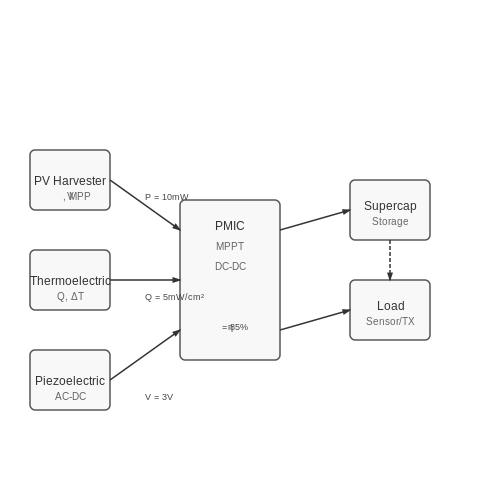
Beyond conventional batteries, energy harvesting solutions are increasingly gaining traction in the field of electronic textiles. These solutions convert ambient energy sources into electrical energy, thereby offering a renewable power supply. For instance, piezoelectric materials embedded in textiles can generate power from mechanical stress, such as body movements during daily activities.
Another promising energy harvesting method involves using thermoelectric generators. These devices exploit temperature differences—such as the heat from the human body—to create voltage. This process is especially advantageous for wearable technologies, where continuous power generation is desirable without the need for regular battery replacements.
Implementation Challenges and Innovations
While energy harvesting presents innovative power solutions, challenges persist, such as energy storage efficiency and conversion losses. To address these issues, researchers are investigating hybrid systems that combine energy harvesting with traditional battery systems, optimizing power management to ensure that energy is utilized efficiently. Techniques involving ultracapacitors may also be adopted, owing to their rapid charging and high cycle stability.
Flexible and Wearable Power Supply Systems
The design of power supplies for electronic textiles must prioritize flexibility and wearability. Integrated power supplies that can conform to the user's body shape and movements improve user experience significantly. This calls for developments in conductive textiles and inks that can facilitate electrical connections throughout the fabric while maintaining comfort.
For example, the use of textiles coated with conductive polymers enables the realization of both power delivery and communication pathways within the fabric. This integration supports not only a more streamlined design but also enhances the overall functionality of the electronic textile by allowing for real-time data transmission and power distribution.
Future Directions
As the field of electronic textiles evolves, ongoing research will likely lead to breakthroughs in materials that enable even more efficient power supply solutions. The emergence of nanomaterials, for instance, has the potential to revolutionize not just battery technology but the very fabric of electronic textiles themselves. Researchers are keenly focused on creating batteries that can be printed directly onto textiles, which will dramatically reduce costs and improve production scalability.
In summary, the power supply solutions for electronic textiles represent a rapidly advancing field that balances technology with practicality. Innovations in battery technologies, energy harvesting, and flexible systems are paving the way for smarter and more efficient electronic textiles that could redefine consumer wearables in the near future.
3. Wearability and Comfort
3.1 Wearability and Comfort
In the realm of applied electronic textiles, the concepts of wearability and comfort stand at the forefront of design and engineering considerations. As electronic textiles, or e-textiles, merge the worlds of textiles and electronics, achieving a delicate balance between functionality and user comfort becomes essential. Wearability encompasses not only the physical aspects of the garment but also user perceptions and experiences, which are influenced by various factors including material properties, garment design, and thermal regulation.
Material Selection
At the core of comfort is the choice of materials used in electronic textiles. Textiles are made from a plethora of fibers, including natural (cotton, wool, etc.) and synthetic (polyester, nylon, etc.) fibers, each offering unique properties that can affect comfort. When integrating electronic functionalities, the selected materials must be:
- Flexible: The incorporation of conductive materials, such as silver or conductive polymers, should not hinder the garment's ability to stretch and move.
- Breathable: Breathability is critical for moisture management and thermal comfort, especially in wearables intended for fitness or active applications.
- Soft and Lightweight: Heavy or rigid materials can cause discomfort and reduce user acceptance. Lighter fabrics enhance wearability and encourage extended use.
Recent advances have led to the development of hybrid materials that combine traditional textile fibers with conductive threads or coatings. For instance, incorporating conductive threads within a soft, breathable fabric can facilitate functionalities such as sensing health metrics without compromising user comfort.
Design Considerations
The design of electronic textiles plays a pivotal role in determining their overall comfort and usability. Key design considerations include:
- Ergonomics: Garment shapes and patterns should support human anatomy and movement, ensuring that electronic components are placed in a way that minimizes friction and pressure points.
- Weight Distribution: Uneven distribution of electronic components can lead to discomfort. Strategic placement of devices and sensors can enhance comfort during movement.
- Temperature Regulation: Textiles should manage body heat and moisture, which is crucial in wearable technology for health monitoring under varying conditions. Incorporating phase change materials (PCMs) can facilitate thermal regulation.
Testing and User Feedback
An essential step in optimizing wearability and comfort is the iterative process of testing with real users. Field trials provide invaluable data regarding the performance of electronic textiles in practical scenarios. Surveys and wear tests can help identify discomfort areas and user preferences.
For instance, a study involving the testing of a smart shirt with integrated biosensors may reveal that users experience discomfort at the sensor location over prolonged wear. Addressing such feedback will help refine designs, potentially leading to innovations like the miniaturization of electronic components or enhanced encapsulation techniques to shield them against wear and tear.
Future Directions
Looking ahead, the integration of advanced materials like graphene and smart fabrics that can adapt to environmental changes presents exciting possibilities for enhancing wearability. Innovations in wireless power transfer and energy harvesting may also enable the development of electronic textiles that require minimal maintenance while remaining comfortable for prolonged wear. The ongoing evolution of wearable technology will likely redefine comfort standards as we integrate more sophisticated functionalities into everyday textiles.
In summary, the wearability and comfort of electronic textiles hinge on thoughtful material selection, innovative design practices, and user-centered feedback mechanisms. Striking a balance between functionality and comfort ensures greater acceptance and utility in a wide range of applications, from healthcare to sports and beyond.
3.2 Durability and Maintenance
In the realm of applied electronic textiles (e-textiles), ensuring durability and ease of maintenance is a paramount concern for researchers and engineers. This is especially true as these innovative fabrics integrate circuitry and sensors into their structure, making them susceptible not only to wear and tear but also to environmental impacts. Understanding how to enhance the durability and maintain the functionality of e-textiles involves examining materials, design practices, and real-world applications.
Durability of E-Textiles
The durability of e-textiles can be attributed to several factors, including the choice of materials, the design methodology employed, and surrounding environmental conditions. Typically, e-textiles utilize a combination of synthetic and natural fibers with conductive materials that include metals (like silver and copper) and conductive polymers. The resilience of these fibers becomes a focal point, as they must endure repeated mechanical stress during regular wear while also maintaining their electronic properties.
Critical factors influencing durability include:
- Mechanical strength: The tensile strength of the base materials determines how well the e-textile can withstand stretching and bending.
- Environmental resilience: Resistance to factors such as humidity, temperature fluctuations, and UV exposure significantly impacts the longevity of the electronic components.
- Functional integration: The manner in which electronic components are embedded—whether they are printed, stitched, or woven into the fabric—will affect their resilience against damage.
For example, soft printed circuits are often more flexible than rigid methods; however, they may not offer the same durability under extreme conditions. Advanced coatings or encapsulating materials are often employed to enhance the mechanical protection of these functional elements.
Maintenance Strategies
Regular maintenance of e-textiles is crucial for ensuring their functionality over time. Maintenance practices can range from simple cleaning procedures to more complex interventions involving the electronic components. Here are some primary strategies utilized in e-textile maintenance:
- Cleaning: E-textiles should be cleaned following the manufacturer's guidelines. Many conductive fibers can be sensitive to harsh detergents or excessive moisture, which can degrade their performance.
- Firmware updates: For e-textiles integrated with programmable electronics, updating the firmware can enhance functionality and fix bugs, thus prolonging their useful life.
- Component replacement: In cases where certain electronic components fail, a modular design allows for easy replacements, which can extend the overall lifespan of the textile.
Notably, researchers have begun to develop self-cleaning textiles that utilize coatings of nanomaterials, which resist dirt and moisture, further reducing maintenance requirements. Such innovations hold promise for reducing the manual upkeep associated with integrating technology into fabric.
Real-World Applications
The implications of durability and maintenance practices manifest vividly in real-world applications of e-textiles. For instance, in healthcare, wearable monitoring systems are often subjected to rigorous wear and exposure to bodily fluids. Here, durability is vital to ensure consistent performance while also requiring easy maintenance procedures for users.
Moreover, advancements in military applications showcase the critical role of durability, where soldiers use e-textiles for monitoring vital signs in harsh environments. The design choices made under such circumstances highlight the balance between flexibility, durability, and electronic function.
As the field progresses, engineers and researchers continue to explore novel materials and methods, focusing intensively on achieving higher durability while making maintenance as straightforward as possible. This dual approach enhances the practicality and thorough utilization of electronic textiles across various sectors.
3.3 Aesthetic Design
With the advent of applied electronic textiles, the potential for merging technology and fashion has reached new heights. Aesthetic design plays a crucial role in this integration, not only influencing user acceptance but also shaping the innovation of electronic textile functionalities. The objective here is to explore how aesthetics can enhance the practicality and appeal of electronic textiles while addressing the parameters that define their design.
Understanding Aesthetic Appeal in Electronic Textiles
Aesthetic design in electronic textiles transcends mere visual attractiveness; it encompasses user experience, cultural relevance, and emotional connections. The blend of colors, materials, and shapes employed in a textile can evoke specific responses, influencing a consumer’s desire to engage with a product. Thus, the integration of aesthetics with functionality can significantly determine the market success of an electronic textile product.
For instance, garments embedded with sensors for health monitoring not only need to perform reliably, but they also require an appealing design that encourages daily wear. The balance between these factors is encapsulated in the principles of universal design and human-centered design, which advocate for accessibility while maintaining aesthetic integrity.
Design Trends and Innovations
The field of electronic textiles is witnessing dynamic shifts governed by fashion trends and technological innovations. Designers are increasingly gravitating towards minimalist aesthetics that seamlessly incorporate technology into everyday clothing. This trend emphasizes clean lines, neutral colors, and organic materials that appeal to eco-conscious consumers.
Moreover, the rise of wearable technology has prompted explorations into unconventional structures and textile patterns that integrate circuitry artfully. As we delve deeper into electronic textiles, the emergence of smart fabrics exhibiting active responses to stimuli—be it color changes due to heat or light—has revolutionized aesthetic possibilities.
Materials Selection
The choice of materials is pivotal in the aesthetic design of electronic textiles. Traditional textiles are often paired with emergent materials such as conductive threads, flexible sensors, and photovoltaic fabrics. Using conductive polymers and carbon nanotubes, for example, designers can produce fabrics that are not only functional but also exhibit unique visual properties, such as luminescence or texture variations.
Additionally, the integration of environmentally responsible materials into design processes aligns with the growing consumer demand for sustainability. The creation of sustainable designs that do not sacrifice aesthetic quality is becoming increasingly prominent, thereby influencing both the evolution of electronic textiles and consumer behavior.
Case Studies and Applications
Real-world applications of aesthetically designed electronic textiles can be observed in fashion, sports, and healthcare sectors. In the fashion domain, designer brands like Raf Simons and Chalayan have successfully incorporated electronic textiles into their collections, creating works that serve as both fashion statements and technological innovations.
Incorporating electronics into sportswear, companies like Nike and Adidas leverage aesthetic design to enhance performance wear while promoting athletic passion. For example, smart jerseys that track player metrics during games feature performance-enhancing designs that do not compromise on style.
Healthcare applications are rapidly evolving, where aesthetic considerations can impact patient compliance. Electronic textiles designed for elderly or chronically ill patients are often imbued with comforting designs and colors, encouraging sustained usage while simultaneously monitoring health parameters.
As the fusion of aesthetics and functionality continues, the future of electronic textiles points towards a landscape where design holds as much significance as performance, signaling a paradigm shift in textiles, engineering, and consumer expectations.
4. Sewing and Quilting Techniques
4.1 Sewing and Quilting Techniques
In the realm of applied electronic textiles, the integration of electronic components with fabric is pivotal for both functionality and aesthetics. A fundamental aspect of this integration lies in the sewing and quilting techniques employed to ensure durability and operability of the electronic textiles. The selection of appropriate sewing techniques directly influences the performance of textile-based electronic systems, whether for wearable technology or smart home applications.
Understanding the Basics of Textile Engineering
Before delving into specific techniques, it is crucial to understand the fabric types commonly used in electronic textiles. The choice of fabric often combines conductivity, flexibility, and comfort. Conductive materials, such as embroidered or woven silver, are frequently chosen for their electrical properties. However, compatibility with conventional sewing equipment must also be considered, dictating the choice of materials and techniques.
Sewing Techniques for Electronic Textiles
Incorporating electronic components into textiles requires specialized sewing techniques that differ from conventional methods. The primary techniques focus on maintaining the integrity of both the electronic components and the fabric. Key sewing techniques include:
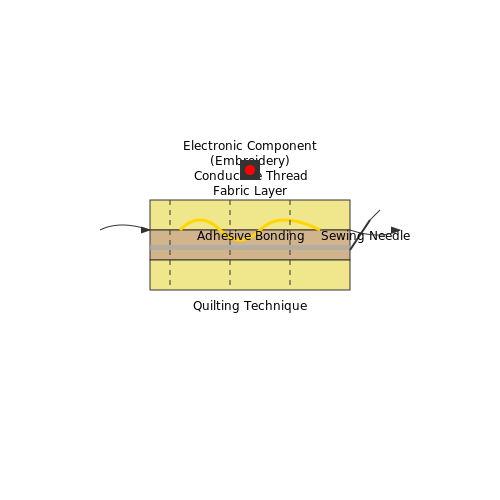
- Conductive Thread Sewing: This involves using conductive threads that can carry electrical signals. It is essential to limit the threat of short circuits by ensuring that stitches do not come into contact with other conductive materials. The sewing method should be precise, with careful attention to stitch spacing.
- Embroidery Techniques: Embroidered circuits are popular in wearable technology. They offer flexibility and conformability. Precise stitching patterns can create intricate designs while ensuring conductivity. Computerized embroidery machines can enhance precision and repeatability.
- Adhesive Bonding: For applications where sewing is impractical, adhesive bonding provides an alternative. This method is particularly useful when bonding layers of fabric with embedded electronics. Structural integrity and long-term durability can be enhanced through this technique.
- Quilting for Structure: Quilting involves sewing two or more layers together in a decorative pattern, often used for adding insulation or additional strength. Incorporating electronics into quilted layers allows for innovative heating applications, such as heated garments.
Integration of Quilting Techniques
Quilting in electronic textiles serves a dual purpose: aesthetic appeal and functional enhancement. Quilted structures can host wiring, ensuring that conductive paths remain secure while maintaining comfort. An effective approach involves layering conductive and non-conductive materials strategically. The quilting process should ensure that the pathways for conduction are unobstructed, thus preserving the functionality of the electronics integrated into the textile.
Moreover, innovative patterns can help distribute electronic components evenly across the fabric, minimizing wear at high-stress points. For example, channel quilting patterns can allow for flexibility and movement in garments, essential for wearable technology.
Practical Considerations
When implementing sewing and quilting techniques in electronic textiles, several practical considerations arise:
- Needle Selection: The choice of needle can significantly affect the sewing process. A needle with a larger eye may be necessary for conductive thread to prevent fraying.
- Thread Tension: Maintaining appropriate thread tension is crucial, especially when using conductive threads, to avoid breakage and ensure conductivity.
- Fabric Handling: Electronic textiles may behave differently than traditional fabrics. Testing on scrap pieces before mass production is recommended to avoid complications.
In summary, the integration of sewing and quilting techniques in electronic textiles is fundamental to the development of practical applications. A deeper understanding of these techniques will not only enhance the functionality of the textiles but also push the boundaries of innovation in wearable technology and smart fabrics.
4.2 Embedding Electronics into Fabric
As the field of electronics integrates seamlessly with textiles, understanding the methodologies for embedding electronic components into fabric is paramount for advanced applications. These applications range from smart clothing capable of monitoring health metrics to interactive textiles that respond to environmental stimuli. This section delves into the processes, materials, and considerations necessary for effectively embedding electronics into fabric.
Fabric Selection and Preparation
The initial stage in embedding electronics involves selecting appropriate fabrics that can endure the incorporation of electronic materials while maintaining comfort and utility. Common materials include cotton, polyester, and nylon, each with unique properties such as tensile strength, flexibility, and washability.
- Cotton: Known for its breathability and comfort, cotton is often used in wearable applications although it may face challenges in terms of durability when exposed to moisture.
- Polyester: Offering enhanced resistance to mould and durability, polyester is beneficial for outdoor applications but may require special treatments to achieve compatibility with electronic components.
- Nylon: A lightweight and strong material, nylon ensures flexibility of the final product but can suffer from electrostatic buildup.
Before embedding electronics, fabrics may undergo treatments to enhance their conductivity, hydrophobicity, or flame resistance. Techniques such as plasma treatment or the application of conductive coatings can significantly improve the performance of textile-electronic interfaces.
Embedding Techniques
Several methodologies exist for integrating electronics into textiles, each suited for specific applications. Here, we explore three predominant techniques: screen printing, stitching, and weaving.
Screen Printing
Screen printing is a versatile technique for depositing conductive inks onto fabrics, providing a cost-effective solution for mass production. This method involves:
- Creating a stencil for the desired electronic circuit design.
- Applying conductive inks made from materials like silver or carbon onto the fabric through the stencil.
- Allowing the inks to cure, establishing a permanent electrical pathway.
This approach is highly scalable and allows for intricate designs to be produced with minimal waste. However, achieving durability and washability of the printed conductors is essential, necessitating the exploration of special inks that withstand environmental factors.
Stitching
Electronics can also be embedded through specialized stitching methods. Using conductive threads, such as those made from stainless steel or silver-coated fibers, allows for the creation of circuits directly onto or within the fabric. This technique can be used for:
- Ensuring flexibility and comfort in wearable technology.
- Facilitating the integration of sensors that need to be placed in specific locations, such as on the wrist for fitness tracking.
The stitched circuits can also function as a connection point for more complex components, such as microcontrollers.
Woven Structures
Woven textiles represent another innovative approach, where conductive yarns are incorporated during the weaving process. This results in:
- Enhanced durability and strength, as conductive paths are inherently part of the material.
- The ability to create multi-dimensional circuits that can be programmed to perform various functionalities.
Such textiles are particularly useful in sportswear and military applications, where both durability and functionality are critical.
Challenges and Considerations
While embedding electronics into fabrics opens up exciting possibilities, it also presents several challenges. These may include:
- Durability: The longevity of electronic components when subjected to regular wear and laundering must be considered.
- Comfort: Ensuring that electrical features do not compromise the cloth's comfort is vital for widespread adoption.
- Integration: Balancing the size, weight, and power requirements of electronic components with fabric applications.
By addressing these challenges through continuous research and development, the textile industry can pave the way for innovative breakthroughs in the field of wearable electronics. This ambitious endeavor stands poised to transform not just the fashion industry, but also healthcare, sport, and emergency services through the creation of intelligent fabrics that can significantly enhance human performance and safety.
4.3 Flexible Circuit Design
The design of flexible circuits represents a fascinating confluence of materials science, electrical engineering, and textile technology, forming a cornerstone of applied electronic textiles. As we delve into the realm of flexible circuits, it becomes clear that their unique properties allow for innovation in various applications, including wearable electronics, medical devices, and smart textiles.
To understand flexible circuit design, one must consider the fundamental principles governing their construction. Flexible circuits are primarily characterized by their substrate materials, which must possess both electrical and mechanical properties that promote flexibility without sacrificing performance. Common materials include polyimide (Kapton) and polyethylene terephthalate (PET), which offer excellent dielectric properties in addition to flexibility.
Key Design Considerations
When designing flexible circuits, engineers must account for several key factors:
- Mechanical Flexibility: The chosen materials should allow for bending, twisting, and stretching without losing connectivity or performance.
- Electrical Performance: Adequate conductivity, low signal loss, and functionality determine the effectiveness of the circuit under various operational conditions.
- Environmental Resistance: The circuit must be shielded from moisture, temperature variations, and chemical exposure, which can impair performance and longevity.
- Manufacturability: Processes like screen printing or roll-to-roll fabrication must be viable to ensure cost-effectiveness and scalability.
Structure and Layers of Flexible Circuits
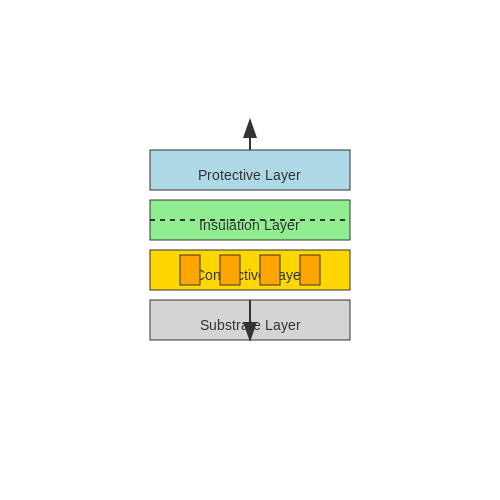
The construction of a flexible circuit typically consists of multiple layers:
- Substrate Layer: The base material that provides structural integrity.
- Conductive Layer: Made typically of copper, this layer forms the circuit pathways, creating a pathway for electrical flow.
- Insulation Layer: It separates conducting pathways and prevents shorts, achieved through coatings or lamination with dielectric materials.
- Protective Layer: An optional layer that guards against physical and environmental damage.
Figure 1 illustrates the multi-layered structure of a flexible circuit, showing how each component contributes to the overall functionality.
Design Techniques
To achieve the desired flexibility while maintaining robust electrical connections, various design techniques can be employed:
- Rigid-Flex Designs: These hybrid designs combine rigid boards with flexible substrates, catering to applications requiring both physical and performance advantages of each.
- 3D Printing: Additive manufacturing techniques can improve the design and allow for intricate geometries that traditional methods might not achieve.
- Embedded Electronics: Integration of components directly within the fabric or flexible circuit can minimize space and enhance functionality.
These techniques lead to enhanced design flexibility, enabling a broad range of applications from smart clothing to advanced biomedical sensors.
Case Studies and Applications
Consider the innovative work by researchers at the University of California, San Diego, where they developed a flexible, stretchable sensor circuit that can be woven into clothing. This circuit is capable of measuring physiological signals such as heart rate and temperature, demonstrating the potential of flexible circuits in health monitoring.
Another notable application involves the creation of curved displays using flexible circuits, notably seen in the latest smartphone technologies. By employing flexible circuits, manufacturers can produce lightweight, durable devices with enhanced user experience.
In summary, flexible circuit design is a vital area of exploration in applied electronic textiles, merging advanced engineering principles with practical applications. As the technology continues to evolve, one can anticipate even more groundbreaking developments in wearable technology and beyond.
5. Microcontrollers for Textiles
5.1 Microcontrollers for Textiles
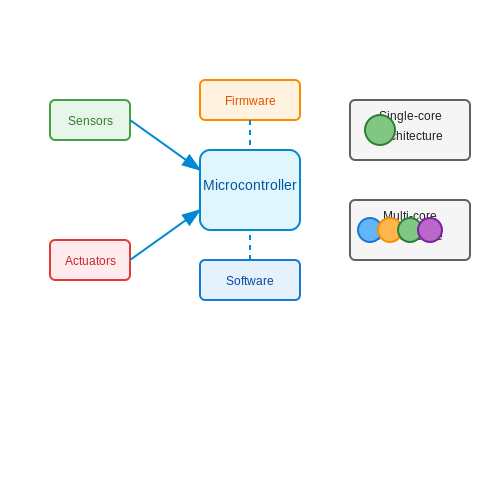
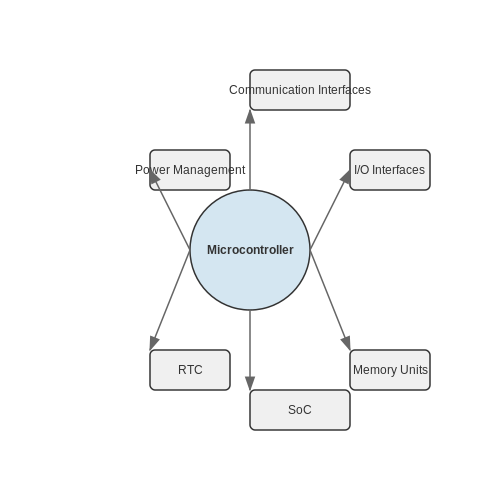
Embedded computing has become a pivotal aspect of applied electronic textiles, marrying the realms of fashion and technology, thereby leading to innovative applications in smart clothing, health monitoring, and beyond. Microcontrollers serve as the essential building blocks within these intelligent systems. As we venture into the dynamic world of microcontrollers designed for textiles, it's prudent first to grasp the foundational principles of their operation and functionality.The Role of Microcontrollers in Electronic Textiles
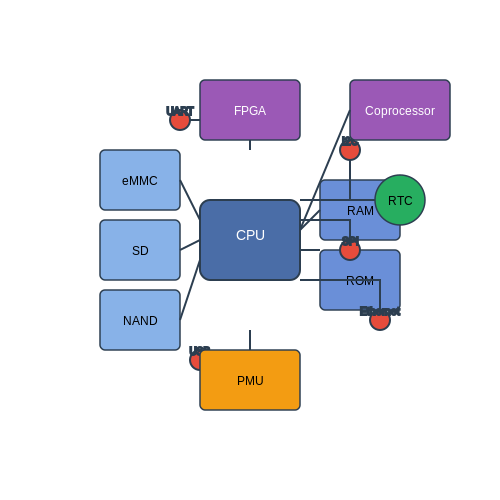
Microcontrollers are compact integrated circuits designed to govern specific tasks within a device. In electronic textiles, they function as the brain, processing input signals from various sensors or user interfaces and executing necessary actions. These actions can include controlling lights, motors, or even heating elements woven into the fabric. The selection of an appropriate microcontroller is crucial and depends on factors like size, energy efficiency, processing power, input/output capabilities, and cost efficiency.Key Considerations for Textile Microcontrollers
In the context of electronic textiles, certain criteria become paramount when designing and selecting a microcontroller: 1. Size and Weight: Since garments must maintain comfort and aesthetics, microcontrollers should be lightweight and small, ideally capable of integrating seamlessly into the fabric structure. 2. Power Consumption: A microcontroller that operates on low power or has sleep mode features is essential for wearable technology to maximize battery life. The limitation of battery capacity in clothing mandates efficient energy use. 3. Connectivity: Whether through Bluetooth, Zigbee, or Wi-Fi, microcontrollers must support various communication protocols to connect to smartphones or other devices. This facilitates data exchange and enhances interactivity. 4. Environmental Resistance: Textile applications need microcontrollers to endure changing environmental conditions without losing functionality. Thus, moisture resistance and durability become crucial factors.Popular Microcontrollers for Electronic Textiles
Several microcontroller families are specifically suited to textile applications, each possessing unique advantages:- Arduino LilyPad: A popular choice, the LilyPad features a circular design and is designed specifically for integrating into fabric. Its ability to run on low voltage and the wide range of available sensors make it ideal for prototyping smart garments.
- Adafruit Flora: Similar to LilyPad, the Flora comes equipped with a powerful ATmega32u4 microcontroller, making it robust for data processing while allowing interaction with various peripherals such as lights and sensors.
- Texas Instruments MSP430: Known for its ultra-low power consumption, this microcontroller is particularly beneficial in health-monitoring wearables, where energy efficiency is crucial.
- Microchip PIC: The PIC microcontroller family offers versatility and a variety of configurations, enabling complex functionalities while remaining compact, making it an excellent fit for diverse textile applications.
Applications in Real-World Scenarios
The infusion of microcontrollers within textiles has led to numerous practical applications: Health Monitoring: Wearable textiles equipped with microcontrollers can monitor physiological parameters such as heart rate, body temperature, and activity levels. For example, smart shirts that monitor heart health utilize embedded sensors alongside microcontrollers to process and relay data to smartphones for analysis. Fashion and Art: The fusion of microcontrollers with fabrics has also found its place in the realm of fashion. Innovators have created garments with LED displays, allowing dynamic designs that can change according to the wearer’s mood or environmental conditions. Fitness and Sports: Electronic textiles serve as valuable tools in the sports industry, where they can provide real-time feedback to athletes through performance data collected via integrated sensors and processed by microcontrollers. In conclusion, microcontrollers serve as the antennae and brains of electronic textiles, bringing connectivity, interactivity, and intelligence to the fabrics of the future. The thoughtful application of these microcontrollers can lead to transformative innovations across healthcare, fashion, and fitness, ensuring that the next generation of textiles is as functional as it is fashionable.5.2 Connectivity Options
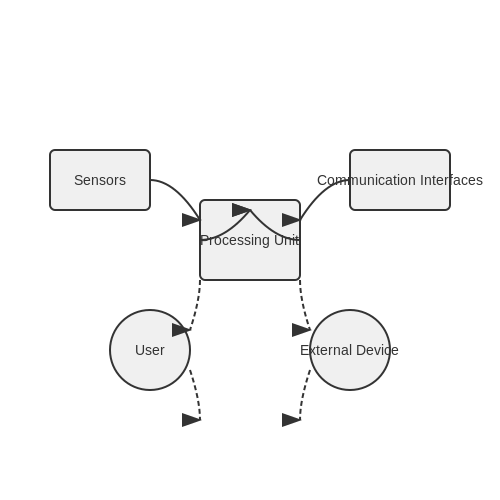
In the realm of applied electronic textiles (e-textiles), connectivity options refer to the diverse ways in which these smart fabrics communicate with external devices and systems. As e-textiles gain prominence in various applications, including healthcare, fitness, and smart clothing, it is crucial to explore the various connectivity options that enable data transmission, power delivery, and system integration. This section delves into the main connectivity approaches currently utilized in e-textiles, emphasizing their theoretical foundations and practical applications.
5.2.1 Wired Connectivity
Wired connectivity options remain a viable choice for many applications due to their reliability and relatively straightforward implementation. Utilizing conductive materials, such as conductive threads or wires, e-textiles can create robust electronic pathways. The choice of wiring can significantly impact the overall performance, flexibility, and durability of the garment.
In e-textile applications, several wiring materials are used:
- Conductive Threads: These are typically made from materials like silver or copper and can be sewn directly into the textile. Their resistance and current-carrying capabilities are essential for reliable performance.
- Flexible PCBs: Printed Circuit Boards (PCBs) can be woven into the fabric, offering a durable platform for electronic components.
- Coaxial Cables: Often employed where shielding is necessary to avoid signal degradation, coaxial cables can be integrated into design for communication applications.
Wired connections provide low-latency communication, which is especially important in real-time applications, such as health monitoring systems. However, the permanent nature of wired connections can limit the wearability and comfort of textiles, often making wireless options more attractive for consumer-facing products.
5.2.2 Wireless Connectivity
With the advancements in wireless communication technologies, e-textiles increasingly leverage wireless connectivity, allowing for greater flexibility and user convenience. Common wireless technologies in e-textiles include:
- Bluetooth: This low-power technology is ideal for short-range communication, enabling e-textiles to connect to smartphones or health monitoring devices.
- Wi-Fi: Useful for higher data throughput, Wi-Fi-enabled e-textiles can integrate with IoT systems, providing real-time data access over broader distances.
- NFC (Near Field Communication): Generally used for close-range data transfer, NFC can facilitate interactions like payment systems or data sharing between devices.
Wireless connectivity inherently introduces complexities such as power management and signal integrity. The incorporation of power sources, such as miniaturized batteries or energy-harvesting technologies, becomes necessary. This aspect highlights the need for efficient energy consumption protocols and design principles in e-textiles.
5.2.3 Network Protocols
For seamless communication in a network of interconnected e-textiles, robust network protocols are essential. This section explores protocols commonly used with e-textiles, which facilitate efficient data transmission within a network:
- MQTT (Message Queuing Telemetry Transport): A lightweight protocol designed for small sensors and mobile devices, MQTT is ideal for real-time monitoring applications.
- HTTP/HTTPS: Many e-textiles that connect to the web rely on these standard protocols for data exchange, allowing easy integration into cloud services.
- CoAP (Constrained Application Protocol): Specifically designed for constrained devices, CoAP enables low-power communications in e-textile applications.
Implementing the appropriate network protocol contributes significantly to the overall performance and responsiveness of e-textiles, allowing for optimized data flow despite the constraints often faced in textile-based systems, like limited power and processing capabilities.
5.2.4 Practical Applications
The connectivity options discussed here enable various applications of e-textiles. For instance, smart athletic wear can utilize wireless connectivity to monitor biometric data in real time, transmitting data directly to a smartphone app. In medical applications, wired connections may ensure reliable data transfer from sensors stitched directly into patients’ clothing, providing critical health metrics without disrupting comfort.
Furthermore, as the field of e-textiles continues to evolve, innovative connectivity solutions are emerging, such as integrating low-power wide-area network (LPWAN) technologies, which allow for long-range communication between multiple devices while conserving energy.
In summary, the exploration of connectivity options within applied electronic textiles is a vital aspect of developing smarter, more functional fabrics. By understanding these approaches, engineers and researchers can address specific needs and challenges, paving the way for the next generation of wearable technology.
5.3 Software Development Tools
The emergence of applied electronic textiles (e-textiles) has not only revolutionized the textile industry but also expanded the horizon of software development. The integration of electronics into fabric requires a robust ecosystem of software tools that facilitate design, simulation, and real-time control. The evolving landscape of these software development tools encompasses both user-friendly interfaces and advanced programming environments that cater to the needs of both developers and designers.
Integrated Development Environments (IDEs)
One of the cornerstones of e-textile software development is the use of Integrated Development Environments (IDEs). Tools like Arduino IDE and PlatformIO accommodate programming for various microcontrollers commonly used in e-textiles.
- Arduino IDE: This open-source platform supports C/C++ and has a vast library of examples tailored for e-textiles, enabling quick prototyping and deployment of smart textiles. The visual nature and simplicity of Arduino IDE make it accessible for beginners while offering advanced functionality for seasoned engineers.
- PlatformIO: Designed for advanced projects, PlatformIO integrates with various frameworks and hardware platforms. It supports code testing and version control seamlessly, which is vital for collaborative projects in electronic textiles.
Simulation Tools
Simulation tools play a critical role in e-textile development by allowing designers to visualize and test their products before physical production. Tools such as Fritzing and Tinkercad have become indispensable.
- Fritzing: This tool enables users to create circuit designs and documentation visually. Its breadboard view is particularly useful for novices, allowing them to experiment with e-textile circuits without complex wiring.
- Tinkercad: Known for its simplicity and accessibility, Tinkercad facilitates 3D design and circuit assembly. It also offers simulation capabilities, allowing quick validation of e-textile functionalities.
Data Visualization and Analysis Tools
Once an e-textile prototype is created, real-time data monitoring and analysis become crucial for iterative improvement. Tools like MATLAB and Python-based libraries are fundamental in analyzing data from wearable sensors.
- MATLAB: Highly regarded for its powerful data analysis tools, MATLAB offers extensive support for signal processing, which is essential for interpreting data collected from smart textiles. Its integration with hardware like Arduino enhances its functionality in e-textile applications.
- Python Libraries (e.g., Pandas, Matplotlib): The extensive libraries of Python empower developers to conduct data manipulation and visualization robustly. These libraries allow for easy integration with e-textile prototypes, facilitating rapid prototyping and testing of functionalities.
Real-World Applications and Innovations
The practical relevance of these software development tools is evident in diverse applications, from healthcare monitoring systems to interactive fashion. Wearable sensors that monitor physiological parameters like heart rate or body temperature often rely on software tools for data collection and processing, enabling real-time health insights. In the realm of fashion, designers utilize these tools to create garments that provide user interaction through embedded electronics, leading to innovative experiences.
As e-textiles continue to evolve, the importance of sophisticated software development environments will only increase, leading to more complex and capable applications. This synergy between hardware and software reflects a significant advancement in how we interact with textiles in everyday life.
6. Health Monitoring Wearables
6.1 Health Monitoring Wearables
In the context of applied electronic textiles, health monitoring wearables represent a transformative intersection of innovative textile fabrication and advanced electronic integration. These wearables employ various sensors and conductive materials embedded within textiles to continuously monitor physiological parameters. As the demand for health management solutions grows, these technologies are increasingly proving their significance across diverse applications, such as chronic disease management, fitness monitoring, and real-time health assessment.
Understanding Tissue Interaction and Sensing Principles
Wearable health monitors utilize numerous sensors capable of measuring biometric data. These sensors often include bioelectrical impedance sensors, optical sensors for heart rate detection, and thermal sensors for body temperature measurement. The effectiveness of these sensors arises from their ability to leverage signal processing techniques to extract meaningful health indicators from raw data.
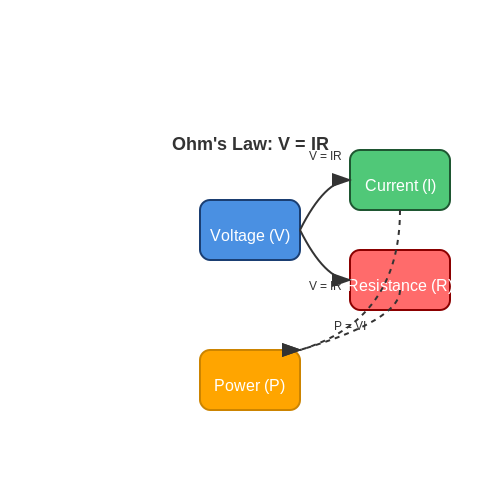
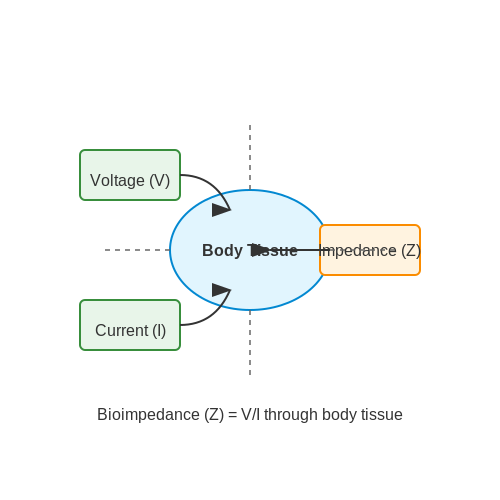
For instance, bioimpedance analysis allows the measurement of changes in electrical conductivity within body tissues, which can correlate with hydration levels and other metrics. The underlying principle of bioimpedance reformulates Ohm's law by relating voltage, current, and impedance:
Where:
- Z is the impedance,
- V is the voltage across the tissue, and
- I is the resulting current.
Using multiple frequencies can enhance the analysis further, providing richer data concerning tissue composition.
Fabric Integration Techniques
The integration of electronic components into textile substrates necessitates considering factors such as washability, durability, and wearer comfort. Various techniques are employed in fabricating electronic textiles, including:
- Screen printing: This method applies conductive inks onto substrates, allowing for precise patterns of circuitry.
- Embroidery: Threads made from conductive materials are sewn into textiles, creating resilient and flexible connections.
- Laser cutting: This technique etches designs into fabrics, which can be combined with electronics for personalized applications.
These methods enable manufacturers to create garments that maintain the essential properties of conventional textiles while embedding complex electronic functionalities.
Real-World Applications and Future Directions
Health monitoring wearables provide substantial advancements in healthcare. For example, smart shirts can monitor heart rates and respiratory patterns, relaying vital data through wireless communications to relevant health app platforms. Users can track progress over time and share information with healthcare providers, thus promoting proactive health management.
Furthermore, ongoing research is exploring capabilities including sweat analysis for metabolic changes and ion concentrations, indicative of health status or hydration. The development of machine learning algorithms on collected data allows these systems to identify potential health issues earlier than traditional methods, transforming personal health care.
In conclusion, the integration of sensing technologies into textiles represents a significant leap in the evolution of wearables. As we continue to innovate in materials science and electronics, health monitoring applications are poised for expansion, offering vast potential to enhance individual health and wellbeing.
6.2 Smart Apparel for Sports
The integration of electronics into textiles has profoundly transformed various industries, particularly in the realm of sports. Smart apparel, which incorporates sensors, microcontrollers, and communication technologies, is designed to enhance athletic performance, improve safety, and offer real-time data analytics. This section delves into the functionality and benefits of smart apparel, examining its components, real-world applications, and potential future advancements.Understanding Smart Apparel Components
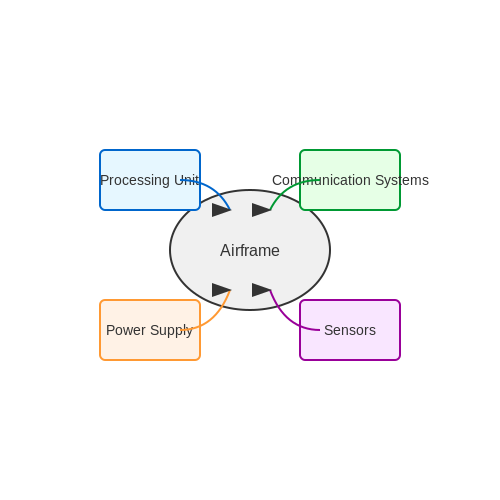
At the core of smart apparel lies an intricate assembly of components. These typically include:- Sensors: Essential for capturing data regarding the wearer's physiological parameters, such as heart rate, temperature, and movement.
- Microcontrollers: Act as the brain of the garment, processing sensor data and running algorithms for analysis.
- Communication modules: Facilitate data transfer between the smart garment and external devices, such as smartphones or cloud services, often via Bluetooth or Wi-Fi.
- Power Management Systems: Typically, small batteries integrated into the fabric or energy-harvesting technologies like thermoelectric generators or photovoltaic cells.
Applications of Smart Apparel in Sports
Smart apparel has gained prominence across various sports disciplines, contributing significantly to performance analytics and injury prevention. Below are a few notable applications:1. Performance Monitoring
Wearable technologies embedded in clothing allow athletes and coaches to monitor critical statistics during training and competitions. For instance, smart shirts can track metrics such as heart rate and breathing patterns, helping optimize training regimens. Research from the International Journal of Sports Medicine emphasizes how monitoring fatigue levels through these garments aids in preventing overtraining, thereby reducing the risk of injury.2. Real-Time Data Analytics
The advantage of smart apparel lies in its capacity to provide real-time feedback. Smart socks, equipped with pressure sensors, analyze running gait and foot strike patterns, providing insights that can optimize performance and enhance comfort during long-distance races. For instance, a study published in Sports Biomechanics indicated that runners receiving immediate gait correction feedback reported a decrease in injuries due to improper landing mechanics.3. Safety Enhancements
In contact sports, such as football and rugby, smart apparel is crucial for safety. Embedded impact sensors can detect collisions and measure the force exerted, giving coaches and medical staff critical information to assess potential concussions. The data gathered can also inform changes in training to mitigate future injury risks. A notable implementation of this technology was seen in the NFL, where smart helmets and apparel are used to monitor players' health and enhance game safety.Future Trends and Challenges
As technology advances, the trajectory for smart apparel is leaning toward greater customization and integration. Future garments may employ biocompatible materials and nanoscale sensors, providing more integrated and less intrusive monitoring solutions. Moreover, the incorporation of machine learning algorithms could enhance data analysis capabilities, leading to more personalized athletic training programs. Despite these advancements, several challenges remain, including:- Durability of electronic components in apparel under stress and wash conditions.
- User acceptance and comfort, as many athletes favor traditional clothing.
- Data privacy concerns regarding the collection and transmission of biometric information.
6.3 Interactive Fashion
The rise of interactive fashion is redefining user engagement and personal expression through wearable technology. Leveraging electronic textiles, designers and engineers are pushing boundaries by integrating functionality and aesthetics into clothing, transforming ordinary fabrics into highly customizable and responsive items.
At the heart of interactive fashion lies the concept of responsive behavior, where garments adapt to environmental stimuli or user inputs. Sensors embedded in fabrics detect light, temperature, motion, or even biometric signals, thus allowing clothing to provide feedback or shape user experiences in real-time. This interaction can result in anything from dynamic color changes based on mood to adaptive insulation properties depending on the surrounding weather conditions.
User-Centric Design
Create interactive textiles that respond to human needs and preferences, emphasizing the integration of user feedback in the design process. Designers use input from potential users to ensure that their creations are relevant and intuitive. For instance, garments designed for athletes can signal optimal performance metrics or offer comfort adjustments during activities.
Case Study: Wearable Health Monitors
One vivid example is the advent of health-monitoring garments. Such apparel includes embedded electrodes that can continuously monitor physiological parameters such as heart rate, muscle activity, and even hydration levels. This data is collected via flexible sensors integrated within the fabric, allowing health professionals to gather real-time data in a non-intrusive manner. Such applications illustrate the profound potential of interactive fashion in fields like healthcare, where seamless integration of monitoring tools into everyday apparel can facilitate both wellness and trendiness.
Materials and Technologies
For effective interaction in fashion, specific materials and technologies are essential. Conductive threads, sensors, and flexible circuitry are among the critical components that form the backbone of these garments. Conductive textiles, such as those made from silver or copper-coated fibers, allow electrical signals to be transmitted throughout the fabric, empowering functionalities like touch inputs or signal processing.
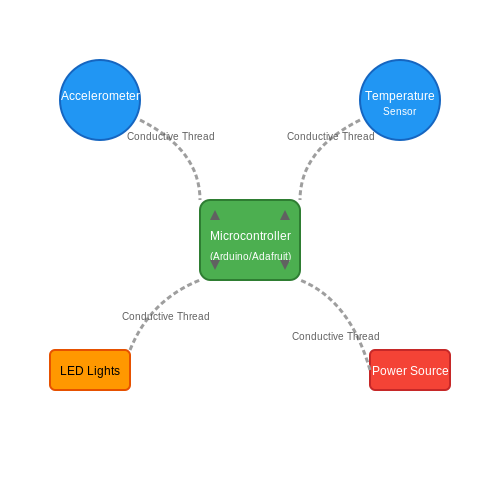
The integration of microcontrollers plays a pivotal role in enabling interactivity. These tiny computer systems can process data from the sensors and execute responses, such as activating LEDs or adjusting responsive materials. Arduino and Adafruit platforms have become popular choices for prototyping, owing to their versatility and ease of use, fostering a burgeoning community of creators and innovators in the wearable tech space.
Illustration of Connectivity in Wearables
Consider an interactive jacket equipped with embedded LEDs. As a person walks or runs, accelerometers within the fabric assess the speed and direction of movement, allowing the LEDs to change their colors or patterns. This visual feedback could serve various purposes, from enhancing safety during nighttime activities to personal expression through customized lighting effects.
In this context, the capacitor's capabilities within circuits embedded in interactive textiles can be described by the formula for capacitance, where \( C \) is the capacitance, \( Q \) is the charge stored, and \( V \) is the potential difference across the material. This fundamental equation underlines the significance of selecting appropriate materials for the desired functionalities.
Future Directions
The landscape of interactive fashion is continuously evolving. Advanced materials such as shape-memory alloys and self-healing polymers may soon feature in future garments, adding layers of complexity and responsiveness. Moreover, the convergence of artificial intelligence with wearable technology could lead to clothes that not only interact with their environment but also learn from user behavior, adapting over time to enhance comfort and functionality.
Ultimately, interactive fashion exemplifies the synergy between art and technology, offering myriad opportunities for research collaboration and innovation in textile engineering, design, and electronics. In exploring this intriguing domain, researchers and professionals are not merely creating garments; they are shaping the future of human interaction through clothing.
7. Advances in Smart Textiles
7.1 Advances in Smart Textiles
In recent years, the evolution of smart textiles has catalyzed a wave of innovation across numerous industries, including healthcare, sports, and military applications. These textiles, embedded with electronic functionalities, have progressed significantly, merging fashion with technology seamlessly. This section delves into the latest advancements in this fascinating field.
Integration of Nanomaterials
One of the pivotal advancements in smart textiles is the integration of nanomaterials. These materials have unique physical and chemical properties at a nanoscale, enabling enhanced conductivity, flexibility, and durability. For instance, the incorporation of carbon nanotubes (CNTs) or silver nanoparticles allows for the development of textiles that can act as both sensors and communication devices.
Such fabrics offer real-time monitoring capabilities, facilitating applications such as health monitoring where wearers can track vital signs like heart rate and temperature without the need for bulky equipment. This gradient of technological enhancement holds promise not only in military uniforms but also in wearable medical devices.
Responsive Textiles
The advent of responsive textiles exemplifies how fabrics are evolving into adaptable platforms. Using electrochromic or thermochromic materials, these textiles can change color or temperature in response to environmental stimuli, such as light or heat. This property allows for innovative applications in fashion and personalized wearables that adjust based on mood or activity level.
Furthermore, the introduction of embedded microcontrollers enables textiles to respond to user interactions, creating a unique user experience. For example, smart jackets can change insulation based on external temperatures, thereby improving comfort and energy efficiency.
Wireless Communication and IoT Integration
The integration of the Internet of Things (IoT) with smart textiles is another realm of significant advancement. Smart textiles can now communicate wirelessly with other devices, allowing for capabilities such as data sharing, monitoring, and automated control. This is pivotal in applications across logistics, where tracking goods through smart clothing can enhance supply chain transparency.
The combination of wireless technology with wearable devices is also playing a crucial role in smart health applications. For instance, garments equipped with biosensors can relay data to a mobile application in real time, assisting in chronic disease management or post-operative care.
Biocompatibility and Sustainability
Considering the environmental impact and user comfort, advancements in biocompatible materials are essential in the design of smart textiles. Researchers are now focusing on using biodegradable and sustainable resources that not only perform energetically but will also minimize environmental harm post-use.
Moreover, the development of self-cleaning fabrics—using hydrophobic or super-hydrophobic coatings—has emerged, reducing the need for frequent laundering and subsequently conserving water and detergent usage.
Conclusion
The strides made in the field of smart textiles are reflective of a broader trend towards convergence of technology and material science. As advancements continue, these textiles will likely expand their role in various sectors, enhancing functionality and opening new fields of research. From health monitoring to environmental sustainability, the future of smart textiles is ripe with possibilities, urging engineers and researchers to explore further innovations.
7.2 Sustainable Practices
The rapid development of electronic textiles (e-textiles) has highlighted the need for sustainable practices that align with environmental and ethical considerations. In this subsection, we will explore various strategies for sustainability within the field of e-textiles, focusing on material selection, lifecycle analysis, energy efficiency, and recycling initiatives. These practices are not only critical for the overall health of the planet but also enhance the marketability and social acceptance of e-textile products.
Material Selection
Materials used in the production of e-textiles significantly influence their ecological impact. The selection of organic, biodegradable, and recycled materials is increasingly prioritized to mitigate environmental harm. For instance, using organic cotton instead of conventional cotton reduces pesticide usage while incorporating recycled polyester fibers can lessen reliance on virgin plastic sources. Furthermore, innovations in conductive materials, such as silver nanowires and conductive polymers, focus on minimizing resource consumption and improving functionality.
Biodegradable Conductive Materials
Emerging research in biodegradable conductive materials is paving the way for environmentally friendly alternatives in e-textiles. For instance, biopolymers such as polylactic acid (PLA) can be doped with conductive materials to create flexible, biodegradable conductive fabrics. These advancements fulfill functionality requirements while allowing full decomposition at the end of the product's lifecycle. The challenge remains to ensure sustainable production processes for these materials, which often diverge from traditional manufacturing methods.
Lifecycle Analysis
Conducting a lifecycle analysis (LCA) provides a comprehensive understanding of the environmental impacts of e-textile products from cradle to grave. LCA encompasses all stages, including raw material extraction, production, usage, and disposal. By quantifying factors such as greenhouse gas emissions and energy consumption at each stage, engineers and designers can identify areas for improvement. Tools like EcoInvent or SimaPro are commonly employed for LCA, allowing stakeholders to make informed decisions that align with sustainability goals.
Case Study: Smart Garments
A practical example of LCA in e-textiles can be observed in smart garments designed for fitness tracking. Researchers have investigated the environmental impact of conventional materials versus sustainably sourced alternatives. Findings typically reveal that while sustainable materials may incur higher initial carbon emissions during the sourcing phase, their overall reduced impact during use and disposal phases leads to a lower total environmental footprint. This perspective encourages a paradigm shift in how we assess the sustainability of e-textile products.
Energy Efficiency and Power Sources
Energy efficiency plays a vital role in the sustainability of e-textiles, especially concerning power sources for integrated electronics. Traditional batteries often present challenges due to their limited lifetimes and environmental hazards upon disposal. Therefore, the exploration of alternative power solutions, such as energy harvesting technologies, is pivotal. Technologies harnessing solar, kinetic, or thermal energy can facilitate self-powered smart textiles, thereby reducing dependency on conventional power sources.
Integration of Energy Harvesting Technologies
Incorporating energy harvesting technologies can be achieved through innovative designs that integrate miniaturized photovoltaic cells or piezoelectric materials, allowing the fabric to harness energy from the wearer’s body movements or ambient light. The development of these technologies can lead to a circular economy approach in e-textiles, where the energy generated reduces reliance on non-renewable sources, thus enhancing sustainability.
Recycling Initiatives
As the market for e-textiles continues to grow, the establishment of recycling programs becomes crucial. These initiatives aim to reduce textile waste and promote the reusability of materials. Collaborations between manufacturers and recycling facilities can pave the way for efficient e-textile recycling processes that recover valuable materials from discarded products. An example is the development of processes to separate conductive elements from fabrics, allowing for the recycling of both components.
Through the implementation of these sustainable practices, the e-textiles industry can move towards a more responsible future. The synergy of innovative materials, comprehensive lifecycle analyses, energy-efficient designs, and effective recycling strategies will not only enhance environmental sustainability but also cater to growing consumer demand for eco-friendly products.
7.3 Market Outlook
As we delve into the realm of applied electronic textiles, understanding the market outlook is essential in assessing how these innovative materials and applications will evolve. The intersection of technology, fabric, and user interaction has opened up a wide array of possibilities, prompting both industrial interest and consumer engagement. Current Trends in Electronic Textiles The electronic textiles (e-textiles) market is currently experiencing robust growth, characterized by the integration of conductive materials with traditional fabrics. This synergy enables functionalities such as wearable technology, health monitoring, and interactive applications, illustrating the versatility of electronic textiles. According to market research, the global e-textiles market was valued at approximately $1.7 billion in 2020 and is projected to expand at a compound annual growth rate (CAGR) of around 25% through to 2025. This notable growth is largely fueled by advancements in materials technology. Innovations such as conductive yarns and printable circuitry have lowered production costs and expanded the possibilities for incorporating electronics into garments and textiles. Key Drivers of Market Growth Several factors are propelling this market expansion:- Healthcare Applications: The ability of e-textiles to monitor health vitals, such as heart rate and body temperature, offers significant ground for development within telemedicine and personalized healthcare.
- Consumer Demand: There is a growing demand for smart clothing that enhances user experience in fitness and sports, blending technology with lifestyle.
- Fashion Innovations: Designers are increasingly integrating technology into fashion, creating garments that can change appearance based on user preferences or environmental stimuli.
- Durability: The longevity of electronic components when subjected to regular washing and wearing poses significant challenges for mass adoption.
- Comfort and Wearability: The inclusion of electronic elements must not compromise the comfort and aesthetic appeal of textiles.
- Regulatory Standards: Developing safety and environmental standards for new materials and technologies in consumer products requires careful consideration and robust frameworks.
Exploring Market Segments
A clear understanding of specific market segments, including health care, sports, military, and consumer electronics, will guide strategic investments. Each segment presents unique opportunities and challenges that require adoption strategies tailored to demographic needs, technological readiness, and economic viability. In summary, applied electronic textiles present a captivating convergence of fabric, electronics, and engineering that is poised to redefine numerous industries. As this market grows, it unlocks innovative applications that may soon become everyday staples in our lives, illustrating the transformative power of technology in textiles.8. Key Textbooks
8.1 Key Textbooks
For advanced readers delving into the innovative field of electronic textiles, a deep understanding requires comprehensive resources. This sub-section highlights essential textbooks that provide both theoretical foundations and practical insights into applied electronic textiles. These textbooks are valuable for engineers, physicists, researchers, and graduate students who wish to explore the complexities and applications of electronic textiles.- Textile Advances in the Automotive Industry — Explores the intersection of textiles and electronics in automotive applications, offering an in-depth look at materials that enhance vehicle performance and passenger safety.
- Wearable Electronics and Photonics — Provides a detailed exploration of wearable electronic technology, covering fundamental principles as well as cutting-edge applications in health monitoring and communication.
- Smart Fibres, Fabrics and Clothing — This book focuses on the development of smart fabrics that incorporate electronic sensors and circuits, illustrating the integration of textile technology with electronics.
- Electronic Textile Technologies — Offers comprehensive coverage of electronic textiles' materials, design, and applications, with a strong focus on practical implementations and case studies.
- e-Textile Applications for Societal Wellbeing — Presents an exploration of electronic textiles designed for societal applications, such as healthcare and wellbeing, emphasizing real-world impacts and innovations.
- Advancements in Smart Antennas and Sensor Devices — Discusses the integration of smart antennas and sensors in textiles, highlighting their applications in defense, surveillance, and environmental monitoring.
8.2 Influential Research Papers
In the realm of applied electronic textiles, several key research papers have provided invaluable insights into developments and applications, contributing significantly to both theoretical understanding and practical advancements. Below is a curated list of influential research papers that explore various aspects of electronic textiles, from material science to system integration.- Nanomaterials for Flexible and Stretchable Wearable Electronics — This paper discusses the role of nanomaterials in developing flexible and stretchable electronic textiles. It covers the challenges and opportunities in the field, emphasizing new material innovations and their implications for future textile applications.
- Wearable E-textiles for Active Protection: Applications and New Developments — Focused on protective uses, this research examines how e-textiles can be integrated into garments to enhance safety in various environments. It highlights recent advancements in textile-based sensors and actuators for smart protection.
- Multifunctional Electronic Textiles Using Nanocomposite Coatings — This article outlines the application of nanocomposite coatings in e-textiles, enhancing their functionality. It explores how these coatings contribute to the development of textiles that are not only electronic but also robust and versatile.
- Reversibly Stretchable and Weavable Conductors — The authors present pioneering work on the development of highly stretchable and weavable conductors. This research is critical for integrating conductive pathways into textiles, making them more resilient and adaptable for various electronic applications.
- Wearable and Flexible Electronics: From Materials to Device Applications — Published by IEEE, this comprehensive paper delves into different materials used in wearable electronics and explores how these materials influence the design and functionality of devices integrated into textiles.
- Conductive Textiles for Wearable Electronics by Coating of Nanoparticles — The paper investigates the coating of textiles with nanoparticles to develop conductive materials, offering insights into achieving high conductivity and flexibility. This work aids in advancing the technology for wearable and robust electronics.
- Review of Functionality and Applications of Wearable E-Textiles — This review article provides a broad overview of the functionality and real-world applications of wearable e-textiles. It summarizes various prototypes and commercial products, examining their impact on areas like healthcare, sports, and entertainment.
- Electronic Textiles - Wearable Sensors and Applications — Focusing on wearable sensors, the paper explores innovations in sensor integration into textiles, which are crucial for monitoring various physiological parameters in real time.
- Overview of Current Developments in Conductive Textile Sensors — This publication provides a detailed look at the current state of conductive textile sensors. It highlights emerging technologies and breakthroughs that are pushing the boundaries of how textiles can be used as sensing devices.
8.3 Online Resources
- E-Textile Summer Camp — This site hosts a community-driven platform that offers workshops, resources, and events focused on electronic textiles. It is especially useful for learning new techniques and connecting with other professionals in the field.
- SparkFun Soft Electronics — SparkFun provides a range of electronic components and tutorials on integrating electronics with textiles. Their guides cover basic to advanced topics in e-textiles, making it an essential resource for hands-on projects.
- How to Get What You Want — An invaluable DIY resource for artists and engineers integrating technology into textiles, this site offers open-source tutorials and extensive creative project ideas to inspire innovative electronic textile designs.
- Make: E-Textiles — Published by Make Magazine, these articles offer insights, project ideas, and how-to guides that explore the intersection of making and technology, with a focus on wearable electronics and e-textiles.
- Lost in Textiles E-Textiles — A hub for textile enthusiasts that dives into the experimental and technical aspects of electronic textiles, featuring artist profiles, project showcases, and informative articles on contemporary textile technology.
- Craft: E-Textiles Section — This website offers a compendium of tutorials and discussions that blend crafting expertise with electronic components, making it accessible to both engineers and artisans interested in e-textiles.
- Fashioning Tech — Fashioning Tech is dedicated to wearable technology and textiles, offering industry news, project ideas, and educational articles that appeal to engineers and designers working at the frontier of fashion technology.
- TextileArtist.org — While primarily focused on traditional textile arts, this site also covers innovative materials and technologies, including electronic textiles, reflecting the evolving landscape of contemporary textile art.