Applied Embedded Systems
1. Definition and Characteristics
1.1 Definition and Characteristics
Applied Embedded Systems represent a crucial intersection of hardware and software, playing a pivotal role across a multitude of industries, including automotive, medical, industrial automation, and consumer electronics. These systems are designed to perform dedicated functions within larger systems, orchestrating various components that ensure optimal performance and efficiency. To appreciate the significance of applied embedded systems, it is essential to understand their definitions, characteristics, and the practicality they embody.
Definition of Applied Embedded Systems
At its core, an embedded system is a specialized computing device that is part of a larger system, dedicated to carrying out specific tasks. Unlike general-purpose computers, embedded systems are designed for efficiency and real-time performance, operating within constraints of size, power, and cost. They often combine microcontrollers or microprocessors with associated peripherals, memory, and user interfaces.
Applied Embedded Systems broaden this definition by focusing on their real-world applications in specific fields—engineered to tackle unique challenges. For instance, in the medical field, patients' monitoring systems must process and relay data in real-time to facilitate timely responses, whereas in automotive systems, embedded units must execute safety-critical functions like airbag deployment or anti-lock braking control.
Characteristics of Applied Embedded Systems
Identifying the key characteristics of applied embedded systems helps to distinguish them from traditional computing systems. The following features are essential:
- Real-time operation: Embedded systems often require immediate processing to respond to external stimuli, achieving deterministic behavior essential in critical applications such as flight control systems.
- Resource constraints: Due to limitations on processing power, memory, and energy consumption, embedded systems are optimized for minimal resource usage while maximizing functionality.
- Reliability and stability: Given their role in critical applications, embedded systems must demonstrate high reliability, often including fault tolerance and redundancy mechanisms.
- Hardware-software integration: Embedded systems are characterized by a tight coupling of hardware and software, where tailored software is crafted to interface directly with specific hardware components, ensuring optimal performance.
- Long life cycle: Unlike consumer electronics that may have short product life cycles, embedded systems typically span longer durations, needing consistent updates and maintenance to mitigate obsolescence risks.
Practical Relevance
The relevance of applied embedded systems in modern technology cannot be overstated. For example, in smart home technologies, embedded systems are at the heart of devices like smart thermostats, lights, and security systems, enabling automation and remote control. In the automotive industry, advanced driver-assistance systems (ADAS) rely on sophisticated embedded solutions, integrating sensor data with vehicular control systems to enhance safety and improve the driving experience.
Moreover, industries deploying applied embedded systems are increasingly utilizing machine learning algorithms and Internet of Things (IoT) protocols to further enrich system capabilities. The convergence of these technologies signals an exciting frontier for innovation, driving embedded systems into even more critical and complex roles in the future.
In conclusion, applied embedded systems represent a vital technological advancement that entails a deep understanding of both the hardware and software facets. Their unique characteristics define their applications and significance, leading to indispensable contributions across numerous fields.
1.2 Embedded System Architecture
As the foundation of applied embedded systems, understanding the architecture is essential for developing efficient, effective solutions in various applications. The architecture represents the structural organization of the system, encompassing both hardware and software elements. Consider the intricate interplay between these components as we explore various architectures used in embedded systems.
Core Components of Embedded System Architecture
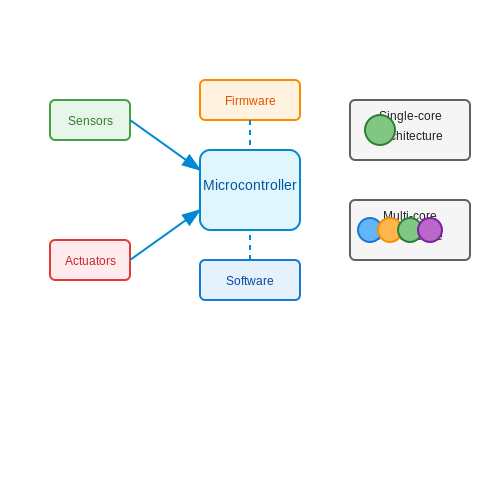
Embedded systems typically comprise three primary components: hardware, software, and firmware. Each of these elements plays a crucial role in the overall functionality of the system.
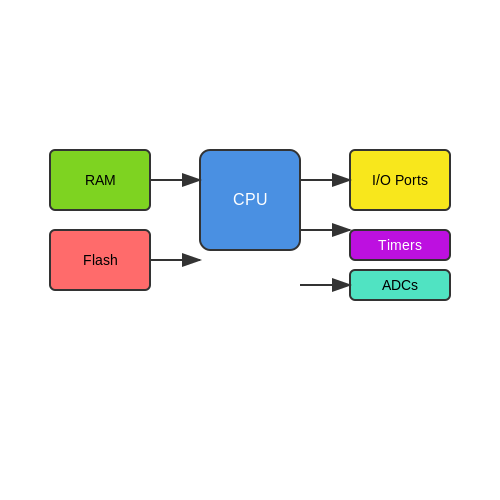
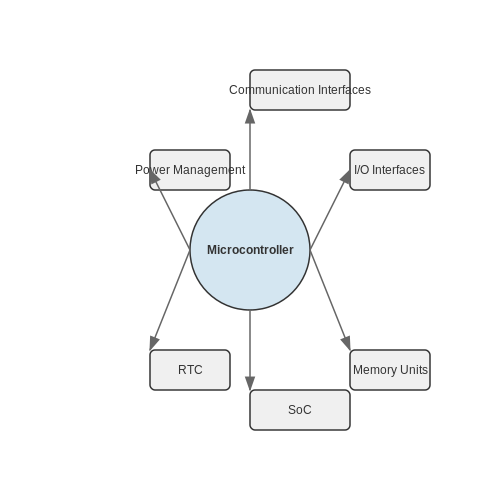
- Hardware: This includes the physical components such as microcontrollers, sensors, and actuators. For instance, a typical microcontroller may integrate a Central Processing Unit (CPU), memory, and input/output interfaces. The choice of hardware directly affects the performance, power consumption, and the system's ability to interact with the external world.
- Software: Software comprises the programs and algorithms that run on the embedded hardware. It is critically responsible for interpreting data from sensors, managing operations, and controlling actuators. Real-world applications, such as automotive safety systems, depend on written software to process inputs and provide necessary outputs in real-time.
- Firmware: This is a specialized form of software that provides low-level control for the specific hardware. Firmware is often stored in non-volatile memory and is essential for booting an embedded system and providing the necessary instructions during operation.
Architectural Models
Embedded systems can adhere to different architectural models, which can be broadly classified into single-core and multi-core architectures.
Single-core Architecture
A single-core architecture is represented by a microcontroller comprising a single CPU core. Its operations are synchronous, where tasks are executed sequentially. This architecture is straightforward, allowing for simpler system designs and reduced power consumption; however, it may not be efficient for complex, time-sensitive applications requiring high computational power.
Multi-core Architecture
In contrast, multi-core architectures consist of multiple processing cores, enabling parallel task execution. This architecture effectively addresses the challenges posed by resource-intensive applications, such as image processing and real-time data analysis. Implementing a multi-core architecture presents complexities in terms of synchronization and communication between cores.
Real-World Applications and Example
To concretize the understanding of embedded system architecture, consider a smart thermostat system. The architecture comprises a microcontroller (hardware), running firmware that controls temperature sensors and actuators to manage heating and cooling (software). The system interfaces with a user application on a smartphone, allowing remote monitoring and control. The blend of hardware, software, and firmware illustrates how embedded architecture forms the backbone of such applications, demonstrating feasibility and enhancements in energy efficiency.
Conclusion
As we delve deeper into embedded systems, recognizing the architecture will enhance our ability to design, develop, and implement systems tailored for specific applications. The interplay between hardware, software, and firmware, along with an understanding of various architectural models, lays the groundwork for successful engineering solutions in the rapidly evolving realm of technology.
1.3 Key Components and Interfaces
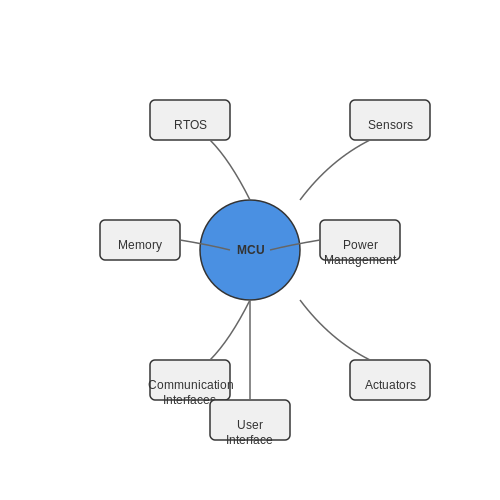
In the realm of embedded systems, a comprehensive understanding of the key components and interfaces is crucial for developing effective and efficient devices. These core elements dictate how hardware interacts with software and vice versa, serving as the foundation for myriad applications spanning from automotive systems to home automation.Core Components of Embedded Systems
Embedded systems typically consist of several key components, each performing vital roles:- Microcontrollers and Microprocessors: At the heart of embedded systems lies the microcontroller (MCU) or microprocessor (MPU). The primary distinction between the two is that MCUs often integrate peripheral components (like memory and timers) on a single chip, whereas CPUs require external components. The choice between them depends on the complexity and size of the application.
- Memory: Embedded systems utilize various types of memory, including RAM (volatile) for temporary data storage and ROM (non-volatile) for permanent storage of firmware. More recent embedded applications may also leverage Flash memory, combining speed with non-volatility.
- Power Supply: The operational reliability of embedded systems heavily relies on stable power supply circuits. Understanding energy consumption and management is particularly critical in battery-powered applications.
- Input/Output (I/O) Interfaces: These interfaces dictate how an embedded system communicates with the external world. Common types include GPIO pins, serial communication (UART, SPI, I2C), and analog-to-digital converters (ADC).
Peripherals and Their Relevance
Peripheral devices, such as sensors, actuators, and communication modules, extend functionality beyond the microcontroller. For example:- Sensors: Used to collect data from the environment (temperature, pressure, motion), sensors are integral in applications such as industrial automation and smart home ecosystems.
- Actuators: These components convert signals into physical actions, often used in robotics or automated systems to drive motors or control valves.
- Communication Modules: Modules like Wi-Fi, Zigbee, and Bluetooth allow embedded systems to communicate wirelessly, facilitating applications in IoT (Internet of Things).
Understanding Interfaces: The Bridge of Communication
The interfaces between components are crucial for data exchange. Several key interfaces are utilized in embedded systems:- Serial Interfaces: Used for point-to-point communication, protocols such as UART and SPI facilitate narrow-bandwidth connections, perfect for short-distance data transmission.
- Parallel Interfaces: These enable the simultaneous transfer of multiple bits, which can increase the data throughput crucial for applications demanding faster communication rates.
- Analog Interfaces: Important for connecting sensors and actuators that require an analog signal to function properly. ADCs allow digital systems to process real-world signals.
Case Study: Smart Home Application
A practical illustration of these components and interfaces can be seen in smart home applications. Consider a smart thermostat. It integrates a microcontroller to process data from temperature sensors while using a Wi-Fi module to connect to the home network. This setup allows users to control home heating remotely via a mobile application. The seamless interaction between the internal components (MCU, memory, sensors) and external systems (Wi-Fi, mobile devices) exemplifies the importance of understanding both components and interfaces. In conclusion, comprehending the role of each key component and interface not only promotes effective design practices but also encourages innovation in the field of embedded systems. As technology advances, these fundamentals will continue to evolve, paving the way for more sophisticated applications and devices.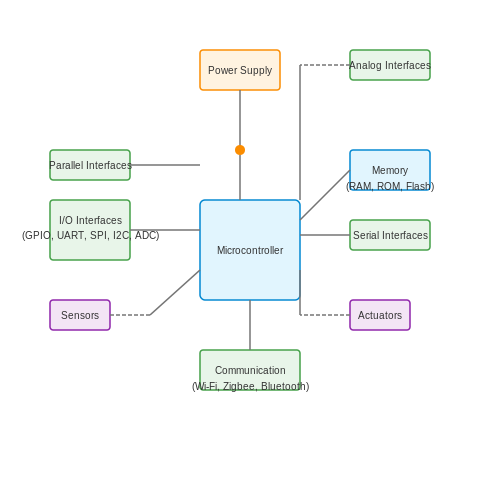
2. Overview of Microcontrollers
2.1 Overview of Microcontrollers
Microcontrollers are the cornerstone of applied embedded systems, acting as the brain that controls various devices and applications ranging from household appliances to complex robotics. Understanding microcontrollers entails appreciating their architecture, operational principles, and application contexts. This knowledge empowers engineers and researchers to develop innovative solutions across diverse fields such as automation, IoT, robotics, and consumer electronics.Architecture of Microcontrollers
A microcontroller is essentially a compact integrated circuit designed for specific applications. It typically includes a central processing unit (CPU), memory (both RAM and ROM), and input/output (I/O) peripherals all on a single chip. The architecture can be categorized into different types, such as Harvard and von Neumann architectures, each having distinct advantages based on the needs of specific applications. Harvard Architecture utilizes separate memory storage for instructions and data, allowing simultaneous access, thus enhancing performance. von Neumann Architecture shares a common memory for instructions and data, simplifying design and control flow but at the cost of potential bottlenecks. Understanding these architectures allows engineers to choose suitable microcontroller families based on speed, efficiency, and application requirements.Core Components
The core components of a microcontroller can be summarized as follows:- CPU: Executes instructions, processes data, and manages peripheral operations.
- Memory: Comprises both volatile (RAM) for temporary data storage and non-volatile (Flash, EEPROM) for program storage.
- Peripherals: Includes timers, counters, communication interfaces (SPI, UART, I2C), and ADCs for interacting with the environment.
- Power Management: Ensures efficient operation to prolong battery life in portable applications.
Real-Time Operations
Microcontrollers excel in real-time applications where processing speed and timely response are critical. Consider a robotic arm that must execute precise movements based on sensory feedback. A microcontroller will continuously read inputs from sensors, process this information, and issue commands to motors with minimal latency. This real-time processing is often achieved through techniques such as interrupt handling, where the microcontroller can interrupt its ongoing processes to respond to an urgent task, allowing seamless operation of multiple tasks simultaneously.Programming Microcontrollers
Programming microcontrollers typically involves embedded C or assembly language. High-level languages like C make it easier to develop complex applications due to their portability and readability. Advanced Integrated Development Environments (IDEs) equipped with debugging tools facilitate this programming process. When programming in C, one must interact with the hardware registers to control peripherals, which requires an understanding of the underlying memory layout. This layout can usually be found in the manufacturer's datasheet, providing critical information on register addresses and functionalities. An example flow of programming a microcontroller involves: 1. Initializing the hardware peripherals. 2. Setting up interrupt routines if required. 3. Main application loop for executing tasks. This structured approach allows the development of robust and efficient embedded applications.Applications of Microcontrollers
Microcontrollers find applications in a myriad of fields, showcasing their versatility and importance. Some notable domains include:- Automotive: Used in engine control units, airbag systems, and infotainment systems, enhancing vehicle safety and functionality.
- Consumer Electronics: Powering devices such as microwaves, washing machines, and smart home systems, offering convenience and efficiency.
- Healthcare: Embedded in medical devices like glucose meters and heart rate monitors, facilitating patient monitoring and diagnostics.
- Robotics: Essential for control systems in drones, robotic arms, and autonomous vehicles, allowing for precise movements and processing capabilities.
2.2 Microprocessor Architectures
In the realm of applied embedded systems, microprocessors serve as the cornerstone of modern electronics, enabling the execution of complex computational tasks and data processing in a myriad of applications. Their architecture fundamentally determines their performance capabilities, operational efficiency, and suitability for various embedded tasks. This section delves into the intricacies of microprocessor architectures, examining prominent designs, their applications, and the underpinnings that facilitate their functionality.Understanding Microprocessor Architecture
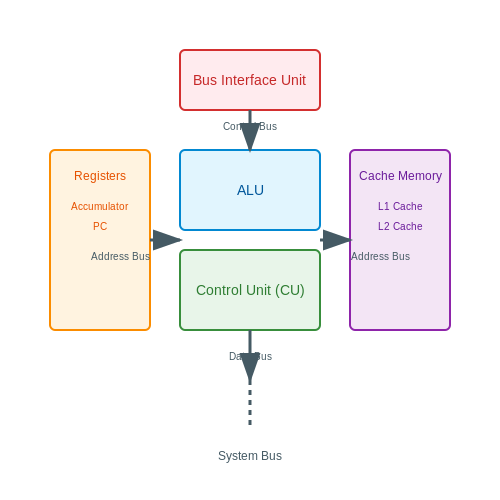
At its simplest, a microprocessor is the central processing unit (CPU) of a computer system contained within a single integrated circuit (IC). Its architecture encompasses the design principles, operational methodologies, and structural organization that dictate how it processes information. Key components include the arithmetic logic unit (ALU), control unit (CU), and memory architecture, each playing a pivotal role in the functioning of the microprocessor. The efficiency of a microprocessor is often gauged through parameters such as clock speed, instruction set architecture (ISA), and the number of cores. These attributes not only define computational power but also determine energy consumption, programmability, and real-time processing capabilities.Common Microprocessor Architectures
Several microprocessor architectures stand out in the field of embedded systems, each tailored for specific applications and performance criteria. Here, we explore some of the most common architectures:1. Von Neumann Architecture
The Von Neumann architecture, proposed by John Von Neumann, is characterized by its single memory space for both instructions and data. This design allows for a simpler, more unified processing environment, ideal for general-purpose computing. Applications: Primarily used in personal computers and servers, the Von Neumann architecture is prevalent due to its versatility and ease of programming.2. Harvard Architecture
In contrast, the Harvard architecture features separate pathways and storage for instructions and data, facilitating simultaneous access to both. This structure enhances performance by minimizing bottlenecks, particularly in applications requiring rapid data processing. Applications: Commonly found in digital signal processing (DSP) systems and embedded controllers, the Harvard architecture excels in applications requiring high-speed data manipulation.3. ARM Architecture
The ARM architecture has gained immense popularity in recent years, particularly in mobile computing and embedded applications. ARM microprocessors are designed with a focus on power efficiency, allowing for longer battery life in portable devices. Applications: Used extensively in smartphones, tablets, and IoT devices, ARM’s RISC (Reduced Instruction Set Computing) architecture streamlines operations, making it highly suitable for resource-constrained environments.4. RISC vs. CISC Architectures
Microprocessor architectures can be broadly classified into two categories: RISC and CISC (Complex Instruction Set Computing). RISC architectures aim to execute a small set of simple instructions at high speed, while CISC architectures provide a large set of instructions that can execute complex tasks in fewer lines of assembly code. Applications: RISC architectures are often favored in high-performance environments such as scientific computing, whereas CISC architectures are typically utilized in traditional desktop systems.Real-World Applications and Trends
The evolution of microprocessor architectures continues to shape the landscape of embedded systems. With the proliferation of IoT devices, there has been a marked shift toward architectures that prioritize energy efficiency and integrated functionalities. As tasks become more complex, the demand for specialized architectures that support parallel processing and multitasking grows. The emphasis on system-on-chip (SoC) designs illustrates this trend. By integrating components such as CPU, GPU, memory, and peripherals onto a single chip, SoCs offer enhanced performance in compact form factors. This is particularly relevant in applications ranging from automotive systems to wearable technology, where space and power constraints are paramount. In summary, the architecture of microprocessors significantly impacts their performance and operational capabilities in embedded systems. Understanding these architectures aids engineers and designers in making informed decisions that optimize the performance and efficiency of their applications.Conclusion
In navigating the complexities of microprocessor architectures, engineers, and researchers must tailor their selections based on application requirements and constraints. As technology advances, the interplay between performance, efficiency, and application-specific designs will continue to guide the development of microprocessor solutions within the embedded systems domain.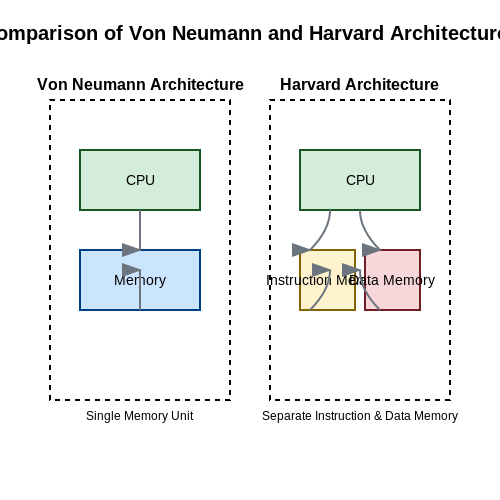
2.3 Selecting the Right Processor for Applications
In the development of embedded systems, the choice of processor is a critical factor that can greatly influence the overall performance, power efficiency, and functionality of the final application. The vast array of available processors, ranging from microcontrollers to microprocessors and System-on-Chip (SoC) solutions, can overwhelm even seasoned engineers. Therefore, understanding the core requirements of your specific application, along with the characteristics of various processing architectures, is essential for making an informed selection.
Firstly, it is important to define the parameters of the application. Each embedded system comes with its own set of constraints and requirements, such as:
- Power Consumption: For battery-powered devices, low-power processors are crucial.
- Processing Speed: Time-sensitive applications may require high-performance options.
- Peripheral Integration: On-chip peripherals can reduce component count and system complexity.
- Cost: Budget constraints often dictate the choice of processor.
- Programming Environment: Compatibility with existing tools and libraries may influence selection.
Processor Types
When selecting a processor, consideration should be given to the type of processor that aligns with your application requirements. The most common types include:
- Microcontrollers (MCUs): Ideal for simple, repetitive tasks with low power consumption. They often integrate various peripherals, making them well-suited for control applications.
- Microprocessors (MPUs): Better for complex computation tasks, often used in applications requiring high processing power and advanced memory capabilities.
- System-on-Chip (SoC): Combines CPU, memory, and I/O peripherals on a single chip, offering an efficient solution for compact designs.
To further illustrate these differences, consider a case study involving a wearable health monitor. Such a device would prioritize low power consumption and compact size, making MCUs an ideal choice. Conversely, a high-resolution video processing application would require a robust MPU or SoC to handle the computational load efficiently.
Performance Metrics
The selection process should also focus on various performance metrics, such as:
- Clock Speed: Measured in megahertz (MHz) or gigahertz (GHz), higher clock speeds generally mean faster processor performance but often lead to greater power consumption.
- RAM and Flash Memory: Enough memory is crucial for storing the operating system and application code. Evaluate the memory hierarchy of the processor, as it greatly affects access times.
- Input/Output Options: Assess the available interfaces (I2C, SPI, UART, etc.) to ensure your processor can communicate with necessary peripherals.
Future Scalability and Community Support
Another important consideration is the long-term viability of the selected processor. Evaluate factors like:
- Scalability: Can the processor manage increased tasks or enhanced performance in future iterations of your product?
- Community and Documentation: A large user community can indicate better resources for troubleshooting and development support, while comprehensive documentation helps streamline the development process.
As an example, ARM-based processors have a vast ecosystem that provides numerous libraries and support, making them a popular choice among developers working on various embedded applications.
In conclusion, selecting the right processor for embedded applications is not a trivial task. It involves careful consideration of the specific application requirements, available processor types, performance metrics, future scalability, and available support. Engineers and developers should adopt a systematic approach, often starting with a clear definition of application goals, and then apply a filtering mechanism to narrow down processor choices accordingly. With these insights, you will be better equipped to navigate the complex landscape of embedded system design and development.
3. Programming Languages for Embedded Systems
3.1 Programming Languages for Embedded Systems
Programming languages serve as the foundation for developing software in embedded systems, which are specialized computing devices dedicated to performing specific tasks within larger systems. Choosing the right programming language can impact the efficiency, performance, and reliability of the embedded application. The primary goal of programming languages in this context is to control hardware resources, manage real-time tasks, and optimize power consumption. Considering these factors, several programming languages are commonly used in embedded systems:C Language
C remains the dominant language in embedded systems due to its efficiency and low-level hardware access. It provides mechanisms for direct memory manipulation and bit-level operations, essential for optimizing performance in resource-constrained environments. The compilers for C allow for small executable sizes, making it ideal for microcontrollers. Important features of C overly relevant to embedded applications include:- Portability: C code can be compiled on various platforms, making it suitable for developing cross-platform embedded applications.
- Low-level access: Direct manipulation of hardware registers and memory addresses enables precise control of hardware.
- Efficiency: C is often compiled to highly efficient machine code, minimizing runtime overhead.
C++ Language
C++ extends C with object-oriented programming (OOP) capabilities, enabling structured approaches in software design. This promotes code maintainability and reusability, essential in complex embedded systems development. Critical advantages of using C++ in embedded systems include:- Encapsulation: OOP facilitates modular design, allowing developers to group related functions and data together, thus improving code organization.
- Abstraction: C++ provides abstractions that help in managing complex systems without compromising performance.
- Template Programming: Templates enable code generalization, allowing for enhanced flexibility in developing libraries and frameworks in embedded software.
Assembly Language
Assembly language is utilized when utmost performance and control over hardware are paramount. Each processor type has its assembly language, which closely correlates with its machine code. Key aspects of assembly language include:- Direct control: It allows precise control over the hardware, which is vital in time-critical applications.
- Minimal runtime overhead: Programs written in assembly execute faster than those in high-level languages due to the lack of abstraction layers.
- Resource efficiency: Assembly is often implemented in ultra-low-power devices where resource utilization is crucial.
Python and Other High-Level Languages
Though traditionally less common in embedded systems, higher-level languages such as Python have gained traction due to their simplicity and richness of libraries. Python is particularly beneficial in rapid prototyping and developing higher-level applications interfacing with embedded hardware. Important characteristics that highlight Python's relevance in embedded systems include:- Ease of use: Python's syntax is clearer and more straightforward than most compiled languages, enhancing development speed.
- Extensive libraries: Libraries such as MicroPython and PySerial facilitate easy communication with hardware peripherals.
- Cross-platform compatibility: Python applications can run across platforms effortlessly, aiding in rapid testing and development cycles.
Summary
In conclusion, the choice of programming language in embedded systems significantly influences the performance, maintainability, and capabilities of the delivered solution. While C and C++ remain the stalwarts due to their efficiency and control, advancements in hardware capabilities suggest a growing acceptance of higher-level languages like Python for specific applications, especially those demanding rapid development and prototyping. As technology progresses, embedded systems will increasingly harness new programming paradigms to meet evolving challenges.3.2 Real-Time Operating Systems (RTOS)
Within the realm of applied embedded systems, Real-Time Operating Systems (RTOS) play a vital role in determining the performance and reliability of applications. An RTOS is specifically designed to manage hardware resources and execute real-time applications, where timing constraints are critical, unlike traditional operating systems that focus on maximizing resource utilization and throughput. The essence of an RTOS lies in its ability to prioritize tasks based on urgency. In real-world applications, such as autonomous vehicles, robotics, or medical devices, tasks must be executed within strict time constraints to ensure safety and functionality. For instance, in an anti-lock braking system (ABS), the RTOS must sample wheel speeds and apply brakes within milliseconds to prevent skidding, highlighting the importance of timely responses.Core Concepts of RTOS
At the foundation of RTOS functionality are several core principles that distinguish them from conventional operating systems:- Determinism: The RTOS guarantees that task execution will commence within a predefined time frame, ensuring predictable system behavior.
- Task Scheduling: RTOS employs various scheduling algorithms such as Rate Monotonic and Earliest Deadline First, determining the order of task execution based on priority and timing guarantees.
- Inter-Task Communication: Mechanisms such as message queues, semaphores, and mutexes allow tasks to exchange information efficiently, while also handling synchronization in multi-threaded environments.
- Minimal Latency: Minimizing interrupt latency (the time taken to respond to a hardware interrupt) is essential for meeting real-time deadlines.
- Resource Management: Efficient allocation and deallocation of resources such as memory and I/O devices are critical aspects enabled by RTOS.
Types of RTOS
RTOS can be broadly categorized into two types: hard and soft real-time systems.- Hard Real-Time Systems: In these systems, missing a deadline could lead to catastrophic consequences, making timing constraints absolute. Examples include task scheduling in industrial automation and airbag deployment in vehicles.
- Soft Real-Time Systems: While still critical, these systems can tolerate occasional deadline misses. Multimedia streaming applications are a prime instance, where fluidity is important, but slight delays are permissible.
Applications and Case Studies
Numerous fields harness the power of RTOS, showcasing their versatility:In the aerospace industry, systems such as flight control rely on RTOS to manage numerous concurrent tasks with high reliability. A case study involving Boeing's 787 Dreamliner illustrates how RTOS helps ensure that critical systems, including autopilot and thrust control, function seamlessly in collaborative environments.
Robotics is another domain where RTOS thrives. For instance, autonomous drones must process sensor data and execute control algorithms in real time to maintain stability and navigate environments effectively.
Conclusion
Understanding the mechanics of RTOS is crucial for embedded system designers, particularly in scenarios where timing and resource management can mean the difference between successful operation and failure. By prioritizing determinism, employing suitable scheduling practices, and optimizing resource utilization, engineers can create systems that perform efficiently and reliably under stringent constraints.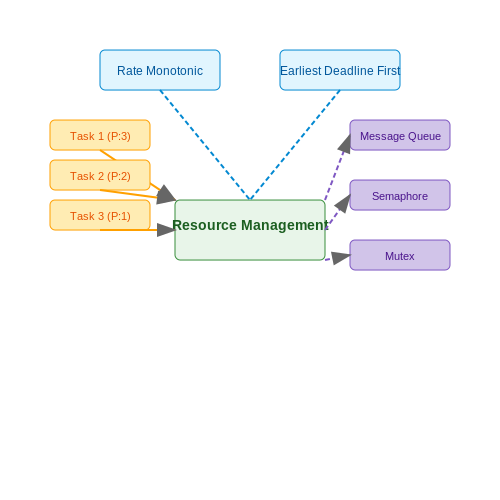
3.3 Development Tools and Environments
In the realm of applied embedded systems, a profound comprehension of development tools and environments is paramount for successful implementations. The complexity of modern embedded applications necessitates tools that cater to a range of tasks — from coding to debugging and performance optimization. In this section, we will explore critical software and hardware tools that streamline embedded systems development while enhancing productivity and innovation.
Integrated Development Environments (IDEs)
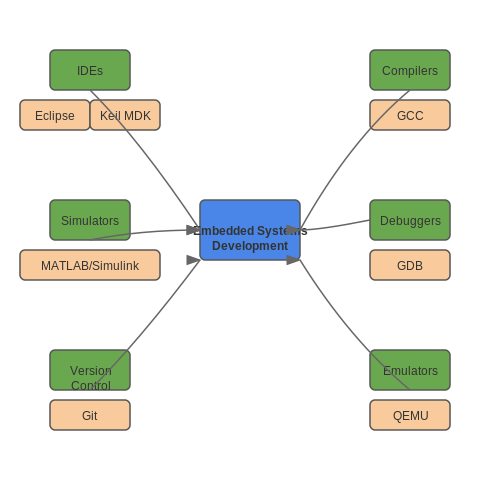
IDEs are cornerstone tools in embedded systems development. They typically provide features such as code editors, debuggers, and build automation systems. Popular IDEs like Eclipse and Keil MDK offer rich debugging environments that incorporate hardware simulation capabilities. Utilizing these IDEs allows engineers and developers to manage the entire development cycle effectively, from writing and testing code to deploying applications on target microcontrollers.
Case Study: The Role of Eclipse in Embedded Systems
Eclipse is widely used due to its extensive plug-in ecosystem, allowing integration with multiple compilers and debuggers. For instance, by incorporating the GNU Arm Eclipse plug-in, developers can leverage a seamless user experience for ARM Cortex-based platforms, ensuring that they can debug and analyze performance without switching contexts. Such capabilities are essential for real-time applications where timing and performance are critical.
Compilers and Assemblers
Choosing the right compiler is vital for properly translating high-level code into the machine code that embedded devices understand. Compilers such as GCC (GNU Compiler Collection) provide open-source support for various architectures. In addition, assemblers convert assembly language programs into executable binary files. The correct optimization flags can greatly improve performance. For example, using the -Os flag in GCC focuses on reducing binary size, which is often a necessity in resource-constrained environments.
In the equation above, \(CodeSize\) denotes the total size of the compiled application, \(C_i\) refers to the size of individual code sections, and \(P_i\) represents the frequency of access to those sections, emphasizing how efficient coding practices can minimize footprint.
Debuggers and Emulators
Debugging embedded systems is notoriously challenging due to their interactive nature with the physical world. Tools such as GDB (GNU Debugger) allow developers to inspect variables, set breakpoints, and analyze stack traces in real time. Emulators, on the other hand, provide a simulated environment to test applications without needing physical hardware. Notable options include the QEMU emulator, which supports various architectures for virtual platform development and testing. This can dramatically decrease the time-to-market for new products while ensuring reliability.
Practical Implications of Emulators
Consider a scenario where a new sensor technology is incorporated into a control system. By using an emulator, engineers can simulate sensor inputs under various environmental conditions to refine algorithms before deploying them in the real world. This not only saves time and costs but also helps avoid potential system failures that could arise from untested integrations.
Version Control Systems
Version control is not merely a tool but a necessity in collaborative embedded systems development. Git stands out as a preferred system, allowing multiple contributors to work on codebases without conflict. Features like branching and merging enable exploration of new ideas without disrupting the main codebase. Utilizing platforms such as GitHub or GitLab facilitates not just code management but also community engagement through shared repositories.
Furthermore, implementing continuous integration (CI) tools helps automate the build and testing processes, making it easier to catch issues early in the development cycle. Resultantly, time-consuming manual testing becomes a conventional practice, freeing engineers to focus on innovation and enhancement.
Embedded System Simulators
Simulators are essential for modeling and evaluating system behavior before actual implementation. Various simulation tools like MATLAB/Simulink offer comprehensive environments that can graphically represent dynamic systems and their responses to inputs. Such tools are particularly beneficial in applications where theoretical performance is compared against practical outcomes, aiding in the design of control systems.
In the formula above, \(T_{performance}\) reflects the total execution time, \(T_{theoretical}\) is the ideal execution time predicted through simulation, and \(\epsilon\) represents the overhead introduced by real-world conditions.
This comprehensive overview of development tools and environments for embedded systems underscores their critical role in fostering innovation, ensuring robustness, and enhancing development efficiency. By leveraging these tools, engineers can address complex challenges in embedded systems design and implementation, ultimately leading to more reliable and advanced technological solutions.
4. System Design Process
4.1 System Design Process
The system design process is a critical aspect of developing an embedded system, serving as a blueprint that guides engineers and developers from concept to deployment. Given the complexity and diversity of embedded applications—from handheld devices to large industrial control systems—this process must be meticulous yet flexible enough to accommodate changes and refinements.Understanding Requirements
The first step in the system design process involves gathering and understanding requirements. This requires close collaboration with stakeholders, including end-users, customers, and domain experts, to ensure all perspectives are considered. Key types of requirements include:- Functional requirements: These specify what the system should do, detailing the inputs, outputs, and expected behavior under various conditions.
- Non-functional requirements: These involve performance metrics such as reliability, scalability, security, and power consumption, which are crucial for embedded systems operating in resource-constrained environments.
Architectural Design
Once requirements are established, the next stage is architectural design, where the system's high-level structure is delineated. This phase specifies how different components interact, including hardware, software, and communication protocols. Key considerations include:- Hardware components: Deciding on processors, sensors, communication modules, and power supplies.
- Software architecture: Defining modules, libraries, and algorithms that will be employed, as well as the interaction between software components.
- System interfaces: Identifying how various hardware and software modules will communicate, using buses, protocols, and data formats.
Detailed Design and Implementation
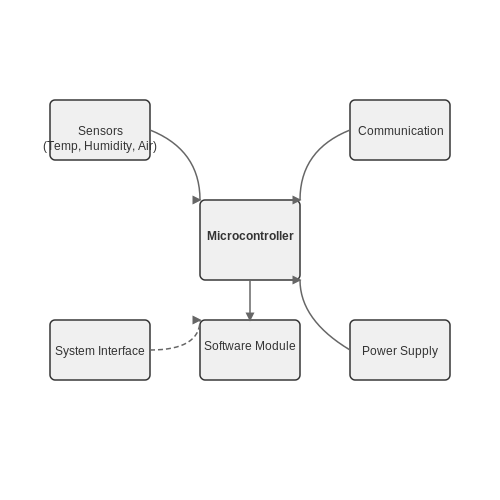
With a solid architecture in place, the detailed design phase ensues, during which each component is specified in greater detail. This includes selecting specific components based on metrics like cost, availability, performance, and power consumption. For instance, consider a simple embedded system for environmental monitoring. The detailed design might involve:- Selecting sensors: Choosing temperature, humidity, or air quality sensors based on detection range and accuracy requirements.
- Microcontroller selection: Opting for a microcontroller that balances processing power with energy efficiency.
Verification and Validation
After implementing the design, thorough verification and validation (V&V) processes should be executed to ensure that the system meets the predefined requirements and performs correctly under anticipated operating conditions. Verification checks if the system was built correctly according to specifications, while validation ensures the right system was built, fulfilling user needs. Testing methodologies may include:- Unit testing: Testing individual components for functionality.
- Integration testing: Assessing the functionality of combined components and system interactions.
- System testing: Ensuring that the complete system behaves as intended in a simulated or actual environment.
Deployment and Maintenance
Finally, the deployment of the embedded system takes place, followed by ongoing maintenance. It is crucial to develop a robust plan for updates and fixes, often referred to as the life-cycle management of the system. This includes considering:- Field testing: Gathering feedback from real-world usage to identify any shortcomings.
- Routine updates: Implementing software patches to address any vulnerabilities or improve performance.
4.2 Hardware and Software Co-Design
The concept of hardware and software co-design serves as a pivotal framework in the modern development of embedded systems. As devices increasingly integrate sophisticated functionalities, a holistic approach that jointly considers both hardware and software is essential. This section delves into the intricacies of hardware/software co-design, illuminating its principles, methodologies, and applications in real-world projects.
Understanding Co-Design
Co-design refers to the concurrent development of hardware and software components of a system. The interdisciplinary nature of this approach facilitates optimization across both domains, ensuring that each complements the other effectively. In embedded systems, where resource constraints and performance requirements are paramount, the alignment of hardware specifications with software capabilities is fundamental.
The co-design process typically involves:
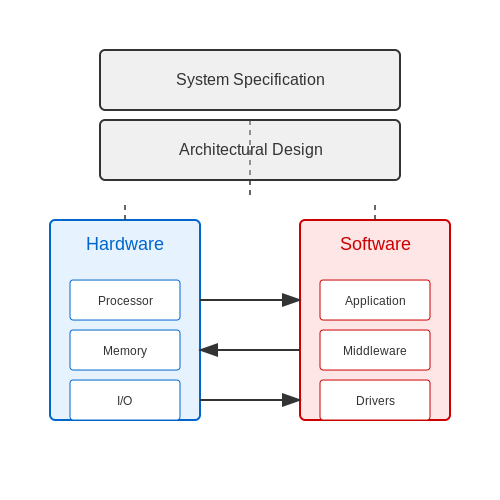
- System Specification: Defining requirements for both hardware and software that satisfy an overall system objective.
- Architectural Design: Developing the structural interactions between hardware and software components.
- Implementation Strategies: Determining paths for transferring algorithms into hardware (e.g., FPGA programming) or optimizing software for specific hardware targets.
- Validation and Testing: Ensuring both components function compatibly with defined specifications.
Principles of Hardware/Software Co-Design
The underpinning principles of hardware/software co-design hinge on several key philosophies:
- Trade-offs and Optimization: Engineers must often decide on trade-offs, such as performance versus power consumption, to effectively meet specifications.
- Iterative Refinement: Adopting an iterative approach allows frequent testing and adaptation, fostering an environment where changes can be made efficiently as development progresses.
- Cross-Domain Collaboration: Promoting collaboration between hardware engineers and software developers encourages innovative solutions and knowledge sharing which are critical to the co-design process.
Common Methodologies
Several methodologies aid in successful hardware/software co-design:
- Model-Based Design (MBD): This approach utilizes abstract models that represent the system's functionality, enabling quick iterations before physical prototyping.
- System-on-Chip (SoC) Design: SoCs popularize the integration of multiple components on a single chip, necessitating co-design practices to optimize interdependencies.
- Hardware/Software Partitioning: Determining which functions should be implemented in hardware and which can thrive in software while adhering to performance constraints is vital to efficient system design.
Real-World Applications
Co-design methodologies are effectively used across various industries. For instance:
- Automotive Systems: Advanced Driver Assistance Systems (ADAS) utilize intricate co-design strategies to meet stringent safety and performance criteria.
- IoT Devices: The development of Internet of Things products often requires carefully balanced co-design to manage power efficiency while enhancing connectivity and processing capabilities.
- Consumer Electronics: Smart devices like smartphones embody the principles of co-design by enabling innovative features through the synchronized development of hardware and software components.
Conclusion
In conclusion, hardware and software co-design represents a vital paradigm in the development of embedded systems, ensuring that the coexistence of hardware and software yields an optimized, functional product. By intertwining both disciplines, engineers are better equipped to navigate the complexities of modern technology and push the boundaries of what is possible in embedded system design.
4.3 Testing and Debugging Strategies
The development of embedded systems entails significant challenges, particularly in the areas of testing and debugging. These processes are crucial not only for ensuring functionality but also for enhancing the system's reliability and robustness. By understanding various strategies, engineers can streamline their workflows and mitigate potential pitfalls during the development cycle.
Understanding the Importance of Testing in Embedded Systems
Testing is not merely a phase in the development process; it is a continuous activity that oversees the integrity of the system from its inception through to deployment. Embedded systems often operate under constrained resources and must interact with various hardware components, making them susceptible to unique failures. Consequently, effective testing strategies can significantly reduce time-to-market and improve user satisfaction.
Categories of Testing
In embedded systems, testing can be broadly categorized into several types:
- Unit Testing: Verifies individual components for functional correctness in isolation.
- Integration Testing: Assesses the interactions between integrated components to confirm they work together as designed.
- System Testing: Validates the complete and integrated system against specified requirements.
- Acceptance Testing: Conducted from the end-user perspective to ensure the system meets their requirements.
- Regression Testing: Ensures that new changes do not adversely affect existing functionalities.
Debugging Techniques for Embedded Systems
Debugging is the process of identifying and correcting errors or defects in the embedded system. It employs various techniques tailored to the unique challenges of embedded environments.
Hardware Debugging
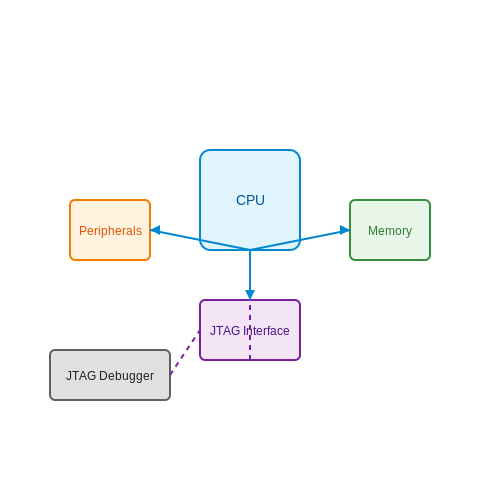
One common method for debugging involves the use of hardware debuggers, such as JTAG (Joint Test Action Group) interfaces. These allow engineers to inspect the internals of a system at various execution points, thereby providing visibility into register states, memory contents, and peripheral functionalities.
Visualizing this process can greatly aid in understanding. Imagine a diagram showing a simplified embedded system architecture with a JTAG interface connected to various components:
Software Debugging
On the software side, employing techniques like print statements, assertions, and logging is common for tracing execution flow. Further, utilizing tools such as GDB (GNU Debugger) allows developers to run programs interactively, setting breakpoints to check the program state at specific points.
Consider the following simple use case in which an engineer implements logging in the C programming language:
#include <stdio.h>

void init() {
    printf("Initialization complete.\n");
}

void main() {
    init();
    // Further code logic
    printf("Main logic processing...\n");
}
Prototyping for Enhanced Testing
Prototyping can significantly enhance testing efficacy. Rapid prototyping allows for iterative testing of hardware and software elements before final product development. Tools such as FPGA (Field-Programmable Gate Array) enable engineers to mimic the final product's functioning at an early stage, aiding in simultaneous hardware and software testing.
Combining rigorous testing with proper debugging strategies ensures that embedded systems are robust enough to handle their intended applications, whether in medical devices, automotive electronics, or consumer gadgets. The interplay of these strategies contributes to the overall success of embedded systems in the market, emphasizing the need for vigilant testing in the engineering lifecycle.
In summary, understanding the multi-faceted nature of testing and debugging, along with the tools employed, is essential for anyone venturing into embedded systems. By utilizing both hardware and software strategies enriched by rapid prototyping, the likelihood of developing a functional and reliable system increases dramatically.
5. Consumer Electronics
5.1 Consumer Electronics
In the realm of applied embedded systems, consumer electronics represent a significant domain where complex technologies merge to enhance everyday life. Understanding the intersection of embedded systems design with consumer electronics not only illuminates the inner workings of ubiquitous devices but also enables innovative product development that meets user needs effectively.
Understanding Embedded Systems in Consumer Electronics
Embedded systems are specialized computer systems that perform dedicated functions within broader electrical or mechanical systems. In consumer electronics, these embedded systems are often designed to be energy efficient, compact, and sufficiently robust to handle specific tasks. They range from simple microcontrollers to complex SoCs (System on Chips) that integrate multiple functionalities onto a single chip.
To grasp the breadth of their application, consider how embedded systems drive functionalities in common devices such as smartphones, smart TVs, and wearable technology. For example, the implementation of an embedded system in a smartphone enables a range of features, from touch screen interactivity to advanced camera processing and connectivity capabilities, shaping the user experience.
Real-World Applications
In practical terms, the applications of embedded systems in consumer electronics can be illustrated through several key innovations:
- Smartphones: At the heart of smartphones lie SoCs, which integrate processors, memory, and connectivity, driving applications from navigation to multimedia processing.
- Smart Home Devices: Devices such as thermostats and security systems utilize embedded systems for automation, machine learning, and network communication, enhancing users' control over their living spaces.
- Wearable Devices: Fitness trackers and smartwatches employ embedded systems to track health metrics while maintaining low power consumption.
Challenges in Development
While the opportunities are vast, the development of embedded systems for consumer electronics also presents unique challenges. These include the need for real-time processing capabilities, strict power consumption constraints, and reliability under varying environmental conditions. Engineers must also contend with increasingly sophisticated consumer demands for integrated features and seamless connectivity.
Moreover, the rapid pace of technological advancement necessitates continuous learning and adaptation in engineering practices. Innovations such as Internet of Things (IoT) integrations and AI algorithms are placing further demands on embedded system developers to create versatile and intelligent devices.
Conclusion
As the boundary between functionality and consumer demands continues to blur, the role of embedded systems in consumer electronics will only grow. This synergy fosters an environment ripe for innovation, where engineers can leverage their knowledge to shape the future of consumer products, leading to smarter and more interconnected devices that significantly enhance quality of life.
5.2 Automotive Systems
In recent decades, the automotive industry has experienced a transformative evolution fueled primarily by advancements in embedded systems. These systems have enabled vehicles to not only perform traditional mechanical functions but also integrate complex electronics that enhance safety, efficiency, and user experience. This section explores the role of applied embedded systems within automotive contexts, highlighting their architectures, applications, and challenges.
The Role of Embedded Systems in Automobiles
Embedded systems play a crucial role in modern vehicles, serving as the backbone of numerous functionalities. They integrate both hardware and software to control various aspects of vehicle operation. Key applications include:
- Engine Control Units (ECUs): ECUs monitor and manage engine parameters to optimize performance while reducing emissions.
- Advanced Driver Assistance Systems (ADAS): These systems employ sensors and algorithms to assist drivers with collision avoidance, lane-keeping, and adaptive cruise control.
- Infotainment Systems: Integrated entertainment and navigation systems that enhance user experience by providing connectivity and real-time information.
- Electric and Hybrid Vehicle Management: These systems control battery management and energy distribution optimizing efficiency.
The mechanics of how these systems work revolve around the principles of control theory and real-time computing. An ECU, for instance, uses myriad sensors to feed back data to a microcontroller, allowing real-time adjustments to engine operation. The resulting improved fuel efficiency and reduced emissions highlight the importance of precise control in optimizing vehicle performance.
Architecture of Automotive Embedded Systems
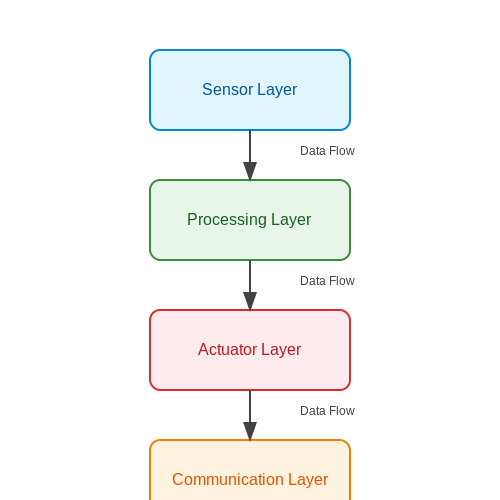
Most automotive embedded systems are structured in a layered architectural model. This segmentation allows for modularity and scalability, facilitating easier upgrades and integrations. The basic architecture includes:
- Sensor Layer: Responsible for collecting data from various vehicle components (e.g., temperature, pressure, speed).
- Processing Layer: Typically involves an array of microcontrollers and microprocessors that process sensor data and execute control algorithms.
- Actuator Layer: This layer actuates responses based on processed data (e.g., controlling the throttle, brakes, or steering).
- Communication Layer: Manages data exchange between different ECUs and external systems, often employing protocols like CAN (Controller Area Network) and LIN (Local Interconnect Network).
As vehicles become more interconnected, the significance of robust communication protocols increases. Consider the CAN protocol, which efficiently facilitates communication between various ECUs in real-time, ensuring that critical data sharing is both reliable and swift. The architecture must be designed to handle latencies and prioritize message types to ensure critical systems remain functional even under failure conditions.
Challenges and Future Directions
Despite their benefits, the integration of embedded systems in automotive applications also presents significant challenges. Safety and security are paramount; any vulnerability could lead to dire consequences. The development of safety standards such as the ISO 26262 framework has emerged to address these concerns, dictating requirements for functional safety across automotive systems.
Additionally, power consumption is a critical consideration, especially as vehicles shift towards electrification. Optimizing power management at the software and hardware levels is essential for prolonging battery life and enhancing overall vehicle performance.
Looking towards the future, the incorporation of Machine Learning (ML) and Artificial Intelligence (AI) within embedded systems holds the potential to revolutionize automotive technology further. These advancements can lead to more intelligent systems capable of predictive maintenance, driver behavior analysis, and even fully autonomous driving solutions, promising an exciting trajectory for the automotive field.
In summary, automotive embedded systems are a cornerstone of modern vehicle functionality, enhancing performance, safety, and user engagement. Understanding their architectures, applications, and the challenges they face is crucial for engineers and researchers working on next-generation automotive technologies.
5.3 Industrial Automation
Industrial automation enhances the efficiency, reliability, and performance of manufacturing and industrial processes through the use of control systems such as embedded systems, programmable logic controllers (PLCs), and supervisory control and data acquisition (SCADA) systems. This subsection will delve into the integral role of embedded systems within industrial automation, exploring their architecture, applications, and potential future advancements.
Fundamentals of Embedded Systems in Industrial Automation
Embedded systems are specialized computing devices designed to perform dedicated functions within larger systems. In the realm of industrial automation, these systems provide the computational backbone for various operations ranging from simple process monitoring to complex robotic control. The architecture of embedded systems typically includes a microcontroller or microprocessor, memory, input/output interfaces, and software that executes specific control algorithms.
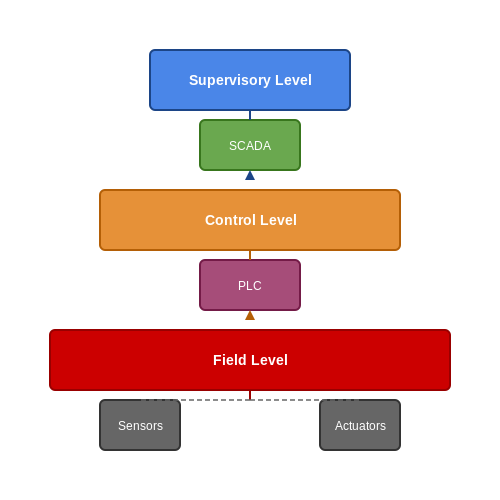
These systems can be categorized based on the level of control they provide:
- Field Level: Involves direct interaction with sensors and actuators, ensuring real-time data acquisition and actuation.
- Control Level: Includes PLCs and distributed control systems (DCS) that manage operations via sophisticated algorithms.
- Supervisory Level: Encompasses SCADA systems that provide oversight, data collection, and management capabilities.
Applications and Real-World Examples
Embedded systems have found extensive application in various industrial sectors. Some prominent uses include:
- Manufacturing Execution Systems (MES): These systems ensure real-time tracking and control of production processes, utilizing embedded sensors to monitor product quality and process efficiency.
- Robotics: Automated arms embedded with sophisticated control systems perform repetitive tasks, significantly increasing production speed and reducing human error.
- Process Control: In chemical and oil refineries, embedded systems regulate temperature, pressure, and flow rates, enhancing safety and quality by minimizing human intervention.
For instance, in an automotive assembly line, robots equipped with embedded processing units execute real-time adjustments based on sensory feedback, thus optimizing the assembly flow and minimizing errors. Such integration not only streamlines operations but also leads to significant cost savings.
Challenges and Future Directions
While embedded systems provide substantial benefits to industrial automation, several challenges persist:
- Interconnectivity: Many legacy systems struggle with modern communication standards, necessitating bridges or interfaces that can seamlessly integrate outdated equipment with new networks.
- Cybersecurity: As industrial control systems become more interconnected, they are increasingly vulnerable to cyber-attacks, prompting the need for robust security measures.
- Scalability: Designing systems flexible enough to accommodate future upgrades without complete overhauls remains a key concern for developers.
Looking ahead, the advancement of technologies such as the Internet of Things (IoT), artificial intelligence (AI), and machine learning (ML) promises to revolutionize industrial automation. By embedding intelligence into machines, operations can become more predictive, enabling proactive maintenance and reducing downtime.
Conclusion
In summary, embedded systems play a pivotal role in shaping the future of industrial automation, offering enhanced performance, reliability, and versatility. Understanding their architecture, applications, and challenges can empower engineers and researchers to innovate solutions that drive efficiency in industrial processes. As the landscape of technology evolves, staying informed about emerging trends will be essential for harnessing the full potential of embedded systems in industrial automation.
5.4 Internet of Things (IoT)
The Internet of Things (IoT) represents a paradigm shift in embedded systems, merging physical devices with advanced computational capabilities. By connecting everyday objects to the internet, a vast network emerges where devices can communicate, analyze, and react to real-world data. This transformation has implications that range from smart homes and healthcare to industrial automation and environmental monitoring.
Understanding the IoT Architecture
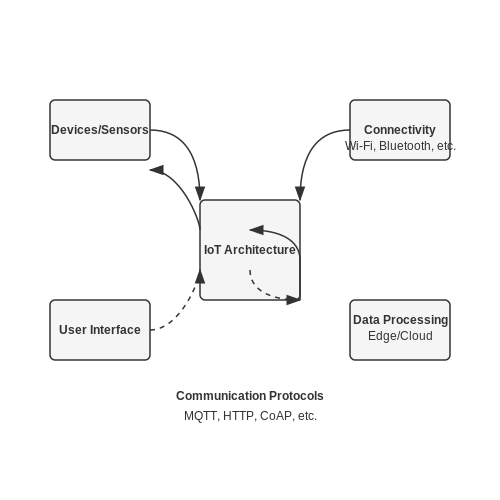
At the core of IoT architecture, several key components interact to leverage the capabilities of embedded systems:
- Devices/Sensors: These are the physical objects equipped with sensors that gather data from their environment. For instance, temperature sensors in smart thermostats gather real-time data, which can be analyzed to optimize energy consumption.
- Connectivity: This involves the various communication protocols and standards used for transmitting data—Wi-Fi, Bluetooth, Zigbee, and cellular networks are common choices. The selection of appropriate connectivity standards depends on the application's demands for range, bandwidth, and power consumption.
- Data Processing: After data is collected, it needs to be processed, which can take place on the device (edge computing) or in the cloud. Edge computing facilitates rapid decision-making closer to the data source and reduces bandwidth usage. In contrast, cloud computing can harness powerful processing capabilities for complex analytics.
- User Interface: Presenting data to end-users through dashboards, mobile applications, or visualization tools is crucial for accessibility and actionable insights. The effectiveness of these interfaces can significantly impact user engagement and system utility.
Protocols and Standards in IoT
The interoperability of devices in the IoT ecosystem heavily relies on protocols and standards. A few notable examples include:
- MQTT (Message Queuing Telemetry Transport): A lightweight messaging protocol for small sensors and mobile devices optimized for high-latency or unreliable networks.
- CoAP (Constrained Application Protocol): Designed for simple devices, it is a web transfer protocol for constrained nodes and networks in IoT.
- HTTP/HTTPS: While common in web applications, these protocols are also employed in IoT, often for devices with robust processing capabilities.
Each selection of a communication protocol can affect the scalability, latency, security, and power consumption of IoT systems. Understanding these trade-offs facilitates informed decisions during system architecture design.
Security Considerations
As the IoT landscape expands, security becomes paramount. Given the interconnected nature of devices, vulnerabilities can lead to unauthorized access and data breaches. The following strategies can mitigate these risks:
- Authentication: Employ robust authentication protocols to verify device identities before granting access to the network.
- Encryption: Use encryption to secure data both in transit and at rest, ensuring that sensitive information remains protected from eavesdroppers.
- Regular Updates: Software and firmware updates can patch newly discovered vulnerabilities, hence applying them regularly is essential to maintain security integrity.
Real-World Applications of IoT
The practical applications of IoT are manifold, demonstrating its transformative potential:
- Smart Homes: Devices like smart thermostats, security cameras, and lighting can communicate to create energy-efficient and secure living environments.
- Healthcare: Wearable technology like fitness trackers and patient monitoring systems help in remote health management and chronic disease monitoring.
- Industrial IoT: Sensors monitor equipment performance to predict failures and optimize manufacturing processes, significantly boosting productivity.
- Agriculture: IoT-enabled sensors in agriculture facilitate soil monitoring and precision irrigation, resulting in higher yields and resource conservation.
The continuous evolution of IoT indicates profound implications for society, enhancing the efficiency of systems and paving the way towards smart cities. Understanding these multifaceted aspects is essential for advanced professionals in the field of embedded systems.
6. Low-Power Design Techniques
6.1 Low-Power Design Techniques
In the realm of embedded systems, the push for energy efficiency has never been more critical. As devices become increasingly sophisticated and ubiquitous, demanding lower power consumption while maintaining performance poses a significant design challenge. Low-power design techniques not only extend battery life in portable applications but also reduce heat generation, leading to enhanced reliability and longevity of components. Let us explore various strategies for achieving low-power consumption in embedded systems.Understanding Power Consumption
To effectively minimize power usage in embedded systems, we first need to grasp how power is consumed within these devices. Power consumption \( P \) in electronic components typically involves both static power (leakage currents when not switching) and dynamic power (power dissipated during switching). The dynamic power can be expressed mathematically as:Key Techniques to Reduce Power Consumption
1. Dynamic Voltage and Frequency Scaling (DVFS)
One of the most effective strategies is Dynamic Voltage and Frequency Scaling (DVFS). By adjusting the voltage \( V \) and frequency \( f \) based on workload demands, DVFS allows a system to operate efficiently without sacrificing performance. This technique is particularly useful in scenarios where tasks vary significantly in their computational intensity. For instance, in mobile devices, the CPU can be clocked down during idle periods, reducing both voltage and frequency, thus significantly lowering power consumption.2. Sleep Modes
Most embedded systems offer various sleep states to enter when not actively performing tasks. When a device transitions to a sleep mode, it can decrease power usage dramatically. Implementing these modes effectively requires an understanding of the application's operational patterns. For example, a microcontroller may reduce its power consumption by entering a low-power sleep mode while maintaining memories intact and quickly transitioning back to an active state when needed.3. Choosing Low-Power Components
Selecting components specifically designed for low-power operation can markedly decrease overall system power consumption. For instance, microcontrollers with low-power operational states, sensors optimized for minimal power draw, and digital signal processors designed explicitly for energy efficiency are available choices that should be considered during design.4. Duty Cycling
Duty cycling involves switching a device on and off at controlled intervals. By ensuring that components are only active when necessary, duty cycling can drastically minimize energy usage over time. For example, a battery-operated sensor can be programmed to wake up periodically to collect data, thus conserving energy between measurement intervals.5. Power Gating
Power gating is an effective design practice where unused components of a system are completely powered down. This technique often requires careful consideration of the system architecture to ensure components can be reactivated efficiently. For instance, in a microprocessor, individual cores may be powered down when not in use, significantly cutting the static power losses associated with idle cores.Real-World Applications
Many modern applications benefit from low-power design techniques. For instance, wearable technology, smart home devices, and Internet of Things (IoT) applications often rely on energy-efficient designs to extend battery life while providing complex functionalities. An exemplary case is the implementation of DVFS to regulate the performance of a smartphone's CPU based on the current task, maximizing operational efficiency while minimizing power drain. Additionally, low-power strategies are paramount in *automotive electronics*, where energy-efficient components contribute to overall fuel efficiency by reducing the power required for vehicle electronics. In conclusion, the significance of low-power design techniques for embedded systems cannot be overstated. As applications become more powered by battery and require longer operational durations, the ongoing design focus on minimizing energy consumption will play a pivotal role in advancing the capabilities of embedded systems. Implementing approaches such as DVFS, effective sleep modes, low-power components, duty cycling, and power gating are essential tools for engineers and designers striving to push the boundaries of what's possible in electronic device performance.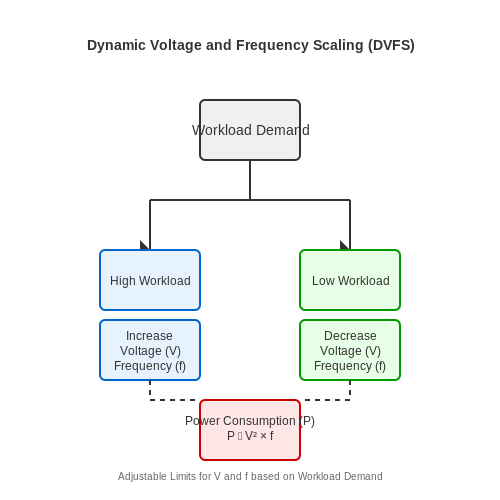
6.2 Security in Embedded Systems
In an era where embedded systems are integral to critical infrastructure, consumer electronics, automotive applications, and industrial automation, ensuring their security is paramount. The unique characteristics of embedded systems—such as limited computational resources, real-time operational requirements, and complex interactions with both hardware and other software—contribute to a distinctive security landscape that demands focused strategies. Understanding embedded system security encompasses a few core aspects: threats and vulnerabilities, common attack vectors, and preventive measures. As engineers and researchers, it is vital to grasp these challenges and take proactive steps to enhance system resilience.Understanding Threats and Vulnerabilities
Embedded systems operate under resource constraints, making traditional security mechanisms often impractical. These systems are susceptible to various types of threats such as:- Physical Attacks: Attackers can gain direct access to devices, extracting sensitive information or modifying firmware.
- Network Attacks: This encompasses unauthorized access via networks, using techniques like eavesdropping or man-in-the-middle attacks.
- Software Vulnerabilities: Flaws in the system's code can be exploited, allowing for a range of attacks from Denial of Service (DoS) to code injection.
Common Attack Vectors
Embedded systems often have unique operating environments, making them targets for specific attack vectors. Key avenues include:- Firmware Modification: Malicious actors can alter firmware to introduce backdoors or malware, potentially leading to system compromise.
- Data Interception: Sensitive data can be intercepted during transmission, especially in wireless and networked systems.
- Supply Chain Attacks: Threats can also originate before the system is deployed, with compromised components making their way into the final product.
Preventive Measures
Innovative strategies to enhance the security of embedded systems revolve around both proactive and reactive measures:1. Secure Boot
This mechanism ensures that a system boots using only software that is verified and trusted. Implementing a chain of trust from hardware through firmware to the operating system can significantly mitigate the risk of the system being compromised during startup.2. Cryptographic Techniques
Encryption of data at rest and in transit, alongside the use of secure protocols, can protect sensitive information from unauthorized access. Familiar techniques include symmetric and asymmetric key encryption, hash functions, and digital signatures.3. Regular Software Updates
Providing a mechanism for firmware and software updates helps patch vulnerabilities over time. Systems should be capable of receiving and implementing updates securely without exposing the update process to potential exploits.4. Intrusion Detection Systems (IDS)
An IDS can monitor for abnormal behavior patterns, alerting administrators to potential intrusions and enabling timely responses to threats. In conclusion, the security of embedded systems necessitates a proactive and comprehensive approach due to their unique constraints and operating contexts. As demand for connectivity and functionality in these systems grows, the development of secure architectures and methods of implementation must evolve correspondingly. With awareness of potential vulnerabilities and the deployment of best practices, the integrity and trust in embedded systems can be significantly enhanced.6.3 The Future of Embedded Technologies
As we navigate the evolving landscape of technology, embedded systems stand at the forefront of innovation, impacting sectors as varied as consumer electronics, automotive, healthcare, and industrial automation. The future of embedded technologies promises to be shaped by various underlying trends, including advancements in hardware architectures, increased connectivity, and the integration of artificial intelligence (AI).
Emerging Hardware Architectures
In the quest for improved performance and efficiency, hardware architectures have begun to shift dramatically. Traditionally, embedded systems relied on microcontrollers and simple processing units; however, the rise of System on Chip (SoC) designs has enabled the integration of multiple functionalities into a single chip. The adoption of these architectures not only reduces power consumption but also minimizes physical size—qualities essential for the miniaturization of devices.
Additionally, the introduction of specialized processing units, such as Digital Signal Processors (DSPs) and Field-Programmable Gate Arrays (FPGAs), offers unprecedented capabilities for tasks requiring high computational performance—like real-time processing of data in autonomous vehicles or advanced imaging systems.
Connectivity and the Internet of Things (IoT)
Connectivity has redefined embedded systems, primarily through the Internet of Things (IoT). This paradigm allows devices to interact seamlessly over networks, exchanging critical data that can drive insights and automation. As we move forward, the emphasis on low-power wide-area networks (LPWAN) and 5G technology will likely revolutionize applications from smart cities to precision agriculture, unlocking new possibilities and efficiencies.
For example, in smart healthcare, continuous monitoring of patients via connected wearables can provide real-time health data to providers, enabling timely interventions and more personalized care.
Artificial Intelligence and Machine Learning
Incorporating artificial intelligence (AI) and machine learning (ML) into embedded systems is set to redefine the capabilities of these technologies. By embedding AI algorithms into devices, systems can make decisions based on incoming data streams, allowing for advanced functionalities such as predictive maintenance, anomaly detection, and automated control systems.
Consider the implications in manufacturing, where AI-driven robotics can learn from their environments, optimize operational efficiency, and reduce downtime through intelligent diagnostics.
This equation highlights the importance of energy efficiency in embedded systems. As technologies evolve, optimizing this balance becomes crucial for sustainable development, especially given the increasing push towards environmentally friendly solutions.
Conclusion
The future of embedded technologies is compelling and rife with opportunities for innovation. Professionals in engineering, research, and development must remain astutely aware of these trends to leverage them effectively in creating systems that not only drive efficiency and performance but also adhere to the evolving demands of our digital world.
7. Textbooks and Academic Literature
7.1 Textbooks and Academic Literature
To delve deeply into the field of applied embedded systems, it is indispensable to explore a repertoire of comprehensive textbooks and scholarly articles. These resources provide a foundation for understanding both theoretical and practical aspects of embedded systems, which are essential for engineers, researchers, and graduate students aiming to innovate and solve real-world problems efficiently. Below is a curated list of seminal textbooks and academic literature that are highly recommended for advanced-level readers.
- Computers as Components: Principles of Embedded Computing System Design — Authored by Marilyn Wolf, this textbook is essential for understanding the design principles of embedded systems. It offers a rigorous analysis of system integration with practical examples.
- Embedded Systems: Introduction to Arm Cortex-M Microcontrollers — This book by Jonathan W. Valvano provides in-depth coverage of programming the Arm Cortex-M family of microcontrollers, balancing theory with hands-on practice.
- Real-Time Embedded Systems: Design Principles and Engineering Practices — A comprehensive guide by Xiaocong Fan, exploring real-time embedded systems design, with a focus on engineering practices and practical implementations.
- An Embedded Software Primer — Authored by David E. Simon, this primer offers insights into embedded software development, emphasizing practical approaches to overcoming design challenges.
- Embedded Systems Design, Verification and Testing — Presented by Fallah and Parhi, this text offers critical insights into the design and verification of embedded systems, showcasing recent advances in testing methodologies.
- Fundamentals of Embedded Software with the ARM Cortex-M3 — Authored by Daniel W. Lewis, this book serves as a quintessential guide for programming the ARM Cortex-M3, blending theory with real-world exercises.
- Programming Embedded Systems: With C and GNU Development Tools — By Michael Barr and Anthony Massa, this book introduces the application of C language for embedded system programming using GNU development tools, offset with illustrative examples.
- MicroC/OS-III: The Real-Time Kernel — Authored by Jean J. Labrosse, this resource is invaluable for understanding real-time operating systems, featuring thorough explanations of microcontroller applications.
7.2 Online Resources and Tutorials
As an advanced enthusiast or professional embarking on the journey of embedded systems, leveraging online resources can be a significant advantage. Given the rapid evolution in technology and methodologies, keeping pace with the latest developments and gaining insights from experienced practitioners is a priority. This section offers curated recommendations for online platforms and tutorials that provide comprehensive guidance and innovative examples in the field of applied embedded systems.
- Embedded.com — A reputable source featuring articles, how-to guides, and community discussions on embedded systems and embedded software solutions. Best suited for professionals seeking in-depth technical content.
- EdX - Learn Embedded Systems — Offers online courses from leading universities that cover embedded system design and programming, including hands-on labs that address real-world challenges.
- Coursera - Embedded Systems Courses — A selection of courses that provide both foundational and advanced insights into embedded systems, delivered by institutions like the University of Colorado Boulder and Rice University.
- EEVblog on YouTube — A video blog dedicated to everything electronics and embedded systems. Provides a wide range of tutorials from basic concepts to advanced projects by electronics engineer Dave Jones.
- Texas Instruments - Embedded Processing — Texas Instruments offers numerous resources, including product briefs, application notes, and educational materials to explore embedded processing technologies.
- Digilent - Resource Center — Contains free educational resources, including projects and tutorials on FPGA and embedded platforms, supporting engineering students and professionals in applying practical skills.
- Reddit - Embedded Systems Community — A community-driven platform to participate in discussions, seek advice, and share insights on the design and deployment of embedded systems.
Engaging with these resources will empower your journey in exploring sophisticated techniques and cutting-edge technologies that define the rapidly evolving world of embedded systems. They also provide a pathway to keep abreast of contemporary trends and bridge the gap between theoretical framework and practical application.
7.3 Industry Standards and Specifications
In the dynamic field of embedded systems, adherence to industry standards and specifications is crucial for ensuring interoperability, reliability, and safety. This subsection explores key standards and the practical importance of compliance in real-world applications.
Understanding Industry Standards
Industry standards are formalized guidelines that detail specific criteria for the design and function of components and systems. They enable different manufacturers' devices to work together seamlessly. In embedded systems, some of the most prevalent standards include:
- ISO/IEC 29119: A framework for software testing processes and is considered a benchmark for quality assurance in embedded software.
- IEEE 802.11: Commonly known as Wi-Fi, this standard is essential for ensuring that wireless communication devices interoperate correctly.
- CAN Bus (ISO 11898): A robust vehicle bus standard enabling microcontrollers and devices to communicate without a host computer.
Each standard serves to align devices with specific compliance requirements, reducing conflicts in multi-vendor environments and augmenting security measures.
Specifications and Protocol Design
Specifications generally dictate the operational and functional character of a device, providing a blueprint for producers. For instance, USB (Universal Serial Bus) specifications dictate not only the mechanical and electrical attributes of connectors but also detail the communication protocol and power supply options.
These specifications help in enhancing the overall device efficiency and user experience across various platforms, be it PCs, smartphones, or embedded modules within factory equipment.
Practical Applications in Industry
Real-world industries such as automotive, telecommunications, and consumer electronics rely heavily on standardized protocols and specifications for the following reasons:
- Automotive: Most vehicles now utilize CAN Bus to manage their various embedded systems like electronic control units (ECUs), ensuring synchronized operations across all subsystems.
- Telecommunications: The implementation of IEEE 802.11 standards allows for wireless communication devices to share data over local area networks, supporting interoperability across equipment from different vendors.
- Consumer Electronics: USB standards govern how devices like chargers and data cables connect with a range of gadgets, from smartphones to cameras, ensuring consistent performance and consumer safety.
Ensuring Compliance
Ensuring compliance with industry standards requires rigorous testing and validation processes. Organizations often employ compliance engineers who specialize in interpreting these standards and integrating them into the design processes. Additionally, automated testing platforms and simulation tools are utilized to verify adherence to specifications prior to deployment.
Composing an embedded system compliant with industry specifications isn’t merely about following rules; it enhances interoperability, reliability, and future-proofing of technology in an ever-evolving landscape.
Conclusion
Understanding and adhering to industry standards and specifications is essential for developing robust, reliable embedded systems. It ensures that products are not only functional but also compatible across diverse platforms and technologies, easing integration, and ultimately benefiting end users in multiple applications.