Electronic Ballasts for Fluorescent Lamps
1. How Fluorescent Lamps Work
1.1 How Fluorescent Lamps Work
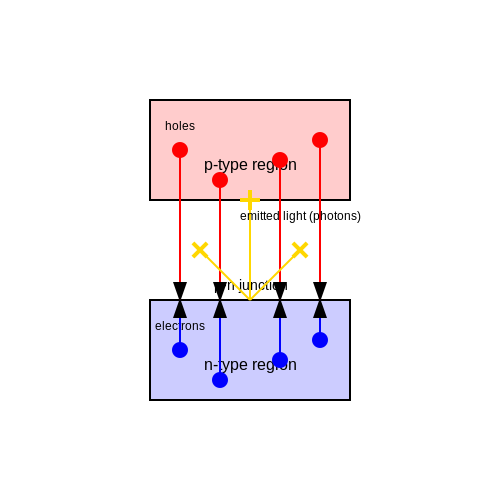
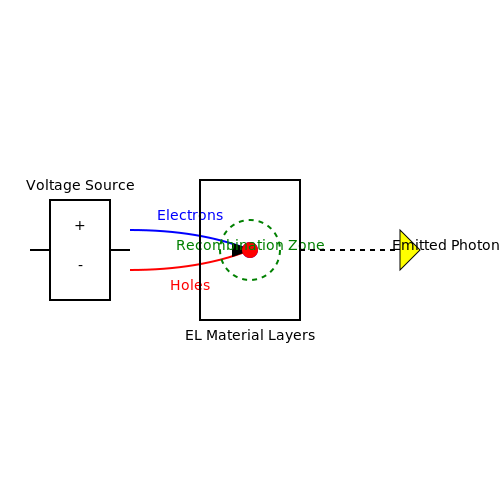
Fluorescent lamps are a widely used lighting technology that operates based on the principles of gas discharge and fluorescence. Understanding the underlying mechanisms of fluorescent lamps is crucial for designing efficient electronic ballasts. ### The Basics of Fluorescent Lamps Fluorescent lamps consist of a glass tube filled with mercury vapor and a small amount of noble gas. The inner surface of the tube is coated with a fluorescent phosphor material. When an electric current passes through the lamp, it ionizes the gas and generates ultraviolet (UV) light. ### Ionization and UV Emission The ionization of the gas causes the mercury vapor to emit UV light, which is invisible to the human eye. This UV light interacts with the phosphor coating on the tube's surface, causing it to fluoresce and emit visible light. The color of the emitted light is determined by the composition of the phosphor material. ### Role of Ballasts in Fluorescent Lamps Ballasts are essential components in fluorescent lamp systems as they regulate the flow of electrical current through the lamp. Traditional magnetic ballasts have been largely replaced by electronic ballasts due to their energy efficiency and improved performance. ### Electronic Ballasts and Energy Efficiency Electronic ballasts operate by converting AC power to high-frequency AC or DC power, resulting in smoother lamp operation and reduced flicker. They also enable dimming and instant start functionality, making them ideal for various applications like commercial lighting and residential spaces. ### Key Features of Electronic Ballasts 1. Improved Power Factor: Electronic ballasts have a higher power factor compared to magnetic ballasts, leading to more efficient power consumption. 2. Dimmability: Electronic ballasts allow for dimming control, offering flexibility in lighting intensity. 3. Flicker-Free Operation: The high-frequency power supplied by electronic ballasts eliminates visible flicker, providing a comfortable lighting experience. ### Real-World Applications Electronic ballasts for fluorescent lamps are widely used in office buildings, schools, hospitals, and industrial settings due to their energy efficiency and control capabilities. They play a crucial role in creating comfortable and productive lighting environments. ---Types of Fluorescent Lamps
Fluorescent lamps come in various types, each with specific characteristics that cater to different needs and applications. Understanding the different types of fluorescent lamps is crucial for selecting the optimal lighting solution for a given environment.1. Linear Fluorescent Lamps
Linear fluorescent lamps are the most common type of fluorescent lamps and are typically used in large spaces such as offices, schools, and commercial buildings. They come in different sizes, including T5, T8, and T12, where the number indicates the diameter of the lamp in eighths of an inch. These lamps produce a uniform light output and are known for their energy efficiency, making them a popular choice for general lighting applications.2. Compact Fluorescent Lamps (CFLs)
Compact fluorescent lamps, or CFLs, are designed to replace traditional incandescent bulbs and are more energy-efficient. They come in various shapes and sizes, including spiral, globe, and reflector styles. CFLs provide excellent light output and can last much longer than incandescent bulbs. CFLs are often used in residential settings, offices, and retail spaces due to their energy-saving capabilities and relatively long lifespan.3. High-Intensity Discharge (HID) Lamps
HID lamps, such as metal halide and high-pressure sodium lamps, are a type of discharge lamp that produces light by passing an electric current through a gas or vapor. These lamps are commonly used in outdoor lighting applications, such as streetlights, sports fields, and parking lots. HID lamps are known for their high efficiency and long lifespan, making them suitable for areas where bright, consistent light is required over extended periods.4. Ultraviolet (UV) Lamps
UV lamps emit ultraviolet light, which is used for various applications, including sterilization, curing, and tanning. These lamps are specially designed to produce UV radiation at specific wavelengths, depending on the intended use. UV lamps find applications in medical settings, water treatment facilities, and industrial processes where the disinfecting or curing properties of UV light are essential. Each type of fluorescent lamp offers unique characteristics and advantages, allowing them to be tailored to specific lighting requirements in diverse environments. Understanding the differences between these types of lamps is crucial for selecting the most suitable option based on factors like energy efficiency, light output, and intended application.1.3 Advantages and Disadvantages
In this section, we will explore the advantages and disadvantages of using electronic ballasts for fluorescent lamps.
Advantages of Electronic Ballasts:
Electronic ballasts offer several benefits over traditional magnetic ballasts:
- Energy Efficiency: Electronic ballasts are more energy-efficient compared to magnetic ballasts, resulting in lower power consumption and reduced operating costs.
- Improved Light Quality: Electronic ballasts provide stable current to the lamp, resulting in flicker-free and instant start-up lighting with better color rendering.
- Dimming Capabilities: Many electronic ballasts are compatible with dimming systems, allowing for adjustable light levels for different settings and moods.
- Compact Size: Electronic ballasts are smaller and lighter than magnetic ballasts, making them ideal for applications where space is limited.
- Extended Lamp Life: Electronic ballasts can extend the life of fluorescent lamps by regulating the current and reducing stress on the lamp electrodes.
Disadvantages of Electronic Ballasts:
Despite their advantages, electronic ballasts also have some limitations:
- Cost: Electronic ballasts are initially more expensive than magnetic ballasts, which can impact the upfront cost of lighting installations.
- Compatibility: Some electronic ballasts may not be compatible with older fluorescent lamps, requiring retrofitting or replacement of existing fixtures.
- EMI Concerns: Electronic ballasts can produce electromagnetic interference (EMI) that may interfere with other electronic devices or sensitive equipment.
- Complexity: The electronics involved in electronic ballasts can make them more complex to troubleshoot and repair in case of malfunctions.
- Startup Voltage: Electronic ballasts may require a higher initial voltage for startup compared to magnetic ballasts, which can impact the overall system design.
2. What is an Electronic Ballast?
2.1 What is an Electronic Ballast?
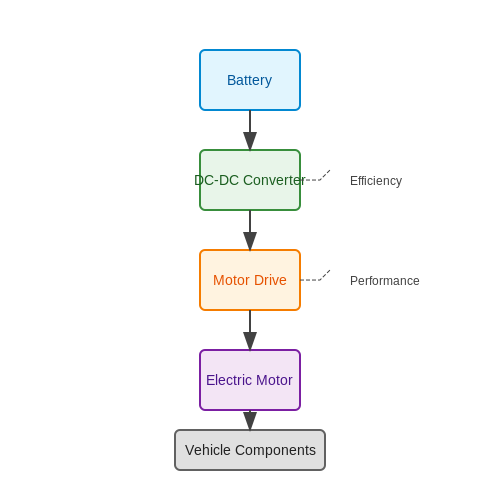
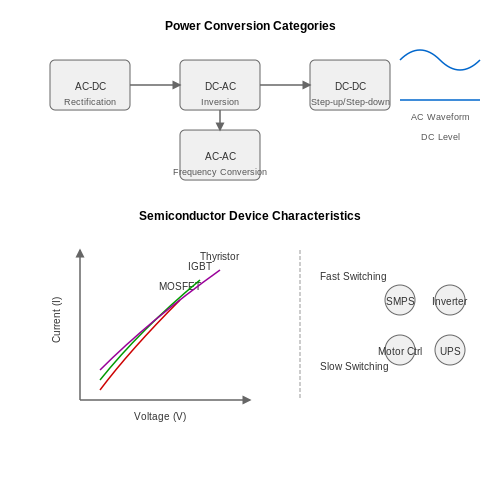
An electronic ballast is a crucial component in the operation of fluorescent lamps, offering numerous advantages over traditional magnetic ballasts. Unlike magnetic ballasts, electronic ballasts use solid-state electronic circuitry to provide the necessary voltage and current to start and operate fluorescent lamps efficiently. ### Working Principle Electronic ballasts utilize high-frequency switching technology to regulate the electrical current flowing through the lamp. This technology allows for a more stable output, resulting in improved lamp performance and energy efficiency. Through precise control of the lamp current, electronic ballasts help optimize light output while minimizing flicker and noise. ### Key Components 1. Rectifier: Converts incoming AC power into DC power. 2. Inverter: Converts DC power into high-frequency AC power. 3. Output Control Electronics: Regulate the lamp current and voltage for optimal performance. ### Advantages of Electronic Ballasts - Energy Efficiency: Electronic ballasts are more efficient than magnetic ballasts, leading to energy savings. - Improved Light Quality: The high-frequency operation reduces flicker, providing a stable and pleasant lighting experience. - Compact Design: Electronic ballasts are typically smaller and lighter than magnetic ballasts. - Extended Lamp Life: The precise control of current helps prolong the lifespan of fluorescent lamps. ### Applications Electronic ballasts are widely used in various settings, including commercial spaces, residential buildings, and industrial facilities. They are ideal for applications where high-quality lighting, energy efficiency, and long lamp life are essential.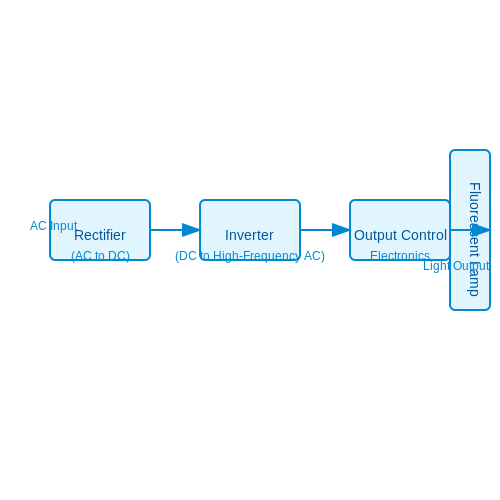
2.2 Comparison with Magnetic Ballasts
In the realm of fluorescent lighting control, the evolution from traditional magnetic ballasts to electronic ballasts represents a significant advancement in performance, efficiency, and versatility. Let's delve into a comparative analysis between electronic ballasts and their magnetic counterparts. When considering electronic ballasts, one paramount advantage lies in their ability to operate at higher frequencies than magnetic ballasts. This characteristic facilitates improved lamp efficacy, reduced flicker, and enhanced color rendering. Electronic ballasts achieve this by employing solid-state components to regulate the lamp current and voltage with higher precision. In contrast, magnetic ballasts operate on the principle of electromagnetic induction to provide the necessary current and voltage for the fluorescent lamp operation. While effective, magnetic ballasts are limited by their bulkiness, lower efficiency due to power losses, and their audible humming noise during operation. Additionally, magnetic ballasts typically operate at lower frequencies, leading to perceptible flickering in fluorescent lamps. From a practical standpoint, electronic ballasts offer several advantages over magnetic ballasts in modern lighting applications. Electronic ballasts are more compact, lightweight, and energy-efficient, leading to reduced power consumption and heat dissipation. Moreover, electronic ballasts enable dimming capabilities and better integration with smart lighting systems for enhanced control and energy savings. In terms of real-world applications, electronic ballasts are extensively used in various settings where high-quality lighting and energy efficiency are paramount. These include commercial buildings, educational institutions, healthcare facilities, and residential environments. The transition from magnetic to electronic ballasts in these settings has not only improved lighting quality but also contributed to significant energy savings and reduced environmental impact. Considering the technical aspects, the transition to electronic ballasts signifies a shift towards advanced control mechanisms that enhance lamp performance and longevity. The precise regulation of lamp parameters by electronic ballasts results in extended lamp life, reduced maintenance costs, and improved overall system reliability. In conclusion, the comparison between electronic and magnetic ballasts highlights the technological advancements that electronic ballasts bring to the realm of fluorescent lighting control. The superior efficiency, performance, and adaptability of electronic ballasts make them the preferred choice for modern lighting systems seeking optimal performance and energy savings. ---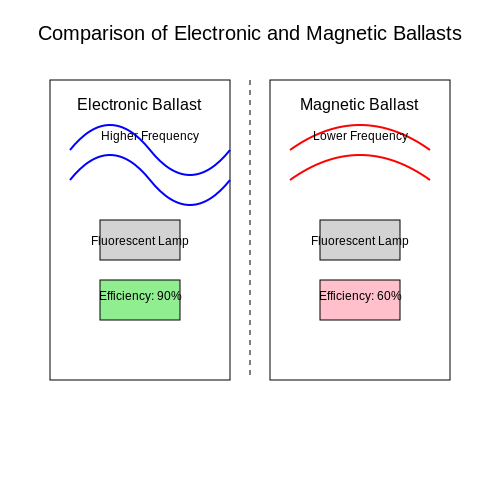
Applications in Lighting
Electronic ballasts for fluorescent lamps have found widespread applications in various lighting scenarios due to their efficiency, controllability, and longevity. Let's explore some key applications where these ballasts play a crucial role:1. Commercial Buildings
In commercial establishments like offices, malls, and retail spaces, fluorescent lighting is a popular choice due to its energy efficiency and economical operation. Electronic ballasts are commonly used in these settings to regulate the current through the fluorescent tubes, ensuring steady illumination while minimizing energy consumption.2. Industrial Facilities
Industrial environments often require robust and reliable lighting solutions that can withstand harsh conditions. Electronic ballasts provide a stable power supply to fluorescent lamps, making them ideal for use in warehouses, factories, and manufacturing plants where consistent lighting is essential for safety and productivity.3. Residential Settings
While residential lighting has increasingly shifted towards LED technology, fluorescent lamps are still prevalent in certain household applications. Electronic ballasts are used in residential settings such as kitchens, garages, and utility rooms where fluorescent lighting fixtures are installed, providing efficient and flicker-free operation.4. Educational Institutions
Schools, colleges, and universities often rely on fluorescent lighting for their classrooms, laboratories, and common areas. Electronic ballasts ensure uniform lighting output across educational facilities, creating conducive environments for learning and knowledge-sharing.5. Healthcare Facilities
In healthcare settings such as hospitals, clinics, and medical offices, lighting plays a critical role in supporting patient care and staff operations. Electronic ballasts help maintain consistent illumination levels in healthcare facilities, contributing to a comfortable and well-lit environment that promotes healing and well-being. By understanding the diverse applications of electronic ballasts in lighting, engineers and lighting designers can make informed decisions when choosing lighting solutions for various settings, balancing energy efficiency, performance, and user comfort.3. Circuit Topologies
3.1 Circuit Topologies
In the realm of electronic ballasts for fluorescent lamps, a crucial aspect is the design of the circuit topologies. These circuit arrangements play a pivotal role in ensuring efficient operation and control of the lamp. To comprehend the diverse circuit topologies employed in electronic ballasts, let's delve into some key configurations:1. Series Inverter Topology
The series inverter topology is a fundamental design where the fluorescent lamp is placed in series with the inverter circuit. This configuration allows for independent control of both lamp current and voltage. By regulating the frequency and duty cycle of the inverter, precise control over the lamp's operation can be achieved.2. Parallel Inverter Topology
Contrary to the series inverter, the parallel inverter topology involves connecting the fluorescent lamp in parallel with the inverter circuit. This arrangement facilitates the efficient operation of multiple lamps simultaneously. By controlling the voltage across the lamp, the parallel inverter ensures stable and flicker-free lighting output.3. Resonant Inverter Topology
The resonant inverter topology utilizes resonant circuits to achieve efficient lamp operation. By leveraging the resonance phenomenon, this topology minimizes power losses and enhances overall system efficiency. The resonant inverter is particularly well-suited for high-power applications where energy conservation is paramount.4. Half-Bridge Topology
In the half-bridge topology, a configuration involving two switching devices is employed to drive the fluorescent lamp. This topology offers improved efficiency and power handling capabilities compared to single-switch designs. By utilizing the half-bridge topology, higher power output and better control over lamp parameters can be achieved. By understanding and utilizing these diverse circuit topologies in electronic ballasts for fluorescent lamps, engineers and researchers can tailor their designs to meet specific performance requirements. Each of these configurations offers distinct advantages and trade-offs, paving the way for innovative advancements in lighting technology.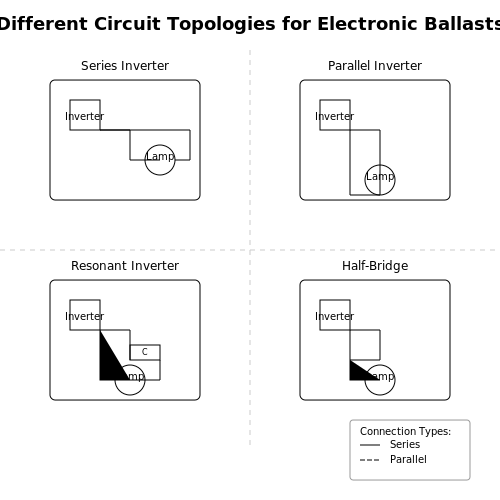
3.2 Control Mechanisms
In electronic ballasts for fluorescent lamps, control mechanisms play a critical role in ensuring efficient operation and regulation of the lamp's performance. These mechanisms are designed to manage the flow of current, stabilize voltage levels, control frequency, and provide protection features. Let's delve into the intricate control mechanisms employed in electronic ballasts. ##Current Regulation
Electronic ballasts utilize advanced circuitry to regulate the current supplied to the fluorescent lamp. The control mechanism adjusts the current flow to ensure optimal operation of the lamp, balancing efficiency with longevity. By precisely controlling the current, the ballast can maximize the lighting output while minimizing power consumption. ##Power Factor Correction
Power factor correction is a crucial aspect of electronic ballasts, especially in commercial and industrial settings. These ballasts incorporate control mechanisms to improve power factor by adjusting the phase relationship between voltage and current. By enhancing power factor, electronic ballasts can reduce energy wastage and improve overall system efficiency. ##Lamp Ignition Control
Control mechanisms in electronic ballasts govern the ignition process of fluorescent lamps. These mechanisms ensure a reliable and safe startup of the lamp by providing the necessary voltage and current conditions for ignition. By controlling the ignition sequence, electronic ballasts can extend the lifespan of the lamp and prevent flickering or inconsistent operation. ##Dimming and Light Output Control
Advanced electronic ballasts offer dimming capabilities and precise control over the light output of fluorescent lamps. Control mechanisms enable users to adjust the brightness level of the lamp according to specific requirements, providing flexibility in lighting applications. From dimming for energy conservation to enhancing ambiance, these control features enhance the versatility of electronic ballasts. ##Feedback and Protection Features
Electronic ballasts incorporate sophisticated feedback and protection mechanisms to ensure reliable and safe operation. These control features monitor various parameters such as temperature, voltage, and current levels, providing real-time feedback to the system. In case of abnormal conditions or faults, protection mechanisms can shut down the ballast to prevent damage, enhancing the durability of the lighting system. In summary, the control mechanisms in electronic ballasts for fluorescent lamps form a complex and crucial component that enables efficient, reliable, and versatile lighting solutions. By incorporating advanced control features, electronic ballasts can optimize performance, improve energy efficiency, and enhance user experience in diverse lighting applications.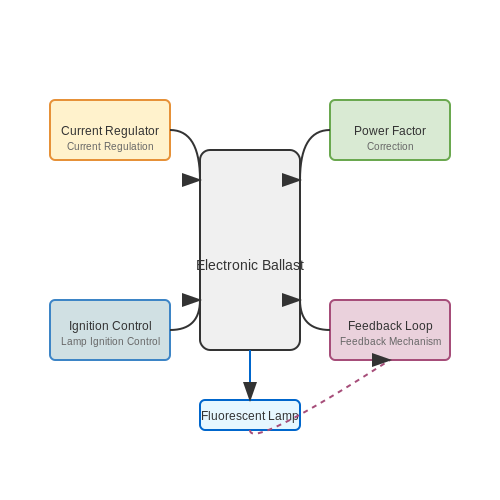
3.3 Efficiency and Performance Parameters
In electronic ballasts for fluorescent lamps, efficiency and performance parameters play a crucial role in determining the overall effectiveness of the system. Understanding these parameters is essential for optimizing the operation of fluorescent lighting systems.
Efficiency Metrics
Efficiency in electronic ballasts is typically defined as the ratio of output power to input power. It provides insights into how effectively the ballast converts input electrical power into useful output for driving the fluorescent lamp.
Efficiency plays a significant role in determining the overall energy consumption of the lighting system. Higher efficiency ballasts result in lower energy consumption and reduced operating costs.
Power Factor (PF)
The power factor of an electronic ballast is a critical parameter that indicates how effectively electrical power is being utilized. It is the ratio of real power (measured in watts) to apparent power (measured in volt-amperes).
Power factor values closer to 1 indicate efficient power utilization, minimizing reactive power losses and reducing overall electricity consumption.
Total Harmonic Distortion (THD)
Total harmonic distortion is a measure of the distortion present in the current waveform of an electronic ballast. Excessive harmonics can lead to inefficiencies, increased heating, and interference with other electrical equipment.
THD is typically expressed as a percentage and indicates the level of harmonic content in the current waveform compared to the fundamental frequency.
Ballast Factor
The ballast factor of an electronic ballast represents how much light output the ballast can deliver compared to a reference ballast driving the same type of lamp. A ballast factor of 1.0 indicates that the ballast delivers the standard light output expected for the lamp.
Understanding the ballast factor is essential for achieving the desired lighting levels in a space while ensuring efficient energy usage.
Optimizing efficiency, power factor, total harmonic distortion, and ballast factor are key considerations in designing electronic ballasts for fluorescent lamps to achieve high performance and energy savings.
4. Identifying Faults
4. Identifying Faults
In the realm of electronic ballasts for fluorescent lamps, identifying faults is crucial for ensuring optimal performance and longevity of the lighting system. Let's delve into the intricacies of fault identification in electronic ballasts.
Common Faults in Electronic Ballasts
Electronic ballasts, like any other electronic device, can experience faults that may impact their functionality. Here are some common faults that are often encountered:
- Lamp Flickering: This fault is characterized by the lamp flickering intermittently, which can be caused by issues in the ballast circuitry.
- Abnormal Lamp Brightness: If the lamp appears dimmer or brighter than usual, there might be a fault in the ballast affecting the regulation of current.
- Buzzing Noise: Unusual buzzing or humming noises coming from the fixture could indicate a fault in the ballast components.
Diagnostic Techniques for Fault Identification
To effectively identify faults in electronic ballasts, engineers and technicians rely on various diagnostic techniques, including:
- Visual Inspection: Examining the ballast and related components for physical damage or burn marks can often reveal visible signs of faults.
- Electrical Testing: Conducting electrical tests using multimeters or oscilloscopes to analyze voltages, currents, and waveforms can pinpoint faulty components.
- Thermal Imaging: Utilizing thermal imaging cameras to detect overheating components within the ballast can identify potential faults.
Case Study: Real-World Fault Identification
In a recent study conducted by a team of researchers at a leading lighting technology company, faulty electronic ballasts were analyzed using advanced diagnostic tools. Through a combination of electrical testing and thermal imaging, the researchers successfully identified the root causes of faults, leading to targeted repairs and improved ballast performance.
This case study highlights the importance of employing sophisticated diagnostic techniques for effective fault identification in electronic ballasts.
4.2 Testing Techniques
In the realm of electronic ballasts for fluorescent lamps, testing techniques play a crucial role in ensuring optimal performance and efficiency. The evaluation of these components involves a variety of methods that help in assessing their functionality and reliability.
Measurement Instruments
One fundamental aspect of testing electronic ballasts is the use of precise measurement instruments. Instruments such as oscilloscopes, multimeters, power analyzers, and spectrum analyzers are commonly employed to analyze different electrical parameters like voltage, current, power factor, and harmonic distortion.
Parameter Characterization
Characterizing the key parameters of electronic ballasts is essential for understanding their behavior under various operating conditions. This involves analyzing factors such as input voltage range, output frequency, total harmonic distortion, power factor, efficiency, and dimming capabilities.
Environmental Testing
Environmental testing is also critical for electronic ballasts, as they are often exposed to varying temperature and humidity conditions. Tests like thermal cycling, damp heat, and vibration testing help ensure the reliability and durability of ballasts in real-world applications.
Pulse Testing
Pulse testing involves subjecting electronic ballasts to rapid voltage or current changes to simulate transient conditions. This type of testing is crucial for evaluating the response of ballasts to sudden load variations, ensuring stability and protection against overcurrent situations.
EMI/EMC Compliance Testing
Electromagnetic interference (EMI) and electromagnetic compatibility (EMC) testing are vital to verify that electronic ballasts do not interfere with other electronic devices and comply with regulatory standards. Conducted and radiated emissions tests are typically conducted to ensure compliance.
Failure Analysis
Lastly, failure analysis testing is performed to identify potential weak points or failure modes in electronic ballasts. Techniques such as thermal imaging, electrical signature analysis, and accelerated aging tests help in detecting potential issues before they cause operational failures.
4.3 Replacement Procedures
In this section, we will discuss the step-by-step process for replacing electronic ballasts in fluorescent lamps. It is important to follow proper procedures to ensure safety and efficiency in the replacement process. ####1. Turn Off Power Supply:
Before starting the replacement, make sure to switch off the power supply to the fluorescent lamp fixture. This is crucial to avoid any electrical hazards during the replacement procedure. ####2. Remove the Old Ballast:
Carefully disconnect the wires connecting the old electronic ballast to the lamp socket. Remove any mounting screws or clips securing the ballast to the fixture. Gently take out the old ballast from the fixture. ####3. Identify Wiring Connections:
Take note of the wiring connections on the old ballast before completely removing it. This will help in correctly installing the new electronic ballast without any errors. ####4. Install the New Ballast:
Position the new electronic ballast in the fixture and secure it in place using the mounting screws or clips. Connect the wires from the fixture to the corresponding terminals on the new ballast following the wiring diagram provided by the manufacturer. ####5. Test the Installation:
Once the new ballast is securely installed and wired correctly, turn on the power supply to the fixture and test the fluorescent lamp. Ensure that the lamp lights up properly and there are no flickering or dimming issues. ####6. Secure and Close:
After confirming that the replacement is successful, secure any loose connections, close the fixture cover, and secure it with the screws. Make sure all components are properly aligned and the fixture is safe to use. Following these replacement procedures for electronic ballasts in fluorescent lamps will help maintain the efficiency and longevity of the lighting system. Additionally, it ensures safety and proper functioning of the lamp for extended periods.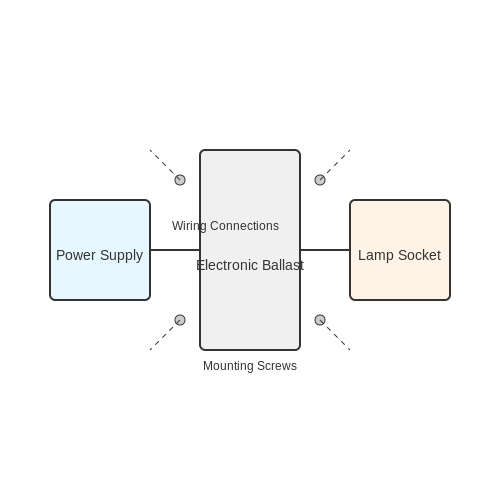
5. Smart Ballasts and IoT
5.1 Smart Ballasts and IoT
In the realm of lighting technology, the integration of smart ballasts with Internet of Things (IoT) capabilities presents a significant leap forward in terms of energy efficiency, control, and monitoring. Smart ballasts leverage advanced electronics to enhance the performance of fluorescent lamps while enabling seamless connectivity for intelligent lighting systems. ## Smart Ballasts Revolutionizing Fluorescent Lighting Smart ballasts represent a paradigm shift in the way fluorescent lamps are controlled and managed. By incorporating sophisticated sensors, microcontrollers, and communication interfaces, these ballasts offer a range of benefits that were previously unattainable with traditional fluorescent lighting systems. ### Enhanced Energy Efficiency One of the key advantages of smart ballasts is the ability to dynamically adjust the power delivered to fluorescent lamps based on real-time lighting needs. Advanced control algorithms optimize energy consumption by dimming or brightening the lamps as required, resulting in significant energy savings without compromising luminosity. ### IoT Integration for Remote Monitoring and Control The integration of IoT capabilities enables smart ballasts to connect to networked systems, allowing for remote monitoring and control of lighting fixtures. This connectivity enables facility managers to adjust lighting levels, monitor energy usage, and diagnose lamp health from a centralized platform, leading to improved operational efficiency. ### Adaptive Lighting Control for Customized Environments Smart ballasts offer the flexibility to tailor lighting settings to specific applications or user preferences. By incorporating features such as daylight harvesting, occupancy sensing, and color temperature tuning, these ballasts can create custom lighting scenes that enhance comfort, productivity, and well-being in various settings, from offices to healthcare facilities. ## Real-Time Data Analytics and Predictive Maintenance The intelligence embedded in smart ballasts enables the collection of real-time data on lamp performance, energy consumption, and environmental conditions. By leveraging this data, predictive maintenance algorithms can identify potential issues proactively, allowing for timely interventions to prevent lamp failures and optimize maintenance schedules. ### Historical Context: Evolution of Smart Lighting Solutions The development of smart ballasts is part of a broader trend towards intelligent lighting solutions that leverage digital technology to transform traditional lighting systems into adaptive, energy-efficient, and user-centric environments. This evolution reflects the growing emphasis on sustainability, user experience, and data-driven decision-making in the field of lighting design and control. ### Practical Applications in Commercial and Industrial Settings The adoption of smart ballasts in commercial and industrial settings holds potential for significant energy savings, operational efficiencies, and enhanced user experiences. From large office complexes to manufacturing facilities, the integration of smart ballasts with IoT infrastructure can revolutionize how lighting systems are managed, leading to tangible benefits for both users and building operators. ## Conclusion Smart ballasts, empowered by IoT connectivity and advanced electronics, represent a transformative approach to fluorescent lighting control and management. By offering enhanced energy efficiency, remote monitoring capabilities, adaptive lighting control, and predictive maintenance features, these ballasts are reshaping the landscape of intelligent lighting systems, paving the way for a more sustainable and responsive built environment.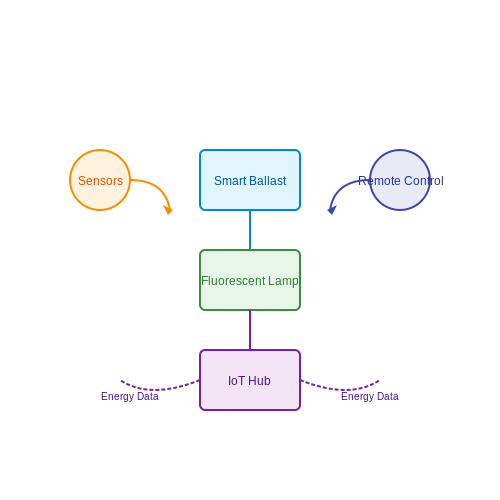
5.2 Energy Efficiency Regulations
In the realm of electronic ballasts for fluorescent lamps, energy efficiency regulations play a crucial role in shaping the design and implementation of these lighting systems. Understanding the regulations governing energy efficiency is paramount for engineers, physicists, researchers, and graduate students working in this field. Let's delve into the key aspects of energy efficiency regulations that impact electronic ballasts for fluorescent lamps.
Energy Star Program
The Energy Star program established by the US Environmental Protection Agency (EPA) and the Department of Energy (DOE) sets energy efficiency standards for a wide range of products, including lighting fixtures and ballasts. Ballasts that meet the Energy Star requirements are deemed to be highly efficient, ensuring energy savings and environmental benefits.
Minimum Energy Performance Standards (MEPS)
The Minimum Energy Performance Standards (MEPS) are regulatory standards that define the minimum level of energy efficiency that a product must meet before being sold in a particular market. These standards drive innovation in electronic ballast design, pushing manufacturers to create more efficient solutions that comply with stringent energy requirements.
Energy Efficiency Ratio (EER)
The Energy Efficiency Ratio (EER) is a metric commonly used to evaluate the energy efficiency of electronic ballasts for fluorescent lamps. It is defined as the ratio of the light output (measured in lumens) to the power input (measured in watts). Higher EER values indicate greater energy efficiency, with modern electronic ballasts often achieving impressive EER ratings through advanced design and control algorithms.
Global Harmonization
With the aim of creating a unified approach to energy efficiency regulations, many countries are moving towards global harmonization of standards for electronic ballasts and lighting systems. This harmonization simplifies the compliance process for manufacturers operating in multiple markets and promotes the adoption of energy-efficient technologies worldwide.
By adhering to energy efficiency regulations and striving to exceed minimum standards, the field of electronic ballasts for fluorescent lamps continues to evolve towards greater sustainability and reduced energy consumption.
Future Trends in Ballast Design
The future of electronic ballasts for fluorescent lamps is marked by several advancements driven by the quest for greater energy efficiency, improved performance, and enhanced sustainability. Here, we explore some key trends shaping the evolution of ballast design: ###Digital Ballast Technologies
Digital ballasts represent a significant shift in ballast design, offering precise control over lamp operation through digital circuitry. These ballasts can adjust parameters dynamically, leading to improved light quality, energy efficiency, and extended lamp life. ###Lamp and Ballast Integration
An emerging trend involves the integration of lamps and ballasts into a single unit. This approach not only simplifies installation but also enables better communication between the lamp and the ballast, optimizing performance and providing diagnostic capabilities for maintenance. ###Power Factor Correction
Future ballasts are likely to incorporate advanced power factor correction techniques to enhance energy efficiency and comply with stringent energy regulations. By maximizing power factor, these ballasts reduce reactive power, minimizing energy wastage. ###Wireless Connectivity
The integration of wireless communication technologies into ballasts enables remote monitoring and control, facilitating smart lighting systems. This connectivity allows for centralized management of lighting networks, leading to enhanced energy savings and customizable lighting scenarios. ###Advanced Dimming Capabilities
Next-generation ballasts are expected to offer advanced dimming functionalities, allowing users to adjust light intensity based on specific requirements. This flexibility not only enhances user comfort but also contributes to energy savings by optimizing light output as needed. ###IoT Integration
The Internet of Things (IoT) integration in ballast design opens up possibilities for intelligent lighting systems. By connecting ballasts to IoT platforms, users can access real-time data, automate lighting schedules, and implement energy-efficient lighting strategies tailored to their specific needs. ###Eco-Friendly Materials and Manufacturing
In line with sustainable practices, future ballasts are likely to prioritize the use of eco-friendly materials and adopt energy-efficient manufacturing processes. By reducing environmental impact throughout the product lifecycle, these ballasts contribute to a greener and more sustainable lighting industry. The evolution of electronic ballasts for fluorescent lamps is driven by a convergence of technological innovations, environmental considerations, and user demands. By embracing these future trends in ballast design, the industry aims to create lighting solutions that are not only efficient and reliable but also environmentally conscious and user-centric.6. Recommended Textbooks
6.1 Recommended Textbooks
- Practical Electronics for Inventors — This book by Paul Scherz and Simon Monk offers a comprehensive overview of electronic components and circuit design, including detailed insights into electronic ballasts and their application in fluorescent lighting.
- Electrical Engineering Reference Manual — A valuable resource by Raymond B. Yarbrough that covers the principles of electrical engineering, providing foundational knowledge applicable to the study of ballasts used in lighting systems.
- Power Electronics: Devices, Circuits, and Applications — Written by Muhammad H. Rashid, this book explores power electronics extensively, offering detailed discussions and examples on the operation of electronic ballasts in power supply circuits.
- The Art of Electronics — By Paul Horowitz and Winfield Hill, this classic reference dives into both analog and digital electronics, with sections that illustrate the practical considerations in designing circuits with ballasts.
- Electrical Properties of Materials — Authored by L. Solymar, this textbook provides an intrinsic look at material properties, aiding the understanding of how materials interact in the construction and operation of electronic ballasts.
- Introduction to Quantitative Research in Mechatronics Applications — Rich in examples and mechatronic applications, this text is ideal for those seeking empirical understanding and design methodologies related to electronic components like ballasts.
- Electric Circuits — Widely used in academic settings, this book by James W. Nilsson and Susan Riedel covers fundamental circuit theory, providing insights into the behavior of circuits that include electronic ballasts.
6.2 Research Articles
- IEEE Xplore: Electronic Ballasts for Fluorescent Lamps — This research paper details the design principles and efficiency improvements in electronic ballasts, presenting valuable insights for engineers and designers.
- ScienceDirect: A Review on Electronic Ballasts for Fluorescent Lamps — An in-depth review highlighting the technological advancements in electronic ballasts, discussing both theoretical aspects and practical applications.
- ResearchGate: Modeling and Control of Electronic Ballasts — This article presents modeling techniques and control strategies used in electronic ballasts for improved performance.
- SAGE Journals: Dynamics of Fluorescent Lamp Ballasts — A technical paper discussing the dynamic characteristics of fluorescent lamp ballasts, essential for those studying electronic component behaviors.
- ScienceDirect: Technical Performance and Future Perspectives — Focuses on the design innovations and future trends in electronic ballasts, offering insights for the next generation of lighting systems.
- IEEE Xplore: A High-Frequency Ballast for Fluorescent Lamps — Examines the efficiency improvements and electromagnetic compatibility in high-frequency electronic ballasts.
- SpringerLink: Power Electronics for Fluorescent Lamps — Explores power electronics applications in fluorescent lighting, valuable for comprehensive understanding and innovation in ballast technology.
- JSTAGE: Performance Evaluation of Electronic Ballasts — A comparative study analyzing various types of electronic ballasts, offering key performance metrics and guidelines for optimizations.
6.3 Online Resources
- OSRAM Electronic Ballasts — Provides a comprehensive catalog of electronic control gear for fluorescent lamps, including technical specifications and datasheets that help in understanding different ballast technologies.
- Philips Fluorescent Ballasts — Features a range of high-performance electronic ballasts designed for precise control of fluorescent lamps, including energy-efficient models with various features and specifications.
- Electronics Tutorials: Ballasts — Offers a detailed exploration of different ballast types, focusing on the electronic ballasts for fluorescent lighting applications, complete with circuit diagrams and operational insights.
- Advanced Lighting Technologies - Electronic Ballasts — Discusses the innovations in electronic ballast design, highlighting products that offer enhanced energy efficiency and extended lamp life.
- EE Times: Lighting Design Center — Provides insights into lighting system design and engineering, including articles and technical papers on electronic ballasting and system integration.
- ScienceDirect: Electronic Ballast Research — A collection of scholarly articles and research papers focusing on the design, application, and efficiency of electronic ballasts in modern lighting systems.
- Whole Building Design Guide — Provides an overview of fluorescent lamps and ballasts, highlighting the benefits of electronic ballasts for energy savings and improved lighting control in building applications.