
Applied Light Emitting Diodes (LEDs)
1. Basics of LED Technology
1.1 Basics of LED Technology
Light Emitting Diodes (LEDs) represent a groundbreaking technology in modern electronics and optoelectronics. Their significance is rooted in their unique ability to convert electrical energy directly into light while maintaining energy efficiency. This section delves into the fundamental principles governing LED operation, from the semiconductor materials used to their emission mechanisms, aligning these concepts with real-life applications.
The Semiconductor Principle
At the core of LED technology lies the phenomenon of electroluminescence. This process occurs when a semiconductor material, typically gallium arsenide (GaAs) or gallium nitride (GaN), emits light upon the application of an electric current. Semiconductors are materials with electrical conductivity values between conductors and insulators. Their conductive properties can be altered through doping—introducing impurities—creating regions of excess or deficiency of free carriers (electrons and holes).
Structure of an LED
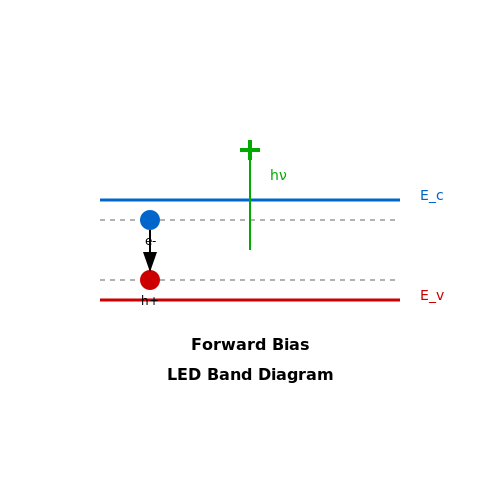
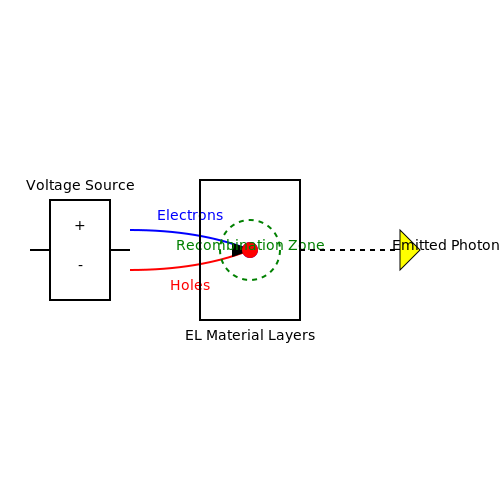
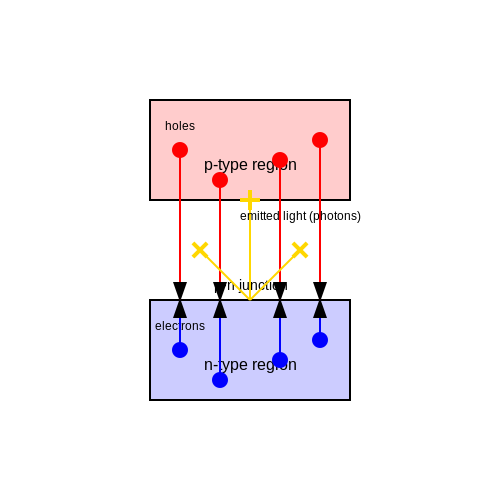
An LED consists of a p-n junction formed by joining p-type and n-type semiconductors. The p-type region has an abundance of holes (positive charge carriers), while the n-type region has many free electrons (negative charge carriers). When a forward bias voltage is applied, electrons from the n-type region recombine with holes in the p-type region, releasing energy in the form of photons. The energy (hence, the wavelength) of the emitted light is determined by the bandgap energy (E_g) of the semiconductor material.
The relationship between the emitted photon wavelength and the semiconductor bandgap energy can be expressed by the equation:
In this equation, \( \lambda \) represents the wavelength of the emitted light, \( h \) is Planck's constant, \( c \) is the speed of light, and \( E_g \) is the bandgap energy of the semiconductor. This equation highlights how the choice of material directly influences the color of light emitted by the LED.
Efficiency and Applications
The efficiency of LEDs has improved significantly since their inception, primarily due to advancements in material science and fabrication techniques. LEDs are now used across various applications, from indicators in consumer electronics to powerful illumination sources in automotive and architectural lighting. The efficacy of LEDs suggests they consume significantly less power compared to incandescent and fluorescent lights, making them a preferred choice for sustainable lighting solutions.
A practical example can be observed in the automotive industry, where LEDs are employed in headlights due to their compact size, low power consumption, and long lifespan. Moreover, their instant on-off capability enhances visibility and safety, showcasing how LED technology can provide practical benefits in real-world scenarios.
The Future of LED Technology
The development of organic LEDs (OLEDs) and quantum dot LEDs (QLEDs) represents the next frontier in lighting technology, promising to provide even greater efficiencies and a broader color gamuts. OLEDs, comprised of organic compounds, allow for flexible, more efficient displays increasingly used in smartphones and televisions. Understanding the principles of conventional LEDs is essential for grasping the advancements and opportunities these emerging technologies present.
In conclusion, the basic principles of LED technology form a comprehensive foundation that underpins the advancements in lighting and display technologies. The combination of semiconductor physics with practical applications illustrates the revolutionary nature of LEDs in contemporary society.
1.2 LED Construction and Materials
The construction and materials used in Light Emitting Diodes (LEDs) are pivotal to their operation, efficiency, and application. Understanding these foundational components offers insights into how LEDs function and their capabilities in various environments.
At the core of an LED is a semiconductor material that exhibits electroluminescence—essentially the ability to emit light when an electric current passes through it. The choice of materials and the structure of the semiconductor layer greatly influence the LED's performance, including its emitted wavelength, brightness, and power consumption. We will delve into the essential layers and compounds that constitute an LED and their relevance in practical applications.
The Basic Structure of an LED
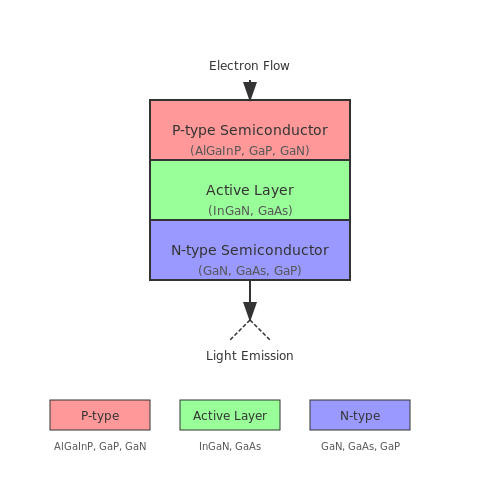
An LED typically comprises several layers, primarily involving p-type and n-type semiconductor materials:
- P-type Semiconductor: Formed by doping a semiconductor (usually gallium arsenide, GaAs) with elements such as aluminum or indium. This layer contains an abundance of holes (positive charge carriers).
- N-type Semiconductor: Obtained by doping with elements such as phosphorus or arsenic, this layer acquires free electrons (negative charge carriers).
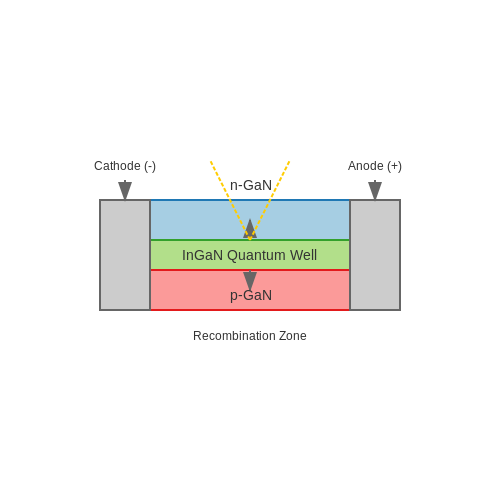
- Active Layer: Sandwiched between the n-type and p-type layers, the active layer is where electron-hole recombination occurs, resulting in photon emission. The composition of this layer is crucial in determining the wavelength of the emitted light.
The typical structure can be visualized as follows:
Materials Used in LEDs
The materials used in the construction of LEDs directly impact their light-emitting characteristics:
- Gallium Nitride (GaN): Widely used for blue and white LEDs, GaN is known for its high efficiency and ability to operate at high temperatures.
- Gallium Phosphide (GaP): This material is popular in green and red LEDs, offering excellent luminescence.
- Indium Gallium Nitride (InGaN): A versatile compound that works well for a range of wavelengths; a combination of indium and gallium nitride is crucial for achieving high efficiency in blue and ultraviolet LEDs.
- Aluminum Gallium Indium Phosphide (AlGaInP): Often used for red, yellow, and orange LEDs, AlGaInP enables efficient light emission in visible spectrums.
Beyond just material choice, the advanced techniques for creating heterostructures play a significant role. Heterostructures—layered semiconductor materials with different band gaps—allow for enhanced carrier confinement and improved efficiency. This technology has been instrumental in achieving higher performance in modern LED applications.
Real-World Applications
The sophisticated construction of LEDs enables a multitude of applications across various domains:
- General Lighting: LEDs are increasingly replacing incandescent and fluorescent lights due to their energy efficiency and longevity.
- Displays: From televisions to smartphones, LEDs are at the core of modern display technologies, providing vibrant and energy-efficient screens.
- Automotive Lighting: LEDs offer enhanced visibility and longevity in automotive applications, making them a preferred choice for headlights and indicators.
- Healthcare: LEDs are utilized in medical devices, particularly in phototherapy, due to their tunable wavelengths and low heat emission.
In conclusion, understanding the construction and materials that comprise LEDs is crucial for engineers and researchers aiming to optimize their performance in various applications. As technologies advance, continued innovations in these materials and structures will further enhance the efficiency, longevity, and versatility of LED technology.
1.3 Operation Principles of LEDs
In understanding the operation principles of Light Emitting Diodes (LEDs), it's crucial to explore the underlying physical mechanisms that enable their function. At their core, LEDs are semiconductor devices that emit light when an electric current passes through them. The fundamental operation of an LED relies on the principles of electroluminescence, a phenomenon that occurs in materials when they emit light due to the recombination of charge carriers. Electrons and holes are the two main charge carriers in semiconductors. When an electrical bias is applied to the LED, electrons from the n-type region (negatively doped with elements providing extra electrons) are injected into the p-type region (positively doped, with holes). This gap is known as the depletion region, and the movement of electrons into this area is accompanied by the recombination of electrons and holes.The Energy Band Model
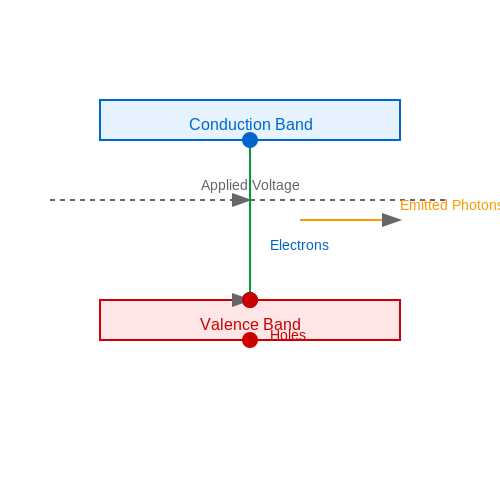
To explain this process in detail, we can utilize the energy band model of semiconductors. In a typical semiconductor material, the energy levels of electrons are organized into bands: the valence band (filled with electrons) and the conduction band (where electrons are free to move). The energy difference between these two bands is called the bandgap, denoted as \( E_g \). When electrons are injected from the conduction band of the n-type region into the conduction band of the p-type region and subsequently recombine with holes, they transition from a higher energy state to a lower energy state, releasing energy in the form of a photon. The energy \( E \) of this emitted photon is directly related to the bandgap energy:Types of LED Structures
The design of LEDs can significantly affect their efficiency and light output. While traditional LEDs are sometimes built using simple p-n junctions, many modern LEDs utilize multiple quantum wells or heterostructures to improve performance. - Multiple Quantum Wells (MQW): This structure includes alternating layers of p-type and n-type semiconductors, creating potential wells where electrons can be confined. This confinement increases the probability of electron-hole recombination, leading to enhanced light emission. - Heterojunction LEDs: Utilizing different semiconductor materials in a single LED can reduce defects, improve injection efficiency, and expand light emission wavelengths. These structures can capitalize on the unique properties of various materials to produce lasers across a wider range of wavelengths.Temperature Effects and Efficiency
The efficiency of LEDs is also affected by temperature. As the LED heats up, the bandgap energy decreases, which can lead to a shift in the emitted light's wavelength. Additionally, increased temperature can lead to enhanced carrier recombination in non-radiative processes, decreasing overall light output. To mitigate these effects, thermal management strategies are paramount in LED design and application, including heat sinks and materials with good thermal conductivity.Real-World Applications
LEDs have found their way into numerous applications beyond simple illumination. Their efficiency and longevity make them suitable for: - Display technology: Incorporated in screens for televisions, smartphones, and advertising displays. - Automotive lighting: Employed in brake lights and indicators due to their bright, fast response times. - Medical applications: Used in phototherapy and surgical lighting. - Architectural lighting: Implementation in decorative and functional architectural settings. In conclusion, the operation principles behind LEDs encompass a detailed interplay of semiconductor physics, material science, and engineering design. By leveraging electroluminescence and innovative architectures, engineers and researchers can continue to improve the efficacy and application scope of LEDs in the modern world.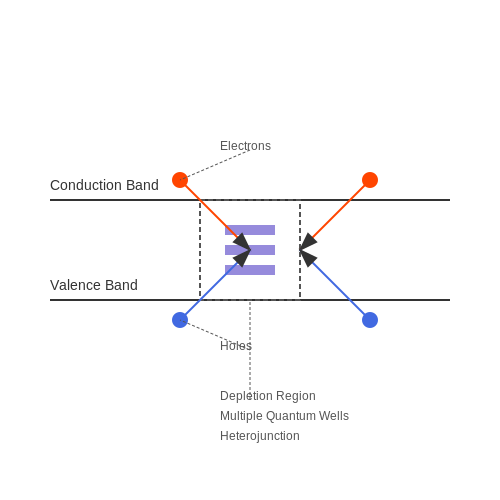
2. Standard LEDs
2.1 Standard LEDs
Light Emitting Diodes (LEDs) represent a transformative technology within electronics, acting not only as efficient lighting solutions but also as crucial components in displays, indicators, and communication systems. This section will focus on Standard LEDs, exploring their operational principles, materials, and practical applications.
Fundamentals of Standard LEDs
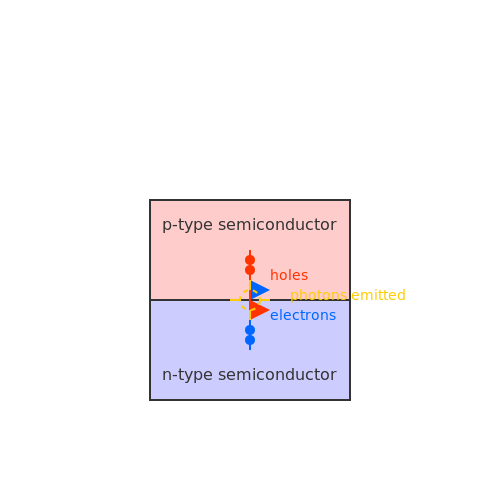
At the core of LED technology lies the principle of electroluminescence, where materials emit light in response to an electric current. Standard LEDs are typically composed of a semiconductor material, often a junction of p-type and n-type semiconductors. Through the process of recombination, electrons from the n-type region fill holes in the p-type region, releasing energy in the form of photons.
Working Mechanism
The essence of LED operation can be described mathematically through its current-voltage relationship. The voltage across a diode can be expressed with the Shockley diode equation:
Where:
- I = diode current (A)
- I_s = reverse saturation current (A)
- q = charge of an electron (1.602 x 10⁻¹⁹ C)
- V = applied voltage (V)
- k = Boltzmann's constant (1.38 x 10⁻²³ J/K)
- T = absolute temperature (K)
This equation illustrates that the LED current is exponentially dependent on the applied voltage, a foundational concept that dictates the behavior of these devices in circuits. The photonic emissions from the recombination process can vary in wavelength depending on the bandgap energy of the semiconductor material used, thus allowing for the generation of various colors of light.
Materials and Color Output
The choice of semiconductor materials greatly influences the performance and color of the LED. Common materials include:
- Gallium Arsenide (GaAs) for infrared LEDs
- Gallium Phosphide (GaP) for green and yellow LEDs
- Indium Gallium Nitride (InGaN) for blue and white LEDs
The efficiency and spectrum of the emitted light also depend on the doping levels and the physical structure of the diode. An LED's efficiency is often measured in terms of its luminous efficacy, defined as the total luminous flux emitted (in lumens) per watt of electrical power consumed.
Application Domains
Standard LEDs are ubiquitous in modern technology, with applications ranging from simple indicator lights to complex display systems. Their advantages include:
- Energy efficiency: LEDs consume significantly less power than traditional incandescent bulbs.
- Longevity: The lifespan of LEDs can exceed 25,000 hours, substantially reducing maintenance and replacement costs.
- Compact size: Their small footprint allows for versatile design in various devices.
Recent advancements in LED technology have also paved the way for innovations in smart lighting systems, automotive diagnostics, and agriculture, where controlled lighting spectrums can enhance plant growth and yield.
Conclusion
Standard LEDs continue to evolve, integrating new materials and structures that enhance their efficiency and functionality. As researchers and engineers further explore the capabilities of LEDs, the potential for breakthroughs in diverse fields only expands.
2.2 High Power LEDs
In recent years, High Power LEDs have emerged as a transformative technology in various applications, from solid-state lighting to advanced photonics. These devices utilize a semiconductor material that emits light when an electric current passes through it. However, their ability to deliver high levels of illumination while maintaining energy efficiency places them at the forefront of modern electronics.
Understanding High Power LEDs
At their core, High Power LEDs are designed to handle significantly more power than traditional LEDs. This is achieved through innovations in both the materials used and their construction, specifically in heat management. The efficiency and brightness of these LEDs can be several times higher than standard options, providing a practical solution for applications requiring intense light output.
Key Characteristics
Several critical characteristics define High Power LEDs, making them distinct from their lower-powered counterparts:
- High Luminous Output: These LEDs can produce an output exceeding 1000 lumens, ideal for floodlights, high-bays, and direct replacements for incandescent bulbs.
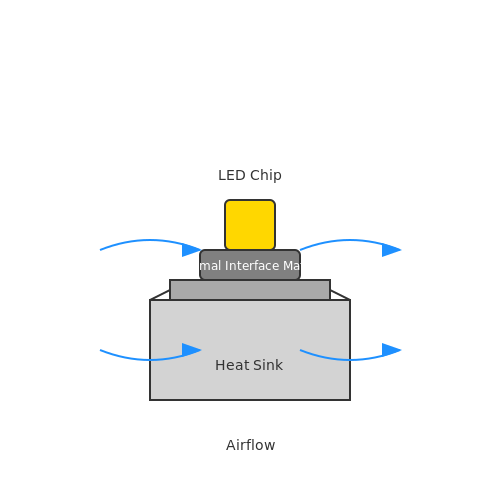
- Thermal Management: The construction of High Power LEDs often includes advanced heat sinks and thermal interface materials to dissipate heat effectively, which is crucial in maintaining performance and longevity.
- Color Rendering Index (CRI): Many high power LEDs feature a CRI greater than 80, making them suitable for applications demanding accurate color representation.
The Role of Thermal Management
Heat management is a critical aspect of High Power LED performance. Excessive heat can lead to thermal runaway, reducing efficacy and lifespan. As currents increase, the junction temperature of the LED rises, which can adversely affect light output and efficiency. As such, the design of heat sinks, often made of aluminum or copper, becomes paramount. These components facilitate the rapid dissipation of heat generated during operation, often optimized through computational thermal analysis.
Thermal interface materials (TIMs) are also vital. They enhance the thermal connection between the LED chip and the heat sink. The selection of TIMs can greatly influence the overall lifespan and performance of the LED system.
Applications of High Power LEDs
With their superior performance, High Power LEDs find applications in numerous fields. One major domain is general lighting, where they have successfully replaced traditional lighting solutions in commercial and industrial settings. Their ability to produce daylight-like illumination has made them highly sought after for street lighting projects.
In the automotive sector, these LEDs are instrumental in headlight design, providing greater visibility while consuming less power than conventional halogen bulbs. Additionally, their use in signs and displays ensures that public information remains visible even in daylight.
The advancement of High Power LEDs has even penetrated the realm of medical applications, where they illuminate surgical fields or act as sources for phototherapy.
Challenges and Future Directions
While High Power LEDs offer numerous advantages, challenges remain. The cost of high-quality components can be prohibitive, and their integration into existing systems often requires redesigning fixtures and power supplies. Ongoing research focuses on improving material efficiency and reducing costs, which could make these devices more accessible. Furthermore, innovations in packaging and chip design continue to enhance their performance, promising brighter, more durable lighting solutions for the future.
As technology progresses and research continues, the role of High Power LEDs in energy-efficient solutions will likely expand, contributing to sustainability goals and the quest for reliable, high-performance lighting.
2.3 RGB and Multi-Color LEDs
The advent of light-emitting diodes (LEDs) has revolutionized the field of optoelectronics, paving the way for innovative applications ranging from signage to advanced display technologies. Among the numerous types of LEDs, RGB and multi-color LEDs stand out due to their versatility and ability to produce a spectrum of colors. Understanding the principles governing these devices is essential for any engineer or researcher looking to harness their potential effectively.
Principles of Operation
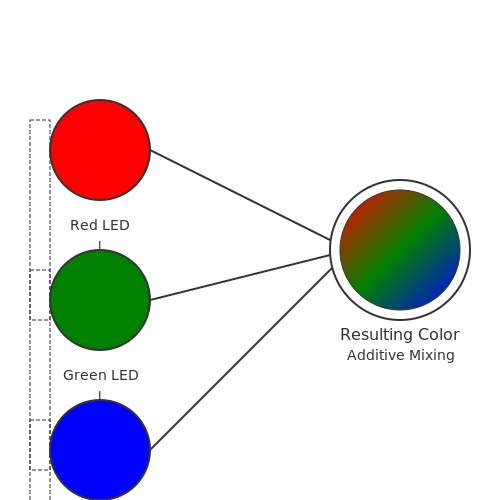
RGB LEDs consist of three separate semiconductor chips encapsulated within a single package, which emit light in red, green, and blue wavelengths. By intelligently combining these primary colors, a wide range of hues can be produced due to the principle of additive color mixing. The perception of color is founded on the human visual system's ability to interpret various wavelengths as distinct colors, typically represented in a trichromatic model.
The relationship between the intensity of the colors and the resulting output can be described mathematically. Let \( I_r \), \( I_g \), and \( I_b \) denote the intensities of the red, green, and blue components respectively. The perceived color intensity \( I \) can be modeled as:
Here, the function \( f \) represents a linear combination of the inputs, often simplified for specific applications to the form:
where \( k \) is a constant that normalizes the output based on the characteristics of the human eye. Historical milestones, such as the development of the RGB color model in the 1860s, laid the groundwork for this technology, which continues to evolve through advances in materials and manufacturing techniques.
Multi-Color LEDs
While RGB LEDs provide three color outputs, multi-color LEDs expand on this concept by incorporating additional chip sets, enabling the recreation of more complex colors and the generation of tailored spectral outputs. One common variant is the RGBW LED, which includes a white LED in addition to the RGB chips. The incorporation of white light enhances color rendering and allows for better adaptability in various lighting conditions.
The operational behavior of multi-color LEDs can be examined through the use of color spaces, such as the CIE 1931 XYZ color space, which provides a standard for quantifying colors based on human perception. These advanced LEDs can help in achieving full-spectrum lighting, which has applications in horticulture, art illumination, and specialized display technologies.
Applications and Practical Relevance
The ability to tune colors in RGB and multi-color LEDs has significant implications across various industries:
- Display Technology: RGB LEDs are fundamental in televisions and computer monitors, where they serve as pixel components, offering vibrant color reproduction.
- Architectural Lighting: Multi-color LEDs are widely used in architectural lighting designs, allowing for dynamic color changes and enhancing aesthetics in buildings.
- Healthcare: Tailored lighting can influence mood and productivity, making these LEDs valuable in therapeutic environments.
- Communication: RGB LEDs serve as optical transmitters in Li-Fi technology, which offers high-speed data transmission using visible light.
In conclusion, the evolution of RGB and multi-color LEDs represents a convergence of physics, engineering, and artistry. As the technology advances, further innovations are expected, prompting continued research and development in this exciting field.
2.4 Organic LEDs (OLEDs)
Organic Light Emitting Diodes (OLEDs) represent a significant advancement in the evolution of display technology, distinguished chiefly by their unique composition and operational mechanisms compared to conventional LEDs. Unlike inorganic LEDs, which utilize semiconductor materials like gallium arsenide, OLEDs are composed of organic compounds that emit light through electroluminescence. This not only grants OLEDs several advantageous properties, including flexibility, higher efficiency, and the potential for ultra-thin displays, but also opens avenues for innovative applications across varied industries, from consumer electronics to automotive lighting.
The Composition and Structure of OLEDs
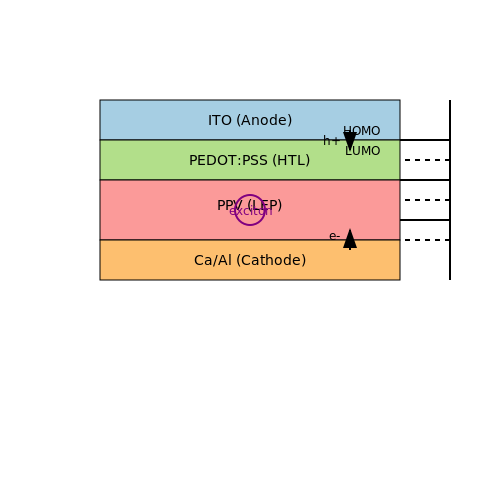
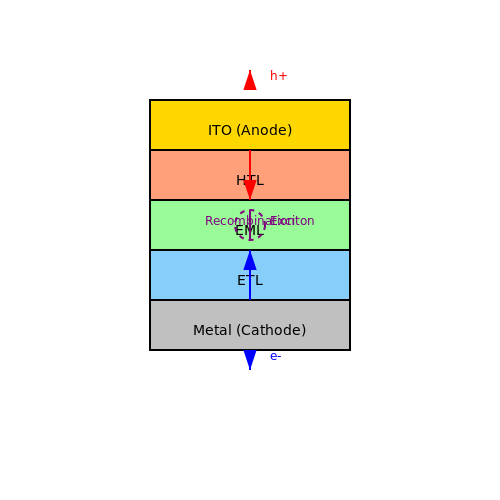
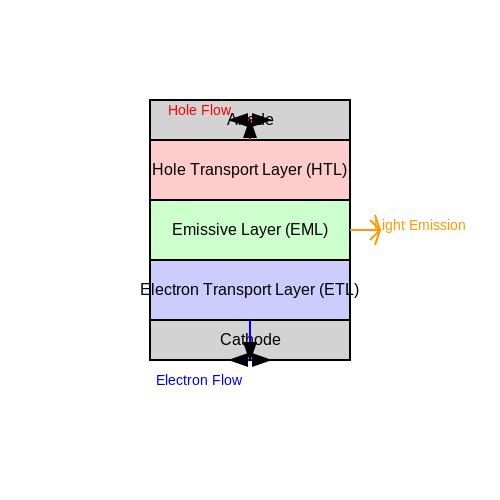
At the core of an OLED lies a multilayer structure that can be divided into three primary components: the anode, the organic layer, and the cathode. The organic layer typically consists of two sub-layers: the hole transport layer (HTL) and the electron transport layer (ETL), sandwiching the emissive layer (EML), which could be made from various organic molecules or polymers.
To elucidate the operation of OLEDs, consider the following:
- The anode is transparent, often made of indium tin oxide (ITO), allowing light to escape the device.
- When an electric current is applied, electrons are injected from the cathode while holes are injected from the anode. These charge carriers recombine in the emissive layer, resulting in the emission of photons.
- The color of the emitted light depends on the organic material used in the emissive layer, allowing for rich and varied color palettes.
Working Principle
The fundamental working mechanism of OLEDs can be understood in terms of charge injection, transport, and recombination processes. When voltage is applied across the OLED, electrons are injected from the cathode into the ETL, while holes are injected from the anode into the HTL. Both charge carriers migrate through their respective layers until they reach the EML, where they recombine.
This recombination releases energy in the form of photons, which manifests as visible light. The efficiency of this process is governed by factors such as the mobility of charge carriers, the thickness of the organic layers, and the quality of the material interfaces.
Mathematical Representation
The device's efficiency can be quantified using the following relation:
where \( \eta \) is the external quantum efficiency (EQE), \( L_{out} \) is the total light output power, and \( P_{in} \) is the electrical input power. A clear understanding of how to optimize these parameters is critical for advancing OLED technology.
Benefits and Applications
OLEDs inherently possess several advantages over traditional display technologies, such as liquid crystal displays (LCDs) or inorganic LEDs:
- Superior Contrast Ratios: OLEDs can achieve deeper blacks as they can turn off individual pixels completely, enhancing the overall visual quality.
- Thinner and Lighter Designs: The flexibility of OLEDs allows for thinner display panels, which can be integrated into smartphones, TVs, and even wearables without adding significant weight.
- Wider Viewing Angles: OLED displays offer consistent color and brightness levels, even at extreme angles, making them ideal for larger screens.
Practical applications range from modern smartphones and televisions to emerging niches such as OLED lighting panels and wearable technology. The automotive industry is also beginning to embrace OLED technology for display panels and interior lighting solutions, further underscoring its versatility.
In summary, Organic LEDs (OLEDs) represent a cutting-edge synthesis of organic chemistry and materials science within the realm of electronic devices. As research progresses, advancements in OLED technology promise to refine efficiency and expand applications, paving the way for future breakthroughs in display technology and illumination systems.
3. General Lighting Applications
3.1 General Lighting Applications
Light Emitting Diodes (LEDs) have revolutionized the field of lighting due to their efficiency, longevity, and versatility. This subsection delves into their general lighting applications, exploring not only the technological advancements that have enabled these applications but also their practical implications in various sectors.
Applications in Residential Lighting
One of the most prominent applications of LEDs is in residential lighting. Conventional incandescent bulbs have largely been replaced by LED lights due to their significant energy savings. LEDs draw less power for the same illuminance, resulting in a reduction in energy costs. For example, an LED bulb can use up to 80% less energy than incandescent bulbs while providing the same light output.
Color Temperature and Mood Setting
Furthermore, LEDs come in a variety of color temperatures measured in Kelvins (K). This allows users to select lighting that best suits their environments and enhances mood. Warm white (2700K) LEDs can create a cozy atmosphere typical of residential settings, while cool white (5000K-6500K) LEDs are often employed in workspaces to enhance concentration and productivity.
Commercial and Industrial Lighting
In commercial and industrial settings, the efficiency and durability of LEDs make them particularly advantageous. For instance, high-bay LED fixtures are commonly used in warehouses and manufacturing facilities due to their long lifespan and minimal maintenance requirements.
These types of LEDs can also significantly decrease operational costs. A study published in the Journal of Industrial Technology noted that the retrofit of conventional lighting to LED in large warehouses saved nearly 60% on energy consumption in some cases. Coupled with the decreased need for replacements, the return on investment is compelling for businesses.
Smart Lighting Integration
Additionally, with the advent of Smart Lighting Systems, LEDs can be integrated with sensors and control systems that optimize energy usage by responding to occupancy or daylight levels. This capability not only enhances efficiency but can also lead to improved worker productivity and well-being.
Outdoor and Street Lighting
Outdoor and street lighting represents another area where LEDs are making a significant impact. Smart city initiatives often leverage LED technology alongside intelligent control systems to enhance public safety while minimizing energy usage. These systems can adjust brightness based on pedestrian activity or environmental conditions, demonstrating their ability to create more responsive urban environments.
For example, a notable case study involves the city of Los Angeles, which converted over 140,000 streetlights to LED technology, resulting in annual savings of approximately $9 million. Such applications illustrate the societal benefits that can be garnered through the wide adoption of LED technology.
Environmental Considerations
From an environmental perspective, the transition to LED lighting is instrumental in reducing greenhouse gas emissions. LED technology not only uses less energy—thus lessening the burden on power grids—but also contains no toxic materials such as mercury, making disposal safer and more environmentally friendly.
Conclusion
Overall, the advancements in LED technology are rapidly transforming general lighting applications across various domains. The combination of energy efficiency, longevity, and flexibility not only improves economic outcomes but also contributes to environmental sustainability, making LEDs an essential component in the future of lighting solutions.
3.2 Display Technologies
In the realm of applied light emitting diodes (LEDs), display technologies represent one of the most dynamic and impactful areas of application. From traditional LCD screens to cutting-edge OLED displays, LEDs have fundamentally transformed how images and information are presented. This section delves into the various display technologies that utilize LEDs, examining their principles of operation, advantages, limitations, and real-world implementations.
Development of LED Display Technologies
The journey of LED display technologies began with the advent of the first discrete light emitting diodes, which were utilized primarily for indicators and simple displays. However, with advances in materials and fabrication techniques, LEDs became capable of producing an array of colors with high brightness and energy efficiency.
A key milestone was the introduction of LED matrices, enabling full-color displays by adapting the RGB (Red, Green, Blue) color model. Subsequent innovations have given rise to multiple display types: LED-backlit LCDs, OLEDs, MicroLEDs, and newer technologies like MiniLED displays.
Types of LED Displays
There are several types of LED-based display technologies, each with unique characteristics and applications:
- LED-backlit LCD (Liquid Crystal Display): In this technology, traditional LCD panels are enhanced with LED backlighting. This combination allows for improved brightness and color accuracy compared to traditional CCFL backlights. These displays are common in televisions, monitors, and mobile devices.
- OLED (Organic Light Emitting Diode): Unlike LCDs, OLED displays utilize organic compounds that emit light when an electric current passes through them. This allows for incredible contrast ratios, deeper blacks, and vibrant colors. OLED technology is widely embraced in premium TVs and smartphones.
- MicroLED: This cutting-edge technology utilizes microscopic LEDs to create individual pixels. MicroLED displays offer high brightness, superior efficiency, and excellent performance in bright environments. While still emerging, they hold potential for both large displays and compact devices.
- MiniLED: Similar to MicroLED but larger in scale, MiniLED technology employs smaller LEDs for local dimming in LCDs, enhancing contrast and black levels. It is increasingly used in high-end televisions and computer monitors.
Color Representation and Pixel Density
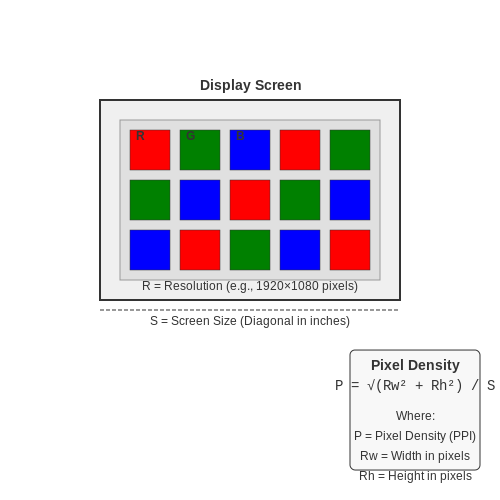
One of the critical aspects in the evaluation of LED display technologies is their ability to accurately represent color and the pixel density they can achieve. The RGB model allows for extensive color mixing, which is fundamental for displaying images with high fidelity. The concept of pixel density, defined as pixels per inch (PPI), plays a significant role in the clarity and detail of the displayed image. Higher pixel density translates to sharper images, making it crucial for applications in mobile devices and digital signage.
The relationship between pixel density \( P \), screen size \( S \), and resolution \( R \) can be expressed as:
Where \( R \) is defined as the total number of pixels in the horizontal times vertical direction (i.e., for a display resolution of 1920x1080, \( R = 1920 \times 1080 \)).
Real-World Applications
LED display technologies have found widespread applications across various fields:
- Consumer Electronics: From smartphones to high-definition televisions, LED displays dominate consumer electronics, influencing design and usability.
- Advertising: Digital billboards and signage utilize LED technology to create vibrant, eye-catching advertisements, significantly enhancing marketing strategies.
- Medical Devices: In medical imaging, high-quality displays are crucial for diagnostics and analysis, with LED technologies offering the necessary clarity and color accuracy.
- Automotive Displays: LEDs are increasingly implemented in dashboards, navigation screens, and rear lights, improving functionality and safety features.
In conclusion, as the technology behind LEDs continues to evolve, the scope of their applications in display technologies will likely expand further, driving innovation in visual experiences.
3.3 LED in Communication Systems
Light Emitting Diodes (LEDs) have not only revolutionized the field of lighting but have also emerged as vital components in communication systems. Due to their capability to rapidly modulate light at high frequencies, LEDs are increasingly used in optical communication technologies. This section explores how LEDs function within these systems, the principles behind their operation, as well as their applications in modern communication networks.
Principles of LED-Based Communication
At the core of LED-based communication systems lies the ability to transmit data by varying the intensity of light emitted from the LED. This modulation can be done through
On-Off Keying (OOK), which is a form of amplitude modulation. In OOK, specific patterns of light pulses represent binary data, where "on" indicates a binary 1, and "off" represents a binary 0.The LED's rapid response time enables data rates on the order of hundreds of megabits per second, making them suitable for various applications, including indoor and outdoor wireless communication, optical fiber communication, and even Li-Fi technology, which uses visible light for data transmission.
Mathematical Modeling of Modulation
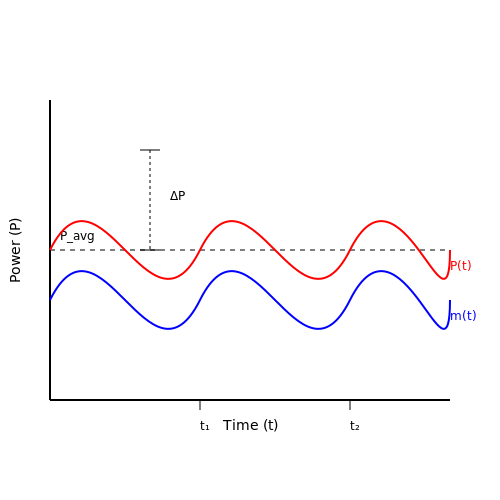
The modulation of an LED can be mathematically described using the principles of signal processing. Let us assume the output power of the LED is modulated as follows:
where:
- P(t) - instantaneous optical power of the LED at time t
- P_{avg} - average optical power
- \Delta P - modulation depth
- m(t) - modulation signal (a function of time)
To maximize the information transmitted, the modulation depth \Delta P must be finely tuned to match the data rate, impacting the overall efficiency of the system.
Applications of LED Communication Systems
LEDs have found numerous applications in communication systems, some of which are highlighted below:
- Li-Fi (Light Fidelity): This wireless communication technology uses LEDs to transmit data at high speeds using visible light. Li-Fi can achieve data rates significantly surpassing traditional Wi-Fi.
- Visible Light Communication (VLC): VLC involves the use of LED illumination systems in conjunction with data transmission, allowing for simultaneous lighting and data transfer.
- Optical Fiber Communication: LEDs are often used as light sources in short-range optical fiber segments, providing cost-effective solutions in data centers and local area networks (LANs).
Recent advances in LED technology, such as the development of high-brightness LEDs and multi-wavelength LEDs, have further broadened the scope of their applicability in communication systems, enhancing both speed and reliability.
A Case Study: The Rise of Li-Fi
One remarkable case study highlighting the potential of LED communication is Li-Fi. Developed by Professor Harald Haas in 2011, this technology employs standard LEDs to transmit data wirelessly by modulating the light. In practical terms, a Li-Fi enabled light bulb can communicate with devices within range, providing faster data rates compared to traditional wireless methods.
Li-Fi systems can offer enhanced security since light does not penetrate walls, limiting access to the data only within the physical confines of the illuminated area. This aspect is particularly appealing in secure environments like hospitals and government facilities.
In summary, LEDs show great promise as key players in the evolution of communication systems. Through continued research and development, their role is expected to expand as networks require faster, more efficient, and secure communication solutions.
3.4 Specialty Applications in Medicine and Industry
Light Emitting Diodes (LEDs) have emerged as powerful tools across various fields, particularly in medicine and industry. Their unique properties allow for precise applications that leverage their capabilities in a way that traditional lighting solutions cannot match. This section will explore some of the most innovative uses of LEDs that highlight their versatility and importance.
Medical Applications
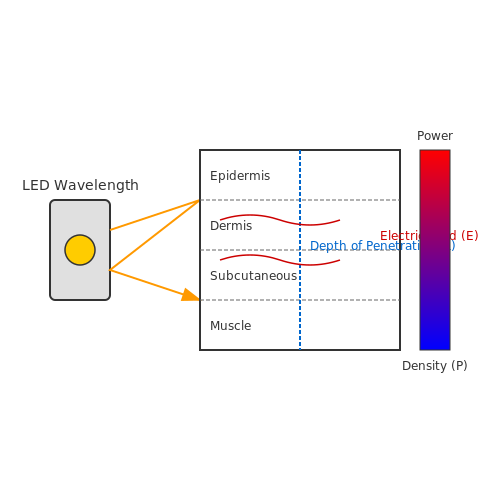
The integration of LEDs in medical practice has transformed diagnostic procedures and treatment methodologies. One of the most significant applications is in the field of phototherapy, which utilizes different wavelengths of light to treat various conditions. For instance, blue LEDs are often employed to address neonatal jaundice, where they facilitate the breakdown of bilirubin in the skin through a process known as photodegradation.
Beyond jaundice treatment, LEDs are invaluable in dermatology. Low-level laser therapy (LLLT) employs specific wavelengths to promote wound healing and reduce inflammation. Studies have shown that wavelengths around 600 nm to 650 nm can effectively enhance fibroblast proliferation and collagen synthesis, vital for skin repair and rejuvenation.
In this equation, \(P\) represents the power density of the LED, \(E\) is the electric field strength, \(A\) denotes the cross-sectional area of the tissue under consideration, and \(L\) is the depth of penetration. This mathematical representation helps in understanding how LED wavelengths interact with biological tissues, facilitating medical professionals in selecting appropriate treatments based on the specific condition being addressed.
Industrial Applications
In addition to medical usage, LEDs are pivotal in various industrial applications. One such area is in the realm of machine vision systems, where they provide optimal lighting conditions for image processing tasks. By utilizing different colors and intensities of LED light, operators can enhance contrast and improve the accuracy of object recognition technologies used in quality control and automation processes.
Moreover, LEDs serve a crucial role in spectroscopy, a technique fundamental for chemical analysis. By emitting specific wavelengths, LEDs can interact with atoms, leading to electron transitions that create spectra unique to each element. This property enables researchers to identify substances accurately and monitor chemical compositions in real-time, fundamentally impacting both research laboratories and manufacturing processes.
Case Study: LED-based Induction Heating
As industries evolve, the need for better efficiency in heating materials has led to innovative uses of LED technology. A fascinating case study involves the use of LED arrays in induction heating systems. Here, LEDs serve as sensors that monitor the temperature of the heated material, ensuring consistent results while minimizing energy consumption. This technology illustrates how combining LEDs with other technologies can enhance operational workflows, optimize energy usage, and reduce overall costs.
Conclusion
The versatility of LEDs in various applications serves as a testament to their profound impact in both medical and industrial sectors. By harnessing their properties, professionals can achieve results that traditional light sources cannot, paving the way for advancements in treatment methodologies, quality assurance, and efficient industrial processes. As research continues, we can expect to see an even broader range of applications emerge, further underscoring the importance of LEDs in modern technology.
4. Power Supply Requirements
4.1 Power Supply Requirements
In the realm of applied Light Emitting Diodes (LEDs), understanding power supply requirements is paramount for both performance and longevity. As the basis for any LED system, the power supply must accommodate the unique characteristics of LEDs, which differ substantially from traditional incandescent or fluorescent lighting. LEDs operate on the principle of electroluminescence, where a semiconductor material emits light when an electric current passes through it. This phenomenon necessitates specific power supply considerations, including voltage, current, and overall power characteristics.Understanding Voltage and Current Ratings
Each LED has a forward voltage (Vf) rating, which is the minimum voltage required for operation. This critical specification varies based on the LED type and its color, as the semiconductor materials used differ. For example, typical Vf values range from about 1.8V for red LEDs to around 3.3V for blue and white variants. Additionally, the current (If) flowing through the LED significantly influences its brightness and operational lifespan. Typically, an LED operates efficiently at a specified current level, often ranging from 20 mA to several hundred mA for high-powered applications. Deviating from these ratings can result in inadequate light output or catastrophic failure. This necessitates the implementation of current-limiting resistors or constant current sources in the circuit design.Calculating Power Requirements
To ensure that an LED circuit operates efficiently, one must calculate the power requirements accurately. The power (P) consumed by an LED can be calculated using the formula:Types of Power Supplies for LEDs
The choice of power supply for an LED application can significantly affect performance. The two main power supply types are: Linear Power Supply: - These provide a constant voltage and have the advantage of simplicity and low noise. However, they tend to be less efficient, especially for high-power setups. Switching Power Supply: - These are more efficient and can adjust the output voltage dynamically. They are suitable for applications requiring varying power levels but may introduce noise that could affect sensitive circuits. Another consideration is whether to use a constant voltage driver or a constant current driver. For simple, single-device applications, a constant voltage driver with a current limiting resistor may suffice. Conversely, for arrays or more complex configurations, a constant current driver is ideal to maintain consistent brightness across multiple LEDs.Practical Application and Case Studies
Consider the integration of LEDs in displays or modern lighting systems, where power supply optimization plays a crucial role. In a recent study focused on urban LED street lighting, it was found that efficient power supply management can lead to a 30% reduction in energy consumption, demonstrating the importance of selecting the right power supply technology. Furthermore, optimizing power supply parameters can extend the life of LED installations, minimizing both maintenance costs and environmental impact. As the demand for energy-efficient lighting solutions increases, understanding and implementing appropriate power supply requirements for LEDs will continually evolve, pushing the boundaries of technology and energy savings in diverse applications.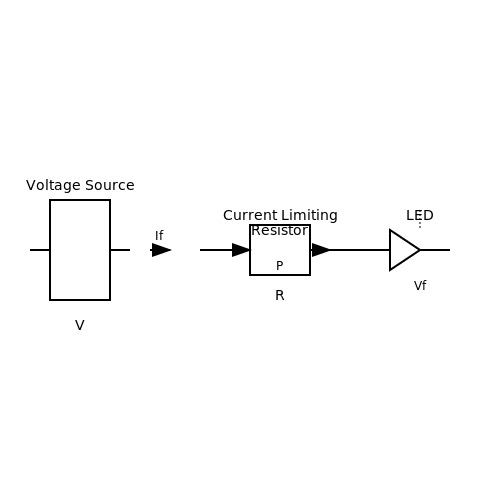
4.2 Current Regulation Techniques
In the realm of light-emitting diodes (LEDs), efficiently controlling the current flowing through them is paramount. Unregulated current can lead to reduced lifetime and overall inefficiency in performance. Therefore, various current regulation techniques are employed to maintain optimal conditions for LEDs. This subsection delves into the prominent methods of current regulation and their practical implications in LED applications.
Overview of Current Regulation
LEDs are semiconductor devices that emit light when an electric current passes through them. They exhibit a non-linear I-V characteristic, making them sensitive to changes in current and voltage. An increase in current can lead to thermal runaway, where excessive current causes increased temperature, further increasing current—a destructive cycle. Hence, it is crucial to implement effective current regulation techniques.
Common Techniques for Current Regulation
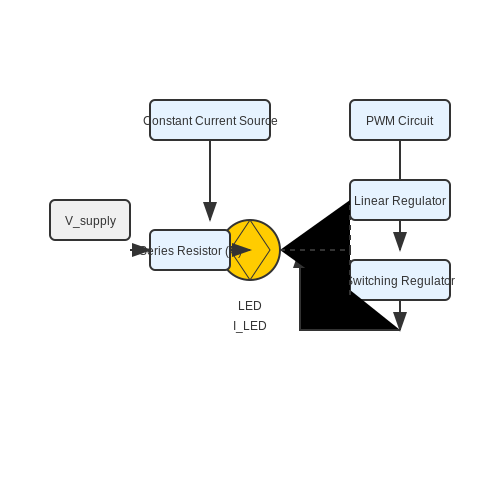
The principal techniques for current regulation include:
- Series Resistor
- Constant Current Sources
- Pulse Width Modulation (PWM)
- Linear Regulators
- Switching Regulators
Series Resistor
One of the simplest methods is using a series resistor to limit the current. The resistor is chosen based on the desired current and forward voltage drop of the LED. The following equation governs the operation:
Where Vsupply is the supply voltage, VLED is the forward voltage of the LED, and ILED is the desired forward current. While this method is simple, it can be inefficient as the resistor dissipates power as heat, leading to energy loss.
Constant Current Sources
For applications where precision is essential, constant current sources offer a more reliable solution. These circuits maintain a steady current independent of voltage changes or varying load conditions. Usually implemented with an operational amplifier, these circuits ensure that the LED receives a consistent current, enhancing reliability and performance.
Pulse Width Modulation (PWM)
PWM is a highly efficient method for controlling LED brightness by changing the duty cycle of the current being delivered to the LEDs without altering the average power. By turning the LED on and off at high frequencies, the human eye perceives the average brightness level. The effectiveness of PWM for current regulation is given by:
Where Pavg is the average power, D is the duty cycle (the ratio of on-time to the total cycle time). PWM not only saves energy but also enhances the thermal management of LEDs by minimizing heat dissipation.
Linear Regulators
Linear regulators utilize feedback mechanisms to maintain a constant output current and voltage across a varying input voltage. Although they offer simplicity and low noise, they are less efficient due to potential power loss in the form of heat during operation.
Switching Regulators
In contrast, switching regulators provide high efficiency by rapidly switching the input power on and off. They adjust the duty cycle of the output to maintain the desired current, enabling them to be more energy-efficient than linear regulators, especially in applications requiring higher input voltage and current.
In practice, the choice among these techniques often depends on the specific application requirements such as efficiency, complexity, circuit size, and the LED array configuration. For instance, PWM is favored in consumer electronics due to its high efficiency and simplicity, while constant current solutions are imperative in medical or scientific equipment where precision is non-negotiable.
Conclusion
Employing appropriate current regulation techniques is critical in maximizing the performance and longevity of LEDs. Understanding the operational principles and implications of each method facilitates informed choices during the design and implementation of LED circuits, ensuring they meet the specific demands of different applications.
4.3 Thermal Management in LEDs
In the design and application of Light Emitting Diodes (LEDs), effective thermal management is critical. High power densities and reduced thermal conductivity in LED materials can lead to significant heat generation, negatively impacting performance, longevity, and reliability. Proper thermal management strategies are essential to ensure optimal operation, particularly as the demands for higher brightness and energy efficiency increase.Understanding Heat Generation in LEDs
When an LED operates, electrical energy is converted into light energy; however, not all of this energy results in light emission. A considerable fraction is dissipated as heat due to non-radiative recombination processes. This phenomenon occurs when electrons recombine with holes without emitting photons, primarily happening in the semiconductor lattice structure. High temperatures can lead to thermal runaway, a condition where increased temperature causes further heat generation due to reduced quantum efficiency, leading to failure. The relationship between power, temperature, and heat dissipation can be expressed mathematically through the thermal resistance (Rθ) model:Design Strategies for Thermal Management
Several strategies can be employed to effectively manage the thermal performance of LEDs:- Heat Sinks: These are commonly used to dissipate heat away from the LED junction. Heat sinks made of materials with high thermal conductivity, such as aluminum, assist in extending the surface area for heat dissipation. The effectiveness can be improved by designing fins that increase surface area while maintaining low weight.
- Thermal Interface Materials (TIMs): The thermal resistance at the junction to heat sink interface can be reduced by using high-conductivity TIMs. Proper selection and application can lower the thermal resistance significantly, enhancing the overall cooling efficiency.
- Active Cooling: In high-power applications, forced convection methods such as fans or liquid cooling systems may be needed. These can effectively manage temperature under varying operational conditions, enabling the use of higher drive currents without thermal degradation.
- Chip-on-Board (CoB) Technology: This technique involves mounting multiple LED chips directly onto a substrate, promoting excellent thermal conduction. CoB configurations can minimize thermal gradients and allow uniform heat distribution across the device.
- Packaging Innovations: Advances in packaging materials and designs contribute significantly to thermal performance. Materials such as silicon carbide (SiC) or gallium nitride (GaN) can withstand higher temperatures, enhancing durability and efficiency.
Real-World Applications and Considerations
With the above approaches, the implications of thermal management can be observed in various fields, from simple lighting solutions to complex automotive and aerospace applications. For instance, in automotive lighting, where high brightness is paramount, thermal management strategies ensure not only performance but also safety by preventing overheating that could lead to fires or failures. In LED displays, efficient thermal management allows for significant savings in power consumption while ensuring color fidelity and longevity, vital for user satisfaction in consumer electronics. As developments in LED technology continue, ongoing research into novel thermal management approaches, including phase-change materials and advanced cooling systems, remains pivotal to addressing the challenges of increasing power density and operational efficiency. In conclusion, thermal management in LEDs is not merely an engineering requirement; it serves as the backbone of sustainable design and application for modern lighting technologies. Each advanced technique provides avenues for improving reliability and extension of life cycles, thus ensuring that LEDs remain a prevalent choice in various applications.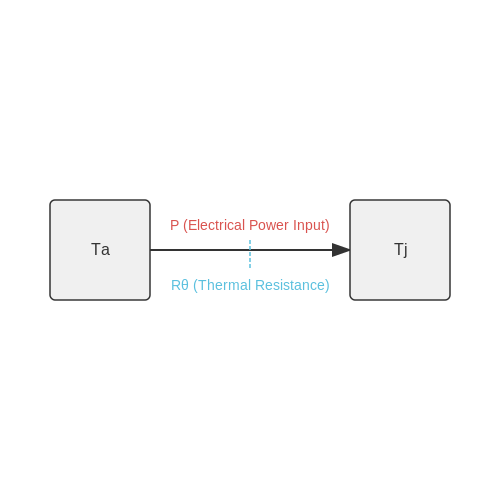
5. Energy Efficiency and Sustainability
5.1 Energy Efficiency and Sustainability
In recent years, the emphasis on energy efficiency and sustainability has become pivotal in the field of electronics. Particularly, Light Emitting Diodes (LEDs) are at the forefront of this movement, revolutionizing how we view lighting solutions in both commercial and residential applications. The underlying principle of LEDs is their ability to convert electricity into light more efficiently than traditional incandescent or fluorescent bulbs. This subsection provides an in-depth look at the energy efficiency of LEDs, their sustainability, and the implications for both the environment and economic practices.Understanding Energy Efficiency in LEDs
Energy efficiency can be quantitatively discussed through the metric of luminous efficacy, defined as the ratio of luminous flux (light output) to power consumption. This is expressed in lumens per watt (lm/W). The luminous efficacy of LEDs can range from about 80 lm/W to over 200 lm/W, depending on the technology and materials used. In contrast, traditional incandescent bulbs typically offer around 10-17 lm/W, while compact fluorescent lamps (CFLs) give around 35-100 lm/W. This stark difference highlights the essential advantage of LEDs in terms of energy consumption—using up to 75% less energy compared to incandescent bulbs.Sustainability and Environmental Impact
The implications of utilizing LEDs extend beyond just energy savings; they touch upon broader concepts of sustainability. LEDs have a significantly longer operational life, often rated for 25,000 to 50,000 hours compared to approximately 1,000 hours for incandescent bulbs and 8,000-15,000 hours for CFLs. This longevity reduces the frequency of bulb replacements, leading to less waste and fewer resources consumed in manufacturing and transportation. Moreover, LEDs are generally more environmentally friendly because they are made without hazardous materials such as mercury—common in CFLs. This property facilitates easier recycling processes, lessening the environmental burden. The environmental footprint of LED production, although still a consideration, is offset by their overall efficiency and longer lifespan.Real-World Applications and Economic Implications
The commercial adoption of LED technology has led to substantial economic benefits. Many municipalities have implemented LED street lighting to reduce operational costs, and businesses are retrofitting their lighting systems to capitalize on lower energy bills. For instance, cities that have transitioned to LED street lighting have reported up to 70% in energy cost reductions, translating into significant budget savings. In residential settings, the transition to LEDs can lead to an average savings of over $100 per year in energy costs for the typical household. As such, the return on investment for LED lighting solutions is compelling, making them an essential consideration in building design and retrofitting projects. Furthermore, LEDs are crucial in specialized applications such as horticultural lighting, where their efficiency and ability to emit specific wavelengths can significantly enhance plant growth and flowering while minimizing energy use. In light of all these factors, the role of LEDs is not merely as a lighting solution but as a significant contributor to global efforts toward sustainability and energy efficiency. As technology continues to advance, with innovations like organic LEDs (OLEDs) and quantum dot LEDs on the horizon, the potential for even greater efficiencies and lower environmental impacts remains promising. The integration of these sustainable lighting technologies carries with it the responsibility to further research and develop practices that promote environmental stewardship while meeting the lighting needs of society.Conclusion
LEDs embody a remarkable evolution in lighting technology, reflecting a profound shift towards energy efficiency and sustainability. Their implementation across various sectors underscores their potential to mitigate environmental impact while offering economic advantages. As engineers, researchers, and policymakers embrace this technology, they contribute significantly toward a more sustainable future. In conclusion, the pathway forward is clear: as the demand for energy-efficient solutions increases globally, the LED technology landscape will likely continue to evolve, paving the way for innovative applications and enhanced sustainability.5.2 Lifespan and Reliability
In the realm of applied light emitting diodes (LEDs), understanding lifespan and reliability is crucial for researchers and engineers alike. The lifespan of an LED is a direct indicator of its operational durability and effectiveness in various applications, ranging from consumer electronics to complex lighting systems in industrial settings. In this section, we will explore the factors that affect LED lifespan, reliability metrics, and the practical implications of these elements.
Understanding LED Lifespan
The lifespan of an LED is typically defined as the time until the light output falls below a specified percentage of its initial value, often 70%, which is referred to as L70. This metric is critical for evaluating the longevity of an LED in practical applications. The L70 life of an LED can be significantly influenced by several factors:
- Junction Temperature: Elevated junction temperatures can significantly shorten an LED's operational life. The rate of photodegradation increases with temperature; thus, effective thermal management strategies are essential.
- Electrical Input: Overdriving LEDs by exceeding their rated current can lead to a reduced lifespan due to overheating and increased wear on the semiconductor material.
- Material Quality: The purity and quality of the semiconductor materials used in the LED, including gallium nitride (GaN) and indium gallium nitride (InGaN), play a significant role in the degradation processes that can occur over time.
Reliability Metrics
Reliability in LED technology is often gauged through various metrics, including failure rates and operational characteristics over time. This can be quantified using the following statistical formulations:
One way to express failure rates is through the use of the Mean Time to Failure (MTTF), which can be mathematically represented as:
where λ is the failure rate per unit time. A low failure rate corresponds to a high MTTF, indicating that the device operates successfully for extended periods before experiencing failure.
Another important parameter is the Reliability Function (R(t)), which indicates the probability that an LED will perform without failure in a given timeframe. This reliability function can be expressed mathematically as follows:
Where t represents time. This equation captures the exponential nature of failure rates for semiconductors operating under constant-stress conditions.
Practical Implications of Lifespan and Reliability
The implications of lifespan and reliability are profound, particularly in industrial applications where maintenance costs and operational downtime significantly impact overall productivity. For instance, in street lighting systems, LEDs with longer lifespans reduce the frequency of replacements, resulting in lower labor and material costs.
Moreover, the reliability of LED systems is crucial in critical applications such as medical devices and aerospace technologies, where failure could result in catastrophic outcomes. As a result, rigorous testing protocols and quality assurance measures are essential components in the development and deployment of LED technologies.
As we continue to explore advanced LEDs and their applications, understanding these metrics will enhance the design and implementation of reliable systems that not only meet but exceed the demands of modern technology.
5.3 Limitations and Challenges
Despite their numerous advantages, the application of Light Emitting Diodes (LEDs) is hindered by various limitations and challenges that engineers and researchers must address. Understanding these challenges is crucial for advancing LED technology and optimizing its implementation in various fields. This section delves into several key limitations, including issues related to efficiency, temperature sensitivity, material constraints, and operational lifetime.
Efficiency Limitations
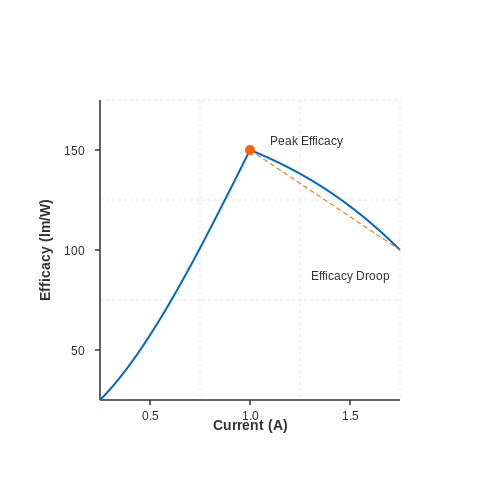
LEDs, while generally more energy-efficient than traditional incandescent or fluorescent bulbs, face diminishing returns in efficiency at higher output levels—often referred to as the efficacy droop. This phenomenon occurs when the current flowing through the LED exceeds a certain threshold, leading to a reduction in the efficiency of light output relative to power input. Paradoxically, while LEDs exhibit high efficiency at low currents, pushing them to their maximum performance can lead to reduced efficiency. To visualize this, an efficacy versus current graph typically shows a peak efficiency followed by a decline as current increases.
Here, \(L\) represents luminous flux in lumens, and \(P\) is the electrical power in watts. This relationship underlines the importance of optimizing operating conditions to maintain high efficiency.
Thermal Management
Another prominent challenge faced by LED technologies is thermal management. LEDs generate heat during operation, which can adversely affect their luminous efficacy and operational lifespan. Overheating can lead to a phenomenon known as thermal runaway, whereby increased temperature causes further increases in current, resulting in even more heat generation and potential failure. Effective thermal management solutions, such as heat sinks and active cooling systems, are essential in high-power LED designs. Engineers often utilize thermal simulation software to analyze heat distribution and develop suitable cooling strategies.
Material Constraints
The materials used in LED manufacturing also impose limitations. While III-nitride semiconductors (like GaN) are prevalent in blue and green LEDs, their fabrication processes can be costly and complex. Additionally, the availability of suitable substrates and the consistency of material quality can present significant challenges. These defects can affect the operational efficiency and overall yield during manufacturing, ultimately impacting the cost-effectiveness of LED products.
Light Quality and Spectrum Issues
LEDs can also exhibit limitations regarding light quality. Different applications require specific spectral outputs, and producing LEDs that emit a broad and balanced spectrum can be difficult. Moreover, methods to tune the spectral output either through phosphor conversion or by utilizing quantum dots can impose additional costs and complexities that restrict widespread adoption in certain applications.
Operational Lifetime and Reliability
While LEDs are renowned for their longevity, their actual operational lifetime can be affected by material degradation, particularly due to environmental factors. Factors such as humidity, temperature, and prolonged exposure to high voltage can accelerate aging. Reliability testing becomes crucial, particularly in applications like automotive lighting and street lamps, where unexpected failures can entail high costs and logistical challenges. Accelerated life testing is one method employed to evaluate LED durability under simulated environmental conditions.
In conclusion, while LEDs represent a transformative technology with vast applications, their limitations and challenges necessitate ongoing research and innovation. Addressing these issues is essential to unlocking the full potential of LED technology in energy-efficient lighting and beyond.
6. Innovations in LED Materials
6.1 Innovations in LED Materials
The landscape of light-emitting diodes (LEDs) is rapidly evolving, with significant advancements in materials science that enhance performance, efficiency, and sustainability. Early LEDs were primarily based on GaAs and GaP semiconductors, emitting only in the infrared and visible red regions. However, a wave of innovations has shifted focus toward new materials, which bring forth enhanced capabilities and application potentials.
Emergence of Wide Bandgap Semiconductors
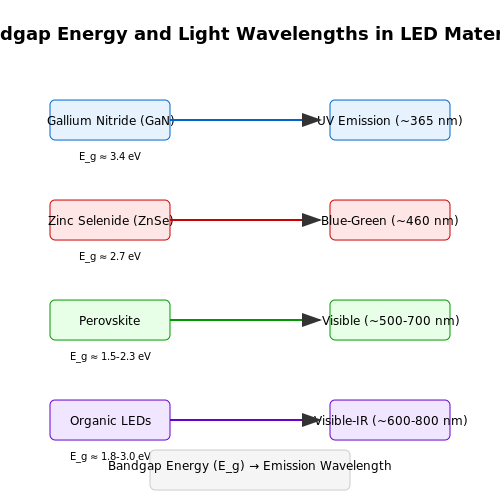
One of the foremost advancements in LED technology is the utilization of wide bandgap semiconductors, such as Gallium Nitride (GaN) and Zinc Selenide (ZnSe). These materials allow for the emission of high-energy photons, thus capable of producing blue and ultraviolet (UV) light, which are fundamental for white LED applications when combined with phosphors.
For instance, GaN has enabled the development of high-brightness blue LEDs, which are instrumental in achieving white light when coupled with a yellow phosphor. The efficiency of these LEDs is approximately 80% higher than traditional incandescent bulbs. The underpinning physics can be explained through the bandgap energy equations:
Where \( E_g \) is the bandgap energy, \( h \) is Planck's constant, \( \nu \) is the frequency of the emitted light, \( c \) is the speed of light, and \( \lambda \) is the wavelength. This relationship illustrates how the choice of semiconductor affects the wavelength of the emitted light.
Perovskite LEDs
The recent surge of interest in perovskite materials has illuminated new pathways for LED technology. Perovskites, defined by the formula ABX3, offer tunable band gaps and exceptional charge transport properties. They allow for the manipulation of their optical and electronic properties by altering the composition and structure.
Initial research has shown that perovskite LEDs can achieve remarkable efficiencies exceeding 20% in theoretical frameworks. As a testament to their potential, perovskite LEDs exhibit high color purity and can be processed via low-cost techniques, promising significant economic advantages in manufacturing.
Organic Light Emitting Diodes (OLEDs)
In the realm of flexible electronics, organic materials have redefined traditional LED designs. Organic light-emitting diodes (OLEDs) use organic compounds to emit light, offering unique advantages such as flexibility, lightweight designs, and the ability to produce vibrant colors with high contrast ratios. Their structure typically comprises a series of organic layers sandwiched between two electrodes, which can be tailored to maximize light emission and efficiency.
- Flexible Displays: OLEDs are extensively used in smartphones and televisions, providing superior image quality and the ability to create ultra-thin screens.
- Lighting Applications: Due to their thin profiles and design flexibility, OLEDs are being explored for innovative lighting solutions in both residential and commercial spaces.
Sustainable and Eco-friendly Materials
As global awareness of environmental impacts grows, the search for sustainable LED materials has gained traction. Quantum dots, nanoscale semiconductor particles, are emerging as a viable alternative. They can be engineered to emit specific wavelengths with high efficiency and minimal environmental impact.
Moreover, researchers are investigating methods to incorporate biodegradable materials in LED construction, potentially reducing electronic waste. This fusion of material science and ecological responsibility illustrates the industry's commitment to future-oriented designs.
Conclusion
In conclusion, the innovations in LED materials are not only reshaping the technology landscape but also facilitating new applications across various fields. By leveraging wide bandgap semiconductors, perovskites, and organic materials, engineers and researchers can continually improve LED efficiency, sustainability, and versatility. As the understanding of these materials deepens, the potential for groundbreaking applications in lighting, displays, and beyond appears boundless.
6.2 Smart Lighting Solutions
The advent of smart lighting solutions has revolutionized the way we interact with lighting technologies, particularly Light Emitting Diodes (LEDs). These solutions leverage the capabilities of modern LEDs, combined with advanced sensors and connectivity technologies, to create systems that are not only energy-efficient but also adaptable to the dynamic needs of various environments.Integration of IoT in Lighting
At the heart of smart lighting solutions is the integration with the Internet of Things (IoT). By connecting LEDs to the internet, lighting systems can be monitored and controlled remotely, allowing for a level of personalization and responsiveness that traditional lighting systems cannot offer. This integration typically employs protocols such as Zigbee, Z-Wave, and Wi-Fi, enabling communication between smart devices within a connected ecosystem. Moreover, advances in IoT sensors facilitate the creation of smart lighting systems that can adjust automatically to environmental conditions. For instance, motion sensors can detect occupancy, adjusting the light levels accordingly—an effective strategy for conserving energy when spaces are unoccupied. Furthermore, light sensors can adjust brightness based on ambient light conditions, enhancing user comfort while minimizing energy consumption.Smart Lighting Applications
Smart lighting has found its application across various domains, providing tangible benefits in residential, commercial, and industrial settings:- Residential Smart Lighting: Home automation systems utilize smart lighting to improve security and convenience. Homeowners can program lights to mimic their presence when away, while individual room control enhances the living experience enormously.
- Commercial Smart Lighting: In office environments, smart lighting systems can optimize energy consumption, improve employee productivity, and provide better light quality. For example, using daylight harvesting techniques, lights can dim or brighten based on the availability of natural light.
- Healthcare Applications: In hospitals, smart lighting can aid in patient recovery. Studies show that specific wavelengths of light can promote healing, while adjustable light levels can reduce stress and improve sleep for patients.
- Smart City Initiatives: Urban areas are now deploying smart lighting throughout city streets. These systems not only enhance security but can also report outages, monitor traffic flows, and optimize energy use based on pedestrian presence.
Control Systems and User Interfaces
The flexibility to control smart lighting systems often comes through dedicated applications or web interfaces. These platforms allow users to customize lighting settings according to personal preferences, schedules, and energy conservation goals. Additionally, voice-controlled interfaces, like Amazon Alexa and Google Assistant, have become a popular mode of awareness for smart lighting, providing an intuitive method for users to interact with their lighting solutions. Furthermore, advanced algorithms and machine learning models can analyze usage patterns to automate lighting changes. For example, learning a user's routine can lead to optimal scheduling of light intensity and color temperature, further enhancing the user experience while reducing energy waste.Future Prospects and Challenges
As LED technology continues to evolve, so too do the opportunities for smart lighting solutions. Innovations in materials, such as organic LEDs (OLEDs) and quantum dots for light production, promise even more efficient and versatile lighting solutions. However, challenges remain, particularly regarding compatibility, standardization across systems, and the security throughout interconnected environments. In summary, the development of smart lighting solutions utilizing LEDs illustrates the convergence of lighting technology with digital innovations. This integration not only impacts energy consumption but transforms the way we interact with our environments, paving the way for a more intelligent approach to lighting design and deployment.6.3 Environmental Impact and Regulation
The proliferation of Applied Light Emitting Diodes (LEDs) signifies not only a technological advancement but also an evolution in environmental considerations. As engineers and researchers continue to explore the applications of LEDs in various fields—from general lighting to specialized applications in medicine and agriculture—their environmental footprint becomes increasingly relevant.The Environmental Costs of LED Manufacturing
The journey of an LED begins well before it illuminates a room or a device. The semiconductor materials used in LED production, such as gallium nitride (GaN), often involve mining and processing that have notable environmental impacts. These impacts include:- Resource Extraction: Mining for metals and rare earth elements not only disturbs the ecological balance but can also lead to significant carbon emissions and habitat destruction.
- Energy Consumption: The manufacturing process for semiconductors is energy-intensive, contributing to fossil fuel dependence. However, this energy demand is gradually being reduced as renewable energy sources gain prominence in manufacturing operations.
- Chemical Waste: LED production generates chemical byproducts that require careful handling and disposal to prevent soil and water contamination.
Regulatory Frameworks Impacting LED Technology
Around the globe, various regulatory frameworks govern the production and disposal of electronic products, including LEDs. These regulations aim to ensure product safety, efficiency, and environmental compliance.Energy Efficiency Standards
Energy efficiency standards are critical in the push for sustainable LED technology. Organizations such as the U.S. Department of Energy and the European Union’s Ecodesign Directive set benchmarks for luminous efficacy and energy consumption. Compliance with these regulations not only promotes environmentally friendly practices but can also provide economic benefits for manufacturers through reduced energy costs in production.Waste Management and Recycling Regulations
The disposal of LEDs poses challenges, primarily due to the presence of hazardous materials like lead in solder joints. Regulations such as the Waste Electrical and Electronic Equipment (WEEE) Directive in Europe mandate proper recycling and disposal methods to minimize environmental harm. Programs that support the recycling of electronics, as well as incentives for manufacturers who implement take-back schemes, are vital for reducing the environmental impact of LED waste.Lifecycle Assessments (LCA)
To further assess the environmental impact of LEDs, Lifecycle Assessment (LCA) methodologies are employed. LCA analyzes energy consumption, material usage, and potential chronic effects on the environment from the production phase through to disposal. By understanding the complete lifecycle, engineers can identify critical areas where improvements can be made. Incorporating sustainability practices into LED development not only aligns with corporate social responsibility but also enhances brand loyalty among environmentally conscious consumers. By evaluating materials used, production methods, and end-of-life processes, stakeholders can address both compliance and corporate responsibilities effectively.Future Perspectives and Innovations
The future of LED technology is firmly rooted in sustainability and efficiency. Innovations such as organic LEDs (OLEDs) present exciting possibilities for reducing environmental impacts further. Unlike traditional LEDs, OLEDs have the potential to be made from more abundant materials and offer improvements in efficiency and versatility. As the market for LEDs continues to grow, manufacturers are also being encouraged to conduct transparent reporting of their environmental impact. This initiative helps foster an ecosystem where innovation meets environmental responsibility, ultimately leading to a future where applied LEDs are synonymous with sustainability. In summary, as the technology continues to evolve, it is imperative for engineers, physicists, and regulatory bodies to collaborate in ensuring that the adoption of LEDs contributes positively to our environmental goals. Through rigorous adherence to regulations and innovative approaches to sustainability, the applied LED revolution can illuminate pathways for a more sustainable future.7. Journals and Articles
7.1 Journals and Articles
- IEEE Xplore - Advances in LEDs — This article explores advancements in LED technology, offering insight into new materials and methods that enhance performance and efficiency.
- Materials Today - LED Materials and Techniques — Discusses recent developments in LED materials and fabrication techniques, focusing on improving light output and color rendering.
- Optics Express - Optical Characteristics of LEDs — Provides a comprehensive study on the optical characteristics of LEDs, including emission spectrum and angular distribution.
- Nature Photonics - Quantum Dot LEDs — Examines the use of quantum dots in LEDs to improve efficiency and color accuracy, a crucial advancement in display technology.
- Springer - Handbook of LED and SSL Metrology — A comprehensive reference focusing on metrology and standardization of LED and solid-state lighting technologies, vital for consistent product development.
- Journal of Luminescence - Phosphor-Converted LEDs — Details the role of phosphor in enhancing LED performance, focusing on efficiency improvements and broad application potential.
- Journal of Materials Chemistry C - OLEDs vs LEDs — Compares organic LEDs (OLEDs) and traditional inorganic LEDs, analyzing energy efficiency, cost, and application areas.
- Physical Review B - Theoretical Perspective on LED Design — Offers a theoretical perspective on the design of LEDs, highlighting semiconductor physics and device characteristics.
- Proceedings of the Institution of Mechanical Engineers - Thermal Management in LEDs — Explores thermal management challenges in LED systems, which are crucial for maintaining performance and longevity.
7.2 Books and Texts
- Light-Emitting Diodes by E. Fred Schubert — This comprehensive textbook provides an in-depth understanding of the physics, technology, and applications of LEDs. It covers the principles and operation of LEDs with an emphasis on the underlying material science.
- Physics and Technology of Semiconductor Devices by Andrzej K. Buldum, et al. — Focuses on the foundational principles of semiconductor devices, with dedicated sections on LEDs. It balances both theoretical models and experimental practices.
- LED Packaging for Lighting Applications by Sheng Liu and Di Zhang — This text offers detailed insights into the design and packaging technologies crucial for LED applications. It’s ideal for engineers involved in the development and manufacturing of LED products.
- Advanced LEDs for Solid State Lighting by Younan Xiao and Mijia Yang — Offers insight into the latest advancements and research in LED technology, emphasizing applications in solid-state lighting and energy efficiency.
- Semiconductor Laser Fundamentals and Applications by Bernard Michel Coulaud — While focused primarily on semiconductor lasers, it also provides valuable context and applications relevant to LED technology, particularly in the field of optical communications.
- Semiconductor Physics and Applications by J. Dekker — This book addresses a wide range of semiconductor applications including LEDs. It covers both fundamental and practical aspects of semiconductor technology.
- High-Brightness LEDs by Roland Haitz — Available through IEEE, this paper provides a historical perspective on the development of high-brightness LEDs, explaining key advancements and breakthroughs in this technology.
- LEDs: Principles and Practice by Arun N. Krishnamoorthy — Aimed at researchers and advanced practitioners, this book navigates through the physicochemical aspects of LEDs and their practical implementation in electronic systems.
7.3 Online Resources and Tutorials
- What Is an LED by SparkFun — This tutorial offers a comprehensive overview of LED technology, covering the history, basic operation, and diverse applications of LEDs. It is well-suited for engineers and researchers interested in both the theory and practical applications of LED technology.
- Electronics Tutorials: LED Circuits — A detailed explanation of how LEDs function in electronic circuits. It includes various example circuits and covers key concepts such as forward voltage and current considerations.
- Light Emitting Diodes (LEDs) by All About Circuits — This resource provides an in-depth look at the semiconductor properties of LEDs, including electron-hole recombination and photon emission. It is ideal for those looking to understand the physics behind LED operation.
- The Art and Science of LED Lighting by Digi-Key — As LED technology advances, understanding its art and science becomes crucial for improving efficiency. This article takes a holistic approach to LED utilization in various lighting applications.
- Introduction to LED by The Engineering Projects — Provides insights into different types of LEDs, including power ratings and efficiency levels. Advanced readers can explore how different LED configurations influence engineering design outcomes.
- A Complete Guide to LEDs by Engineering.com — Covers extensive topics on LED design, application, and future trends. Advanced practitioners can benefit from information such as drive methods and lumen efficiency.
- Technological overview and trends of LEDs: A Sci-Direct Paper — This academic paper discusses recent technological advancements in LED technology and its trends, offering valuable information for researchers and advanced-level practitioners.
- All About LEDs by Osram — A detailed resource from an industry leader in LED manufacturing, discussing different LED technologies and applications. It is ideal for engineers looking to understand LED innovations and implementations.