Applied Wi-Fi Modules
1. Definition of Wi-Fi Modules
1.1 Definition of Wi-Fi Modules
Wi-Fi modules are compact, self-contained electronic components that provide the capability to communicate over wireless networks by utilizing the standardized IEEE 802.11 protocols. These modules facilitate data transfer between devices without the need for physical connections, enabling applications ranging from simple sensor-to-server communications to complex solutions involving multiple device networks.
In essence, a Wi-Fi module typically integrates a microcontroller (MCU) with Wi-Fi radio technology. This integration allows for direct control and processing capabilities alongside wireless communication functionalities. The popularity of Wi-Fi modules stems from their ability to simplify the development of Internet of Things (IoT) applications by providing a straightforward interface for connecting various devices to the internet and to each other.
Components and Functionality
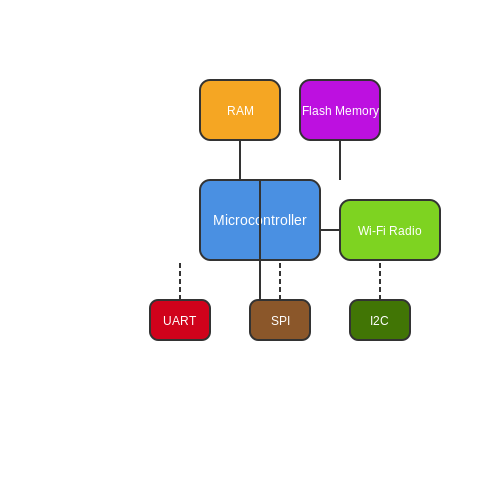
At a fundamental level, a Wi-Fi module consists of several key components:
- Microcontroller: This is the brain of the module, responsible for executing programs, managing inputs, and controlling outputs.
- Wi-Fi Radio: This component handles the physical transmission of data, adhering to the standards defined by IEEE 802.11, which encompasses various frequency bands and modulation techniques.
- Memory: Different types of memory (e.g., RAM, Flash) are utilized to store firmware and data. Adequate memory allows for the effective execution of applications.
- Interface Options: Wi-Fi modules provide various interfaces (e.g., UART, SPI, I2C) to connect with other hardware, allowing for flexibility in system design.
One of the paramount advantages of Wi-Fi modules is their ability to connect to existing Wi-Fi networks. They can either function as a station (client) connected to a network or as an access point (AP), creating a network that other devices can join. This dual capability facilitates a wide range of applications in different environments.
Real-world Applications
The applications of Wi-Fi modules are vast and varied. In home automation, for instance, these modules enable smart devices to be controlled remotely via smartphones or web interfaces. Industrial applications can involve sensors transmitting data for monitoring machinery conditions, enabling predictive maintenance and improved operational efficiency. Environmental monitoring stations utilize Wi-Fi modules to send real-time data on air quality or weather conditions to cloud servers for analysis. In each case, the intrinsic flexibility and integration capabilities of Wi-Fi modules enhance operational workflows and data accessibility.
As technology advances, the evolution of Wi-Fi modules continues toward supporting higher data rates, lower power consumption, and improved security features, making them indispensable in modern electronic design and implementation.
1.2 Historical Context and Evolution
The journey of Wi-Fi technology, or wireless fidelity, provides a fascinating glimpse into the evolution of modern communication. The history of Wi-Fi modules is intertwined with advancements in radio frequency (RF) communications, network protocols, and integrated circuit technology. Understanding this evolution not only sheds light on current capabilities but also signifies the potential directions for future innovations.
Early Developments and the Emergence of Wireless Technologies
The groundwork for wireless communication was laid in the late 19th century with the inventions of James Clerk Maxwell, who formulated the theory of electromagnetism, and Guglielmo Marconi, who executed the first successful long-distance radio transmission in 1901. By pioneering these fundamental concepts, they opened the door to further exploration in wireless technologies.
However, the real push towards what we now know as Wi-Fi began in the 1970s, when researchers at the University of Hawaii developed the ALOHAnet, which enabled wireless packet data networks across the Hawaiian Islands. This system was crucial for establishing premise use of radio frequencies for broadband data transmission.
The Birth of Wi-Fi Standards
Fast forward to the mid-1990s, when the Institute of Electrical and Electronics Engineers (IEEE) formulated the 802.11 standard, marking the inception of Wi-Fi. The original 802.11 standard, ratified in 1997, provided basic capabilities with a maximum data rate of 2 Mbps. The first Wi-Fi modules began to appear around this time, enabling devices to connect to local area networks (LANs) wirelessly.
Continuously pursuing better performance, subsequent enhancements led to the development of 802.11b, which increased transmission speeds to 11 Mbps and established Wi-Fi as a practical and popular solution for home and business networking.
Advancements in Wi-Fi Technologies
With the dawning of the 21st century, Wi-Fi technology evolved rapidly. The introduction of 802.11g in 2003 combined the higher speeds of 802.11b with the advanced modulation techniques from 802.11a, achieving speeds up to 54 Mbps. The appeal was massive, as Wi-Fi began infiltrating not just homes and businesses, but public spaces, making wireless and mobile connectivity ubiquitous.
By 2009, the 802.11n standard emerged, leveraging multiple-input and multiple-output (MIMO) technology to achieve speeds exceeding 100 Mbps, significantly enhancing reliability and range. This foundational development formed the basis of many modern Wi-Fi modules currently used in consumer electronics, IoT devices, and enterprise solutions.
Modern Wi-Fi Standards and Their Applications
As we moved into the 2010s, Wi-Fi standards saw significant enhancements. The introduction of 802.11ac brought about advanced technologies such as beamforming and Multi-User MIMO, revolutionizing wireless local area networks (WLANs) by supporting high-definition content streaming and high-density user environments. More recently, the 802.11ax, or Wi-Fi 6, was standardized in 2019, aiming to improve efficiency, capacity, and performance in crowded environments. This standard is particularly relevant in the age of IoT, where numerous devices compete for network resources.
Beyond pure data transmission, modern Wi-Fi modules are embedded in various applications including smart homes, industrial automation, and healthcare systems, making them integral to the seamless connectivity that underpins today's technology. The evolution of these modules has not only expanded the capabilities of Wi-Fi but has also transformed how we interact with the digital world.
Conclusion
The historical trajectory of Wi-Fi technology reveals a constant pursuit of optimization in speed, connectivity, and application versatility. As technology continues to progress, Wi-Fi modules will evolve further, adapting to new technologies such as Wi-Fi 7 in the coming years, promising even more advanced capabilities. Understanding this evolution not only enriches our appreciation of current technologies but also enhances our insight into the future landscape of wireless communications.
1.3 Key Applications in Electronics
In today's hyper-connected world, the advent of Wi-Fi modules has significantly transformed both personal and industrial applications of electronics. Leveraging the capabilities of wireless communication, these modules empower devices to connect and interact seamlessly within the Internet of Things (IoT) ecosystem.Smart Home Automation
One of the preeminent applications of Wi-Fi modules is in smart home automation systems. Devices such as smart thermostats, lights, and security cameras utilize Wi-Fi for remote access and control. For instance, using a mobile application, users can adjust their home environment from anywhere, enhancing convenience and energy efficiency. The efficiency of a smart home system can be encapsulated in an energy consumption equation:Industrial Automation
In industrial settings, Wi-Fi modules find applications in machinery automation and monitoring systems. They enable continuous data exchange between machines and control systems, providing real-time insights for predictive maintenance. For example, collecting vibration data from motors can indicate impending failures before they occur, allowing for timely repairs and avoiding costly downtimes. Moreover, the data collected can be processed using machine learning algorithms to predict potential failures or maintenance needs. This transition towards smarter manufacturing practices enhances productivity and reduces operational costs, illustrating the profound impact of Wi-Fi technology in the manufacturing sector.Healthcare Monitoring
The integration of Wi-Fi modules into wearable health devices has revolutionized patient monitoring. Devices such as heart rate monitors, glucose meters, and fitness trackers continuously transmit data to health providers in real-time. This allows for timely medical intervention and more personalized patient care. The practical implications are immense; for instance, by instantly alerting healthcare professionals about a patient's irregular heart rate, immediate care can be provided, potentially saving lives.Smart Agriculture
In agriculture, Wi-Fi modules facilitate the implementation of precision farming techniques. Sensors embedded throughout a field can monitor soil moisture, temperature, and nutrient levels, while transmitting data wirelessly. This information allows farmers to optimize watering schedules and fertilizer applications, contributing to increased yields and reduced waste. Also, utilizing drone technology equipped with Wi-Fi modules can enable extensive aerial surveys of crops, helping farmers to identify issues such as pest infestations or nutrient deficiencies that may not be visible from the ground.Urban Development
Cities are increasingly adopting smart city concepts, where Wi-Fi modules play a crucial role in improving the quality of urban living. Applications range from smart street lighting that adjusts based on pedestrian presence to comprehensive traffic management systems that dynamically optimize traffic flow based on real-time data. This seamless integration of technology not only enhances public safety but also optimizes resource utilization across urban landscapes. In summary, the utility of Wi-Fi modules spans numerous fields, each leveraging the advantage of wireless connectivity to enhance efficiency, convenience, and innovation. As technology continues to advance, we can expect even more sophisticated applications to emerge, revolutionizing our interactions with everyday devices.2. Standalone Wi-Fi Modules
2.1 Standalone Wi-Fi Modules
Standalone Wi-Fi modules represent a crucial advancement in wireless communication technology, allowing devices to connect to local networks and the internet with ease. These compact units are essential for IoT (Internet of Things) applications due to their ability to facilitate data transfer without extensive hardware dependencies. In this section, we will explore the operational principles, benefits, and practical implementations of standalone Wi-Fi modules.
Understanding Standalone Wi-Fi Modules
A standalone Wi-Fi module is a self-contained unit that integrates all necessary elements to establish a wireless connection. Typically, these modules contain the Wi-Fi radio, microcontroller, and necessary support circuitry. This design eliminates the need for additional components, simplifying the integration process. Notable examples include the ESP8266 and ESP32 modules, which are widely used in various electronic projects.
Key Components of Standalone Wi-Fi Modules
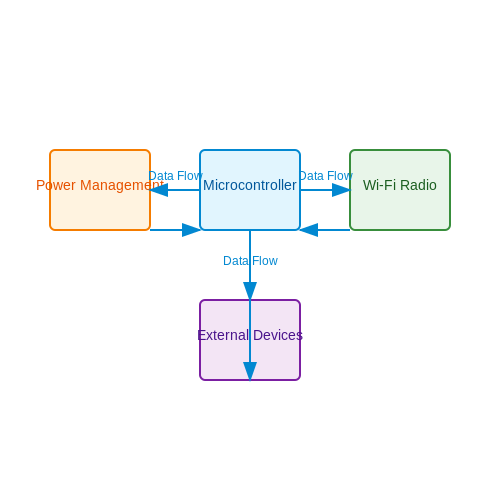
- Wi-Fi Radio: Responsible for transmitting and receiving data over wireless networks.
- Microcontroller: Acts as the control unit, managing data processes and interfacing with external devices.
- Power Management: Circuits that manage power supply and consumption, crucial for battery-operated applications.
Operational Principles
Standalone Wi-Fi modules operate on principles similar to standard Wi-Fi protocols. They utilize various modulation techniques, typically OFDM (Orthogonal Frequency-Division Multiplexing) in the 802.11 standards, which enhance data rates and reliability. Understanding these concepts also requires familiarity with crucial metrics such as signal strength, bandwidth, and data throughput, all of which dictate the effectiveness of a wireless communication link.
The function of these modules can be simplified into a series of steps:
- Initial Setup: Configuration of network parameters and security protocols, usually through a serial interface.
- Connection Establishment: Initiating a connection request to a specified SSID (Service Set Identifier).
- Data Transmission: Exchanging information with nearby devices or the internet using TCP/IP protocols.
Mathematical Concepts in Signal Processing
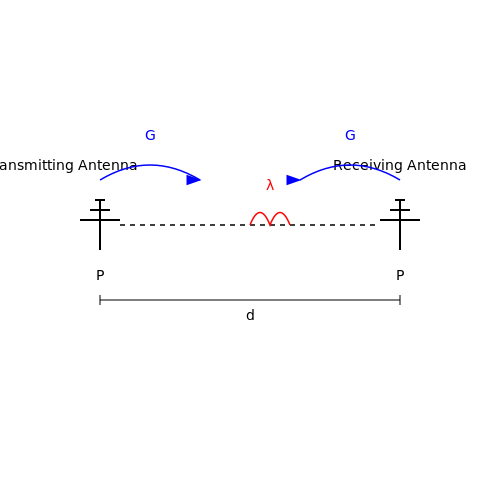
Understanding the limits of Wi-Fi signal propagation is essential for practical applications. The path loss in an indoor environment can generally be described using the Friis transmission equation:
- L: Path loss in decibels (dB)
- d: Distance between the transmitter and receiver in meters
- f: Frequency of the signal in megahertz (MHz)
- K: Constant that accounts for environmental factors
By analyzing these relationships, engineers can optimize network placements and determine effective transmission ranges for standalone Wi-Fi modules across various environments.
Applications of Standalone Wi-Fi Modules
These Wi-Fi modules are integral to numerous applications spanning home automation, industrial IoT, and smart agriculture systems. For example, in a smart home setup, modules facilitate communication between devices such as light controls, security systems, and energy monitors, enhancing user convenience and control.
In addition, standalone Wi-Fi modules enable real-time data collection and monitoring in industrial scenarios, allowing businesses to analyze operational efficiency and make data-driven decisions. This versatility has contributed significantly to the rapid growth of connected devices globally.
Conclusion
The emergence of standalone Wi-Fi modules has transformed the landscape of wireless communication, making connectivity simpler and more accessible. By understanding their operational principles, component makeup, and potential applications, professionals can leverage these tools for innovative solutions across various fields.
2.2 Wi-Fi SoC (System on Chip) Modules
Wi-Fi System on Chip (SoC) modules represent the convergence of hardware and software into compact, efficient solutions suitable for a variety of applications. Their integration is a game-changer for IoT devices, consumer electronics, and industrial automation, driving innovation and promoting connectivity in numerous environments. This subsection delves into the architecture, functionality, and practical implications of these powerful modules.
Understanding Wi-Fi SoC Architecture
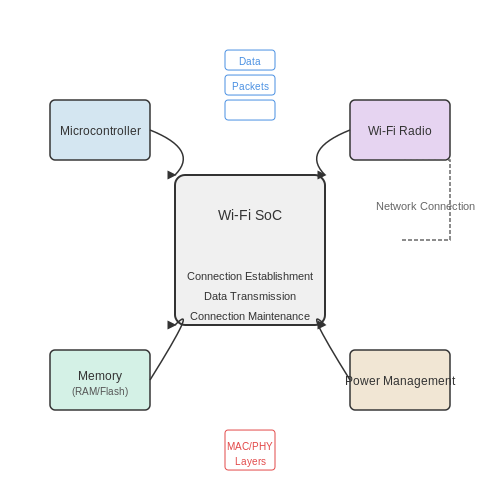
A Wi-Fi SoC typically consolidates the following key components into a single chip:
- Microcontroller (MCU): Responsible for executing application logic and controlling peripherals.
- Wi-Fi Radio: Facilitates wireless communication, handling aspects such as modulation and demodulation.
- Memory: Including both volatile (RAM) and non-volatile (Flash) components, crucial for program execution and data storage.
- Power Management Unit (PMU): Maximizes energy efficiency, which is essential for battery-powered applications.
This integrated approach has significant implications for device size, development time, and manufacturing costs, making SoC modules a preferred choice for developers aiming for efficiency and performance.
Functional Overview
The process of operation within a Wi-Fi SoC can largely be reduced to three key stages: connection establishment, data transmission, and connection maintenance. Upon power-up, the module initializes its firmware and searches for available networks. Upon selecting a network, it establishes the connection using protocols such as DHCP for IP provisioning.
Once connected, the Wi-Fi SoC prepares to transmit data. This includes preparing packets for transmission, complying with IEEE 802.11 standards to ensure interoperability. The physical layer handles the modulation of these packets onto radio waves, while the MAC layer manages protocol-specific tasks, such as authentication and encrypted data transfer.
Real-World Applications
The ability of Wi-Fi SoCs to manage complex tasks on a single chip has led to their incorporation into a vast array of devices, such as:
- Smart Home Devices: Devices like smart thermostats and security cameras utilize Wi-Fi SoCs for seamless internet connectivity.
- Wearable Technology: Smartwatches and fitness trackers employ these modules for real-time health monitoring and data sharing.
- Industrial Automation: In smart factories, Wi-Fi SoCs facilitate communication between machinery, sensors, and control systems to optimize operations.
Furthermore, the growing trend towards edge computing significantly benefits from the integration of Wi-Fi SoCs, providing on-device data processing capabilities that minimize latency and enhance performance.
Conclusion
In summary, Wi-Fi SoC modules are pivotal in the evolution of connected devices, driven by their ability to integrate key functionalities into a single package. As the demand for faster, more efficient communication continues to grow, advancements in SoC technology are expected to refine their abilities, further streamlining the development process and facilitating innovations across various sectors.
2.3 Wi-Fi Shield Modules
The advent of Wi-Fi shield modules has revolutionized the integration of wireless communication into electronic systems. These versatile components are designed to enhance microcontroller projects by providing seamless Wi-Fi connectivity, thereby enabling Internet of Things (IoT) applications, remote monitoring, and control systems. This segment delves into the operational principles, architecture, and practical applications of Wi-Fi shield modules.
Underlying Principles
Wi-Fi shield modules use the IEEE 802.11 standards to facilitate wireless communication. At the core of these modules is a radio transceiver capable of transmitting and receiving radio frequency (RF) signals. The module typically interfaces with a microcontroller through standard communication protocols, such as Serial Peripheral Interface (SPI) or Universal Asynchronous Receiver-Transmitter (UART).
The operation of a Wi-Fi shield can be understood through the following steps:
- Initialization: Upon power-up, the module initializes its internal hardware components, including the RF transceiver and network stack.
- Network Configuration: Users configure the Wi-Fi shield to connect to a specific network by providing SSID and password parameters.
- Data Transmission: Once connected, it employs TCP/IP protocols for data communication, allowing devices to send and receive data over the internet.
Architecture and Components
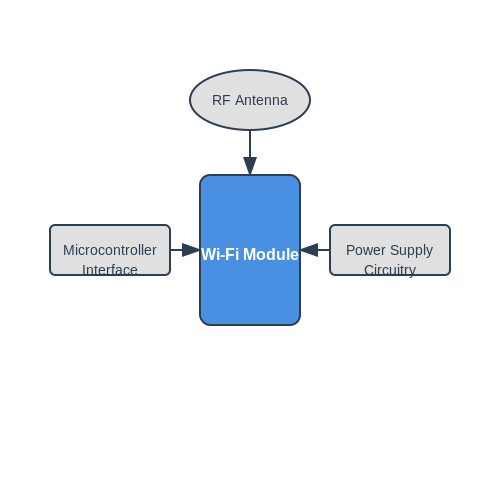
Typically, a Wi-Fi shield comprises several key components:
- Microcontroller Interface: A dedicated interface for communication with the host microcontroller, enabling control and data exchange.
- Power Supply Circuitry: Ensures stable power is supplied to the module, often capable of handling voltage levels appropriate for various microcontrollers.
- RF Antenna: Vital for the transmission of Wi-Fi signals, the antenna design affects the module’s range and bandwidth capabilities.
Common Wi-Fi Shields
Several commercial Wi-Fi shields are available, each varying in functionality and ease of use:
- Arduino Wi-Fi Shield: Designed for Arduino boards, this module simplifies the integration of Wi-Fi connectivity into Arduino projects.
- ESP8266/ESP32 Modules: These integrated solutions offer not only Wi-Fi capabilities but also onboard processing power, making them suitable for standalone applications.
- Raspberry Pi Wi-Fi Adapter: While primarily used as a peripheral for Raspberry Pi systems, these adapters enable wireless functionality without taking up GPIO pins.
Practical Applications
The versatility of Wi-Fi shield modules enables a myriad of applications, such as:
- Home Automation: Wi-Fi shields facilitate remote control of home devices, enhancing user convenience and energy efficiency.
- Environmental Monitoring: Sensors equipped with Wi-Fi shields can collect data and transmit it to cloud platforms for analysis, significantly aiding research and development.
- Smart Healthcare: Wi-Fi-enabled medical devices streamline patient health monitoring by sending real-time data to healthcare providers.
In conclusion, Wi-Fi shield modules have become indispensable tools for project developers and engineers, allowing for advanced wireless communication in a dynamic range of applications. Whether for personal projects or large-scale industrial systems, their ability to connect devices to the internet opens a gateway to endless possibilities in the realm of technology.
3. Frequency Bands and Channels
3.1 Frequency Bands and Channels
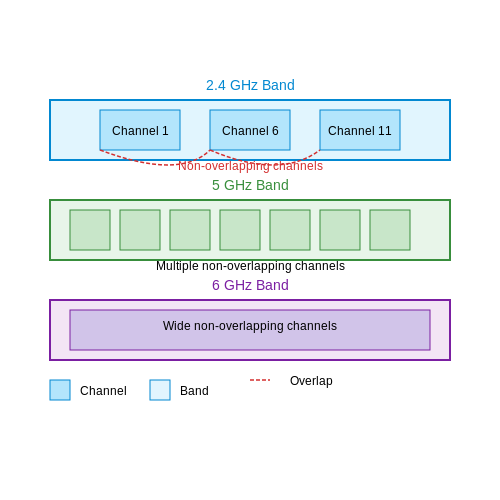
Wi-Fi technology operates primarily in two frequency bands: the 2.4 GHz and 5 GHz bands. These bands are crucial for determining the performance and range of Wi-Fi networks, which in turn affects their applicability in various environments, from home networking to industrial automation.
Understanding Frequency Bands
The choice of frequency band significantly influences Wi-Fi network capabilities. The 2.4 GHz band, which offers a broader coverage area, operates using 11 channels in North America (1-11), and each channel is approximately 20 MHz wide. However, overlapping channels restrain the effective number of non-overlapping channels to three (1, 6, and 11), leading to potential signal interference in dense environments.
In contrast, the 5 GHz band has a greater number of channels (up to 23 non-overlapping channels in some regions), each also 20 MHz wide or can be combined for wider channels such as 40 MHz and 80 MHz. This not only provides higher data rates but also reduces interference, making it ideal for applications requiring high bandwidth, such as video streaming and online gaming.
The Transition to 6 GHz
With the introduction of Wi-Fi 6E, the 6 GHz band has been unlocked, which provides even more channels (up to 14 additional 80 MHz channels) and offers additional advantages in terms of reduced congestion and faster data rates. The growth of these bands reflects the increasing demand for reliable wireless communication, driven by advanced applications in smart homes, IoT devices, and cloud computing platforms.
Channel Allocation and Bandwidth
In practice, channel allocation involves either static or dynamic management based on network conditions. For instance, a static allocation assigns channels based on preset rules, often leading to inefficiencies due to congestion. Dynamic allocation, on the other hand, adapts to the current utilization scenario, often facilitated by protocols like Dynamic Frequency Selection (DFS), which utilizes radar technology to avoid interference with weather surveillance and other critical systems operating in the same frequency band.
The effective utilization of these channels not only maximizes throughput but also minimizes latency, which is vital for time-sensitive applications. A proper understanding of bandwidth and channel interactions allows engineers and researchers to design robust Wi-Fi networks capable of sustaining multiple high-demand connections simultaneously.
Real-World Applications
The choice of frequency bands and channels finds practical applications across various fields. In densely populated environments like offices, the reliance on the 5 GHz band can mitigate issues like interference from neighboring networks. Conversely, in rural settings, the 2.4 GHz band might be more suitable due to its extended range, albeit at lower speeds. Emerging technologies, such as smart cities and edge computing, are paving the way for more sophisticated channel allocation strategies to meet burgeoning demands efficiently.
In summary, understanding the intricacies of frequency bands, channel allocation, and real-world applications enables engineers and researchers to optimize Wi-Fi networks for various use cases, paving the way for innovative solutions in communication technology.
3.2 Data Rates and Throughput
In the realm of applied Wi-Fi modules, understanding data rates and throughput is crucial for engineers and researchers aiming to design efficient networks. Data rates refer to the maximum speed at which data can travel over a communication channel, while throughput is the actual rate of successful data transfer achieved during communication. This distinction is essential as it impacts network design, device capabilities, and overall performance.Understanding Data Rates
Data rates are typically expressed in megabits per second (Mbps) or gigabits per second (Gbps), and they can be influenced by numerous factors such as modulation techniques, channel bandwidth, and environmental conditions. In Wi-Fi technology, data rates have evolved dramatically, especially with the introduction of IEEE 802.11 standards. For example, previous standards like IEEE 802.11b offered maximum data rates of up to 11 Mbps. In contrast, IEEE 802.11ac supports data rates exceeding 1 Gbps through the use of Multiple Input Multiple Output (MIMO) technology, which transmits multiple streams of data simultaneously. It is also important to note that the specified maximum data rates are often under ideal conditions, which leads us to investigate the more practical aspect—throughput.Throughput: The Real-World Scenario
Throughput is often significantly lower than the theoretical data rate due to factors such as signal interference, network congestion, protocol overhead, and distance from the access point (AP). To quantify throughput, a theoretical model can be applied:Factors Influencing Throughput
Several factors affect throughput in Wi-Fi networks:- Network Configuration: The choice of channel width (20, 40, or 80 MHz) can significantly alter throughput. Wider channels increase available bandwidth but also increase susceptibility to interference.
- Distance and Obstacles: Physical obstructions such as walls can diminish signal strength, thereby reducing throughput. The inverse square law describes how signal strength diminishes with distance, impacting performance.
- Interference: Other wireless devices transmitting on the same frequency band can lead to a phenomenon called co-channel interference, further reducing throughput.
- Client Capabilities: The capabilities of the client's Wi-Fi module (e.g., support for MIMO and beamforming) directly affect the achievable throughput.
- Environmental Factors: The presence of multiple access points may lead to network saturation, with too many devices attempting to communicate at once, ultimately reducing effective throughput.
Practical Applications
In practical terms, understanding these concepts is crucial for a variety of applications: - Smart Cities: Dense environments require efficient throughput to manage numerous connected devices without overwhelming network capacity. - Home Automation: Smart home devices depend on reliable throughput to ensure seamless control and communication. - Industry 4.0: Manufacturing systems utilize high-throughput connections for real-time data analysis and responsive control mechanisms. Ultimately, mastering the intricacies of data rates and throughput allows engineers to tailor Wi-Fi solutions to meet specific needs, ensuring that both the theoretical capabilities and practical performance align for maximum effectiveness in real-world applications.3.3 Power Consumption and Efficiency
Power consumption, a critical aspect of Wi-Fi modules, directly influences both operational cost and design choices in various applications. As the Internet of Things (IoT) and wireless technologies continue to proliferate, understanding the balance between efficiency and performance has never been more essential.
Understanding Power Consumption
The energy consumption of Wi-Fi modules can be broken down into several states: active, idle, and sleep. Each state represents a different level of power draw and serves distinct purposes:
- Active: This state occurs during data transmission when the module is transmitting or receiving data. The power drawn can vary depending on the data rate and distance to the access point.
- Idle: In this state, the module remains connected to the network but is not actively sending or receiving data. Power consumption reduces significantly compared to the active state.
- Sleep: In sleep mode, the Wi-Fi module consumes minimal power, making it crucial for battery-operated devices. The transition from sleep to active can introduce latency, which needs to be managed based on the application.
Efficiency Metrics
Efficiency in Wi-Fi modules is typically evaluated using several key metrics:
- Current Draw: Measured in milliamperes (mA), this quantifies the power consumption during different operational states.
- Transmit Power: Higher transmit power can enhance range and reliability but will lead to increased current consumption.
- Data Rate: Maximizing data throughput while minimizing power consumption is a challenging yet critical goal. The Shannon-Hartley theorem gives a theoretical limit on the maximum data rate in a communication channel, dictated by bandwidth and signal-to-noise ratio (SNR).
Mathematically, the maximum channel capacity (C) can be expressed as:
where:
- C is the capacity in bits per second (bps).
- B is the bandwidth of the channel in hertz (Hz).
- S is the average received signal power.
- N is the average noise power in the channel.
Real-World Applications and Trade-offs
There is an inherent trade-off between performance and power efficiency in wireless communication. For instance, in industrial applications or remote sensor networks, where devices are often battery-operated, optimizing for low power consumption is imperative. Techniques such as Adaptive Transmission Power Control (ATPC) and Dynamic Frequency Selection (DFS) are implemented to enhance power efficiency without sacrificing the quality of service.
Moreover, in consumer electronics like smartphones and wearables, power efficiency extends device battery life, resulting in a better user experience. Choosing Wi-Fi modules with integrated power management features can yield substantial benefits.
Conclusion
With the advancements in communication technology, efficient power management in Wi-Fi modules is more important than ever. As engineers and researchers, focusing on methods to minimize power usage without compromising performance opens doors to innovative applications across various fields.
4. IEEE 802.11 Standards Overview
4.1 IEEE 802.11 Standards Overview
The IEEE 802.11 standards constitute a set of protocols that govern wireless local area networking (WLAN). Developed by the Institute of Electrical and Electronics Engineers (IEEE), these standards have undergone numerous revisions and expansions since their inception in the late 1990s. Each version of the standard introduces enhancements to bandwidth, coverage, and security, making them crucial for modern wireless communication systems.
The original IEEE 802.11 standard, ratified in 1997, provided a maximum data rate of 2 Mbps at a frequency of 2.4 GHz. Following its release, the rapid growth of wireless technologies prompted the development of subsequent versions that progressively increased throughput and performance capabilities. The most significant advancements have been encapsulated in various amendments, which include but are not limited to IEEE 802.11a, 802.11b, 802.11g, 802.11n, 802.11ac, and the latest standards, 802.11ax (Wi-Fi 6) and 802.11be (Wi-Fi 7).
Key Standards and Features
Below is a summary of some notable IEEE 802.11 standards and their key features:
- IEEE 802.11a: Introduced in 1999, operating in the 5 GHz band with data rates up to 54 Mbps through the use of orthogonal frequency-division multiplexing (OFDM). This standard offers improved performance in high-interference environments.
- IEEE 802.11b: Also launched in 1999 but operating at 2.4 GHz, achieving data rates up to 11 Mbps. Notably, it became widely adopted due to its compatibility and lower cost.
- IEEE 802.11g: Released in 2003, it combined the best features of 802.11a and 802.11b, providing data rates up to 54 Mbps on the 2.4 GHz band, thus ensuring greater interoperability and efficiency.
- IEEE 802.11n: Introduced in 2009, leveraging multiple input multiple output (MIMO) technology to achieve throughput up to 600 Mbps. This was a critical step towards enhancing broadband wireless services.
- IEEE 802.11ac: Ratified in 2013, it operates in the 5 GHz band, using wider channels and advanced modulation techniques to achieve gigabit speeds (up to 3.5 Gbps). It illustrates how bandwidth demand has surged due to streaming and high-definition content.
- IEEE 802.11ax (Wi-Fi 6): This version aims to improve network efficiency, particularly in congested areas. It introduces technologies such as OFDMA and target wake time (TWT), achieving throughput beyond 10 Gbps.
- IEEE 802.11be (Wi-Fi 7): Anticipated for future applications, it promises enhanced performance for critical applications including augmented reality, offering higher throughput and lower latency.
The evolution of these standards illustrates a clear trend towards increasing data rates, improving energy efficiency, and enhancing network reliability in response to user demands. Observing this trend is essential, particularly for engineers and researchers engaged in developing next-generation wireless infrastructure.
Understanding the differences and capabilities of each standard is crucial not only for designing and implementing systems but also for optimizing existing networks for improved performance. Each standard addresses specific technological needs, such as streaming capabilities, high-density area traffic management, and security enhancements, making them integral to contemporary networking solutions.
In practice, the selection of an IEEE 802.11 standard often depends on the specific requirements of an application, such as range, speed, and device compatibility. For example, environments with many barriers (like walls) may benefit more from 802.11n or 802.11ac technology due to their MIMO capabilities and better range performance compared to earlier standards.
Thus, the IEEE 802.11 standards are not merely technical specifications but rather benchmarks that drive the innovation of wireless technology, catering to the evolving landscape of data consumption and connectivity.
4.2 TCP/IP Stack and its Importance
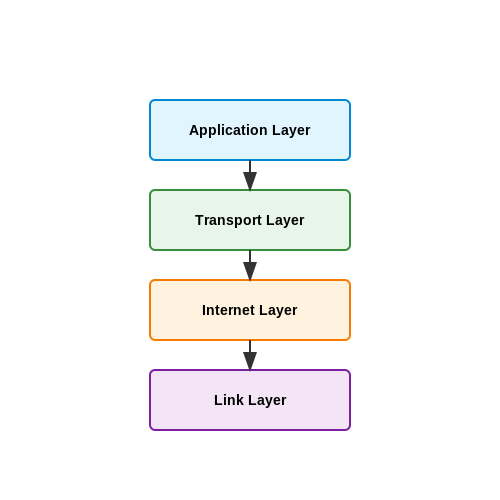
The Transmission Control Protocol/Internet Protocol (TCP/IP) stack serves as the fundamental architecture that underpins communication across networks, including those utilizing Wi-Fi modules. Understanding the TCP/IP stack is crucial for engineers and researchers focusing on networked systems, as it facilitates the reliable transmission of data over diverse networks. It comprises four layers: the Application Layer, the Transport Layer, the Internet Layer, and the Link Layer, each of which plays a distinct role in ensuring effective communication.
Overview of the TCP/IP Stack
At the top of the stack lies the Application Layer, which provides a myriad of protocols that directly serve user applications. Examples include HTTP for web traffic, FTP for file transfers, and SMTP for email communications. Without this layer, end-user applications would not be able to utilize the capabilities provided by the network.
Directly beneath, the Transport Layer manages communication between devices and ensures data integrity. The two prominent protocols in this layer are TCP and User Datagram Protocol (UDP). TCP, characterized by its connection-oriented approach, provides reliable communication through acknowledgment packets and error-checking mechanisms. Conversely, UDP allows for faster, connectionless communication at the expense of reliability, which might be preferable in time-sensitive applications such as online gaming and video streaming.
The Role of the Internet Layer
Descending further, the Internet Layer governs the routing of data packets across different networks. The Internet Protocol (IP) is the cornerstone of this layer, utilizing IP addresses to uniquely identify devices connected to the network. The efficient routing of packets is achieved through various algorithms and protocols, with IPv4 and the more recent IPv6 being the primary versions in use. IPv6 was introduced to address the limitations of IPv4, particularly the depletion of IP addresses.
Lastly, the Link Layer encompasses the hardware and technologies that allow for raw data transfer over physical mediums. This layer is critical in Wi-Fi modules, which employ standards like IEEE 802.11 to define how data is transmitted wirelessly. The speed and reliability of data transfer at this layer directly affect the performance of applications running above it.
Importance of the TCP/IP Stack
The significance of the TCP/IP stack in applied Wi-Fi modules cannot be overstressed. Each layer works in concert to manage data flow, provide error-checking, ensure data integrity, and enable efficient communication between networked devices. Below are a few key aspects that highlight this importance:
- Interoperability: The universal adoption of the TCP/IP protocol enables devices from different manufacturers and platforms to communicate with one another seamlessly.
- Scalability: The architecture's design allows networks to grow both in size and complexity, accommodating an increasing number of devices connecting wirelessly.
- Fault Tolerance: TCP's ability to handle lost packets and ensure ordered delivery makes communication more robust, minimizing the effects of network interruptions or data loss.
- Versatility: The stack supports a wide variety of applications and services, making it foundational for everything from basic web browsing to complex cloud services.
Real-World Applications
Many real-world applications rely heavily on the TCP/IP stack for their operations. For instance, IoT (Internet of Things) devices leverage Wi-Fi modules for connectivity, allowing them to send and receive data over the internet reliably. Smart homes, industrial automation, and numerous medical devices utilize the protocols defined by the TCP/IP stack to function effectively in modern environments.
To illustrate, consider a smart thermostat that communicates through a Wi-Fi module. It uses the TCP/IP stack to transmit user settings, fetch weather data, and relay performance metrics back to the manufacturer, ensuring a feedback loop that maximizes energy efficiency and functionality.
In summary, a comprehensive grasp of the TCP/IP stack is essential for maximizing the potential of applied Wi-Fi modules within various real-world applications. As networking technologies evolve, maintaining proficiency in this foundational framework will not only facilitate better system designs but also promote innovation and enhanced functionality.
4.3 Security Protocols in Wi-Fi Communication
The integrity and confidentiality of data transmitted through Wi-Fi networks are paramount in today's highly interconnected world. As the use of Wi-Fi expands across various domains—ranging from personal use to critical infrastructure—the need for robust security protocols has become increasingly imperative. This subsection will explore the underlying security mechanisms involved in Wi-Fi communication, focusing specifically on the protocols that ensure secure data exchange.
Understanding Wi-Fi Security Protocols
Wi-Fi security relies on several protocols designed to protect wireless communication. These protocols can be classified primarily into two groups: encryption protocols, which safeguard data in transit, and authentication protocols, which verify the identity of devices attempting to connect to the network.
Historical Context
Initially, the first generation of Wi-Fi security was established with the introduction of Wired Equivalent Privacy (WEP). While WEP aimed to provide a level of security comparable to wired networks, it was critically flawed. Cracking WEP keys became relatively straightforward due to vulnerabilities that emerged over time. This led to the development and subsequent adoption of Wi-Fi Protected Access (WPA) and its subsequent iterations, namely WPA2 and WPA3.
Wi-Fi Protected Access (WPA) and WPA2
WPA was introduced as an immediate solution to address the security shortcomings of WEP. It incorporates the Temporal Key Integrity Protocol (TKIP), which dynamically generates keys for each packet, making it considerably more secure than its predecessor. WPA2, which followed shortly thereafter, utilized AES (Advanced Encryption Standard) for encryption, providing an even stronger security framework. In addition to enhanced data protection, WPA2 implemented the 802.1X authentication standard, which allows for the use of an external authentication server to bolster network security.
WPA3 Enhancements
WPA3, the latest iteration of Wi-Fi security, introduces several new features that further enhance protection. Among these are:
- Simplified Security Configuration: WPA3 provides an easier setup for users while maintaining a high level of security.
- Individualized Data Encryption: This means even if two users share the same password, the data between them remains encrypted uniquely.
- Protection against Offline Dictionary Attacks: WPA3 makes it significantly more difficult for attackers to crack passwords using pre-computed lists.
These advancements are particularly important as organizations increasingly utilize IoT devices, which often have less buffer against security breaches.
Real-World Applications and Practical Relevance
Implementing these security protocols is essential across various sectors, including:
- Enterprise Networks: Companies employing sensitive communication and operations depend heavily on robust Wi-Fi security to protect their data.
- Smart Homes: With the growing prevalence of smart appliances, secure Wi-Fi connections help prevent unauthorized access and control.
- Public Hotspots: Coffee shops and airports increasingly use WPA2 and WPA3 protocols to ensure user data security.
In conclusion, as the landscape of communication technology evolves, so does the need for stringent security measures in Wi-Fi networks. Understanding and correctly implementing these protocols is pivotal for any engineer or researcher working within this domain.
5. Connecting Wi-Fi Modules to Microcontrollers
5.1 Connecting Wi-Fi Modules to Microcontrollers
In the realm of modern electronics and IoT (Internet of Things), the integration of Wi-Fi modules with microcontrollers has become a cornerstone of connectivity in various applications. This subsection aims to delve deep into the methodologies, protocols, and practical applications associated with interconnecting Wi-Fi modules to microcontrollers, enhancing both the functionality and scope of embedded systems.
Understanding Wi-Fi Modules
Wi-Fi modules such as the ESP8266 and ESP32 are specifically designed for seamless integration with microcontrollers. These modules handle the complex protocols required for wireless communication, allowing microcontrollers to focus on processing inputs and outputs. Equipped with a built-in TCP/IP stack, these modules can manage network communication efficiently.
Key Connection Protocols
The most common protocols for connecting Wi-Fi modules to microcontrollers include UART (Universal Asynchronous Receiver-Transmitter), SPI (Serial Peripheral Interface), and I2C (Inter-Integrated Circuit). Each protocol has its trade-offs in terms of speed, complexity, and required resources.
- UART: Suitable for simpler connections, UART requires fewer pins and is easier to implement but is limited by its lower data transfer rates (typically up to 1 Mbps).
- SPI: Offers higher data transfer rates and more efficient communication, making it suitable for applications requiring fast data exchange, although it requires more wiring and pins.
- I2C: Allows multiple devices on the same bus, which is advantageous in complex applications, though it operates at lower speeds compared to SPI.
Hardware Connections
When connecting a Wi-Fi module to a microcontroller, careful adherence to pin configuration is essential. Most microcontrollers, such as the Arduino family or STM32 series, offer libraries that facilitate the integration process.
Example: Connecting ESP8266 to Arduino
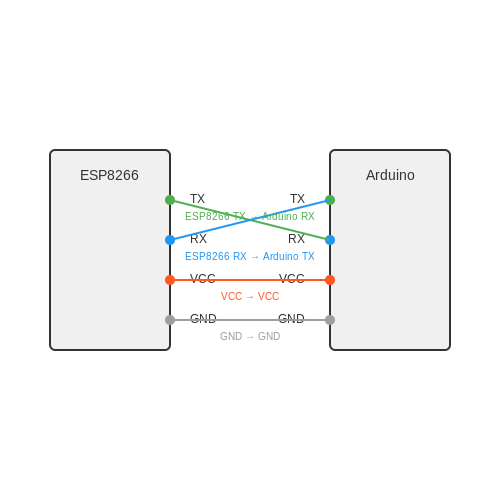
To achieve a connection, follow this typical wiring scheme:
- ESP8266 TX to Arduino RX
- ESP8266 RX to Arduino TX
- ESP8266 VCC to 3.3V Power Supply
- ESP8266 GND to Common Ground
In this configuration, power requirements must not be overlooked as the ESP8266 commonly operates at 3.3V and can draw significant current during transmission.
Software Configuration
After establishing physical connections, the next step is to configure the software. Libraries such as ESP8266WiFi or WiFi for ESP32 simplify the process of establishing connectivity. Utilizing the Arduino IDE, users can write scripts to initialize the module, connect to Wi-Fi networks, and manage data transmission.
Sample Code for Connecting to Wi-Fi
#include <ESP8266WiFi.h>

const char* ssid = "your_SSID";
const char* password = "your_PASSWORD";

void setup() {
    Serial.begin(115200);
    WiFi.begin(ssid, password);

    while (WiFi.status() != WL_CONNECTED) {
        delay(1000);
        Serial.println("Connecting to WiFi...");
    }

    Serial.println("Connected to WiFi!");
}

void loop() {
    // Your code here
}
This foundational example of connecting to a Wi-Fi network using the ESP8266 module showcases how to initialize the connection and monitor its status. Such basic setups serve as the stepping stones toward more complex IoT applications, enabling users to gather sensor data or transmit commands over the internet.
Real-World Applications
The applications for Wi-Fi enabled microcontroller systems are vast, ranging from smart home devices, industrial automation, remote environmental monitoring, to health care systems. For instance, a microcontroller connected to a weather station can wirelessly transmit temperature and humidity data to a server for real-time analysis.
Embracing Wi-Fi modules within microcontroller projects allows engineers and researchers to push the frontiers of innovation, providing a platform for creative solutions to some of today's most pressing challenges.
5.2 Programming Wi-Fi Modules
Programming Wi-Fi modules is a critical skill for engineers and researchers working with embedded systems, IoT devices, and networked applications. Understanding the intricacies of programming these modules can enable the development of sophisticated projects, from simple sensor networks to robust communication systems. This section delves into the programming paradigms, tools, and practical applications surrounding Wi-Fi modules, with a focus on recognized modules such as the ESP8266 and ESP32.Understanding the Programming Environment
The first step in programming Wi-Fi modules is selecting an appropriate development environment. Most advanced Wi-Fi modules come with diverse programming options, typically leveraging languages such as C/C++ or Python utilizing specific frameworks. For example, the Arduino IDE is widely used for programming ESP modules due to its user-friendly interface and extensive library support. Moreover, the ESP-IDF (Espressif IoT Development Framework) provides a more advanced option for developing applications specifically for the ESP32. It enables more control and finer tuning, which is essential for resource-constrained embedded systems.Basic Programming Concepts
When programming Wi-Fi modules, various concepts are crucial:- Wi-Fi Connectivity: Establishing a connection to a network involves initializing the Wi-Fi library and using credentials such as SSID and password.
- IP Address Management: Understanding static vs. dynamic IP addressing is significant, as this affects how devices communicate on the network.
- Protocols: Familiarity with HTTP, MQTT, and TCP/IP protocols is vital for effective data transmission and device interaction.
Implementation Example: Connecting to Wi-Fi
To illustrate, consider a simple example of programming the ESP8266 to connect to a Wi-Fi network. This snippet demonstrates the initialization and connection process, which is foundational for any further application development:
#include

const char* ssid = "your_SSID";
const char* password = "your_PASSWORD";

void setup() {
    Serial.begin(115200);
    WiFi.begin(ssid, password);

    while (WiFi.status() != WL_CONNECTED) {
        delay(1000);
        Serial.println("Connecting to WiFi...");
    }
    Serial.println("Connected to WiFi");
}

void loop() {
    // Your main code here
}
Advanced Techniques and Libraries
As projects grow in complexity, you may want to dive deeper into libraries that offer additional functionality. Libraries such as WiFiManager and AsyncTCP can greatly improve the user experience and performance of Wi-Fi modules:- WiFiManager: Allows users to configure Wi-Fi settings on the fly via a captive portal, making your device more user-friendly.
- AsyncTCP: Facilitates handling multiple simultaneous connections, which is particularly useful for IoT applications with numerous clients.
Real-World Applications
The application of programmed Wi-Fi modules spans numerous industries, including:- Smart Homes: Utilizing Wi-Fi modules to control lighting, security, and appliances remotely.
- Industrial Automation: Enabling remote monitoring and control of machinery via networked devices.
- Healthcare: Connecting medical devices to cloud applications for real-time monitoring of patients.
5.3 Troubleshooting Common Issues
When working with applied Wi-Fi modules, engineers and researchers may encounter a variety of technical issues that can hinder performance. Fortunately, troubleshooting these common problems can often be achieved through systematic analysis and observation. In this section, we will explore some typical challenges, their potential root causes, and effective strategies for resolution.Signal Strength and Range Issues
One of the primary concerns when dealing with Wi-Fi modules is signal strength. A weak signal can severely limit the effective range of wireless communication. Factors contributing to signal degradation include physical barriers, interference from other devices, and the inherent characteristics of the Wi-Fi technology being used. Common Causes:- Distance: The further the device is from the access point (AP), the weaker the signal.
- Obstructions: Walls, metal objects, and other obstacles can absorb or reflect signals.
- Interference: Devices operating in the same frequency range, such as microwaves and cordless phones, can disrupt the signal.
Connection and Stability Problems
Connection stability is crucial in applications relying on continuous data transmission. Persistent disconnection or intermittent connections can be detrimental, especially in industrial or research settings. Potential Causes:- Network Congestion: Too many devices connected to the same network can lead to high latency and dropped connections.
- Firmware Issues: Outdated or corrupted firmware in the Wi-Fi module can cause connectivity problems.
- Power Supply Fluctuations: Inadequate power can lead to erratic behavior in Wi-Fi modules.
Data Transmission Errors
Transmission errors can occur due to signal interference, hardware malfunctions, or software configurations. High error rates can lead to data loss and unreliable performance. Factors Contributing to Data Errors:- Mismatch in Baud Rate: Incorrectly configured baud rates between the Wi-Fi module and microcontroller can lead to data corruption.
- Environmental Noise: Electrical noise from nearby devices can interfere with data integrity.
- Inadequate Error Handling Protocols: Insufficient coding protocols can exacerbate issues with data transmission reliability.
Using Diagnostic Tools to Assist Troubleshooting
To effectively diagnose the aforementioned issues, engineers can leverage various diagnostic tools. These tools can provide insights into signal strength, network traffic, and device responsiveness. Insightful Tools: - Wi-Fi Analyzer Apps: These can help visualize signal strength and identify network congestion. - Packet Sniffers: Tools like Wireshark can capture and analyze data packets to diagnose network problems at a granular level. - Multimeters and Oscilloscopes: Useful in assessing power supply stability and verifying signal integrity. By employing these tools, professionals can approach problem-solving in a data-driven manner, leading to more accurate and efficient resolutions. In summary, troubleshooting issues with applied Wi-Fi modules requires a thorough understanding of both the hardware and the environmental context in which they operate. By methodically addressing potential problems related to signal strength, connection stability, and data transmission, engineers can ensure reliable and effective wireless communication.6. IoT Applications with Wi-Fi Modules
6.1 IoT Applications with Wi-Fi Modules
The advent of the Internet of Things (IoT) has significantly transformed numerous sectors, bringing profound changes to traditional systems. Central to this transformation is the utilization of Wi-Fi modules, which serve as the backbone for seamless communication in IoT applications. Wi-Fi modules enable devices to connect to the internet, facilitating data exchange in real-time, and supporting a multitude of advanced applications.
At the heart of IoT, Wi-Fi modules like the ESP8266, ESP32, and various other integrated circuit solutions are pivotal, offering reliable connectivity and the ability to communicate over several protocols. These modules are characterized by their low power consumption, extensive range, and relatively high data rates, which make them suitable for diverse applications, from smart homes to industrial automation.
1. Smart Home Automation
One of the most prevalent applications of Wi-Fi modules in the IoT landscape is in smart home automation systems. Devices such as smart refrigerators, thermostat controllers, and home security cameras utilize Wi-Fi modules to synchronize and communicate with other devices and the cloud. This interaction allows users to control appliances remotely via mobile applications or voice commands, thereby enhancing convenience and efficiency.
Key Components of Smart Home Systems
- Smart Hubs: Devices that unify communication among various smart home devices.
- Sensor Integration: Wi-Fi modules connect sensors that monitor environmental changes, providing data to end-users.
- Remote Access: Control systems via mobile apps ensure users have access to device functionalities from anywhere.
Integration of Wi-Fi modules in this realm simplifies user experience through the centralization of control and automation of home environments.
2. Wearable Devices
Wearable technology has surged as IoT applications gain traction, with fitness trackers and health monitoring devices at the forefront. Wi-Fi modules can enable these wearables to upload health metrics, activity levels, and other data to cloud-based platforms for processing and analysis. This capability allows users and healthcare providers to monitor health trends and receive alerts regarding any anomalies.
Performance Metrics and Communication Protocols
Engineers must consider the trade-offs between power consumption and data throughput when integrating Wi-Fi modules into wearable devices. The effective deployment of Wi-Fi relies on optimizing the module's transmission power and antenna design to ensure robust communication while preserving battery life.
Recent advancements have introduced hybrid protocols combining Wi-Fi with other short-range communication technologies like Bluetooth, facilitating energy-efficient data transfer without compromising range.
3. Industrial IoT (IIoT)
In the industrial sector, the deployment of Wi-Fi modules in IIoT applications has enabled real-time monitoring and control of machinery, predictive maintenance, and streamlined supply chain management. By connecting machines to the internet, operators can collect operational metrics for further analysis, optimizing performance and reducing downtime.
Networking and Security Considerations
Implementing Wi-Fi in industrial settings presents unique challenges, particularly concerning the security of data transmitted over wireless networks. Techniques including encryption, secure boot, and regular firmware updates are critical in protecting sensitive industrial data.
Furthermore, ensuring network reliability and low-latency communication in environments with high electromagnetic interference is crucial. Techniques such as frequency-hopping spread spectrum (FHSS) and advanced error correction can significantly enhance performance in challenging scenarios.
4. Smart Agriculture
Utilizing Wi-Fi modules in agriculture has opened avenues for precision farming. Various parameters such as soil moisture, crop health, and weather conditions can now be monitored using remote sensors connected via Wi-Fi. Data gathered can be analyzed to provide insights for optimized irrigation and fertilization, thus improving crop yields and resource management.
Data-Driven Decision Making
These applications underscore the engagement between IoT technology and agricultural practices. For instance, automated irrigation systems can use real-time data to trigger watering cycles accurately, conserving water and maximizing agricultural outputs. The synthesis of data analysis and connectivity drives efficiency in modern farming practices.
Ultimately, the integration of Wi-Fi modules into IoT applications represents not merely a technological enhancement but a paradigm shift across industries. The capability of devices to communicate and respond in real-time is set to define the future of connectivity and automation, heralding new possibilities for innovation and efficiency.
6.2 Smart Home Integration
The rapid evolution of applied Wi-Fi modules has paved the way for significant advancements in smart home technology. These modules are integrated into various devices, allowing seamless connectivity and communication between smart systems and the internet. Understanding how these modules integrate into smart homes enhances the design, functionality, and user experience of the products we interact with daily.
Understanding Wi-Fi Modules in Smart Home Systems
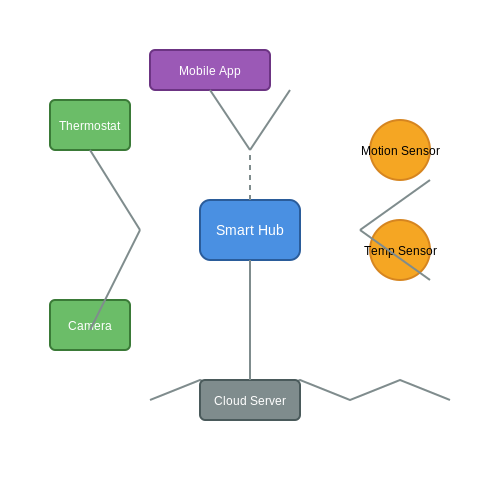
At the core of smart home integration are Wi-Fi modules, such as the ESP8266 and ESP32, which facilitate wireless communication. A typical configuration includes a microcontroller embedded with a Wi-Fi module, which connects to the local network and relays data. This data transfer enables users to monitor and control devices remotely via smartphone applications or web interfaces.
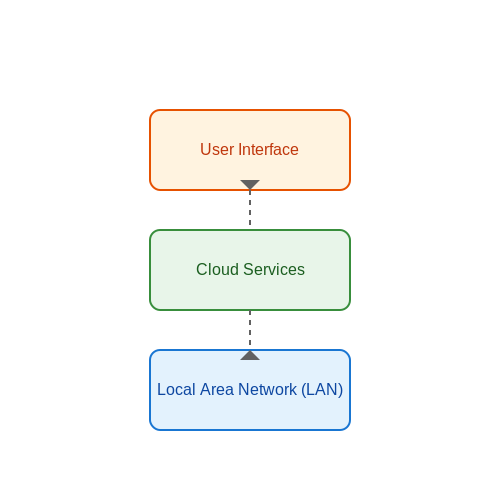
The architecture of a smart home can be described with a layered approach:
- Local Area Network (LAN): This layer includes all Wi-Fi-enabled devices within the home.
- Cloud Services: These services provide centralized processing and data storage, enhancing functionalities like AI-based automation.
- User Interface: Usually through mobile applications or web portals, users can interact with the home network.
Protocol Standards and Interoperability
Another crucial aspect of smart home integration is adherence to various communication protocols. The most prevalent among these include:
- MQTT: Lightweight messaging protocol ideal for low-bandwidth, high-latency networks. It enables the exchange of messages between devices, ensuring energy efficiency.
- HTTP/HTTPS: These protocols are widely used for RESTful APIs to communicate with cloud services or other networked devices, allowing control from anywhere in the world.
- CoAP: The Constrained Application Protocol, designed for simple devices, facilitates interaction with web resources.
By implementing these protocols, various devices such as sensors, cameras, and appliances can effectively communicate with each other, minimizing configuration complexity and increasing system reliability.
Real-World Applications and Use Cases
Smart home integration enabled by Wi-Fi modules serves a plethora of applications, such as:
- Smart Lighting: Adjusting the brightness or color of lights through a mobile app or voice commands (enabled by platforms like Google Home or Amazon Alexa).
- Security Systems: Users can monitor home surveillance cameras in real-time, receive alerts on suspicious activities, and even control locks remotely.
- Environmental Controls: Smart thermostats that learn user preferences can optimize heating and cooling while minimizing energy consumption.
Beyond mere automation, these applications enhance convenience and offer increased security, energy efficiency, and improved lifestyle quality.
Challenges and Considerations
Despite the advantages, integration challenges remain prevalent:
- Security Risks: The reliance on internet connectivity exposes systems to hacking and data breaches, necessitating encryption and secure authentication measures.
- Interoperability Issues: The lack of standardization can result in device incompatibility, making it essential for engineers to select modules that support multiple protocols.
- Scalability: As more devices are added, network congestion can occur, requiring robust solutions for bandwidth management.
In conclusion, the integration of Wi-Fi modules within smart home environments exemplifies a significant leap in enhancing daily human interactions with technology. By leveraging connectivity, we can realize a vision where our homes are more responsive, secure, and efficient. As the field of electronics and networking continues to evolve, ongoing research and development will undoubtedly lead to more sophisticated integrations, presenting exciting opportunities for engineers and developers alike.
6.3 Data Monitoring and Automation
As the world increasingly relies on connectivity and the Internet of Things (IoT), the role of Wi-Fi modules has evolved dramatically. Enabling seamless data transmission, these modules are at the heart of data monitoring and automation systems. This section presents an in-depth exploration of how applied Wi-Fi modules facilitate sophisticated data monitoring processes and the automation of various engineered systems.
The Integration of Wi-Fi Modules in Data Monitoring
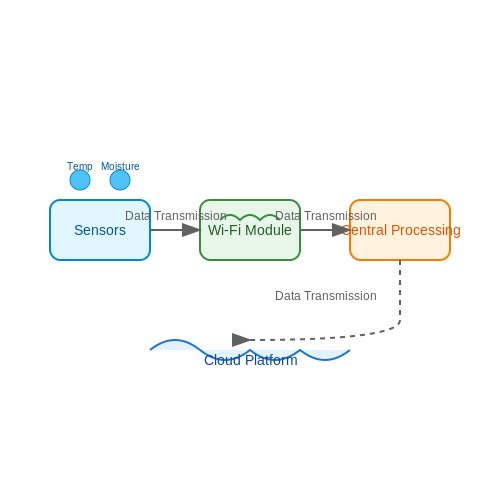
Data monitoring typically involves the collection and analysis of data from various sensors, effectively capturing environmental or operational metrics. Wi-Fi modules serve as the communicative backbone in this context, allowing collected data to be sent wirelessly to central processing systems. Common applications include environmental monitoring, industrial automation, and even health monitoring.
For engineers working with these applications, it is essential to understand the underlying functionalities of these Wi-Fi modules, which often come equipped with built-in protocols like MQTT (Message Queuing Telemetry Transport) and HTTP/HTTPS. These protocols facilitate lightweight data transmission, making them ideal for situations where bandwidth or power is a concern.
Design Considerations for Automation Systems
When developing automated systems, several critical design considerations must be observed. These include:
- Scalability: Systems should accommodate additional sensors or data sources without significant redesign.
- Reliability: High availability of Wi-Fi connections must be ensured, addressing issues like signal interference and signal dropouts.
- Security: Implementing encryption methods and secure protocols is critical in safeguarding the data being transmitted.
- Latency: Minimizing the time delay in data transmission is crucial for real-time monitoring and automation.
Mathematical Modeling of Data Transmission
When discussing data transmission in Wi-Fi modules, it is helpful to consider the Shannon-Hartley theorem, which provides a formula for calculating the maximum data rate of a communication channel. The theorem is expressed as follows:
In this equation, \( C \) represents the channel capacity in bits per second, \( B \) is the bandwidth of the channel in Hertz, \( S \) is the average received signal power, and \( N \) is the average noise power. The logarithm reflects how data rate increases with the signal-to-noise ratio, illustrating the impact of reducing noise levels in enhancing data transmission rates.
Real-World Applications
Numerous successful implementations of Wi-Fi modules in data monitoring and automation serve as a testament to their effectiveness. For instance:
- Smart Agriculture: Wi-Fi-enabled sensors monitor soil moisture, temperature, and humidity, automating irrigation systems to optimize water usage.
- Industrial Automation: Machines equipped with Wi-Fi modules can transmit operational data to cloud platforms for real-time analysis, facilitating predictive maintenance and process optimization.
- Healthcare Monitoring: Wearable devices can continuously monitor vital signs, with data being transmitted to healthcare providers to preemptively address health concerns.
In summary, the use of applied Wi-Fi modules in data monitoring and automation represents a pivotal advancement in engineering design, enabling more robust, efficient, and responsive systems that contribute to improved performance across various applications.
7. Wi-Fi 6 and Beyond
7.1 Wi-Fi 6 and Beyond
With the advent of Wi-Fi 6, also known as 802.11ax, wireless networking technology has taken a transformative leap forward. This subsection delves into the principles and innovations behind Wi-Fi 6 and its subsequent advancements, emphasizing their practical implications for high-density environments and emerging applications.
Understanding Wi-Fi 6
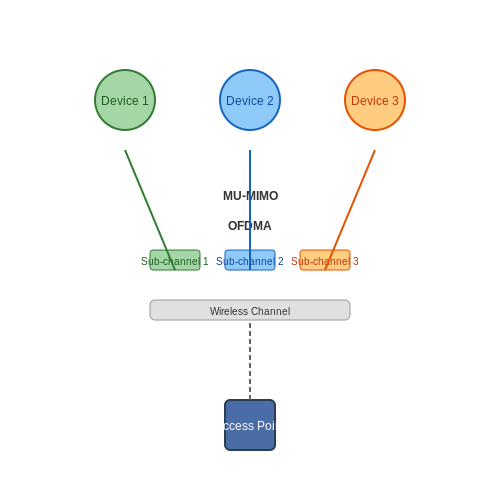
Wi-Fi 6 represents a significant evolution in wireless communication, focusing extensively on optimizing performance in environments with high device density. One of the core innovations of Wi-Fi 6 is the implementation of Orthogonal Frequency-Division Multiple Access (OFDMA). This technique allows multiple users to share channels simultaneously, increasing the overall efficiency of the network. Essentially, OFDMA divides a channel into smaller sub-channels, enabling simultaneous transmission to multiple devices, thus reducing latency and improving throughput.
Another pivotal enhancement in Wi-Fi 6 is Multi-User, Multiple Input, Multiple Output (MU-MIMO), which expands upon the MU-MIMO technology introduced in Wi-Fi 5 (802.11ac). Wi-Fi 6 supports both uplink and downlink MU-MIMO, empowering access points to communicate with a greater number of devices at once. This drastically enhances performance, particularly in environments such as offices, stadiums, and smart homes, where multiple devices are continuously connected.
Key Features of Wi-Fi 6
- Increased Channel Width: Wi-Fi 6 supports 160 MHz channel widths, allowing for double the data rates compared to Wi-Fi 5.
- Higher Data Rates: The theoretical maximum data rate for Wi-Fi 6 is around 9.6 Gbps, outperforming previous generations.
- Target Wake Time (TWT): This feature allows devices to schedule data transmissions, boosting battery life in IoT devices.
- Improved Security: Wi-Fi 6 includes the latest security protocol, WPA3, offering enhanced security mechanisms for devices.
The Role of Waveforms and Modulation
A crucial aspect of Wi-Fi 6 is its advanced modulation scheme, specifically 1024-QAM (Quadrature Amplitude Modulation). By allowing more bits per symbol, 1024-QAM significantly increases the data capacity. To grasp the efficiency of this modulation, consider the comparison:
Where:
- R = Data rate in bits per second
- M = Number of different symbols (for 1024-QAM, M=1024)
- B = Bandwidth
As M increases, the data rate R proportionally rises, significantly enhancing throughput capacity in high-bandwidth scenarios.
Looking Beyond Wi-Fi 6: Wi-Fi 6E and Future Technologies
Building on the foundations laid by Wi-Fi 6, Wi-Fi 6E introduces the capability to operate in the 6 GHz band, providing additional channels and alleviating congestion in the existing 2.4 GHz and 5 GHz bands. This expansion is critical for applications demanding high-speed and low-latency connections, such as virtual reality (VR) and augmented reality (AR).
Emerging technologies such as Wi-Fi 7, currently in development, promise to bolster performance further through advancements like higher-order QAM (4096-QAM), even greater channel bandwidths, and refined multi-link operation capabilities. Together, these innovations are set to redefine how we perceive connectivity in previous applications.
In conclusion, the evolution of Wi-Fi technology, primarily encapsulated in Wi-Fi 6 and its successors, not only enhances individual user experience but also expands the horizons for emerging technologies. This rapid advancement signifies an essential shift towards ultra-reliable low-latency communication, crucial for the Internet of Things (IoT) and smart environments.
7.2 Emerging Technologies and Innovations
The realm of Wi-Fi technology is continually evolving, presenting a plethora of opportunities and challenges as it intersects with various advanced scientific fields. This section delves into the latest innovations and emerging technologies in applied Wi-Fi modules, illustrating not only their scientific foundations but also their practical applications in today’s world.Wi-Fi 6 and Beyond
Wi-Fi 6, launched under the IEEE 802.11ax standard, represents a significant leap over its predecessor, Wi-Fi 5 (802.11ac). This advancement is particularly notable for its enhanced spatial efficiency and throughput capacity, allowing simultaneous data transmission to multiple devices through Multi-User Multiple Input Multiple Output (MU-MIMO) technology. The technology utilizes a method called Orthogonal Frequency Division Multiple Access (OFDMA), which subdivides channels to serve multiple users concurrently, minimizing latencies significantly. This is particularly beneficial in environments densely populated with devices, such as smart offices or public venues. The theoretical underpinnings of these innovations can be quantitatively understood through the transmission rate formula:Mesh Networking for Improved Coverage
Another groundbreaking innovation is the integration of mesh networking within Wi-Fi architecture. Traditional routers often struggle with coverage issues in large or complex spaces, leading to dead zones and signal degradation. Mesh networks consist of multiple interconnected nodes that distribute the Wi-Fi signal across a wider area more evenly and efficiently. Each node communicates with others, dynamically rerouting data and adjusting to network conditions in real time. The key advantage lies in its scalability; users can expand their network by simply adding more nodes, enhancing performance without significant interference. Measurements show that mesh networks can increase coverage radius by up to 300% compared to traditional setups.Wi-Fi 7: The Future of Wireless Communication
Looking ahead, the development of Wi-Fi 7 (802.11be), anticipated for broad deployment by 2024, promises to revolutionize wireless technology. This iteration will leverage advancements in both hardware and software, enabling throughput rates potentially exceeding 30 Gbps, alongside reduced latency suited for high-demand applications such as interactive gaming and augmented reality. This next generation introduces support for 320 MHz channels and 4K QAM, which substantially increases the number of bits transmitted per symbol, thus enhancing overall data rates. The formula for determining the bit rate via QAM can be expressed as:AI and Machine Learning in Wi-Fi Management
Emerging technologies in Wi-Fi modules also extensively involve AI and machine learning algorithms. These techniques are being utilized for adaptive network management, anomaly detection, and optimizing bandwidth allocation. By analyzing historical data patterns, AI can predict network congestion and dynamically adjust resources to ensure service quality and reliability. With the integration of these advanced analytics, Wi-Fi systems will not only be reactive but also proactive, capable of self-optimizing to maintain performance in fluctuating environments.Real-World Applications
Practical applications of these innovations span various fields, including smart homes, autonomous vehicles, and industrial IoT. For instance, in healthcare, improved Wi-Fi connectivity is crucial for telemedicine and remote monitoring systems. Similarly, in the manufacturing sector, reliable Wi-Fi connections facilitate the real-time data sharing necessary for automated machinery and smart factories. Various industries are witnessing transformative enhancements due to these Wi-Fi advancements, underscoring their significance in both research and commercial applications. As we move forward into an increasingly connected world, the continuous evolution of Wi-Fi technologies is poised to redefine communications on multiple levels. In conclusion, the exploration of emerging technologies and innovations related to Wi-Fi modules reveals a landscape rich with possibilities. Each advancement not only pushes the boundaries of what is technically viable but also provides profound implications for our daily lives and future technological landscapes.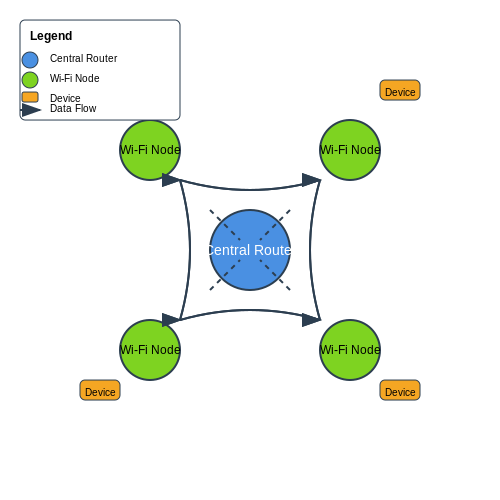
7.3 Predictions for Future Applications
Within the landscape of applied Wi-Fi modules, the potential for innovative applications is on the rise, driven by advancements in both hardware and software technologies. As we look toward the future, several influential trends and developments emerge, indicating how Wi-Fi modules will reshape various sectors ranging from consumer electronics to industrial automation and healthcare.Advancements in Wi-Fi Standards
The ongoing evolution of Wi-Fi standards plays a crucial role in determining the capabilities and applications of Wi-Fi modules. With the impending rollout of Wi-Fi 6E and Wi-Fi 7, performance enhancements such as increased data rates (up to 30 Gbps for Wi-Fi 7), extended range, and reduced latency are anticipated. These improvements are not only designed to support higher user densities but also introduce new applications. For instance, the trend towards higher bandwidth will facilitate the seamless integration of augmented reality (AR) and virtual reality (VR) applications that demand rapid data transmission for immersive experiences. These advancements are directly relevant to the development of smart cities, where an extensive network of connected devices requires dependable real-time data transfer capabilities.Integration with IoT Platforms
As Internet of Things (IoT) devices proliferate, the integration of Wi-Fi modules with IoT platforms is likely to expand significantly. Wi-Fi, given its relatively high bandwidth and wide availability, serves as a natural choice for data communication in smart home devices, wearables, and industrial sensors. Enhanced Wi-Fi chips will offer improved power consumption and range, allowing for prolonged operational periods in battery-powered devices. This shift could lead to innovations such as intelligent energy management systems that utilize real-time Wi-Fi data to optimize electricity usage in residential and commercial buildings, thereby contributing to greener energy solutions.Health Monitoring and Telemedicine
Wi-Fi technology is woven into the fabric of telemedicine and health monitoring systems. Current trends suggest a burgeoning reliance on wearable fitness devices that utilize Wi-Fi connectivity for real-time health data transmission to healthcare providers. Future applications might leverage the advanced capabilities of Wi-Fi 6E or Wi-Fi 7, enhancing the reliability of remote patient monitoring, particularly in critical care. Furthermore, hospitals may implement Wi-Fi-enabled medical devices interconnected through robust networks to facilitate streamlined communication among devices, enhancing patient safety and optimizing workflow processes.Secure Communication in Emerging Technologies
With increased interconnectivity comes the critical need for enhanced security measures. The integration of advanced cryptographic protocols in Wi-Fi standards will pave the way for more secure communication channels. Future Wi-Fi modules are expected to incorporate next-generation security measures, such as the WPA3 standard, which offers improved encryption algorithms and protection against brute-force attacks. The implication of this for sectors like finance and government is profound, where sensitive data transmission over Wi-Fi will require stringent security measures. Such advancements can potentially unlock secure Wi-Fi applications in remote work environments, thereby accommodating the growing trend of telecommuting.Conclusion
In conclusion, the future applications of Wi-Fi modules are poised to transform how we interact with technology and communicate in an increasingly connected world. The intersection of advancements in wireless standards, IoT integration, healthcare innovations, and security challenges illustrates a vibrant landscape ripe for exploration and development. As these technologies continue to evolve, engineers and researchers must remain agile, continually innovating to meet the demands of an ever-changing environment. The horizon looks promising, with Wi-Fi becoming an even more integral part of our daily lives.8. Recommended Books and Articles
8.1 Recommended Books and Articles
- Wi-Fi Hardware Modules — This book covers the essential aspects of Wi-Fi hardware modules with an in-depth analysis of both theoretical and practical implementations relevant for engineers and researchers.
- Recent Advances on Wi-Fi Modules in IoT Applications — An IEEE paper that explores the integration of Wi-Fi modules in IoT environments, highlighting recent research innovations and case studies that are particularly beneficial for academics and developers.
- Handbook of Wireless Sensor Networks: Issues and Challenges in Current Scenario's — This comprehensive resource addresses the broader aspect of wireless sensor networks, including detailed sections on Wi-Fi modules, providing key insights for ongoing research and development.
- Wi-Fi and the Western World: Globalization and the Wireless Internet — This academic book delves into the socio-technical impact of Wi-Fi modules and their proliferation across the globe, aimed at researchers interested in the cultural and technological nuances of Wi-Fi technology.
- Wireless Networking and Mobile Data Management — A scientific exploration of wireless networking paradigms, including dedicated sections on intelligent Wi-Fi module configuration and management, valuable for technical professionals and academicians.
- Innovations in Wi-Fi Connectivity and WSNs for Internet of Things: Emerging Research and Opportunities — This book is a cutting-edge resource that discusses emerging Wi-Fi advancements pertinent to IoT and wireless sensor networks, offering case studies and implementation strategies for innovators.
- A Survey on Wi-Fi Network Protocol Design and Applications — A comprehensive journal article that reviews current Wi-Fi network protocols and their diverse applications in modern mobile computing environments, essential for those engaged in research and protocol development.
8.2 Online Resources and Tutorials
In the dynamic field of Wi-Fi modules and their application in modern electronics, continuous learning and staying abreast of the latest advancements is crucial for any engineer, researcher, or graduate student. Fortunately, a wealth of online resources and tutorials exist that offer detailed insights and guidance. Below, we provide a curated list of high-quality resources designed to help you deepen your understanding of applied Wi-Fi modules.
- An Introduction to WiFi Modules — This article from Digi-Key provides a beginner-friendly yet comprehensive overview of Wi-Fi modules, covering their types, differences, and applications in IoT electronics.
- SparkFun Wireless Modules — SparkFun offers a wide range of tutorials on various wireless modules, including Wi-Fi, with thorough guides and project examples for practical implementation.
- WiFi and Bluetooth in Industrial Applications — This technical blog explores the use of Wi-Fi and Bluetooth modules in industrial settings, discussing their advantages, challenges, and future direction.
- ESP8266 and Arduino Tutorial — Circuit Digest's step-by-step guide on using the popular ESP8266 Wi-Fi module with Arduino, ideal for those looking to prototype wireless applications.
- WiFi 101 for Embedded Systems — This resource covers the fundamentals of integrating Wi-Fi into embedded systems, from hardware selection to network configuration and security considerations.
- ESP32 WiFi Multi-Connect Tutorial — Delve into the capabilities of the ESP32 module with this tutorial, which includes multiple network connections and advanced programming techniques.
- WiFi Module Basics by Makezine — An entry-level guide on the essentials of Wi-Fi modules, perfect for hobbyists and educators aiming to integrate wireless technology into their projects.
- Implementing Wi-Fi in Industrial Applications — DesignSpark provides insights into deploying Wi-Fi modules in industrial environments, focusing on reliability, range, and regulatory compliance.
- Adafruit Learning System's Wi-Fi Resources — A collection of tutorials and projects from Adafruit, offering in-depth coverage of Wi-Fi and various related modules, with experiments and real-world applications.
- Microchip Wireless Connectivity Resources — Offering a wide array of design resources, applications notes, and technical documentation to support engineers in implementing wireless solutions.
These resources provide not only theoretical knowledge but also practical applications of Wi-Fi modules in real-world scenarios, making them invaluable for advanced readers seeking to expand their knowledge and expertise.
8.3 Relevant Journals and Research Papers
- IEEE Explore: Wi-Fi Technology and Applications — This IEEE publication offers an in-depth analysis of Wi-Fi technology, including advancements in speed, security, and environmental applications, beneficial for researchers focusing on the evolution of Wi-Fi standards.
- SAGE Journals: Impact of Wi-Fi on Society — This article explores the societal implications of widespread Wi-Fi adoption, discussing its impact on communication patterns, work-life balance, and data privacy.
- ScienceDirect: Recent Advances in Wi-Fi Technology — Review the recent technical advancements in Wi-Fi systems, including MU-MIMO and OFDMA, that enhance performance in crowded environments.
- Elsevier Computer Networks Journal — Research articles focusing on computer networking, including protocol developments and Wi-Fi improvements, making this a valuable resource for anyone working on network design.
- ACM Digital Library: Enhancing Wi-Fi Security — This paper highlights security challenges in Wi-Fi networks, proposing robust encryption techniques and policy frameworks as solutions.
- SAGE: Wi-Fi Protocols and IoT Integration — Investigates how modern Wi-Fi protocols are being tailored to accommodate IoT devices, ensuring efficient data flow and connectivity.
- Elsevier Signal Processing Journal — Provides significant insights into signal processing techniques used in enhancing Wi-Fi signal strength and quality, which are crucial for both practitioners and academics.