Electrical Safety Basics
1. Importance of Electrical Safety
1.1 Importance of Electrical Safety
In the realm of physics and electronics, the importance of electrical safety cannot be overstated. The interactions of electrical energy with material systems can result in significant hazards, including fires, electric shocks, and equipment damage. With both theoretical and practical implications, electrical safety is a critical concern for engineers, physicists, and researchers equipped with an understanding of the underlying mechanisms of current and voltage.
Electricity is fundamentally the flow of electric charge, which typically manifests as current traveling through conductors. The standard unit of current is the ampere (A), deeply tied to the Ohm’s Law which expresses the relationship between voltage (V), current (I), and resistance (R) in a circuit:
This linear relationship underscores how even small changes in voltage or resistance can lead to significant changes in current, potentially resulting in dangerous situations if not properly managed. For example, a typical household circuit might operate at 120 V, where a fault resulting in an unintended path to ground can cause current flows in the range of tens of amperes—more than enough to be life-threatening.
Beyond the theoretical implications, the real-world applications of electrical safety principles have come to dominate various industries. For instance, in the automotive sector, the incorporation of safety measures such as circuit breakers, insulation, and ground fault interrupters is vital to protect both consumers and the integrity of vehicles. Historical incidents, such as electrical fires in poorly designed electrical systems, prompt ongoing innovations in enhancing safety measures.
The development of safety standards and codes, such as the National Electrical Code (NEC) or the International Electrotechnical Commission (IEC) regulations, serves to provide guidelines and protocols that must be adhered to for safe electrical installations. These guidelines assist engineers in designing safe systems by addressing:
- Proper grounding and bonding practices: Essential for minimizing shock hazards.
- Regular maintenance and inspection: To ensure all equipment continues to operate within safe parameters.
- User education: Ensuring that consumers and operators are aware of how to interact safely with electrical systems.
In summary, an in-depth understanding of electrical safety is essential not only from a theoretical standpoint, but also for practical implementation in technology systems shaping our world today. As electronic devices continue to advance, the need to prioritize safety becomes ever more critical to mitigate the risks associated with electrical faults.
Future discussions will delve deeper into specific safety practices and standards, examining their application across various fields of study and industry, ensuring that engineers and researchers can implement knowledge effectively and safely.
1.2 Common Electrical Hazards
As engineers and scientists work with electrical systems, it is critical to understand the various hazards that can be encountered. Ignorance of these hazards can result in personal injury, damage to equipment, and even catastrophic failures. This section delves into common electrical hazards, detailing their implications and preventive measures.
The Electric Shock Hazard
Electric shock is one of the most prevalent hazards when working with electrical systems. It occurs when a person becomes part of the electrical circuit, resulting in a current passing through their body. The severity of electric shock can vary significantly, influenced by factors such as:
- Current Magnitude: Even currents as low as 0.01 A (10 mA) can induce sensations of discomfort, while currents exceeding 100 mA can be fatal.
- Duration of Exposure: Prolonged exposure increases the likelihood of injury, as the body cannot recover from the heating effects of the current.
- Body Resistance: The resistance of human skin varies based on moisture level and pathway, affecting the overall current that flows through the body.
Understanding the implications of electric shock leads to the implementation of safety protocols such as using insulated gloves and tools, and ensuring proper grounding of equipment.
Arc Flash and Arc Blast
Arc flash refers to the rapid release of energy caused by an electric arc, which can occur in high-voltage environments. An electric arc itself is a luminous discharge of electricity created by a flowing current through the air, often resulting in significant thermal, pressure, and sound energy. The consequences of an arc flash can include:
- Thermal Burns: Temperatures can exceed 35,000°F (19,000°C), leading to severe burns over a large portion of the body.
- Pressure Waves: The rapid expansion of heated air can create a blast wave capable of throwing individuals and causing additional injuries.
- Sound Intensity: The noise generated can exceed 140 decibels, potentially causing permanent hearing loss.
Preventive measures include maintaining proper clearances, employing protective equipment, and conducting regular equipment maintenance.
Electrical Fires
Electrical equipment can also be a source of fires. This risk arises from several factors, such as:
- Faulty Wiring: Overloaded circuits, defective insulation, or loose connections can generate excessive heat, leading to ignition.
- Overheating Components: Electrical components that exceed temperature ratings might fail, resulting in short circuits and fires.
- Inappropriate Equipment Usage: Using electrical devices outside their specifications can lead to failures.
Implementing circuit protection devices like fuses and circuit breakers, alongside regular inspections, can significantly reduce the risk of electrical fires.
Capacitor Discharge
Capacitors are commonly found in electronic circuits, and while they serve essential functions, they can also present dangerous hazards. A charged capacitor can retain voltage long after power is removed, leading to risks such as:
- Electric Shock: It can deliver a jolt if someone inadvertently touches terminals.
- Explosion: In some cases, over-voltage conditions can lead to catastrophic failure, with shrapnel posing additional risks.
Proper discharge procedures and the use of protective gear are crucial when handling capacitors to ensure safety.
Recognizing these common electrical hazards equips engineers and technicians with knowledge essential to implementing effective safety protocols, thereby reducing risk in both industrial and research environments. In practice, adherence to industry standards and regulations strengthens these safety measures, facilitating a culture of safety across workplaces.
2. Understanding Voltage, Current, and Resistance
2.1 Understanding Voltage, Current, and Resistance
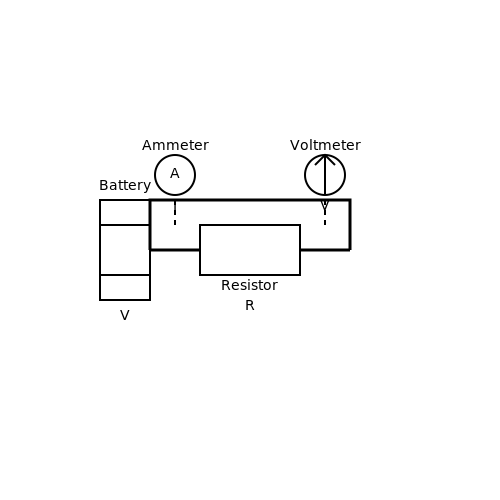
In the realm of electrical systems, three fundamental concepts govern the behavior of electrical circuits: voltage, current, and resistance. Understanding their interrelationship is crucial for any advanced study in electrical engineering or physics. These elements form the foundation of Ohm's Law, which not only describes but also predicts the behavior of electrical circuits under various conditions.
The Nature of Voltage
Voltage, also referred to as electric potential difference, is the force that pushes electric charges through a circuit. It is measured in volts (V) and can be understood as the energy per unit charge. Consider a simple analogy: think of voltage as the height difference in a waterfall; the greater the height, the more potential energy it possesses to do work. In mathematical terms, voltage can be expressed as:
where W is the work done (in joules) and Q is the charge (in coulombs). Thus, an increase in voltage can enhance the energy available to drive electrons, influencing how swiftly they traverse the circuit.
The Role of Current
Current represents the flow rate of electric charge in a circuit and is quantified in amperes (A). It can be visualized as the flow of water through a pipe; the larger the pipe, the more water can flow simultaneously. Current can be calculated using the voltage and resistance present in the circuit:
Here, I denotes current, R refers to resistance measured in ohms (Ω), and the relationship exemplifies Ohm's Law. Understanding current is critical in applications ranging from household electrical systems to complex integrated circuits in computing devices.
Resistance: The Opposition to Current Flow
Resistance is the property of a material that resists the flow of electric current, manifesting as heat. Factors influencing resistance include the material's composition, length, and cross-sectional area. The intrinsic relation between resistance, voltage, and current is succinctly illustrated through Ohm's Law, reinforcing the concept that resistance limits current flow. The formula can be rearranged to express resistance:
This indicates that as resistance increases, the amount of current flowing through a circuit decreases for a given voltage. Understanding the nuances of resistance not only aids in circuit design but also in material science, where engineers strive to create components with desired resistive properties.
Real-World Applications
The interplay between voltage, current, and resistance underpins much of the technology we utilize today. In electric circuits powering devices, in safety systems designed to prevent overloads, and in power grids distributing electricity, these principles are central. Engineers use this understanding to devise safety measures, such as circuit breakers that prevent excessive current from causing hazardous situations.
As you engage with these foundational concepts, consider how they interact in practical applications, including electronic devices, renewable energy systems, and electric vehicles, all of which rely on sensing and manipulating voltage, current, and resistance to function effectively.
2.2 Personal Protective Equipment (PPE)
When working with electrical systems, ensuring personal safety is paramount. Personal Protective Equipment (PPE) encompasses various types of gear designed to protect individuals from electrical hazards that can arise from both high voltage and low voltage environments. Understanding the proper use and limitations of PPE plays a crucial role in minimizing risk and safeguarding technicians and engineers in the field.
Types of Personal Protective Equipment
The main categories of PPE used in electrical safety include insulated gloves, arc flash clothing, safety glasses, hard hats, and dielectric footwear. Each type has specific protective features tailored to mitigate different risks associated with electrical work.
- Insulated gloves: These gloves are rated according to their ability to withstand electrical voltages. The American Society for Testing and Materials (ASTM) outlines standards (like ASTM D120) that classify gloves based on their voltage rating and tested isolation capacities. Insulated gloves should always be checked for any damage or wear prior to use.
- Arc flash clothing: Designed to protect against burns from electric arcs, arc-flash garments are rated per the ASTM F1506 standard. Ratings are given in calories per square centimeter (cal/cm²), with higher ratings providing greater protection. These garments should be worn in environments where there is a risk of arc flash events.
- Safety glasses: Eye protection is essential, especially in areas where flying debris or electrical components may create hazards. The lenses should be impact-resistant and may also include anti-fog and anti-scratch coatings for enhanced safety and visibility.
- Hard hats: These are required when working in environments where there is a risk of head injury from falling objects. Some hard hats come with built-in electrical insulation and should meet the standards set out by the American National Standards Institute (ANSI) Z89.1.
- Dielectric footwear: These shoes are designed to provide insulation against electrical shock and are generally constructed with non-conductive materials. They are particularly vital in environments where exposure to electrical circuits or equipment is common.
Standards and Testing
To ensure that PPE provides the advertised level of protection, each item is subjected to rigorous testing. The National Fire Protection Association (NFPA) and the Occupational Safety and Health Administration (OSHA) have established guidelines to govern PPE standards. For instance, NFPA 70E outlines the requirement of proper risk assessments and the use of PPE based on those assessments. Familiarity with these regulations ensures that workers are not only equipped with the right protective gear but also understand the potential hazards they may encounter.
Real-World Applications and Best Practices
The use of PPE goes beyond just compliance; it is a tangible application that contributes to a culture of safety in workplaces dealing with electrical installations or maintenance. Regular training sessions that reinforce the proper use, maintenance, and inspection protocols of PPE can significantly reduce the likelihood of accidents. Additionally, proper documentation and record-keeping regarding PPE usage serve to create an accountable safety environment.
As technology and methods in electrical work evolve, so will the standards for PPE. Continuous professional development and engagement with the latest research in protective gear technology represent an essential commitment for engineers and safety professionals alike.
2.3 Safe Work Practices
Electrical safety is paramount in preventing accidents during operations involving high-voltage equipment and circuits. As professionals in fields like engineering, physics, and research, establishing a robust culture of safe work practices is essential not only for personal safety but also for the integrity of equipment and reliability of results.
Understanding Electrical Hazards
Electrical hazards can encompass a range of risks including electric shock, arc flashes, and other related injuries poised by high voltage and current. These risks are often categorized based on the source of exposure, which may vary from manual handling of live wires to inadvertent contact with conductive surfaces. Awareness of these hazards must precede any practical engagement with electrical systems.
For safer work environments, engineers should follow rigorous protocols. The National Fire Protection Association (NFPA) 70E provides standards for electrical safety in the workplace that should be integrated as best practices across industries.
Key Safe Work Practices
- Personal Protective Equipment (PPE): Always wear appropriate PPE, including insulated gloves, safety glasses, and flame-resistant clothing, especially when working in environments where electrical hazards are present. Regularly inspect your PPE for damage.
- De-energization: Implement lockout/tagout (LOTO) procedures to ensure that all electrical sources are de-energized before performing maintenance or repair. This practice significantly reduces the risk of accidental electrical shock.
- Tool Usage: Utilize tools designed for electrical work, which generally possess insulated handles. Ensure that power tools are rated for the specific voltage level involved, and never use damaged tools.
- Work Area Inspection: Conduct thorough inspections of the work area to identify hazards such as exposed wires, overcrowded workstations, and inadequate emergency exits. Keep the work area dry and free from any conductive materials.
- Awareness and Training: Stay informed about the latest electrical safety practices through ongoing education and training sessions. Ensure all team members are aware of emergency protocols, including proper evacuation routes and procedures for dealing with electrical accidents.
- Signal and Communication: Establish clear protocols for signaling during operations, particularly when working in teams. Ensure mutual understanding of commands and hand signals to maintain safety during high-risk activities.
Electrical Safety Guidelines and Regulations
Adhering to internationally recognized standards is critical in promoting safety. Codes from organizations like the Occupational Safety and Health Administration (OSHA) further emphasize the necessity of safety measures in electrical work. Use these guidelines as a framework for developing safe work practices tailored to specific environments and applications.
Real-world Applications of Safe Work Practices
Consider a case study of a manufacturing plant where regular audits identified gaps in safe work practices relating to high-voltage equipment. By implementing structured training sessions focusing on LOTO procedures, PPE usage, and the importance of environmental assessments, the facility experienced a significant reduction in near-miss incidents and accidents. Emphasizing a safety-first culture not only mitigates risks but also enhances productivity and morale among workers.
In conclusion, integrating safe work practices into your daily routine is not just a regulatory requirement but a fundamental necessity for fostering a safe and vibrant working environment. As you advance in your career, continually assess and refine these practices as technology and methodologies evolve.
3. Basics of Electrical Wiring
3.1 Basics of Electrical Wiring
Understanding the fundamentals of electrical wiring is crucial for anyone engaged in electrical engineering, physics, or related fields. Electrical wiring serves as the foundation for various applications, from residential buildings to complex industrial setups. This subsection delves into the key components and principles that govern electrical wiring, emphasizing safety and efficiency.
Overview of Electrical Wiring
Electrical wiring involves a network of conductors—often insulated copper or aluminum—that transport electrical current. Selecting the appropriate conductor type and size is vital, as it directly influences the system's performance and safety. Each wiring system must adhere to local codes and standards, such as the National Electrical Code (NEC) in the United States, which emphasizes proper installation practices.
Wiring systems fall primarily into two categories: power wiring and communication wiring. Power wiring is used for the distribution of electricity, while communication wiring encompasses the infrastructure for telecommunication and data networks. This separation helps in managing interference and signal integrity, which are pivotal in high-speed data applications.
Key Components of Electrical Wiring
The essential components of electrical wiring systems include:
- Conductors: Materials like copper and aluminum used to carry current.
- Insulation: Surrounds conductors to prevent accidental contact and short circuits; materials can include PVC and rubber.
- Connectors: Facilitate connections between wires or between wires and devices, ensuring minimal resistance and secure interfaces.
- Grounding system: Essential for safety, it directs excess electric charge safely into the ground, mitigating risks of electric shock and equipment damage.
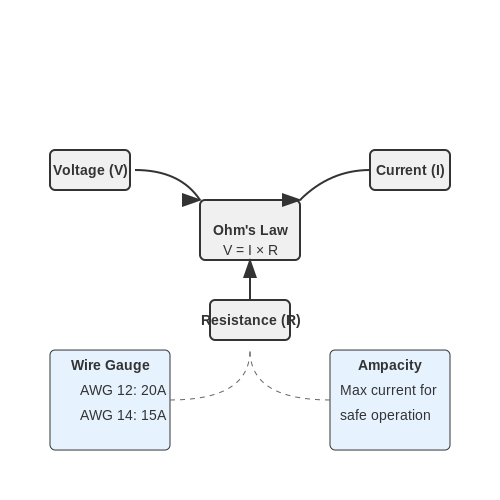
Wire Gauge and Current Capacity
Wire gauge is an essential criterion in wiring that correlates directly with the wire's current-carrying capacity. This capacity is often specified in amperes (A) and is determined by several factors, including the wire material, diameter, insulation type, and installation conditions.
The American Wire Gauge (AWG) system is a standardized wire gauge system used in North America. It specifies the thickness of the wire; as the gauge number decreases, the wire's diameter increases. For instance, a 12 AWG wire has a larger cross-sectional area than a 14 AWG wire, enabling it to carry more current without overheating.
To determine the maximum current capacity (ampacity) of a particular wire gauge, empirical charts are often used. As an example, a 12 AWG copper wire is typically rated for 20 amps under conventional conditions. Understanding ampacity is crucial for preventing overheating and ensuring safety in electrical installations.
Deriving Basic Electrical Equations
To further comprehend the relationship between current, voltage, and resistance in wiring, we can refer to Ohm's law, which states:
Where:
- V = Voltage (Volts)
- I = Current (Amperes)
- R = Resistance (Ohms)
This fundamental law provides insights into how altering resistance impacts current for a given voltage. For example, if a circuit operates at 120 volts and has a resistance of 6 ohms, the current can be calculated as follows:
Understanding these relationships is pivotal for designing safe and efficient electrical systems. Engineers must ensure that selected wires can handle the expected current while minimizing losses due to resistance.
Practical Applications and Risks
Wiring systems are vital for powering everything from household appliances to industrial machinery. In practice, poor wiring can lead to excessive heat generation, increase the risk of electrical fires, and impair function. Therefore, implementing rigorous safety standards and continuous education on wiring methods is essential for engineers and technicians alike.
Moreover, advancements in wiring materials and techniques—such as the integration of smart technology—present new opportunities and challenges. Engineers should be aware of both the advantages and the potential hazards associated with new technologies in the wiring domain.
3.2 Importance of Grounding
The concept of grounding is integral to the safety and functionality of electrical systems. Grounding, or earthing, is essential for the protection of equipment and personnel, effectively serving as a return path for fault currents, helping to prevent electrical shock, and minimizing the risk of fire hazards in electrical installations.
Electrical faults can occur due to various reasons, such as insulation failure, equipment malfunction, or lightning strikes. When these faults happen, the excess current can create dangerous conditions. A properly grounded system ensures that any stray voltages are conducted safely to the ground, preventing potentially harmful currents from flowing through users or sensitive electronic equipment.
Mechanism of Grounding
The grounding mechanism involves connecting various parts of an electrical installation to the earth via a low-resistance conductor. The primary goal is to maintain safety during normal operation and during fault conditions. This can be represented by the equation for current through the grounding system:
Where:
- Ig: Current through the grounding system.
- Vf: Fault voltage (the excess voltage present during a fault condition).
- Rg: Resistance of the grounding system.
In this equation, we see that if either the fault voltage increases or the resistance of the ground decreases, the resulting current will rise. Therefore, a low resistance ground is essential for effective grounding practice.
Types of Grounding Systems
There are several types of grounding systems widely used in practice:
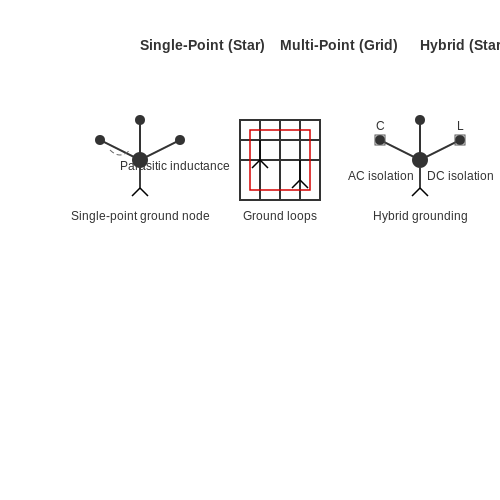
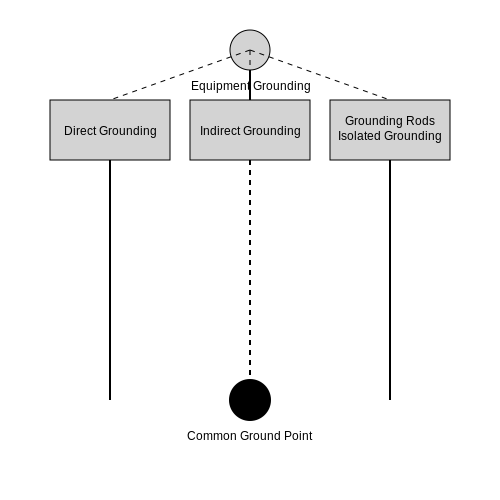
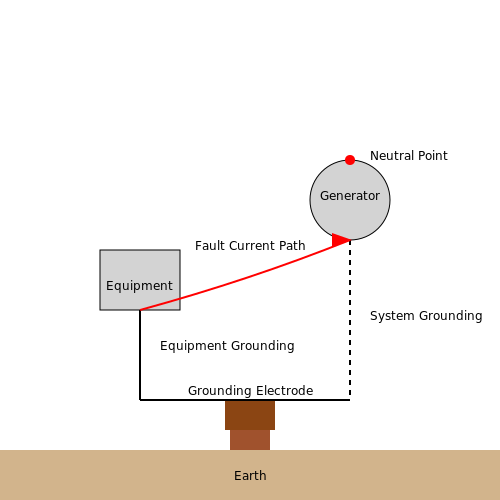
- System Grounding: This method connects the neutral point of a generator or transformer to the ground. It stabilizes voltage during transient conditions and provides a reference point.
- Equipment Grounding: This complex involves connecting the non-current-carrying metal parts of electrical equipment to ground. If a fault occurs, it enables the protective device to operate quickly, reducing the risk of shock.
- Functional Grounding: This is used for signal transmission and involves connecting specific points of electrical equipment to the ground to reduce noise and interference.
Real-World Applications
In industrial environments, grounding is not merely a safety practice but a requirement by electrical codes (such as NEC in the United States). Case studies have illustrated the consequences of inadequate grounding:
- Incident at a Power Plant: A significant electrical fault caused by an improper grounding system resulted in equipment damage exceeding millions in repair costs. Moreover, the incident caused safety issues for personnel operating within proximity.
- Lightning Protection: Facilities such as telecommunications towers rely heavily on effective grounding strategies to mitigate risks related to lightning strikes, ensuring that any induced charge is grounded away from sensitive equipment.
Furthermore, advancements in technology have led to improved grounding solutions, including grounding grids and combined earthing systems, which are tailored to increase safety and reliability in modern electrical installations.
In summary, grounding is a critical component of electrical safety practices. By understanding its significance and implementation, engineers and technicians can create safer electrical systems that protect both human lives and sensitive electronic equipment.
3.3 Ground Fault Circuit Interrupters (GFCIs)
In the realm of electrical safety, Ground Fault Circuit Interrupters (GFCIs) serve a crucial function, protecting both people and equipment from potentially fatal electric shocks. These devices are vital in any setting where there is a risk of electrical accidents, particularly in wet environments like bathrooms, kitchens, and outdoor areas. Understanding the mechanism by which GFCIs operate, as well as their implementation in electrical systems, empowers engineers and researchers to contribute to safer designs. GFCIs are designed to monitor the current flowing through electrical circuits. Under normal conditions, the current entering the circuit should equal the current leaving the circuit, maintaining a balance. However, when a ground fault occurs—such as when current diverts through an unintended path, like water or a person's body—the GFCI detects this imbalance and interrupts the circuit within milliseconds. This rapid response is essential in preventing severe electric shock or electrocution.Operating Principles of GFCIs
The operation of a GFCI is predicated on the principle of differential current measurement. A standard GFCI includes a current transformer, which continuously compares the input and output currents. When the difference exceeds a preset threshold, typically 4 to 6 milliamps, it triggers the trip mechanism within the device, cutting off the power supply. This response can be mathematically represented by the following equation:Types and Configurations of GFCIs
There are primarily three types of GFCIs: the circuit breaker GFCI, the receptacle GFCI, and the portable GFCI. Each type serves unique applications:- Circuit Breaker GFCI: This is installed in the main electrical panel and protects all outlets on the circuit it oversees.
- Receptacle GFCI: These are installed at individual outlets, offering localized protection. They are recognizable by the test and reset buttons located on their face.
- Portable GFCI: These devices provide ground fault protection for power tools and outdoor appliances, particularly in situations where plug-in receptacles are unavailable.
Real-World Applications and Case Studies
GFCIs have significantly reduced the incidence of electrical shock injuries and fatalities in various environments. For example, the National Electrical Code (NEC) mandates GFCI protection in certain areas of residential buildings. In industrial settings, the integration of portable GFCIs into work procedures has also been recognized as a best practice for worker safety. Research supports the efficacy of GFCIs in preventing electrical accidents. A comprehensive report from the Consumer Product Safety Commission highlights that more than 5,000 lives have been saved due to GFCIs since their introduction. Such statistics strengthen the argument for continuing advancements in GFCI technology, including innovations aimed at enhancing user interface, diagnostic reporting, and integration into smart home systems. In conclusion, Ground Fault Circuit Interrupters epitomize a critical safety innovation in electrical systems. Their ability to rapidly detect imbalances in current not only prevents severe accidents but also underscores the necessity of safety in energy applications. As electrical systems continue to evolve with emerging technologies, GFCIs will undoubtedly play a pivotal role in shaping safer environments for both residential and industrial users.
4. Choosing the Right Tools
4.1 Choosing the Right Tools
When it comes to electrical safety, the choice of tools can greatly impact both the effectiveness of your work and your safety while performing electrical tasks. Whether you're an engineer designing circuits or a researcher conducting experiments, understanding which tools are appropriate for different tasks is essential.
First and foremost, it's crucial to recognize the importance of insulated tools. These tools have non-conductive coatings that prevent accidental electrical conduction, thereby protecting the user from shock. Insulated screwdrivers, pliers, and wire strippers are staple items in any electrical toolkit. When selecting insulated tools, ensure they comply with appropriate safety standards such as IEC 60900, which certifies tools for work on live parts up to 1000 volts AC and 1500 volts DC.
Another key aspect is the use of multimeters. These devices are indispensable for measuring voltage, current, and resistance in circuits. When working with high voltages or sensitive components, a good-quality multimeter with CAT ratings can prevent catastrophic failures and improve safety. Always opt for multimeters that have current rating suited for your applications—commonly rated up to CAT III, IV for heavy-duty applications.
A particularly practical choice in the electrical toolbox might also include lockout/tagout (LOTO) devices. These are critical for ensuring that a circuit is not inadvertently energized while maintenance is performed. Effective lockout devices will immobilize energy sources and can include padlocks, lockout hasps, and safety tags, providing an essential layer of security and awareness.
Protective Equipment
In addition to tools, having the proper personal protective equipment (PPE) is vital. Items like rubber gloves rated for electrical work, safety goggles, and flame-resistant clothing should be part of your standard gear. The proper PPE not only enhances safety but can also improve confidence when working with high-voltage systems.
Tool Maintenance
The longevity and functionality of your tools greatly depend on proper maintenance. Regularly inspect insulated tools for any signs of wear, such as frayed insulation or degraded grips. Multimeters should be calibrated periodically to ensure accurate readings. This not only extends the operational life of the tools but also guarantees that your electrical measurements are precise, ultimately reinforcing safety.
Conclusion
Choosing the right tools for electrical tasks is not just about obtaining the best equipment; it’s about ensuring that every aspect of safety is covered. From insulated tools to PPE and maintenance practices, each component plays a role in fostering a safe working environment. As you advance in your electrical projects, let this foundation guide you in selecting and utilizing tools that ensure both efficacy and safety.
4.2 Inspecting Tools for Safety
In the field of electrical engineering and electronics, the importance of safety cannot be overemphasized. The tools that engineers and technicians utilize play a pivotal role in ensuring safe operations. Regular inspection of tools and equipment is essential not only for adhering to safety regulations but also for maintaining optimal performance and minimizing hazards during electrical work. This subsection outlines the best practices for inspecting tools to enhance safety.
Routine Inspections
Conducting routine inspections of tools is critical. This involves checking for physical damage, wear, and tear that could compromise their functionality. Inspections should be conducted at regular intervals and particularly before and after each use. Key areas to focus on include:
- Electrical Insulation: Inspect cord insulation for frays or abrasions, which can expose conductors and create a shock hazard.
- Tool Blades: Ensure blades of cutting tools are sharp and free from rust. Dull blades can lead to excessive force, increasing the risk of slips and cuts.
- Safety Features: Verify that safety switches, guards, and emergency stops are operational.
Specific Tool Considerations
Different types of tools require varied inspection techniques. Here are some key points to consider for commonly used tools:
Hand Tools
Hand tools such as pliers, screwdrivers, and wrenches should be checked for:
- Physical integrity: Ensure there are no cracks or bends that could lead to tool failure during use.
- Proper function: Test moving parts for smooth operation.
- Personal protective equipment (PPE): Use suitable gloves that offer protection against cuts or electrical shocks when using hand tools.
Power Tools
For power tools, additional considerations come into play:
- Electrical Connections: Check the integrity of plugs and connections. Ensure that they are free from debris and corrosion.
- Overheating: Monitor tools for overheating during use; excessive heat can indicate malfunction or the need for maintenance.
- Usage Guidelines: Familiarize yourself with the manufacturer’s guidelines regarding the tool’s operational limits and maintenance routines.
Documenting Inspections
Documenting the results of each inspection can greatly aid in maintaining safety standards. Establish a log that includes:
- Date of inspection
- Condition of the tool
- Actions taken (e.g., repairs or replacements)
- Inspector’s name and signature
Such records enable tracking of tool conditions over time and should be integrated into wider workplace safety protocols.
Case Study: Tool Inspection Protocol in Industrial Settings
Let’s consider an example of a manufacturing facility that implements a detailed inspection protocol for power and hand tools. Over a span of one year, the inspection team discovered a 40% reduction in tool-related incidents after introducing routine checks and documentation practices. They found that proper training on safety practices alongside inspections significantly improved the overall safety culture within the organization and enhanced the reliability of their tools.
By prioritizing tool inspections, engineers can prevent accidents, improve their work environments, and promote a culture of safety and diligence. In our next section, we’ll explore personal protective equipment and safe practices in more detail.
4.3 Guidelines for Safe Operation
In the realm of electrical systems, adherence to established safety guidelines is paramount to ensure the protection of personnel and equipment from electrical hazards. This section delves into the intricacies of safe operational practices, increasingly relevant as systems in various fields grow more complex while striving for efficiency and reliability.Understanding Electrical Hazards
Before establishing guidelines, it is prudent to comprehend the types of electrical hazards present in different environments. These can include shock, arc flash, fire, and electrical discharges, which can emanate from improper handling of equipment or failure to follow recommended procedures. Particularly in industrial settings, where high voltages and currents are prevalent, the risks associated with these hazards can escalate quickly. To mitigate these hazards, following basic principles ensures both safety and functionality:- Isolation: Whenever working on or near energized circuits, ensure isolation through disconnection or locking out equipment.
- Grounding: Properly grounding equipment protects against electrical surges and minimizes the risk of shock.
- Use of Personal Protective Equipment (PPE): Wearing appropriate PPE, such as insulated gloves and helmets, forms a barrier against potential hazards.
Establishing a Safe Working Environment
Creating and maintaining a safe working environment goes beyond individual practices; it encompasses operational and administrative components. Consider the following practices: 1. Signage and Marking: Clearly indicate hazardous zones with proper signage. High-voltage areas should be marked and cautioned against unauthorized access. 2. Training Programs: Continuous education and training for personnel on electrical safety best practices can significantly enhance safety outcomes. This includes training on proper use of equipment and understanding of electrical systems. 3. Routine Inspections: Conduct routine inspections of electrical systems to identify potential risks or wear-and-tear. This proactive approach aids in preventing electrical failures and associated hazards. 4. Emergency Procedures: Establish clear emergency procedures that detail what employees should do in the event of an electrical incident. Regular drills can help familiarize personnel with procedures and reinforce their importance.Empirical Standards and Regulations
The understanding and implementation of safety guidelines is significantly supported by the framework established by various standards and regulations. The National Fire Protection Association (NFPA) has set forth guidelines such as the NFPA 70E, which emphasizes electrical safety in the workplace, outlining practices for avoiding electrical hazards. Adhering to such standards ensures not only compliance with legal requirements but also encourages a culture of safety within organizations. Additionally, consider the National Institute for Occupational Safety and Health (NIOSH) recommendations on electrical safety, which highlight risk factors and preventive strategies in occupational settings.Conclusion: Fostering a Culture of Safety
In conclusion, the implementation of guidelines for safe operation within electrical environments is a multifaceted process that demands understanding, proactive measures, and adherence to established standards. By fostering a culture of safety through education, regular inspections, and the correct use of equipment, organizations can mitigate risks effectively and ensure a secure operational framework. The balance between innovation and safety is crucial; therefore, continuous efforts toward enhancing safety measures and practices should be a priority for all professionals working with electrical systems.5. Identifying Electrical Emergencies
5.1 Identifying Electrical Emergencies
Recognizing electrical emergencies is crucial for preventing hazards and ensuring safety in both domestic and industrial environments. When malfunction or unintended events occur, the ability to identify, assess, and manage these situations becomes a matter of survival. Understanding the signs of electrical failure, equipment malfunction, and fire risks is essential, leading to swift action and potentially saving lives.
Common Signs of Electrical Emergencies
- Unusual Sounds: Any popping, buzzing, or crackling noises from electrical devices can indicate a failing component or faulty wiring.
- Burning Smells: The smell of burning plastic or insulation often suggests overheating wires or components.
- Tripped Circuit Breakers: Frequent breaker trips signal an overload or short circuit that requires prompt inspection.
- Flickering Lights: Flickering light fixtures indicate poor connections or circuit overload.
- Smoke or Flames: The most critical indicator of an emergency; immediate response is required to mitigate fire hazards.
Principles of Electrical Emergencies
Electricity behaves according to specific principles, and understanding these can aid in immediate assessment during an emergency. Ohm's Law, which states that \( V = IR \) (voltage equals current times resistance), is pivotal when analyzing short circuits or overload conditions. When resistance drops unexpectedly, current surges can cause devices to overheat, resulting in an emergency situation.Mathematical Approach to Emergency Assessment
In assessing an electrical emergency, calculations must often be adapted to evaluate the specific risk or failure mode. For instance, consider a scenario where a circuit is experiencing excess current. Using \( I = \frac{V}{R} \) can provide insight into whether a device is operating within safe limits. Let's derive it step-by-step: 1. Circuit System Understood: Assume a voltage \( V \) of 120 V (a common household voltage). 2. Resistance Measurement: If the circuit resistance \( R \) unexpectedly drops to 5 Ω due to a fault. 3. Current Calculation:Practical Response Strategies
Upon identifying an electrical emergency, appropriate responses include:- Immediate Disconnect: If safe, power off the affected circuit or appliance.
- Assessment of Risks: Determine if there is a fire or shock risk before proceeding.
- Notify Authorities: Contact emergency services if the situation escalates.
- Record Conditions: Document any unusual behaviors or incidents to aid troubleshooting later.
Case Studies of Electrical Emergencies
Historically, numerous incidents have highlighted the importance of recognizing warning signs. One notable case involved a manufacturing facility where a series of breaker trips went unaddressed. Eventually, a fire started due to overheated wires, resulting in significant damage and a loss of life. This underscores the need for vigilant monitoring of electrical systems and proactive maintenance. In conclusion, identifying electrical emergencies involves a combination of keen observation and fundamental electrical principles. The ability to quickly assess risks and implement safety procedures can mitigate potential disasters and protect lives. Understanding and applying these concepts significantly enhances safety protocols across all settings.5.2 Responding to Electric Shock Incidents
Electric shock incidents can occur in various environments, from industrial settings to domestic spaces. Understanding how to respond effectively is crucial for minimizing harm and ensuring safety. This section outlines the immediate steps to take when faced with an electric shock incident while incorporating relevant scientific principles and safety standards.
Initial Assessment and Safety Precautions
The immediate priority in any electric shock incident is to ensure the safety of the rescuer and bystanders. It's essential to:
- Ensure that the source of electricity is shut off before attempting any rescue. Attempting to help a victim without de-energizing the circuit can lead to further casualties.
- Do not touch the victim directly if they are still in contact with the electrical source. Use a non-conductive object, such as a wooden stick or a plastic tool, to separate them from the power source
- Assess the environment to ensure there are no ongoing electrical hazards, such as exposed wires or water, that could create additional risks.
Calling for Help
Once the area is deemed safe and the victim is separated from the electrical source, the next step is to seek professional medical assistance. Calling emergency services should never be delayed, as even minor electric shocks can lead to serious internal injuries, including arrhythmias or neurological damage.
Basic First Aid for Electric Shock Victims
If trained and it is safe to do so, administer basic first aid while waiting for professional help. The procedures include:
- Monitoring the victim’s vital signs: Check for consciousness, breathing, and pulse.
- Performing CPR if the victim is unresponsive and not breathing. The American Heart Association recommends 30 compressions followed by 2 rescue breaths.
- Preventing shock: Keeping the victim warm and calm can help prevent shock from setting in.
Post-Incident Considerations
After the incident, it is vital to evaluate the circumstances that led to the electric shock. This post-incident analysis can help in understanding electrical safety failures, compliance with standards such as the National Electric Code (NEC), and implementation of corrective actions to prevent recurrence.
In addition, documenting the incident with precise details can aid investigations and lead to improved training and policies for workplace safety.
Conclusion
Responding to electric shock incidents requires a combination of safety awareness, first aid knowledge, and a systematic approach to minimize harm. Electrical hazards are significant in various sectors, highlighting the need for rigorous training and preparedness. Understanding these key principles can empower individuals, particularly in engineering and technical fields, to act swiftly and decisively in emergencies.
Ultimately, the goal is not just to react effectively when accidents occur but to create a culture of safety that seeks to prevent these incidents altogether.
5.3 First Aid for Electrical Injuries
Understanding the critical aspects of first aid for electrical injuries is of paramount importance for professionals working in engineering and related fields. Electrical accidents can lead to severe injuries, including burns, cardiac arrest, and other life-threatening conditions. Consequently, it is essential to act quickly and knowledgeably in the event of such an emergency.
Types of Electrical Injuries
Electrical injuries can be categorized into two main types:
- Electrical burns: These occur when a current passes through body tissues, causing localized damage. The severity of burns can range from minor to life-threatening, depending on the current intensity and duration of exposure.
- Electrical shock: This results from the flow of electric current through the body, potentially leading to disruptions in normal heart rhythm, respiratory failure, and even loss of consciousness.
The First Aid Response
The immediate response to an electrical injury is crucial. Here is a structured approach to first aid:
1. Ensure Safety
Before attempting to help the injured person, ensure that the area is safe. Disconnect the power source if possible. Sticking your hands into a hazardous situation can lead to additional injuries or fatalities.
2. Assess the Victim
Check the victim's level of consciousness, breathing, and pulse. If the victim is unresponsive, it may be necessary to call emergency services immediately.
3. Cardiopulmonary Resuscitation (CPR)
If the victim is not breathing or has no pulse, commence CPR immediately. Remember the following steps:
- Chest compressions: Place your hands at the center of the victim's chest and compress at a rate of 100-120 compressions per minute.
- Rescue breaths: After every 30 compressions, give 2 rescue breaths. This helps to provide oxygen until emergency services arrive.
Where \( P \) is power (watts), \( W \) is work done (joules), and \( t \) is time (seconds). Understanding the concept of power in electrical terms is essential, especially while evaluating the potential harm done by electrical shock.
4. Treat Burns
For electrical burns, cool the burned area using running water for at least 10 minutes. Avoid using ice, creams, or ointments, as these can exacerbate the injury. Cover the burn with a clean, dry cloth until medical help is available.
5. Monitor Vital Signs
Keep a close watch on the victim's vital signs until emergency services arrive. Be prepared to perform CPR again if necessary. It’s important to stay calm and reassure the victim during this stressful time.
Conclusion
Understanding and implementing first aid for electrical injuries can significantly improve outcomes for victims. Knowledge of the types of injuries, quick assessment, and the application of proper first aid techniques can save lives. Continuous training and awareness in electrical safety and first aid are highly recommended for those working in high-risk environments.
6. Recommended Books
6.1 Recommended Books
Understanding electrical safety is crucial for professionals in the fields of electronics and physics. To deepen your knowledge and explore advanced concepts, consider consulting the following books, each providing detailed insights and practical approaches to maintaining safety in high-risk environments.
- Electrical Safety Handbook, 4th Edition — Authored by John Cadick, this book offers a comprehensive guide to the fundamentals of electrical safety. It covers essential topics such as electrical shock, arc flash, and protective tools, making it a vital resource for engineers and technicians.
- Electrical Safety: Systems, Sustainability, and Stewardship — Written by Martha Davis Hawthorne and Dan Rogers, this book discusses safety within electrical systems, emphasizing sustainable practices and environmental stewardship while addressing technological advancements.
- Electrical Safety Engineering, 4th Edition — Revamped by B. Don Russell, this revised edition provides exhaustive coverage of electrical safety in engineering, including the latest international safety standards and practices.
- Electrical Safety: Safety and Health for Electrical Trades — Produced by the Occupational Safety and Health Administration (OSHA), this handbook delivers practical advice and regulatory insights, making it a must-have for compliance professionals.
- NFPA Electrical Safety in the Workplace, 3rd Edition — Published by the National Fire Protection Association (NFPA), this book explains workplace electrical safety requirements, focusing on real-world applications and case studies.
- Maintaining Electrical Equipment Safety — Authored by Gary R. Zoto, this text focuses on the tools and methodologies used in maintaining electrical equipment's safety, targeted at professionals responsible for equipment maintenance.
- Practical Electrical Safety — Offers insights into day-to-day electrical safety practices and is particularly useful for electricians and facility engineers seeking practical safety solutions.
6.2 Online Resources
- OSHA Electrical Safety — This OSHA page offers comprehensive guidelines on electrical safety, relevant standards, and safety management techniques, including best practices for maintaining safe electrical systems.
- NFPA Electrical Safety Training — The National Fire Protection Association's resource provides an array of training programs, codes, and standards for preventing electrical hazards in both residential and industrial settings.
- Electrical Safety First — This UK-based site delivers insights into electrical safety advice, legislation updates, and practical guidance for both consumers and electrical professionals.
- IEEE Electrical Safety Courses — IEEE offers various online courses focusing on electrical safety management, providing the learner with standards-based knowledge applicable in practical environments.
- Electrical Engineering Portal's Download Center — A valuable resource hub for engineers, featuring downloadable guides on electrical safety measures, installation best practices, and detailed technical articles.
- NIOSH Electrical Safety Practices — The National Institute for Occupational Safety and Health provides critical safety recommendations and case studies to improve workplace electrical safety.
- EC&M Safety Ingenuity — Electrical Construction & Maintenance (EC&M) site offers articles on innovative safety solutions and emergency response methods for electrical accidents.
6.3 Safety Standards and Regulations
As the world becomes increasingly reliant on electrical systems for everyday living, it is imperative for advanced practitioners in the field to understand the safety standards and regulations governing the design, implementation, and maintenance of these systems. These regulations ensure not only the safety of individuals but also the reliability and efficiency of electrical systems.
Understanding International Safety Standards
International safety standards are developed by organizations such as the International Electrotechnical Commission (IEC) and the Institute of Electrical and Electronics Engineers (IEEE). These standards serve as the benchmark for electrical safety and are adopted by countries worldwide, influencing national regulations.
- IEC 60364: Focuses on electrical installations in buildings, addressing issues such as fault protection and wiring safety. It ensures that electrical installations are capable of preventing fires and electric shocks.
- IEEE C2 (National Electrical Safety Code): Primarily used in the United States, this code covers safety guidelines for electrical supply and communications lines. It is essential for minimizing hazards associated with electrical systems and is updated regularly to reflect technological advances and new safety insights.
The Role of National Regulatory Bodies
Each country has specific bodies responsible for enforcing electrical safety standards. For example, in the United States, the National Electrical Code (NEC), developed by the National Fire Protection Association (NFPA), regulates electrical safety. Compliance with these regulations is mandatory for legal operation.
- The Occupational Safety and Health Administration (OSHA) ensures adherence to workplace safety standards, including electrical safety, helping prevent workplace injuries and deaths.
- The NFPA 70 (NEC) sets forth the installation requirements to safeguard personnel and property from electrical hazards. Its application extends across various industries, promoting both safety and efficiency.
Safety Standards in Practice
Adherence to safety standards requires comprehensive planning and regular maintenance. Implementing these standards involves various elements:
- Risk Assessment: Engineers need to evaluate potential hazards in electrical systems and apply mitigating measures. By using tools such as Fault Tree Analysis (FTA), risks can be calculated and minimized.
- Regular Inspections: Consistent evaluation of equipment and installations ensures ongoing compliance and identifies potential issues before they escalate.
- Training and Education: Beyond compliance, providing adequate training for personnel ensures proper understanding of safety measures and protocols, drastically reducing accident rates.
Historical Context of Safety Regulations
The evolution of electrical safety regulations has been influenced by historical events and accidents, leading to a reinforced focus on preventive measures. Major incidents, such as the Great Boston Fire of 1872, highlighted the need for robust electrical safety standards and led to the establishment of modern electrical codes.
Understanding these historical contexts provides invaluable insights into the rationale behind certain safety measures, reinforcing the importance of adhering to these standards today.
Recent Developments in Electrical Safety Standards
With ongoing technological advancements, the landscape of electrical safety continues to evolve. Recent developments focus on the integration of renewable energy systems and smart grids, addressing new safety challenges introduced by these technologies.
Standards are continuously updated to incorporate new technologies such as photovoltaic systems and electric vehicles, ensuring safe implementation and operation while promoting sustainability. These updates highlight the dynamic nature of electrical safety regulations and the need for continuous learning and adaptation by professionals in the field.