Facial Recognition Hardware Systems
1. Definition and Purpose
1.1 Definition and Purpose
Facial recognition hardware systems represent a cornerstone of modern biometric identification technologies. These systems are intricately designed to capture and analyze facial features for the purpose of distinguishing individuals within a broad spectrum of applications, including security, access control, and personal identification. The primary objective of these systems is to offer a reliable and efficient mechanism for identification and verification by analyzing unique facial characteristics.
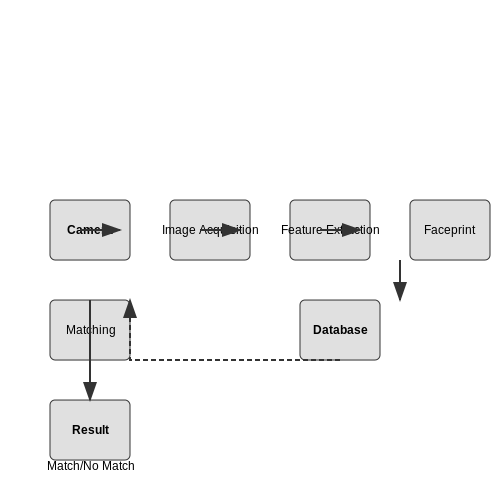
At its core, facial recognition involves several key processes: image acquisition, feature extraction, and matching. The first step, image acquisition, is facilitated by specialized camera systems equipped with advanced sensors capable of capturing high-resolution images in varied lighting conditions. These sensors often incorporate technologies such as infrared or thermal imaging to enhance performance in low-light environments.
Once an image is captured, the system proceeds to the feature extraction phase. In this phase, distinctive facial landmarks—such as the distance between the eyes, the width of the nose, and the contour of the jawline—are identified. These measurements help create a unique facial template called the faceprint. The extraction process heavily relies on algorithms such as Principal Component Analysis (PCA) and Local Binary Patterns (LBP), which reduce the dimensionality of facial data while preserving the critical characteristics needed for accurate identification.
The final phase entails matching the extracted faceprint against a database of known individuals. Variants of Euclidean distance and cosine similarity metrics are commonly employed to quantify the similarity between the captured faceprint and those stored in the database. This rigorous analytical approach ensures that the system can effectively confirm identity with high levels of accuracy.
Facial recognition technology finds applications across a myriad of fields. In security systems, it provides essential functionalities for access control in sensitive areas, enhancing both safety and convenience. In law enforcement, it aids in the identification of suspects and missing persons, demonstrating its potential to contribute significantly to public safety. Moreover, the technology has walked into retail spaces for customer engagement and personalized marketing, showcasing its adaptability to consumer-oriented applications.
As we venture further into a digitally interconnected world, it becomes evident that facial recognition hardware systems are not merely technological novelties but rather pivotal tools integral to future security and identification frameworks, enhancing both the efficiency and reliability of various processes.
1.2 Key Applications of Facial Recognition
The realm of facial recognition technology has expanded significantly, moving beyond mere identification systems to become pivotal in various sectors. This section elucidates several key applications where facial recognition hardware systems are not just beneficial but transformative.
1.2.1 Security and Surveillance
One of the most critical applications of facial recognition technology lies in the domain of security and surveillance. Integrated with CCTV systems, facial recognition aids in real-time identification of individuals against a database of known offenders or missing persons. This technology increases the efficiency of security personnel, minimizing the time spent on manual monitoring.
For instance, numerous airports have implemented facial recognition systems for passenger verification. By cross-referencing traveler images with their passport photos, these systems significantly reduce wait times and enhance safety. In the context of public events, facial recognition can also be utilized to identify persons of interest, thereby fortifying crowd control measures.
1.2.2 Personal Device Security
Facial recognition systems have found their way into consumer electronics, particularly in smartphones and laptops. This technology replaces traditional methods of authentication, such as passwords, with a more secure and user-friendly experience. The implementation of 3D facial recognition systems adds an additional layer of security, as it is harder to spoof compared to 2D systems.
Major brands like Apple and Samsung have adopted facial recognition to secure devices, unlocking them within moments of being presented to the owner’s face. This seamless integration not only enhances user convenience but also fosters a high level of security against unauthorized access.
1.2.3 Retail and Marketing
In the retail sector, facial recognition technology is revolutionizing the shopping experience. Retailers use this technology to analyze customer demographics and emotional responses, allowing businesses to tailor marketing content and in-store promotions effectively. By capturing and analyzing facial data, stores can personalize advertisements and even adjust lighting or music to fit the identified demographic's preferences.
Moreover, some stores utilize facial recognition to track shopping behaviors, enabling them to optimize store layouts for improved customer engagement. This kind of data-driven decision-making can lead to increased sales and an enhanced shopping experience.
1.2.4 Healthcare Applications
Facial recognition systems in the healthcare sector offer significant advantages, particularly in patient identification and management. These systems can match patients to their records using facial features, thus mitigating errors associated with traditional identification methods, such as wristbands.
Beyond identification, facial recognition can assist in monitoring health metrics. For instance, by analyzing a patient's facial expressions and features, clinicians can get insights into pain levels or psychological states. This application could greatly enhance patient care and personal interaction in healthcare settings.
1.2.5 Criminal Identification and Law Enforcement
Law enforcement agencies employ facial recognition technology for criminal identification and investigations. By processing images from crime scenes alongside databases containing millions of mugshots, authorities are better equipped to track down suspects quickly. This efficiency can be crucial in time-sensitive investigations.
Moreover, advancements in machine learning and algorithmic refinement allow for higher accuracy rates, minimizing false positives and enhancing public trust. However, these applications must be balanced with privacy considerations and ethical implications, leading to ongoing debates in legal contexts.
1.2.6 Social Media and User Interaction
Social media platforms utilize facial recognition algorithms to enhance user experience through features such as automated tagging in photos. These platforms analyze uploaded images, suggesting tags based on the users in the photos. This functionality not only simplifies social interaction but also fosters community engagement.
Furthermore, facial recognition aids in understanding social dynamics by analyzing user interactions and emotional expressions in shared content. This data can provide insights into broader social trends and user engagement metrics.
In conclusion, the applications of facial recognition systems are vast and varied, offering transformative potential across numerous sectors. As technology evolves, it is essential to address ethical concerns and ensure that these systems are implemented responsibly, balancing innovation with privacy rights and public safety.
1.3 Basic Working Principles
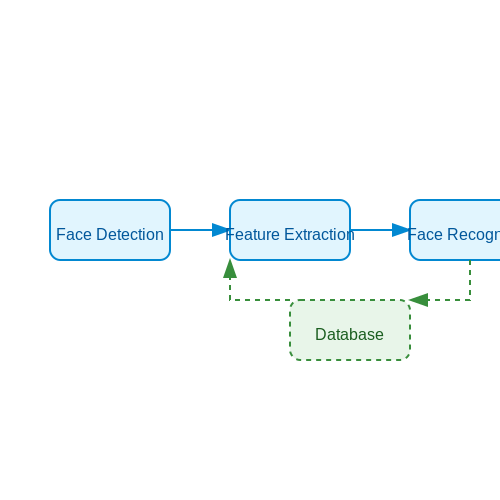
Facial recognition systems represent an intriguing convergence of multiple technologies, notably image processing, machine learning, and computer vision. At their core, these systems function through a process of detecting faces within images, extracting relevant features, and subsequently comparing these features against stored data for identification or verification purposes.
Face Detection
The first step in facial recognition is face detection, which utilizes algorithms to identify and locate human faces in digital images or video. One of the most effective methods employs Haar cascades, a machine learning-based approach that relies on simple features derived from the image, such as edges and rectangular patterns. The foundational concept here is the use of a pre-trained classifier, which efficiently scans the input image in multiple scales. The algorithm evaluates whether a particular subsection of the image contains a face, employing a series of thresholds to minimize false positive detections.
Feature Extraction
Once a face is detected, the next critical step is feature extraction, which involves determining unique characteristics of the face. This process can encompass several techniques, but one common method is Principal Component Analysis (PCA), which reduces the dimensionality of face data while retaining the most significant features. PCA helps in transforming the image data into a set of values based on the variance present in the dataset. The resulting dataset, often called an "eigenface," can be viewed as a linear combination of the most distinctive features of the face.
Here, \(X\) represents the projected image, \(W\) denotes the eigenfaces, and \(\Phi\) is the original face image. The eigenfaces collectively form a face space, where different faces can be represented as points in this multidimensional space.
Face Recognition
The face recognition phase involves comparing the extracted features against a database of known faces. This can be structured through various algorithms like Euclidean distance or Support Vector Machines (SVM). Using the principle of nearest neighbor classification, the system determines the closest representation of the detected face in the feature space, facilitating accurate identification.
In this case, \(D(x)\) defines the Euclidean distance between two points in n-dimensional space, \(x_i\) and \(y_i\) representing corresponding feature values of the two faces being compared. A smaller distance implies a higher likelihood of a match.
Real-World Applications
Facial recognition systems have gained widespread applicability across various domains, such as security surveillance, user authentication on devices, and social media tagging. They also serve as a tool for law enforcement and marketing industries, facilitating insightful data collection about consumer behavior and enhancing public safety measures.
As we explore the intricacies of facial recognition hardware systems, a nuanced understanding of these basic principles sets the stage for a deeper dive into advanced topics like system calibration, optimization, and real-time processing strategies.
Conclusion
Through a careful sequence of detection, extraction, and recognition, facial recognition systems leverage complex algorithms to function effectively in real-world scenarios. The integration of engineering principles with advanced computational methods empowers these systems to evolve continuously, promising enhanced capabilities and accuracy in their applications.
2. Cameras and Imaging Sensors
2.1 Cameras and Imaging Sensors
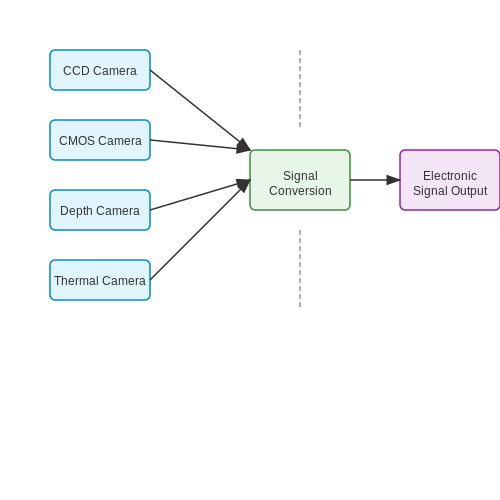
In the realm of facial recognition hardware systems, cameras and imaging sensors play a pivotal role. These components are crucial because they capture and convert visual information into electronic signals, which can then be processed by algorithms designed to recognize and analyze facial features. In this subsection, we delve into different types of cameras, the underlying technology of imaging sensors, and their practical implications in facial recognition systems.
Types of Cameras
Facial recognition systems utilize various types of cameras, with distinct advantages and applications:
- CCD Cameras: Charge-Coupled Device (CCD) cameras are renowned for their excellent light sensitivity and image quality, making them ideal for low-light conditions.
- CMOS Cameras: Complementary Metal-Oxide-Semiconductor (CMOS) cameras are known for their faster processing speeds and lower power consumption. They have become increasingly popular in modern applications.
- Depth Cameras: These cameras utilize infrared sensors to capture depth information in addition to regular images, enabling enhanced facial recognition accuracy by providing 3D data.
- Thermal Cameras: Capable of detecting heat signatures, thermal cameras can recognize faces even in complete darkness, making them suitable for security applications.
Imaging Sensors and Their Functionality
The heart of any camera system is the imaging sensor, which is responsible for converting optical images into electronic signals. The two primary sensor technologies in use today are:
Charge-Coupled Device (CCD)
CCD sensors were historically favored in scientific and industrial applications due to their high fidelity and dynamic range. They operate by collecting charge packets from each pixel and transferring them to an output node, which can then be digitized. The mathematics governing CCD operation can be summarized as:
where \( I \) is the total charge collected over a time interval \( [t_0, t_1] \) and \( A(t) \) represents the incident light intensity.
Complementary Metal-Oxide-Semiconductor (CMOS)
CMOS technology has taken precedence in modern cameras due to its integration simplicity and scalability. Each pixel has its own charge-to-voltage conversion, allowing for faster readouts. The signal is read as follows:
Here, \( V_{out} \) is the output voltage, \( Q_{p} \) is the charge collected by the pixel, and \( k \) is a constant of proportionality defined by design specifications.
Real-World Applications
The advancement in camera technology directly correlates to the effectiveness of facial recognition systems across various domains:
- Security and Surveillance: High-resolution cameras with low-light capabilities are employed in public surveillance, enhancing security measures in urban environments.
- Smart Devices: Facial recognition in smartphones and other consumer electronics leverages advanced imaging sensors to unlock devices safely and conveniently.
- Healthcare: Thermal imaging cameras are increasingly utilized for non-invasive healthcare monitoring and patient screening.
In conclusion, the interplay between various types of cameras and advanced imaging sensor technologies lays the groundwork for developing robust and effective facial recognition systems. Understanding these foundational components is essential for engineers and researchers striving to innovate in this rapidly evolving field.
2.2 Processors and Computing Units
In the realm of facial recognition hardware systems, the processors and computing units form the backbone of performance and efficiency. As facial recognition technology evolves, the demands placed on computation increase, driving the development of more sophisticated processing units tailored for image processing and machine learning tasks. Understanding these components is crucial for engineers and researchers aiming to innovate in this field.Understanding the Role of Processors
Processors, primarily Central Processing Units (CPUs) and Graphics Processing Units (GPUs), play distinct but complementary roles in facial recognition systems. The CPU handles general tasks and controls other components, while the GPU excels in parallel processing, making it ideal for computationally intensive tasks such as real-time image analysis and feature extraction.Facial recognition applications often require rapid processing of high-resolution images and substantial neural network computations. GPUs, with their thousands of cores, are particularly suited for this purpose, as they can efficiently perform repetitive mathematical operations involved in deep learning algorithms. This parallel architecture significantly shortens processing times compared to traditional CPUs.
Graphic Processing Units: Essential for Real-Time Processing
The unique architecture of GPUs allows them to handle multiple operations simultaneously. For instance, when processing an image for facial recognition, the GPU engages in tasks like:- Image normalization, which ensures that images adhere to a consistent scale and orientation.
- Feature detection implemented through convolutional neural networks (CNNs) that identify key facial landmarks.
- Classification tasks that determine whether the facial features correspond to the stored database.
Field Programmable Gate Arrays (FPGAs): Custom Solutions
An emerging option for facial recognition systems is the use of Field Programmable Gate Arrays (FPGAs). Unlike CPUs and GPUs, FPGAs can be reprogrammed to fit specific applications, allowing for a tailored architecture that can outperform traditional processors in particular tasks. FPGAs excel in implementing complex algorithms efficiently. Their parallel nature allows custom configurations that enhance processing speed for specific recognition tasks, potentially achieving lower latency and power consumption than a general-purpose GPU or CPU. This customizability makes FPGAs particularly attractive for specialized applications where traditional hardware may fall short.Application of Neural Processing Units (NPUs)
As machine learning becomes ever more integral to facial recognition, Neural Processing Units (NPUs) have emerged. These specialized processors are optimized for the types of calculations most commonly used in neural networks. NPUs are designed to rapidly process tensor calculations, which are fundamental for the execution of deep learning algorithms. The architecture of NPUs focuses on reducing data transfer times and improving computing density, which results in faster real-time processing without significant increases in power consumption. These attributes make NPUs particularly suited for mobile and embedded devices, where energy efficiency is paramount.The Integration of Multi-Processor Systems
In practical applications, modern facial recognition systems often integrate various processing units, leveraging the strengths of each. For instance, a typical setup might employ a CPU for initial data handling, a GPU for intensive image processing, and an NPU for executing deep learning algorithms. This multi-processor approach ensures optimal performance while preventing bottlenecks.Conclusion
The evolution of processors and computing units in facial recognition technology demonstrates a trend toward specialization and integration. By utilizing CPUs, GPUs, FPGAs, and NPUs collectively, systems are achieving unprecedented efficiency and speed. As the field advances, understanding these components' roles will remain vital for professionals looking to push the boundaries of what is possible in facial recognition systems. The emphasis on tailored solutions and the effective use of cutting-edge technology highlights the dynamic intersection of hardware design and artificial intelligence in creating robust recognition systems.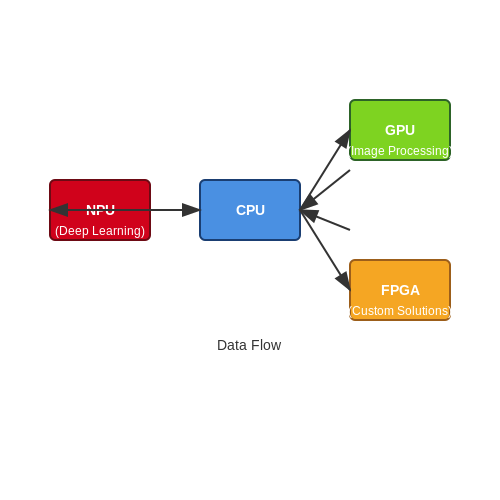
2.3 Memory and Storage Solutions
In the realm of facial recognition systems, effective memory and storage solutions play a critical role in managing the vast amounts of data generated. These systems process complex algorithms and store numerous templates of facial data, necessitating a robust architecture that can handle both performance and scalability.
Understanding the Data Requirements
Facial recognition systems typically operate on various data types, including images, video feeds, and metadata. Each data type requires distinct handling and storage strategies:
- Images: High-resolution images can occupy significant storage space. On average, a single high-quality image may range between 1 MB to 10 MB.
- Video: Continuous video streams demand real-time processing, which makes their storage requirements even more complex, especially when recording at high frame rates.
- Templates: These are the processed data from images, significantly smaller in size, typically ranging from a few kilobytes to several hundred kilobytes, depending on the encoding.
Storage Types
To efficiently manage the data, a combination of storage solutions is often utilized:
- Solid-State Drives (SSD): Due to their speed, SSDs are favored for fast read/write operations that are vital for real-time processing.
- Hard Disk Drives (HDD): For long-term storage of archival data or less frequently accessed images, HDDs provide a cost-effective solution.
- Hybrid Systems: Combining SSDs and HDDs can offer a balance between performance and capacity.
Memory Architecture
In addition to storage, the memory architecture affects performance significantly. Generally, the memory hierarchy comprises several levels:
- Cache Memory: Fast and small, cache memory ensures that the CPU has immediate access to frequently used data, reducing latency.
- Main Memory (RAM): Sufficient RAM is essential for managing operations that handle expansive databases associated with the facial recognition algorithms.
- Virtual Memory: Utilizing disk space to extend RAM capabilities can prevent performance bottlenecks when processing large datasets.
Compression and Encryption Techniques
Given the sensitive nature of facial recognition data, implementing compression and encryption is essential. Data compression techniques, such as JPEG or MPEG, help minimize storage needs while sacrificing minimal quality. Furthermore, incorporating encryption ensures that personally identifiable information remains secure against unauthorized access. Standard algorithms such as AES (Advanced Encryption Standard) provide robust protection for stored templates and images.
Real-World Applications
The memory and storage solutions discussed are crucial across various practical applications, including:
- Security Systems: In airports and public spaces, effective storage frameworks enable the quick analysis of real-time feeds against databases of known individuals.
- Smartphones and Personal Devices: Many modern devices utilize facial recognition for user authentication, benefiting from efficient storage methods.
- Surveillance: Law enforcement agencies use advanced facial recognition technologies powered by robust storage solutions to manage extensive video footage.
In summary, the choice of memory and storage solutions in facial recognition hardware systems directly impacts performance, data management efficiency, and security. By carefully considering each aspect of memory architecture, from cache to long-term storage, developers can enhance the effectiveness of their systems.
2.4 Power Supply and Cooling Systems
In the realm of facial recognition hardware systems, ensuring reliable operation and optimal performance hinges critically on two intertwined components: power supply and cooling systems. These elements are not merely auxiliary; they play a pivotal role in maintaining the integrity and efficiency of complex facial recognition algorithms, which can run on sophisticated hardware demanding significant computational power.
Power Supply: Requirements and Considerations
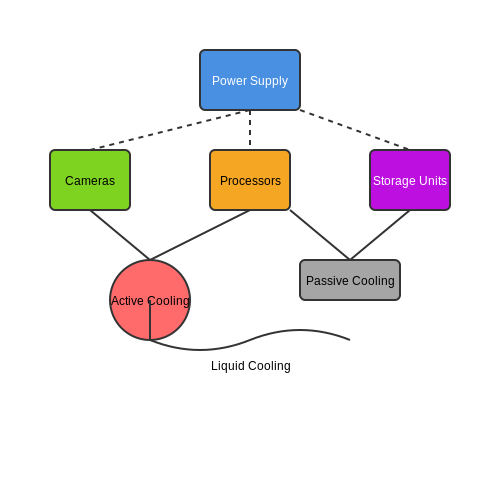
The power supply serves as the lifeblood of the facial recognition system, converting and distributing electrical energy as needed to various components, including cameras, processors, and storage units. Given the variability in power requirements based on operating conditions, it is essential to understand the specific demands of each component:
- Cameras: Modern cameras often require DC voltage in the range of 5V to 12V, depending on factors such as resolution and frame rate.
- Processors: High-performance processors can demand significant power, sometimes exceeding 100 Watts under full load during intense calculations that process video frames and perform image analysis.
- Storage Units: Solid State Drives (SSDs) in storage configurations may require stable voltages while also benefiting from rapid power-on cycles to access data quickly.
To ensure reliability, designers often utilize redundant power supplies, where two or more power sources can provide energy continuously. This mitigation strategy not only enhances uptime but also protects against potential failure of critical components.
Power Management Techniques
Power consumption requires not only reliable supply but also efficient management. Hardware systems implement various techniques to optimize energy usage:
- Dynamic Voltage and Frequency Scaling (DVFS): Adjusts the voltage and clock frequency of processors in real-time, based on workload demands, thereby reducing energy consumption.
- Standby Modes: Components can enter low-power states during inactivity, significantly lessening overall power usage.
These techniques not only lead to more sustainable operation but also alleviate thermal output, which brings us to the crucial aspect of cooling systems.
Cooling Systems: Importance and Types
As facial recognition systems often must process vast amounts of data in a short time frame, they generate considerable heat, which must be dissipated for sustained performance. Effective cooling systems can be categorized mainly into active and passive methods.
Active Cooling Systems
Active cooling systems utilize fans and heat exchangers to maintain optimal operating temperatures. Heat sinks are commonly employed in conjunction with power-dissipating components, helping to absorb and distribute heat away from sensitive parts:
- Fans: Increase airflow across critical components, which is essential in units with high processing loads.
- Liquid Cooling: Often found in high-performance systems, liquid cooling efficiently transfers heat to external radiators before dissipating it.
Passive Cooling Systems
Conversely, passive cooling systems rely solely on natural convection and conduction, utilizing materials that can absorb and disperse heat without mechanical assistance. These systems are highly reliable, often employed where noise reduction is critical.
Challenges in Cooling Systems
While critical for effective operation, cooling systems introduce design challenges that must be addressed. For example, vibration induced by fans could introduce noise into sensitive components such as microphones in the system. Effective layout and vibration isolation techniques can help mitigate these issues.
Conclusion
In conclusion, the interplay between the power supply and cooling systems is vital for the efficient operation of facial recognition hardware systems. Understanding the requirements and optimizing both components are key to ensuring high-performance and reliable facial recognition solutions in various practical applications, ranging from security to customer authentication in commercial environments. Further research and development in these areas continue to enhance the robustness and efficacy of facial recognition technologies.
3. Feature Extraction Techniques
3.1 Feature Extraction Techniques
Introduction
The effectiveness of facial recognition systems hinges on their ability to accurately extract features from images. This process, known as feature extraction, transforms raw pixel data into meaningful information, enabling systems to distinguish between different facial structures. Advanced algorithms utilize various techniques to analyze and compress the data, focusing on the unique characteristics of human faces such as biometric measurements, textures, and spatial patterns.Facial Feature Representation
To comprehend feature extraction techniques deeply, it's essential to understand the foundation of facial feature representation. Key points of interest include:- Landmarks: Specific points on the face such as the eyes, nose, and mouth.
- Geometric Features: The distances and angles between landmarks contribute greatly to identity.
- Texture Features: Surface details captured through various intensity patterns.
Techniques for Feature Extraction
Numerous techniques have evolved for effective feature extraction, each with its practical implications:Principal Component Analysis (PCA)
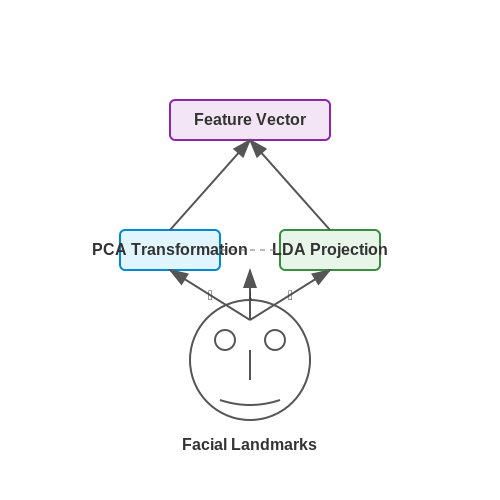
PCA is a statistical technique often employed to reduce the dimensionality of facial image data while retaining the most critical variance-capturing features. This method effectively transforms the original set of observations into a new set of uncorrelated variables, known as principal components. The PCA transformation can be expressed mathematically as:- Z represents the transformed data
- X is the original data matrix
- μ indicates the mean of the data
- W comprises the eigenvectors from the covariance matrix of the data
Linear Discriminant Analysis (LDA)
Unlike PCA, which focuses on maximizing variance, LDA aims to maximize the separability between different classes. This is particularly useful in situations where identity classes are predetermined, making it optimal for supervised learning environments. The key equation for finding the optimal projection can be detailed as follows:- J(w) is the objective function to maximize
- S_B is the between-class scatter matrix
- S_W is the within-class scatter matrix
- w is the projection vector
Scale-Invariant Feature Transform (SIFT)
SIFT is a powerful technique developed for detecting and describing local features within images. It identifies key points in facial images and generates descriptors that are invariant to scaling, rotation, and changes in illumination. The SIFT algorithm operates in the following succession: 1. Scale-space Extrema Detection: Identifying potential interest points. 2. Keypoint Localization: Refining the detected points through a detailed fit to local image data. 3. Orientation Assignment: Assigning a consistent orientation to the keypoints. 4. Keypoint Descriptor Generation: Producing descriptors based on local gradients around the keypoints. This methodology allows the facial recognition system to remain effective under various transformations, significantly boosting its real-world applicability, such as in security systems and user authentication on mobile devices.Real-World Applications
Facial recognition technology employing advanced feature extraction techniques has become prevalent across numerous sectors:- Security and Surveillance: Automated monitoring systems utilize these features for threat detection.
- Authentication: Mobile devices implement facial recognition as a biometric authentication method.
- Social Media: Platforms use facial recognition for tagging and content management.
3.2 Recognition Methods
Facial recognition systems employ a variety of methods to identify and verify individuals based on their facial features. Understanding these recognition methods is pivotal not only for the development and enhancement of these systems but also for their deployment in various applications ranging from security to user authentication. In this subsection, we will navigate through the primary methodologies underpinning facial recognition technologies.Biometric Feature Extraction
At the heart of facial recognition systems lies the process of biometric feature extraction, where unique features of the face are identified and quantified. This involves capturing various attributes such as the distance between the eyes, the width of the nose, and the contour of the jawline. The most traditional method involves the use of geometric measures among facial landmarks, which are specific points typically placed at critical locations on the face. The process is visualized as follows: 1. Facial Landmark Detection: Algorithms identify predefined points on the face, such as the corners of the eyes, tip of the nose, and edges of the mouth. 2. Feature Vector Creation: From these landmarks, a feature vector is created, which serves as a numerical representation of the facial structure. For example, if a face is mapped out with points at key locations, the distances between these points can be computed to generate a unique vector representing that person. This is known as a geometric representation.Template Matching Techniques
Template matching serves as a historical cornerstone in facial recognition techniques. This classic method compares an input image against a database of known facial templates, utilizing various algorithms to assess similarity. The steps generally follow: 1. Image Acquisition: A facial image is captured using a camera or scanner. 2. Normalization: The acquired image is standardized in terms of size, lighting, and orientation. 3. Matching: The normalized image is compared against templates previously stored in a database using correlation techniques. While template matching yields straightforward results, it is often limited by variability in real-world scenarios, such as differences in lighting, angles, and occlusions, necessitating more robust techniques.Machine Learning and Deep Learning Methods
In recent years, the field has witnessed a paradigm shift with the advent of machine learning (ML) and deep learning (DL) methodologies. These techniques employ complex algorithms capable of learning from large datasets, continuously improving their accuracy and efficiency.Convolutional Neural Networks (CNNs)
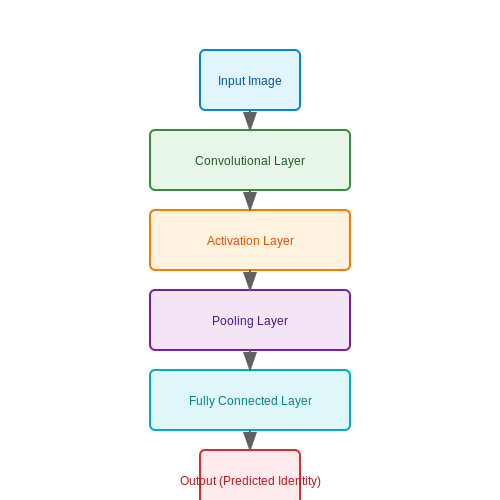
One of the most dominant architectures in facial recognition is the Convolutional Neural Network (CNN). CNNs excel in image processing through a series of layers that automatically extract features, drastically reducing the need for handcrafted features. The process in a CNN can be outlined as follows: 1. Convolutional Layer: Extracts features from input images by applying various filters. 2. Pooling Layer: Down-samples feature maps to reduce computational load while preserving essential information. 3. Fully Connected Layer: Outputs class probabilities, which indicate the identity of the captured face. The advantage of CNNs lies in their robust ability to generalize across different conditions, enhancing recognition accuracy even under varying illumination and pose conditions.Transfer Learning
Transfer learning harnesses pre-trained models to adapt and fine-tune them for facial recognition tasks. By leveraging existing models trained on vast datasets, transfer learning allows for more efficient training times and improved accuracy, particularly useful when training data is scarce. The architecture can be broken down into: 1. Model Selection: Choosing a suitable pre-trained model, often one trained on ImageNet or similar datasets. 2. Fine-tuning: Adjusting the model to focus on the specific task of facial recognition by training it on the relevant dataset. 3. Evaluation: Validating the adapted model's performance on a test dataset. The combination of machine learning techniques, particularly CNNs and transfer learning, has significantly propelled the accuracy and reliability of modern facial recognition systems.Conclusion
The methods of facial recognition, from traditional geometric approaches to sophisticated machine learning techniques, constitute a diverse landscape of technologies. As we move toward an increasingly digital future, understanding these methodologies will be crucial for ensuring the development of secure and efficient facial recognition systems that accommodate the dynamic conditions of real-world applications. The continual evolution in methodologies not only enhances performance but also raises new ethical considerations relating to privacy and security, which demand careful consideration in further research and deployment scenarios.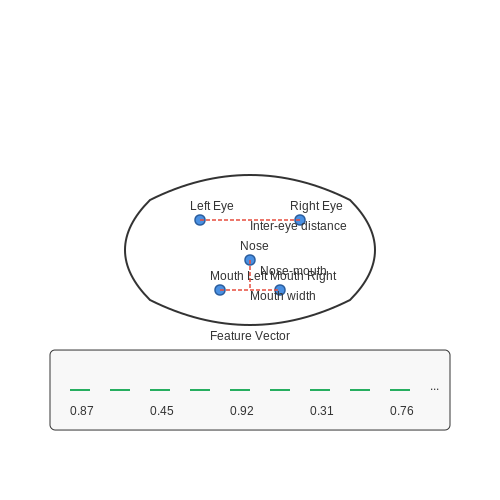
3.3 Machine Learning Approaches
In the domain of facial recognition systems, the application of machine learning (ML) techniques has revolutionized our capabilities to accurately identify and verify individuals based on their facial features. As we delve into various machine learning approaches, it’s essential to understand how these methods fuse the realms of mathematics, computational theory, and practical hardware systems to deliver robust recognition outcomes.
Understanding Machine Learning in Facial Recognition
At the core of facial recognition technology lies the ability to learn from data. In traditional programming, algorithms are hand-coded with specific rules. However, in the ML paradigm, systems are designed to learn from a vast pool of facial images and their corresponding identifiers, enabling the model to generalize and make predictions on unseen data.
Machine learning algorithms can generally be categorized into three types: supervised learning, unsupervised learning, and reinforcement learning. For facial recognition, the most prevalent techniques reside within supervised and unsupervised learning.
Supervised Learning Approaches
Supervised learning involves training a model on a labeled dataset, where each input (in this case, a facial image) is paired with a known output (the person's identity). Popular algorithms utilized in this context include:
- Convolutional Neural Networks (CNNs): CNNs are powerful candidates for image-related tasks. Their architecture mimics the connectivity pattern of neurons in the brain, allowing the system to automatically glean features from images without manual feature extraction. CNN layers can be arranged to include convolutional layers, activation layers (like ReLU), pooling layers, and fully connected layers, culminating in a robust feature extraction mechanism.
- Support Vector Machines (SVM): SVMs are effective in high-dimensional spaces, making them suitable for classifying facial images by separating different classes with the maximum margin hyperplane. This method can also apply in conjunction with a kernel trick to transform non-linear data into a high-dimensional space.
For example, when training a CNN for facial recognition, the network can undergo multiple epochs to fine-tune its weights, guided by a loss function that minimizes the difference between predicted identities and actual identities. The optimization is frequently achieved through backpropagation and gradient descent methods.
The equation above represents the Mean Squared Error (MSE) loss function commonly employed for regression tasks, albeit in classification tasks, categorical cross-entropy may be utilized.
Unsupervised Learning Approaches
In contrast to supervised techniques, unsupervised learning does not utilize labeled data, reflecting a different strategy for facial recognition. The system analyzes the input data to discern patterns and groupings independently. Techniques such as:
- Principal Component Analysis (PCA): PCA is a dimensionality reduction technique that identifies the directions (principal components) in which the variance of the data is maximized. In facial recognition, PCA is instrumental for reducing computational cost and enhancing system efficiency.
- Autoencoders: These neural networks aim to replicate input images at their output, learning a compressed representation in the process. The encoder learns to represent facial images with fewer bits of data, while the decoder attempts to reconstruct the image from this representation.
These unsupervised approaches are particularly useful for scenarios where the dataset is vast, and labeling every instance is impractical, enabling more generalized model training.
Case Studies and Practical Applications
Facial recognition systems powered by these machine learning techniques are deployed across various sectors. For example, law enforcement agencies utilize advanced recognition systems to identify suspects in real-time video surveillance feeds. Furthermore, social media platforms use facial recognition for tagging individuals in images automatically, significantly enhancing user engagement.
Beyond commercial applications, the ethical considerations surrounding the deployment of facial recognition must not be overstated. Issues regarding privacy, data security, and algorithmic bias necessitate a careful approach to the incorporation of machine learning in real-world facial recognition systems.
In conclusion, machine learning approaches, particularly within the domains of supervised and unsupervised learning, are integral to the functionality and accuracy of facial recognition hardware systems. Armed with profound data analysis capabilities, these methods not only enhance identification technologies but also push the boundaries of how these systems can be ethically and effectively utilized in society.
4. Communication Protocols
4.1 Communication Protocols
In modern facial recognition hardware systems, effective communication protocols are crucial for the seamless interaction between diverse components such as sensors, processors, and network interfaces. These protocols facilitate the rapid and reliable exchange of information essential for real-time facial feature processing and identification. Here, we delve into the various communication protocols used in these systems and their impact on performance, security, and interoperability.Understanding Communication Protocols
Communication protocols are sets of rules that dictate how data is transmitted and received over a network. They ensure that devices can interpret the signals correctly, leading to efficient data processing. In facial recognition systems, the choice of protocol can significantly influence latency, bandwidth consumption, and overall system robustness.Common Protocols in Facial Recognition Systems
1. I²C (Inter-Integrated Circuit): - I²C is a widely-used protocol for short-distance communication between integrated circuits. It operates on a master/slave architecture allowing one master to communicate with multiple slaves. This is particularly useful in facial recognition hardware where various sensors (such as cameras, range finders, and depth sensors) need to communicate efficiently. With only two wires for data and clock signals, I²C minimizes PCB space while supporting high-speed digital communication. 2. SPI (Serial Peripheral Interface): - SPI is another common protocol in embedded systems that offers faster data transfer rates compared to I²C. Primarily used for short-distance communication, it involves a master device and one or more slaves, with data being transferred simultaneously on multiple channels. In facial recognition systems, SPI can connect high-speed image sensors to processing units, significantly enhancing the real-time processing capabilities. 3. UART (Universal Asynchronous Receiver-Transmitter): - UART is fundamental for serial communication, particularly in module communications. It's favored for its simplicity; however, its speed is typically lower than I²C and SPI. UART is often utilized in systems where the processing unit communicates with a peripheral sensor unit, like sending image data to a computer or cloud processing service in real-time. 4. USB (Universal Serial Bus): - The USB protocol is essential for connecting facial recognition modules to computers or cloud services for enhanced processing and data storage capability. USB supports high data transfer rates, critical for transferring large amounts of image data from cameras to processing units, allowing for immediate analysis and recognition without significant latency. 5. Ethernet and Wireless Protocols: - For systems requiring network connectivity, protocols such as Ethernet and Wi-Fi are prevalent. These allow for remote processing and integration with broader network systems. Real-world applications include security cameras utilizing IP networking to send data to remote servers for analysis. This can significantly increase the computational capabilities, leveraging cloud computing.Choosing the Right Protocol
When selecting an appropriate communication protocol for a facial recognition hardware system, engineers must consider several factors, including: - Data Rate Requirements: High-resolution video feeds require high bandwidth, which may necessitate the use of SPI or USB over Slow I²C. - Distance: For long distances, Ethernet may be preferable, whereas, for chips on a single PCB, I²C or SPI may suffice. - Complexity and Cost: Simpler protocols generally lead to reduced manufacturing costs, which can be critical for commercial deployments. The integration of the correct communication protocols can dramatically enhance the system's performance, making it responsive and more efficient in recognizing faces under a variety of conditions.Real-World Applications and Case Studies
In various practical applications, the choice of communication protocol has been demonstrated to significantly impact system performance. For instance, in urban surveillance systems, the integration of multiple cameras across a city utilizing Ethernet allows for instantaneous data transfer and processing, critical for public safety initiatives. Moreover, in mobile facial recognition systems, such as those used in smartphones, a combination of UART for internal communication and Wi-Fi for external networking exemplifies how mixed protocol use can optimize performance and user experience. Understanding the role and functionality of communication protocols in facial recognition hardware systems is essential for engineers and developers tasked with designing and implementing these complex systems. By carefully selecting and integrating the right protocols, they can ensure robust and efficient facial recognition capabilities tailored to specific application needs.4.2 Software and Middleware Solutions
As the backbone of facial recognition hardware systems, software and middleware play crucial roles in ensuring that these systems can effectively capture, analyze, and manage visual data derived from human faces. Understanding their components, functionalities, and the interplay between different software layers is key for any engineer or researcher operating in this dynamic field.
Understanding Facial Recognition Software
Facial recognition software typically comprises two main components: feature extraction and classification algorithms. The former is responsible for identifying key facial features such as the distance between the eyes, nose shape, and jawline contours, while the latter classifies a face by comparing these features against a known database.
Modern facial recognition systems often employ deep learning frameworks, specifically convolutional neural networks (CNNs), which excel in image processing tasks. These networks automatically learn hierarchical features from the raw pixel data, significantly improving the accuracy of facial recognition. For instance, popular architectures like VGGNet and ResNet have demonstrated state-of-the-art performance in various datasets.
Middleware Solutions
Middleware acts as an intermediary layer between the hardware and software components, facilitating effective communication and data exchange. This separation is essential for modularity, allowing for easier updates and integration of new algorithms. Some prominent middleware solutions in facial recognition systems include:
- OpenCV: A widely-used open-source library for computer vision tasks, providing numerous functionalities including real-time face detection and recognition.
- Dlib: A versatile toolkit that includes robust facial feature extraction functionalities, making it easier to integrate with machine learning frameworks.
- Amazon Rekognition: A cloud-based solution that provides facial recognition capabilities without needing extensive hardware or software development, ideal for rapid deployment.
Implementing middleware solutions not only streamlines development processes but also enhances system scalability and robustness. For example, using OpenCV in conjunction with a deep learning library like TensorFlow allows developers to create more sophisticated systems without starting from scratch.
Data Handling and Security Considerations
Facial recognition systems deal with sensitive biometric data, necessitating stringent security measures to prevent unauthorized access and data breaches. Middleware solutions often incorporate data encryption and access controls to protect user data. Additionally, compliance with regulations such as GDPR (General Data Protection Regulation) is imperative, influencing how data collection, storage, and processing protocols are designed.
Furthermore, ethical considerations regarding the use of facial recognition technology must not be overlooked. Ensuring that systems are designed with fairness and accountability can improve public trust and promote responsible use.
Real-World Applications
Facial recognition technology is utilized across various sectors, including:
- Law Enforcement: Aids in identifying suspects from surveillance footage.
- Retail: Enhances customer experiences by personalizing interactions.
- Healthcare: Improves patient identification and monitors behavior in facilities.
As these technologies evolve, the synergy between hardware, software, and middleware becomes increasingly critical, paving the way for more intelligent and nuanced facial recognition systems.
4.3 Security Considerations
Introduction to Security in Facial Recognition Systems
Facial recognition technology is increasingly woven into the fabric of modern security systems, utilized across a broad spectrum of applications—from smartphone biometric locks to high-security installations in government facilities. However, while these systems offer significant advantages, they also introduce unique security challenges that necessitate careful consideration. A comprehensive assessment of security risks associated with facial recognition involves scrutinizing both hardware vulnerabilities and data protection concerns. Here, we will delve into various aspects that are critical for engineers and researchers interested in enhancing the security posture of facial recognition hardware systems.1. Hardware Vulnerabilities
Facial recognition systems rely on various hardware components, each potentially introducing risks. The following outlines common vulnerabilities:- Camera Tampering: Unauthorized access to the camera modules can lead to spoofing attacks where rendered images or videos deceive the system. Utilizing hardware-based security measures, such as secure boot processes, can mitigate such risks.
- Processing Unit Exploits: The central processing units (CPUs) or graphic processing units (GPUs) that execute facial recognition algorithms can be targeted through malicious software or firmware attacks. Ensuring that these components have up-to-date security patches and employing encryption can help secure them.
- Data Storage Security: The storage of facial templates poses risks if the data is not securely encrypted or if the storage medium is physically accessible. Advanced encryption standards (AES) should be employed to protect stored biometric data.
2. Data Privacy Concerns
A pivotal aspect of deploying facial recognition technology is safeguarding the sensitive data it processes. Key considerations include:- Data Minimization: Collecting only necessary data will reduce potential exposure. Systems should be designed to discard excess data and retain only what's critical for functionality.
- Transparent Consent: Users should be adequately informed about how their data will be used, necessitating an effective transparency policy and obtaining explicit consent prior to data collection.
- Data Breach Protocols: Establishing protocols for data breaches or leaks, including thorough incident response plans and remediation steps, is essential to mitigate impacts in case of security breaches.
3. Algorithmic Security Issues
The algorithms that power facial recognition systems can also introduce security challenges. Adversarial attacks—where small, often imperceptible perturbations are introduced to images—can deceive recognition systems, leading to misidentification. Techniques such as adversarial training can be employed to bolster the robustness of facial recognition algorithms against such attacks. Moreover, regular audits and updates of the algorithms can help detect potential vulnerabilities and incorporate emerging security best practices.4. Example of Security Protocol Implementation
A practical security protocol can be established through layered security measures that combine hardware safeguards, algorithmic resilience, and robust privacy controls. For instance, the implementation of Secure Enclaves for processing sensitive biometric data can effectively compartmentalize data access while ensuring that facial recognition algorithms operate in a controlled environment. Moreover, biometric data transmission can utilize Transport Layer Security (TLS) protocols to secure data in transit, ensuring protection against eavesdropping and interception during data exchange processes.Conclusion
As facial recognition hardware systems become increasingly prevalent in a variety of domains, addressing the associated security considerations becomes essential. Ensuring that these systems are both resilient against unauthorized access and respect user privacy will not only enhance their effectiveness but also bolster public confidence in their use. An ongoing commitment to updating security practices in accordance with evolving threats will help uphold the integrity of facial recognition technologies moving forward.5. Security Applications
5.1 Security Applications
The realm of facial recognition hardware systems encompasses versatile applications, notably in security domains. As societal reliance on digital security escalates, the integration of facial recognition technology (FRT) in various infrastructures provides both a deterrent against criminal activities and a mechanism for more personalized security solutions.Enhanced Surveillance Systems
One of the most prevalent applications of facial recognition is in enhanced surveillance systems. Traditional surveillance cameras merely capture footage, while FRT-equipped cameras can identify and track individuals in real-time. By employing algorithms capable of facial feature extraction and pattern recognition, these systems can rapidly cross-reference captured images against a database of known faces. The methodology starts with image preprocessing, where the system enhances the image for better feature extraction. Typical algorithms include histogram equalization and normalization to adjust lighting conditions. The next step involves applying a facial landmark detection algorithm, such as the *Active Shape Model (ASM)* or *Constrained Local Models (CLM)*, to identify facial features such as eyes, nose, and mouth. This allows systems to maintain continuous surveillance while reducing the reliance on human operators, leading to faster response times in high-stakes environments, such as airports or public events.Access Control Systems
Access control systems utilize facial recognition to streamline security processes in various facilities, from corporate offices to secure government installations. Traditional access systems often rely on magnetic cards or biometric fingerprint scanners, which can be easily lost or spoofed. In contrast, facial recognition offers a hands-free alternative, improving user convenience while ensuring high security. The face recognition hardware typically integrates infrared illumination, which enables operation in low-light conditions. This capability enhances the robustness of the system, facilitating secure access even after hours. The algorithm trains on images taken under varying lighting conditions, ensuring reliable recognition irrespective of ambient light. From a technical perspective, the process begins with capturing an initial image and transforming it into a facial embedding—a compressed vector representation of the face's features. This embedding is then compared against stored embeddings using a *cosine similarity* measure, defined mathematically as:Case Studies and Real-World Implementations
Numerous organizations have successfully employed facial recognition technologies, providing compelling evidence of their effectiveness. For example, the Baltimore Police Department has integrated FRT into its surveillance strategies, reporting a significant increase in case closure rates for crimes within their jurisdiction. Similarly, airports globally have adopted facial recognition systems to expedite passenger processing. The TSA in the United States has explored FRT technology in boarding procedures, enhancing both efficiency and security. As travelers pass through, their faces are matched with their boarding passes, simplifying the flow through security checkpoints and minimizing human error. Such implementations illustrate the immediate impact of facial recognition in enhancing security protocols efficiently and effectively. However, the ethical implications surrounding privacy and potential misuse of biometric data necessitate careful consideration, ensuring that security measures do not infringe upon individual rights. In summary, the applications of facial recognition hardware systems in security span a diverse array of functionalities, including surveillance optimization and streamlined access control. As technology advances, further developments promise not only enhanced security measures but also a broader integration into daily life, transforming how society interacts with secured environments.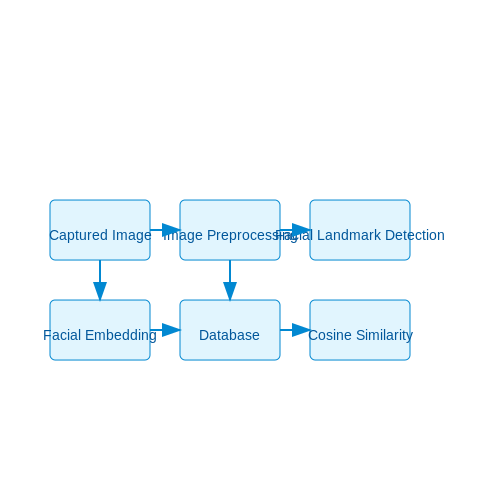
5.2 Marketing and Consumer Engagement
The integration of facial recognition technology into various consumer applications has a direct and profound impact on marketing strategies and consumer engagement. Companies are leveraging this technology not just for security and authentication but also for gleaning insights about customer behavior, personalizing experiences, and streamlining interactions.
Understanding Consumer Insights
Facial recognition systems provide a wealth of data about consumers that can be leveraged to enhance marketing efforts. The analysis of facial expressions can unveil emotional responses to products or advertisements. This behavioral data is crucial for businesses seeking to fine-tune their campaigns.
Companies utilize machine learning algorithms alongside facial recognition to analyze footage from cameras in retail environments. For example, by identifying returning customers and noting their emotional reactions, businesses can assess what products draw more positive feedback.
Personalization of Consumer Experiences
Incorporating facial recognition systems allows for highly personalized consumer experiences. When a customer enters a store, their previous interactions can trigger customized greetings or tailored promotions. Retail applications can employ facial recognition to identify loyalty program members, enabling instant discounts or special offers based on past purchases.
This level of personalization not only enhances customer satisfaction but also fosters loyalty, as consumers appreciate being recognized and catered to on an individual basis.
Streamlined Interactions
The adoption of facial recognition technology facilitates faster and more efficient customer interactions. For instance, in the banking sector, customers can be authenticated via facial recognition, significantly reducing wait times for service compared to traditional methods, such as ID checks.
Furthermore, by reducing friction at the point of sale, businesses can enhance the overall shopping experience, thus increasing the likelihood of repeat visits and positive word of mouth.
Ethical Considerations
As with any technology, the use of facial recognition in marketing raises ethical questions. Privacy concerns are paramount, requiring companies to navigate local regulations regarding data collection and usage. Transparent practices can build consumer trust, which is vital for long-term engagement.
Furthermore, it’s essential to consider potential biases in facial recognition algorithms, which may disproportionately affect certain demographics. Companies must ensure their systems are impartial and representative to maintain credibility and avoid public backlash.
Case Studies
Several leading brands have successfully integrated facial recognition into their marketing strategies. For example, Nike has utilized facial recognition technology in select stores to personalize shopping experiences, leading to increased sales.
Another instance is Starbucks, which has experimented with facial recognition to identify repeat customers and offer tailored recommendations based on past purchases. These implementations not only foster customer loyalty but also demonstrate the practical applications of this technology within marketing frameworks.
Conclusion
As facial recognition technology evolves, its implications for marketing and consumer engagement will undoubtedly expand. Businesses that adopt these strategies effectively will gain a competitive edge while providing enriched, personalized experiences to their customers.
5.3 Social Media and Personal Use
Facial recognition technology has witnessed exponential growth in deployment across social media platforms and personal applications. The intersection between these technologies has yielded both significant benefits and ethical considerations that merit exploration. Understanding how facial recognition operates within these contexts requires a nuanced approach, integrating technical know-how with awareness of social impacts.Integration in Social Media Platforms
Social media platforms leverage facial recognition for various functions, such as tagging users in photos, personalizing content, and enhancing user engagement. The implementation typically involves sophisticated algorithms that analyze visual data for facial features. For example, the FaceNet algorithm utilizes a deep neural network to encode facial images into high-dimensional vectors that can be efficiently compared against a database. One practical application can be seen in photo-sharing services, where facial recognition automates tagging. Users can post images without needing to manually tag friends. Behind this convenience lies a suite of technologies that include:- Image Capture: Involves high-resolution cameras that optimize input data.
- Preprocessing: Validates and normalizes images to reduce variability.
- Feature Extraction: Uses convolutional neural networks (CNNs) to identify landmarks on faces.
- Comparison Algorithms: Employs various distance metrics to ascertain match probability.
Technical Challenges and Solutions
As with any technological advancement, social media's integration of facial recognition faces challenges, such as accuracy in diverse populations and privacy concerns. Ethically sourcing data, training models on inclusive datasets, and implementing robust user consent mechanisms are crucial. Recent advances in domain adaptation strategies allow facial recognition models to perform well across various demographic groups, thereby enhancing equity in performance.Personal Use Applications
In personal contexts, facial recognition technology has found applications in security systems, smartphone unlocking mechanisms, and personalized user experiences. For instance, mobile devices now frequently utilize facial recognition as a biometric security feature, making user authentication more seamless and secure. The algorithms underpinning these applications, such as Local Binary Patterns (LBPH) or Eigenfaces, enhance user experience by providing quick access while maintaining security integrity. The process typically includes:- Enrollment Phase: Capturing multiple images of the face under various lighting and angles to create a profile.
- Template Matching: Utilizing algorithms to match a live image against stored templates.
- Continuous Learning: Systems that improve over time through user interactions and increased dataset exposure.
Implications on Privacy and Security
While personal use scenarios highlight convenience, they also raise significant questions about user data privacy. Misuse and unauthorized access to biometric data can lead to security vulnerabilities. For instance, in 2020, widespread concerns arose when reports suggested that major tech companies exploited facial data without explicit user consent. As a countermeasure, privacy-preserving algorithms such as differential privacy are being integrated into the architecture of facial recognition systems. These measures ensure that personal data remains anonymized, allowing users to benefit from technology without compromising privacy.Conclusion
The dual role of facial recognition technology in social media and personal use represents a dynamic interplay between innovation and ethics. As the technology evolves, it is imperative to continue exploring its implications on privacy and security while maximizing its potential in enhancing user experiences across platforms. This journey is not merely technological but also fundamentally human, requiring conscious efforts to balance benefits with ethical responsibilities.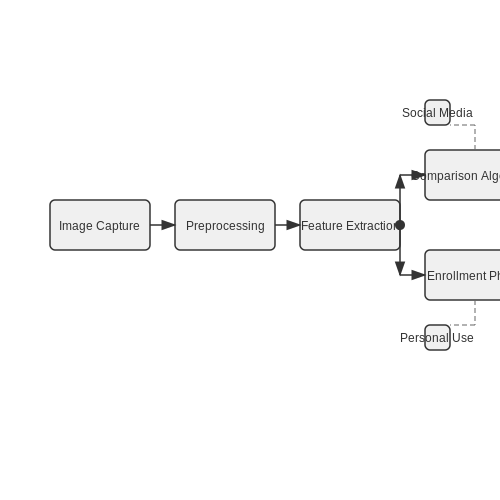
6. Privacy Concerns
6.1 Privacy Concerns
Facial recognition technology has grown rapidly, emerging as a powerful tool for both security and convenience. However, the increasing deployment of facial recognition hardware systems raises significant privacy concerns that merit careful consideration. This subsection examines the intersection between facial recognition systems and privacy, illustrating the implications of these technologies on individual rights and societal norms.Understanding Privacy in the Context of Facial Recognition
At its core, privacy refers to the right of individuals to control their personal information and determine how it is shared or utilized. With facial recognition systems, this becomes complex due to the ability to identify and track individuals without their consent. The pervasive nature of surveillance, combined with the rapid advances in algorithmic capabilities, fosters an environment where identity can be extracted and analyzed in real-time, raising pressing ethical questions. In particular, the functionality of facial recognition involves several phases: image capture, feature extraction, and comparison against databases to determine matches. Each phase entails the potential for data collection and processing, which can infringe on personal privacy if not managed appropriately. The potential for misuse and the implications of both intentional and inadvertent tracking necessitate a deep understanding of the system's architecture and its operational environment.Real-World Implications of Facial Recognition Technology
The practical applications of facial recognition systems are vast, spanning law enforcement, marketing, and social media, among others. Law enforcement agencies leverage this technology for crime detection and prevention. For instance, identifying suspects from CCTV footage can enhance public safety. However, this usage raises substantial concerns regarding surveillance overreach, misidentification, and racial bias, as studies have demonstrated that many facial recognition systems perform poorly on individuals with darker skin tones. Additionally, the application of facial recognition in non-law enforcement settings—such as retail stores for targeted advertising—exemplifies how data collected can be employed beyond its original intent, fueling fears of constant monitoring. The blurred lines between beneficial applications and intrusive surveillance highlight the urgent need for regulatory frameworks that safeguard individual rights.The Role of Legislation and Ethical Considerations
Given the potential for abuse, legislative responses to facial recognition technology vary widely across jurisdictions. For example, some cities have enacted bans on the use of facial recognition by law enforcement, while others strive to establish guidelines emphasizing transparency and consent. The overarching aim of such regulations is to protect citizens from surveillance capitalism—a term which describes the commodification of personal data for profit and control. The ethical concerns associated with facial recognition extend to issues of consent, transparency, and accountability. Users of facial recognition systems must maintain rigorous standards to ensure that data practices are ethical and respectful of individual privacy. Moreover, researchers advocate for increased public discourse surrounding this technology to foster a more informed citizenry capable of holding institutions accountable.The Path Forward: Balancing Innovation and Privacy
As the development of facial recognition technology continues to progress, striking a balance between innovation and privacy is paramount. Future advancements must incorporate strong ethical guidelines and robust privacy protections to prevent abuse. Additionally, enhancing system transparency and promoting community engagement are crucial steps in building public trust in these technologies. In conclusion, while facial recognition hardware systems pose significant benefits in terms of security and convenience, their implications for privacy cannot be ignored. Addressing these concerns requires a multifaceted approach involving the cooperation of technologists, lawmakers, ethicists, and the public to ensure the responsible implementation of this powerful technology.6.2 Regulations and Compliance
In a rapidly advancing field like facial recognition technology, understanding the regulatory landscape is crucial for engineers, physicists, and researchers alike. As these systems become more prevalent, they must operate within a framework of laws and standards designed to protect individual rights and promote ethical usage. This section explores various regulations and compliance aspects that impact facial recognition hardware systems, discussing both national and international frameworks.Data Protection and Privacy Laws
Facial recognition systems deal extensively with biometric data, which is often classified under sensitive personal information. Different jurisdictions have established varying degrees of privacy protections. General Data Protection Regulation (GDPR) in the European Union is a landmark legislation that mandates strict compliance regarding the collection, storage, and processing of personal data. Under GDPR, biometric data constitutes a special category of personal data, requiring explicit consent for its processing. Thus, it becomes crucial for hardware developers to implement features that allow for transparency and user control over their data. For example, organizations must ensure that users are informed when their data is being collected, and they should have an option to withdraw consent. Failure to comply with GDPR can lead to substantial fines, making an adherence strategy vital for developers of facial recognition systems.National Regulations and Frameworks
In the United States, legal compliance for facial recognition technology varies widely across states. Some states, such as California and Illinois, have enacted robust privacy laws governing biometric data. The Biometric Information Privacy Act (BIPA) in Illinois, for example, establishes requirements for acquiring consent before biometric data collection, impacting how facial recognition systems are built and operated. Federal level discussions are ongoing, exploring comprehensive regulations aimed at addressing privacy rights and ethical considerations in AI technologies, including facial recognition. Awareness of these evolving regulations is essential for engineers designing systems that may be subject to compliance requirements.Ethical Considerations
The ethical deployment of facial recognition technology cannot be overlooked. Engineers and developers must be mindful of bias and transparency in their systems. Studies have shown that facial recognition algorithms may exhibit biases based on race, gender, and age, potentially resulting in unjust outcomes. The EU AI Act seeks to mitigate such risks by defining precise obligations and accountability measures for high-risk AI systems, a category in which facial recognition is included.Technical Standards and Compliance Testing
In addition to legislative frameworks, technical standards play a critical role in ensuring that facial recognition systems function reliably and ethically. Organizations such as the International Organization for Standardization (ISO) provide standards that can guide the development of technology and testing methodologies. Standards such as ISO/IEC 19794 outline requirements for biometric data interoperability, which can be crucial when integrating various systems. Moreover, conducting compliance testing against these standards helps manufacturers identify vulnerabilities and ensures compliance with regulatory requirements. This adds an additional layer of credibility to the technology being deployed, providing assurance to consumers and regulators alike.Conclusion
Navigating the complex regulatory environment for facial recognition hardware systems demands a nuanced understanding of both technological capabilities and ethical responsibilities. As the landscape continues to evolve, staying abreast of regulations like GDPR, BIPA, and emerging federal standards is paramount for engineers and researchers engaged in this field. Rigorous compliance not only mitigates legal risks but also fosters trust and enhances the adoption of this transformative technology in society.6.3 Social Impact and Public Perception
Facial recognition technology has evolved rapidly, becoming integral in various applications such as security, marketing, and even social interactions. However, its advent has elicited a complex social response, influenced by factors such as privacy concerns, ethical implications, and the robustness of algorithmic biases. Understanding these dimensions is crucial for the development and deployment of facial recognition systems.
Privacy Concerns and Surveillance
The utilization of facial recognition systems often raises substantial privacy concerns. In public spaces, these technologies enable extensive surveillance capabilities that can track individual movements without consent. Such capabilities lead to apprehensions about a *Big Brother* society, where individuals are constantly monitored. Historical examples, such as the extensive surveillance measures implemented in certain authoritarian regimes, further amplify these fears.
Legal implications are also significant. Various jurisdictions are beginning to impose regulations concerning the use of facial recognition technology. For instance, cities like San Francisco and Boston have enacted bans on government use of facial recognition, reflecting public apprehension about abuse and unintended consequences.
Algorithmic Bias and Discrimination
An essential aspect of public perception hinges on the documented instances of algorithmic bias in facial recognition systems. Studies, such as those presented by Joy Buolamwini at the MIT Media Lab, have revealed that certain demographics, particularly women and people of color, may face increased misidentification rates due to inadequate training data. This has profound implications for law enforcement practices, potentially leading to wrongful accusations and exacerbating systemic discrimination.
Public awareness and scientific scrutiny of these biases are imperative to ensure the responsible deployment of facial recognition technologies. Efforts to develop more inclusive datasets and enhance algorithmic fairness are ongoing, yet the skepticism surrounding these systems persists.
Ethical Considerations and Emotional Impact
The ethical implications of facial recognition technology are multi-faceted and include concerns about consent, autonomy, and potential emotional impact. The deployment of these systems can lead to feelings of surveillance and mistrust within communities, negatively affecting social cohesion. For instance, communities that perceive algorithms as biased may develop profound mistrust towards institutions that implement these technologies.
Moreover, the integration of facial recognition into consumer products raises ethical questions regarding how data is collected, stored, and utilized. With upbringing in a digital landscape marked by rapid technological advancements, consumers are increasingly aware of the implications of their data privacy. This awareness drives markets towards transparency, where users demand more control over their personal data.
Addressing Public Concerns: Policy and Group Initiatives
In response to public concerns, a multitude of organizations and advocacy groups is actively working to shape policies surrounding facial recognition technologies. Initiatives aimed at fostering ethical AI development are emerging, emphasizing principles like fairness, accountability, and transparency. For instance, the establishment of independent oversight bodies can aid in monitoring the use of these technologies and ensuring that they align with societal values.
Additionally, educational campaigns aimed at increasing public understanding of facial recognition technology can facilitate informed discussions about its implications. Partnerships between technology companies, civil rights organizations, and policymakers will be critical in developing solutions that respect individual privacy while leveraging the benefits of facial recognition technology.
As facial recognition systems continue to evolve, the interplay between technological capabilities and social acceptance will remain a focal point in discussions about their future viability and ethical deployment.
Here, Psocial represents the overall public perception of facial recognition technology, which can be evaluated as the average of individual perceptions pi across a given population n.
In conclusion, facial recognition technology presents a frontier fraught with challenges and opportunities. Its development must be approached with diligence, ensuring that technological progress aligns with societal needs and ethical considerations.
7. Technical Limitations
7.1 Technical Limitations
The advancement of facial recognition hardware systems represents a remarkable leap in technology, significantly influencing areas such as security, personal devices, and law enforcement. However, these systems are not without their technical limitations, which vary across different applications and environments. Understanding these constraints is pivotal for engineers, physicists, and researchers who are developing next-generation solutions.Challenges in Hardware Performance
One of the principal technical limitations in facial recognition systems arises from the hardware's performance capabilities. The processing power required to analyze high-resolution images in real-time can surpass the capabilities of standard computing systems, particularly in mobile devices. The computational challenge can be expressed through the following equation:Illumination and Environmental Factors
Another technical limitation is the system's performance under varying lighting conditions. Facial recognition algorithms can struggle with extreme shadows, bright glare, or low light scenarios. The underlying principles are tied to the quality of image capture and the accuracy of feature extraction—both affected by ambient light conditions. Differences in illumination can obscure facial features, leading to reduced accuracy. This issue can be quantified through contrast sensitivity functions, which measure the ability of the system to distinguish facial features under variable lighting. For example, the following equation can characterize how the visible difference is impacted by lighting:Facial Recognition Bias
A significant concern in facial recognition hardware is the issue of bias, prominently in the context of racial and gender classification. Studies have shown that most facial recognition systems are trained on datasets that lack diversity and therefore perform poorly when recognizing features outside their training range. This limitation can compromise the reliability of systems deployed in critical settings like law enforcement. To enhance fairness and accuracy, research is increasingly focusing on algorithmic adjustments, including the use of synthetic data augmentation to balance training datasets. Recognizing and addressing bias is crucial, as it brings into question the ethical implications of deploying facial recognition technology in society.Physical Limitations in Image Capture
The physical characteristics of facial recognition systems, such as camera resolution and lens quality, further constrain performance. High-resolution cameras may capture finer details, but they require volume and space, making them impractical for some applications. Conversely, lower-quality cameras might be more cost-effective but risk losing critical features necessary for accurate recognition. Additionally, the registration and alignment of facial features are typically sensitive to pose variations. A comprehensive analysis requires not only high-quality optics but also careful calibration to ensure that the images captured remain consistent across different orientations.Real-World Implications and Future Directions
The technical limitations associated with facial recognition hardware systems emphasize an area ripe for revolutionary improvements. Continued research into novel imaging techniques, advanced algorithms, and hardware efficiencies is essential. For instance, developing deep learning architectures that can adaptively compensate for environmental variables could mitigate some of the current challenges. As the demand for robust and unbiased facial recognition systems continues to grow across various industries, addressing these limitations actively shapes the future landscape of security and user authentication technologies. Through rigorous collaboration across disciplines, it is possible to pave a pathway toward enhanced performance and resilience of facial recognition systems. This pursuit will inevitably engage not just engineers and computer scientists but also ethicists and social scientists, fostering a holistic approach in technology development.7.2 Environmental Factors
Facial recognition hardware systems operate within a plethora of conditions that significantly influence their effectiveness. Understanding these environmental factors is crucial for designing robust and reliable systems. The performance of facial recognition systems can be affected by variables such as lighting conditions, temperature fluctuations, humidity, wind, and even seasonal changes. This section delves into each of these factors, their impact on hardware functionality, and ways to mitigate adverse effects.
Lighting Conditions
Lighting is perhaps the most critical environmental factor affecting facial recognition systems. Optimal lighting allows for clearer image capture and accurate feature extraction. Artificial lighting sources can introduce shadows and reflections that may obscure facial features, making recognition difficult. Conversely, extremely low-light conditions can lead to image noise, significantly diminishing the system's performance.
To address these challenges, many sophisticated facial recognition systems employ advanced image processing techniques such as dynamic range adjustment and histogram equalization. These methods enhance image quality by increasing the visibility of facial features in varying lighting scenarios.
Temperature and Humidity
Temperature and humidity can also affect the performance of facial recognition hardware. For example, high temperatures can lead to thermal noise in optical sensors, while excessive humidity can result in condensation on camera lenses, distorting images. Such environmental extremes can compromise not only the accuracy but also the reliability of hardware components.
For outdoor deployments, environmental enclosures or climate-controlled housings are recommended to maintain optimal operating conditions. This is particularly important for systems integrated into security applications where unreliable performance can have significant ramifications.
Wind and Other Environmental Stressors
Wind can directly affect the stability of hardware since many recognition systems are often housed in outdoor kiosks or similar structures. Firmware stability and mechanical design must account for potential vibrations caused by gusts of wind, which could lead to blurred images during capture. Additionally, environmental factors such as dust or precipitation can obstruct the camera's view, making routine maintenance essential for sustained system reliability.
Seasonal Changes
Seasonal variations give rise to different atmospheric conditions, each posing unique challenges to facial recognition systems. Snowfall or heavy rain can obscure facial features with obstructions such as hats, masks, or umbrellas, reducing accuracy. On the other hand, bright sunlight during certain seasons can create harsh shadows on subjects, complicating feature extraction.
Engineers can mitigate these effects through machine learning algorithms capable of recognizing faces under diverse conditions, as well as utilizing multispectral imaging, which captures a broader range of wavelengths to improve recognition accuracy across different environments.
Real-World Applications
The interplay of these environmental factors is evident in various real-world applications, from retail customer analysis systems to high-security access controls. For instance, a facial recognition system installed at an airport must operate seamlessly under fluctuating light and weather conditions to ensure swift identification of travelers. By actively considering these environmental elements during design, engineers can develop advanced systems that maintain their reliability and accuracy regardless of external factors.
In conclusion, understanding and addressing environmental factors are essential for enhancing the performance and robustness of facial recognition hardware systems. As this technology continues to evolve, innovations aimed at mitigating these challenges will play a critical role in its deployment across various sectors.
7.3 Adversarial Attacks
In recent years, the field of facial recognition has progressed significantly, underpinning applications ranging from security to personalized user experiences. However, despite its advantages, facial recognition systems are increasingly vulnerable to innovative techniques aimed at disrupting their functionality. This is particularly relevant in the context of adversarial attacks, where the aim is to mislead a facial recognition system into recognizing faces incorrectly. The implications of these attacks are profound and call for a deeper understanding of the underlying mechanics.Understanding Adversarial Attacks
Adversarial attacks leverage subtle perturbations—often imperceptible to human observers—that can mislead machine learning models into making incorrect predictions. In the context of facial recognition, this might involve altering an image of a face in such a way that the algorithm identifies it as a different individual or fails to recognize it entirely. These attacks can be categorized into two primary types: training-time attacks and testing-time attacks. Training-time attacks manipulate the training dataset to incorporate adversarial examples, potentially skewing the model's ability to generalize accurately. In contrast, testing-time attacks involve direct manipulation of the inputs, which occur after the model is already deployed.Mechanisms of Adversarial Attacks
Typically, adversarial examples are generated using optimization algorithms that minimize the difference between the model's output for the original and modified inputs while subject to constraints that maintain the perceptual quality of the images. A common technique used to generate these examples is the Fast Gradient Sign Method (FGSM), which computes the gradient of the loss function concerning the input image. This gradient is used to create an adversarial perturbation that is added to the original image:Real-World Implications of Adversarial Attacks
The significance of adversarial attacks extends beyond theoretical constructs, marking tangible implications for security and privacy. For instance, in the realm of security systems, a successful adversarial attack could allow unauthorized individuals to gain access by spoofing identities. This challenge necessitates a robust framework for evaluating the resilience of facial recognition systems against such attacks. To mitigate these adversarial impacts, techniques such as adversarial training—wherein models are trained with adversarial examples—have emerged. This approach enhances the model's ability to withstand perturbations, reinforcing its resistance to manipulation. Additionally, researchers are exploring methods based on model ensembling, where multiple models aggregate predictions, further complicating attack vectors.Conclusion
As facial recognition technology continues to advance, understanding adversarial attacks will be imperative for engineers, researchers, and policymakers alike. Embracing a robust understanding of these threats not only informs the development of more secure systems but also fosters trust in the deployment of facial recognition technology in sensitive and critical applications. Exploring the dual nature of machine learning—its capabilities and vulnerabilities—highlights the ongoing need for vigilance and innovation in safeguarding such systems from malicious exploitation.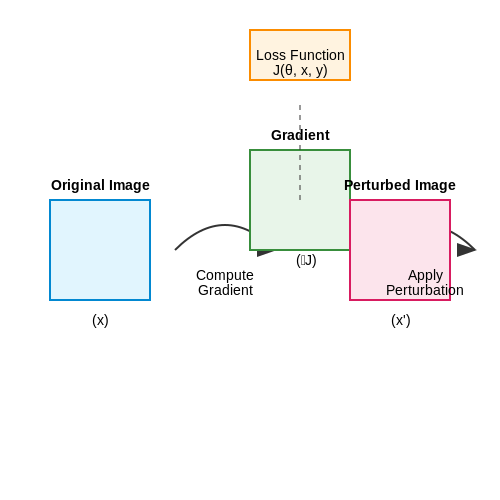
8. Advances in Technology
8.1 Advances in Technology
The field of facial recognition hardware systems has experienced remarkable advancements in recent years, driven by innovative technologies and increased computational power. These improvements have led to enhanced accuracy, speed, and adaptability of facial recognition systems, resulting in their widespread application across numerous sectors including security, healthcare, and consumer electronics.
The Rise of Deep Learning
A major factor behind the advancements in facial recognition systems is the advent of deep learning, a subset of artificial intelligence that employs neural networks with many layers (hence the term "deep"). Deep learning models are capable of analyzing vast datasets to identify patterns and features in facial images that are not readily apparent to traditional algorithms. This transition has allowed for significant improvements in both recognition rates and the ability to operate in diverse environments.
For instance, traditional methods often relied on geometric features and simple classifiers. In contrast, deep learning approaches, such as convolutional neural networks (CNNs), can automatically extract facial features from images without requiring manual feature engineering. This capability is especially crucial in real-time image processing, where speed is essential.
Hardware Acceleration and Edge Computing
The integration of hardware acceleration has further enhanced facial recognition systems. Graphics Processing Units (GPUs) and dedicated hardware such as Tensor Processing Units (TPUs) have enabled efficient computation of deep learning models, significantly reducing the time required for processing vast amounts of image data. Additionally, the shift towards edge computing allows facial recognition to occur on devices rather than relying solely on cloud-based systems. This reduces latency and bandwidth usage, which is critical for applications in mobile devices and IoT.
For example, modern surveillance cameras equipped with edge AI capabilities can analyze video feeds in real time, identifying individuals without transmitting large data files to central servers.
Enhanced Facial Recognition Models
Recent advancements have also seen the emergence of more sophisticated facial recognition models that can operate effectively under challenging conditions. Techniques such as attention mechanisms in deep learning allow models to focus on the relevant features of a face while disregarding irrelevant background information. In addition, multi-modal systems that combine facial recognition with other biometric signals, such as voice or gait analysis, are beginning to emerge, enhancing accuracy and reducing false positives.
A remarkable example is the implementation of Generative Adversarial Networks (GANs) which can augment training datasets by generating synthetic images, thus improving the robustness of recognition systems against challenges like changes in lighting, occlusions, and varying facial expressions.
Implementation in Real-world Applications
The practical implications of these technological advancements are vast. In the security domain, facial recognition has drastically increased the effectiveness of surveillance systems, allowing for real-time identification of individuals and enhancing public safety. In healthcare, facial recognition is being leveraged for patient identification and management, while in consumer electronics, features such as facial unlock have become commonplace in smartphones.
As technology continues to advance, it is essential to address ethical considerations surrounding facial recognition systems. Issues related to privacy, data security, and algorithmic bias must be managed to ensure that facial recognition technologies are deployed responsibly.
In summary, the advances in technology surrounding facial recognition hardware systems reveal a dynamic interplay between improved algorithms and specialized hardware, opening up new possibilities and applications. As engineers, researchers, and developers continue to innovate, the potential for these systems will only expand.
8.2 Integration with Other Technologies
Integrating facial recognition hardware systems with other technologies extends their functionality and applicability across various fields. This intersection highlights the versatility of such systems, leading to innovative solutions in security, healthcare, and automation. Understanding how facial recognition works in tandem with other technologies provides engineers and researchers the insight necessary to create holistic and robust applications.Enhancing Security Systems
One of the primary domains where facial recognition systems show remarkable integration is in security. By collaborating with video surveillance systems, for instance, facial recognition can enhance the monitoring capabilities of traditional CCTV setups. Systems equipped with facial recognition can automatically identify individuals of interest in real-time, thereby increasing the response rate to potential threats. The performance enhancement of these systems can be quantified through a mathematical approach. Consider the false acceptance rate (FAR) and false rejection rate (FRR):Interaction with Internet of Things (IoT)
Facial recognition systems are increasingly integrated into the Internet of Things (IoT) framework, revolutionizing user interactions with devices. For instance, smart home systems may utilize facial recognition to authenticate users before granting access to security features or personal settings. This integration leads to a more streamlined user experience, as actions can be automated based on identity recognition. Moreover, with the integration of machine learning algorithms, these systems can learn from user data, adapting to varying conditions and enhancing the overall security protocols of connected devices. The mathematical model of a learning system can be framed in terms of cost functions, which are minimized by adjusting model parameters:Healthcare Applications
Another promising avenue of integration is within the healthcare sector. Facial recognition can be utilized in patient management systems, allowing healthcare providers to quickly identify patients and verify their records. Moreover, when combined with wearable technology, these systems can track and analyze changes in a patient's facial expressions, potentially indicating emotion or pain levels, thus assisting in better patient care. The mathematical analysis of mental states via facial expression recognition can be complex, involving the study of facial action coding systems (FACS). Each facial expression can be broken down into individual components, allowing for a systematic analysis of emotional responses based on facial position vectors.Retail and Customer Experience
In retail environments, integrating facial recognition with point-of-sale (POS) systems enables a personalized customer experience. When customers approach a checkout, the system can recognize returning clients and automatically retrieve their purchasing history, providing targeted product recommendations. This type of integration employs machine learning methods that utilize training data from previous interactions to optimize responses in real-time. The recommendation can be formulated based on collaborative filtering, which uses the preferences of multiple users to predict what a new user might like:8.3 Evolving Use Cases
Facial recognition hardware systems have undergone a significant evolution since their inception, adapting in functionality and application to meet emerging technological and societal needs. As advancements in machine learning, sensor technologies, and computational power continue to drive progress, the use cases for facial recognition systems have broadened, leading to innovative applications across various sectors. In the past, facial recognition technology was primarily implemented in security and surveillance contexts. However, the landscape has shifted dramatically, showcasing a variety of use cases, each contributing to its relevance and continued adoption.Security and Law Enforcement
One of the most well-known applications of facial recognition systems lies in enhancing security protocols and law enforcement capabilities. Advanced algorithms can now identify individuals in real-time, enabling more effective responses to criminal activities. For instance, police departments have begun to incorporate facial recognition systems to identify suspects from surveillance footage rapidly. The inclusion of thermal imaging and night vision capabilities further extends operational effectiveness beyond daylight hours. For example, a case study in 2021 highlighted how the New York Police Department (NYPD) utilized facial recognition in tracking down a suspect using surveillance footage from a nearby shop, successfully leading to an arrest within days. However, this application also raises ethical concerns regarding privacy and potential misuse, indicating the necessity for balanced policies governing their use.Financial Services and Security
In the financial sector, facial recognition technology is revolutionizing customer authentication processes. Banks and financial institutions have adopted this technology to facilitate secure transactions, streamline account verification, and mitigate fraud risks. For instance, biometric ATMs that utilize facial recognition systems have surfaced, allowing customers to withdraw money without needing physical cards, thus enhancing user experience and security. These systems utilize advanced algorithms that analyze unique facial features and match them against stored biometrics, significantly reducing the chances of unauthorized access.Healthcare Applications
Healthcare is another sector poised to benefit immensely from facial recognition technology. From patient identification to monitoring health conditions, facial recognition can enhance operational efficiency and patient safety. In hospitals, these systems can quickly verify patient identities, reducing the risks of misidentification during treatment. Furthermore, researchers are exploring the technology's potential in behavioral analysis, such as detecting changes in expressions that could indicate pain or distress in patients unable to communicate effectively.Smart Home Devices and Personal Security
The integration of facial recognition technology into smart home devices is reshaping domestic security and convenience. Devices such as smart doorbells and security cameras now feature facial recognition capabilities, allowing homeowners to identify visitors instantly or receive alerts about unrecognized faces. This technology not only enhances security but also provides insights into household activities, making it a valuable tool for maintaining an informed living environment.Entertainment and Retail
Entertainment and retail sectors are leveraging facial recognition technology to enhance user engagement and customer experiences. In retail, for instance, stores are employing systems that analyze customer facial expressions to assess reactions to products, advertisements, or store layouts. This can inform marketing strategies and improve in-store service. Moreover, personalized experiences in entertainment venues, such as theme parks and events, are being crafted through these systems by recognizing returning visitors and offering tailored experiences based on previous interactions.Ethical Considerations and Future Directions
While the evolving use cases of facial recognition technology present exciting opportunities, they also necessitate ongoing discussions about ethical implications and potential biases inherent in the systems. Issues surrounding privacy, consent, and algorithmic fairness demand careful consideration as their use expands. As we look to the future, the integration of facial recognition technology is expected to continue evolving, potentially incorporating augmented reality (AR) to create immersive experiences while focusing on ethical frameworks that ensure responsible usage. In conclusion, the adoption of facial recognition hardware systems in diverse applications—from security and financial services to healthcare and retail—illustrates their transformative capabilities in modern society. The challenge lies ahead in balancing these advancements with ethical considerations, paving the way for responsible innovation.9. Academic Journals and Papers
9.1 Academic Journals and Papers
Facial recognition hardware systems have undergone significant advancements, driven by research efforts published in respected academic journals and papers. This subsection explores some of the critical research works that have shaped the current understanding and development of facial recognition technologies. For advanced practitioners and researchers in electronics, physics, and engineering, these works provide a comprehensive foundation for further exploration and innovation in facial recognition hardware systems.- Pattern Recognition Journal — A leading journal covering both theoretical and applied research in pattern recognition. It contains numerous articles on algorithms, hardware considerations, and case studies related to facial recognition systems.
- IEEE Transactions on Pattern Analysis and Machine Intelligence — This paper encompasses efficient face recognition algorithms and hardware system integration techniques, providing insights into the cutting-edge methodologies used in AI-driven facial recognition systems.
- Journal of Electronic Imaging — Contains detailed articles on the design and implementation of imaging hardware for facial recognition, discussing sensor technologies and image processing techniques.
- Journal of Imaging Science — Publishes high-quality research papers focused on imaging technologies and their application to facial recognition systems, offering insights into the latest hardware components and their impact on performance.
- IEEE Transactions on Biometrics, Behavior, and Identity Science — Covers comprehensive studies on biometric recognition technologies, including hardware implementations and evaluations crucial for advanced facial recognition solutions.
- Journal of Defense Modeling and Simulation — Focuses on defense-related biometric and facial recognition systems. Articles explore the integration of hardware systems with robust data processing algorithms for heightened security applications.
- Entropy Journal — Offers explorations into the mathematical models and statistical methods that underpin hardware systems' effectiveness in ensuring accurate and reliable facial recognition.
9.2 Books and Texts on Facial Recognition
- Deep Learning for Face Recognition — This comprehensive text explores the use of deep learning techniques specific to facial recognition systems. It covers algorithms, design considerations, and applications reflected in real-world scenarios.
- Handbook of Face Recognition — An extensive guide featuring various methodologies and technologies underlying face recognition. It caters to professionals seeking insights into system development, impact analysis, and performance evaluation.
- Face Recognition Technologies: Vulnerabilities and Opportunities — This book provides a critical view of facial recognition technologies, highlighting both their capabilities and potential vulnerabilities. It's a key resource for understanding security aspects.
- Facial Recognition: The Future of Identification — A technology-focused exploration into the evolution of facial recognition systems. It discusses algorithms, data handling, and new frontiers in personal and public applications.
- An Introduction to Face Recognition Technology — This paper offers a foundational overview of facial recognition technologies, presenting detailed discussions on system components, algorithmic developments, and potential applications.
- Face Recognition Across the Imaging Spectrum — Delving into how facial recognition performs across various imaging spectra, this book presents innovative solutions for improving recognition performance and broadening application areas.
- Deep Learning Applications in Face Recognition — Ideal for engineers and researchers, this book covers the integration of deep learning models with facial recognition systems, outlining challenges and future directions for enhancement.
- Human Face Recognition Using Third Order Synthetic Neural Networks — A deep dive into sophisticated neural network applications for face recognition, presenting experimental results and theoretical insights that are pertinent to specialists in this domain.
- Face Recognition: A Literature Survey — A research survey aggregating findings from vast literature on face recognition, featuring discussions on distinct recognition methods, algorithmic advances, and comparative studies.
- Face Recognition — This textbook covers the complete spectrum of face recognition technology, from essential techniques to state-of-the-art solutions, offering an academic perspective for advanced study.
9.3 Online Resources and Tutorials
In this section, we explore a curated collection of online resources and tutorials that delve into the hardware systems utilized for facial recognition technology. The complexity of facial recognition algorithms demands an understanding not only of software and machine learning paradigms but also of the hardware mechanisms that support these processes. The following resources offer advanced insights into the implementation, design, and optimization of facial recognition hardware systems. These selected links are ideal for engineers, physicists, researchers, and graduate students aiming to deepen their knowledge and application skills.
- Computer Vision Specialization by Coursera — Provides a comprehensive course pathway into computer vision principles, which are foundational to facial recognition technology. Covers hardware requirements and optimization strategies essential for accurate perception in real-world applications.
- Computer Vision by edX — An advanced-level course offering insights into the integration of computer vision systems with hardware. It systematically addresses sensor technologies, enabling hardware, and system design considerations.
- Everything You Ever Wanted to Know About Facial Recognition Technology — A detailed article that explains the nuances of facial recognition hardware and software integration with case studies and real-world applications providing a practical perspective for industry professionals.
- Facial Recognition Tutorial by KDnuggets — Offers an understanding of the technology behind facial recognition. It includes insights into the hardware systems employed and discusses performance and accuracy factors crucial for the deployment of these systems.
- Research Gate - Facial Recognition Systems — Includes a wealth of peer-reviewed articles and papers related to facial recognition hardware systems. It is a valuable resource for researchers seeking in-depth technical insights and recent academic contributions to the field.
- ArXiv - Facial Recognition Hardware Applications — A repository of academic papers focusing on the innovative applications of hardware systems in facial recognition technology. Useful for staying updated on the latest research breakthroughs.
- Elsevier - Advances in Facial Recognition Hardware — This comprehensive collection includes journals and books that explore cutting-edge facial recognition hardware technologies. Ideal for academics and industry professionals striving for a broader understanding of hardware improvements.