DC Fast Chargers
1. What is DC Fast Charging?
1.1 What is DC Fast Charging?
DC Fast Charging (DCFC) is a critical technology in the realm of electric vehicles (EVs) and broader electrification of transport. Unlike traditional AC charging, which delivers alternating current to the vehicle, DCFC processes direct current, thereby allowing for rapid energy transfer directly to the battery. This capability drastically reduces the time required to charge EVs compared to Level 1 and Level 2 AC chargers.
One of the main advantages of DC fast chargers lies in their ability to deliver high power outputs, typically ranging from 40 kW to over 350 kW. By bypassing the vehicle's onboard charger, which often limits AC charging speeds, DCFC directly charges the battery, leading to charging times as short as 15 to 30 minutes for significant range additions. This feature is particularly essential for commercial EV fleets and long-distance travel scenarios where minimal downtime is critical.
Understanding the Technical Mechanism
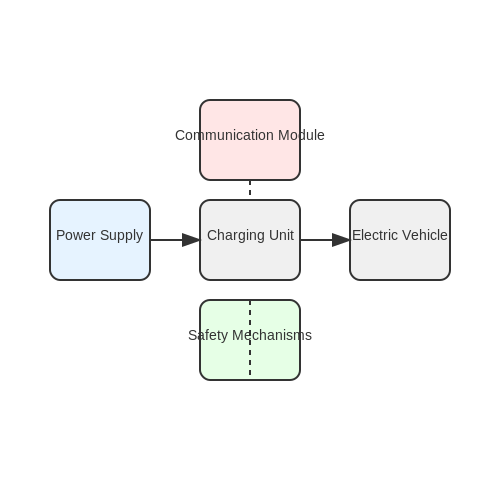
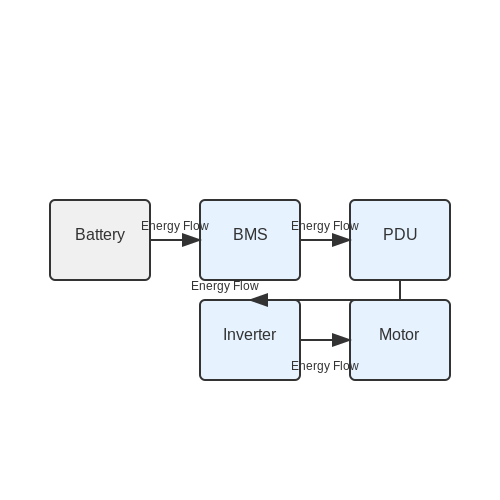
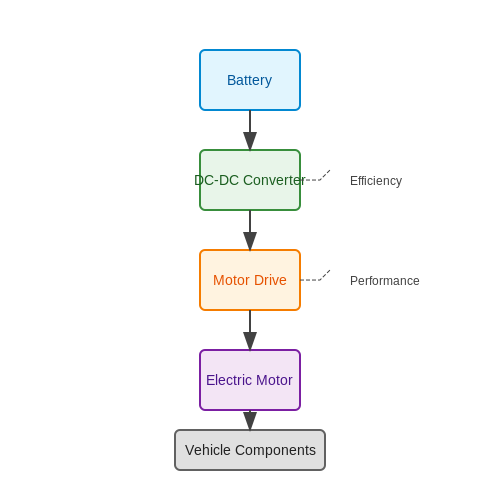
The technical operation of DC fast chargers hinges on several key components. The charger interfaces with the vehicle’s battery management system (BMS), communicating via protocols like CHAdeMO or CCS (Combined Charging System). As energy flows, the BMS monitors battery conditions—such as temperature and voltage levels—to optimize charging rates and ensure safety. This real-time data allows the system to modulate power delivery effectively and can lead to enhanced battery longevity if managed correctly.
The efficiency of DC charging relies significantly on several factors, including:
- The initial state of charge (SOC) of the battery
- Battery temperature
- Charger output specifications
- Charging protocols used
To better frame this process, consider the relationship between power (P), voltage (V), and current (I), which can be expressed using the formula:
Where P is the power in watts, V is the voltage in volts, and I is the current in amperes. In the case of DCFC, as voltage increases, the current can be reduced for the same power level, mitigating thermal issues associated with higher current flows.
Practical Relevance and Applications
DC Fast Chargers are strategically deployed along major highways and metropolitan areas, forming a vital part of the charging infrastructure necessary for the wide adoption of electric vehicles. In real-world applications, networks like Tesla’s Supercharger and Ionity have demonstrated the practicality of rapid charging stations. These networks not only reduce range anxiety among EV users but also stimulate the market by making electric mobility more attractive.
Furthermore, with the increasing integration of renewable energy sources into the grid, DCFC systems can potentially play a role in energy management. By connecting to diverse energy sources, they can optimize when and how energy is drawn from the grid, enhancing sustainability while also benefiting users with lower charging costs during off-peak hours.
Thus, the implementation of DC Fast Charging technology has profound implications for the future of transportation, energy distribution, and the shift towards sustainable practices in the automotive industry.

1.2 Comparison with AC Charging
As electric vehicles (EVs) gain traction in the market, understanding the nuances between different charging methods becomes increasingly important. In this section, we will delve into the technical differences between DC Fast Charging (DCFC) and AC Charging, emphasizing their respective advantages, limitations, and applications.
Charging Mechanisms
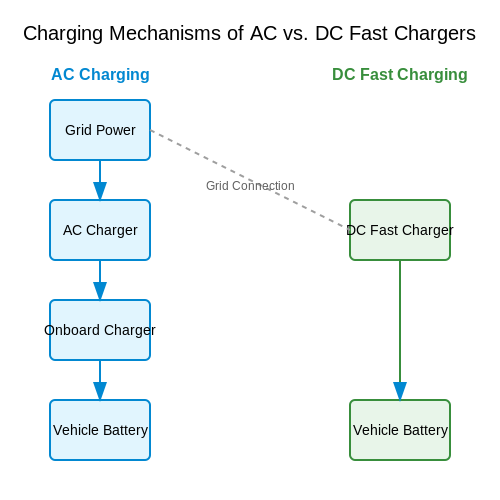
The most fundamental distinction between DC fast chargers and AC chargers lies in how they deliver current to the vehicle. AC chargers supply alternating current directly from the grid to the vehicle’s onboard charger. Here, the onboard charger is responsible for converting AC to direct current (DC) to charge the battery. This conversion process inherently limits the charging speed, as it is contingent on the capacity of the onboard charger, which typically ranges from 3.3 kW to 22 kW depending on the vehicle model.
Conversely, DC fast chargers bypass the onboard charger entirely by converting AC to DC within the charging station. This allows for very high charging rates—often exceeding 150 kW—by directly supplying DC power to the vehicle’s battery. As a result, DCFC can significantly reduce charging time, enabling users to replenish their vehicle's battery from 0% to 80% in as little as 30 minutes at optimal conditions.
Charging Speed and Efficiency
To quantify the differences in charging speed, consider the following:
- An AC charger rated at 22 kW can typically charge a vehicle with a 60 kWh battery in around 3 hours, assuming an 85% charging efficiency.
- A DC fast charger rated at 150 kW may charge the same vehicle to 80% in about 30 minutes, leveraging the fact that fast chargers are more efficient because they are optimized for higher power delivery.
One must also factor in the impact of temperature and battery management systems, which may limit charging rates to protect battery health. Proper management is essential as excessive temperatures can lead to battery degradation, meaning that even fast chargers can sometimes throttle speed to prevent damage.
Infrastructure and Accessibility
The infrastructure required for DC fast charging is notably more complex and expensive compared to AC charging stations. This is due to the need for robust power supply systems and advanced cooling mechanisms to manage the high current levels. As a result, AC chargers are often more prevalent and can be found at residential, commercial, and public locations, whereas DC fast chargers are primarily deployed along highways and major transit corridors to facilitate long-distance travel.
However, the increasing adoption of electric vehicles is prompting investment in DC infrastructure. For example, networks like Electrify America and Ionity are rapidly expanding their DC fast charging stations across regions, thus enhancing accessibility for EV owners.
Cost Considerations
From a financial standpoint, the cost of both charging methods must also be considered. AC charging often comes at a lower installation and operational cost since the equipment is simpler. Conversely, DC fast charging stations require a higher initial investment, which is typically passed on to consumers through charging fees. As the technology continues to evolve, the cost dynamics may shift, but for now, the perceived cost of ownership is a significant factor influencing the choice between AC and DC fast charging.
Real-World Implications
In practical terms, the choice between AC and DC charging often comes down to user needs. For daily commuting, where charging can occur overnight at home, AC charging may suffice. However, for long-distance travel, the advantage of rapid DC fast charging becomes clear. A successful charging infrastructure will likely require a balance between these systems, catering to a wide range of charging scenarios.
In conclusion, both DC fast charging and AC charging hold significant roles within the span of electric vehicle charging options. Understanding their differences is crucial for engineers and stakeholders involved in the development and deployment of EV infrastructure as the market continues to grow.
1.3 Applications of DC Fast Chargers
The rapid pace of development in electric vehicle (EV) technology has rendered DC fast chargers (DCFC) a vital component in the transition towards sustainable transportation. These robust charging systems provide high power levels that enable a significant reduction in charging time compared to conventional AC chargers. The applications of DC fast chargers are multi-faceted, influencing not only personal transportation but also commercial sectors, infrastructure, and broader energy systems.Enhancing Infrastructure for Personal Electric Vehicles
The most immediate application of DC fast chargers is within the realm of personal electric vehicles. By significantly reducing charging intervals, they directly address consumer concerns about range anxiety, which is a prevalent barrier to EV adoption. A typical DC fast charger can charge an EV battery to 80% in approximately 30 minutes, depending on battery size and state of charge. This rapid replenishment allows for practical inter-city travel, making electric vehicles a competitive alternative to internal combustion engine vehicles for a variety of journeys. Moreover, urban locations are adopting DC fast chargers in public charging stations. These systems are strategically placed in locations such as shopping centers, highway rest areas, and urban hubs, providing convenience to the user. As the frequency and accessibility of DC fast chargers increase, they are driving higher adoption rates of electric vehicles in densely populated areas.Commercial Vehicle Electrification
Beyond personal use, DC fast chargers are essential for the electrification of commercial fleets, including buses and delivery vehicles. The logistics industry stands to benefit greatly from the adoption of DCFCs, given that reduced downtime can substantially increase operational efficiency. With features like fleet management capabilities integrated into charging infrastructure, operators can seamlessly monitor the status and efficiency of their fleets. The electrification of public transport systems is gaining traction across many cities. For example, electric buses equipped with large battery capacities utilize DC fast chargers at terminals or dedicated charging stations to ensure quick turnaround times between routes. This contributes to lower emissions, which is a critical factor in improving urban air quality and meeting government regulations concerning transportation emissions.Renewable Energy Integration
Moreover, DC fast chargers play a crucial role in the integration of renewable energy sources into the grid. A DC fast charger can be paired with solar or wind energy systems, allowing for a sustainable charging solution. In scenarios where charging stations are located near renewable energy sources, excess energy can be used for charging, further enhancing sustainability. The potential for vehicle-to-grid (V2G) technology, where vehicles not only consume energy but also supply it back to the grid, takes this integration a step further. By utilizing DC fast chargers equipped with bidirectional charging capabilities, EVs can store energy during off-peak hours and discharge it during peak demand times, creating a more resilient and efficient grid.Smart Cities and Future Applications
Lastly, as smart city initiatives continue to evolve, DC fast chargers will be integral to the infrastructure supporting connected mobility. Integration into smart grids will allow for demand response strategies, where charging schedules adapt based on real-time energy availability and grid demands. This collaboration not only improves the efficiency of charging operations but also enhances overall energy sustainability in urban environments. In summary, the applications of DC fast chargers extend broadly across various sectors and functionalities. From empowering personal electric vehicle use and revolutionizing commercial transportation to facilitating renewable energy integration and smart city evolution, these chargers are central to achieving a sustainable transportation future. The advent of DC fast charging marks a pivotal step towards a cleaner and more efficient energy landscape, underscoring the importance of ongoing investment and research in this technology.2. Charging Standards and Protocols
2.1 Charging Standards and Protocols
In the realm of electric vehicles (EVs) and renewable energy systems, a nuanced understanding of charging standards and protocols is critical for engineers and researchers alike. As the demand for efficient and fast charging solutions grows, the interoperability of charging stations and vehicle compatibility is contingent upon established standards. This section delves into the intricate world of charging protocols, emphasizing the need for uniformity in fast charging technology.
The Importance of Charging Standards
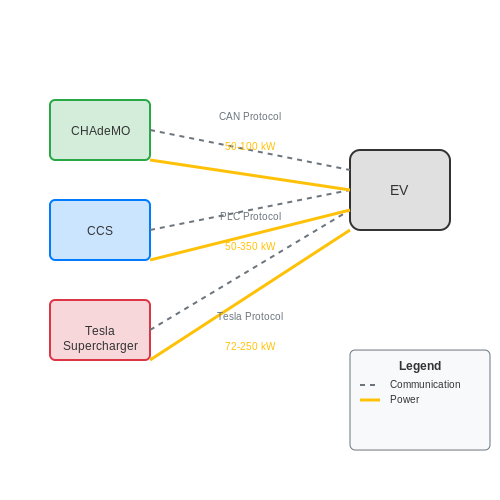
Charging standards serve as a framework for ensuring compatibility between electric vehicles and charging infrastructure. They dictate how the vehicle communicates with the charger, including how the power is transmitted, and safety protocols. Significant standards include CHAdeMO, CCS (Combined Charging System), and Tesla's Supercharger, each offering unique features to enhance user experience while maintaining high levels of safety during the charging process.
CHAdeMO Standard
Developed in Japan, the CHAdeMO standard enables fast charging of electric vehicles via a DC connection. Boasting a maximum charging power of up to 62.5 kW (with future versions expected to surpass 100 kW), CHAdeMO employs a communication protocol established through the CAN (Controller Area Network) bus. This allows vehicles to communicate with the charger to negotiate power levels and monitor battery health.
In this equation, \( P \) represents the power in watts supplied to the vehicle, \( V \) is the voltage, and \( R \) is the resistance. Understanding this relationship underscores the efficiency of the charging process—minimizing resistance can significantly enhance power delivery.
Combined Charging System (CCS)
CCS combines both AC and DC charging capabilities into a single connector, facilitating faster charging while maintaining compatibility with legacy AC chargers. The CCS protocol supports high charging rates—typically up to 350 kW—allowing for ultra-rapid charging that can extend the range of a vehicle sufficiently in under 20 minutes. The communication protocol is also a variant of the CAN bus system, which allows for very rapid exchanges of data between charger and vehicle to optimize performance and ensure safe operation.
Tesla Supercharging
Tesla’s Supercharger network utilizes its proprietary charging standard, capable of delivering up to 250 kW. The Supercharger employs advanced thermal management and efficient energy transmission techniques to offer user-friendly experience and rapid charging. Tesla aims to create a seamless and expansive charging network that supports its vehicle ecosystem without sacrificing charging speed or efficiency.
Conclusion and Future Considerations
As we venture further into an electrified future, the need for robust charging standards and protocols cannot be overstated. Innovations in battery technology, along with an increasing number of EV models, necessitate a conducive environment where charging stations can serve a wide array of vehicles swiftly and safely. Emerging standards like IEC 62196 and ongoing discussions regarding ISO 15118 (which involves vehicle-to-grid communication) indicate a future where EV charging will become more integrated and interoperable.
2.2 Components of a DC Fast Charger
DC Fast Chargers (DCFC) are pivotal in facilitating the widespread adoption of electric vehicles (EVs) by significantly reducing charging times. To grasp the operational efficiency and design intricacies of these systems, it is essential to break down their key components and their respective functions.
Power Conversion Unit
The heart of a DC Fast Charger is the power conversion unit, which typically employs an AC-DC converter. This converter transforms the grid's alternating current (AC) into the direct current (DC) required by the EV's lithium-ion battery. Advanced converters utilize high-frequency switching techniques, allowing for improved efficiency and reduced size. Specifically, the use of insulated-gate bipolar transistors (IGBTs) is common, as they combine the simplicity of drive circuitry of bipolar transistors with the high efficiency and fast switching of MOSFETs.
Efficiency and Thermal Management
High conversion efficiency is pursued to minimize energy loss, usually optimized to exceed 90%. However, the conversion process generates heat, necessitating effective thermal management systems. Air or liquid cooling methods are commonly used depending on the power level of the charger, which can range from 50 kW to over 350 kW. Proper thermal regulation ensures the longevity and reliability of power electronic components.
Control Unit
The control unit integrates hardware and software components that regulate the charging process. It ensures that the parameters such as voltage, current, and temperature remain within specified limits, optimizing the battery's charge cycles to enhance lifespan and efficacy. An important aspect of this unit is its communication interface, which allows integration with EV's onboard systems for efficient power management. Protocols like CHAdeMO, CCS (Combined Charging System), and OCPP (Open Charge Point Protocol) facilitate this operational synergy.
Communication Protocols
Each of these protocols has unique features; for instance, CCS supports high-power charging and bi-directional charging technology, which could enable vehicle-to-grid (V2G) applications. This capability can potentially allow EVs to feed energy back to the grid, creating a more sustainable ecosystem.
Connectors and Cables
The physical connection between the charger and the EV is executed through robust connectors and cables designed to handle high-current loads. These connectors must ensure safety and reliability, while also supporting rapid disconnection in case of fault conditions. High-quality materials that withstand environmental stressors and ensure minimal resistive losses are employed in the manufacture of these components.
Connector Standards
Charging standards vary globally; for example, CCS is widely adopted in Europe and North America, while CHAdeMO remains prevalent in Japan. Understanding these standards is essential for systems integration and compatibility across different EV models.
Energy Management System
An advanced DC Fast Charger incorporates an energy management system (EMS) that coordinates its operational aspects with the surrounding infrastructure. Through real-time data analytics, the EMS can optimize charger usage, predict peak demand periods, and potentially lower operational costs through demand response strategies.
Grid Integration
With growing energy demands, the integration of renewable energy sources into charging stations is becoming a trend. Strategies for grid integration allow for the charging of EVs during off-peak hours or utilizing surplus renewable energy, thereby contributing to a reduction in carbon emissions.
In summary, a DC Fast Charger comprises several components working seamlessly together to provide efficient and rapid charging solutions for electric vehicles. Understanding the intricacies of each component allows for improvements in design, efficiency, and integration with broader energy systems, ultimately enhancing user experience and encouraging the shift towards sustainable transportation solutions.
2.3 Power Delivery Systems
In the realm of DC Fast Chargers (DCFC), the efficiency and efficacy of power delivery systems (PDS) are paramount. The essence of a PDS is to manage the flow of electrical energy from the charging station to the electric vehicle (EV), while maintaining optimal performance and safety. Understanding the intricate components and functioning of these systems forms the groundwork for advancements in fast charging technology.
Architectural Overview of Power Delivery Systems
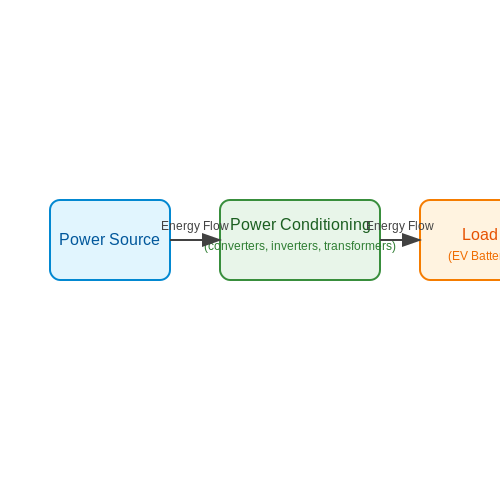
The architecture of a PDS is usually categorized into three major components: the power source, power conditioning and distribution, and the load (i.e., the EV battery). Each component plays a critical role in ensuring a seamless and efficient energy transfer process.
- Power Source: This is typically an AC supply converted to DC through rectification processes. The power source specifications greatly influence the overall performance of the charging station.
- Power Conditioning: This component includes converters, inverters, and transformers necessary to convert the raw power into a suitable form for the EV battery. Power conditioners are crucial for voltage regulation and harmonic distortion minimization.
- Load Management: Load management systems regulate the amount of current flowing to the EV, maintaining a balance to optimize battery health and charging speed.
Understanding Power Transfer Methods
Power delivery in DC fast chargers primarily utilizes two methods: constant current (CC) and constant voltage (CV). Initially, during the charging cycle, the charger may employ a CC approach until the EV battery reaches a specific voltage threshold, transitioning to a CV method for the remainder of the charge. This two-phase strategy proves effective in rapidly charging batteries while protecting them from damage.
Mathematically, the instantaneous power transfer in a PDS can be described using the expression:
where:
- P(t): Instantaneous power delivered at time t, measured in watts (W).
- I(t): Current flowing at time t, measured in amperes (A).
- V(t): Voltage at the terminals of the EV battery at time t, measured in volts (V).
Effects of Thermal Management
As the charging power increases, so does the heat generated within the system. Effective thermal management is essential to prevent overheating, which can reduce efficiency, compromise safety, and shorten the lifespan of EV batteries.
Modern PDS incorporate advanced cooling systems, which may include liquid cooling methods, that ensure optimal operating temperatures are maintained. This integration of thermal dynamics with electrical engineering not only guarantees safety but also significantly impacts the overall performance of DC fast chargers.
Real-World Applications and Case Studies
DC fast charging stations have been implemented extensively in urban areas, highways, and strategic locations like shopping centers. For instance, Tesla's Supercharger network exemplifies an efficient PDS designed to deliver rapid charge times with minimal voltage drop and thermal loss. This direct correlation between PDS innovations and increasing EV adoption rates highlights the critical role these systems play in the future of sustainable transportation.
In summary, understanding and optimizing power delivery systems is crucial for the continued advancement of electric vehicle infrastructure. By dissecting the components of these systems, we can better appreciate the engineering challenges involved and drive forward the integration of cleaner technologies in our everyday lives.
3. Advantages of DC Fast Chargers
3.1 Advantages of DC Fast Chargers
As electric vehicles (EVs) surge in popularity due to the urgent need for sustainable transportation, the significance of DC Fast Chargers (DCFC) rises correspondingly. These robust charging systems provide numerous advantages that serve both users and the broader electric grid. Understanding these advantages is crucial for engineers, researchers, and policymakers working towards the optimal integration of electric mobility into existing infrastructure.
Rapid Charging Capacity
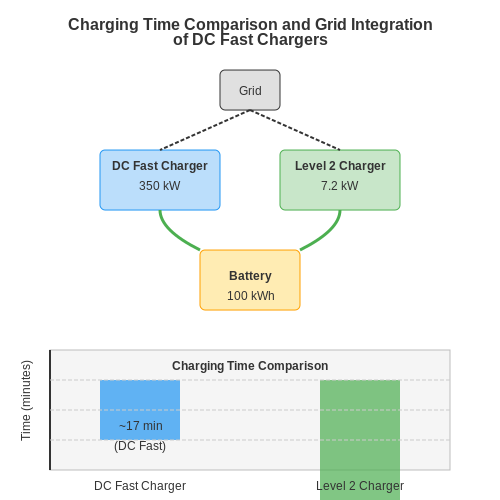
DC Fast Chargers can deliver high power levels — often between 50 kW and over 350 kW — allowing for significantly reduced charging times compared to standard Level 2 chargers, which typically offer around 7.2 kW to 19.2 kW. The rapid charging capacity is particularly advantageous for long-distance travel, enabling drivers to quickly replenish their vehicle’s battery and continue their journey with minimal downtime.
The energy transfer efficiency of DCFC systems also contributes to their effectiveness, as less energy is lost during the charging process. When considering the formula for charging time, one can observe its empirical representation:
In this equation, t represents charging time, C is the battery capacity in kilowatt-hours (kWh), and P is the charging power in kilowatts (kW). For instance, if a vehicle's battery capacity is 60 kWh and the charger operates at 150 kW, the time to charge from 20% to 80% can be estimated as follows:
Such figures illustrate the practicality of DC Fast Chargers, especially in urban settings or along busy highways.
Enhanced User Experience
Beyond the technical advantages, DC Fast Chargers enhance user experiences by empowering less frequent charging stops without sacrificing time. Users often prefer a charging point that can rejuvenate their vehicle's battery while they engage in other activities, such as shopping or taking a meal break, making the charging process more convenient and user-friendly.
Grid Support and Renewable Integration
Joining the larger conversation about sustainability, DC Fast Chargers can also contribute to grid stability. Advanced algorithms integrated into some chargers allow for demand-response scenarios where charging times are adjusted to moments of low electricity demand or high renewable energy supply. This not only aids in alleviating stress on the power grid but encourages the use of cleaner energy sources, thereby supporting renewable energy integration.
For example, Vehicle-to-Grid (V2G) technologies are gaining traction through the use of DC Fast Chargers, enabling EVs to send surplus energy back to the grid during peak demand periods, enhancing grid resilience while allowing vehicle owners to benefit financially from grid services.
Standardization and Broad Access
As the market for electric vehicles continues to expand, manufacturers are increasingly adopting standardized charging protocols, such as the Combined Charging System (CCS) and CHAdeMO. This standardization facilitates interoperability among different EV models and charging stations, greatly enhancing user convenience. The growing availability of DC Fast Chargers in public charging networks ensures that EV drivers have access to rapid charging solutions in multiple locations.
This open accessibility is crucial as it further incentivizes consumers to transition to electric vehicles, thereby cultivating a sustainable transportation ecosystem.
Conclusion
DC Fast Chargers stand at the forefront of the electric mobility revolution by offering rapid charging capabilities, improving user experience, ensuring grid support, and promoting renewable energy integration through standardized practices. As the technology evolves, with ongoing improvements in charging efficiency and grid interaction, the advantages of DC Fast Chargers will continue to resonate within the framework of modern transportation, making them an indispensable asset in the journey toward a carbon-neutral future.
3.2 Common Challenges and Limitations
As the deployment of DC Fast Chargers becomes increasingly pertinent in supporting the widespread adoption of electric vehicles (EVs), it is crucial to understand the various challenges and limitations that accompany this technology. These hurdles can significantly impact the efficiency, reliability, and safety of charging infrastructures. Addressing these challenges not only enhances user experience but also fosters trust in electric mobility solutions.
Power Management and Efficiency
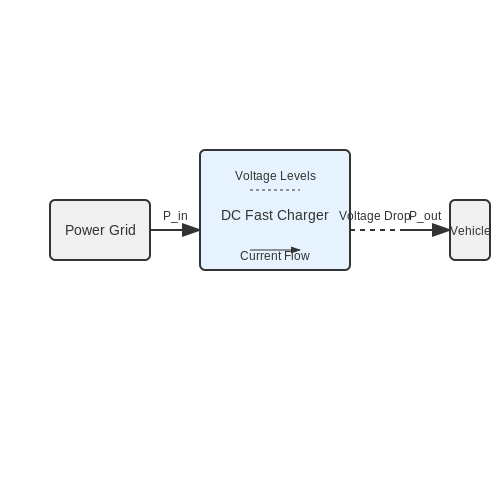
One of the primary concerns with DC Fast Chargers is power management. The integration of these chargers into existing power grids can lead to issues such as voltage fluctuations and load imbalances. This is particularly true during peak charging sessions, where simultaneous demands from multiple chargers can exceed supply capabilities.
- Voltage Drops: High current levels can cause significant voltage drops, affecting the performance of connected devices and potentially leading to charging inefficiencies.
- Power Quality Issues: Harmonics generated during DC conversion can degrade the overall quality of the power supply, impacting both the grid and the performance of other equipment.
To quantify the efficiency of energy transfer, consider the following relationship where efficiency (η) is defined as the ratio of output power (Pout) to input power (Pin):
In practice, losses in conversion, heat dissipation, and other factors often lead to η being below 90%, which necessitates improved designs and technologies.
Thermal Management
Another significant challenge faced by DC Fast Chargers is thermal management. The rapid delivery of high currents generates excess heat, which can jeopardize the performance and longevity of the charger components.
The thermal design must efficiently dissipate heat to maintain operational integrity. This can involve strategies such as:
- Implementing active cooling systems, such as fans or liquid cooling, to maintain optimal temperature ranges.
- Utilizing advanced thermal interface materials to enhance heat transfer between components.
The thermal performance can be quantitatively evaluated using the thermal resistance concept:
where Rth represents thermal resistance, ΔT the temperature difference, and Pdiss the power dissipated as heat. A low thermal resistance is crucial to efficient cooling and is a key consideration in charger design.
Compatibility and Standardization
The lack of standardization among different manufacturers presents an obstacle for DC Fast Chargers. Different protocols such as CCS (Combined Charging System), CHAdeMO, and Tesla Supercharger dictate various charging connectors, communication protocols, and voltage levels. This diversity can lead to inefficiencies and barriers to interoperability, complicating the user experience.
To overcome this limitation, industry stakeholders are advocating for universal charging standards, which aim to align the specifications across various networks. Harmonization not only simplifies the adoption of fast charging technologies but also promotes competition and innovation in EV infrastructure.
Infrastructure and Installation Challenges
The installation of DC Fast Chargers represents its own set of logistical challenges. Sites must be strategically selected to ensure that:
- There is adequate electrical capacity available.
- Factors such as site accessibility and integration into existing urban landscapes are considered.
Moreover, regulatory issues and permitting can create delays in deployment. A robust planning process that considers these variables is essential to the effective implementation of a DC charging network.
Conclusion
In summary, while DC Fast Chargers are pivotal in facilitating the transition to electric mobility, several inherent challenges must be addressed. Solutions must focus on optimizing power management, enhancing thermal efficiency, standardizing protocols, and ensuring a well-structured infrastructure for real-world applications. As technology evolves, ongoing research and collaboration among stakeholders will be crucial in overcoming these limitations, paving the way for a sustainable future in transportation.
3.3 Environmental Impact
The deployment of DC fast chargers (DCFCs) has significant implications for the environment. As the transition from internal combustion engines (ICE) to electric vehicles (EVs) accelerates, understanding the environmental footprint of charging infrastructure becomes critical. This section delves into various aspects, including greenhouse gas emissions, resource extraction, and the potential ecological consequences of widespread DC fast charging adoption.
One of the primary environmental benefits of DC fast chargers is their role in reducing greenhouse gas emissions. Unlike conventional ICE vehicles that generate emissions during operation, electric vehicles can be powered by increasingly renewable energy sources. The carbon intensity of the electrical grid plays a significant role in determining the overall emissions impact of EVs. Regions that rely on fossil fuels for generation will see less pronounced benefits compared to areas generating energy from wind, solar, or hydroelectric sources. Therefore, the grid's decarbonization is essential to maximizing the sustainability of EVs and their supporting infrastructure.
Impact of Manufacturing and Resource Extraction
While EVs emit fewer greenhouse gases during operation, it is crucial to consider the environmental impact of their manufacturing and the production of charging infrastructure. The lifecycle analysis (LCA) of EVs encompasses the extraction of raw materials, such as lithium, cobalt, and nickel, used in battery production. This extraction process often involves significant ecological disturbance, water usage, and associated emissions. For instance, the mining of lithium requires large amounts of water and can lead to devastating effects on local ecosystems, particularly in arid regions.
The tendency to focus on operational emissions skews the understanding of the overall environmental footprint of electric vehicles. Thus, advancements in battery technology, such as solid-state batteries, are expected to mitigate some of these impacts by either reducing the reliance on scarce resources or improving the efficiency of material usage.
Operational and Infrastructure Considerations
DC fast chargers, while critical for facilitating rapid charging, require considerable amounts of energy, often sourced from off-peak electricity. The implications of increased demand on transmission systems and generation capacity can strain existing infrastructure, particularly in urban areas. Therefore, urban planning and infrastructure upgrading—*integrating renewable sources like solar and wind*—are vital considerations for sustainable growth in DCFC deployment.
Where E is energy in kilowatt-hours, P is power in kilowatts, and t is time in hours. This simple relationship illustrates energy consumption, indicating how strategic planning can lead to more efficient use of energy sources.
Cumulative Environmental Benefits
Despite the challenges presented by resource extraction and manufacturing, many studies suggest that as the proportion of renewable energy in the grid increases, the cumulative environmental benefits of adopting electric vehicles and DC fast chargers will outweigh the environmental costs associated with their production. This reinforces the importance of not only enhancing battery technology but also investing in cleaner energy generation, efficient recycling systems, and developing better waste management processes for old batteries and EV components.
In conclusion, the environmental impact of DC fast chargers is multifaceted. A comprehensive approach that addresses resource extraction, grid emissions, and operational practices is essential for optimizing the benefits of this promising technology. Continuous advancements in technology and a commitment to sustainable energy solutions remain crucial in ensuring that the transition to electric mobility achieves its environmental objectives.
4. Site Selection for Charging Stations
4.1 Site Selection for Charging Stations
The selection of sites for DC fast chargers is a crucial aspect of the infrastructure needed to support electric vehicles (EVs). As the adoption of EVs increases, the demand for strategically placed charging stations becomes increasingly significant. This subsection outlines the essential criteria for site selection, taking into account technical, economic, and regulatory dimensions.
Understanding Electrical Demand and Site Capacity
A critical factor in site selection is understanding the electrical demand of the charging station. DC fast chargers typically operate at high voltage levels, often between 400V to 800V, with power outputs that can exceed 350 kW. To determine the location's suitability, the local electrical grid's capacity must be evaluated. A thorough analysis involves:
- Load Demand Analysis: Estimating peak load periods and how the addition of charging stations will influence grid stability and other local demand.
- Connection Feasibility: Assessing the proximity to high-capacity transmission lines, substations, and the existing infrastructure to minimize upgrade costs.
Additionally, utility companies often require engineered reports that comply with local codes to facilitate seamless integration into existing networks.
Accessibility and Traffic Flow
The physical location of a charging station plays a pivotal role in its utilization. Factors to consider include:
- Visibility: A site that is widely visible can encourage spontaneous user engagement.
- Traffic Patterns: Locations near highways or major routes can significantly enhance throughput. Analyzing traffic flow can identify peak usage times and optimal site placement.
- Proximity to Amenities: Sites located near shopping centers, restaurants, and rest areas increase the likelihood of extended charging times while drivers engage in other activities.
Regulatory and Economic Considerations
Local regulations and economic viability are also critical in site selection. This includes:
- Permitting Processes: Understanding local zoning laws, environmental regulations, and the permitting process is essential to avoid potential project delays.
- Incentives: Identifying government incentives for installing charging infrastructure can improve economic feasibility.
- Your Unique Value Proposition: The competitive landscape must be evaluated. Establishments may wish to position themselves in contrast to existing and upcoming competitors.
Case Studies and Practical Implementations
Looking at successful case studies offers insight into the implications of diverse site-selection strategies. For example, Tesla’s Supercharger network has been strategically placed across urban and remote environments, catering to various user behaviours while ensuring the frequency of chargers aligns with consumer expectations. Evaluating these models helps to refine site selection methodologies.
Overall, effective site selection for DC fast chargers relies on a balanced consideration of technical requirements, environmental impacts, accessibility, and regulatory compliance. Future advancements in grid technologies and the increasing penetration of renewable energy sources may also affect optimal site choices, making this a dynamic field requiring ongoing research and flexibility.
4.2 Electrical Requirements and Compatibility
As electric vehicles (EVs) continue to carve a significant market niche, understanding the electrical requirements for DC fast chargers emerges as a fundamental aspect of their integration into the transportation ecosystem. These chargers present unique challenges and opportunities due to their high power demands and the necessity for compatibility with various EV architectures.
Charging Power Levels
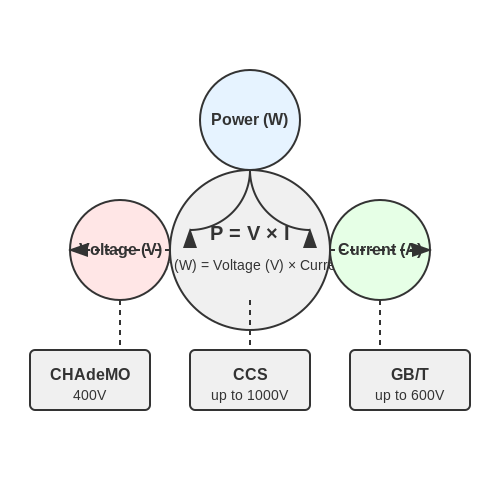
DC fast chargers typically operate at power levels ranging from approximately 50 kW to over 350 kW. To comprehend the implications of these levels, it is essential to consider the relationship between power, voltage, and current. This relationship is expressed through the formula:
Where:
- P is the power in watts (W).
- V is the voltage in volts (V).
- I is the current in amperes (A).
For example, at a charging voltage of 400 V, a power output of 150 kW would necessitate:
Thus, the current levels required for high-power DC fast charging systems can be significant, necessitating robust electrical infrastructure and safety considerations.
Voltage Standards and Compatibility
The compatibility of DC fast chargers with EVs entails adherence to standardized voltage levels. Most fast chargers operate at voltages between 200 V and 1000 V. The most prevalent standards include:
- CHAdeMO: Operates typically at 400 V and allows up to 125 kW.
- CCS (Combined Charging System): Utilizes both AC and DC charging; operates at voltages up to 1000 V.
- GB/T: The Chinese protocol that generally supports up to 600 V.
The electrical architecture of the EV battery management system (BMS) plays a crucial role in ensuring compatibility. The BMS must be capable of handling the input voltage and current while maintaining operational safety and efficiency.
Thermal Management and Cooling Requirements
Another critical aspect of DC fast charging is managing the heat generated during high-power operations. As charging power increases, so does the thermal output. Effective cooling systems, typically using liquid cooling technologies, are essential to maintain charger functionality and prevent overheating. The efficiency of the thermal management system can significantly influence the overall performance and lifespan of both the charger and the EV’s battery pack.
Infrastructure and Utility Considerations
To accommodate the high electrical requirements of DC fast chargers, infrastructure considerations are paramount. This includes:
- Upgrading electrical panels to support higher capacity circuit breakers.
- Ensuring sufficient grid connectivity and collaboration with utility companies to increase load management capabilities.
- Implementing power quality monitoring to minimize harmonics and ensure the stable operation of the electrical system.
It’s worth noting that effective integration of DC fast chargers into existing power distribution systems can alleviate potential bottlenecks for EV adoption, making this an area of significant research and development within energy and transportation sectors.
In conclusion, as demand for DC fast charging continues to grow, maintaining a comprehensive understanding of its electrical requirements and compatibility is critical for engineers and researchers involved in the development of EV infrastructure. This understanding directly impacts the design of charging stations, strategic grid management, and the future landscape of electric mobility.
4.3 Maintenance and Safety Protocols
In the domain of DC Fast Chargers, proper maintenance and safety protocols are integral to ensure both operational efficacy and user safety. Given the high voltages and currents associated with these charging systems, a comprehensive understanding of maintenance practices and safety measures is paramount.
Regular Maintenance Procedures
DC Fast Chargers require periodic inspections and maintenance to maintain optimal performance and safety. Some key maintenance practices include:
- Visual Inspections: Conduct regular visual inspections for signs of wear, corrosion, or physical damage to cables, connectors, and enclosures.
- Electrical Testing: Perform routine electrical tests to check for insulation resistance, continuity, and proper grounding to mitigate the risk of electrical hazards.
- Software Updates: Keep the charger's software up to date to incorporate improvements, bug fixes, and security patches that enhance functionality and safety.
- Cooling System Checks: Ensure that the cooling systems are functioning correctly, as overheating is a common failure mode in high-power devices.
Implementing these regular maintenance procedures optimizes performance and extends the lifespan of the infrastructure.
Safety Protocols for Operation
With the operational voltage that can often exceed 400V, implementing stringent safety protocols is essential for preventing accidents and injuries. Here are some critical safety measures:
- Training for Personnel: All personnel who operate or maintain DC Fast Chargers must undergo training to understand the safety risks and emergency procedures.
- Use of Personal Protective Equipment (PPE): Technicians and operators should wear appropriate PPE, including insulated gloves and safety goggles, during inspections and maintenance activities.
- Emergency Response Plans: Establish comprehensive emergency response plans, including procedures for electrical shocks, fires, and equipment malfunctions. Regular drills can ensure preparedness.
- Lockout/Tagout (LOTO): Implement LOTO procedures to prevent accidental activation of the charging system during maintenance, protecting technicians from unintentional electric shocks.
Adhering to these safety protocols not only protects personnel but also contributes to the overall reliability of the charging infrastructure.
Real-World Case Studies
Several municipalities and organizations have successfully implemented maintenance and safety protocols that can serve as benchmarks. For instance, the deployment of DC Fast Chargers in Norway involved rigorous training programs for operators, leading to a significant reduction in operational incidents.
Additionally, the deployment of smart diagnostic tools that provide real-time data on charger performance has led to predictive maintenance strategies, thereby minimizing downtime and enhancing user experience.
Conclusion
The maintenance and safety protocols surrounding DC Fast Chargers are essential not just for ensuring functionality but for safeguarding the well-being of users and technicians alike. By combining regular maintenance with comprehensive safety measures, stakeholders can enhance the performance and longevity of charging infrastructures, paving the way for a more robust electric vehicle ecosystem.
5. Technological Innovations
5.1 Technological Innovations
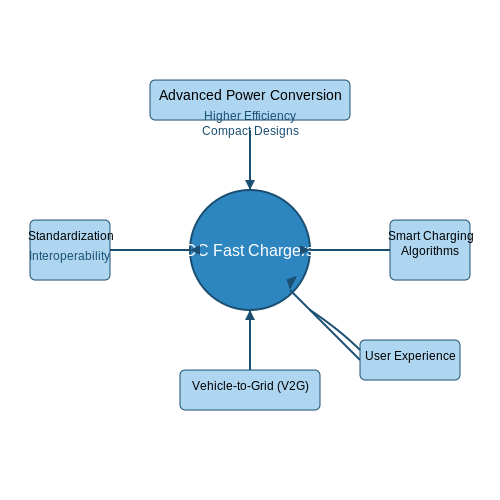
The evolution of DC fast chargers has been significantly driven by technological innovations that not only enhance charging efficiency but also improve the user experience. With the rise of electric vehicles (EVs), the demand for rapid charging solutions has prompted advancements in various aspects of electrical engineering, power electronics, and communication protocols. This section delves into several key innovations transforming the landscape of DC fast charging systems.
Advanced Power Conversion Technologies
One of the most substantial leaps in DC fast charging technology is the development of advanced power conversion systems, primarily through the integration of silicon carbide (SiC) and gallium nitride (GaN) semiconductors. These materials offer superior electrical properties compared to traditional silicon, allowing for:
- Higher efficiency: With lower conduction and switching losses, SiC and GaN devices can operate at efficiencies greater than 98%, substantially reducing energy waste.
- Compact designs: The ability to handle higher voltages and temperatures enables smaller heat sinks and transformers, reducing the overall charger footprint.
- Higher power densities: These semiconductors allow chargers to achieve higher power outputs while maintaining thermal stability, supporting ultrafast charging applications.
These advancements contribute not only to the performance of chargers but also to a reduction in installation space and associated costs.
Smart Charging Algorithms
Another pivotal innovation is the implementation of smart charging algorithms that optimize the charging process based on real-time conditions and user needs. By utilizing machine learning and data analytics, these algorithms can:
- Adjust charging rates: They optimize charging power based on battery state-of-charge (SoC), allowing for a more efficient and longer-lasting battery life.
- Predict user behavior: By analyzing historical data, these systems can anticipate when users will need their vehicles charged, tailoring energy dispatch accordingly.
- Integrate renewable energy sources: Smart algorithms facilitate the seamless integration of solar or wind energy into the fast-charging process, promoting sustainability.
The practical implication of smart charging systems lies in their ability to reduce peak demand charges on the grid, contributing to an overall more stable energy ecosystem.
Vehicle-to-Grid (V2G) Technologies
The concept of Vehicle-to-Grid (V2G) technologies represents a paradigm shift towards bi-directional energy transfer between electric vehicles and the grid. This innovation significantly broadens the utility of EVs beyond mere transportation:
- Energy storage: EVs can act as distributed energy storage units, discharging stored energy back into the grid during peak demand periods, thus balancing supply and demand.
- Grid stabilization: By participating in frequency regulation and voltage control, EVs can provide ancillary services that enhance grid reliability.
- Incentives for users: Owners can be compensated for the energy discharged from their vehicle’s battery, transforming EV ownership into a potentially profitable endeavor.
This dual functionality of EVs fosters a more resilient and sustainable electrical infrastructure, crucial for future energy demands.
Standardization of Charging Interfaces
Lastly, the push for standardization in charging interfaces and protocols has been critical in creating a coherent ecosystem for DC fast charging. The development of standards such as the Combined Charging System (CCS) has facilitated:
- Interoperability: Ensuring that different manufacturers' vehicles can use the same charging stations, enhancing user convenience.
- Faster adoption rates: A unified approach accelerates the deployment of charging infrastructure, as station owners can serve a broader range of vehicles.
- Enhanced communication: Standardized protocols enable richer data exchange between the vehicle and the charger, optimizing the charging experience and potentially enhancing safety.
The outcome of these innovations not only enhances the performance of DC fast chargers but also improves the overall experience for motorists and supports the necessary infrastructure for widespread EV adoption.
5.2 Market Growth and Adoption Rates
The landscape of electric vehicles (EVs) has transformed dramatically over the past decade, leading to an increase in the demand for DC fast chargers. This section explores the market growth and adoption rates of DC fast chargers, underscoring their significance in facilitating the widespread use of electric vehicles.
DC fast chargers (DCFC) offer rapid charging solutions by supplying direct current (DC) to the vehicle’s battery, enabling charging times as short as 15 to 30 minutes for a substantial charge. The Global EV Outlook 2023 published by the International Energy Agency (IEA) highlights a significant uptick in both the sales of electric vehicles and the installation of charging infrastructure, particularly in urban areas.
Market Growth Dynamics
In 2022, the global electric vehicle sales reached approximately 10 million units, representing a 55% increase from the previous year. This growth trajectory indicates a shift in consumer preferences toward eco-friendly transportation solutions. Consequently, the DC fast charging market has been projected to grow rapidly, with estimates suggesting it could reach about $30 billion by 2030.
The driving forces behind this growth include:
- Government Incentives: Many governments around the world are introducing financial incentives and subsidies to accelerate the adoption of EVs and the corresponding charging infrastructure.
- Technological Advancements: Innovations in battery technology and charging systems are making EVs more efficient and cost-effective, leading to greater consumer acceptance.
- Environmental Concerns: Increasing awareness of climate change and the carbon footprint associated with traditional vehicles is contributing to the shift towards electric mobility.
Adoption Rates and Regional Insights
The adoption of DC fast chargers varies significantly by region. As of 2023, Europe and China are leading the charge in the deployment of DCFC infrastructure. China alone accounts for over 60% of the world’s DC fast charging stations, bolstered by its ambitious goals for electric vehicle adoption and robust government policies.
In contrast, North America's charging network is growing, albeit at a slower pace. Infrastructure investment, though significant, is often limited by disparities in regional policy frameworks and the need for technological standardization across various DCFC systems.
Case Studies in Market Implementation
Several notable case studies illustrate the practical implementation of DC fast chargers, shedding light on best practices in infrastructure planning:
- California, USA: The state has implemented a strategic plan integrating DC fast chargers across highways, significantly reducing range anxiety for EV users and facilitating longer journeys.
- Germany: The Fraunhofer Institute has conducted research on smart charging technologies that optimize charging times and costs, enhancing the appeal of DC fast chargers to users.
In summary, the growth of DC fast chargers is intricately linked to the overall market trends in electric vehicles. As they continue to evolve in response to consumer demand, technological advancements, and policy incentives, their adoption rates are expected to accelerate, setting the stage for a more extensive network that will support the future of electric mobility.
5.3 Integration with Renewable Energy Sources
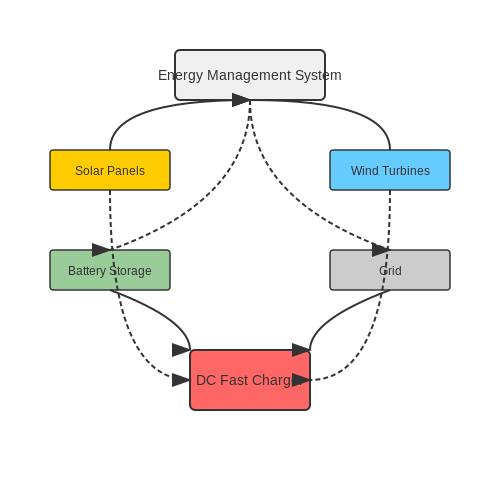
The evolution of electric vehicle (EV) technology has placed significant emphasis on the integration of DC fast chargers with renewable energy sources. This intersection not only facilitates a transition to greener transportation but also maximizes the efficiency of energy utilization. In this section, we will explore how renewables, such as solar and wind power, can be seamlessly integrated into DC fast charging infrastructure, the challenges that arise, and the solutions that have emerged.
At the heart of this integration is the concept of hybrid energy systems. These systems merge conventional and renewable energy sources to optimize energy management. For example, a typical DC fast charger can operate independently on grid power or in conjunction with solar panels. When combined, the generated solar energy can directly power the charger, providing a clean energy solution while reducing reliance on fossil fuels.
Practical Implementation of Renewable Integration
Real-world implementations of this technology have seen notable success. In many urban areas, solar canopies are constructed over charging stations, generating renewable electricity while providing shelter for users. This dual-purpose design not only enhances the usability of public infrastructure but also contributes to a sustainable energy ecosystem.
The energy management system (EMS) plays a critical role in optimizing the operation of DC fast chargers with renewables. An EMS intelligently balances the energy load, regulates the charging process, and ensures that excess renewable energy can be stored in battery systems for later use. The integration of battery storage enhances the flexibility of energy supply, allowing EVs to be charged during peak hours even when solar or wind generation is low.
Challenges and Solutions
Despite the clear advantages, several challenges remain regarding the integration of DC fast chargers with renewable resources:
- Intermittency: Renewable sources like solar and wind can be variable, making it difficult to predict energy generation. To counter this, forecasting models and advanced grid management technologies are employed.
- Infrastructure investment: The initial costs of installing solar panels and associated energy storage systems can be high. Continued advancements in technology and government incentives have made these investments more feasible.
- Grid stability: An increase in decentralized renewable power generation may strain existing grid infrastructure. Smart grid technology and demand response systems can aid in maintaining balance.
As solutions to these challenges emerge, they pave the way for a more resilient energy landscape. Examples include utilizing concentrated solar power (CSP) to provide a more consistent energy supply and employing demand response strategies to optimize grid energy usage during peak times.
Implementing grid-tied DC fast chargers powered by renewables offers a multifaceted approach to addressing the accelerating EV adoption while promoting sustainability. These advanced infrastructures not only contribute to reducing greenhouse gas emissions but also promote economic growth through technology and innovation within the green energy sector.
Case Studies and Real-World Deployments
Several pioneering projects exemplify the successful integration of DC fast chargers with renewable energy sources. For instance, a notable deployment in California combines solar technology with fast charging stations, significantly increasing their operational efficiency and sustainability. In this project, data indicates a drastic reduction in grid energy consumption during peak hours due to the enhanced utilization of solar energy.
Additionally, a project in Europe utilizing a wind farm alongside charging stations demonstrates the viability of leveraging different renewable sources. By providing a robust charging solution that adjusts based on energy production from both solar and wind, it effectively showcases the potential for a diverse energy portfolio in supporting electric mobility.
As we aim for a sustainable future, continued innovation in the intersection of DC fast charging and renewable energy sources will play an essential role. The collaborative efforts of engineers, physicists, and policymakers will determine the boundaries of what is possible, pushing the envelope in sustainable energy solutions.
6. Academic Publications
6.1 Academic Publications
In the realm of green technology and automotive advancements, DC fast chargers (DCFC) have become pivotal in the transition to electric vehicles (EVs). These chargers play a crucial role in reducing charging times, thereby addressing one of the barriers to EV adoption—range anxiety. This subsection focuses on academic research studies that have examined various aspects of DC fast chargers, from their technological underpinnings to their broader socio-economic impacts.- Applications of DC Fast Charging Technology in Electric Vehicles — Explores the integration of DC fast charging technology into modern electric vehicles, covering technical designs and efficiency improvements.
- Boosting the Performance of DC Fast Charging Stations — Discusses methods to enhance the power delivery and energy management of DC fast charging stations for improved performance.
- Economic Analysis of DC Fast Charging Infrastructure — Offers a comprehensive economic study on DC fast charging infrastructure and its impact on the electric vehicle market.
- Environmental Impact of DC Fast Chargers — Investigates the environmental implications of deploying DC fast chargers and provides strategies to mitigate potential negative impacts.
- Optimization Techniques for Fast Charging Networks — Explores various optimization strategies to enhance the efficiency and reliability of DC fast charging networks.
- Impact of DC Fast Chargers on Power Grid Stability — Analyzes how DC fast chargers influence power grid stability and proposes solutions for seamless integration.
- The Role of DC Fast Chargers in Future Urban Mobility — Discusses the potential of DC fast chargers to transform urban mobility landscapes and facilitate smart city development.
6.2 Industry Reports
In the rapidly evolving landscape of electric vehicles (EVs), direct current (DC) fast chargers have become a pivotal component, speeding up charging times and enhancing the practicality of EVs for everyday use. This section delves into detailed industry reports, offering insights into the current state and future trajectory of DC fast chargers. These reports are a vital resource for engineers, researchers, and policymakers aiming to stay abreast of advancements and market trends.The Current Landscape
Understanding the present status of DC fast chargers involves analyzing various metrics like the number of installations, geographical distribution, and the types of technologies employed. Advanced readers should familiarize themselves with existing infrastructure, such as the Combined Charging System (CCS), CHAdeMO, and Tesla Supercharger networks, given their dominance in the market. Reports indicate that while a significant portion of the infrastructure is concentrated in urban areas, there is a concerted push toward expanding these networks into rural regions.Technological Developments
Significant technological strides have been made in enhancing the efficiency and usability of DC fast chargers. Industry reports frequently highlight advances such as higher power output capabilities of chargers, moving from typical 50 kW systems to ultra-fast 350 kW systems. These reports often discuss improvements in power electronics, thermal management, and energy grid integration which are crucial for supporting these power levels. Understanding these components is essential for engineers working on charger design and implementation.Market Trends
The global market for DC fast chargers is poised for substantial growth. Professionals in the field can benefit from reports forecasting market expansion, driven by increased EV adoption and supportive government policies. Key players in the industry, investment trends, and strategic collaborations are critical elements often detailed in these analyses. Tracking these trends allows stakeholders to identify opportunities and prepare for shifts in the competitive landscape.Case Studies
Industry reports often include case studies highlighting successful implementations of DC fast charger networks. For example, examining the deployment of extensive charging networks in countries like Norway and China offers valuable lessons in overcoming logistical and technical challenges. These case studies serve as fact-based scenarios from which engineers and researchers can draw parallels to projects in differing geographic or economic contexts.Future Outlook
Looking forward, industry reports project a continued evolution in DC fast charger technologies. Emerging trends such as solid-state battery compatibility and Vehicle-to-Grid (V2G) capabilities will influence future infrastructure development. Reports often speculatively address the implications of these technologies on grid demand and sustainability efforts, providing a comprehensive view of potential future challenges and opportunities for professionals to consider.- EV Volumes - The Electric Vehicle World Sales Database — Provides detailed statistics and reports on electric vehicle sales including market growth of DC fast chargers and infrastructure developments across different regions.
- Global EV Outlook 2023 - International Energy Agency — This comprehensive report presents the latest trends, policy developments, and investments in electric vehicle infrastructure, including the role of DC fast chargers in global EV markets.
- Bloomberg New Energy Finance - Electric Vehicle Outlook — Offers forecasts on electric vehicle adoption and infrastructure deployment with analysis on market dynamics and predictions about future shifts in the charging technology landscape.
- Consultancy.eu - Reports on Electric Vehicles and Charging Infrastructure — Features a collection of white papers and market analyses focusing on the strategic elements of deploying widespread DC fast charger networks and technological innovations.
- PwC Automotive Publications — Provides insights on the automotive industry's shift towards electrification, including the economic implications of expanding DC fast charging networks and consumer behavior analysis.
- Wood Mackenzie - Electric Vehicle Charging Infrastructure Report — Features research reports on the global trends in EV charging infrastructure, with special focus on growth opportunities and technological advancements in DC fast charging solutions.
- Navigant Research - Electric Vehicle Charging Equipment — Offers industry forecasts and technology assessments, covering the latest developments in DC fast charging equipment, market share insights, and strategic recommendations for stakeholders.
6.3 Online Resources
For engineers, physicists, researchers, and advanced-level students interested in deepening their understanding of DC Fast Chargers, the following online resources provide a wealth of information. These resources range from technical papers and industry reports to online courses and tutorials. Each link includes a brief description to guide your exploration.- SAE J1772 Standard — Provides detailed technical standards for electrical connectors for electric vehicles and DC fast charging protocols, essential for engineers working on charging infrastructure.
- Inside DC Fast Charging Systems — An in-depth article discussing the components, design principles, and technical challenges associated with DC fast charging systems as seen in the automotive industry.
- Technical Review of Direct Current Fast Charging Electrical Vehicle Stations — A scholarly paper providing a technical review of DC fast charging stations, covering system design, standards, and future trends.
- Tesla Supercharging — Offers insights into Tesla’s proprietary Supercharger network, illustrating the practical implementation of DC fast charging technology.
- US Department of Energy: Electric Vehicle Charging — While focused on home charging, this resource provides foundational knowledge on the distinctions between Level 1, Level 2, and DC fast charging.
- How to Make Fast Charging Faster — Explores advancements in fast charging technologies, offering engineers a glimpse into innnovative solutions for reducing charge times for electric vehicles.
- MIT OpenCourseWare: Introduction to Control Systems — Although not limited to charging systems, this course helps in understanding the control systems principles critical for developing efficient and stable DC fast chargers.
- CHAdeMO International Website — Offers resources, technical specifications, and latest updates about the CHAdeMO protocol, an essential standard in the realm of DC fast charging.
- Electric Vehicle Fast Charging: Grid Integration — A paper discussing the grid integration challenges and solutions associated with widespread deployment of DC fast chargers.
- Electric Vehicle Charging Infrastructure — A comprehensive study on the charging infrastructure, emphasizing the role and application of DC fast chargers in future urban planning.