Electric Vehicle Charging Infrastructure
1. Importance of Charging Infrastructure
1.1 Importance of Charging Infrastructure
The transition to electric vehicles (EVs) significantly impacts our approach to transportation, necessitating a robust and widely distributed charging infrastructure. This infrastructure serves as the backbone of the EV ecosystem, facilitating not only consumer confidence but also the broader adoption of electric vehicles.
Firstly, charging infrastructure is crucial for alleviating range anxiety, which is a principal concern among potential EV users. Range anxiety refers to the fear of running out of battery power before reaching a charging station, which can deter users from transitioning to electric vehicles. A well-distributed network of charging stations mitigates this issue by providing readily accessible locations for drivers to recharge their vehicles.
Moreover, the implementation of fast-charging technology plays a significant role in how quickly EVs can be charged. Fast-charging stations can restore a substantial amount of battery capacity in a short period, often enabling drivers to resume their journeys in less than an hour. For example, a DC fast charger can replenish up to 80% of an EV's battery in approximately 30 minutes, which is a practical timeframe for many drivers who may stop for a meal or coffee. This technological advantage is essential in urban and highway settings where long-distance travel is common.
From a technical perspective, the charging infrastructure must consider various energy management protocols to optimize power delivery and minimize grid impact. Smart charging systems integrate demand response strategies that allow charging loads to be balanced efficiently across the electrical grid, reducing the risk of overload during peak usage times. These systems can dynamically adjust charging rates based on grid demand, available renewable energy generation, and individual user preferences. This not only enhances power efficiency but also ensures that the infrastructure supports sustainability goals.
Additionally, the economic implications of charging infrastructure cannot be overlooked. Investment in charging networks stimulates job creation in installation, maintenance, and technical support areas. As EV adoption increases, businesses leveraging charging infrastructure can capitalize on the growing market, resulting in profitable operations well into the future.
Lastly, consider the environmental impact. A well-structured charging infrastructure supports the use of renewable energy sources like solar and wind. By integrating sources such as these into charging stations, the carbon footprint of operating EVs can be further diminished. The symbiotic relationship between renewable energy and EV charging infrastructure is a central pillar of modern sustainable urban planning.
In summary, the importance of charging infrastructure extends beyond mere convenience for electric vehicle owners. It encompasses a multifaceted approach to energy management, economic growth, and environmental sustainability that collectively underpins the successful transition towards an electrified transportation future.
Current Trends in Electric Vehicle Adoption
The adoption of electric vehicles (EVs) is undergoing a transformative phase characterized by rapid technological advancements, shifting consumer preferences, and supportive regulatory frameworks. This section addresses the current trends driving electric vehicle adoption, providing valuable insights for engineers and researchers seeking to understand the future of vehicular technology.Technological Innovation
The electric vehicle sector has seen remarkable technological innovations, primarily in battery chemistry and energy management systems. With advancements in lithium-ion batteries, the energy density has substantially increased, enabling longer ranges on single charges. Notably, the development of solid-state batteries promises enhanced safety and efficiency, which could further boost consumer confidence in EVs. As charging infrastructure evolves, fast-charging capabilities are also becoming more prevalent. High-power charging stations are crucial for alleviating range anxiety, facilitating long-distance travel, which traditionally has been a barrier to EV adoption. A growing number of DC fast chargers today can replenish 80% of a vehicle's battery in approximately 30 minutes, thereby supporting the adoption of electric cars in both urban and rural settings.Government Policies and Incentives
In many regions worldwide, government policies play a pivotal role in the acceleration of EV adoption. Various incentives, including tax rebates, grants, and subsidies for both consumers and manufacturers, are designed to lower the overall cost and enhance the appeal of electric vehicles. For instance, the implementation of stringent emissions regulations encourages automakers to innovate and shift focus towards electric drivetrains. Countries such as Norway and the Netherlands are leading examples, with ambitious targets to phase out fossil fuel-powered vehicles entirely within the next decade. Such bold initiatives not only stimulate demand for EVs but also contribute to the development of comprehensive charging networks, thereby closing the loop on the critical issue of infrastructure availability.Consumer Behavior and Cultural Shift
The cultural acceptance of electric vehicles is on the rise, bolstered by a growing environmental awareness and the desire for sustainability among consumers. Studies indicate that younger generations prioritize eco-friendliness in their purchasing decisions, making EVs more appealing than traditional internal combustion engine vehicles. Moreover, the benefits associated with EV ownership—such as lower operating costs, fewer moving parts, and minimal maintenance—are contributing to a paradigm shift in how potential car buyers perceive vehicle ownership. As consumers become increasingly informed, they are more inclined to choose electric options as a viable alternative.Conclusion and Future Directions
In conclusion, current trends in electric vehicle adoption indicate a robust growth trajectory supported by continuous technological advancements, favorable government policies, and evolving consumer preferences. However, challenges remain, including the need for extensive charging infrastructure, improvements in battery recycling, and the seamless integration of renewable energy sources in power grids. As we move forward, the interdisciplinary collaboration between engineers, policymakers, and stakeholders will be essential in ensuring that the electric vehicle ecosystem achieves its full potential, paving the way for a sustainable future in transportation. Embracing these trends not only benefits the automotive industry but also plays a crucial role in mitigating the environmental impacts of transportation globally.2. Level 1 Charging Stations
2.1 Level 1 Charging Stations
As the adoption of electric vehicles (EVs) accelerates, understanding the various charging options becomes essential. One of the most fundamental components of the electric vehicle charging infrastructure is the Level 1 charging station. These stations are particularly significant due to their accessibility and ease of use, making them a practical option for many EV owners.
Overview of Level 1 Charging
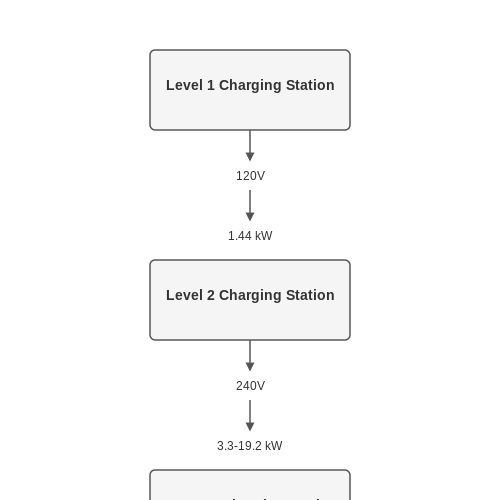
Level 1 charging refers to the use of a standard 120-volt AC outlet, which is ubiquitous in residential settings. To grasp the implications of using this charging method, we must first consider the charging parameters. A typical Level 1 charging station provides approximately 1.4 kW of power, translating to a current of about 12 amperes. The simplicity of plugging into a regular outlet provides unprecedented convenience for EV users, as it requires no complex installation or specialized infrastructure.
Here, \( P \) is the power (in watts), \( V \) is the voltage (in volts), and \( I \) is the current (in amperes). This equation shows that the available power at Level 1 charging is relatively limited compared to higher levels of charging—specifically, Level 2 and Level 3 stations—which we will discuss in subsequent sections.
Charging Time and Efficiency
The time required to charge an EV using Level 1 charging is substantial. For full charging, a vehicle battery of 40 kWh can take approximately 30 hours or more, depending on the state of charge. This is calculated using the following equation:
As such, Level 1 charging is often suited for overnight replenishing at home rather than quick refueling during travel. The practical relevance of this charging method leads many EV owners to view Level 1 stations as complementary to dedicated charging during extended periods, rather than as a primary charging method on the go.
Practical Applications and Considerations
With a large portion of EV drivers predominantly using their vehicles for daily commutes, the vast majority of charging needs can indeed be met by Level 1 charging at home. The sustainability of such a system depends on several factors, including the installation of EV-specific electrical outlets that accommodate the expected loads safely.
- Installation Costs: Most homeowners will find that utilizing existing outlets incurs minimal installation costs compared to higher-level charging solutions.
- Flexibility: These systems do not require substantial infrastructure investment, promoting greater adoption rates in areas with otherwise limited charging infrastructure.
- Environmental Impact: When charged with renewable energy sources, Level 1 stations can significantly reduce the carbon footprint associated with transportation.
In conclusion, Level 1 charging stations represent an integral piece of the electric vehicle ecosystem. Their simplicity, combined with practical benefits, underpins their ongoing relevance as we transition to a more electric future.
2.2 Level 2 Charging Stations
As the demand for electric vehicles (EVs) continues to rise, understanding charging infrastructure becomes increasingly important. Among various charging options, Level 2 charging stations stand out due to their compatibility, efficiency, and applicability in a range of environments. In this section, we will delve deeper into the operational specifics of Level 2 charging systems, their design considerations, and their significance in the broader context of electric vehicle adoption.
Understanding Level 2 Charging Stations
Level 2 charging refers to an enhanced form of AC (Alternating Current) charging that utilizes a voltage range of approximately 208 to 240 volts. This voltage level allows these stations to significantly reduce the charging time relative to Level 1 stations, which typically operate at 120 volts. The charging power from Level 2 stations can range from 3.3 kW up to 19.2 kW, depending on the station capability and the vehicle's acceptance rate.
Charging Process and Efficiency
When an EV is plugged into a Level 2 charger, power is transmitted from the charging station's output to the onboard charger of the vehicle. Inside the vehicle, the onboard charger converts this AC power into the usable DC (Direct Current) power to accumulate in the battery, following the formula:
Where:
- P is the power in watts
- V is the voltage in volts
- I is the current in amperes
The efficiency of this charging process can be influenced by several factors, including the charge controller's design, the cable quality, and ambient temperature. Typically, Level 2 chargers achieve an efficiency rate of about 90% to 95%.
System Architecture and Components
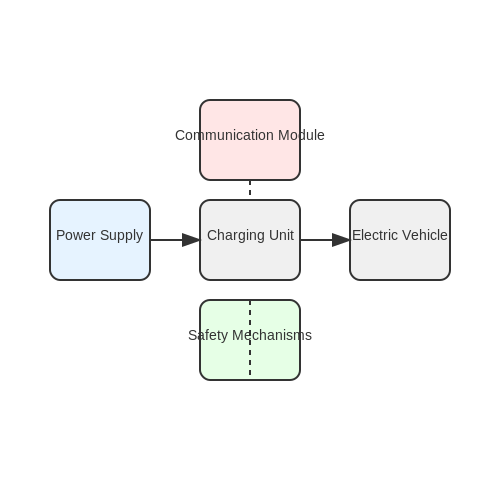
Level 2 charging stations consist of several key components, including:
- Charging Unit: This is the physical structure housing various electronics and is responsible for managing the charging process.
- Power Supply: Converts and regulates electricity from the grid to the necessary voltage and current for charging.
- Communication Module: Manages data exchange between the charger and the vehicle regarding charging status and current limits.
- Safety Mechanisms: Include overcurrent protection, ground fault protection, and communication checks to ensure safe operation.
Essentially, the integration of these components must adhere to relevant standards such as the IEC 61851 and SAE J1772 for compatibility and safety assurance regarding electric vehicle operations.
Applications and Real-World Deployment
Level 2 charging stations are highly versatile and can be installed in various locations, such as:
- Residential Areas: Homeowners can install Level 2 chargers to achieve faster charging overnight.
- Commercial Establishments: Businesses can provide charging to their customers while they shop or dine.
- Public Charging Networks: Municipalities deploy these stations in parking lots, utilizing them for ride-sharing and public transit fleets.
For example, in 2021, the City of Los Angeles announced an ambitious plan to install over 1,000 Level 2 charging stations across various neighborhoods, addressing both accessibility and promoting EV adoption as part of a broader sustainability initiative.
Conclusion
Level 2 charging stations play a vital role in facilitating everyday electric mobility. Their design, operational efficiency, and widespread deployment are crucial to supporting the increasing number of electric vehicles on the road. As technology evolves and electric vehicle infrastructure expands, Level 2 chargers are expected to remain an integral part of the transition toward sustainable transportation.
2.3 DC Fast Charging Stations
As the demand for electric vehicles (EVs) surges, the need for efficient and rapid charging solutions becomes increasingly essential. Among these, DC Fast Charging Stations have emerged as pivotal infrastructures enabling quick turnaround times for EV users. Unlike traditional AC chargers that may take several hours to fully charge a vehicle, DC fast chargers can significantly reduce charging time to a matter of minutes, which is crucial in supporting the growing EV market.
Understanding the Technology
At the core of DC Fast Charging lies the use of direct current (DC) to charge the vehicle's battery directly rather than converting AC from the grid. This enables a higher voltage (typically between 400V and 800V) and higher current (up to 350A) to flow directly into the EV battery, thereby facilitating rapid replenishment of energy. The power capability of DC fast chargers can reach up to 350 kW, shortening the charging time to approximately 15-30 minutes for most vehicles capable of handling such power levels.
Technical Framework
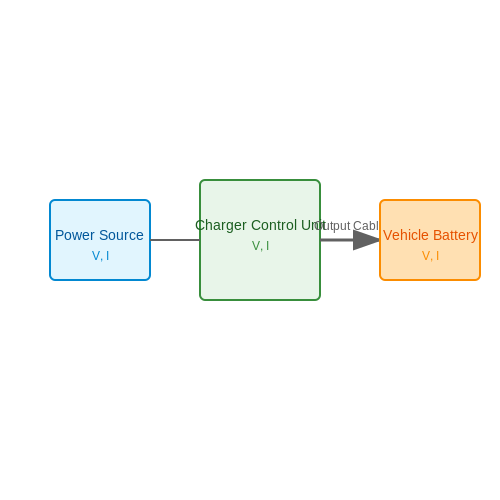
The primary components of a DC fast charging station include:
- Power Source: Connected to the grid, capable of delivering high voltage and current.
- Charger Control Unit: Manages the charging process, ensuring safety and efficiency. It negotiates charging parameters with the vehicle.
- Output Cable and Connector: Supplies DC power to the EV, commonly utilizing connectors like CHAdeMO, CCS (Combined Charging System), or Tesla's proprietary system.
Operational Dynamics
The charging process begins with the charger initiating communication with the vehicle. This communication includes the assessment of the battery state, maximum charge rate, and safety protocols. The charger will systematically supply power to the vehicle while continuously monitoring the battery temperature and voltage levels to prevent overheating and damage. The effectiveness and safety of this process are critical, necessitating adherence to standards like ISO 15118, which facilitates seamless communication between the charger and the vehicle.
Where P is the power delivered (in watts), V is the voltage (in volts), and I is the current (in amperes). With DC fast chargers operating at high voltages, this equation highlights how significant charging power can be achieved through increased voltage.
Real-World Applications
Numerous case studies illustrate the practical deployment of DC fast charging stations across urban and highway settings, enabling long-distance travel for EV owners. For instance, charging networks such as Electrify America and Ionity are actively expanding their fast-charging infrastructure across varying geographical locations, which significantly enhances the usability and attractiveness of electric vehicles. Furthermore, fleet operators are increasingly adopting DC fast chargers to ensure vehicle downtime is minimized, thereby increasing overall operational efficiency.
In conclusion, DC fast charging stations represent a critical development in the landscape of electric vehicle infrastructure, facilitating rapid energy access and contributing to the broader adoption of sustainable transportation solutions.
3. Network Operators and Service Providers
3.1 Network Operators and Service Providers
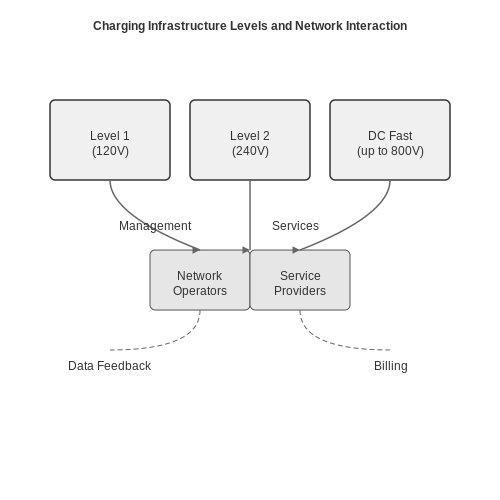
As the adoption of electric vehicles (EVs) accelerates globally, the role of network operators and service providers in the EV charging infrastructure becomes increasingly vital. These entities facilitate the deployment and management of charging stations, design the architecture of charging networks, and enhance the user experience through seamless payment systems and accessibility. The complexities of integrating various types of chargers and ensuring interoperability among different manufacturers further underscores the importance of comprehensive planning and execution by these operators and providers.
Understanding the Roles
Network operators are typically responsible for the physical infrastructure, which includes installing and maintaining charging stations, monitoring power supply, and ensuring uptime. They may operate independently or partner with other organizations, such as utility companies, to optimize energy distribution. Service providers usually focus on the customer experience end, creating platforms that facilitate easy access to chargers, often through mobile applications. The collaboration between these two types of entities helps ensure that EV owners can find and utilize charging facilities conveniently.
Types of Charging Infrastructure
Charging infrastructure can be broadly categorized into three levels:
- Level 1 Charging: Involves standard household outlets (120V), allowing slow charging that is ideal for overnight use.
- Level 2 Charging: Offers medium-speed charging (240V), commonly found in public settings and commercial locations.
- DC Fast Charging: Provides rapid charging solutions (up to 800V), enabling quick top-ups for long-distance travel.
Each level requires different technologies and operational strategies, encapsulating distinct challenges and advantages that network operators and service providers need to navigate.
Interoperability and Standardization
An indispensable aspect of the EV charging ecosystem involves ensuring interoperability among diverse charging stations and electric vehicles. Multiple charging standards (like CCS, CHAdeMO, and Tesla's proprietary connector) exist, and network operators must often cater to these variations. Compliance with international standards, such as the ISO 15118 communication protocol, promotes seamless interactions where vehicles communicate with chargers to facilitate user authentication and billing, which simplifies the charging process considerably.
Demand Response and Smart Grids
As the grid evolves towards smarter ecosystems, the interplay between electric vehicles and grid demand management becomes critical. Network operators can leverage demand response (DR) strategies, wherein EV charging can be adjusted in real-time based on grid conditions, helping to alleviate peak energy demands and integrate renewable energy sources more efficiently. This adds another layer of responsibility for operators to ensure their infrastructure can not only support but actively participate in grid stability efforts.
Case Studies and Real-World Applications
In urban centers, several cities have embraced the integration of smart charging stations that allow for dynamic pricing based on demand, thus encouraging off-peak charging. For instance, cities like San Francisco have implemented Wi-Fi connected EV charging stations that provide real-time data about availability and pricing through user-friendly applications. Such advancements exemplify the potential transformation that network operators can precipitate within urban mobility landscapes.
On a larger scale, partnerships between network operators and automotive manufacturers have sparked initiatives known as “charging-as-a-service.” These models aim to provide comprehensive solutions to fleet operators, which can dramatically reduce the complexities associated with infrastructure investment and management. Here, the operators provide everything from chargers to software platforms, showcasing a shift toward integrated services in the EV ecosystem.
As we anticipate the future of electric mobility, the roles of network operators and service providers will undoubtedly evolve, shaping how we approach energy consumption, environmental sustainability, and urban planning.
3.2 Smart Charging Solutions
The emergence of electric vehicles (EVs) has not only revolutionized personal transportation but has also spurred innovation in power management, notably in the realm of smart charging solutions. These technologies manage and optimize the way EVs charge, ensuring not only efficient energy use but also significant integration with renewable energy sources and grid stability.
As the demand for EVs grows, so too does the need for a comprehensive charging infrastructure that incorporates advanced technologies capable of addressing the complexities of energy supply, demand fluctuations, and grid management. In this context, smart charging solutions can be delineated into two primary categories: managed charging and vehicle-to-grid (V2G) technologies.
Managed Charging Solutions
Managed charging solutions are primarily focused on optimizing the charging process based on grid conditions and the user's needs. This approach not only enhances the operational efficiency of charging stations but also aids in reducing electricity costs for consumers by leveraging time-of-use rates. Technologies employed in managed charging include:
- Demand Response (DR): DR is a strategy used by utility companies to push demand surges to off-peak hours by incentivizing customers through lower rates.
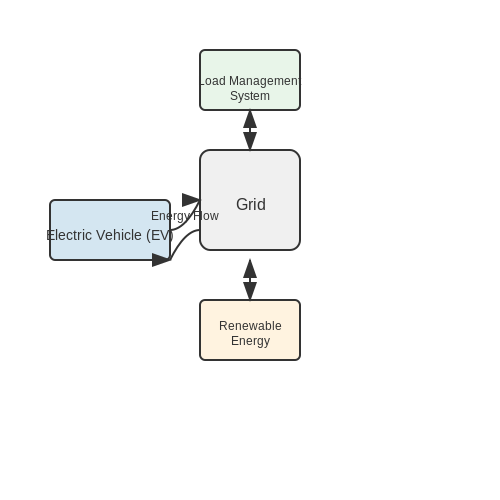
- Load Management Systems: These systems monitor and control the rate at which EVs are charged at charging stations to prevent overloads on the electrical grid.
- Dynamic Pricing Models: Charging costs can be adjusted in real-time based on demand and availability of renewable energy sources, helping to encourage charging when energy is less expensive.
Practical examples of managed charging include Tesla’s Supercharging stations, which dynamically adjust their rates based on local grid conditions, ensuring that the demand on the grid remains balanced while offering competitive pricing to users.
Vehicle-to-Grid (V2G) Technologies
Complementing managed charging solutions, V2G technologies allow for a two-way flow of energy between electric vehicles and the grid. By enabling EVs to not only draw power from the grid but also return stored energy during peak demand periods, V2G represents a profound shift in how energy resources can be utilized.
Some of the significant benefits and functionalities of V2G technologies include:
- Grid Stabilization: EVs can provide additional energy back to the grid, reducing the need for peaker plants and improving overall grid resilience.
- Renewable Energy Integration: EV batteries can act as distributed energy resources, storing excess renewable energy during periods of low demand and supplying it back during peak demand.
- Economic Incentives: Users can earn money or credits for participating in V2G programs, which can help offset the costs of owning an EV.
Real-world implementations of V2G technologies have been piloted in several cities. For example, the Green eMotion project in Europe has demonstrated how EVs can significantly contribute to grid stability while benefiting consumers economically.
As we advance towards a more interconnected and sustainable energy landscape, the evolution of smart charging solutions will play a crucial role. The integration of managed charging and V2G technologies not only serves to enhance the user experience but, more importantly, supports the overall efficiency and sustainability of our energy grids.
4. IEC 61851 Standard
4.1 IEC 61851 Standard
The IEC 61851 standard plays a pivotal role in the development and implementation of electric vehicle (EV) charging infrastructure. This international standard, established by the International Electrotechnical Commission (IEC), provides a comprehensive framework for the electrical and communication requirements between electric vehicles and charging stations. Understanding this standard is crucial for engineers and researchers involved in designing and deploying effective EV charging solutions. At its core, IEC 61851 covers various aspects of EV charging systems, including safety, performance, and interoperability. The standard describes different modes of charging, which are categorized as Mode 1 through Mode 4. This classification is essential for ensuring compatibility between different EVs and charging stations.Modes of Charging
Each mode of charging addresses specific operational needs and applications:- Mode 1: This involves charging using a standard household electrical outlet. It is primarily suited for light-duty EVs and provides a low charging power of up to 16 A.
- Mode 2: Similar to Mode 1, but includes an in-cable control and protection device (IC-CPD) that enhances safety by monitoring the electrical conditions.
- Mode 3: This allows higher charging currents (up to 63 A) through dedicated charging stations, and it incorporates communication between the EV and the charging unit for optimal performance.
- Mode 4: This mode enables rapid charging using direct current (DC), facilitating charging currents exceeding 200 A. It is essential for high-performance EVs requiring quick turnaround times.
Technical Specifications
The IEC 61851 standard establishes key technical specifications that are critical for the development of safe and efficient EV charging systems. These specifications include:- Electrical Parameters: Detailed specifications on the maximum voltage, current ratings, and power levels for each mode of charging.
- Connector Types: Standard definitions for connectors to ensure compatibility among various manufacturers and models of EVs and charging stations.
- Communication Protocols: The standard defines how communications should take place, which is crucial for monitoring, control, and diagnostic purposes to optimize charging.
Practical Implications and Future Directions
The implementation of the IEC 61851 standard has significant implications for the future of transportation infrastructure. As the global uptake of electric vehicles accelerates, it is essential for engineers and decision-makers to adopt practices aligned with international standards. Automation in charging processes, advanced energy management systems, and the integration of renewable energy sources into charging stations are developments that can be facilitated by adhering to IEC 61851 guidelines. As more data is collected from real-world EV charging practices, continuous improvement of the IEC standard is expected. This iterative process will refine operational parameters, enhance efficiencies, and adapt to emerging technologies, such as vehicle-to-grid systems that allow stored energy in EV batteries to support the electrical grid during peak demand. In conclusion, the IEC 61851 standard serves as a cornerstone for the future of electric vehicle charging infrastructure. Its rigorous framework provides the necessary guidelines that support safety, interoperability, and performance across the various charging modalities. As this infrastructure continues to evolve, ongoing research and adherence to established standards will remain essential in fostering a sustainable and user-friendly electric mobility ecosystem.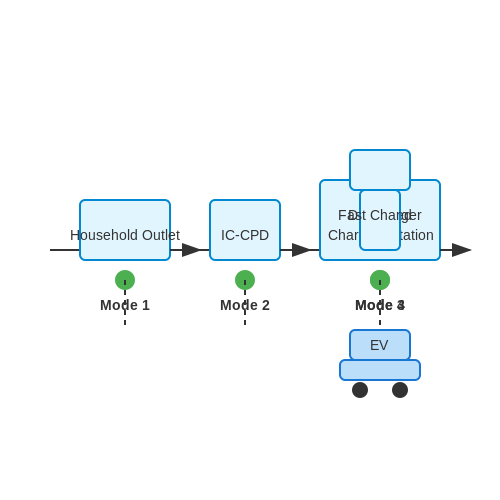
4.2 OCPP (Open Charge Point Protocol)
The Open Charge Point Protocol (OCPP) has become a cornerstone in the evolution of electric vehicle (EV) charging infrastructure. Developed to enable interoperability among various EV charging systems, OCPP serves both manufacturers and operators, empowering them to foster a more robust and versatile charging landscape. This section delves into the foundational aspects of OCPP, its significant features, and the impact of its open-source nature on the deployment of EV charging networks.
Overview of OCPP
Originally introduced in 2010 by the Open Charge Alliance (OCA), OCPP aims to provide a standardized communication protocol between EV charging stations (charge points) and the central management systems that control them. Standardization is crucial as it allows various devices from different manufacturers to communicate seamlessly, which is essential for enhancing the user experience and operational efficiency.
OCPP has seen several iterations, with the most notable being OCPP 1.5, OCPP 1.6, and the latest OCPP 2.0.1. Each version introduces enhancements and additional features based on user feedback and technological advancements.
Key Features of OCPP
Several features make OCPP a versatile and powerful protocol:
- Flexibility: OCPP's open standard allows it to easily adapt to new technologies and user needs without being bound to proprietary implementations.
- Interoperability: It ensures that devices from different manufacturers can operate together harmoniously, troubleshooting problems and deploying updates with ease.
- Remote Management: OCPP supports remote monitoring and management of charge points, enabling operators to perform updates and diagnostics without needing physical access to the devices.
- Security: With features like secure user authentication and encrypted communication, OCPP prioritizes security in data transfer between charge points and central control systems.
Practical Relevance and Applications
The impacts of OCPP can be observed in various aspects of the EV charging ecosystem:
- Enhanced User Experience: By facilitating interoperability, OCPP enables users to access different charging networks using a single account, streamlining the charging process.
- Infrastructure Growth: OCPP's adoption has accelerated the growth of EV charging infrastructure, as operators are more willing to invest in systems that guarantee compatibility across devices.
- Scalability: As EV adoption continues to rise, OCPP provides a scalable solution that can evolve to meet increasing demands while incorporating new technologies such as vehicle-to-grid (V2G) systems.
Case Studies and Examples
A few implementation case studies can illustrate the profound real-world impact of OCPP:
- California EV Charging Network: California has leveraged OCPP to create a dynamic network that accommodates a growing fleet of electric vehicles, ensuring consistent communication among charge points.
- European Charging Networks: Various European countries have adopted OCPP to enhance cross-border compatibility, allowing EV drivers to easily access and charge their vehicles across different networks.
In conclusion, OCPP is more than merely a technical specification; it's a pivotal framework that fosters innovation, interoperability, and user-centric solutions in the burgeoning field of electric vehicle charging infrastructure. As the world moves towards a sustainable future, OCPP's role will only become increasingly essential in developing an accessible and user-friendly EV ecosystem.
5. Solar and EV Charging
5.1 Solar and EV Charging
Electric Vehicle (EV) charging infrastructure is undergoing a transformation, especially with the integration of renewable energy sources like solar power. The collaborative potential of solar energy and EV charging presents a crucial opportunity to enhance energy sustainability while reducing dependence on fossil fuels. This integration not only impacts environmental sustainability but also offers an avenue to optimize energy usage and increase the efficiency of the total system.
Understanding the Fundamentals
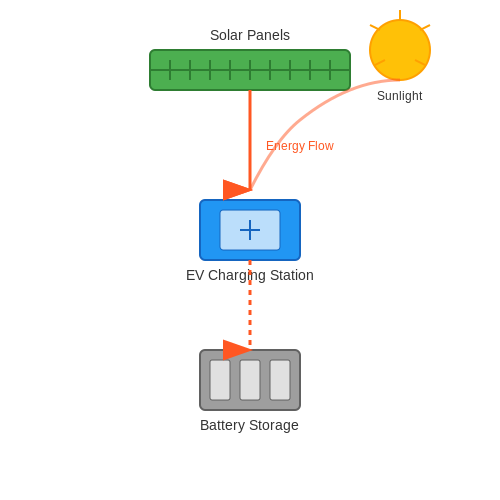
Solar panels convert sunlight into electrical energy through the photovoltaic (PV) effect. When light photons hit the semiconductor material within a solar cell, they excite electrons, creating an electric current. This process is pivotal for providing clean energy to EV charging stations. As electric vehicles typically require significant power for charging, understanding the capacity and characteristics of PV systems becomes essential for efficient operation.
Your typical EV charging station operates on a few fundamental principles. The energy stored in the batteries of electric vehicles needs to be replenished, and this energy can be sourced from solar energy converted through PV panels. Using solar energy for charging not only minimizes the carbon footprint but also reduces operational costs associated with grid electricity consumption.
The Charging Process and Its Dynamics
The charging process itself involves several stages, including constant current (CC), constant voltage (CV), and termination. The dynamic nature of the solar output, influenced by factors such as weather conditions and geographical location, plays a significant role in the efficacy of charging. Therefore, effective management systems must be implemented to ensure the stability and reliability of both solar generation and EV charging.
Mathematical Modeling of the Solar-EV Charging Relationship
To model the relationship between solar output and EV charging demand, we can start by analyzing the total energy required for charging an EV. Let’s consider:
Where Erequired is the energy needed to charge the vehicle, Cbattery is the capacity of the battery in kWh, and η is the efficiency of the charging system (accounting for losses in energy conversion).
Additionally, the power generated by the solar panels can be approximated by:
In this equation, Psolar is the power output of the solar panels in watts, A represents the area of the solar panels in square meters, G is the solar irradiance in watts per square meter, and ηsolar stands for the efficiency of the solar panels.
By evaluating the balance between the energy produced by solar panels and the energy required for EV charging, engineers can design optimized systems that leverage this renewable energy source effectively to meet consumer demands.
Real-World Applications and Case Studies
Multiple cities globally are adopting solar-powered EV charging stations as a measure for achieving sustainability goals. For instance, in California, initiatives have been launched to equip parking lots with solar canopies that not only provide shade but also harness solar energy to supply local charging stations. This dual function reduces the heat island effect while promoting the use of electric vehicles.
Moreover, various companies are developing integrated solutions that connect solar arrays with battery storage, allowing surplus energy generated during peak sunlight hours to be stored and used during non-sunny periods. This practice enhances the reliability of charging stations and helps in balancing the grid demand, particularly as EV adoption increases.
In conclusion, the integration of solar energy with electric vehicle charging infrastructure is a promising area for innovation that holds potential benefits not only in energy savings but also in achieving frequent goals of reducing greenhouse gas emissions. The future of EV charging lies in harnessing renewable energy effectively and developing systems that can adapt dynamically to fluctuations in both energy supply and demand.
5.2 Energy Storage Solutions
As electric vehicles (EVs) continue to become mainstream, the importance of effective energy storage solutions for their charging infrastructure cannot be overstated. Energy storage systems (ESS) play a pivotal role in addressing the challenges posed by fluctuating energy demands, grid stability, and renewable energy integration. The advanced understanding of energy storage technologies enables engineers and researchers to optimize the charging infrastructure for electric vehicles, enhancing efficiency, sustainability, and user experience.
Understanding Energy Storage Technologies
At the heart of energy storage solutions for EV charging is the ability to store energy for later use, which not only ensures that energy demands are met but also facilitates the integration of renewable energy sources such as solar and wind. Various technologies exist to achieve this, with their applicability depending on specific use cases, economic factors, and technological readiness.
Battery Energy Storage Systems (BESS)
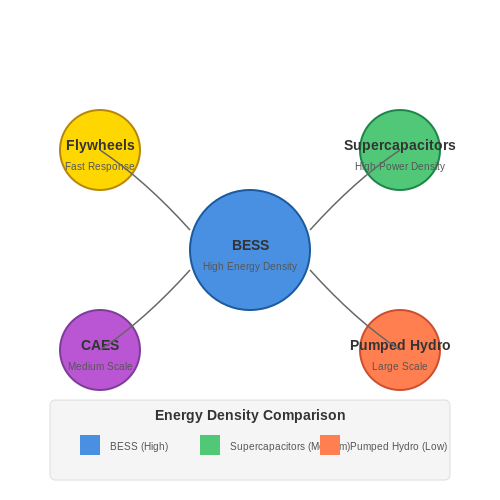
Among the most widely employed energy storage solutions are Battery Energy Storage Systems (BESS). Lead-acid, lithium-ion, and emerging technologies such as solid-state batteries are prime examples. Each type of battery has distinct chemical and physical properties that impact parameters such as energy density, charge/discharge efficiency, and lifecycle stability.
Lithium-ion batteries have emerged as the dominant technology due to their high energy density and better performance metrics compared to traditional options. However, significant research is ongoing into solid-state batteries that promise even higher energy densities and improved safety profiles. Understanding such advancements is crucial for engineers in designing energy storage that meets the evolving demands of EV charging infrastructure.
Supercapacitors
Supercapacitors represent another significant advancement in energy storage technology. Unlike batteries, supercapacitors store energy through electrostatic processes, which allow for rapid charge and discharge cycles. Their ability to deliver quick bursts of high power makes them attractive for applications necessitating high rates of energy delivery, such as fast EV charging stations. However, supercapacitors typically have lower energy density compared to batteries, which limits their standalone utility in long-term energy storage.
Pumped Hydro Storage and Other Large-Scale Solutions
For large-scale applications, pumped hydroelectric storage remains an important option. This involves pumping water to a higher elevation during times of surplus energy and releasing it to generate electricity when demand peaks. Despite its environmental impact and geographic limitations, pumped hydro can provide a reliable buffer to stabilize grid demands and manage the intermittent nature of renewable sources.
In addition to pumped hydro, other mechanical systems such as compressed air energy storage (CAES) and flywheels are being researched and deployed. CAES systems store energy by compressing air in underground caverns, while flywheels utilize rotational energy to store kinetic energy. Both technologies highlight the trend towards hybrid solutions that can integrate multiple energy storage technologies for enhanced performance.
Challenges and Future Directions
Despite significant advancements in energy storage, several challenges remain. Energy storage systems must deliver not only on performance but also on cost-effectiveness, environmental impact, and recycling capabilities. As the EV market grows, optimizing these systems becomes vital for the overall sustainability of electric mobility.
Future developments in energy storage technologies are likely to focus on the following:
- Improving energy densities and lifecycle performance through novel materials and chemistries
- Developing smart grid solutions that utilize advanced analytics and machine learning to optimize energy storage management dynamically
- Enhancing integration with renewable energy sources to maximize on-site generation and minimize load on the grid
- Fostering recycling and sustainability in energy storage technologies to minimize the environmental footprint of batteries and supercapacitors
In conclusion, energy storage solutions are pivotal in shaping the future of electric vehicle charging infrastructure. A robust understanding of these technologies will empower engineers and researchers to develop innovative solutions that not only meet current demands but also anticipate future challenges in sustainable mobility.
6. Cost of Installation and Maintenance
6.1 Cost of Installation and Maintenance
The electric vehicle (EV) charging infrastructure is rapidly evolving, but its growth is accompanied by various costs that affect both initial setup and ongoing operations. Understanding these costs is crucial for stakeholders involved in the planning, design, and deployment of EV charging stations. Here, we will explore the primary factors influencing the cost of installation and maintenance of EV charging infrastructure.
Factors Influencing Installation Costs
The initial costs related to installation of EV charging stations can vary dramatically based on several factors:
- Type of Charger: Charging stations are classified into three primary levels: Level 1, Level 2, and DC Fast Charging (Level 3). Level 1 chargers, typically used in residential applications, are relatively inexpensive but have slow charging rates. Level 2 chargers serve commercial locations, offering faster charging at a moderate cost, while DC Fast Chargers are the most powerful and expensive, often costing over $$100,000 to install.
- Site Location: The geographical site of the installation significantly impacts the overall costs. Urban locations may require additional infrastructure modifications and compliance with more stringent zoning and permitting requirements compared to rural areas.
- Electrical Upgrades: Existing electrical infrastructure may not be able to support new EV chargers, necessitating upgrades to transformers, circuit breakers, and wiring. The extent of these upgrades can considerably escalate overall costs. For instance, it could range from $$1,000 for minor modifications to over $$10,000 for extensive upgrades.
- Labor Costs: Labor costs vary by region and can include expenses related to installation, system integration, testing, and commissioning. Hiring skilled technicians will ensure safe and compliant installations, which are not only crucial for reliability but also legislatively mandated in many jurisdictions.
- Permitting and Inspection Fees: Many local governments require permits before installation, which can occasionally take time and incur costs. This includes fees for zoning, environmental impact assessments, and inspections.
Maintenance Costs
Once the infrastructure is installed, it's essential to understand the recurring maintenance costs associated with EV charging stations. Regular maintenance ensures optimal performance and longevity of the charging units.
- Regular Inspections: Scheduled inspections are critical for identifying potential issues before they become costly repairs. These inspections may include checking electrical connections, cable integrity, and overall unit performance. Annual inspection costs may range from $$200 to $500.
- Repairs and Replacements: Over time, components such as charging cables, connectors, and even internal electronics can wear out and require replacement. The costs for repairs can vary widely depending on the extent of wear and the availability of spare parts.
- Software Updates: Many modern charging stations come equipped with networked capabilities, requiring software updates to ensure functionality and security. Although generally less expensive than hardware maintenance, operational budgets should factor in this aspect.
- Cleaning and Upkeep: Considering the exposure to the elements, the exterior of charging stations should be cleaned and maintained to prevent vandalism and operational disruptions. Depending on the frequency and company selected for maintenance, costs can add up significantly.
In conclusion, the cost of installation and maintenance of EV charging infrastructure can vary widely based on charger type, site specifics, and ongoing operational needs. As the EV market continues to grow, understanding these financial implications will empower engineers and decision-makers to plan effective and sustainable charging solutions.
6.2 Incentives and Subsidies
The development of electric vehicle (EV) charging infrastructure is a complex challenge that requires significant investment and strategic planning. To facilitate this transition, multiple incentives and subsidies have emerged globally, aimed at reducing financial barriers for consumers and businesses alike. These programs are crucial as they not only stimulate demand for EVs but also encourage the expansion of charging networks, thus creating a more sustainable and eco-friendly transportation ecosystem.
Understanding Incentives
Incentives can be broadly categorized into financial incentives and non-financial incentives. Financial incentives often include direct subsidies, tax credits, grants, and rebates offered by government entities to both consumers purchasing EVs and organizations deploying charging stations. For instance, the United States has implemented the Federal Tax Credit for electric vehicles, which can provide up to $7,500 off the purchase price, depending on battery capacity.
Subsidies for Charging Infrastructure
Subsidies specifically targeting charging infrastructure typically come from federal, state, or local governments aimed at accelerating the establishment of widespread EV charging networks. This is particularly vital in the context of establishing fast-charging stations on highways, which are essential to alleviate range anxiety among potential EV users. In addition to government subsidies, private sectors, particularly utility companies, may offer their own incentives to promote the installation of EV chargers. For example, utilities may provide reduced electricity rates or rebates for the installation of fast-charging infrastructure.
Case Studies and Real-World Applications
Numerous countries have undertaken initiatives that exemplify the effectiveness of subsidies and incentives in bolstering EV infrastructure. For instance, Sweden's "Charge & Drive" initiative illustrates how a combination of government investment and private sector engagement can lead to significant advancements in charging network availability. Under this program, the Swedish government provided substantial subsidies to ensure an extensive and reliable network of public charging stations, yielding rapid increases in EV adoption rates.
Furthermore, in California, various programs such as the California Electric Vehicle Infrastructure Project (CALeVIP) have resulted in significant funding for the installation of charging stations, coupled with local initiatives to promote community engagement and awareness around electric vehicles. This has proven to be a model for other states looking to expand their own EV infrastructure through targeted policy measures and financial support.
The Importance of Policy and Long-Term Planning
While incentives and subsidies play a vital role in the short-term growth of EV charging infrastructure, sustainable development requires a long-term vision backed by comprehensive policies. Policymakers must consider the integration of technologies such as smart grid and renewable energy systems to ensure that the charging networks are not only accessible but also aligned with broader sustainability goals. Furthermore, ensuring interoperability across different charging networks is crucial for the seamless integration of EVs into the existing transportation fabric.
In summary, the effective use of incentives and subsidies is foundational in addressing both the financial burdens involved in EV infrastructure development and the broader aim of transitioning towards an electric transportation ecosystem. As these programs continue to evolve, their significance will likely expand, shaping the future landscape of electric mobility and the essential networks that support it.
7. Wireless Charging Innovations
7.1 Wireless Charging Innovations
Wireless charging technologies for electric vehicles (EVs) have made significant strides in recent years, providing the potential for a more convenient and efficient charging experience. This section delves into the principles of wireless energy transfer, recent innovations, and the practical implications of these technologies in EV charging infrastructure.
Principles of Wireless Charging
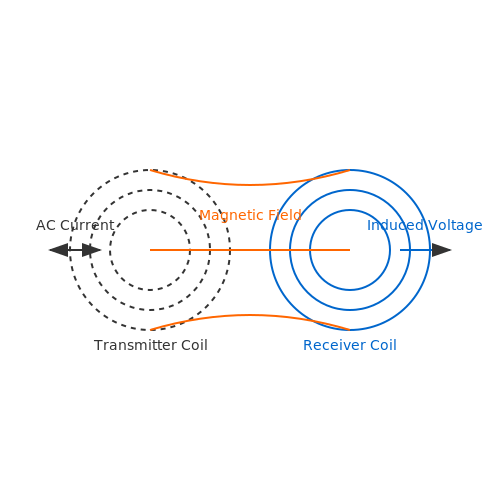
Wireless charging, also known as inductive charging, works on the principle of electromagnetic induction. This technique utilizes the interaction between two coils: a transmitter coil and a receiver coil. When an alternating current (AC) passes through the transmitter coil, it generates a varying magnetic field. This magnetic field induces a voltage across the receiver coil, which is then converted back to direct current (DC) to charge the battery of the EV.
One of the key parameters in this process is the efficiency of energy transfer, which depends heavily on the distance between the coils, their alignment, and the frequency of the AC signal. Ideally, minimizing the separation and ensuring optimal alignment lead to higher efficiency rates, which can exceed 90% under optimal conditions.
Recent Innovations in Wireless Charging
Several innovative wireless charging technologies have emerged, aiming to enhance the practicality and efficiency of EV charging. Among them:
- Resonant Inductive Coupling: This technique uses resonant circuits to enhance energy transfer. By operating at the same resonant frequency, energy can be transferred more efficiently across greater distances.
- Dynamic Wireless Charging: This application allows EVs to charge while in motion. Roads are embedded with transmitter coils, which provide power to vehicles as they drive over them, significantly reducing the need for large stationary battery capacities.
- Automated Alignment Systems: Technologies to automate the alignment of vehicle coils with charging pads have been developed. These systems utilize sensors and feedback mechanisms to adjust vehicle positioning, thereby improving charging efficiency.
Practical Applications and Case Studies
Several real-world applications illustrate the potential of wireless charging systems in EV infrastructure. The city of Gothenburg, Sweden, has implemented dynamic wireless charging in its public transport buses, demonstrating a reduction in the required battery size and the convenience of continuous power supply.
Furthermore, numerous companies, including WiTricity and Qualcomm, are advancing the commercialization of wireless charging stations tailored for consumer EVs. Pilot projects worldwide aim to assess performance, scalability, and user experience, paving the way for wider adoption.
Challenges and Future Directions
Despite the promising developments, several challenges remain in the wireless charging landscape. The primary concerns include:
- Cost: The implementation of wireless charging infrastructure can be more expensive than conventional charging stations due to the technology and materials involved.
- Standardization: Different systems may vary in protocols and efficiency standards, making it essential to develop common guidelines.
- Regulatory Approval: Regulatory bodies must establish safety and efficiency standards to ensure public trust in wireless charging technologies.
The future of wireless charging hinges on further research and development, aiming for improvements in efficiency, cost reduction, and integration into existing infrastructures. As these technologies mature, their potential to revolutionize the EV charging landscape will rely on collaboration among automotive manufacturers, technology developers, and regulatory authorities.
7.2 Ultra-Fast Charging Technologies
As the demand for electric vehicles (EVs) continues to rise, the need for efficient and rapid charging solutions has become paramount. Ultra-fast charging technologies represent cutting-edge advancements that significantly reduce vehicle downtime, allowing users to recharge their EVs quickly and conveniently. This section delves into the principles, current technologies, and emerging innovations in the realm of ultra-fast EV charging.
Understanding Ultra-Fast Charging
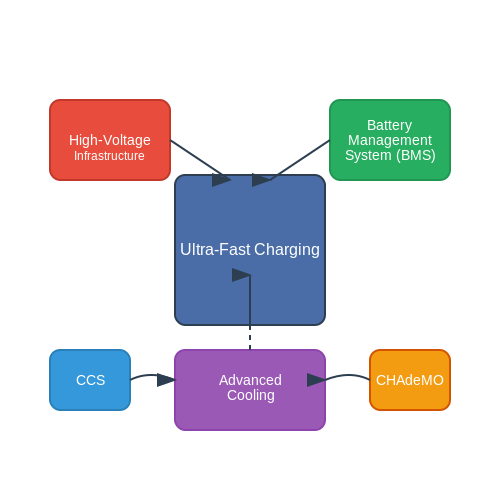
Ultra-fast charging refers to electric vehicle charging systems that provide high power output, typically exceeding 150 kW, allowing users to replenish a significant percentage of battery capacity in a short amount of time. Unlike conventional charging stations, which may take several hours to fully recharge a battery, ultra-fast systems can achieve 80% charge in as little as 20 to 30 minutes. The foundation of this rapid charging capability lies in key technological components, including:
- High-Voltage Charging Infrastructure: Infrastructure capable of handling voltage levels exceeding 400V, which is essential for ultra-fast charging.
- Battery Management Systems (BMS): Sophisticated BMS are required to optimize charging rates while ensuring battery health and longevity.
- Advanced Cooling Systems: Thermal management solutions to prevent overheating, which can degrade battery performance during high-speed charging.
Charging Standards and Protocols
To facilitate ultra-fast charging, various standards and protocols have emerged globally. The two predominant charging standards include:
- CCS (Combined Charging System): Often utilized in Europe and North America, CCS combines AC and DC charging to enable rapid power transfer through a single connector.
- CHAdeMO: Originating in Japan, CHAdeMO is another popular DC charging standard facilitating high speeds, commonly used by Nissan and Mitsubishi models.
Understanding these systems is crucial for engineers and researchers involved in infrastructure development, as any deployment must comply with these standards to ensure compatibility and safety across various vehicle platforms.
Technical Challenges and Advancements
Despite the significant advantages of ultra-fast charging, various challenges remain:
- Battery Chemistry Limits: Current lithium-ion batteries face challenges of thermal runaway and degradation when charged rapidly. Researchers are investigating solid-state batteries, which promise higher energy density and improved thermal stability.
- Grid Load Management: The introduction of numerous ultra-fast chargers puts stress on local power grids, necessitating advanced grid management and potentially renewable energy integration to sustain demand peaks.
Innovations such as vehicle-to-grid (V2G) technology, where EVs can return energy to the grid, may alleviate some of these issues, creating a more resilient and responsive energy ecosystem.
Case Studies and Real-World Applications
Several cities and regions are exploring ultra-fast charging infrastructures as part of their transition to an electric mobility future. For instance, Tesla’s Supercharger network features stations with up to 250 kW output, enabling drivers to recover significant ranges swiftly. Moreover, cities like Amsterdam are deploying fast-charging hubs strategically located around the city center, ensuring accessibility and convenience for EV users.
These practical applications exemplify how ultra-fast charging technologies can accelerate the adoption of EVs, making electric transportation feasible for a wider audience.
Where \( P \) is power in watts, \( W \) is work done in joules, and \( t \) is time in seconds. In the context of ultra-fast charging, maximizing \( P \) leads to improved energy delivery efficiencies in the charging process.
Through innovative technologies, adherence to safety standards, and the overcoming of existing challenges, ultra-fast charging is poised to revolutionize the electric vehicle landscape, fostering a sustainable automobile future.
8. Grid Capacity and Infrastructure Challenges
8.1 Grid Capacity and Infrastructure Challenges
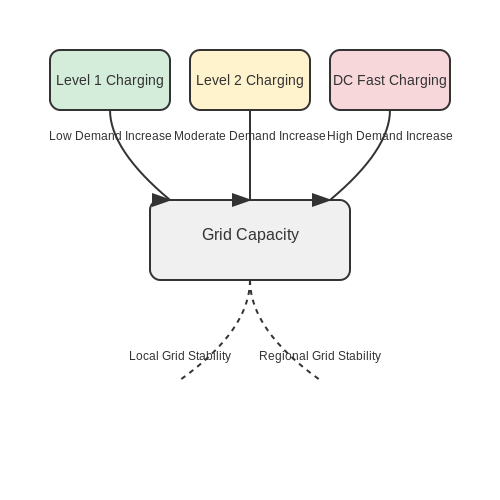
The growing adoption of electric vehicles (EVs) is significantly reshaping the landscape of electrical grid infrastructure. As the number of EVs on the road increases, so does the demand for charging facilities, leading to challenges related to grid capacity and stability. Understanding these challenges is essential for engineers and researchers who aim to create a robust and efficient EV charging infrastructure.
The Impact of EV Demand on Grid Capacity
The integration of electric vehicles into the transportation sector introduces a new, dynamic load to the electrical grid. With the predicted increase in EV ownership over the next decade, estimates suggest that the electricity demand from charging can rise significantly. For example, a scenario where 20% of vehicles are electric by 2030 may lead to a demand increase of up to 15 gigawatts (GW) in certain regions. This demand poses critical questions regarding grid capacity.
The concept of grid capacity refers to the maximum output of electrical energy that a power system can deliver. It is crucial to evaluate whether current infrastructures, predominantly designed for conventional vehicles, can handle the anticipated EV load without requiring extensive upgrades. Adapting to these demands involves not only scaling power generation but also ensuring adequate transmission and distribution systems are in place.
Challenges in Infrastructure Development
Transitioning to a widespread EV charging infrastructure presents several intertwined challenges:
- Grid Stability: The increase in loading due to charging can lead to fluctuations in supply and demand balance. Maintaining grid stability is critical to avoid blackouts.
- Charging Methodologies: Different charging levels (Level 1, Level 2, and DC fast charging) impart varying demands on the grid, necessitating agreements on standards and technologies.
- Infrastructure Investment: Upgrading existing infrastructure involves substantial investment, requiring collaboration between public and private sectors to fund and build necessary upgrades.
- Geographical Disparities: Urban areas may require different infrastructure adaptations compared to rural settings, complicating uniform implementations.
Real-World Applications and Case Studies
Several cities and countries are already piloting solutions to enhance grid capacity for EVs. An ambitious initiative in California aims to develop a robust charging network that can support a million EVs by 2030. This project focuses on utilizing renewable energy sources for charging and enhancing local grid capabilities, offering a template for energy policy adaptations worldwide.
Furthermore, smart grid technologies are being pushed to the forefront, integrating AI and IoT systems to predict demand spikes and manage energy distribution in real-time. For instance, pilot programs in the Netherlands are testing dynamic pricing models that incentivize off-peak charging. Such developments hold great promise for alleviating infrastructure stress.
Conclusion
As the EV market continues to expand, addressing the challenges of grid capacity and infrastructure becomes imperative. Engineers and researchers must collaborate across disciplines to design innovative solutions that sustain the electrification of transportation and maintain grid integrity. The insights gained from ongoing projects and studies will be instrumental in guiding future efforts and shaping resilient environments conducive to widespread EV adoption.
8.2 Addressing Charging Accessibility
When contemplating the landscape of electric vehicle (EV) charging infrastructure, accessibility emerges as a pivotal aspect, shaping the transition towards mass adoption of EVs. As the adoption of electric vehicles continues to surge, ensuring equitable access to charging stations is paramount to overcoming range anxiety and facilitating a seamless transition from combustion engines to electric powertrains. Central to the discourse on charging accessibility is the disparity between urban and rural charging infrastructure. Urban areas generally exhibit a higher concentration of charging stations, benefiting from greater foot traffic and investment incentives. In contrast, rural regions frequently lack robust charging networks, deterring potential EV buyers who may perceive a diminished ability to travel longer distances safely. Implementing strategies to enhance charging accessibility across diverse geographies is therefore essential. The deployment of charging stations must also cater to varying consumer needs. Different users—including commuters, long-haul travelers, and fleet operators—have distinct requirements for charging speed, location, and convenience. Level 1 chargers, while widely available, offer prolonged charging times, making them less suitable for users requiring fast turnaround. Conversely, Level 2 and DC fast chargers provide quicker replenishment but often demand a more significant capital investment and strategic placement. Policy and Regulation play crucial roles in advancing accessibility. Government incentives, such as tax rebates for charging stations and zone-specific mandates for sufficient public charging infrastructure, can stimulate private sector investment. Additionally, partnerships between municipalities and private enterprises can foster initiatives aimed at enhancing charging availability in underserved areas. Additionally, the concept of smart charging can revolutionize the accessibility of charging infrastructure. By integrating renewable energy sources and building intelligent grids, smart charging stations can optimize energy distribution, reduce costs, and provide users with real-time data on charger availability. Such advancements ensure that charging stations are more than just static points; they become dynamic components of smart city infrastructure. To illustrate the relationship between charging accessibility and user behavior, consider a well-designed map of charging station availability in a city. A diagram showcasing this data can demonstrate the density of stations, highlight underserved areas, and support strategic decision-making for future installations.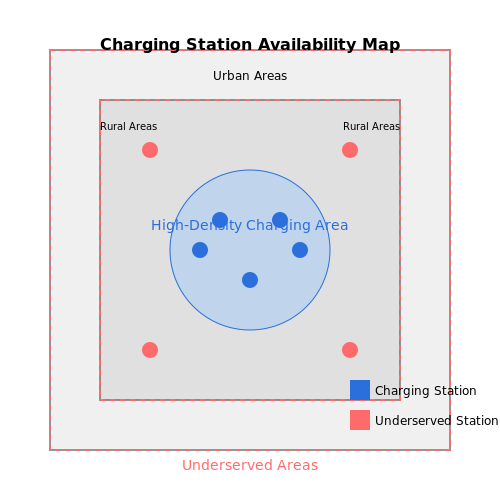
9. Relevant Journals and Articles
9.1 Relevant Journals and Articles
- A Review of Wireless Charging Technologies for Electric Vehicles — This article delves into various wireless charging technologies for electric vehicles, discussing their technical mechanisms, efficiency, and future prospects in advancing EV infrastructure.
- Optimal Electric Vehicle Charging for a Car Park Equipped with Photovoltaic Panels: A Case Study — It examines a unique model integrating solar energy with EV charging systems, offering insights into renewable energy's role in sustainable transportation solutions.
- Nature Energy: Electric Vehicle-Charging Infrastructure Deployment — Explore the strategic deployment of EV charging infrastructure, assessing governmental policies, technological advances, and their socio-economic impacts.
- Energy and Economic Feasibility of Vehicle-2-Grid Technologies and Business Models — Discusses the feasibility of vehicle-to-grid (V2G) systems, evaluating their potential to enhance grid resilience and provide economic benefits through innovative business models.
- The Role of Electric Vehicles in Modern Energy Systems — This comprehensive review addresses the integration of electric vehicles within modern energy systems, underscoring the challenges and opportunities of smart grid applications.
- Deployment of Charging Infrastructure: The Role of Regional Policies and Institutions — Offers insights into the critical role of regional policies and institutions in the deployment of efficient and accessible EV charging networks.
- Renewable-Powered Vehicle Charging: Moving Beyond the Paradigm — Analyzes the shift towards renewable-powered charging stations, discussing challenges, innovations, and the pathway toward sustainable electric vehicle integration.
9.2 Online Resources and Organizations
In the realm of Electric Vehicle (EV) Charging Infrastructure, an abundance of online resources and organizations are pivotal for advancing knowledge, research, and deployment strategies. These resources are instrumental for advanced readers such as engineers, researchers, and graduate students who are deeply involved in the development and optimization of EV charging systems. Below is a curated selection of high-quality online sources that provide insights, technical data, and strategic frameworks relevant to electric vehicle infrastructure.
- U.S. Department of Energy - Electric Vehicles — This portal provides comprehensive information on electric vehicles, including details on charging infrastructure and governmental policies promoting EV adoption.
- CharIN e.V. - Charging Interface Initiative — A global initiative focusing on the collaboration and development of the Combined Charging System (CCS) standard, providing valuable insights into interoperability and technical specifications.
- EV Adoption — Offers data-driven analysis and forecasts on electric vehicle adoption trends and charging infrastructure needs, valuable for market strategy assessments.
- Plug In America - State of EVs — An advocacy group that provides educational resources to promote EV adoption, including accurate data on charging infrastructure development across the United States.
- IEA Global EV Outlook 2023 — A critical document from the International Energy Agency that analyzes global electric vehicle trends, focusing on infrastructure requirements for electricity generation and distribution.
- AVERE - The European Association for Electromobility — Advocates for sustainable mobility and provides extensive resources on policies and industry developments to promote electric mobility within Europe.
- Alternative Fuels Data Center - Electricity — A U.S. government resource offering key statistics and tools related to alternative fuels, with a focus on electric charging stations and infrastructure planning.
- NewMotion - EV Charging Network — Though private-sector focused, NewMotion provides insights into EV charging solutions and infrastructure expansion strategies across Europe.
- NREL EVI-Pro Lite Tool — A practical tool developed by the National Renewable Energy Laboratory to help planners estimate the number of chargers needed to support a growing electric vehicle market.