
Charging Station Electronics
1. Types of Charging Stations
1.1 Types of Charging Stations
Charging stations have emerged as pivotal components in the ecosystem surrounding electric vehicles (EVs), providing the necessary infrastructure to replenish their energy supplies efficiently. The classification of charging stations can broadly be categorized based on their electrical architecture, intended application, and charging speeds. Understanding these classifications is essential for engineers and researchers involved in energy management, power electronics, and electrical infrastructure development.
Classification by Charging Speed
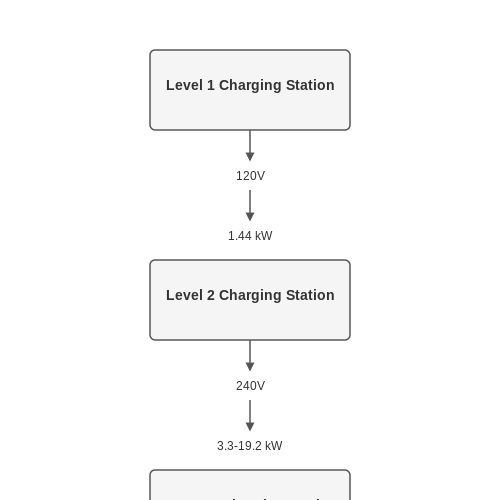
Charging stations can generally be grouped into three primary categories based on the charging speed they offer:
- Level 1 Charging Stations: These stations typically use a standard 120V AC outlet and are primarily intended for residential use. They provide a power output of approximately 1.44 kW, which translates to a charging rate of about 3 to 5 miles of range per hour. While they are the slowest option, they are convenient for overnight charging at home.
- Level 2 Charging Stations: Offering a balanced solution between charging speed and accessibility, these stations operate on 240V AC power, delivering between 3.3 to 19.2 kW. This allows for a charging rate of roughly 10 to 60 miles of range per hour, making them suitable for both residential and commercial applications. Level 2 chargers have become prevalent in public charging locations, such as shopping centers and workplaces.
- DC Fast Charging Stations: Utilized primarily for long-distance travel, DC fast chargers can deliver power levels up to 350 kW or more. They convert AC to DC power internally and provide significantly rapid charging capabilities, often replenishing up to 80% of a vehicle's battery in 20 to 30 minutes. However, they typically require a dedicated high-voltage infrastructure.
Classification by Application
The application context of charging stations is another critical aspect in their classification:
- Residential Charging: These charging setups are designed for home use and typically consist of Level 1 or Level 2 chargers. They provide an essential service for daily vehicle operations and are often equipped with smart technology for load management and scheduling.
- Public Charging: Available in various forms of Level 2 and DC fast chargers, public charging stations are crucial for facilitating long-range EV travel. They are typically placed in strategic locations such as urban centers, highways, and commercial establishments, enhancing the accessibility of electric mobility.
- Fleet Charging: Focusing on commercial entities that operate electric fleets, these charging stations often involve sophisticated network management systems to optimize charging schedules, monitor energy use, and reduce operational costs. They might also integrate renewable energy sources to enhance sustainability.
Technological Innovations and Emerging Concepts
In addition to traditional station classifications, the integration of new technologies is shaping the future of charging infrastructure:
- Wireless Charging: Emerging technologies such as inductive charging allow EVs to charge without physical connections. This method could significantly enhance user convenience and may reduce wear on connectors over time.
- Smart Charging: With the advent of the Internet of Things (IoT), smart charging solutions are gaining traction. These stations adapt charging rates based on grid conditions, user behavior, and energy pricing, thereby optimizing usage and reducing costs.
- Vehicle-to-Grid (V2G) Technology: This innovative concept allows EVs to not only charge from the grid but also discharge electricity back into it when needed. V2G systems can help balance grid loads and provide additional income streams for EV owners.
The advancements in charging station technologies underline a shift towards more integrated and intelligent energy management systems, which will play a vital role in the transition to sustainable electric mobility. As the market evolves, a deep understanding of the types and functionalities of charging stations will be essential for driving innovations in the field.
1.2 Applications of Charging Stations
In today’s rapidly evolving energy landscape, the applications of charging stations extend far beyond mere convenience for electric vehicle (EV) owners. This subsection delves into the multifaceted roles of charging stations, exploring their functionalities in various domains.Electric Vehicles (EVs)
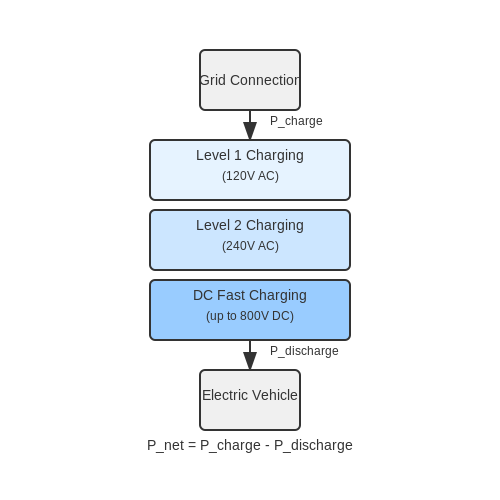
The prevalent application of charging stations is in the realm of electric vehicles. As the global movement toward sustainable transportation accelerates, the demand for efficient EV charging infrastructure becomes paramount. Charging stations can be broadly categorized into three levels based on their power output:- Level 1: Provides 120 volts and is primarily used in residential settings; it is the slowest charging option.
- Level 2: Offers 240 volts and is suitable for both residential and commercial applications, significantly reducing charging time.
- DC Fast Charging: Supplies high voltage (up to 800 volts) for expedited charging, ideal for long-distance travel.
Public Transportation and Fleets
Beyond personal vehicles, charging stations are integral to public transportation systems, particularly for electric buses and taxis. Fleet operators benefit from strategically placed charging stations, which enhance operational efficiency and reduce downtime. For example:- Route Optimization: Fleet operators can plan routes to coincide with charging stops, minimizing idle times.
- Energy Management: Smart charging solutions enable operators to manage energy loads more effectively, creating cost savings and reducing peak demand penalties.
Renewable Energy Integration
Charging stations also facilitate the integration of renewable energy sources into the grid. By acting as dynamic loads, these charging points can absorb surplus energy during peak production times. This functionality becomes particularly relevant in the context of solar and wind energy. To understand this dynamic, consider the equation for energy demand management:Smart Grids and Energy Storage Solutions
In the context of smart grids, charging stations serve as nodes that contribute to grid stability. With advanced features like Vehicle-to-Grid (V2G) technology, EVs can not only draw power from the grid but also supply energy back when demand peaks. This bidirectional flow is critical for balancing supply and demand. The mathematical representation of power flow can be conceptualized using the following relationship:Future Trends and Research Opportunities
The future of charging stations is bright. Emerging trends, such as wireless charging technologies, ultra-fast charging options, and integration with distributed energy resources, present exciting research and development opportunities. As charging infrastructure evolves, researchers will need to explore: Potential Areas of Research- Optimizing charging algorithms for mixed energy sources.
- Improving the battery life through smarter charging techniques.
- Enhancing user experience via real-time data and application interfaces.
1.3 Key Components and Their Functions
Charging stations for electric vehicles (EVs) exist at the intersection of advanced electronics and practical engineering, forming a critically important backbone for sustainable transportation infrastructures. As we delve into this subsection, we will explore the key components of a charging station, elucidate their functions, and connect the technical details to real-world applications. Understanding these components is essential for engineers and researchers working towards efficient and reliable EV charging solutions.
Power Supply Unit (PSU)
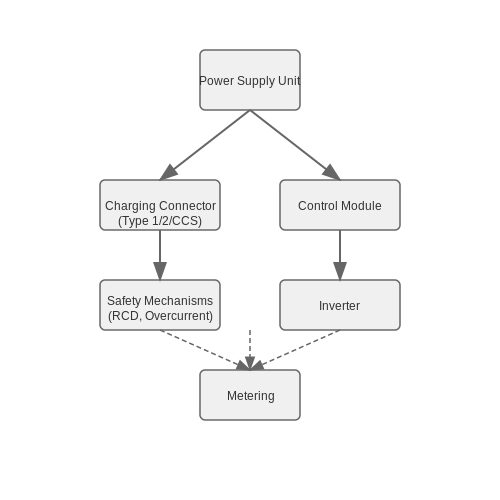
The power supply unit serves as the heart of the charging station. It is responsible for converting AC from the grid to the DC needed to charge EV batteries. This transformation typically involves the use of voltage regulators, rectifiers, and filtering capacitors to ensure that the output current is stable and within required limits. The significance of a robust power supply can be seen in rapid charging solutions, where the PSU must handle substantial power levels — often exceeding 150 kW — to minimize charging time while maintaining safety standards.
Charging Connector
The charging connector plays a pivotal role in the interface between the charging station and the electric vehicle. There are several standards, including Type 1, Type 2, and CCS (Combined Charging System), and each has unique implications for charging efficiencies and compatibility. For instance, the CCS allows for both AC and DC charging, thereby broadening the applicability of charging stations. Understanding the standards is crucial not only for design but also for ensuring user convenience and system interoperability.
Control Module
Another critical component is the control module, which governs communication between the charging station and the electric vehicle. Protocols such as ISO 15118 facilitate smart charging features, enabling functionalities such as load management and demand response. This component ensures that power distribution is optimized based on real-time usage data and grid demands, hence playing a crucial role in both performance and energy efficiency.
Safety Mechanisms
Safety is paramount in charging stations due to high voltage and current levels. Key safety mechanisms include residual-current devices (RCDs) and overcurrent protection, which prevent electrical hazards. Ground fault detection, for instance, is crucial for identifying faults that could lead to dangerous situations, such as electrocution. The integration of these safety mechanisms can significantly impact the overall reliability of charging solutions in public and residential settings.
Metering and Communication Interface
Telemetry and metering systems are essential for billing, energy usage tracking, and diagnostic purposes. They not only provide data on energy consumption but also facilitate remote diagnostics and updates. The implementation of Internet of Things (IoT) technology in metering systems allows operators to gather insights that can enhance the operation and maintenance of charging stations. This integration can drive down operational costs and support data-driven decision-making.
Inverter
In many charging stations, especially those employing renewable energy sources, inverters are integral. They convert DC electricity generated from solar panels or stored in batteries back to AC when necessary. The high-frequency switching techniques employed in modern inverters improve efficiency and reduce losses. This leads to an increase in the amount of usable energy fed into the grid or used for direct charging. Integration of efficient inverters in charging stations thus enhances their sustainability profile.
As we can see, each component of a charging station serves a distinct and vital function. By integrating these elements, we not only enable the necessary electrical transformations but also contribute to enhancing the efficiency, safety, and user experience of electric vehicle charging. Understanding these components helps address the challenges in the deployment and operation of charging infrastructure, thus promoting broader EV adoption.
2. Voltage Regulation Techniques
2.1 Voltage Regulation Techniques
In the realm of charging station electronics, effective voltage regulation techniques are paramount for ensuring the safe and efficient operation of charging systems. These techniques play a crucial role in stabilizing output voltage against variations in load and input supply, thereby maintaining the integrity and longevity of both the charging station and the devices being charged.Understanding Voltage Regulation
Voltage regulation refers to the process of maintaining a constant output voltage level despite fluctuations in input voltage or load conditions. This is particularly vital in charging applications where overvoltage can lead to device damage, while undervoltage may result in inadequate charging. The need for voltage regulation can be traced back to the early days of electrical engineering when researchers began to recognize that many electronic circuits require stable voltage levels for optimal performance. Innovators like Claude Shannon and Robert Noyce laid foundational work that paved the way for modern voltage regulation methods.Common Voltage Regulation Techniques
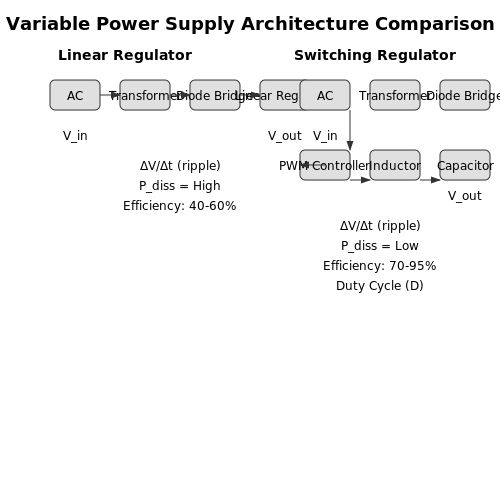
There are primarily two types of voltage regulation techniques: linear and switching regulators. Each has its distinct advantages and practical applications.Linear Voltage Regulators
Linear voltage regulators function by controlling the voltage drop across a pass element like a transistor. The hallmark of linear regulators is their simplicity and low noise operation, making them suitable for sensitive analog circuits. In essence, the linear regulator operates by performing the following: 1. The input voltage is compared to a reference voltage. 2. The error between the input and reference voltages is amplified. 3. Adjustments are made through the pass element to maintain the necessary output voltage. The output voltage (\( V_{out} \)) can be generally expressed as:Switching Voltage Regulators
Switching regulators, on the other hand, operate by rapidly switching a transistor between its on and off states. This technique converts excess voltage to current, making switching regulators more efficient than their linear counterparts. The primary types of switching regulators include: - Buck converters (step-down) - Boost converters (step-up) - Buck-boost converters (combines both) Switching regulators typically comprise inductors, capacitors, and diodes, forming a power-conversion circuit. The output voltage for a buck converter can be represented by:Practical Applications in Charging Stations
Charging stations are increasingly being implemented at various scales, from residential applications to large-scale electric vehicle (EV) infrastructures. The selection of voltage regulation technique significantly impacts system performance and user experience. For example, in a high-output EV charger, a switching regulator may be preferable due to its low heat generation and energy efficiency during high current draws. Conversely, for smaller, low-noise applications, such as charging sensitive electronics, a linear voltage regulator could be more suitable due to its simplicity and low ripple output. In a nutshell, both linear and switching voltage regulation techniques offer unique advantages tailored to specific scenarios within charging stations, enhancing their reliability and functionality in real-world applications.Conclusion
With the ongoing advancements in charging technology, understanding and implementing voltage regulation techniques remain crucial for engineers and researchers. As charging infrastructures evolve, the focus will not only be on improving efficiency but also on incorporating advanced voltage regulation strategies to ensure safety and device longevity. In further sections, we will explore more intricate aspects of charging station electronics, including power management solutions and advanced circuit design.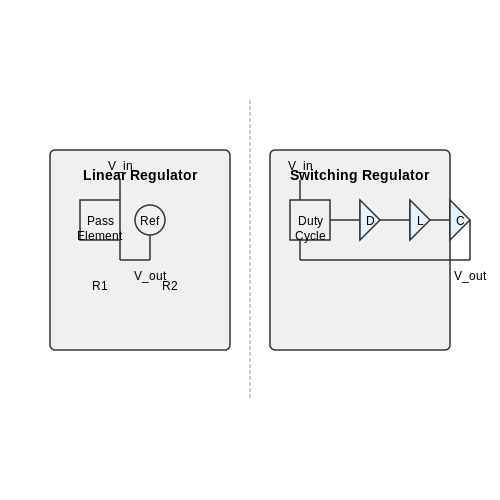
2.2 Current Control Strategies
In the optimization of charging stations for electric vehicles (EVs), the implementation of effective current control strategies is crucial. These strategies serve not only to ensure the prompt and efficient charging of electric vehicles but also to maintain the safety and longevity of both the charging infrastructure and the vehicle's battery. In this section, we will explore various current control strategies, their mechanisms, and their real-world applications, ultimately leading to the formulation of necessary equations that govern these processes.Understanding Load Demand and Supply
The dynamic nature of charging stations, especially those integrated into smart grids, demands a sophisticated approach to manage the current flows. The first step toward effective current control is understanding the balance between load demand and power supply. The response of the charging station toward variations in load demand directly influences the efficiency of energy transfer. Current control strategies can broadly be categorized into open-loop and closed-loop methods. Open-loop control operates with predetermined settings and lacks feedback mechanisms, often leading to inefficiencies during varying load conditions. Conversely, closed-loop control incorporates real-time feedback from the system, adjusting the charging parameters as required to optimize performance.Closed-Loop Current Control Techniques
Closed-loop control strategies can be further divided into several advanced methodologies, primarily involving:- Proportional-Integral-Derivative (PID) Control: This widely adopted control technique adjusts the output current based on the proportional, integral, and derivative of the error signal between the setpoint and the measured current.
- Fuzzy Logic Control: This method employs fuzzy logic to handle uncertainties in system behavior. It mimics human reasoning, allowing for more adaptable control in variable conditions.
- Model Predictive Control (MPC): MPC anticipates future behavior and optimizes control inputs over a predefined prediction horizon. It’s particularly useful in systems that require the prediction of changing load demands.
PID Control Methodology
Let us delve deeper into the PID control method, given its relevance and simplicity. The PID controller continuously calculates an error value as the difference between a desired setpoint \( SP \) and the current output \( PV \) (Process Variable): $$ e(t) = SP - PV $$ Where: - \( e(t) \) = error at time \( t \) The output of the PID controller \( u(t) \) can be expressed as: $$ u(t) = K_p e(t) + K_i \int_0^t e(\tau) d\tau + K_d \frac{de(t)}{dt} $$ where: - \( K_p \) = proportional gain - \( K_i \) = integral gain - \( K_d \) = derivative gain The individual components contribute to the control output as follows: - The proportional term \( K_p \) provides a response proportional to the current error. - The integral term \( K_i \) accounts for the accumulation of past errors. - The derivative term \( K_d \) predicts future errors based on the current rate of change. For tuning a PID controller, various methods, such as the Ziegler-Nichols method, can be employed to achieve optimal performance.Practical Applications and Real-World Impact
Practical deployment of these current control strategies can be seen in numerous charging stations worldwide. For example, a significant study demonstrated that implementing an MPC strategy in a fast-charging station led to a reduction in energy costs and improved charging times by approximately 20%. This not only enhances user experience but also aligns with the growing need for energy efficiency in the context of renewable energy integration. Overall, the choice of current control strategy can drastically impact the efficacy and reliability of charging stations. Each strategy comes with its unique strengths and limitations; thus, the specific demands of the charging environment will dictate the most appropriate control mechanism. The interplay between technology and operational strategy becomes pivotal in developing future-ready charging infrastructure.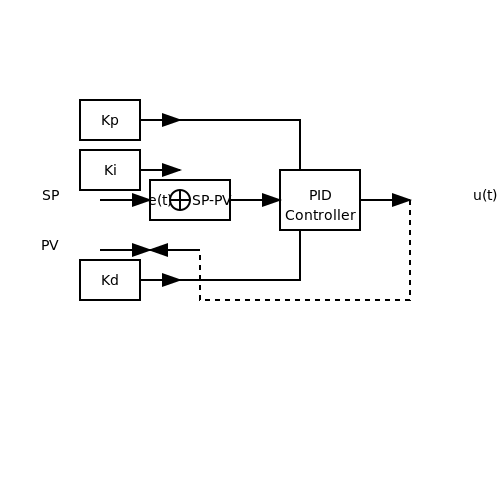
2.3 Power Conversion Methods
Understanding the Need for Power Conversion
In the context of charging station electronics, power conversion methods are critical for transforming the electrical energy delivered from the grid into an appropriate form required by the devices being charged. This conversion can involve changing the parameters of voltage, current, or frequency, adapting the power supply to the specific requirements of various electric vehicles (EVs) or electronic devices. The most common scenarios include converting AC to DC, stepping up or stepping down voltage levels, and facilitating efficient power transfer.AC to DC Conversion
A significant step in most charging processes is the conversion of alternating current (AC) from mains to direct current (DC). This is typically accomplished using rectification processes, where devices known as rectifiers are employed. A full-wave bridge rectifier, for example, utilizes four diodes to convert AC voltage into DC voltage, effectively leveraging both halves of the AC sine wave. To understand the efficiency of this process, it's important to delve into the mathematical representation of the output voltage after rectification. Assuming the input voltage is a standard AC voltage given by: $$ V_{in}(t) = V_{m} \sin(\omega t) $$ where \( V_{m} \) is the maximum voltage, and \( \omega \) is the angular frequency, the average output voltage after rectification (\( V_{out} \)) can be determined by integrating over one complete cycle:DC to DC Conversion
After rectification, the voltage may not be suitable for the battery or device to be charged. Thus, the next stage often involves DC to DC conversion, typically conducted via buck (step-down) or boost (step-up) converters. These circuits leverage switches (transistors) and inductors to efficiently manage energy transfer. A buck converter, for example, reduces voltage while increasing current, which is governed by the relationship:AC to AC Conversion
In some advanced charging systems, such as those used for inductive or resonant charging, AC to AC conversion methods are employed. Devices like inverters or cycloconverters can be strategically utilized in these scenarios. Inverters allow for the creation of a tailored AC output from a DC input, thus facilitating alternative methods of charging, while cycloconverters can convert one AC frequency to another without an intermediate DC stage.Real-World Applications
The significance of understanding power conversion methods lies in their practical applications in charging stations. Companies like Tesla and ChargePoint utilize sophisticated power electronics to ensure optimal performance and user experience. By integrating high-efficiency converters and advanced control algorithms, these systems not only reduce charging time but also enhance the longevity of battery systems by minimizing energy losses. Innovative applications also arise in renewable energy integration, where energy harvested from solar or wind sources is conditioned for use in EV charging. The combination of power conversion methods allows for seamless energy transfer while maintaining the operational integrity of both the renewable source and the vehicle battery.Conclusion
As the adoption of electric vehicles accelerates, the demand for sophisticated power conversion methods becomes increasingly crucial. Not only do these methods impact charging efficiency and safety, but they also contribute significantly to the overall sustainability of energy use in transportation. Attaining a comprehensive understanding of how these systems operate aids engineers and researchers in developing more innovative and effective charging solutions.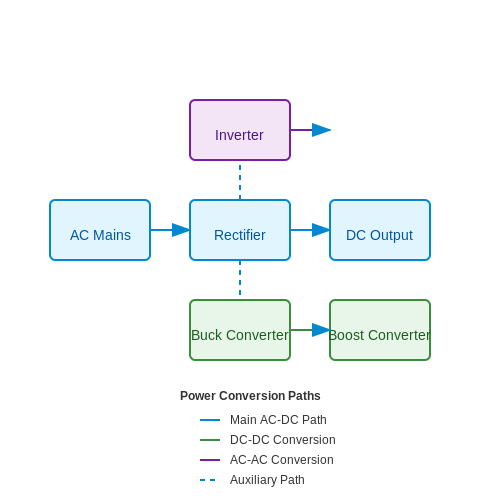
3. Protocol Overview: OCPP and OCPI
3.1 Protocol Overview: OCPP and OCPI
This section delves into two critical communication protocols facilitating the operation of electric vehicle (EV) charging stations: the Open Charge Point Protocol (OCPP) and the Open Charge Point Interface (OCPI). Understanding these protocols is essential for engineers and researchers as they define the interactions between charging stations, service providers, and operators, ensuring smooth and efficient EV charging experiences.
Understanding OCPP
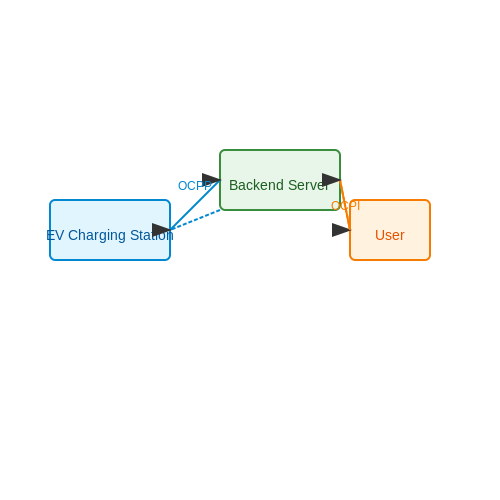
The Open Charge Point Protocol (OCPP) serves as a versatile framework for communication between EV charging stations and a backend server. Originally developed by the Open Charge Alliance, OCPP promotes interoperability among different manufacturers and systems, enabling broader adoption of electric vehicles.
Version 1.6 of OCPP introduced crucial features such as support for WebSocket communication, enhanced security measures, and support for complex functionalities like firmware updates and user management. As EV technology continues to evolve, OCPP has become an integral part of modern charging infrastructure.
Key Components of OCPP
- Message Types: OCPP defines various message types including Boot Notification, Status Notification, and Start/Stop Transaction, each facilitating different interactions between the charging station and the server.
- Data Model: The protocol establishes a data model that supports the exchange of information such as energy consumption, charging session details, and device status.
- Security Features: OCPP 2.0 introduced additional security protocols including support for TLS, ensuring secure data transmission.
OCPI: The Framework for Roaming
The Open Charge Point Interface (OCPI) enhances the capabilities of OCPP by focusing on bilateral communication between charging networks and service providers. OCPI facilitates roaming by allowing EV users to charge their vehicles seamlessly, irrespective of the operator or charging network they are part of.
With OCPI, users can easily find available charging points, authenticate themselves, and handle payments across various networks. Given the increasing importance of cross-network compatibility in the EV sector, OCPI serves as a lifeline fostering an interconnected charging ecosystem.
Core Functionalities of OCPI
- Location Sharing: OCPI enables the sharing of charging station locations and real-time availability data among different networks, improving user experience.
- Transaction Management: This protocol supports transaction notifications, enabling effective management of charging sessions and billing processes.
- User Authentication: OCPI includes mechanisms for user authentication across various networks, simplifying the user experience considerably.
Practical Applications
The implementation of OCPP and OCPI has profound implications for the future of electric mobility. Understanding these protocols empowers engineers to:
- Design charging stations that are compatible with a vast array of platforms.
- Facilitate seamless EV charging experiences for users by supporting roaming amongst different networks.
- Implement robust security measures to protect user data and charging transactions.
In conclusion, both OCPP and OCPI are essential components of modern EV charging infrastructure that support interoperability and user convenience. Mastering these protocols can significantly enhance the design and functionality of future charging solutions.
3.2 Data Transfer Mechanisms
As charging stations evolve to meet the demands of modern electric vehicles (EVs) and their supporting infrastructures, the methods of data transfer within these systems have gained increasing significance. This section elucidates various data transfer mechanisms that streamline communication between charging stations, EVs, and supporting networks, ultimately contributing to enhanced efficiency and user experience.
Understanding Data Communication in Charging Systems
Data transfer mechanisms in charging stations operate under multiple protocols and standards that enable reliable communication. This ensures not only the safe charging of electric vehicles but also allows for essential functionalities such as billing, diagnostics, and remote monitoring. The critical aspect of these mechanisms is their ability to maintain two-way communication — between the vehicle and the charging infrastructure, facilitating negotiation of charging rates and times.
Common Protocols in Charging Stations
Numerous protocols govern data transfer in electric vehicle charging, among which the following are paramount:
- CHAdeMO: A high-speed charging protocol primarily used for DC fast charging, allowing data exchange during the charging process.
- CCS (Combined Charging System): Integrates AC and DC charging standards, featuring robust data communication capabilities to optimize the charging session.
- OCPP (Open Charge Point Protocol): An open standard that facilitates communication between charging stations and management services, promoting interoperability across different manufacturers.
Data Transfer Mechanisms Overview
Data transfer mechanisms can broadly be classified into two categories: wired and wireless.
Wired Communication
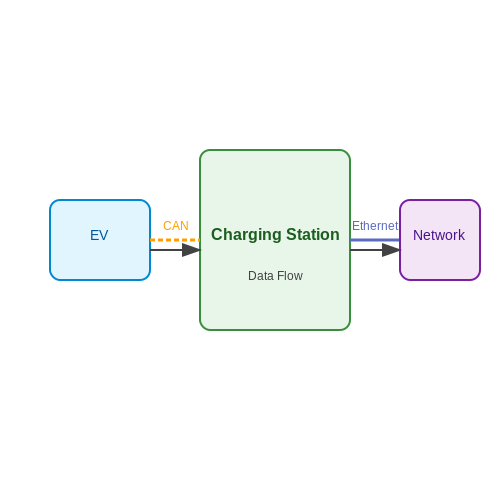
Wired communication typically utilizes protocols such as CAN (Controller Area Network) and Ethernet-based connections. These mechanisms provide low-latency data transfer, essential for real-time applications. A diagram such as the following would illustrate this communication layout:
Utilizing twisted-pair cables, Ethernet allows for high-speed data transfer capabilities, enabling the integration of multiple sensors and devices connected to the charging infrastructure, thus enhancing the efficiency of the energy distribution process.
Wireless Communication
The increasing penetration of wireless communication technology, such as Wi-Fi, Bluetooth, and cellular networks, contributes significantly to data transfer capabilities in charging stations. Wireless methods enable remote monitoring and control of charging equipment, enhancing user convenience and operational efficiency.
Dual communication channels are becoming common, with Wi-Fi facilitating data-heavy applications and cellular networks serving as a backup for remote connectivity and less data-intensive tasks. Long-Term Evolution (LTE) and emerging 5G networks present promising capabilities through higher bandwidth and lower latency, thus facilitating seamless integration with smart grid technology.
Real-World Applications and Case Studies
Smart Grid Integration: The synergy between charging stations and smart grids exemplifies the practical relevance of sophisticated data transfer mechanisms. Smart grids leverage real-time communication to optimize energy distribution among charging stations based on demand and supply scenarios. For instance, during peak demand periods, certain vehicles can be charged at managed rates, reducing grid stress.
Remote Monitoring Systems: Many modern charging stations incorporate embedded systems that allow for remote diagnostics and performance monitoring. Case studies have demonstrated that this capability can reduce downtime and maintenance costs significantly by enabling predictive maintenance through data analytics.
Understanding the nuances of various data transfer mechanisms serves as an essential foundation for the advancement of EV charging infrastructure. As technology continues to evolve, engineering professionals must remain at the forefront of these developments to optimize both performance and user experience in the expanding electric vehicle ecosystem.
3.3 Security Considerations
As electronic vehicles (EVs) become increasingly widespread, the design and implementation of charging stations take on a pivotal role not only in energy delivery but also in ensuring system integrity and user safety. In this section, we delve into crucial security considerations that must be addressed during the deployment and operation of charging station electronics. Given the intricate interaction between hardware, software, and user access, it is essential to adopt a multilayered approach to security.
Physical Security
The physical security of charging stations is a foundational element. These stations can be susceptible to vandalism or tampering. Therefore, the hardware should include robust enclosures resistant to environmental damage and tampering. Industry standards, such as IP (Ingress Protection) ratings, offer guidelines for environmental resistance, illustrating the importance of choosing appropriate materials and designs. Additionally, physical locks and surveillance cameras can enhance security by deterring unauthorized access and recording activities around the station.
Cybersecurity Measures
The integration of communication technologies, such as Wi-Fi and cellular network connectivity, raises significant cybersecurity concerns. Charging stations must employ encryption protocols for data transmissions. The Transport Layer Security (TLS) protocol is a critical component to ensure secure communications between the charging stations and the backend systems. Implementing secure boot processes will further prevent unauthorized software from running on the hardware.
Moreover, station operators should consider employing multi-factor authentication (MFA) for users attempting to access the charging system. This drastically reduces the likelihood of unauthorized usage or fraud. Regular software updates and patch management are vital for mitigating vulnerabilities that may be exploited by cyber attackers.
Data Privacy and User Information
Data privacy emerges as another paramount consideration. Charging stations collect various data types, including user location data and payment information. To comply with data protection regulations such as the General Data Protection Regulation (GDPR), it is imperative to anonymize personal data and to store it securely, employing techniques like data encryption and access controls.
Compliance with Standards and Regulations
Adhering to relevant standards and regulations is essential for the safety and security of charging station electronics. Various international standards, such as ISO/IEC 27001 for information security management, provide guidelines for establishing an information security management system. In the United States, the National Institute of Standards and Technology (NIST) offers cybersecurity framework guidelines that could be implemented in charging station architectures.
Real-World Applications and Case Studies
Successful real-world implementations, such as those seen in Tesla’s Supercharger network, offer valuable insights into the security mechanisms that effectively support extensive networks of charging stations. These systems deploy high-level encryption, remote diagnostics, and regular security assessments to enhance the overall resilience against potential threats. As charging station technologies continue to evolve, regularly revisiting and amplifying security measures will ensure a sustainable and secure charging infrastructure.
4. Circuit Design Fundamentals
4.1 Circuit Design Fundamentals
In the design of charging stations, circuit architecture plays a pivotal role in achieving efficiency, reliability, and adaptability. Understanding the fundamental concepts of circuit design is essential for engineers and researchers tasked with developing effective charging solutions.Understanding Basic Circuit Components
Every electronic circuit includes a few essential components: resistors, capacitors, inductors, and active components such as transistors and integrated circuits. Each of these plays a specific role in managing power flow and controlling voltage levels in charging stations. - Resistors control current flow, allowing for voltage drop across components, essential in voltage regulation circuits. - Capacitors are used for energy storage and filtering, which helps to smooth voltage fluctuations that occur during charge cycles. - Inductors can manage changes in current flow, useful in buck or boost converter designs for adjusting power levels. - Transistors serve as switches or amplifiers, enabling the control of power to the charging components.The Role of Power Management
Efficient power management is crucial in charging stations to maximize performance while minimizing waste. Central to this is the concept of DC to DC conversion, which allows for the adjustment of voltage levels to meet device requirements. Among the various converter topologies, buck, boost, and buck-boost converters are the most commonly utilized. - Buck converters are used to step down voltage levels, whereas boost converters serve to step up voltage. - A buck-boost converter combines both functions, allowing flexibility in adapting to different source and load conditions. Each of these converters employs inductors, capacitors, and switches to regulate voltage according to the demands of the devices being charged.Formulating the Circuit Design
When designing a circuit, one must consider several parameters: input voltage (from the grid or solar panels), output voltage (necessary for the devices), and the expected current output. The relationship among these can be expressed through the basic power formulas. Power, denoted as $$P$$, is described by the equation:Simulation and Testing
In real-world applications, circuits need to be simulated before physical implementation. Tools such as SPICE (Simulation Program with Integrated Circuit Emphasis) allow engineers to model their circuits, predicting behavior under different conditions. Simulation screens often display waveforms and provide insights into current and voltage levels throughout the circuit. Post-simulation, prototype testing is crucial. This phase allows engineers to verify the design under actual load conditions and make necessary adjustments that ensure optimal performance and compliance with safety standards.Conclusion
Mastering circuit design fundamentals is vital for developing effective charging stations. By understanding the interplay between components, power management strategies, and practical implementation techniques, engineers can drive advancements in charging technology. As the demand for electric vehicle infrastructure grows, so too does the need for innovations in circuit design. With careful consideration of these foundational principles, professionals can ensure that they meet user needs efficiently and sustainably.4.2 Hardware Components Selection
Choosing the right hardware components for a charging station is a crucial aspect of its design and efficacy. Each component must not only fulfill its intended function but also integrate seamlessly with others to ensure reliability, safety, and efficiency. In this subsection, we will delve into the key components that constitute a robust charging station, emphasizing their characteristics, specifications, and practical implications.
Power Supply Units
A power supply unit (PSU) is fundamental in converting and supplying the appropriate voltage and current to the charging circuit. The selection of a PSU should take into account several factors:
- Output Voltage and Current: The PSU must match the output requirements of the charging protocol in use, considering both nominal and peak demands to avoid overloading.
- Efficiency: Evaluate the efficiency rating, typically expressed in percentage. Higher efficiency reduces heat losses and improves overall performance.
- Power Factor: A higher power factor (closer to 1) indicates better utilization of electrical power, which can be crucial for large installations.
In practice, advanced PSUs come with features like digital interfaces for monitoring and control, leading to enhanced usability in smart charging infrastructures, where remote management and diagnostics are essential.
Charging Controllers
The charging controller serves as the brain of the charging station. It oversees the charging process, ensuring that the energy transfer adheres to the predefined charging standards. Key considerations for selecting a charging controller include:
- Compatibility: Ensure the controller supports multiple charging standards (e.g., CCS, CHAdeMO, and Tesla) to accommodate various vehicle types.
- Communication Protocols: The ability to handle protocols such as OCPP (Open Charge Point Protocol) for remote communication is increasingly important for fleet management.
- Safety Features: Look for integrated safety features like overcurrent protection, voltage regulation, and thermal management to prevent damage to both the vehicle and charging station.
Connectors and Cables
Selecting the right connectors and cables is crucial as they directly influence the charging efficiency and safety. Key factors to consider include:
- Current Rating: Ensure that cables are rated for the maximum current load to prevent overheating and potential hazards.
- Environmental Resistance: Choose connectors and cables that are resistant to environmental factors such as moisture, chemicals, and UV radiation, especially for outdoor installations.
- Ergonomics: Consider user-friendly designs that facilitate easy plug-in and removal, enhancing the user experience.
Real-world applications often showcase various connector types, with manufacturers like Mennekes, Harting, and Tesla setting industry standards. These components must not only meet technical specifications but also navigate regulatory landscapes pertaining to electrical safety and performance.
Monitoring and Control Systems
Integrating monitoring and control systems into the charging station design allows for real-time tracking of charging operations and energy consumption. These systems can include:
- Smart Meters: Provide detailed data on energy usage and can facilitate billing and analytics.
- Remote Management Software: Enables operators to manage multiple charging stations, monitor performance metrics, and perform firmware updates.
- Uninterruptible Power Supplies (UPS): Ensure essential functions continue during power outages, adding reliability to the charging infrastructure.
As the electric vehicle market expands, the integration of intelligent monitoring solutions in charging stations is becoming a norm, helping operators optimize their assets and improve user satisfaction.
In conclusion, the selection of hardware components for charging stations must be holistic, taking into account not just individual specifications but also how these components interact within the entire ecosystem. Adequate knowledge, along with the practical testing of these components in real-world scenarios, ensures that charging stations are efficient, reliable, and ready for the future of electric mobility.
4.3 Prototype Development and Testing
As the push for electric vehicles and sustainable energy solutions accelerates, the role of charging stations becomes critical. Charge point technologies continue to evolve, and with them, the methods employed in developing and testing prototypes. In this section, we will explore the intricate process of prototype development and the rigorous testing methods that ensure efficient, safe, and reliable charging stations.Initial Design and System Requirements
When embarking on the journey to develop a charging station prototype, engineers begin by defining system requirements based on target user needs and performance expectations. This involves:- Capacity Specifications: Determining the power output and charging speed required to accommodate various electric vehicle models.
- Connectivity: Deciding on the communication protocols (e.g., OCPP, CAN bus) that will facilitate interaction between the charging station, vehicles, and possibly cloud infrastructure.
- Safety Standards: Identifying hardware and software safety measures necessary to prevent electrical hazards such as overcurrent and short circuits.
Hardware Development
The hardware components of a charging station include power converters, control boards, user interfaces, and safety mechanisms. Key elements often seen in prototyping include: - Power Electronics: Typically utilize high-efficiency switching converters to manage energy transformation. The converter topology chosen affects overall efficiency and cost. - Microcontroller or Processor: Acts as the brain of the system, executing charging algorithms and communicating with the vehicle. - User Interface: Displays relevant information such as charging status, cost, and time estimations, which could employ simple LED indicators or advanced touchscreens. In developing these components, engineers engage in iterative design processes. Simulation tools, such as SPICE or MATLAB/Simulink, are used for circuit simulations to validate designs before physical prototypes are constructed. This approach allows quick modifications and optimizations without incurring extensive costs tied to physical builds.Prototype Testing Methodologies
With a functional prototype in hand, rigorous testing becomes essential to ensure that the charging station meets predefined criteria. Testing can be segmented into various domains:Performance Testing
This phase often involves: - Charge Time Measurements: Determining how quickly different EV models charge under various conditions. Automated protocols can facilitate this process. - Energy Efficiency Calculations: Comparing input energy against energy delivered to the vehicle to quantify losses in the system:Safety Testing
Safety is paramount in charging station design. Testing protocols may include: - Overcurrent Protection Tests: Simulating fault conditions to ensure protective devices operate correctly and prevent equipment damage. - Thermal Performance Assessments: Monitoring temperature in various operating conditions to validate that components remain within safe limits.User Experience Evaluation
Rather than focusing solely on the technical performance, evaluating user experience is also critical. This can be achieved by gathering feedback on the user interface, charging accessibility, and overall usability of the station. Iterative user feedback helps in refining both hardware and software designs.Conclusion
Developing and testing a prototype charging station requires a balanced focus on engineering precision and user-centric design. By utilizing simulation tools, comprehensive testing methodologies, and iterative improvements, developers can create efficient, reliable, and safe charging solutions that cater to the growing demand for electric vehicle infrastructure, paving the way for a more sustainable future in transport. By staying informed about emerging technologies and innovations in battery and charger designs, engineers can facilitate a step change in charging performance and user satisfaction, ultimately contributing to the evolution of electric mobility technologies.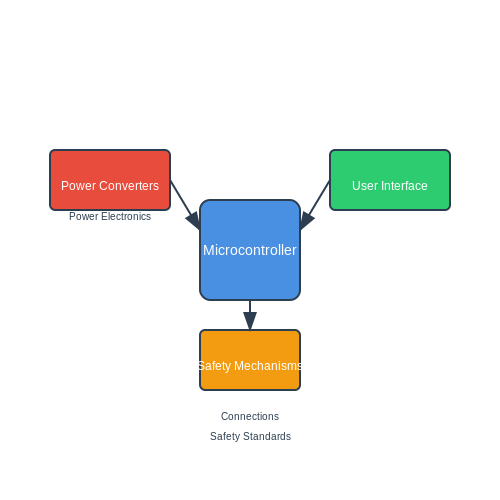
5. International Standards Overview
5.1 International Standards Overview
The advancement of charging station technologies has necessitated the establishment of various international standards to ensure interoperability, safety, and efficiency. These standards are crucial not only for the manufacturers of electric vehicle (EV) charging equipment but also for regulatory bodies and consumers. By adhering to established norms, stakeholders can contribute to a cohesive charging infrastructure, which is vital for the widespread adoption of electric vehicles. This subsection will explore key organizations and their respective standards, illustrating their significance in the context of charging station electronics.
Key Organizations and Their Standards
Several international organizations play pivotal roles in developing standards pertinent to charging stations. Among these, the International Electrotechnical Commission (IEC), the Institute of Electrical and Electronics Engineers (IEEE), and the International Organization for Standardization (ISO) are the most influential.
International Electrotechnical Commission (IEC)
The IEC is responsible for international standards for electrical technologies. Notably, the IEC 61851 series details specifications for electric vehicle conductive charging systems. This standard outlines various modes of operation, emphasizing safety protocols and communication between the EV and the charging station. Adhering to IEC 61851 is crucial for manufacturers to ensure that charging stations can facilitate the needs of different EV types globally.
Institute of Electrical and Electronics Engineers (IEEE)
IEEE standards, particularly IEEE 2030.1.1, focus on interoperability and communications protocols. This standard is critical for enabling effective data exchange between EVs and charging stations, which is vital for smart grid applications. The integration of such protocols enables features like demand response and efficient energy management, ultimately promoting the sustainability of the electric vehicle ecosystem.
International Organization for Standardization (ISO)
ISO plays a comprehensive role, encompassing various standards that impact charging station design. For instance, ISO 15118 details the communication between electric vehicles and the charging infrastructure, including functionalities like Plug & Charge—a feature that simplifies user experience by automating the billing process. Additionally, the ISO 26262 standard addresses safety concerns in automotive electronics, ensuring that charging stations operate securely under various conditions.
Regulatory Framework and Implementation
While these standards provide a robust framework, the actual implementation can vary significantly across regions. Regulatory bodies such as the European Committee for Electrotechnical Standardization (CENELEC) and local governmental agencies often adopt and modify these international standards to fit regional requirements. For example, the Electric Vehicle Infrastructure Regulation in Europe mandates compliance with specific electrical safety and user accessibility standards. This regulatory landscape not only affects manufacturers but also significantly influences end-user experiences, from installation processes to practical usage of charging stations.
Practical Implications and Future Directions
Understanding the evolving landscape of international standards is paramount for engineers and researchers involved in the development of charging station technologies. Ongoing advancements in battery technologies, renewable energy integration, and smart grid functionalities necessitate that these standards are regularly updated. Engaging with these standard-setting organizations and participating in public consultations can provide insights into future trends and requirements.
In conclusion, international standards form the backbone of reliable and efficient charging station operation. By adhering to these standards, stakeholders can ensure a safer, more interoperable, and user-friendly charging infrastructure as the electric vehicle market continues to grow.
5.2 Compliance with Local Regulations
As the demand for electric vehicles (EVs) accelerates, so too does the necessity for charging station infrastructures to align with local regulations. The integration of charging stations into public spaces, residential areas, and commercial entities must not only prioritize user safety but also adhere to standards set forth by various regulatory bodies. Understanding these regulations is crucial for engineers and designers tasked with developing efficient and compliant charging solutions.
The Importance of Compliance
Compliance with local regulations plays a pivotal role in the success of charging station deployments. It encompasses various aspects, such as electrical safety codes, zoning laws, environmental considerations, and connectivity configurations. Missteps in compliance can lead to costly litigation and hinder the accessibility of EV charging networks, ultimately affecting the broader adoption of electric vehicles.
Key Regulatory Frameworks
To navigate the complex landscape of compliance, it is essential for professionals to be familiar with specific regional codes that influence charging station implementations:
- National Electrical Code (NEC): In the United States, the NEC outlines safety standards for electrical installations, including the requisite solutions for charging station wiring, circuit protection, and grounding systems. Understanding NEC Article 625, which specifically addresses EV charging systems, ensures adherence to safety protocols.
- International Electrotechnical Commission (IEC) Standards: For regions outside of the U.S., IEC standards provide guidelines for the safety and performance of electrical equipment. Compliance with IEC 61851, which pertains to EV supply equipment, is vital for operators and manufacturers.
- Local Zoning Laws: Each municipality may impose unique zoning requirements that dictate where charging stations can be installed. These laws often consider factors such as land use allocation, visual impact, and its integration into existing infrastructure.
- Environmental Regulations: Units must also comply with environmental guidelines preventing harm to the surrounding ecosystem. For instance, stormwater management plans may require assessment to mitigate potential impacts on local water resources.
Registration and Permitting Process
Before installation, charging station operators must often navigate a complex web of permits and registrations. This may involve:
- Local utility coordination to ensure grid compatibility and utility incentives.
- Securing necessary building permits and inspections to affirm compliance with all applicable building codes.
- Obtaining environmental approvals, especially when installation sites have protected statuses.
Failure to address any of these issues not only puts projects at risk of delay but can also incur significant costs due to fines or remedial actions.
Innovative Compliance Strategies
Employing technology can streamline compliance efforts significantly. Advanced software simulations and infrastructure modeling tools help engineers envision compliance scenarios before construction. These tools can also assist in predictive analysis, determining how proposed installations may affect existing systems and communities.
Conclusion
Ultimately, the journey toward implementing charging stations requires a robust understanding of local regulations and compliance. By keeping abreast of current standards and leveraging innovative solutions, engineers can create effective, efficient, and compliant electric vehicle charging solutions that meet the needs of modern users while ensuring safety and legality.
5.3 Safety Measures and Risk Management
In the realm of charging station electronics, ensuring user safety and minimizing risks are paramount. As the adoption of electric vehicles (EVs) increases, so does the importance of developing safe and efficient charging infrastructures. This section delves into the critical safety measures and risk management strategies that engineers and researchers must integrate into the design and operation of charging stations.
Understanding Electrical Hazards
At the core of safety in charging stations lies an understanding of electrical hazards. The primary risks include electric shock, arc flash, and equipment fires, which can result from inadequate insulation, improper grounding, or overloading circuits. Electric shock, caused by direct contact with live components, can be lethal. To mitigate these risks, specific standards and practices must be adhered to, such as the National Electrical Code (NEC) in the United States and international standards provided by the International Electrotechnical Commission (IEC).
Design Protocols for Safety
Charging station design should integrate safety features from the ground up. Critical protocols include:
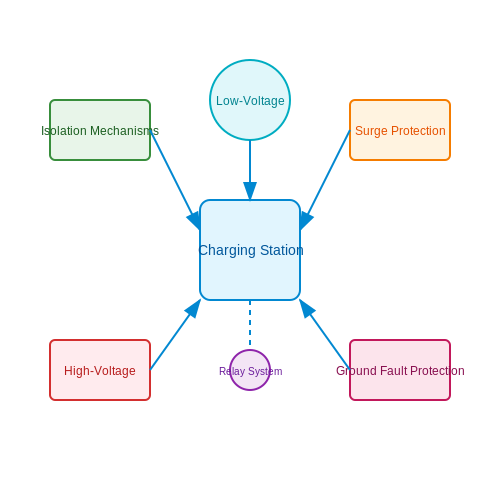
- Isolation Mechanisms: Implementing isolation transformers and relay systems helps separate the station's high-voltage components from low-voltage control systems, thus reducing shock risks.
- Surge Protection: Devices should be equipped with surge protective devices (SPDs) to prevent damage from voltage spikes due to lightning or switching operations.
- Ground Fault Protection: Ground Fault Circuit Interrupters (GFCIs) are essential in detecting unintended current paths and shutting down power instantaneously, thereby preventing electric shock.
Operational Safety Guidelines
In addition to robust design practices, operational guidelines play a crucial role in mitigating risks at charging stations. Training personnel in safety procedures, routine maintenance inspections, and real-time monitoring can significantly reduce accidents. Moreover, signage displaying safety protocols and emergency procedures must be prominently placed near charging units.
Load Management Systems
Implementing smart load management systems can also enhance safety. These systems automatically balance the loads across multiple charging points and prevent overload conditions that could lead to overheating or failure of electrical infrastructure. Active monitoring of current and voltage levels allows for real-time alerts and immediate action, which is essential for maintaining safety.
Emergency Planning and Response
All charging stations must have well-defined emergency response plans. These plans should detail procedures for handling electrical faults, chemical spills (if applicable), and emergency evacuations. Regular drills can prepare personnel to respond effectively in the event of a crisis, further enhancing the overall safety framework.
Complying with Regulatory Standards
Finally, compliance with local and international regulatory standards is non-negotiable. This includes certification for safety performance and abiding by testing protocols conducted by recognized organizations. These regulations not only ensure safety but also enhance trust among users and stakeholders, thereby driving the adoption of electric mobility solutions.
In conclusion, the intersection of advanced design protocols, meticulous operational guidelines, and robust regulatory compliance forms a comprehensive approach to safety and risk management in charging station electronics. The continual evolution of technology and standards calls for ongoing education and adaptation among professionals in the field.
6. Advancements in Charging Speed
6.1 Advancements in Charging Speed
In the ever-evolving landscape of electric vehicle (EV) technology, the quest for faster charging solutions has reached remarkable heights. As the demand for EVs increases, it is imperative to enhance the efficiency and speed at which these vehicles can be rejuvenated. Recent advancements in charging technology have not only focused on improving charging times but have also incorporated innovations in materials, power electronics, and charging protocols.
One significant advancement is the adoption of high-power charging technology. This technique utilizes higher voltage levels—typically above 400 volts—along with higher current ratings to reduce charging times significantly. This is a shift from traditional charging systems, which commonly operated at 120V or 240V. For instance, Tesla's Supercharger network employs systems that can deliver up to 250 kW of power, allowing a vehicle to regain approximately 75 miles of range in just 5 minutes.
Understanding the Math Behind Charging Speed
The charging speed, or the rate at which energy is transferred to an EV battery, can be calculated with the formula:
Where:
- P is the power (in watts)
- V is the voltage (in volts)
- I is the current (in amperes)
To exemplify, if a charging station operates at 350 V and delivers a current of 500 A, the power delivered would be:
This increase in power output majorly contributes to rapid charging capabilities. However, practical implementations face challenges such as thermal management and battery chemistry, which can limit the maximum charging rates.
Innovations in Battery and Materials
A pivotal aspect of quick charging lies within battery technology. Recent advances in lithium-ion and solid-state batteries are paramount. Solid-state batteries utilize a solid electrolyte instead of a liquid one, enhancing ionic conductivity and allowing for faster charging without compromising safety or longevity. For example, companies such as QuantumScape are making strides in this technology, which promises to significantly reduce charging times while increasing energy density.
The Role of Smart Charging Protocols
Finally, advancements in smart charging protocols and communication standards are essential for achieving optimal charging speeds. The ISO 15118 protocol allows for bi-directional charging capabilities. This means that vehicles can communicate with a charging station to optimize charging rates based on grid conditions and energy prices. This smart tech not only aids in fast charging but also integrates the vehicle into the changing landscape of energy management, allowing for vehicle-to-grid systems that can enhance overall grid stability and efficiency.
In conclusion, the advancements in charging speed for electric vehicles embody a combination of innovative technologies, from power electronics to smart protocols. As these technologies continue to evolve, the future of electric mobility promises even more groundbreaking improvements, making faster, safer, and more efficient charging a reality across the globe.
6.2 Integration with Renewable Energy Sources
The increasing demand for sustainable energy solutions has propelled the integration of renewable energy sources into charging station electronics. In this subsection, we will explore how energy from sources such as solar and wind power can be effectively harnessed, stored, and utilized for charging electric vehicles (EVs). This integration not only reduces reliance on fossil fuels but also enhances operational efficiency and sustainability for charging infrastructures.
Understanding Renewable Energy Sources
Renewable energy sources are primarily derived from natural phenomena that are replenished continuously, including solar radiation, wind energy, hydroelectric power, and biomass. Among these, solar and wind energy have gained considerable traction in charging station applications. These sources can be easily incorporated into existing electrical systems utilizing power electronics interfaces, such as inverters and controllers.
Solar Photovoltaic Systems
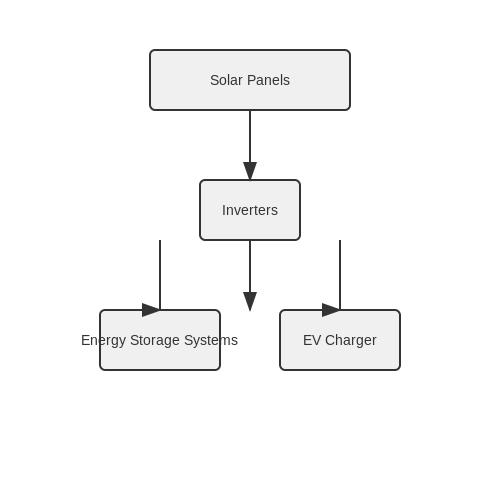
Solar panels, or photovoltaic (PV) systems, convert sunlight directly into electricity via the photovoltaic effect. The typical architecture of a solar charging station includes:
- Solar Panels: These generate direct current (DC) electricity when exposed to sunlight.
- Inverters: These convert DC into alternating current (AC) to match grid requirements, or may feed into a DC charging system directly.
- Energy Storage Systems (ESS): Battery systems, such as lithium-ion or flow batteries, store excess generated energy for later use, ensuring that fluctuations in sunlight do not disrupt charging operations.
Example Calculation
To simplify the understanding of energy output, let's consider a solar panel installation. Assume a solar panel with a power rating of 300 W operates for an average of 5 sunlight hours per day. The energy produced can be calculated as follows:
Where:
- $$E$$ = energy in watt-hours (Wh)
- $$P$$ = power in watts (W)
- $$t$$ = time in hours (h)
Substituting the values:
This output illustrates how a single solar panel can significantly contribute to the energy needs of an EV charging station.
Wind Energy Integration
Wind turbines convert kinetic energy from wind into electrical energy using a generator. Just like solar systems, an efficient wind energy system for charging stations includes both generation and storage components:
- Wind Turbine: Captures wind energy and converts it into mechanical energy, which is then converted into electrical energy.
- Controller: Facilitates energy flow to the battery storage system, ensuring optimal charging processes.
It’s essential to consider the variability of wind resources, which can affect the reliability of energy supply. A hybrid approach that combines both solar and wind systems can provide a more consistent and robust energy supply for charging stations.
Real-world Applications and Challenges
Various cities globally are beginning to roll out renewable-integrated charging stations. For instance, in Berlin, Germany, a network of solar-powered EV charging points has been developed, with a substantial grid augmentation planned through further solar and wind installations. However, challenges such as initial capital costs, energy storage solutions, and regulatory frameworks remain pivotal in driving the adoption of renewable energy in charging stations.
In summary, the integration of renewable energy sources into charging station electronics presents a sustainable pathway for meeting the electricity demands of electric vehicles. By leveraging solar and wind energy along with advanced energy storage solutions, charging infrastructure can vastly reduce its carbon footprint, contributing to a cleaner environment and a resilient energy future.
6.3 The Impact of Smart Grids
As our energy consumption patterns evolve, the integration of smart grids into the electrical infrastructure becomes paramount, especially concerning charging stations for electric vehicles (EVs). Smart grids represent a modernization of the electrical grid that enhances the reliability, efficiency, and sustainability of electricity distribution. This section delves into how smart grids enhance the operation of charging stations, exploring their functionalities, advantages, and implications for the future of sustainable energy use.
Understanding Smart Grids
Smart grids utilize digital technology to monitor and manage the transport of electricity from all generation sources to meet the varying electricity demands of end users. They incorporate a wide array of functions including advanced metering infrastructure (AMI), energy management systems, and two-way communication between utility companies and consumers. The advent of smart grids aids in optimizing the electrical supply chain by providing real-time data analytics and enhancing the operational efficiency of charging stations for EVs.
Enhanced Load Management
One of the critical benefits of smart grids is their ability to manage electricity loads more effectively. Charging stations, particularly in urban environments, need mechanisms to balance demand and supply to avoid grid overloads. Smart grids enable dynamic load management through Demand Response (DR) programs, where EV charging can be scheduled during off-peak hours or in response to real-time grid conditions.
The implementation of DR strategies can be analyzed mathematically, using the following equation to determine the optimal charging times based on predicted energy demand:
Here, \(E_{ch}\) represents the total energy charged during the period from \(t_1\) to \(t_2\), and \(P_{d(t)}\) is the power demand as a function of time. This integral helps optimize when and how much energy should be allowed for charging based on grid capacity, thus minimizing strain on the electrical system.
Interoperability and Communication
Smart grids trump traditional grids through their emphasis on interoperability, which is critical in environments with multiple charging stations. They facilitate communication through standardized protocols, allowing charging stations to receive real-time data regarding energy pricing, grid status, and power availability. This not only enhances the user experience but also promotes distributed energy resources (DERs) such as solar panels and battery storage systems that can further augment energy availability at charging stations.
Incorporating Renewable Energy Sources
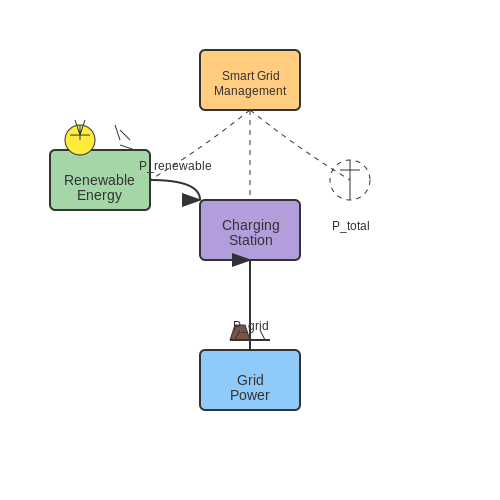
Another substantial impact of smart grids is their facilitation of integrating renewable energy sources into the electricity mix. Charging stations connected to smart grids can harness energy from solar or wind sources, especially during peak generation times. This degree of integration lessens reliance on fossil fuels and illustrates a step towards reducing greenhouse gas emissions. The simulation of energy flow can be represented mathematically as follows:
In this equation, \(P_{total}\) is the overall power supplied to the charging station, while \(P_{renewable}\) is the energy generated from renewable sources and \(P_{grid}\) represents grid-supplied power.
Grid Resilience and Security
Implementing smart grids also contributes significantly to the resilience of the electrical infrastructure. Through real-time monitoring, followed by automated responses to anomalies such as outages or disturbances, smart grids can maintain the stability of the grid, ensuring that EV charging stations remain operational even when facing potential disruptions. This resilience is crucial, as EV charging can be concentrated during specific periods, leading to increased risk of outages in traditional systems.
Real-World Case Studies
Several cities around the globe have already begun to integrate smart grid technologies into their charging infrastructure. For instance, San Diego’s smart grid system dynamically adjusts EV charging rates based on solar generation levels, effectively supporting greater adoption of electric vehicles.
Similarly, in Europe, pilot projects across various cities are showing that integrating smart charging infrastructure can alleviate traffic congestion through more strategic location and load management of chargers, offering a template for future systems worldwide.
In conclusion, the impact of smart grids on charging stations is profound, affecting load management, communication systems, renewable energy integration, and overall grid resilience. As the number of electric vehicles continues to rise, it becomes increasingly critical to leverage smart grid technologies to ensure a robust and responsive charging infrastructure.
7. Primary Literature and Textbooks
7.1 Primary Literature and Textbooks
- Review and comparative analysis of charging station solutions for EVs — This paper provides a comprehensive review of the state-of-the-art in charging station technologies for electric vehicles, examining various solutions for enhancing efficiency and grid integration.
- Smart Grids for Electric Vehicles — This book discusses the integration of electric vehicles with smart grid technologies, focusing on energy management and the role of charging stations in balancing load.
- Electric Vehicle Charging Technology Review and Optimal Charging Technology Selection — This IEEE paper reviews advancements in charging technologies and their implications for the electrical grid, offering insights into selecting optimal charging solutions.
- Electric Vehicle Integration into Modern Power Networks — This textbook provides a detailed examination of the technical challenges and solutions for integrating electric vehicles into current power networks, with a focus on charging infrastructure.
- Charging Technology for Electrical Vehicles — Explores various charging technologies for electric vehicles, including AC, DC, and wireless charging, with detailed technical specifications and case studies.
- Advanced DC-DC Converters in Electric Vehicles Charging Systems — This academic paper focuses on the role of DC-DC converters in EV charging systems, highlighting challenges and recent advancements in the field.
- Power Electronics in Smart Grids — Offers insights into the integration of power electronics in smart grid systems, with a particular focus on charging infrastructure for electric vehicles.
7.2 Online Resources and Articles
- Electronics for Fast Charging Stations — This article from the Department of Energy discusses the electronics involved in fast charging stations, exploring power systems and efficiency improvements.
- Review of Standards for EV Charging Stations — A comprehensive review found on ScienceDirect, detailing various international standards applicable to electric vehicle charging stations.
- IEEE Xplore Digital Library on Charging Solutions — A collection of scholarly articles and papers on the latest technical developments and research in charging station technologies.
- Charge Forward: Intelligent Energy Services — This Cisco blog post explores how networking and intelligence in charging stations can facilitate better energy services.
- Technology Analysis of Electric Vehicle Charging with Smart Grids — An in-depth report by the National Renewable Energy Laboratory on merging electric vehicle charging stations with smart grid technologies.
- EV Battery Chargers: Principles, Technologies, and Challenges — A scholarly paper that discusses the fundamental principles, innovative technologies, and challenges faced by modern EV battery chargers.
- Power Electronics in Next-Generation Charging Stations — Published on MDPI, this article delves into the role of power electronics in the evolution of charging stations for electric vehicles.
- Energy Efficiency in Charging Infrastructures — A SpringerLink article that explores various strategies and technologies aimed at improving the energy efficiency of electric vehicle charging infrastructures.
7.3 Industry Standards Documents
In the realm of charging station electronics, industry standards play a crucial role in ensuring interoperability, safety, and optimal performance. These standards are developed by international bodies and well-recognized industry associations to set benchmarks for technology and process consistency.
The Need for Industry Standards
As electric vehicles (EVs) become more prevalent, the infrastructure supporting them must be reliable and universally accessible. Industry standards address these needs by:
- Ensuring Compatibility: Charging stations must be compatible with various EV models from different manufacturers.
- Promoting Safety: Standards set guidelines for safe operation to prevent accidents and hazards.
- Facilitating Innovation: Baseline standards allow innovators to build and improve upon established systems effectively.
Key Standards for Charging Station Electronics
A comprehensive understanding of the following key standards is essential for those working in the design and implementation of charging stations:
IEC 61851
The International Electrotechnical Commission (IEC) 61851 standard is fundamental for charging stations. It outlines the general requirements for EV charging systems, including aspects like safety, control, and communication protocols. The standard has several parts, each focusing on specific areas, such as electric vehicle conductive charging systems.
SAE J1772
This standard, developed by the Society of Automotive Engineers (SAE), specifies the physical, electrical, communication protocol, and performance requirements for EV charging. The J1772 connector is widely used in North American EVs.
ISO 15118
The ISO 15118 standard focuses on the communication between EVs and charging stations. This communication is crucial for functions like smart charging and plug-and-charge operations. By facilitating seamless communication, ISO 15118 supports advanced charging solutions, including bidirectional charging where vehicles can return power to the grid.
Understanding these standards not only ensures compliance but also equips engineers and designers with the knowledge to create future-proof charging solutions. These standards are continually evolving to adapt to new technological advances and market needs.
For more information on these standards, refer to the documents provided by standard-setting organizations such as the IEC, SAE, and ISO. Each organization frequently updates its standards as technology and industry practices evolve.
Resources for Further Understanding
Accessing industry standards documents often requires membership or purchase. However, several resources provide overviews and interpretations that can be helpful:
- IEC 61851-1:2017 Preview — A detailed overview of the general requirements for conductive charging systems, providing insight into safety and operational protocols.
- SAE J1772 Standard — Defines the electric vehicle conductive charge coupler, focusing on compatibility and performance metrics.
- ISO 15118 Overview — Details the vehicle-to-grid communication interface, emphasizing the benefits of smart charging and plug-and-charge technology.
- Open Charge Point Protocol (OCPP) — A summary of the protocol for managing communications between charging stations and central systems for improved operation and ease of management.
- IEEE Power & Energy Society — An expansive repository of resources and papers on power and energy, including charging standards, smart grids, and innovative solutions in the field.