Battery Technologies
1. Historical Development of Batteries
1.1 Historical Development of Batteries
The evolution of battery technology has been a journey through scientific inquiry, ingenuity, and the transformative demands of society. It is marked by a series of key innovations, each building upon the discoveries of its predecessors, leading to today’s diverse range of energy storage solutions. This section navigates through the significant milestones in the historical development of batteries, from their inception to the modern advancements that define contemporary applications.
Early Beginnings: The Voltaic Pile
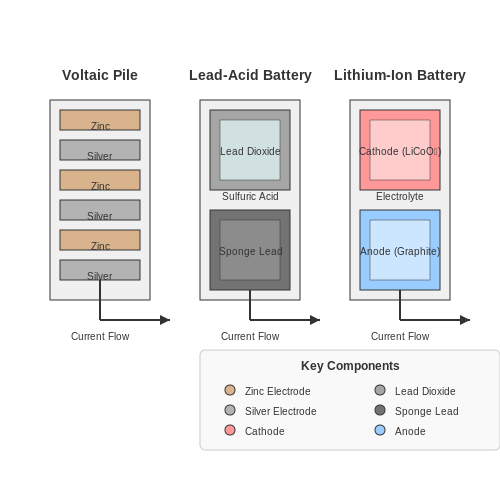
The genesis of battery technology can be traced back to the early 19th century with the invention of the voltaic pile by Alessandro Volta in 1800. Comprising alternating discs of zinc and copper, the voltaic pile was the first practical device capable of producing a steady and reliable flow of electric current. This breakthrough set the foundational principles of electrochemistry and played a vital role in the eventual development of batteries as we know them today.
Volta's work led to a significant paradigm shift in the understanding of electricity, proposing that chemical reactions could be harnessed to create electrical energy. The voltaic pile catalyzed further exploration into the properties and behaviors of different materials used in electrochemical cells.
Development of the Lead-Acid Battery
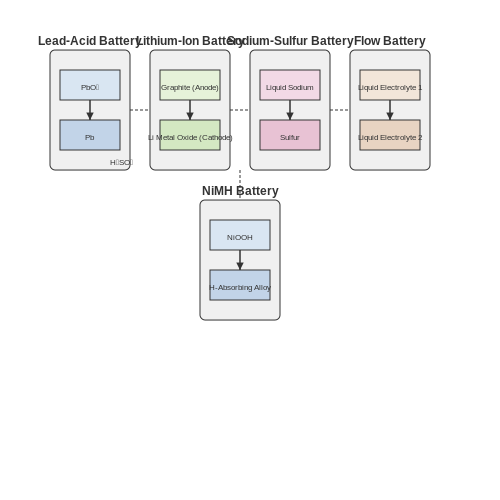
Fast forward to 1859, when Gaston Planté invented the lead-acid battery, which remains one of the most widely used energy storage systems due to its reliability and cost-effectiveness. This battery type employs lead dioxide as the positive electrode, sponge lead as the negative, and sulfuric acid as the electrolyte. The lead-acid battery was primarily employed in automotive applications, providing a practical solution to the growing demand for portable electricity.
This formulation illustrates the capacity of a battery where \(V\) represents voltage, \(I\) current, and \(t\) time. Understanding this relationship is crucial in assessing battery performance during applications such as starting vehicles and assisting in renewable energy storage systems.
The Emergence of Nickel-Cadmium and Beyond
In the early 20th century, advancements continued with the nickel-cadmium (NiCd) battery introduced in the 1890s. These rechargeable batteries offered improved energy density and cycle stability, making them suitable for portable electronics and emergency power systems. However, concerns regarding cadmium toxicity prompted the search for greener alternatives.
Modern Innovations: Lithium-ion Batteries
The real game-changer in battery technology arrived in the 1990s with the advent of lithium-ion (Li-ion) batteries. Unlike their predecessors, Li-ion batteries provide higher energy density, lighter weight, and longer life cycles, making them indispensable in consumer electronics, electric vehicles (EVs), and renewable energy systems.
The distinctive architecture of Li-ion cells allows for a reversible lithium-ion intercalation and de-intercalation within the anode and cathode respectively during charge and discharge cycles. Their efficiency has revolutionized other industries by facilitating the transition towards sustainable energy solutions.
Conclusion: The Road Ahead
The historical timeline of battery development illustrates how ongoing research and innovation meet the evolving challenges of energy storage. Current trends focus not only on enhancing energy density and efficiency but also on minimizing environmental impact through the development of sustainable battery materials and recycling technologies. As research progresses into solid-state batteries and beyond, the potential for even more groundbreaking advancements seems limitless.
1.2 Importance of Battery Technologies
In the contemporary landscape of technology, battery technologies play a pivotal role across numerous sectors. Their significance extends beyond simple power storage; they are integral to advancements in mobile computing, renewable energy integration, and electric transportation. Understanding the importance of these technologies entails not only recognizing their operational mechanics but also examining their environmental and economic impacts.
Facilitating Energy Transition
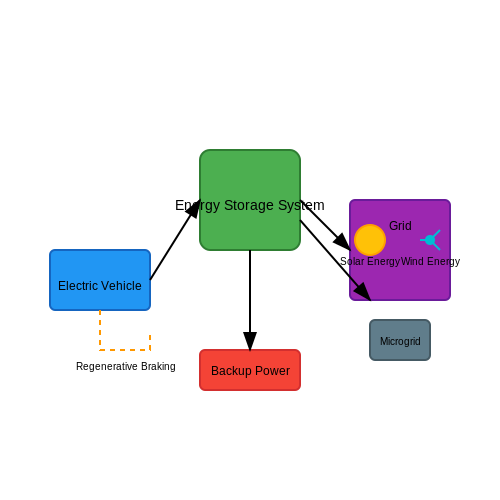
With the urgent need to transition towards sustainable energy sources, battery technologies have emerged as a critical component in this movement. Energy storage systems, particularly those leveraging advanced battery chemistries such as lithium-ion and solid-state batteries, enable the effective utilization of renewable sources like wind and solar. These batteries can store excess energy generated during peak production times and release it when demand exceeds generation capacity, thus stabilizing energy supply.
Electric Vehicles and Transportation
The automotive industry has witnessed a significant transformation due to the advent of electric vehicles (EVs) powered by advanced battery technologies. Automobile manufacturers are investing heavily in research to create batteries that can deliver longer ranges, shorter charging times, and greater durability. For instance, lithium iron phosphate (LiFePO₄) batteries are gaining traction due to their safety, longevity, and thermal stability, making them ideal candidates for automotive applications.
Challenges and Opportunities
Despite the considerable advantages, there lie challenges in battery technology development. Issues such as resource scarcity (notably for lithium and cobalt), battery efficiency, and recycling must be addressed. Companies are exploring innovations like solid-state batteries or alternative chemistries such as sodium-ion and zinc-air, showcasing the dynamic nature of research in this field.
Moreover, the ability to effectively recycle batteries at the end of their life cycle can mitigate environmental impacts and open new economic opportunities, thus creating a circular economy around battery usage. Efforts in developing better recycling techniques and understanding the lifecycle impacts of different types of batteries underscore the necessity for engineers and researchers to prioritize sustainability in their designs.
Real-World Applications
The real-world applications of battery technologies span various domains. From consumer electronics such as smartphones and laptops relying on lithium-ion batteries to large-scale applications in grid storage that coexist with renewable energy, the versatility and importance of battery systems cannot be overstated.
Moreover, the integration of smart technology into battery management systems allows for enhanced performance and monitoring, driving efficiency in energy use and management. This intersects technology and user convenience, setting a foundation for future innovations in energy consumption patterns.
In summary, battery technologies are not merely ancillary components but central enablers of modern energy systems, sustainable transportation, and ecological stewardship. As the quest for enhanced performance continues, the emphasis on innovative chemistry and sustainable practices will shape the next generation of battery technologies.
2. Primary Batteries
2.1 Primary Batteries
Primary batteries, often referred to as non-rechargeable or disposable batteries, serve as a vital energy source in various applications requiring portable power. Unlike their rechargeable counterparts, primary batteries are designed for single-use, which aligns them with specific demands in consumer electronics, medical devices, and emergency systems. As the foundational building blocks of modern electronics, understanding their construction, working principles, and applications is essential for engineers, researchers, and advanced students alike.
Composition and Types
Primary batteries encompass a wide array of chemistries, but they can generally be categorized into several types based on their electrochemical reactions:
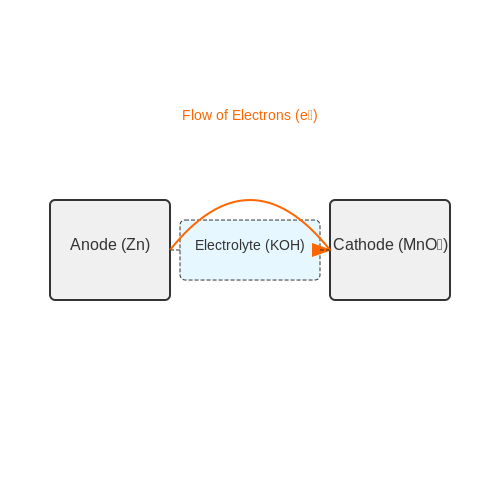
- Alkaline Batteries: Comprising zinc and manganese dioxide, these batteries are widely used in household applications due to their energy density and relatively low cost.
- Zinc-Carbon Batteries: Featuring a zinc anode and a carbon rod as the cathode surrounded by an electrolyte, these cost-effective batteries are suitable for low-drain devices.
- Lithium Batteries: Utilizing lithium as an anode, these batteries offer superior energy density and are prevalent in high-performance electronics, such as cameras and watches.
- Silver-Oxide Batteries: Known for their high energy density and stable voltage output, these batteries are commonly employed in small electronics and hearing aids.
How They Work
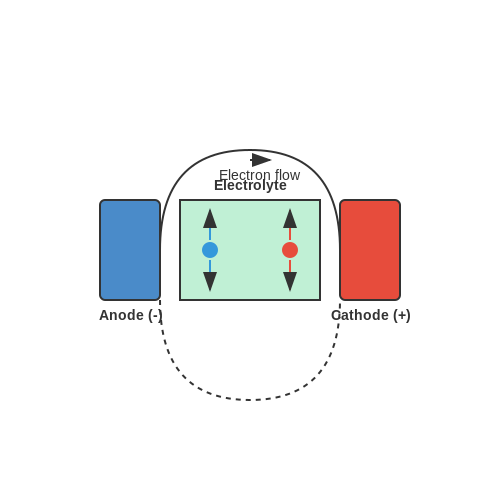
The operation of primary batteries is predicated on electrochemical reactions that occur within the cell. When a primary battery is connected to an external circuit, a chemical reaction occurs between the anode (negative terminal) and cathode (positive terminal) that facilitates the migration of electrons. The resulting flow of electrons provides the necessary current for device operation. Importantly, once the reactants are depleted through discharge, the battery cannot be recharged.
Consider an alkaline battery as a case study to illustrate this concept. The cathodic reaction is typically the reduction of manganese dioxide:
Simultaneously, the anodic reaction involves the oxidation of zinc:
The overall cell reaction can be summarized as:
Advantages and Limitations
The appeal of primary batteries lies in their simplicity and convenience. They require no charging infrastructure and can be easily stored for extended periods. However, they also exhibit significant limitations:
- Non-rechargeable: Once depleted, they require disposal or recycling, contributing to environmental waste.
- Energy Density: While some primary batteries offer good energy density, they still fall behind in performance compared to rechargeable lithium-ion batteries.
- Temperature Sensitivity: Many primary batteries can suffer from reduced performance in extreme temperatures, making them less reliable in harsh environments.
Applications
Primary batteries are utilized across many domains, including:
- Consumer Electronics: Commonly found in devices such as remote controls, flashlights, and toys.
- Medical Devices: Critical for powering devices like pacemakers and portable medical equipment where reliable power is crucial.
- Aerospace and Defence: Essential for safety equipment and backup systems, where longevity is vital.
The primary battery's role in modern technology cannot be overstated. As innovations continue to evolve, the exploration of new materials and formulations is gaining momentum, paving the way for enhanced performance and reduced environmental impact.
Understanding primary batteries provides a strong foundation for developing energy solutions in advanced applications, where reliable power sources are essential.
2.2 Secondary Batteries
Secondary batteries, commonly referred to as rechargeable batteries, have a pivotal role in modern power storage systems. Unlike primary batteries that are designed for single-use, secondary batteries can be recharged and reused multiple times, making them essential in a variety of applications ranging from consumer electronics to electric vehicles and renewable energy systems.
To understand secondary batteries, it’s important to be familiar with the key processes involved in their operation. The fundamental principle behind their functionality is the reversible electrochemical reaction that allows the battery to discharge and recharge. During discharge, chemical energy is converted into electrical energy. Conversely, during the charging process, electrical energy is converted back into chemical energy, restoring the battery's capacity.
Types of Secondary Batteries
Several types of secondary batteries are widely used, each with distinct chemistries and applications:
- Lithium-Ion Batteries: Known for their high energy density and lightweight, lithium-ion batteries dominate portable electronic devices and electric vehicles. Their excellent cycle life and efficiency make them a popular choice across various sectors.
- Nickel-Metal Hydride (NiMH): These batteries are favored for hybrid electric vehicles and some consumer electronics due to their relatively high capacity and good performance at different temperatures.
- Lead-Acid Batteries: Although older technology, lead-acid batteries are extensively used in automotive applications and for backup power supplies. They provide a robust, cost-effective option despite their lower energy density compared to modern chemistries.
- Nickel-Cadmium (NiCd): Once popular in power tools and portable devices, NiCd batteries are now less common due to environmental concerns over cadmium. However, they still provide excellent performance in extreme conditions.
Electrochemical Mechanism
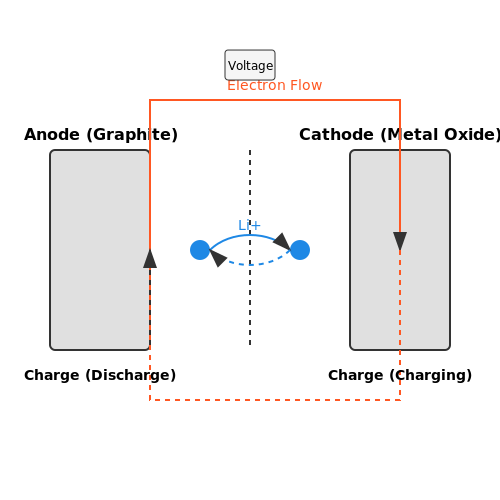
The electrochemical reactions in secondary batteries can be represented by specific redox (reduction-oxidation) reactions. For instance, in a lithium-ion battery, during discharge, lithium ions migrate from the anode (typically graphite) to the cathode (usually a metal oxide), resulting in the release of energy. The reverse process occurs during charging, with lithium ions returning to the anode.
The voltage of a battery can be described through the Nernst equation, which considers the concentrations of the reactants and products:
Where:
- E: Cell potential
- E°: Standard cell potential
- R: Universal gas constant (8.314 J/(mol·K))
- T: Temperature in kelvins
- n: Number of moles of electrons transferred
- F: Faraday's constant (96485 C/mol)
- Q: Reaction quotient
This equation provides insight into the behavior of the battery under different conditions, emphasizing the importance of understanding concentration and temperature on performance.
Challenges and Future Trends
While secondary batteries have revolutionized energy storage, they face challenges such as degradation, capacity loss, and thermal runaway risks. Research continues to address these issues, focusing on improving battery life, safety, and environmental impacts.
Promising developments in battery technologies include:
- Solid-State Batteries: Offering greater safety and higher energy density than traditional designs, they represent a significant advancement in battery technology.
- Next-Generation Lithium-Ion Chemistry: Innovations involving silicon anodes and alternative cathode materials are being explored to enhance performance and reduce costs.
- Circular Economy Approaches: Processes for battery recycling and repurposing are progressively gaining focus to minimize environmental impact and optimize resource utilization.
The potential for improved energy storage systems through secondary batteries is immense, with ongoing research and development steering us toward safer, more efficient, and environmentally friendly solutions. Thus, as the demand for sustainable energy solutions increases, secondary batteries are likely to play an even more critical role in the global transition to clean energy.
2.3 Flow Batteries
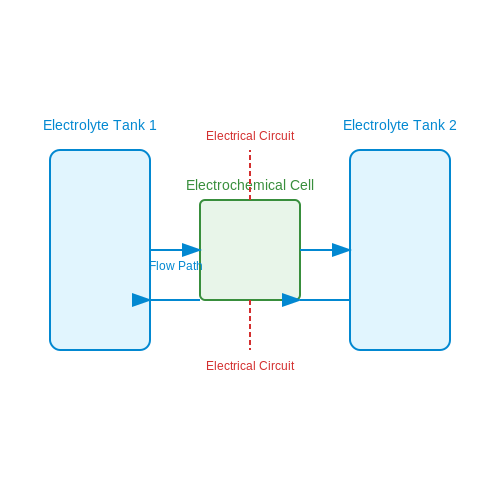
Flow batteries represent a distinctive approach to energy storage, standing apart from traditional batteries due to their unique design and operational principles. Utilizing liquid electrolytes that circulate through an electrochemical cell, flow batteries offer the capacity for extensive energy scaling and flexible discharge times, making them an attractive option for various large-scale applications, including renewable energy integration and grid support. To better understand flow batteries, it’s essential to first recognize their fundamental components: the electrolyte solutions, which are stored separately in external tanks, and the electrochemical cells where the energy conversion occurs. This separation allows for a more scalable energy capacity; by increasing the volume of the electrolyte, we can augment the energy stored without impacting the system's power output. A flow battery system typically operates through two half-cell reactions that occur in each of the two tanks containing the electrolytes. For instance, in a vanadium redox flow battery (VRFB), vanadium ions in different oxidation states are oxidized and reduced, accompanied by the transfer of electrons through an external circuit. The simultaneous flow of electrolytes containing these ions ensures a continuous generation of electrical energy as long as the reactants are available. Let’s derive the basic equation governing the energy output of a flow battery: The total energy (\(E\)) that a flow battery can deliver is determined by the following formula: $$ E = V \cdot Q $$ Where: - \(E\) is the energy in watt-hours (Wh). - \(V\) is the average cell voltage during operation (V). - \(Q\) is the total charge transferred, which can be determined from the flow rate and time. To expand on this, the charge (\(Q\)) can also be expressed as: $$ Q = I \cdot t $$ Where: - \(I\) is the current (A). - \(t\) is the time duration for which the current flows (h). Substituting this into the initial energy equation gives us a comprehensive view: $$ E = V \cdot (I \cdot t) $$ This equation illustrates that the energy output is directly proportional to the voltage, current, and time, underscoring the operational flexibility of flow batteries. This is particularly beneficial for applications requiring long-duration energy discharge, such as supporting renewable energy sources or load balancing in electrical grids. Due to the modularity of flow batteries, they have seen significant real-world applications. Large-scale solar and wind energy deployments can leverage flow batteries to store surplus energy generated during peak production times, therefore stabilizing the grid and delivering power even when generation fluctuates. A notable example is the use of flow battery systems by utilities to enhance grid resilience and manage energy loads more effectively. As research progresses, flow batteries are continuously being optimized in terms of cost, energy density, and lifespan, as new materials and designs are explored to further enhance their commercial viability. In conclusion, flow batteries present a unique and efficient solution for energy storage, particularly suited for applications that demand scalability and extensive discharge durations. This ability to decouple energy capacity from power rating positions flow batteries as an essential technology in the energy landscape of the future.2.3 Flow Batteries
2.4 Solid-State Batteries
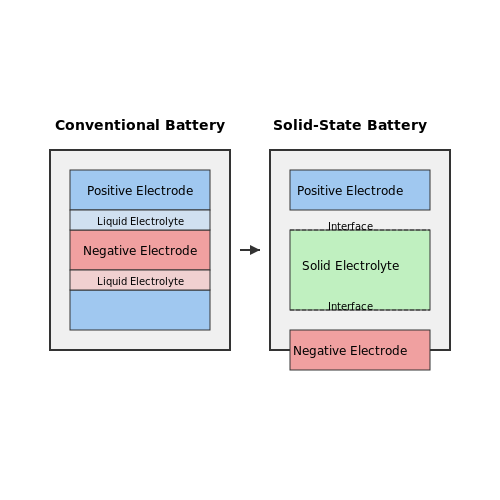
Solid-state batteries represent a significant advancement in energy storage technology, shifting away from traditional liquid electrolyte systems to solid electrolytes. This transition has implications not only for performance but also for safety, reliability, and long-term sustainability.
The Fundamentals of Solid-State Batteries
At the core of solid-state battery technology lies the replacement of the liquid electrolyte found in conventional lithium-ion batteries with a solid electrolyte. This solid medium can be composed of various materials, including ceramics, polymers, or sulfides. Unlike conventional batteries, which rely on a liquid electrolyte for ion transport, solid-state batteries achieve ion conductivity through a solid state, thus enhancing structural integrity.
Advantages Over Conventional Batteries
One of the primary advantages of solid-state batteries is their potential for increased energy density. Because solid-state systems can accommodate a greater amount of active material, they generally achieve higher energy storage capacities compared to their liquid counterparts. Additionally, solid-state batteries typically exhibit improved thermal stability, which mitigates risks of fire and chemical leakage.
Key advantages include:- Higher Energy Density: Greater volumetric energy, enabling smaller form factors.
- Enhanced Safety: Reduced flammability and thermal runaway risks.
- Longer Cycle Life: Improved durability with less degradation over time.
Challenges and Development
Despite their promising attributes, the widespread adoption of solid-state batteries faces several challenges. One major hurdle is the manufacturing scalability and cost. The process of synthesizing solid electrolytes and assembling these into functioning batteries often requires complex techniques, driving up production costs.
Another challenge is related to interface stability. The contact between the solid electrolyte and electrodes must be maintained for effective ion transfer. In some cases, the formation of a robust interface can lead to issues like dendrite formation, which can short circuit the battery.
Application Potential
The potential applications for solid-state batteries span across numerous sectors. Particularly in the automotive industry, solid-state technology is being explored for the next generation of electric vehicles (EVs). Their lighter weight and enhanced safety profiles make them attractive alternatives to traditional battery designs.
Moreover, sectors demanding high energy (such as aerospace and portable electronics) could benefit significantly from the efficiency and lifecycle improvements offered by solid-state batteries.
Conclusion
Solid-state batteries stand at the forefront of battery technology evolution, combining enhanced performance with improved safety metrics. As research continues toward overcoming manufacturing challenges and developing scalable production methods, solid-state batteries could reshape the landscape of energy storage solutions and further accelerate the transition to electric mobility and sustainable energy systems.
3. Lithium-Ion Technology
3.1 Lithium-Ion Technology
As we delve into lithium-ion battery technology, we recognize its pivotal role in modern applications ranging from consumer electronics to electric vehicles and renewable energy storage. This technology, characterized by its favorable energy density and long cycle life, has transformed how we use, store, and transport energy.
Fundamentals of Lithium-Ion Batteries
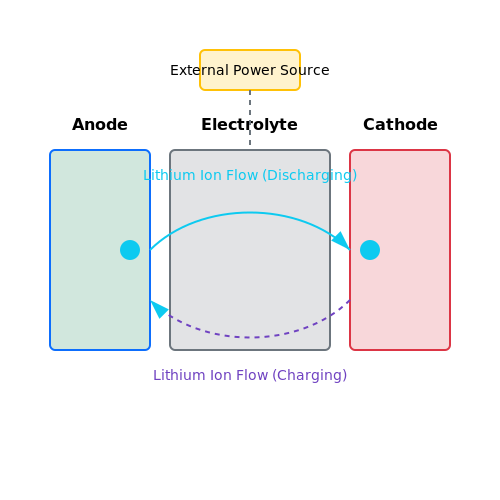
Lithium-ion batteries operate on the movement of lithium ions between two electrodes: the anode, typically made of graphite, and the cathode, commonly composed of lithium metal oxides. During discharging, lithium ions travel from the anode to the cathode through the electrolyte, producing a flow of electrical current. Conversely, during charging, an external power source drives the lithium ions back to the anode.
This bidirectional movement of lithium ions is governed by electrochemical principles, primarily based on Faraday's laws of electrolysis, which relate the amount of substance produced at an electrode to the quantity of electric charge that passes through the circuit. To understand the performance characteristics of lithium-ion batteries, we can quantify the energy and power delivered during charge and discharge.
Energy Capacity and Power Delivery
The energy capacity of a lithium-ion battery, commonly denoted in watt-hours (Wh), is determined by the voltage of the cell and its capacity in ampere-hours (Ah). The relationship is given by:
Where E is the energy in watt-hours, V is the voltage, and Q is the charge in ampere-hours. For example, a battery rated at 3.7V with a capacity of 2Ah would have an energy capacity of:
Power delivery can be described using the equation:
Where P is the power in watts, E is the energy in watt-hours, and t is the time in hours over which the energy is delivered. This equation helps evaluate how quickly a battery can discharge, a critical factor for high-drain applications such as electric vehicles.
Advantages and Limitations
The advantages of lithium-ion technology include:
- High Energy Density: Allows for lighter batteries with longer life.
- Low Self-Discharge Rate: Retains charge for longer periods when not in use.
- Battery Management Systems (BMS): Advanced BMS can provide enhanced safety and longevity.
However, the technology is not without its challenges:
- Temperature Sensitivity: Performance can degrade in extreme temperatures.
- Degradation Over Time: Cycle life can vary, affected by depth of discharge and charging rates.
- Safety Risks: Potential for thermal runaway if not properly managed.
Applications in Real World
In the realm of consumer electronics, lithium-ion batteries power smartphones, laptops, and tablets, enabling portable energy solutions. In electric vehicles (EVs), these batteries provide the capability for longer range and quicker acceleration compared to traditional lead-acid batteries. The efficient renewable energy landscape also leverages lithium-ion technology for storing solar and wind energy, providing stability and reliability in energy supply.
As researchers continue to explore and push the limits of lithium-ion technology, advancements in materials and battery chemistry, such as solid-state batteries or silicon-based anodes, may further enhance performance metrics, aiming for a future where energy storage is even more efficient, safe, and sustainable.
3.2 Nickel-Metal Hydride Chemistry
The Nickel-Metal Hydride (NiMH) battery technology has garnered attention as a pivotal energy storage solution, particularly in the realms of portable electronics and hybrid electric vehicles (HEVs). This interest stems from its compelling energy density, comparatively lower environmental impact than some alternatives, and relatively straightforward manufacturing processes.
3.2.1 Chemical Composition and Electrochemistry
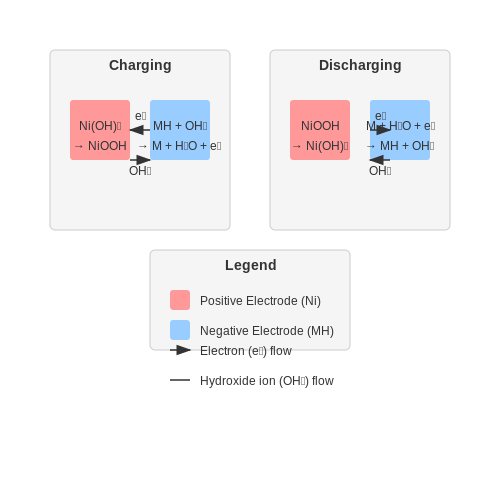
NiMH batteries consist of a positive electrode made from nickel hydroxide (Ni(OH)2) and a negative electrode composed primarily of a metal hydride alloy. The cycle of charge and discharge involves a series of electrochemical reactions. During charging, electrical energy is used to convert Ni(OH)2 to nickel oxyhydroxide (NiOOH) and metal hydride (MH) to metallic hydrogen (M) while water is produced. The reverse reactions occur during discharge, releasing energy.
This transformation indicates that nickel oxyhydroxide serves as a powerful cathode material due to its ability to undergo reversible oxidation and reduction reactions effectively.
3.2.2 Advantages of NiMH Batteries
NiMH batteries deliver several advantages:
- High Energy Density: NiMH batteries can store more energy per unit mass compared to older nickel-cadmium (NiCd) types, making them more suitable for applications requiring prolonged usage.
- Environmental Benefits: NiMH avoids the toxic cadmium found in NiCd batteries, which is a significant advancement in terms of environmental safety.
- Self-discharge Rates: Although NiMH batteries self-discharge more quickly than lithium-ion technologies, improvements have led to advancements that allow them to retain charge effectively.
3.2.3 Real-World Applications
In terms of real-world relevance, NiMH batteries are extensively utilized in hybrid vehicles. The Toyota Prius, for example, demonstrates the integration of NiMH technology for energy recovery and storage in hybrid systems. Additionally, these batteries serve as replacement options for disposable alkaline batteries in high-drain devices such as digital cameras and power tools.
3.2.4 Challenges of NiMH Chemistry
Despite their advantages, NiMH batteries report significant disadvantages that warrant consideration:
- Cost: The production of NiMH batteries can be costlier compared to lithium-ion systems, owing to the material requirements and manufacturing complexity.
- Temperature Sensitivity: Performance can significantly degrade under extreme temperatures, not conducive to all potential application environments.
- Weight: While energy-dense, NiMH batteries tend to have a higher specific weight compared to lithium-ion alternatives, limiting application scopes in weight-sensitive devices.
In conclusion, Nickel-Metal Hydride technology offers a viable and environmentally friendly alternative in specific applications while facing challenges that drive ongoing research and development efforts. Studies focusing on enhancing the efficiency, stability, and manufacturing economy of NiMH batteries are pivotal for future advancements in storage technology.
3.3 Lead-Acid Batteries
Lead-acid batteries represent one of the oldest and most established battery technologies, having been developed in 1859 by Gaston Planté. Their principle of operation relies on electrochemical reactions between lead dioxide (PbO2), sponge lead (Pb), and sulfuric acid (H2SO4). Despite the emergence of various newer battery technologies, lead-acid batteries remain highly relevant due to their practical applications and low-cost manufacturing.
Operating Principle
A lead-acid battery operates on the principle of reversible electrochemical reactions. The two key reactions occur at the anode and cathode during discharge and charge cycles. When the battery discharges, the following reactions take place:
- Anode (negative electrode):
$$ \text{Pb} + \text{H}_2\text{SO}_4 \rightarrow \text{PbSO}_4 + 2\text{H}^+ + 2\text{e}^- $$
- Cathode (positive electrode):
$$ \text{PbO}_2 + 4\text{H}^+ + 2\text{e}^- + \text{H}_2\text{SO}_4 \rightarrow \text{PbSO}_4 + 2\text{H}_2\text{O} $$
Upon charging, these reactions are reversed, converting lead sulfate (PbSO4) back to lead dioxide and sponge lead, while releasing sulfuric acid into the solution. The overall reaction during the cycle can be summarized as:
Design and Variants
Lead-acid batteries come in several design configurations, primarily categorized into two types: flooded (wet) and sealed (maintenance-free). Flooded lead-acid batteries allow for venting gases produced during operation, thus necessitating periodic maintenance. Conversely, sealed lead-acid batteries, which include absorbed glass mat (AGM) and gel batteries, are designed to minimize maintenance by trapping the electrolyte within a fiberglass mat or gel matrix, respectively.
The choice of design significantly impacts various performance metrics, such as cycle life, self-discharge rates, and operational efficiency. Flooded batteries typically provide higher discharge rates and better recovery from deeper discharges, while sealed batteries offer a more compact and safer option for applications where maintenance access might be limited.
Applications in Real-World Scenarios
Lead-acid batteries are extensively utilized in various applications, owing to their maturity and reliability:
- Automotive Industry: The most widely recognized application is in vehicle starter batteries, where they provide the significant surge currents required to start internal combustion engines.
- Uninterruptible Power Supplies (UPS): Lead-acid batteries are commonly used to provide backup power during outages, ensuring that critical systems remain operational.
- Renewable Energy Storage: In off-grid solar systems, they are often employed to store energy generated during the day for use during the night.
Despite the advent of lithium-ion and other advanced battery technologies, lead-acid batteries are likely to persist due to their cost-effectiveness and dependable performance in many applications. Their recycling infrastructure also makes them appealing in sustaining a circular economy approach, particularly as environmental regulations around battery disposal tighten globally.
3.4 Emerging Battery Technologies
As the demand for energy storage increases, especially in the realms of portable electronics, electric vehicles, and renewable energy integration, researchers are racing to develop next-generation battery technologies. These emerging technologies aim to provide solutions that not only emphasize enhanced performance but also sustainability and safety. In this section, we will explore several promising battery technologies that are currently under development or have recently entered the market, analyzing their underlying principles, practical applications, and anticipated impact on various industries.Solid-State Batteries
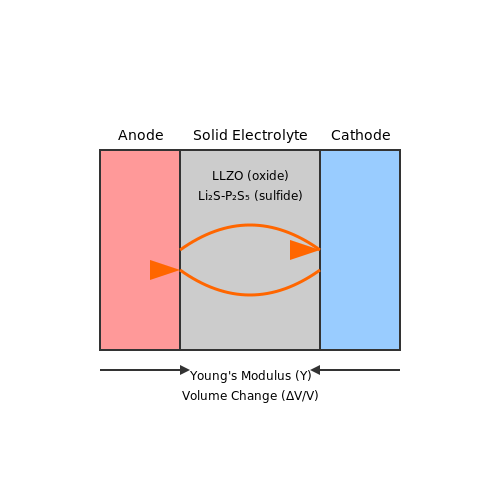
Solid-state batteries represent a significant advancement over traditional lithium-ion batteries, primarily through their use of a solid electrolyte instead of a liquid one. This fundamental change enhances safety by reducing flammability risks associated with liquid electrolytes. Additionally, solid-state design potentially allows for higher energy density since solid electrolytes can provide a greater lithium-ion conductivity than their liquid counterparts. The underlying principle of solid-state batteries involves the movement of lithium ions through a solid medium, typically made of materials like lithium lanthanum zirconate (LLZO) or sulfide-based compounds. This can further lead to improvements in charge/discharge rates and longevity, thus making them suitable for applications in electric vehicles and grid storage. Research into solid-state technology has revealed some of its limitations, such as manufacturing challenges and interface stability. Addressing these challenges is critical for the commercial viability and widespread adoption of solid-state batteries. Currently, companies like QuantumScape and Solid Power are in the lead, aiming to bring these technologies to market by fine-tuning production processes and material science.Sodium-Ion Batteries
Sodium-ion batteries (NIBs) are gaining attention due to the abundance and low cost of sodium relative to lithium. The basic operation of sodium-ion technology mirrors that of lithium-ion batteries, with sodium ions moving between cathodes and anodes during the charge/discharge cycles. The key materials in sodium-ion batteries include various metal oxides for the cathode, such as sodium cobalt oxide or sodium iron phosphate. One of the advantages of NIBs is their potential for sustainable and economic viability. Since sodium is widely available, these batteries can potentially achieve lower costs and reduce reliance on lithium, whose supply is facing increasing geopolitical pressures. However, NIBs do confront challenges related to energy density and cycle life, which researchers are actively working to overcome through innovative material design and battery architectures. Given the ongoing research and commercial interest, sodium-ion batteries could play a useful role in renewable energy storage and grid applications within the next decade.Lithium-Sulfur Batteries
Lithium-sulfur (Li-S) batteries hold promise for achieving high specific energy (up to 500 Wh/kg), which is substantially higher than current lithium-ion chemistries. The fundamental reaction involves the conversion of lithium and sulfur to form lithium polysulfides, which can contribute to increased energy storage capacity. The challenge of Li-S technology primarily lies in its cycle stability; polysulfide dissolution can lead to capacity fading over repeated cycles. Advanced materials, like carbon-based nanostructures or conductive polymers, are being explored to establish more stable battery architectures. The deployment of Li-S batteries could significantly enhance electric vehicle range and performance while also enabling more efficient use of renewable energy resources. Major companies such as Oxis Energy are developing Li-S battery systems for practical applications, showing great promise in various scenarios, including aerospace and exploration technologies.Graphene-Based Batteries
Graphene, a single layer of carbon atoms arranged in a two-dimensional lattice, opens the door to revolutionary advancements in battery technology. Its exceptional electrical conductivity, high surface area, and strength make it an intriguing material for battery electrodes. Graphene-based batteries can offer significantly improved charge rates and energy density compared to traditional batteries. The incorporation of graphene can be used in both lithium-ion and supercapacitor systems to enhance their performance significantly. For instance, combining graphene with silicon for anodes can alleviate the inherent volume expansion challenges that silicon faces during cycling, leading to enhanced lifespan and stability. Applications of graphene batteries are broad and include not only consumer electronics but also electric vehicles and large-scale energy storage solutions. While the commercialization of such technologies is still in its infancy, research and development in this arena are rapidly evolving. In conclusion, the emerging battery technologies discussed present an exciting forefront in energy storage, characterized by increased sustainability and performance metrics. Continuous advancements in materials science and engineering are essential to overcoming current limitations, paving the way for reliable, high-performance batteries that meet the demands of future energy systems. As these technologies mature, they could redefine the landscape of energy storage, influencing sectors from transportation to renewable energy integration.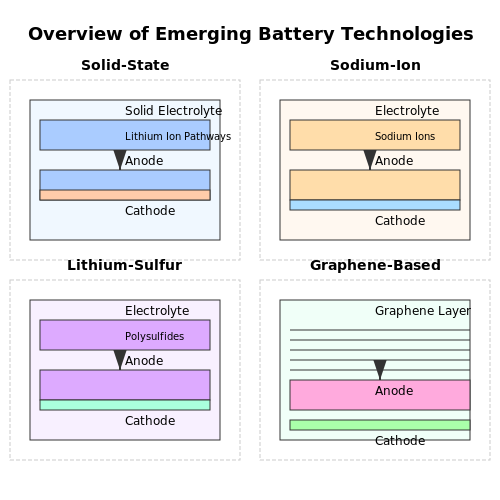
4. Capacity and Energy Density
4.1 Capacity and Energy Density
Examining energy storage technologies necessitates a close look at critical metrics such as capacity and energy density. These defined parameters not only distinguish various battery chemistries but also influence their applications across a myriad of industries, from electric vehicles to portable electronics. Understanding these concepts allows engineers and researchers to innovate more effectively in battery technologies.Understanding Capacity
Battery capacity essentially quantifies the total amount of electrical charge a battery can store, expressed in ampere-hours (Ah) or milliampere-hours (mAh). Higher capacity means that a battery can deliver more current for a longer time before needing to be recharged. For practical application and operational readiness, capacity must be considered alongside the load requirements of the device it powers. For instance, an electric vehicle with a 60 Ah battery can theoretically power a device requiring 15 A for 4 hours. However, it’s essential to recognize that capacity can be impacted by factors such as temperature and charge-discharge cycles. While simple calculations may define capacity, it's also important to consider C-rate, which is the rate of charge or discharge relative to the battery capacity. This leads us to the following relationship: $$ \text{C-rate} = \frac{I}{C} $$ where \(I\) is the current in amperes, and \(C\) is the capacity in ampere-hours.Energy Density: A Critical Performance Metric
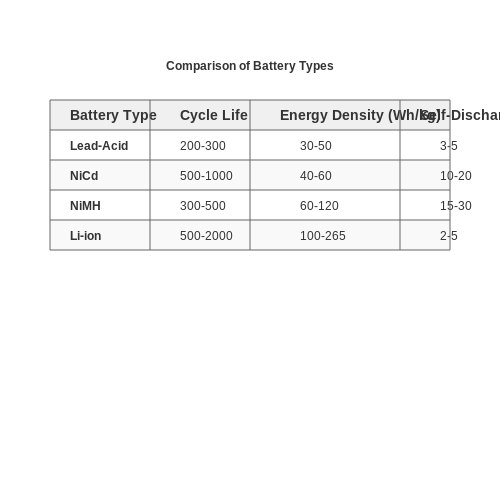
Moving beyond just capacity, energy density provides a more comprehensive view of battery performance. Defined as the amount of energy stored per unit volume (volumetric energy density) or per unit mass (gravimetric energy density), energy density is crucial for applications where space and weight are at a premium. Energy density is typically measured in watt-hours per liter (Wh/L) for volumetric energy density and watt-hours per kilogram (Wh/kg) for gravimetric energy density. The relationship between energy density and capacity can be understood through the relation: $$ \text{Energy Density} = \frac{\text{Battery Capacity} \times \text{Nominal Voltage}}{1000} $$ This equation illustrates how energy density scales with both the capacity of the battery and the voltage supplied. As a simple illustrative case, consider lithium-ion batteries, which typically have an energy density around 150-250 Wh/kg, significantly higher than that of lead-acid batteries, which range around 30-50 Wh/kg.Practical Implications of Capacity and Energy Density
In real-world applications, a battery's capacity and energy density enable designers to draw important conclusions about usability in specific contexts: - Portable Electronics: Devices such as smartphones require high gravimetric energy density to prolong battery life while maintaining a compact form factor. - Electric Vehicles (EVs): The balance of capacity and energy density is critical, facilitating longer distances between charges without overly increasing vehicle weight. - Grid Energy Storage: Here, volumetric energy density can be prioritized, enabling the storage of renewable energy for later use, thus contributing to sustainability efforts. The interplay between capacity and energy density has a direct impact on battery technology development pathways. Ongoing research strives to enhance these metrics, encouraging innovations such as solid-state batteries and new chemistries like sodium-ion systems, which have sought to rival or exceed the performance of current lithium counterparts.Conclusion
In conclusion, capacity and energy density are fundamental metrics that form the backbone of battery performance assessment, shaping not only their design but also informing application-focused innovations within the industry. Understanding these parameters is essential for engineers and scientists seeking to push the boundaries of energy storage technologies.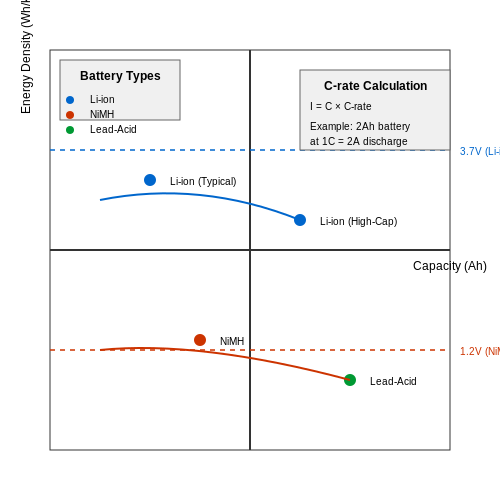
4.2 Charge and Discharge Rates
The charge and discharge rates of batteries are pivotal parameters that dictate not only the efficiency of energy storage but also the overall performance across various applications, from consumer electronics to electric vehicles. Understanding these rates requires a deeper dive into the fundamental processes that govern energy transfer within electrochemical cells.
Understanding Charge and Discharge Rates
The charge rate of a battery refers to the speed at which it can be charged with energy, while the discharge rate indicates how quickly it can release energy during use. These rates are typically expressed in C-rates, which represent the charge or discharge current as a multiple of the battery’s rated capacity. For example, a 1C charge rate means that a battery rated at 1 amp-hour (Ah) would be charged with 1 amp of current. A 2C charge rate would require 2 amps, allowing the battery to recharge in half an hour.
Charge and discharge rates are not solely determined by the battery chemistry but also by the design and physical properties of the battery. Factors such as electrode materials, electrolyte composition, and cell architecture play crucial roles. For instance, lithium-ion batteries can typically tolerate higher C-rates compared to lead-acid batteries due to their superior ionic mobility and lower internal resistance.
The Role of Internal Resistance
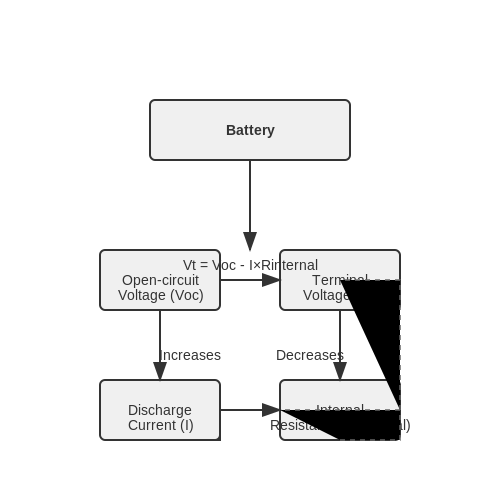
Internal resistance within a battery significantly impacts its charge and discharge capabilities. Internal resistance often arises from the physical and chemical properties of the electrode materials, as well as from the electrolyte and separator design. Higher internal resistance can lead to increased heat production during operation and energy loss. Understanding and minimizing internal resistance can enhance both the charging speed and energy efficiency of the battery.
Relating internal resistance to the charge and discharge dynamics is essential. The following equation illustrates the relationship between terminal voltage, internal resistance, and state-of-charge during discharge:
Where:
- Vt: Terminal voltage
- Voc: Open-circuit voltage
- I: Discharge current
- Rinternal: Internal resistance
Practical Applications and Case Studies
The implications of charge and discharge rates are observable across various domains. For instance, in electric vehicles (EVs), the ability to rapidly charge batteries enhances the convenience for consumers while extending vehicle range through optimized battery management systems that adjust rate based on battery state and ambient conditions. In contrast, consumer electronics require batteries that can discharge quickly to supply transient power for high-performance tasks, such as gaming or video playback.
Furthermore, advancements in battery technologies, such as solid-state batteries, promise to significantly enhance charge and discharge rates while improving energy density and safety. Researchers are focusing on understanding the ion transport mechanisms within solid electrolytes, which may allow for faster charging times and decreased degradation rates compared to traditional liquid electrolytes.
In conclusion, the study of charge and discharge rates involves a complex interplay of chemical, physical, and environmental factors. By optimizing these parameters in battery design, engineers can enhance performance across applications, driving innovation in both consumer electronics and renewable energy solutions.
4.3 Cycle Life and Degradation
The cycle life of a battery is a critical attribute that defines its lifespan and operational efficiency. It refers to the total number of complete charge and discharge cycles a battery can undergo before its capacity falls below a certain threshold, often expressed as a percentage of its original capacity. For lithium-ion batteries, this threshold is commonly set at 80% of initial capacity. Thus, understanding the factors influencing cycle life and degradation mechanisms is essential for battery optimization and selection in various applications, including electric vehicles and portable electronics. As a battery undergoes cycles, factors such as electrode material quality, electrolyte stability, and temperature fluctuations significantly impact its performance. During cycling, a series of physical and chemical processes occur, leading to structural and compositional changes in the battery components. These transformations can increase internal resistance and reduce overall capacity.Degradation Mechanisms
Degradation in batteries arises from various mechanisms that can be classified broadly into two categories: physical degradation and electrochemical degradation.- Physical Degradation: This includes loss of active material, dendrite formation, and electrode particle cracking. These phenomena often occur due to repeated volume changes during cycling, which mechanically stresses the electrode materials.
- Electrochemical Degradation: This encompasses processes such as electrolyte decomposition, solid electrolyte interphase (SEI) layer growth, and lithium plating. These processes can lead to diminished ionic conductivity and reduced lithium ion transport efficiency, significantly affecting cycle life.
Factors Affecting Cycle Life
Several controllable factors can influence the cycle life of batteries:- Charge/Discharge Rates: Higher currents lead to greater stress on the battery materials, accelerating degradation. Hence, maintaining moderate rates can enhance cycle life.
- Temperature: Elevated temperatures can accelerate chemical reactions, leading to faster degradation. Conversely, low temperatures can hinder ionic movement, leading to incomplete reactions and battery inefficiency.
- Electrode Material: Advanced materials such as silicon, which offers high capacity but suffers from significant volume expansion, can improve performance but may reduce cycle life if not properly engineered to mitigate extension.
Practical Relevance and Applications
Recognizing the importance of cycle life in design considerations can guide engineers in selecting appropriate battery technology for specific applications. For heat-sensitive applications, such as electric vehicles, thermal management systems are paramount, along with battery selection that balances energy density with durability. Moreover, understanding the degradation pathways allows researchers to innovate next-generation batteries with improved performance, thus fostering advancements in electric mobility, renewable energy storage, and beyond. In summary, optimizing cycle life and understanding degradation mechanisms are pivotal in advancing battery technologies, leading to more robust, efficient, and sustainable energy systems for future applications. As the demand for energy storage solutions increases, ongoing research into improving battery lifecycle will significantly impact the evolution of modern technology.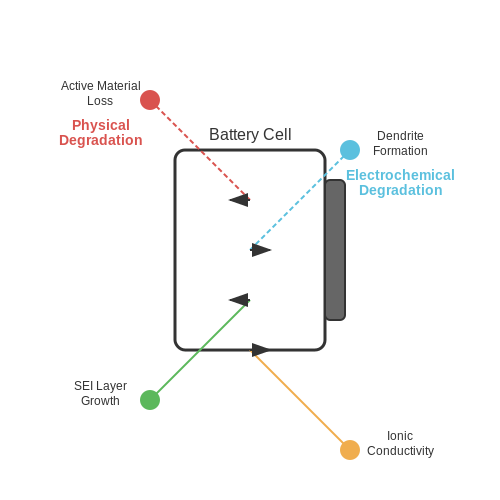
5. Functionality of BMS
5.1 Functionality of BMS
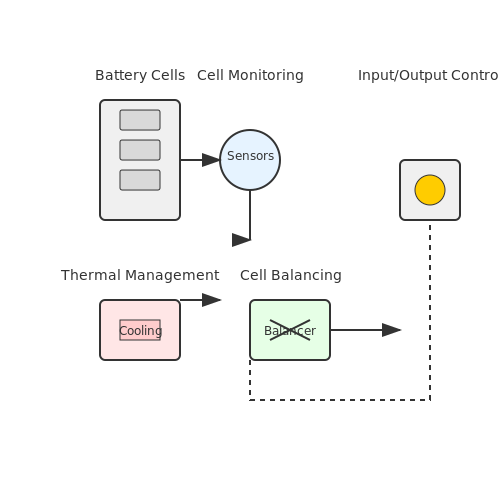
Battery Management Systems (BMS) are critical components in modern battery technologies, acting as the central nervous system that monitors and manages the performance of battery packs. Their functionality extends beyond merely ensuring charge and discharge efficacy; they are essential for optimizing battery life, performance, and safety. This intricate system is vital as we continue to rely on batteries for applications ranging from electric vehicles to renewable energy storage systems.
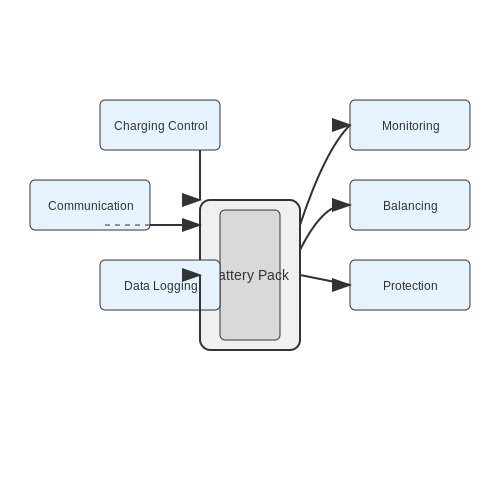
At its core, the BMS performs several key functions:
- Monitoring: Continuously tracks the voltage, current, temperature, and state of charge (SoC) across individual cells within a battery. This information is pivotal for ensuring that each cell operates within its safe limits, thereby preventing thermal runaway and enhancing reliability.
- Balancing: Actively manages the charge levels of individual cells to ensure that all cells are balanced. Without this, some cells may become overcharged while others may remain undercharged, leading to reduced overall capacity and lifespan. Balancing strategies include passive and active balancing techniques.
- Protection: Safeguards against unsafe operating conditions by providing mechanisms to disconnect the battery from the circuit if parameters exceed predetermined thresholds, such as overvoltage, undervoltage, overcurrent, or excessive temperature.
- Communication: Interfaces with the vehicle or system's central controller, providing data necessary for performance evaluation and diagnostics. This functionality aids in predictive maintenance and can guide operational adjustments to optimize battery usage.
- Charging Control: Regulates and manages the charging process according to the battery chemistry and state of health, ensuring that the battery may be charged efficiently while minimizing degradation.
- Data Logging: Records historical data about the battery's performance, which can be useful for analyzing long-term trends and identifying potential issues before they result in failures.
The sophistication of a BMS can vary significantly based on the application. For instance, in electric vehicles, the BMS may integrate with multiple subsystems to provide a holistic view of vehicle performance. This integration is critical for maximizing efficiency and safety during both normal operation and charging cycles.
The effectiveness of a BMS can be illustrated using mathematical modeling. For example, a commonly used model for a lithium-ion battery incorporates parameters such as internal resistance (R), capacitance (C), and charge (Q). The cell voltage (V) can be described by the equation:
Where \( V_{oc} \) is the open-circuit voltage, \( I \) is the discharge current, and the term \( \frac{Q}{C} \) represents the voltage contribution from the charge stored in the capacitor-like behavior of the battery.
In summary, the functionality of a BMS is integral not only to battery safety but also to the overall efficiency and longevity of battery systems. As technology progresses, advanced algorithms and machine learning techniques are increasingly being implemented within BMS architectures to improve performance and adapt to changing conditions.
5.2 Safety Mechanisms
In the domain of battery technologies, safety mechanisms are paramount to ensure the reliable and safe operation of energy storage systems. As the demand for higher energy densities and faster charging times increases, the potential risks associated with battery failures have also escalated. Understanding the safety mechanisms employed in batteries helps engineers and researchers mitigate risks associated with thermal runaway, short circuits, and other hazardous events.
Thermal Management Systems
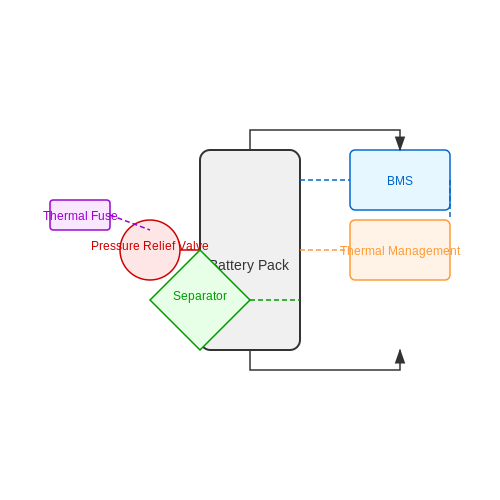
One of the primary contributors to battery safety is effective thermal management. Thermal runaway occurs when an increase in temperature leads to further reactions that produce even more heat, often resulting in fire or explosion. Effective thermal management systems, including passive and active cooling techniques, are crucial.
Passive systems involve the use of materials with high thermal conductivity that can distribute heat away from hot spots. For example, aluminum heat sinks can be integrated into battery packs. In contrast, active thermal management systems utilize fans or liquid cooling to actively manage temperature and may employ thermal sensors to monitor conditions continuously.
Battery Management Systems (BMS)
The Battery Management System (BMS) is another critical component for battery safety. A BMS monitors voltage, current, and temperature of each cell in the battery pack. By doing so, it can balance cells, preventing overcharging or deep discharging, both of which can lead to failure. The BMS can cut off power if abnormal conditions are detected, thus safeguarding against potential risks.
Furthermore, a properly designed BMS will incorporate fault detection algorithms that utilize real-time data to assess the operational state of the battery. The implementation of these algorithms not only ensures safety but also enhances the longevity and performance of batteries.
Physical Safety Mechanisms
In addition to electronic monitoring, physical safety features are also essential. For instance, many modern lithium-ion batteries include pressure relief valves and thermal fuses. Pressure relief valves allow gases generated during cell failure to escape, preventing catastrophic failure. Thermal fuses function as a one-time safeguard, disconnecting the circuit when temperatures exceed safe thresholds.
It's also worth noting that the separator, which physically separates the anode and cathode materials, plays a vital role in battery safety. Enhanced separators made from ceramic materials can prevent dendritic growth during charging, a phenomenon that can lead to short circuits.
Advanced Materials for Safety
Developments in battery technology continuously explore the use of advanced materials to enhance battery safety. Research is focusing on solid-state electrolytes that replace flammable liquid electrolytes with non-flammable materials. These state-of-the-art electrolytes offer not only improved safety but also higher energy densities and greater thermal stability.
Furthermore, incorporating nano-materials into electrodes has shown promise in improving the thermal and electrochemical stability of battery systems. These developments underscore the importance of innovation in materials science for enhancing battery safety.
Conclusion
In conclusion, safety mechanisms in battery technologies are crucial for the reliability and viability of energy storage solutions. From thermal management systems and Battery Management Systems to physical safeguards, each component plays a specific role in mitigating risks. The continuous pursuit of advanced materials and novel design approaches will ensure that as energy demands grow, so too will our ability to manage the inherent risks associated with modern battery systems effectively.
5.3 State of Charge (SoC) Estimation
Understanding the State of Charge (SoC) is crucial in battery management systems (BMS) as it directly influences the performance, longevity, and safety of battery technologies. SoC represents the current capacity of a battery relative to its total capacity, usually expressed as a percentage. For example, a SoC of 100% indicates a fully charged battery, while 0% signifies an empty state. Accurate estimation of SoC is essential for effective monitoring, charging, and discharging management, particularly in applications such as electric vehicles (EVs), renewable energy storage, and portable electronics.
Importance of SoC Estimation
The practical implications of precise SoC estimation cannot be overstated. In electric vehicles, for instance, knowing the exact SoC allows for better energy management, enabling optimal driving ranges while preventing battery over-discharge, which can lead to irreparable damage. Additionally, in renewable energy systems, correctly estimating SoC ensures that stored energy is utilized effectively, balancing supply and demand while maximizing system efficiency. Thus, developing robust SoC estimation techniques is paramount in advancing battery technology applications.
Methodologies for SoC Estimation
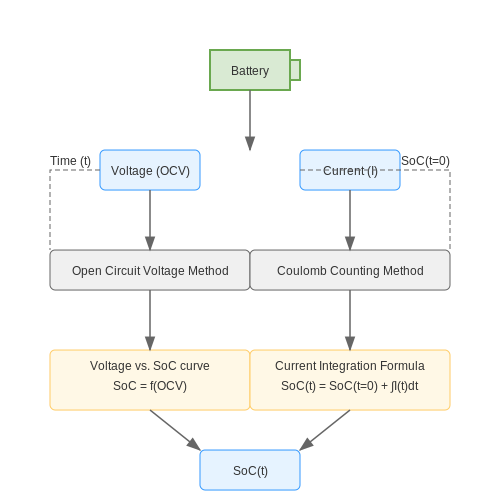
Various methodologies exist for estimating SoC, each with its strengths and limitations. The most common techniques include:
- Open Circuit Voltage (OCV): This method relates the battery's terminal voltage at rest to SoC. The OCV is usually determined through empirical tests and characterized on a voltage vs. SoC curve.
- Current Integration (Coulomb Counting): This approach calculates SoC by integrating the current flow into and out of the battery over time. It requires precise current measurements and typically accounts for the battery's nominal capacity.
- Model-Based Estimation: Involves mathematical modeling of the battery's dynamics using methods such as Kalman filters or neural networks. This technique can provide dynamic and more accurate SoC estimates, especially under varying load conditions.
- Impedance Spectroscopy: Measures the internal impedance of a battery under different frequencies. Changes in impedance can correlate with SoC and provide valuable insights into the battery's health and status.
Open Circuit Voltage (OCV) Method
The OCV method is grounded on the fact that the terminal voltage of a fully rested battery correlates with its SoC. To implement this method, the following steps are generally taken:
- Charge the battery from a known state completely (typically 0% or fully discharged).
- Measure the terminal voltage after a resting period without load or charge.
- Match the measured voltage to the pre-characterized SoC curve for that specific battery chemistry.
While this method offers simplicity and direct correlation, it generally requires the battery to be idle for several hours, which is a significant limitation in fast-recharge applications.
Coulomb Counting Method
Coulomb counting employs a more dynamic approach by keeping track of the current entering and leaving the battery over its operating life:
$$ \text{SoC(t)} = \text{SoC(t=0)} + \frac{1}{C} \int_{0}^{t} I(t) \, dt $$Here, SoC(t=0) is the initial SoC, I(t) is the instantaneous current over time, and C is the total capacity of the battery. This method, however, is sensitive to current measurement errors, temperature effects, and battery aging, which can accumulate significant errors over time.
Model-Based Estimation Techniques
Advanced model-based techniques, such as Kalman filtering, utilize real-time data inputs from both current and voltage measurements combined with a dynamic model of the battery. By applying state estimation principles, these methods can provide adaptive and robust SoC estimates even under fluctuating load conditions.
To summarize, reliable SoC estimation forms the backbone of effective battery management, with a direct impact on the safety and efficiency of various applications. As battery technologies evolve, especially with the advent of solid-state and lithium-sulfur chemistries, enhancing SoC estimation techniques through intelligent algorithms and more sophisticated models remains a highly active area of research.
6. Battery Recycling Processes
6.1 Battery Recycling Processes
The increasing reliance on batteries across various applications has necessitated a focus not only on their production and efficiency but also on their *end-of-life management*. Battery recycling is a crucial component in minimizing environmental impact and recovering valuable materials. With the growing demand for lithium-ion and other advanced batteries, understanding recycling processes is particularly vital. The battery recycling process can be divided into several key stages that involve collection, separation, processing, and recovery. Each stage is designed to ensure that materials within batteries are efficiently reclaimed while minimizing contamination and waste.Collection and Transportation
The recycling process begins with the collection of spent batteries. This phase is critical as improper disposal can lead to hazardous outcomes, including environmental pollution and public safety risks. Collection points, such as retail stores or designated recycling centers, facilitate the safe gathering of used batteries. Once collected, batteries are transported to recycling facilities where they undergo initial screening to sort them according to chemistry—lithium-ion, lead-acid, nickel-cadmium, etc. This sorting is essential, because different battery chemistries require distinct processing methodologies.Sorting and Pre-processing
In the pre-processing stage, batteries are sorted based on their type and state. This includes the segregation of intact batteries from those that are damaged or leaking. For safety reasons, damaged batteries may undergo additional treatment to neutralize any hazardous materials before moving forward. Following sorting, batteries are usually subjected to *deactivation*, where they are discharged fully to eliminate any stored energy, reducing the risk of thermal runaway reactions during further processing.Shredding and Separation
Once deactivated, batteries are mechanically shredded, which breaks them down into smaller components. This stage is critical, as it helps in the subsequent separation of materials. The shredded material is then subjected to a series of physical and chemical processes to separate metals like lithium, cobalt, nickel, and lead from the insulating materials and plastics. Common separation methods include:- Magnetic separation: Used primarily for removing ferrous metals.
- Density separation: Utilizes differences in material density to separate lighter materials from heavier metals.
- Hydrometallurgical processing: Involves chemical leaching to extract specific valuable metals from the mixed material.
Material Recovery
The final stage, material recovery, aims to purify and restore the extracted metals for reuse. Advanced techniques such as *pyrometallurgy* (which involves high-temperature processing) and *hydrometallurgy* (which employs aqueous solutions) are commonly employed depending on the material being recovered. For example, the *solvent extraction* method allows for the selective recovery of lithium from leach solutions, leading to high-purity lithium salts that can be reincorporated into the production of new batteries. Recycling not only mitigates the environmental impact but also contributes to raw material supply chains, making the process economically viable. Recent advancements in battery recycling technologies have improved efficiency and recovery rates, suggesting a promising future for the circular economy of battery materials.Real-world Applications and Case Studies
Several companies and initiatives globally exemplify the importance of these recycling processes. For instance, *Redwood Materials* focuses on the recycling of lithium-ion batteries sourced from electric vehicles, aiming to close the materials loop within the automotive industry. Government programs in regions like the European Union mandate battery recycling initiatives, showcasing their commitment to sustainable battery management. Harnessing innovative recycling methods can further support technological advancements in energy storage solutions while addressing the pressing challenges posed by growing electronic waste streams. In conclusion, battery recycling processes are a critical part of the lifecycle of battery technologies. By effectively reclaiming materials, they not only benefit the environment but also enhance the sustainability of future battery production. Thus, advancing these processes is fundamental in the transition towards a more sustainable energy landscape.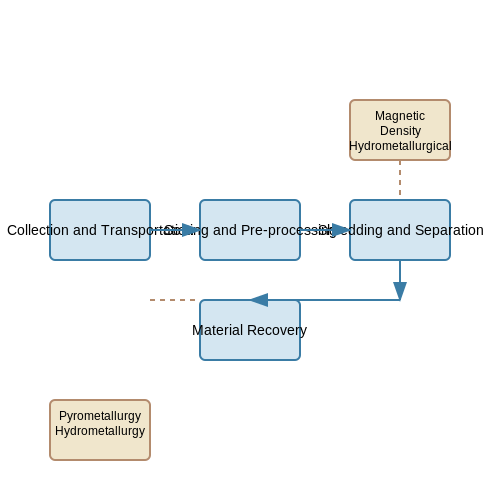
6.2 Environmental Concerns
The growing prominence of battery technologies—particularly in electric vehicles (EVs), renewable energy systems, and consumer electronics—has amplified the discourse surrounding their environmental impact. As we refine our understanding of these technologies, it becomes increasingly necessary to scrutinize the associated ecological consequences. These concerns extend beyond the lifespan of the batteries themselves and encompass their entire lifecycle, starting from raw material extraction to end-of-life disposal or recycling.Raw Material Extraction
The production of batteries relies heavily on several key materials, notably lithium, cobalt, nickel, and manganese. The extraction of these resources often leads to significant environmental issues, including habitat destruction, water pollution, and increased carbon emissions. For example, lithium mining, which is particularly abundant in areas like the Lithium Triangle (Chile, Argentina, Bolivia), has raised alarms over its water-intensive practices. Local communities often face scarcity of this essential resource, impacting agricultural activities and drinking water supplies. Furthermore, the cobalt mining industry, primarily based in the Democratic Republic of Congo, has been associated with severe human rights violations, alongside environmental degradation. The extraction processes frequently leave behind toxic waste that permeates ecosystems, creating long-lasting detriments to both terrestrial and aquatic life. As the demand for rechargeable batteries surges, these environmental issues will likely be amplified unless sustainable practices are adopted.Manufacturing Footprint
The manufacturing stage of battery production contributes significantly to greenhouse gas emissions. This process requires substantial energy inputs, often derived from fossil fuels. High-energy production protocols not only increase operational costs but also elevate the carbon footprint of the final product. Additionally, hazardous chemicals used in the production process may pose risks to worker safety and environmental health if not managed correctly. Innovative production methodologies, including the use of renewable energy sources and more efficient manufacturing practices, are vital for reducing the environmental footprint during this phase. Additionally, advancements in battery design, such as solid-state batteries, promise to deliver efficiencies that may minimize the harmful impacts of production.End-of-Life Management
Another critical aspect of battery-related environmental concerns is end-of-life management. Batteries contain hazardous substances that can leach into the environment if improperly disposed. An increasing number of jurisdictions are implementing stricter regulations on battery disposal. However, the global recycling infrastructure remains underdeveloped, hindering the effective recovery of valuable materials. Recycling processes can recover significant proportions of battery metals, reducing the need for virgin material extraction. For instance, technologies that utilize hydrometallurgical methods to harvest lithium and cobalt from spent batteries are on the rise. These innovations can recycle up to 95% of the materials, making the process economically viable while mitigating environmental harm. Furthermore, the development of second-life applications for batteries—using them for energy storage after their initial usage—presents a promising pathway to enhance sustainability.Regulatory and Ethical Frameworks
The environmental concerns surrounding battery technology necessitate robust regulatory frameworks that promote sustainable practices. Legislation that mandates responsible sourcing of materials, the ethical treatment of workers in extraction industries, and incentives for recycling technologies could foster a competitive yet ethical battery market. Moreover, standardized life cycle assessments (LCAs) for various battery technologies will provide clear benchmarks for improvements and innovations. As we transition towards greener technologies and aim for a circular economy, collaboration among industry stakeholders, researchers, and policymakers is essential. Educational initiatives aimed at raising public awareness around these issues will further enable informed consumer choices, encouraging manufacturers to prioritize sustainability. In conclusion, as the demand for advanced battery technologies accelerates, addressing the environmental concerns throughout their lifecycle becomes paramount. Through informed actions from both industry and consumers, the intersection of battery technology and environmental stewardship can lead to a more sustainable future.6.3 Regulatory Frameworks
The effective deployment of battery technologies, particularly in the context of electric vehicles (EVs) and renewable energy sources, is substantially influenced by regulatory frameworks. These regulations are essential for ensuring safety, performance, environmental protection, and promoting sustainable practices. Understanding these frameworks not only aids compliance but also enhances innovation within the industry.
Global Regulatory Landscape
Across the globe, various regions have established regulatory bodies that govern the manufacturing, distribution, and disposal of batteries. For instance, in the European Union, the Battery Directive (2006/66/EC) aims to minimize the adverse impacts of batteries on the environment while promoting the collection, treatment, and recycling of batteries at their end-of-life stage. This directive mandates that manufacturers adhere to stringent labeling and reporting requirements, including the maximum allowable levels of hazardous substances in battery chemistries.
In the United States, organizations like the Environmental Protection Agency (EPA) and the Department of Transportation (DOT) regulate battery safety and transportation. The DOT's Hazardous Materials Regulations include specific requirements for the packaging and labeling of batteries during transport, particularly lithium-ion types, which are prone to thermal runaway events.
Safety Standards and Testing Protocols
Battery safety standards are pivotal in minimizing risks during the operation and disposal of battery technologies. The IEC 62133 Standard and the UL 2054 Standard are two of the most recognized standards globally. These standards provide guidelines on performance, durability, and safety testing for lithium-ion and nickel-based batteries. Compliance with these standards is often a prerequisite for market entry, and they serve to ensure consumer confidence in battery products.
Testing protocols encompass various stages of battery life—from manufacturing to performance under extreme conditions, including high temperatures, short-circuit scenarios, and overcharging. Such tests aim to verify the robustness and safety features of battery technologies, ultimately ensuring that they can withstand real-world applications.
Recycling Regulations and Sustainability Initiatives
As battery technologies proliferate, particularly with the rise of EVs, the need for robust recycling regulations has become increasingly pressing. The Battery Recycling Act in various jurisdictions, including California, mandates the establishment of battery collection and recycling infrastructure. Such initiatives are designed to recover valuable materials such as lithium, cobalt, and nickel, thereby reducing reliance on virgin materials and mitigating environmental impact.
Industry collaborations, such as the Battery Industrial Consortium, emphasize sustainability throughout the lifecycle of batteries, promoting practices that support closed-loop recycling systems that can significantly reduce waste and enhance resource efficiency.
Case Studies of Regulatory Impact
Regulatory frameworks can serve not only as compliance mechanisms but also as catalysts for innovation. For example, in response to the Safer Consumer Products Regulation in California, battery manufacturers have been pushed to innovate less toxic chemistry formulations, resulting in the development of safer, high-performance batteries. Furthermore, regions that enforce stricter recycling quotas have witnessed emerging companies specializing in battery recycling technologies, showcasing how regulations can stimulate new markets.
In conclusion, the regulatory frameworks surrounding battery technologies play an essential role in ensuring not only safety and environmental stewardship but also driving innovation. As battery applications continue to expand in sectors such as electric mobility and renewable energy storage, understanding and navigating these frameworks is indispensable for professionals working in the field.
7. Advances in Energy Storage Solutions
7.1 Advances in Energy Storage Solutions
Introduction to Current Trends in Energy Storage
The demand for advanced energy storage solutions has surged in response to global shifts toward renewable energy sources and the need for sustainable technologies. Batteries remain the cornerstone of energy storage, with ongoing innovations aiming to enhance their efficiency, capacity, sustainability, and safety. This section will explore several significant advancements in battery technologies, drawing external parallels with emerging energy storage solutions and their applications.Solid-State Batteries
One of the most promising advancements in energy storage is the development of solid-state batteries (SSBs). These batteries utilize a solid electrolyte instead of the conventional liquid or gel electrolytes found in lithium-ion batteries. The solid core diminishes the risk of leakage and flammability. The advantages of SSBs include:- Increased Energy Density: With energy densities potentially over 300 Wh/kg, SSBs can significantly extend operational lifetimes between charges.
- Improved Safety: Reducing risks associated with volatile electrolytes leads to safer designs in electric vehicles (EVs) and portable electronics.
- Longer Cycle Life: Enhanced cycling stability offers extended usability over traditional batteries
Flow Batteries
Contrasting the conventional approach, flow batteries represent a revolutionary take on energy storage, primarily for large-scale applications such as grid energy storage. In these systems, energy is stored in external liquid electrolytes held in separate tanks. Flow batteries possess a variety of significant benefits:- Scalability: As energy storage needs increase, larger electrolyte tanks can be added without redesigning the system.
- Longevity: With lifetimes often exceeding 10,000 cycles, flow batteries offer superior endurance compared to traditional batteries.
- Environmental Benefits: Many flow batteries utilize non-toxic materials, aligning their operation with sustainable initiatives.
Advancements in Lithium-Sulfur Technology
Lithium-sulfur (Li-S) batteries have emerged as an alternative to lithium-ion systems, showing the potential for higher capacities theoretically reaching 500 Wh/kg. These batteries utilize sulfur as the cathode material, which is both abundant and cost-effective. However, translating theory into practical advancements encounters hurdles related to:- Low Conductivity: The lack of conductive pathways in sulfur necessitates composite materials to facilitate electron transport.
- Polysulfide Dissolution: The dissolution of polysulfides into the electrolyte can result in significant capacity loss.
Supercapacitors: Bridging Battery Technologies
Supercapacitors represent a unique class of energy storage devices that combines the principles of both traditional capacitors and batteries. They can charge and discharge rapidly and are ideal for applications requiring quick bursts of energy. With energy densities that are significantly lower than batteries, supercapacitors excel in applications such as regenerative braking systems in electric vehicles and load leveling in power management systems. Recent advances in supercapacitor technology include:- Graphene-based Materials: The use of graphene significantly improves conductivity and energy storage capacity.
- Hybrid Systems: By integrating supercapacitors with batteries, hybrid systems can capitalize on the strengths of both technologies for enhanced performance.
Conclusion: Future Directions in Energy Storage
The advancements within battery technologies point towards a future that prioritizes sustainability and efficiency. As industries evolve and energy demands change, innovation in energy storage solutions will continue to play a crucial role. The intersection of improved materials, understanding of electrochemical processes, and application-focused designs will ultimately define the trajectory of energy storage technology in the coming decades. Achieving technological breakthroughs will necessitate maintaining an extensive scope of research alongside practical application trials. Continued collaboration between academic, industrial, and governmental entities will be essential to establish these evolving technologies in various real-world contexts.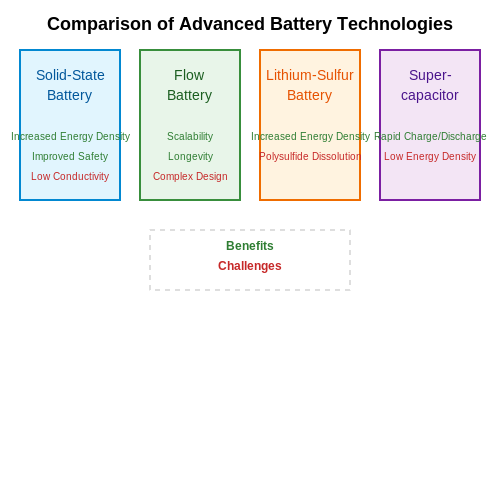
7.2 The Role of Artificial Intelligence
Artificial Intelligence (AI) is increasingly becoming a pivotal element in the revolution of battery technologies. The rapid advancements in AI promise transformative impacts on various facets of battery systems, including design, efficiency, management, and lifecycle sustainability. AI algorithms can analyze vast datasets to uncover hidden patterns and insights that classical methods might overlook. This capability can significantly enhance the predictive maintenance of battery systems. By integrating AI with Internet of Things (IoT) devices, engineers can monitor battery performance in real time, predicting potential failures before they occur. For example, AI can assess temperature variations, charge/discharge cycles, and environmental conditions to optimize battery performance and prolong its operational life.Optimized Design and Material Selection
In the design phase, AI facilitates *material discovery* through machine learning. Computational models can simulate how different materials behave under various conditions. This leads to the identification of novel battery chemistries, potentially increasing energy density while reducing costs. Recent studies have exemplified the use of AI in screening new combinations of lithium-ion and solid-state battery candidates, accelerating the discovery process significantly compared to traditional experimental approaches. Strong examples include the use of AI tools in computational chemistry frameworks, where advanced algorithms iterate through numerous chemical combinations and predict their viability as battery materials. These tools allow researchers to focus their resources on the most promising candidates.Performance Modeling and Simulation
AI's contribution extends into the simulation domain as well. Accurate performance modeling is crucial for developing batteries that meet stringent reliability and lifespan requirements. Using techniques such as neural networks, AI can model complex, non-linear relationships in battery behavior more effectively than conventional physics-based models, which often require simplifications that can limit their accuracy. For instance, AI can help in predicting the capacity fade of batteries during cycling, which is vital for applications like electric vehicles (EVs). By analyzing cycling data, AI improves model accuracy for different conditions and predicts degradation mechanisms, leading to better battery management systems (BMS).Smart Battery Management Systems
A significant application of AI in battery technology is the enhancement of BMS capabilities. Smart BMS equipped with AI can manage the charging and discharging processes more effectively by considering real-time data inputs. Optimization algorithms can make real-time adjustments to charging rates to balance battery cells, enhancing safety and efficiency. A specific instance of this is the implementation of AI-based algorithms that can identify the optimal state of charge (SoC) and state of health (SoH) for lithium-ion batteries, dynamically adjusting the power distribution to prolong battery life while maintaining performance. This adaptability responds not just to the battery's state but also to external factors such as temperature and load demands, which is particularly important for electric vehicles and renewable energy storage solutions.Real-World Applications and Case Studies
Real-world applications have started to reflect the theoretical benefits of AI in battery technology. For example, companies like Tesla and General Motors are employing AI-driven analytics in their battery systems to maximize efficiency and lifespan. Tesla has integrated machine learning algorithms in its battery manufacturing processes to reduce defects and enhance performance consistency. Furthermore, researchers at Stanford University developed an AI model capable of identifying optimal parameters for solid-state batteries, which hold the promise of higher safety and efficiency compared to conventional Lithium-ion batteries. By leveraging AI, they achieved significant performance enhancements in a fraction of the time previously needed for experimental approaches. As AI continues to mature, its integration with battery technologies will likely pave the way for innovations that could redefine energy storage, leading to more sustainable and efficient solutions across various sectors. In summary, the role of Artificial Intelligence in battery technologies is multifaceted, influencing crucial areas such as material discovery, performance modeling, and enhanced management systems. These advancements not only promise improved operational efficiencies but also significant contributions towards sustainability in energy storage systems.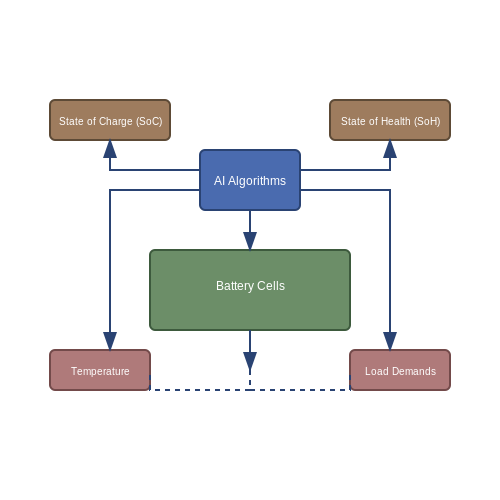
7.3 Integration with Renewable Energy
As the world shifts towards sustainable energy solutions, the integration of battery technologies with renewable energy systems becomes crucial. The intermittency of renewable sources, such as solar and wind, poses a significant challenge for energy stability. Batteries, with their ability to store and release energy, play a vital role in addressing this challenge.
To understand the synergy between batteries and renewable energy, it’s essential to explore how energy storage systems can complement the fluctuating output of sources like solar panels and wind turbines. For instance, during periods of high production—such as sunny afternoons or windy nights—batteries can store excess energy for later use. Conversely, during low production periods, these stored energies can be discharged to meet demand.
The Role of Battery Technology
Different battery technologies present unique advantages and limitations for renewable energy applications. The most common types include:
- Lithium-ion batteries: Known for their high energy density and efficiency, these batteries are widely used in solar energy storage systems. Their long cycle life and decreasing costs make them a preferred choice for residential applications.
- Lead-acid batteries: Though they have a lower energy density, lead-acid batteries remain popular due to their affordability. They are often used in off-grid photovoltaic systems.
- Flow batteries: These provide longer duration energy storage, making them suitable for large-scale renewable integration. Their ability to decouple energy production and storage capacities offers flexibility in energy management.
The effectiveness of these technologies is often assessed based on the round-trip efficiency (RTE), which measures how much energy is retrieved from the battery compared to the energy used to charge it. A high RTE indicates effective energy storage, essential for optimizing renewables.
Mathematical Modeling of Battery Systems
To thoroughly analyze battery performance in renewable integration, a mathematical framework is necessary. The energy stored in a battery can be expressed as:
Where:
- E: energy in watt-hours (Wh)
- C: capacity in amp-hours (Ah)
- V: voltage in volts (V)
This equation illustrates how the energy capacity of a battery can be altered by changing either its capacity or voltage, providing insight into design considerations for renewable applications.
Case Study: A Residential Solar System
Consider a residential setup combining solar PV panels with a lithium-ion battery system. During peak sunlight hours, the PV system generates more energy than the household consumes. The excess power is used to charge the battery. Later, during nighttime or cloudy days, the stored energy in the battery is deployed to power the home, thereby reducing reliance on the grid. This not only enhances energy independence but also promotes sustainable energy usage.
As the market and technological landscape for batteries evolves, researchers continue to investigate novel materials and designs to enhance performance metrics such as energy density, charge/discharge rates, and cycle life. The integration of advanced battery systems with renewable energy sources could revolutionize how we harness and utilize energy, paving the way toward a greener future.
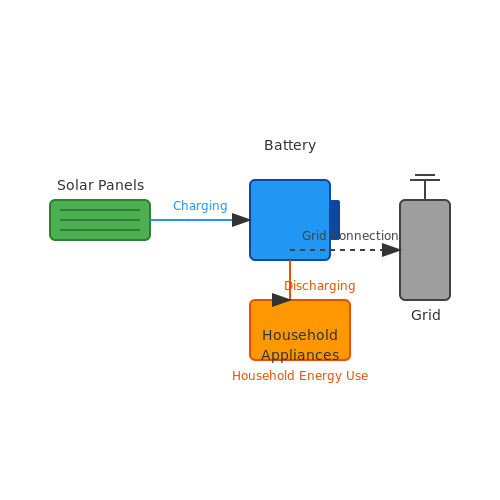
8. Academic Journals and Articles
8.1 Academic Journals and Articles
- Journal of Power Sources — This journal publishes research on all aspects of battery technology, including materials, design, and performance evaluation. Articles explore both theoretical and practical aspects of power sources.
- Journal of Materials Chemistry A — This journal focuses on materials with applications in energy and sustainability, providing insights into materials science innovations relevant to advanced battery technologies.
- Journal of Solid State Electrochemistry — Highlights research in the field of solid-state electrochemistry, including the study of solid electrolyte materials and their application in battery systems.
- Nature Communications: Energy Storage — Offers cutting-edge research findings and reviews related to energy storage technologies, emphasizing advancements and challenges in battery science.
- Renewable and Sustainable Energy Reviews — This review journal covers the role of battery technologies within sustainable energy systems, highlighting recent advancements and future prospects.
- IEEE Transactions on Energy Conversion — Provides a platform for the dissemination of original research and practical applications pertinent to energy conversion engineering and associated technologies like batteries.
- Journal of Energy Storage — An interdisciplinary journal that publishes research on all aspects of energy storage, including advancements in battery technologies and their integration into power systems.
- Advanced Energy Materials — Features articles on next-generation energy storage technologies, with a focus on material innovations that enhance battery performance and efficiency.
- Progress in Energy — Delves into progress and emerging trends in energy technology, offering reviews and original research that contribute to the development of efficient battery solutions.
8.2 Books on Battery Technologies
- Battery Management Systems, Volume 1: Battery Modeling — This book focuses on advanced battery management systems, delving into the complexities of battery modeling. It offers mathematical equations and models for a variety of battery types and explains their real-world applications in energy systems.
- Lithium-Ion Batteries: Advanced Materials and Technologies — A comprehensive source on the latest advancements in lithium-ion battery materials and technologies, this book is suitable for researchers seeking detailed insights into cell chemistry and material properties.
- The Handbook of Lithium-Ion Battery Pack Design — Covering subjects from battery chemistry to design, this book is essential for engineers interested in the intricacies of battery pack design and modeling, providing both theoretical background and practical insights.
- Electrochemical Power Sources: Modeling and Battery Management Systems — Ideal for advanced readers, this book offers in-depth coverage on the modeling of electrochemical power sources and the role of battery management systems across various applications, including electric vehicles and renewable energy systems.
- Energy Storage Systems and Components — Focusing on diverse energy storage technologies, this resource presents substantial content on batteries, capacitors, and other systems pertinent to energy storage. It provides a balanced combination of theoretical insights and practical applications.
- Next Generation Batteries — This book covers the cutting-edge developments in battery technology, providing detailed discussions on emerging concepts like solid-state batteries. It is ideal for researchers exploring next-generation battery technologies and their potential impact.
- Lead-Acid Batteries: Science and Technology — Known for their reliability and cost-effectiveness, lead-acid batteries remain relevant. This text delves into the science behind them and their sustained applicability, focusing on technological improvements and environmental considerations.
8.3 Online Resources and Courses
In this age of digital learning, a vast array of online resources and courses are available for those interested in exploring and mastering battery technologies. Here's a curated list of high-quality online platforms, each offering unique insights and knowledge pathways relevant to advanced readers such as engineers, physicists, researchers, and graduate students. These resources offer a deep dive into the science, engineering, and technological advancements of batteries, from foundational concepts to cutting-edge innovations.
- Battery Storage: Fundamentals and Applications - Coursera — This course provides comprehensive insights into battery storage systems, covering fundamental principles, design, and applications in various fields. The course is ideal for engineers looking to design and implement efficient battery solutions.
- Energy Innovation and Emerging Technologies - Stanford Online — A part of Stanford's online curriculum, this program delves into emerging technologies like advanced batteries, offering learners a deep understanding of current innovations and challenges in the energy sector.
- Electric Cars: Introduction - edX — While primarily focused on electric vehicles, this course also covers the critical role of battery technology in sustainable transportation, discussing advancements in battery design and implementation.
- Introduction to Battery Management Systems - FutureLearn — This course offers an in-depth look at the management systems integral to battery performance and lifespan. Essential for professionals searching for an understanding of battery system efficiency and safety.
- Electric Vehicles: Battery Systems - Udacity — Part of Udacity's nanodegree programs, this course focuses on the specifics of battery systems in electric vehicles, providing technical insights into battery lifespan, charging, and energy management.
- Engineering Dynamics - MIT OpenCourseWare — Offers a more mathematical and mechanical perspective on systems involving motion and energy, which forms the background knowledge necessary for understanding battery dynamics and energy systems.
- Nanotechnology and Energy: Focusing on Batteries - Nano.gov — Explores the intersection of nanotechnology and energy storage, highlighting how nanoscale innovations are transforming battery technology. Ideal for research professionals and students interested in cutting-edge battery developments.