Battery Charging Circuits
1. Types of Batteries and Their Characteristics
1.1 Types of Batteries and Their Characteristics
In the realm of battery charging circuits, understanding the various types of batteries and their unique characteristics is fundamental. With the abundance of battery technologies available today, each type exhibits distinct electrochemical properties, operational behaviors, and ideal application scenarios. This knowledge not only underpins effective battery management systems (BMS) but also enhances the design and optimization of charging circuits.1.1.1 Lead-Acid Batteries
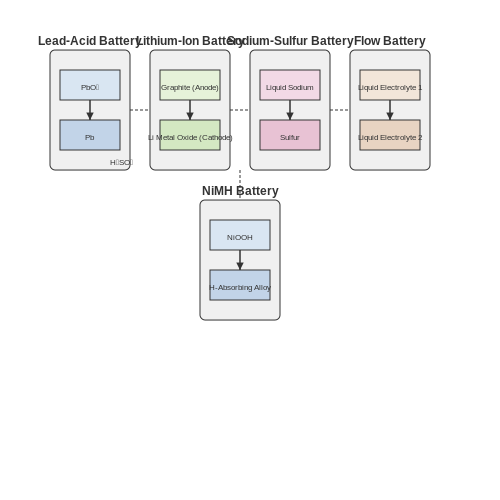
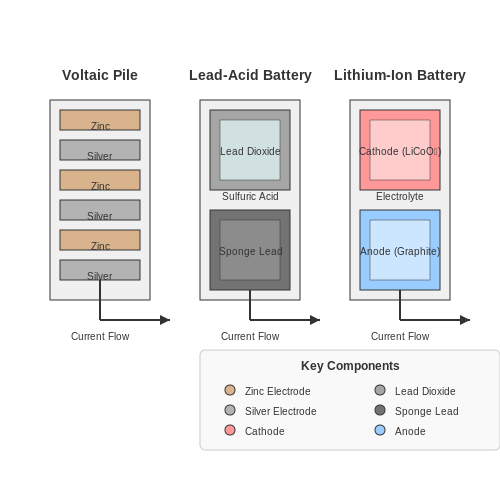
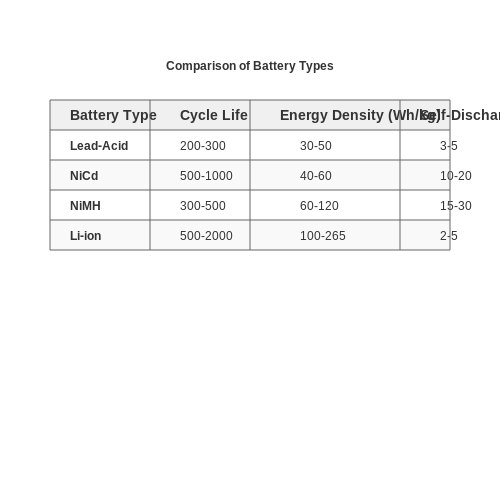
Lead-acid batteries are among the oldest and most widely used rechargeable batteries. They consist of lead dioxide (PbO₂) cathodes, spongy lead (Pb) anodes, and a sulfuric acid (H₂SO₄) electrolyte. These batteries are favored for their robustness and low cost, making them ideal for starter batteries in vehicles and uninterruptible power supplies (UPS). However, they also come with limitations:- Cycle Life: Typically between 200 to 300 cycles, which can vary based on depth of discharge (DoD).
- Energy Density: Relatively low at around 30-50 Wh/kg.
- Self-Discharge Rate: High, approximately 5% per month.
1.1.2 Nickel-Cadmium (NiCd) Batteries
Nickel-Cadmium batteries utilize nickel oxide hydroxide (NiOOH) for the positive electrode and cadmium (Cd) for the negative electrode, suspended in an alkaline electrolyte. They are renowned for their durability and high discharge rates, making them suitable for power tools and portable devices. Key characteristics include:- Cycle Life: Approximately 1000 cycles.
- Energy Density: Around 40-60 Wh/kg, depending on design.
- Mental Cadmium: Environmental concerns due to toxic cadmium.
1.1.3 Nickel-Metal Hydride (NiMH) Batteries
As an advancement over NiCd technology, Nickel-Metal Hydride batteries offer greater energy density and less environmental impact. They utilize a hydrogen-absorbing alloy for the negative electrode and nickel oxyhydroxide for the positive electrode, dissolved in an alkaline solution. NiMH batteries are characterized by:- Cycle Life: Typically ranges from 500 to 1000 cycles.
- Energy Density: Higher than NiCd—around 60-120 Wh/kg.
- Self-Discharge Rate: Moderate, approximately 30% per month.
1.1.4 Lithium-ion (Li-ion) Batteries
Lithium-ion batteries revolutionized the energy storage landscape due to their superior performance metrics. They consist of a lithium cobalt oxide (LiCoO₂) cathode and a graphite anode, with various formulations enabling versatility across applications—from smartphones to electric vehicles. Key attributes include:- Cycle Life: Generally allows for 500 to 1500 cycles.
- Energy Density: Very high, approximately 140-250 Wh/kg.
- Self-Discharge Rate: Low, about 2-3% per month.
1.1.5 Comparison and Practical Applications
When selecting a battery type for a particular application, one must consider various factors including energy density, cycle life, self-discharge rates, and cost implications. For instance, Li-ion batteries are preferred in applications demanding high energy density and longevity, such as electric vehicles and portable electronics. In contrast, lead-acid batteries remain relevant for applications requiring simple operation and lower cost, such as in backup power systems. In summary, each battery technology has its place in the ecosystem of energy storage solutions; understanding these characteristics is vital for designing effective battery charging circuits that optimize performance while ensuring longevity. As electric vehicles and renewable energy systems become increasingly prevalent, the need for advanced knowledge of battery technologies and their charging methodologies continues to grow.Next Section: 1.2 Battery Charging Methods
1.2 Charging Fundamentals and Battery Chemistry
The process of charging batteries is deeply tied to the underlying chemistry of the specific battery technology in use. This section explores the critical principles of battery charging while laying a foundation in battery chemistry, thereby enabling engineers and scientists to refine and optimize charging circuits effectively.
Understanding Battery Chemistry
At the core of any battery system lies its chemistry, which governs how energy is stored and released. The two most prevalent battery technologies today are lithium-ion and lead-acid. Each has distinct electrochemical reactions that dictate their charge-discharge characteristics.
Lithium-Ion Chemistry
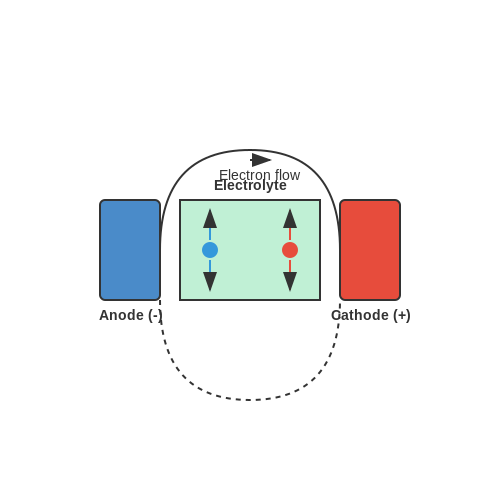
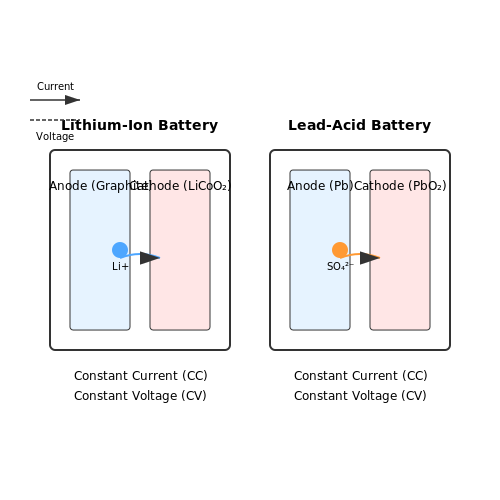
Lithium-ion batteries operate on the principle of lithium ions intercalating between an anode (often graphite) and a cathode (typically lithium cobalt oxide). During charging, lithium ions move from the cathode to the anode, which creates a potential difference suitable for energy storage. The half-reaction at the anode can be expressed as:
This reaction highlights the reversible nature of lithium-ion batteries, allowing for efficient charging and discharging cycles.
Lead-Acid Chemistry
On the other hand, lead-acid batteries rely on lead dioxide and sponge lead as their electrodes. The charging process involves the conversion of lead sulfate back into lead dioxide and sponge lead, coupled with the generation of oxygen. The overall reaction during discharge is expressed as:
This difference in chemistry results in varied efficiency, cycle life, and energy density between the two battery types. While lithium-ion batteries offer higher energy densities and longer cycle lives, lead-acid batteries are often favored for their cost-effectiveness in applications like automotive starting and backup power systems.
Charging Basics
The charging of batteries is not a one-size-fits-all process; it greatly depends on the chemistry and design of the battery. The primary goal in any charging system is to ensure that the correct voltage and current are applied to the battery without causing damage or reducing lifespan.
Constant Current vs. Constant Voltage Charging
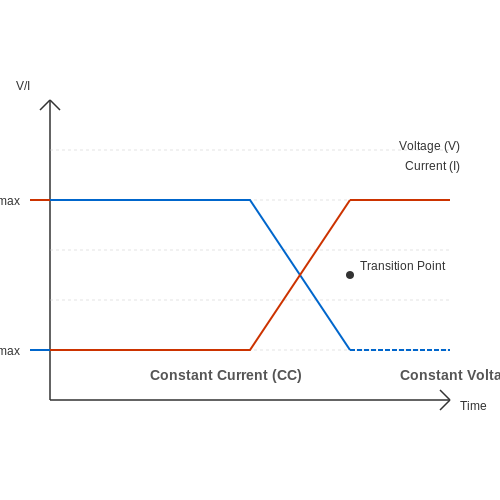
Charging can be divided into two predominant modes: constant current (CC) and constant voltage (CV). In CC charging, a fixed current is supplied to the battery until a predefined voltage is reached. Following this, the charger switches to CV mode, maintaining a constant voltage while allowing the current to taper off as the battery approaches full capacity.
This dynamic ensures that the battery remains within safe temperature and voltage limits during the charging cycle, crucial for lithium-ion batteries due to their sensitivity to overvoltage and thermal runaway conditions.
Charge Termination
Different battery chemistries utilize various methods for charge termination based on voltage detection, temperature monitoring, or timed intervals. For lithium-ion batteries, charge termination usually occurs when the voltage exceeds 4.2V per cell. Understanding these nuances is key to designing efficient charging circuits that maximize lifecycle and performance.
Practical Applications
Effective battery charging circuit design has far-reaching implications across numerous fields, from consumer electronics to electric vehicles (EVs). Smart charging solutions not only optimize charging times but also manage energy consumption and prolong battery life by implementing adaptive charging strategies based on real-time data.
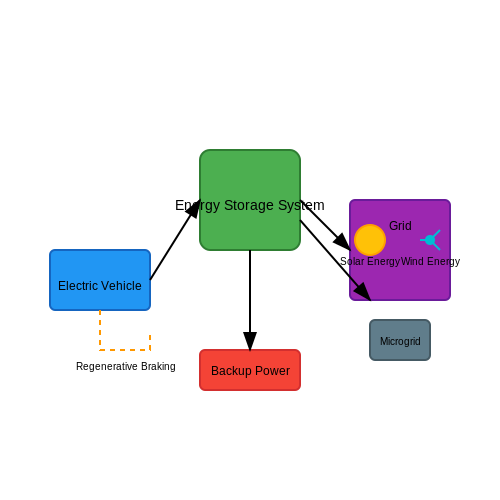
In electric vehicles, the implementation of regenerative braking systems utilizes energy typically lost during braking to recharge the battery, further enhancing overall system efficiency. Thus, mastering the fundamentals of battery chemistry and charging mechanisms is essential for advancing technology aimed at sustainable energy solutions.
1.3 Importance of Proper Charging Techniques
The charging of batteries is often perceived as a straightforward process, but a deeper understanding reveals that proper charging techniques are essential for maximizing battery performance, lifespan, and safety. With advancements in battery technologies and applications ranging from consumer electronics to electric vehicles, the significance of employing appropriate charging methods cannot be overstated. By adhering to proper charging techniques, we ensure that batteries operate within their specified parameters. Overcharging can lead to excessive heat generation and, ultimately, thermal runaway—an event that can compromise battery safety and integrity. Similarly, undercharging can result in sulfation in lead-acid batteries or lithium plating in lithium-ion batteries, both of which adversely affect battery performance and longevity. One of the primary considerations in battery charging is the constant-current, constant-voltage (CC-CV) method. Initially, a constant current is delivered to the battery until it reaches its designated voltage limit. At this point, the charger switches to constant voltage, allowing the charge to taper off as the battery approaches full capacity. This technique effectively prevents overcharging since it dynamically adjusts to the battery's state of charge. Understanding the implications of charge rates, expressed as *C-rates*, is crucial for determining the charge time and capacity utilization. The *C-rate* specifies the rate at which a battery is charged or discharged relative to its maximum capacity. For instance, charging a 100 Ah battery at 1C means delivering 100 A, resulting in a charge time of one hour. Conversely, adhering to lower C-rates can extend the battery's lifespan but may lead to longer charge times, particularly in critical applications where uptime is paramount. Furthermore, there is a growing emphasis on smart charging solutions that utilize advanced algorithms to optimize charging parameters based on real-time data, thus enhancing overall battery management. Such systems incorporate temperature feedback, state of charge, and health assessments to adjust charging currents, safeguarding against conditions that can lead to accelerated degradation. This is especially relevant in electric vehicles, where optimal charging translates directly into improved range and battery lifespan. Incorporating battery management systems (BMS) is essential for advanced applications. A BMS safeguards battery health by monitoring individual cell voltages, temperatures, and other critical parameters, and it can implement corrective actions if abnormalities are detected. The importance of a BMS is underscored by incidents such as the catastrophic failures seen in early electric vehicle models, which lacked sufficient monitoring and protection. In terms of practical applications, industries have seen the repercussions of neglecting proper charging methods. For example, in healthcare, improper charging of lithium-ion batteries in portable medical devices has led to failures during critical operations. Similarly, the aerospace industry rigorously enforces precise charging protocols to mitigate risks associated with batteries on both commercial and military aircraft. In summary, the implications of proper charging techniques extend far beyond merely filling a battery with energy. The interplay of charging protocols, C-rates, BMS integration, and real-time data management all contribute to the efficiency and safety of modern battery technologies. As applications continue to evolve, our commitment to adhering to rigorous charging standards will ensure that we harness the full potential of these essential energy storage solutions.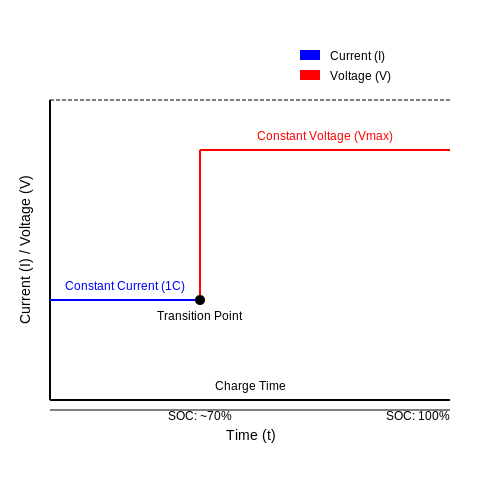
2. Constant Current Charging Circuits
2.1 Constant Current Charging Circuits
Charging circuits play a pivotal role in battery management systems, where efficient and safe charging strategies are essential for maximizing battery life and performance. Among the various charging methods, constant current (CC) charging circuits are frequently employed due to their simplicity and effectiveness, especially in the initial phase of charging where batteries can handle high charge rates.Understanding Constant Current Charging
The fundamental principle behind constant current charging is to supply a fixed current to the battery irrespective of the voltage across it. This method ensures that the battery receives a controlled and steady current that can aid in faster charging without exceeding the charge rate dictated by the battery's specifications. A basic schematic of a constant current charging circuit typically consists of a power supply, an adjustable output stage, and a current sensing resistor. This configuration allows the circuit to maintain the desired charging current by adjusting the output voltage in response to changes in the battery’s voltage as it charges.Current Regulation Techniques
To achieve constant current charging, several techniques can be employed in design, including the use of linear regulators, switching regulators, and operational amplifiers combined with feedback control systems. Each approach has its merits and limitations, depending on factors such as efficiency, cost, and complexity. For example, a linear regulator might be simpler to implement, but it can waste considerable power as heat when the input-output voltage difference is substantial. On the other hand, switching regulators are more efficient but require a more elaborate circuit design and additional components.Mathematical Foundation
The relationship between current, voltage, and resistance can be described by Ohm's Law: $$ I = \frac{V}{R} $$ where: - \( I \) is the current in amperes (A), - \( V \) is the voltage across the load in volts (V), - \( R \) is the resistance in ohms (Ω). When implementing constant current charging, the importance of selecting the appropriate value of resistance (R) for the current sensing component becomes critical. For example, to set a charging current of 1 A, a resistor \( R \) can be calculated based on the desired current and the voltage across it as follows: $$ R = \frac{V_s}{I} $$ Where \( V_s \) is the reference voltage across the sensing resistor, typically determined by the specifications of the current sensing circuit.Practical Implementation Example
Consider a scenario where a lithium-ion battery, which requires a charging current of 1 A for optimal performance, is charged using a simple constant current circuit. If we set \( V_s = 0.1 V \), the required resistance can be computed: $$ R = \frac{0.1 V}{1 A} = 0.1 \, \Omega $$ Thus, a resistor of 0.1 Ω can be utilized in the charging circuit to ensure the constant charging current is maintained as the battery voltage increases during the charging cycle. Please note that while the above method efficiently delivers charging current, it’s essential to monitor battery conditions such as temperature and voltage to prevent overcharging, which can compromise battery longevity and safety.Applications and Considerations
Constant current charging circuits are widely used in battery applications ranging from consumer electronics to electric vehicles and renewable energy systems. Specifically, they are advantageous in scenarios where the battery's charging profile needs to be strictly adhered to, such as in lithium-ion and lead-acid batteries. The implementation of safeguards is crucial, including temperature sensing and cutoff mechanisms, to protect the battery against potential damage during the charging process. Advanced battery management systems often incorporate these elements, making them integral for applications in high-capacity battery packs found in electric cars or grid storage systems. In summary, constant current charging circuits offer a reliable approach to charging batteries, leveraging straightforward design principles while providing essential safety and efficiency in current regulation. As technology advances, further innovations in these circuits is expected, potentially enhancing their performance and reliability even further.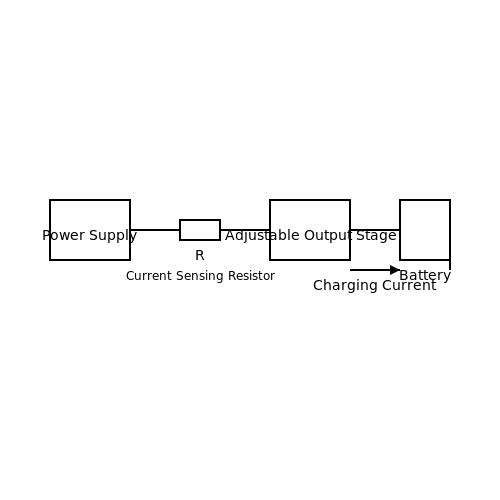
2.2 Constant Voltage Charging Circuits
Constant voltage charging circuits are vital in various applications, particularly in managing battery systems that require careful handling to extend their life and enhance performance. Primarily employed in the charging of lead-acid batteries, lithium-ion batteries, and other energy storage systems, these circuits maintain a steady voltage across the battery terminals as it approaches full charge, thus ensuring precise charge control.
Understanding Constant Voltage Charging
To comprehend the operation of constant voltage charging circuits, it's essential to delve into the electrochemical processes taking place within batteries during charging. At the onset of charging, a constant current is typically supplied; however, as the battery approaches its maximum capacity, excessive current could lead to gassing and reduced lifespan. Therefore, transitioning to a constant voltage charging approach allows the charging current to taper off safely.
Key characteristics of constant voltage charging circuits include:
- Maintain a steady output voltage.
- Automatically adjust current to prevent overcharging.
- Can optimize performance by ensuring the battery's cells reach a full state of charge.
Basic Circuit Configuration
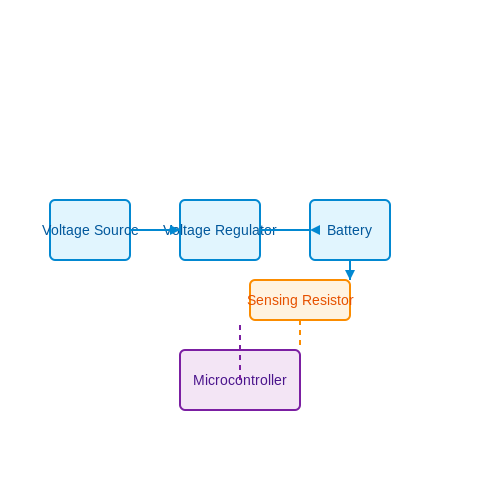
A typical constant voltage charging circuit involves a voltage source coupled with a feedback mechanism to monitor and adjust the current flowing into the battery. This often includes the following elements:
- Voltage Regulator: Ensures that the output voltage remains stable despite fluctuations in load current.
- Sensing Resistor: Used to measure the charging current, often implemented in a feedback loop to control the regulator.
- Microcontroller or Comparator Circuit: Provides real-time monitoring and adjustment capabilities.
In a simple setup, the voltage regulator is set to a specific value, typically the nominal voltage of the battery, and as the battery charges, the microcontroller detects the increase in voltage and gradually reduces the current to prevent overvoltage conditions.
Mathematical Modeling
To describe the charging process quantitatively, we can establish the relationship between current, voltage, and resistance using Ohm’s Law, expressed as:
Where:
- V = Voltage (V)
- I = Current (A)
- R = Resistance (Ω)
In the context of battery charging, the voltage must remain constant, implying:
This equation indicates that as the voltage is kept constant, changes in resistance due to the battery’s internal chemistry and state of charge will consequently adjust the current. The feedback mechanism ensures that the system can dynamically respond to these variations, maintaining the desired operational conditions.
Practical Applications
Constant voltage charging circuits find considerable application in various domains:
- Electric Vehicles (EVs): Ensuring optimal battery management systems for longer lifespan and safety.
- Renewable Energy Systems: Integration with solar panels and storage systems to maximize energy capture and usage efficiency.
- Consumer Electronics: Used in devices such as smartphones and laptops where battery health impacts overall performance.
Implementing a constant voltage system not only safeguards against damage but enhances charge efficiency, leading to longer operation periods and improved reliability of energy storage solutions.
Conclusion
In conclusion, constant voltage charging circuits are indispensable in modern energy applications. Understanding their operation can empower engineers and researchers to design more efficient charging systems capable of adapting dynamically to battery state and conditions. The ongoing evolution in rechargeable technologies continues to emphasize the significance of effective charging strategies that incorporate such mechanisms, making this knowledge fundamental for advanced practitioners in the field.
2.3 Smart Charging Circuits and Techniques
As the global demand for efficient energy management systems increases, the development of smart charging circuits has emerged as a pivotal area in electronic design. Smart charging circuits intelligently manage the charging process to enhance battery life, optimize charging times, and provide safety features. They incorporate various sophisticated techniques, which utilize feedback mechanisms and algorithms to adaptively control the charging current and voltage based on real-time conditions.
Understanding Smart Charging Techniques
At the heart of smart charging circuits are various techniques designed to improve user experience and battery efficiency. Fundamental to this are the notions of constant current (CC) and constant voltage (CV) charging, often employed in lithium-ion battery technologies. These techniques mitigate the degradation of battery health caused by overcharging and overheating.
The CC stage applies a constant current to the battery until it reaches a predefined voltage limit, at which point it transitions to the CV stage. During this phase, the voltage remains constant, and the current gradually decreases as the battery approaches full charge. This transitioning is crucial; improper control can lead to safety hazards such as thermal runaway.
Advanced Control Strategies
Moving beyond basic CC/CV methodologies, modern smart charging strategies often implement adaptive control techniques that utilize real-time data. Factors such as battery temperature, charge cycles, and state of charge (SoC) play significant roles in optimizing charging methods. For instance, Model Predictive Control (MPC) has been gaining traction, providing predictive capabilities that adjust charging parameters based on the anticipated behavior of the battery system.
Another popular technique is Pulse Width Modulation (PWM), which adjusts the width of the charge pulses sent to the battery. This method efficiently manages heat generation and provides intricate control over the charging cycle, ensuring that the battery cells are charged uniformly. This can minimize voltage imbalances that may occur in large battery packs, especially in electric vehicles (EVs) and renewable energy setups.
Smart Charging in Application
The practical applications of smart charging techniques are vast and varied. In electric vehicles, for instance, smart charging circuits can adapt charging profiles based on grid load conditions, reducing peak demand and optimizing energy costs. Additionally, they have become integral in solutions for integrating renewable energy sources, where smart systems dynamically adjust charging times in response to energy availability.
Furthermore, the integration of communication protocols like IOTA or MQTT facilitates dialogue between charging infrastructure and battery management systems. This allows for remote monitoring and updates, assisting in predictive maintenance and enhancing overall systems reliability.
Future Directions in Smart Charging
The future of smart charging circuits looks promising, with trends leaning towards enhanced artificial intelligence integration for self-learning systems that could autonomously optimize charging flows in real time. Additionally, concerns regarding sustainability and energy efficiency will drive the development of circuits that not only charge batteries but also promote energy regeneration methods, such as vehicle-to-grid technologies.
In conclusion, smart charging circuits are redefining how we manage energy for batteries. By employing a combination of advanced control theories, adaptive strategies, and communication protocols, engineers can design systems that extend battery lifespan, improve safety, and adapt to the ever-changing dynamics of energy consumption.
3. Power Supply Requirements
3.1 Power Supply Requirements
In the realm of battery charging circuits, understanding the power supply requirements is paramount. Power supply specifications not only influence the efficiency of the charging process but also determine the safety and longevity of both the battery and the charger. A well-designed power supply must meet certain criteria to ensure optimal battery performance and reliability.
Input Voltage and Current Specifications
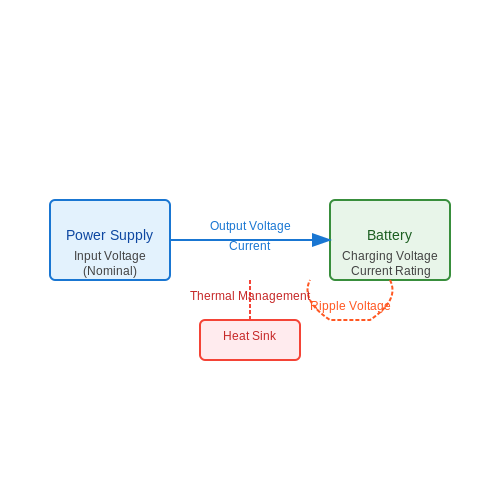
The initial consideration for any power supply is the input voltage and current requirements. To effectively charge a battery, the power supply must provide a voltage greater than the battery's nominal voltage. For instance, a lithium-ion battery with a nominal voltage of 3.7V generally requires a charging voltage of approximately 4.2V.
Moreover, the power supply must be capable of delivering sufficient current to charge the battery within an expected timeframe. This is often expressed as the current rating in mA or A. The charging rate can typically be defined by the formula:
Where I is the charging current, C is the battery capacity in Ah (Ampere-hours), and T is the desired charging time in hours. For instance, for a 2000mAh battery charged in 2 hours, the required current would be 1000mA (or 1A).
Output Regulation and Ripple Voltage
Another critical consideration is the output regulation of the power supply. The voltage output of the power supply should be stable under varying load conditions, ensuring consistent charging. This is particularly important in the context of sensitive battery technologies, where excessive fluctuations can lead to internal damage or reduce the overall lifespan.
In addition to regulation, the ripple voltage — the AC component of the output voltage — must be adequately controlled. Ripple voltage can introduce oscillations in the battery charging process, which may lead to inefficiencies and overheating. Therefore, low-ripple designs are preferred, often achieved through the use of capacitors or specialized filtering techniques.
Thermal Management Considerations
As power is dissipated in the form of heat during the charging process, effective thermal management is essential for maintaining the longevity of both the battery and the power supply. Adequate heat dissipation mechanisms may include the use of heat sinks, temperature sensors, or active cooling systems. This is particularly significant in high-power applications, where excessive heat can quickly lead to battery degradation or failure.
Safety Features and Compliance
Modern power supplies should incorporate various safety features, including over-current, over-voltage, and thermal protection to avoid hazardous situations during operation. Furthermore, compliance with international standards, such as Underwriters Laboratories (UL) or International Electrotechnical Commission (IEC) standards, is essential in ensuring the safety and reliability of the charging system.
In practice, as technology evolves, the integration of smart charging features has become prominent. These features utilize feedback mechanisms to optimize charging parameters dynamically, thus enhancing efficiency and minimizing risks.
In summary, power supply requirements in battery charging circuits are multifaceted and critical. Engineers must carefully evaluate input voltage and current specifications, output stability and ripple voltage, thermal management, and safety features to design effective and reliable charging systems.
3.2 Charging Controllers and ICs
In the realm of battery charging circuits, charging controllers and integrated circuits (ICs) serve as the brain of the charging process, ensuring that batteries receive the correct voltage and current during charging. These controllers are crucial for optimizing battery life, enhancing safety, and improving charging efficiency. Their functionality is pivotal, particularly in modern applications such as electric vehicles, renewable energy systems, and portable electronics, where battery energy management is crucial.Understanding Charging Controller Functionality
At its core, a charging controller regulates power flow from the source to the battery. The ideal scenario involves supplying the battery with a carefully controlled voltage and current to maintain optimal charging rates while preventing overcharging and excessive heat generation. Typically, these controllers utilize a feedback mechanism, continuously adjusting the charging parameters based on real-time measurements of the battery's voltage and temperature. For example, during the constant current (CC) phase of charging, the controller monitors the battery's state and ensures that the current remains within a specified limit until the voltage approaches the set point. The transition to the constant voltage (CV) phase happens seamlessly, stopping current flow once the battery is fully charged. This layered approach to power management enhances battery health and longevity.Types of Charging Controllers
Charging controllers can be classified based on several characteristics, including architecture, battery chemistry, and charging method. Here are the prominent types:- Linear Chargers: These chargers are simple and cost-effective, often utilized in low-power applications. They regulate the output voltage by dissipating excess voltage as heat, making them less efficient but easier to implement.
- Switching Chargers: More complex than linear chargers, switching chargers achieve higher efficiency through fast on-off control of power transistors. They are better suited for high-capacity batteries and applications that require rapid charging.
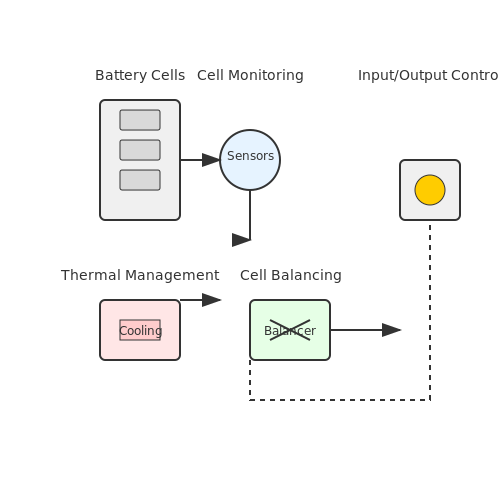
- Battery Management Systems (BMS): A BMS may incorporate multiple charging controllers and additional functionality such as state-of-charge estimation, balancing, and protection, making it ideal for multi-cell applications like electric vehicles.
Integrated Circuits for Charging Applications
Charging ICs play a significant role in automating the charging process and integrating necessary protection features. These circuits are designed specifically for managing the charging operation, often containing elements such as voltage regulators, current limiters, and thermal management features all in one package. Some important charging ICs include:- TP4056: A popular lithium battery charging IC that provides linear constant current/constant voltage (CC/CV) charging capability.
- LM317: Often used for adjustable voltage and current supply, it can be configured for basic battery charging in simple applications.
- BQ series from Texas Instruments: A comprehensive line of integrated circuits tailored for lithium-ion batteries, including advanced battery management features.
Real-World Applications and Future Trends
The evolution of charging controllers and ICs has led to significant enhancements in various applications. In electric vehicles, for instance, sophisticated charging ICs allow for rapid charging while maintaining battery integrity. Sustainable energy systems leverage advanced controllers to optimize charging from renewable sources, minimizing waste and ensuring energy efficiency. Looking forward, the trends in charging controller technologies include a focus on smart charging solutions that can communicate with grid systems and residential energy management systems. As we transition towards an increasingly electrified world, the advances in charging IC and controller technologies will play a critical role in battery performance, safety, and overall user experience. In summary, it is clear that battery charging controllers and ICs are vital components in the modern electronic landscape. Their ability to manage complex charging scenarios while offering protection and efficiency makes them indispensable in today's battery-operated devices. As technology continues to evolve, these systems will become even more advanced, paving the way for higher efficiency and smarter energy management solutions.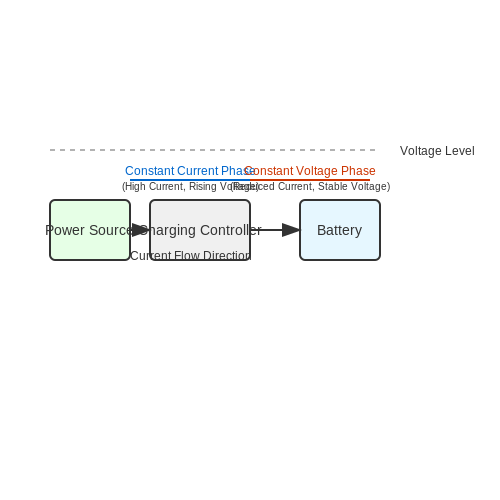
3.3 Protection Circuits for Battery Safety
As the demand for portable electronics continues to surge, the importance of battery safety has never been more paramount. Battery charging circuits are integral in ensuring that batteries operate within safe limits, thus protecting both the device and the user. Protection circuits serve as critical guardians against faulty operations, which can result in hazardous outcomes like thermal runaway, explosions, or fire. In this section, we delve into the core functionalities and mechanisms of various protection circuits designed to enhance battery safety.
Understanding the Risks
Before implementing protection measures, it is essential to comprehend the primary risks associated with battery charging. The most significant hazards involve:
- Overcharging: Excessive charging can cause battery overheating, leading to gas release, swelling, or rupture.
- Over-discharging: Allowing a battery to discharge below its rated voltage can cause irreversible damage and reduce its lifespan.
- Short Circuits: Direct connection across battery terminals can result in high current flow, causing thermal and physical damage.
- Temperature Extremes: Operational outside of specified temperature limits can compromise safety and performance.
Types of Protection Circuits
Protection circuits typically employ a combination of hardware and software to mitigate the aforementioned risks. Some of the most widely implemented protection circuitry includes:
1. Overcharge Protection
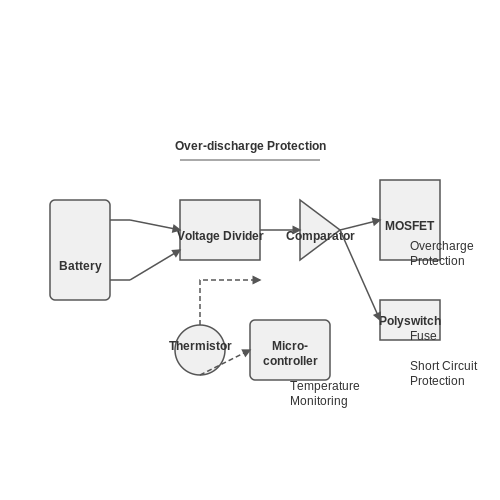
Overcharge protection circuits primarily rely on voltage monitoring. A common method employs a voltage divider connected to a comparator, which triggers a disconnect relay or MOSFET when the voltage exceeds a predetermined threshold. This mechanism prevents the battery from reaching an excessive state of charge, thereby avoiding thermal runaway.
In the equation above, \( V_{\text{threshold}} \) represents the voltage level at which the circuit initiates protection, \( R_1 \) and \( R_2 \) are resistances in the voltage divider, and \( V_{\text{max}} \) is the maximum allowable battery voltage.
2. Over-discharge Protection
To prevent over-discharge, similar principles apply. Circuit designs commonly include a comparator that monitors the battery voltage, triggering cutoff at a safe discharge level (typically around 2.5V for lithium-ion cells). This design ensures that users do not unintentionally deplete battery capacity into a damaging territory. A variant of this can involve analog or digital signal processing to provide precise cutoff timings.
3. Short Circuit Protection
One effective design for short circuit protection uses polyswitch fuses or resettable fuse devices that automatically disconnect when excessively high current flows are detected. This approach is favorable as it allows the circuit to quickly return to operational status upon reset rather than requiring component replacement.
4. Temperature Protection
Battery operation is dually impacted by internal heat generation and external environmental conditions. Temperature monitoring systems can include thermistors or temperature sensors integrated with microcontrollers that automatically shut off charging when the battery temperature surpasses safe limits. Such integrated solutions can employ PWM control strategies to maintain optimal operating temperatures through dynamic load adjustment.
Applications in Real-World Systems
For example, in electric vehicles (EVs), advanced battery management systems (BMS) incorporate sophisticated algorithms to monitor and control charging cycles while guaranteeing safety through predictive models. Additionally, consumer electronics rely upon similar solutions, where integrated circuits handle the safety mechanisms without user intervention, enhancing reliability significantly.
In summation, the implementation of protection circuits is imperative for maintaining battery health and ensuring safety in various applications. Understanding their functioning not only aids designers in creating safer products but also empowers researchers and engineers to innovate more robust energy storage solutions.
4. Selecting Components Based on Battery Type
4.1 Selecting Components Based on Battery Type
When designing a battery charging circuit, the nuances associated with the battery type being charged are of paramount importance. Batteries exhibit distinct characteristics in terms of chemistry and behavior during charging, which dictate the selection of components within the charging circuit. Understanding these differences not only enables safe and efficient battery charging but also enhances the longevity and performance of the batteries involved. This section explores critical considerations for component selection based on battery types—primarily lithium-ion, nickel-metal hydride (NiMH), and lead-acid batteries.
Battery Types and Their Characteristics
Different battery chemistries present unique charging requirements:
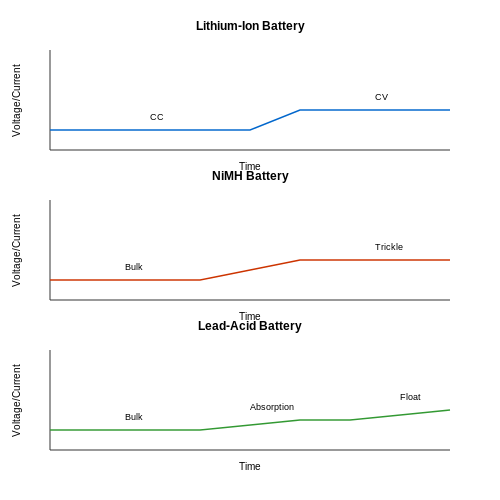
- Lithium-ion: These batteries require constant current (CC) followed by a constant voltage (CV) charging method. Rapid charging is possible but necessitates precise control to avoid overcharging, which can lead to thermal runaway.
- Nickel-metal hydride: NiMH batteries should typically be charged with respect to their state of charge (SOC) and temperature, demanding a more complex charging management system to prevent over-discharge and overcharge.
- Lead-acid: Charging involves bulk, absorption, and float stages. These batteries are less sensitive to charging rates but suffer from sulfation if not maintained properly.
Current Regulation and Control Methodologies
For each battery type, selecting the right current regulation scheme is essential:
- For Lithium-ion batteries: The implementation of a linear voltage regulator or a dedicated battery management system (BMS) is crucial. Additionally, integrating a microcontroller can provide feedback control based on real-time voltage and temperature measurements, enhancing safety and efficiency.
- For NiMH batteries: Utilize a timer-based or temperature-based cutoff for charge termination. Charge controllers often include an adaptive charging algorithm to optimize SOC.
- For Lead-acid batteries: A simple linear regulator may suffice, but using a microcontroller to implement smart charging features is advantageous for longer-term maintenance.
Component Selection: Voltage and Current Ratings
Component ratings must align with battery requirements, focusing primarily on voltage and current ratings:
- Voltage ratings: All components, especially the charging circuit, must withstand the maximum voltage generated during charging. For instance, a lithium-ion pack charged to 4.2 volts per cell must have components rated above this to ensure reliable operation.
- Current ratings: The charging current should adhere to specifications outlined in the battery data sheets. Selecting components that can handle brief peaks in current, especially during initial charge phases, is essential to prevent failure.
Thermal Management Considerations
Heat dissipation plays a critical role in the reliability of battery charging circuits:
- Use of heatsinks: For power components that generate significant heat, such as linear regulators or charging ICs, heatsinks become necessary to maintain optimal operating temperatures.
- Thermal feedback: Incorporating temperature sensors within the circuit can provide feedback loops to reduce power when elevated temperatures are detected, thus preventing thermal runaway—especially in lithium-ion systems.
Real-World Applications
In practical applications, understanding how to select components for different battery types is crucial for applications ranging from electric vehicles to portable electronics. For example:
- In electric vehicles, employing sophisticated charging management systems optimizes the cycle life of lithium-ion batteries.
- Consumer electronics utilize NiMH and lithium-ion chemistries, where the trade-off between design complexity and end-user convenience is often carefully evaluated.
- Backup power systems frequently continue to rely on lead-acid batteries, with multi-stage charging implemented to maintain operational readiness.
In summary, the selection of components in battery charging circuits should be deeply informed by the specific characteristics of the battery type in use. Each decision—from current regulation to thermal management—must align with the battery's operational requirements, ensuring the charging circuit is both efficient and safe.
4.2 Circuit Design Considerations and Best Practices
When designing battery charging circuits, a myriad of factors must be meticulously considered to optimize performance, safety, and longevity of both the battery and charging components. This section delves deep into essential design considerations while also addressing best practices drawn from both theoretical foundations and real-world applications.Understanding Charging Modes
The foremost consideration is the charging mode best suited for the application. There are three primary modes of charging: constant current (CC), constant voltage (CV), and trickle charging. Each mode serves a distinct purpose in battery management. In constant current charging, the current remains fixed while voltage can fluctuate. This mode is ideal during the initial stages of charging when the battery can accept maximum current without danger. As the battery approaches full charge, the charging circuit typically transitions to constant voltage, maintaining a set voltage level to safely complete charging. Trickle charging, on the other hand, ensures a low current to compensate for self-discharge, which can be crucial for keeping batteries topped off in standby applications.Temperature Management
Another crucial aspect is thermal management. Batteries generate heat during charging, and excessive heat can lead to reduced capacity or catastrophic failure. Consider incorporating features such as:- Temperature sensors to monitor thermal conditions.
- Active cooling mechanisms, such as fans or heat sinks.
- Thermal cutoff switches to prevent overheating.
Circuit Protection
Protection mechanisms are paramount in battery charging circuits to prevent incidents like overcharging, undervoltage, and short-circuits. Implementing fuse protection and overvoltage protection circuits can safeguard against potential damage. For instance, using polyfuses, which reset themselves upon cooling, provides a robust solution against short-circuits. Additionally, battery management systems (BMS) can be integrated into the circuit design to oversee real-time battery conditions. A BMS ensures compliance with safe operational boundaries by continually monitoring parameters such as voltage, current, and temperature across individual cells in multi-cell configurations.Efficiency Considerations
Efficiency is another critical design consideration, particularly in applications where power conservation is essential. Designing with low-dropout regulators (LDOs) or utilizing switch-mode power supplies (SMPS) can dramatically reduce wasted energy. To evaluate efficiency, consider the formula:Real-World Applications and Case Studies
Preventing overcharging through smart charging algorithms has gained momentum in electric vehicle (EV) charging stations, where modular charging designs allow for significant scalability. Research has demonstrated that implementing CC-CV charging algorithms can extend the lifecycle of lithium-ion batteries significantly, thereby enhancing overall customer satisfaction in electric vehicle performance. Case studies of solar energy storage systems further exemplify best practices in battery charging. Research indicates that integrating maximum power point tracking (MPPT) with adaptive charging strategies not only optimizes energy extraction from solar panels but also provides a holistic view of the charging process, aligning with environmental sustainability efforts.Conclusion
Ultimately, the design choices made in battery charging circuits have far-reaching consequences. From thermal management and safety protocols to enhancing charging efficacy, diligent attention to detail serves both performance and longevity in a variety of applications. As technology advances, emerging trends in energy storage and management will continue to influence the best practices in circuit design, highlighting the importance of ongoing research and development in this critical area of electronics.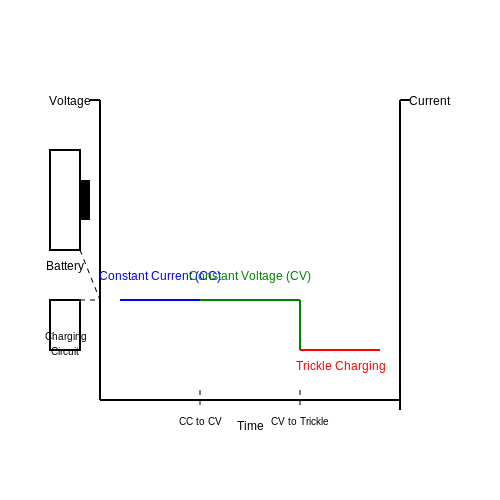
4.3 Simulation and Testing of Charging Circuits
As technology advances, the design and implementation of battery charging circuits become increasingly complex. Simulating these circuits is critical to ensure their efficiency, safety, and reliability. This section addresses the methodologies and tools used for simulating and testing charging circuits, integrating theoretical concepts with practical insights.
Understanding Circuit Simulation
Circuit simulation provides a virtual platform to analyze the behavior of electronic circuits without the need for physical components. By employing software tools, engineers can model the dynamic characteristics of battery charging circuits under various conditions, minimizing errors and enabling rapid prototyping. Tools like SPICE (Simulation Program with Integrated Circuit Emphasis) are widely used due to their robustness and flexibility.
Key Parameters for Simulation
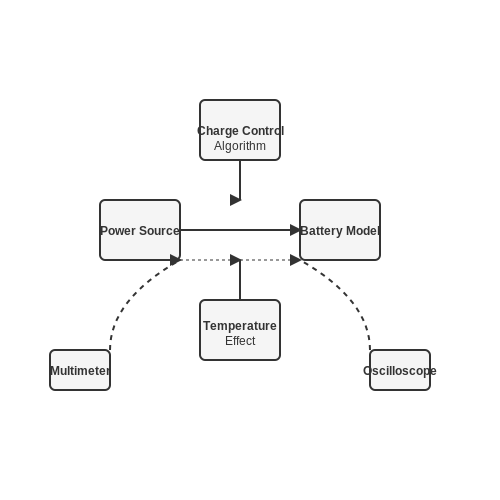
When simulating charging circuits, several key parameters must be considered:
- Input Voltage and Current: The source characteristics significantly impact the charging rate and efficiency.
- Battery Model: Accurate modeling of the battery, including capacity, state of charge (SOC), and internal resistance, is vital for realistic simulations.
- Charge Control Algorithm: Implementing algorithms such as constant current-constant voltage (CC-CV) or pulse-width modulation (PWM) dictates how the charging process is managed.
- Environmental Factors: Temperature effects can influence battery performance and safety. Simulations should consider thermal characteristics to predict behavior under varying conditions.
Practical Testing of Charging Circuits
While simulation provides a solid theoretical foundation, practical testing is essential to validate the performance of charging circuits in real-world applications. Testing usually occurs in stages, from individual components to entire systems.
Testing Methodologies
Common testing methodologies include:
- Bench Testing: Constructing the circuit on a breadboard or PCB to evaluate its performance under controlled conditions. Measurements such as voltage, current, and battery temperature are monitored using multimeters and oscilloscopes.
- Load Testing: Observing the charging circuit under various load conditions to assess stability and responsiveness. This can help identify faults or inefficiencies in the circuit design.
- Long-term Testing: Running the charging circuit over extended periods to evaluate its durability and reliability. Cycle life tests can reveal the battery’s performance over numerous charge-discharge cycles.
Case Study: Simulation and Testing of a Solar Battery Charger
Consider a solar battery charger designed to operate autonomously in outdoor environments. Initially, circuit simulation software might be used to model the photovoltaic (PV) panel output, battery characteristics, and load conditions. Following simulation, a prototype circuit would undergo bench testing to compare simulation results with real-life performance.
Developers would employ thermal imaging during testing to monitor hotspots, ensuring that the charger operates within safe limits. By following simulations with empirical tests, engineers can refine their designs, leading to optimized efficiency and enhanced longevity.
In summary, the combination of circuit simulation and rigorous testing forms the backbone of modern battery charging circuit development. Through these practices, engineers build more reliable and efficient systems, capable of meeting the demands of today’s advanced technological landscape.
5. Charging Circuits for Consumer Electronics
5.1 Charging Circuits for Consumer Electronics
The importance of charging circuits in modern consumer electronics cannot be overstated. As devices become more compact and integrated, the demand for efficient, safe, and reliable charging solutions rises significantly. This section delves into the key concepts and methodologies that revolve around charging circuits specifically tailored for consumer electronics such as smartphones, tablets, and laptops, presenting both theoretical insights and practical applications.
Charging Topologies
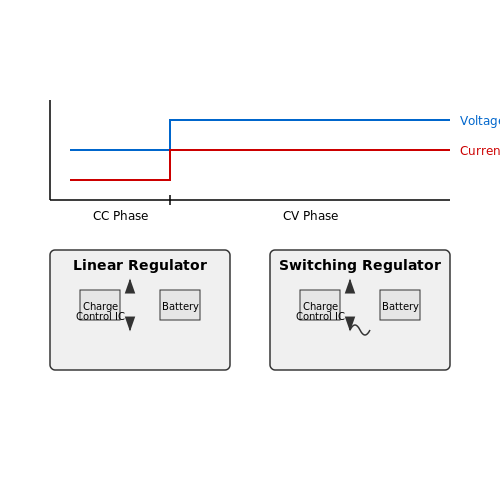
Understanding the different charging topologies forms the backbone of designing effective charging circuits. Linear regulators and switching regulators are two of the predominant topologies used in battery charging applications. Linear regulators provide simplicity and low cost, making them attractive for low-power applications, while switching regulators offer higher efficiency, especially in higher power scenarios.
For instance, a linear charger can effectively maintain the battery voltage with minimal complexity, but it is less efficient than a switching regulator when managing larger loads due to power losses in the form of heat. On the other hand, switching chargers, although more complex and expensive, can handle higher current loads while minimizing waste energy. This is especially vital in consumer electronics where battery life and thermal management are critical.
Charging Profiles
Charging profiles define how a battery is charged throughout its lifecycle. In consumer electronics, manufacturers often implement the CC-CV (Constant Current - Constant Voltage) charging method. Initially, the battery is charged with a constant current until it reaches a specified voltage, thereafter transitioning to a constant voltage phase where the current gradually decreases.
The CC-CV method allows batteries—such as lithium-ion types—to be charged efficiently and safely, extending their lifespan. Research has demonstrated that improper charging can lead to battery degradation, overheating, or even failure, making it imperative to adhere to optimal charging profiles.
Charge Control ICs
Charge Control Integrated Circuits (ICs) play a crucial role in automating the charging process. These devices manage the power flow from the supply to the battery, ensuring that the appropriate voltage and current levels are maintained throughout the charging cycle. Some popular examples include the TP4056 and MCP73831.
The use of charge management ICs not only simplifies the design process by integrating multiple functions but also enhances the safety features such as over-voltage protection, over-current protection, and thermal shutdown. With the increasing complexity of mobile devices, these ICs help mitigate risks and ensure the longevity of batteries.
Recent Innovations
The advancements in battery technology have sparked new innovations in charging circuits. For instance, fast charging technologies such as Qualcomm's Quick Charge or USB Power Delivery have emerged, allowing devices to charge significantly faster than traditional methods. These technologies utilize smart communication between devices and chargers to optimize voltage and current dynamically based on real-time battery condition.
Moreover, wireless charging solutions have gained traction in consumer electronics, eliminating the need for physical connections, thereby enhancing convenience. These systems employ inductive charging principles, where an electromagnetic field transmits energy from the charger to the device. However, challenges remain in terms of efficiency and heat management.
Practical Applications and Case Studies
To illustrate the concepts discussed, consider the charging circuit design of a typical smartphone. The integration of a charge control IC tailored for lithium-ion batteries is essential to ensure compatibility with various charger types. A smartphone's charging architecture must support multiple charging profiles and safety features, demonstrating how advancements in technology have improved user experience through faster and safer charging.
Furthermore, manufacturers consistently gather data from large-scale deployments that inform ongoing improvements. Feedback loops enabled by connected devices allow real-time adjustments in charging algorithms, enabling dynamic optimization and enhancing overall efficiency.
In conclusion, understanding the intricacies of charging circuits is imperative for engineers and researchers in the field of electronics. As consumer demands evolve, staying abreast of advancements in charging methods and technologies will be essential in designing future-proof devices.
5.2 EV Charging Solutions and Infrastructure
When considering the transition to electric vehicles (EVs), the significance of effective battery charging solutions and infrastructure cannot be overstated. In this subsection, we will explore the various charging methods, the importance of infrastructure development, and insights into current advancements and challenges in this rapidly evolving field.Understanding EV Charging Technologies
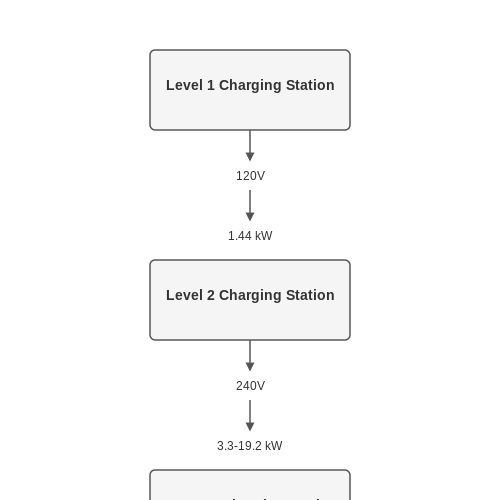
Electric vehicle charging systems can be broadly categorized into three main types: Level 1, Level 2, and DC Fast Charging. Each type differs in terms of voltage, current, and charging speed, and understanding these distinctions is crucial for optimizing charging infrastructure. - Level 1 Charging typically utilizes standard household outlets (120V AC) and is predominantly used for home charging. It provides a slow charging rate, often up to 4-5 miles of range per hour. This method is beneficial for overnight charging but less suited for rapid turnaround needs. - Level 2 Charging employs higher voltage sources (240V AC) and can deliver approximately 10-60 miles of range per hour. Level 2 chargers are widely deployed in public charging stations and commercial settings, providing a balance between compatibility and speed. - DC Fast Charging systems are designed for rapid charging, supplying direct current (DC) at voltages often exceeding 400V. With the capacity to charge a vehicle to 80% in about 30 minutes, DC fast chargers are a critical component of long-distance EV travel. They are usually found at highway rest stops and strategic locations to facilitate quick recharging.The Role of Charging Infrastructure
A robust charging infrastructure is essential to support the widespread adoption of EVs. Inadequate charging options can deter consumers, limiting their willingness to transition from internal combustion engine vehicles. Here are several factors that illustrate the infrastructure's role:- Accessibility: Charging stations need to be conveniently located and easily accessible to enhance user experience. This includes urban, suburban, and rural placements to ensure coverage across diverse regions.
- Network Integration: Advanced grid management systems must be integrated with charging stations to balance load demands and promote energy efficiency. Smart charging, which allows vehicles to charge during off-peak hours, is a significant advancement in this area.
- Payment Solutions: Providing user-friendly payment processes is fundamental for user acceptance. The integration of mobile app payments and universal access to charging networks can streamline the experience for EV owners.
Innovations and Future Directions
Recent developments in EV charging technologies and infrastructure have opened new avenues for enhancing the charging experience. Noteworthy innovations include the following: - Wireless Charging: This emerging technology removes the need for physical connectors, allowing vehicles to charge while parked over a charging pad. This could lead to greater convenience in public charging scenarios. - Vehicle-to-Grid (V2G) Technology: This system enables EVs to provide stored energy back to the grid, offering both incentives for owners and benefits for grid stability. Understanding the dynamics and reliability of V2G systems can drastically change energy consumption patterns. - Renewable Energy Integration: Charging stations powered by renewable energy sources like solar or wind are increasingly adopted as sustainable options. This leads to a reduced carbon footprint in the charging process. - Standardization of Charging Protocols: Initiatives aimed at standardizing charging protocols and connectors address interoperability across different EV models and manufacturers. This will enhance user experience by eliminating confusion over compatibility. In conclusion, the evolution of EV charging solutions and infrastructure plays a pivotal role in accelerating the adoption of electric vehicles. As technologies advance and strategic infrastructure is developed, the landscape of personal and commercial transportation is poised for transformative change.Summary
As we now recognize, creating a widespread and efficient charging infrastructure is a multi-faceted problem requiring collaboration between technology developers, policy makers, and industry leaders. The strides taken in charge times, accessibility, and energy management systems are paving the way for a future where electric vehicles can be seamlessly integrated into our daily lives.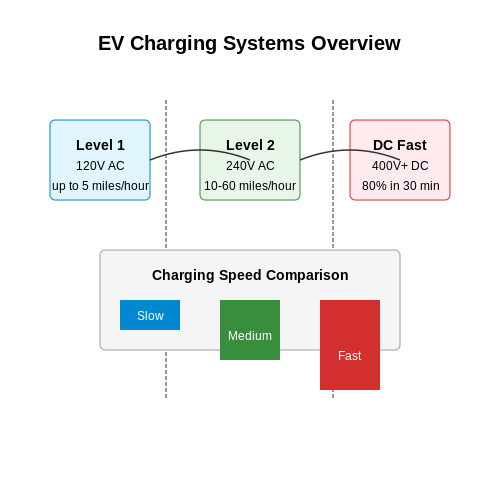
5.3 Renewable Energy Systems and Battery Integration
In recent years, the integration of renewable energy systems with battery storage technologies has emerged as a pivotal strategy to enhance the efficiency of power systems. This is primarily to accommodate the inherent variability associated with renewable sources such as solar and wind energy, which can be intermittent in nature. Advanced engineers and researchers are exploring sophisticated methods for charging batteries in such systems to ensure optimal performance. The crux of integrating renewable energy systems with battery charging circuits lies in understanding the interaction between energy generation, storage capacity, and consumption demands. The aim is to maintain a reliable power supply while maximizing the efficiency of energy utilization.Understanding Battery Storage in Renewable Energy Systems
When discussing battery storage, it is important to highlight the different types of batteries frequently utilized, including lithium-ion, lead-acid, and flow batteries. Each battery type presents unique advantages and limitations regarding energy density, discharge rates, cycle life, and environmental impact. In a renewable energy context, the choice of battery is strategic; for instance, lithium-ion batteries are favored for their high energy density and longevity, making them suitable for both residential and grid-scale applications. Conversely, lead-acid batteries, while cheaper, are limited in lifespan and efficiency. The more novel flow batteries, though promising, are still undergoing significant research and development to optimize their practical applications.Controlling Battery Charging
Integrating battery charging with renewable energy systems necessitates effective charging control strategies that can adapt to fluctuations in generation and load. The maximum power point tracking (MPPT) technology is widely used in photovoltaic (PV) systems to ensure the inverter extracts the maximum possible power from solar panels. By utilizing an MPPT algorithm, engineers can dynamically adjust the operating point of the PV system to optimize energy capture. For many battery types, particularly lithium-ion batteries, the charging process is often segmented into three stages: constant current (CC), constant voltage (CV), and trickle charge. This method allows for efficient energy retention while safeguarding against overcharging: 1. Constant Current (CC): Power is supplied at a consistent current until the battery reaches a pre-defined voltage threshold. 2. Constant Voltage (CV): The power source maintains the voltage at a steady level while the current decreases as the battery approaches full charge. 3. Trickle Charge: A small current is delivered to keep the battery at its peak state without overcharging, which helps in extending lifespan.Smart Grid and Energy Management Systems
The evolution towards smart grid technologies has transformed how energy is managed. Smart grids leverage digital technology and communications to improve the reliability and efficiency of power distribution networks. This involves the integration of battery systems that can intelligently respond to the needs of the grid, current energy prices, and electricity demand. An energy management system (EMS) plays a crucial role in this integration. These systems combine information from renewable sources, battery storage, and consumption data to optimize the energy flow. They can predict periods of high energy generation (for example, during peak sunlight hours) and manage when batteries should be charged or discharged accordingly. In practical applications, deployment of smart inverters capable of bi-directional power flow allows batteries not only to store excess energy but also to supply energy back to the grid when demand spikes, providing a crucial balance to supply and demand dynamics.Real-World Applications
Many innovative projects around the world have demonstrated the successful integration of renewable energy systems with battery storage: - Tesla's Powerwall: Provides residential users with a storage solution for solar energy, enabling homes to utilize stored energy during peak periods. - Hornsdale Power Reserve in South Australia: This facility aggregates battery storage to provide grid stability, reacting within milliseconds to fluctuations in demand. These examples underline the critical intersection of technology and energy strategies driving advancements in sustainable energy solutions. In conclusion, the integration of renewable energy systems with battery storage is not merely an engineering challenge—it embodies a vital nexus of technology, sustainability, and modern energy management. Recognizing these interactions will empower advanced professionals to drive further innovations in this field.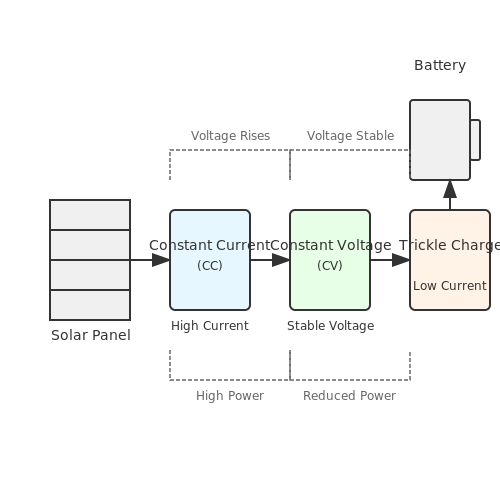
6. Identifying Charging Failures
6.1 Identifying Charging Failures
When dealing with battery charging circuits, detecting failures early can significantly enhance reliability and system longevity. Understanding the various modes of charging is crucial, as each mode presents unique failure mechanisms. While engineers may be adept at building and deploying these systems, the real challenge often lies in diagnosing issues when they arise. To systematically identify charging failures, one must first consider the battery chemistry, as different battery types respond differently to charging stimuli. For instance, lithium-ion batteries are sensitive to overvoltage and temperature discrepancies. Therefore, monitoring parameters such as voltage, current, and temperature can yield crucial insights into the charging process.The Role of Monitoring Parameters
Embarking on the path of detecting charging failures necessitates real-time monitoring of several key parameters. These include:- Voltage Levels: A sudden drop in voltage during charging may indicate a faulty connection or cell imbalance.
- Current Consistency: The charging current should stabilize as the battery reaches its target charge. Inconsistencies might signify battery cell damage or circuit issues.
- Temperature Variations: Overheating is a primary indication of failure. Using thermistors to monitor battery temperature can prevent catastrophic failures.
Common Failure Modes
Understanding common failure modes can be beneficial for prompt identification. Here are a few prevalent types:- Overcharging: This occurs when the voltage exceeds the manufacturer specifications, leading to thermal runaway, especially in lithium-ion cells.
- Short Circuits: Internal short circuits can manifest due to dendrite formation in lithium-ion cells, leading to rapid discharging and potential fires.
- Cell Imbalance: In multi-cell setups, differences in charge capacity may result in unequal charging rates, which can ultimately hinder performance.
Employing Testing Equipment
The implementation of advanced testing equipment plays an essential role in diagnosing charging failures. Employing digital multimeters, oscilloscopes, and specialized battery analyzers allows engineers to gain a comprehensive picture of the charging process. Digital multimeters can accurately gauge voltage and current during various phases of charging, providing immediate feedback on performance. Similarly, oscilloscopes can visualize waveform anomalies that signify malfunctioning components or poor connections. Integrating these tools into a charging diagnosis toolkit enables practitioners to quickly identify issues, potentially before they escalate into more serious problems. In conclusion, identifying charging failures hinges on a thorough understanding of the underlying mechanisms and diligent monitoring practices. As battery technology continues to evolve, the nuances of diagnosing and rectifying charging failures will become increasingly critical for engineers and researchers alike. Emphasizing proactive measures is not only prudent but essential in advancing battery system reliability in practical applications.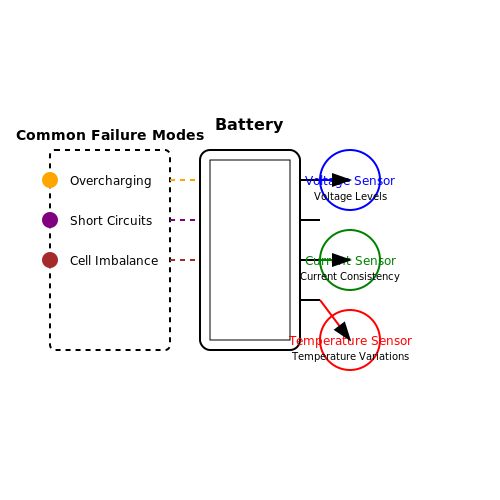
6.2 Measuring Circuit Performance
In any battery charging circuit, understanding performance metrics is vital for ensuring efficiency and safety. Measuring circuit performance involves evaluating several key parameters such as voltage, current, efficiency, and temperature. These measurements not only help in the design and optimization of charging circuits but also play a crucial role in real-world applications, where deviations from expected performance can lead to reduced battery lifespan or hazardous conditions.Understanding Key Parameters
First, let's outline the essential parameters that define the performance of a battery charging circuit:- Voltage (V): This is the potential difference provided by the charger. It must be suitable for the battery chemistry to avoid overcharging or damaging the battery.
- Current (I): The rate at which charge is supplied to the battery. It should ideally match the battery's charge acceptance characteristics.
- Efficiency (η): Defined as the ratio of output power to input power, efficiency indicates how well the circuit converts electrical energy into stored chemical energy. High efficiency minimizes energy loss, typically manifested as heat.
- Temperature (T): The temperature of both the charger and the battery during charging can affect performance and safety. Excessive heat can indicate inefficient operation or potential failure.
Measurement Techniques
To accurately measure these parameters, various methods and tools can be employed: 1. Multimeter: A digital multimeter (DMM) is a fundamental tool for measuring voltage and current. It can help verify whether the charging circuit is operating within its specified parameters. For instance, by connecting the multimeter across the battery terminals, one can measure the terminal voltage during various states of charging. 2. Oscilloscope: For observing transient behaviors, an oscilloscope can be connected to monitor voltage and current waveforms. This is particularly helpful in designs with PWM (pulse-width modulation), as it provides insight into waveform shapes and helps detect anomalies. 3. Data Logger: Continuous monitoring of voltage, current, and temperature over extended periods can be accomplished with a data logger. This aids in analyzing performance trends and implements necessary adjustments to the charging strategy effectively. 4. Thermocouples or Infrared Sensors: Given that temperature increases can indicate inefficiencies or impending failures, integrating temperature measurement devices allows for real-time monitoring, essential for safety-critical applications.Efficiency Calculation
Next, let’s derive the efficiency of a battery charging circuit mathematically. Efficiency can be quantified using the following equation:Practical Relevance
In real-world applications, measuring and optimizing the performance of battery charging circuits can mitigate risks such as overheating and extend the life of batteries in electric vehicles, portable electronics, and renewable energy systems. For example, in electric vehicles, ensuring optimal charging performance can significantly influence range and charging times. In conclusion, the ability to measure and analyze the performance of battery charging circuits is critical. Utilizing a combination of measurement tools and mathematical analysis enables engineers to enhance the design and function of these systems, leading to safer and more efficient energy storage solutions. The intersection of theoretical understanding and practical application is key for continual advancement in the field of electronics.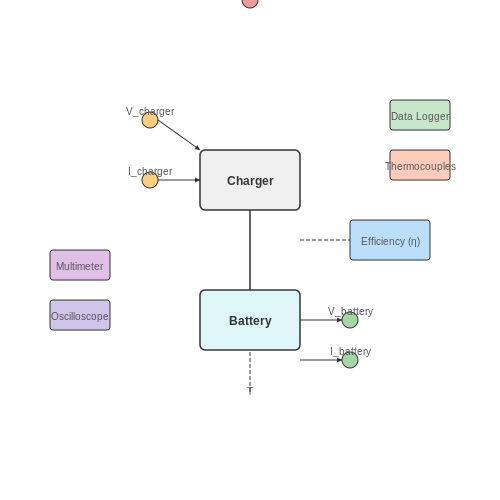
6.3 Common Fixes for Charging Problems
Battery charging circuits are critical components in electronic devices, ensuring that batteries are efficiently and safely charged. However, problems can often arise during the charging process, leading to suboptimal performance or failure. In this section, we will delve into common issues encountered in battery charging circuits and explore practical solutions.
Understanding Charging Problems
Charging issues can stem from various sources, including circuit design flaws, component failures, or battery degradation. The most frequent problems include:
- Incorrect voltage levels: Variations in input voltage can disrupt the charging process.
- Overheating: Excessive heat can indicate problems in the circuit or with the battery itself.
- Battery age: Aging batteries may not hold charge as effectively, resulting in decreased performance.
- Faulty connections: Poor solder joints or broken traces can interrupt the charging process.
- Protection circuitry issues: Malfunctioning protection circuits may prevent the battery from charging or discharging correctly.
Addressing these issues not only enhances battery performance but also extends its lifespan. Let us explore some common fixes for each of these problems.
1. Correcting Voltage Levels
The voltage levels supplied to a battery charging circuit must align with the specified charging voltage for the particular battery chemistry. Use a multimeter to measure the output voltage of the charging source and ensure it meets the manufacturer's specifications. If this voltage is incorrect, adjustments may include:
- Recalibrating the power supply to ensure accurate output voltage.
- Replacing any faulty voltage regulation components in the circuit.
For instance, a lithium-ion battery typically requires a charging voltage of about 4.2V. If the source supplies only 3.7V, the battery will not charge efficiently. Ensure that all components are rated appropriately for this voltage to prevent circuit damage.
2. Managing Heat Dissipation
Overheating during charging can lead to critical failures. If a battery or circuit component becomes excessively hot, it may indicate an issue that needs immediate attention. Mitigation techniques include:
- Incorporating heatsinks or thermal pads to dissipate heat away from critical components.
- Ensuring adequate air circulation in designs where heat buildup is likely.
Free air convection may suffice for smaller designs, but active cooling may be necessary for larger, higher-power applications.
3. Addressing Battery Age
Batteries lose their capacity over time due to chemical degradation. When troubleshooting an aging battery, consider the following:
- Testing the battery with a battery analyzer to determine its current capacity.
- Replacing it with a new battery if the capacity has diminished beyond usable limits.
Implementing a battery monitoring system that assesses battery health can provide insights into when replacement is necessary, greatly enhancing maintenance protocols.
4. Fixing Faulty Connections
Charging circuit performance can suffer vastly from poor connections. To remedy this:
- Inspect all solder joints and wiring for signs of wear or detachment.
- Utilize a continuity tester to ensure electrical connectivity throughout the circuit.
Reflowing solder for surface-mounted components and replacing wires can help restore functionality.
5. Repairing Protection Circuitry
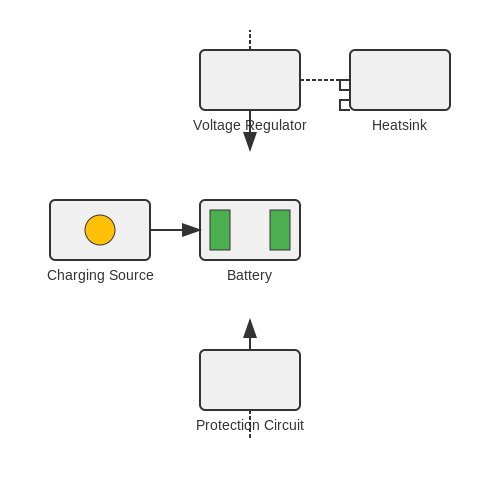
The protection circuit safeguards the battery from overcharging, over-discharging, and short circuits. In cases where charging ceases unexpectedly, investigate the following:
- Check for blown fuses or damaged protection ICs.
- Test the accuracy of sensor readings that monitor voltage and current.
Replacing any faulty protection components is essential to ensure the proper operation of the charging circuit.
Conclusion
Through systematic investigation and application of fixes, many common issues in battery charging circuits can be resolved. Understanding the underlying principles allows engineers and researchers to develop more robust and efficient systems, ensuring battery longevity and reliability. As technology advances, the focus on battery efficiency, safety, and lifecycle management becomes increasingly paramount in both consumer electronics and industrial applications.
7. Recommended Textbooks and Journals
7.1 Recommended Textbooks and Journals
- Battery Management Systems: Design by Gregory L. Plett — This comprehensive book provides both fundamental principles and the latest advancements in battery management systems, making it indispensable for engineers and researchers interested in the intricacies of battery charging circuits.
- Journal of Power Sources — A top-tier journal publishing original research papers on all aspects of portable power sources and energy conversion technologies, including detailed investigations into battery charging methodologies.
- Battery Systems Engineering by Christopher D. Rahn and Chao-Yang Wang — A mathematical and practical approach to understanding battery systems engineering, this book is ideal for those seeking to apply rigorous engineering principles to battery charging systems.
- IEEE Transactions on Power Electronics — This highly regarded journal covers current developments in the field of power electronics, with frequent articles on advanced solutions and innovative approaches to battery charging circuits.
- Battery and Energy Technologies — An online resource offering in-depth articles and tools about battery technology, including insights on charging methods and system integration.
- Journal of Electrochemical Energy Conversion and Storage — Focuses on the latest research in electrochemical energy conversion, often featuring papers on the theoretical and experimental aspects of battery charging principles.
- IEEE Power Electronics Society Publications — An essential resource for contemporary findings and patents within the domain of power electronics, including a specialized focus on battery technologies and charging circuits.
- Battery Technologies by Hao Huang — This book provides an exhaustive overview of current energy storage technologies, making it a valuable guide for engineers interested in the design and optimization of battery charging circuits.
7.2 Online Resources and Tutorials
Battery charging circuits are crucial in numerous applications, from consumer electronics to heavy-duty industrial machinery. Mastering these circuits not only improves your technical prowess but also enhances the overall efficiency and reliability of battery-powered systems. Below is a curated list of external resources and tutorials to expand your understanding of battery charging circuits.
- Rechargeable Battery Charging Circuits - All About Circuits — This resource serves as an expansive guide on various types of battery charging circuits, covering design principles and real-world applications.
- Battery Charger Tutorial - Electronics Tutorials — A thorough tutorial that explores the different types of battery chargers, including constant voltage and constant current scenarios.
- Simple Battery Charging Circuit with Adjustable Current Limit - EDN Network — Offers a practical design idea for creating a battery charging circuit with adjustable current settings to tailor to different needs.
- Battery Management Solutions - Microchip Technology — Provides technical documents and design resources for developing efficient and robust battery management systems.
- Designing a Simple Li-ion Battery Charger - SparkFun — A hands-on tutorial focusing on Li-Ion battery chargers, complete with circuit schematics and parts lists for easy replication.
- Battery Charger Handbook - Analog Devices — This handbook explains the fundamentals of battery charging technologies with an emphasis on circuit design and IC selection.
- BQStudio Software - Texas Instruments — An invaluable tool for monitoring and testing battery charging circuits, allowing for detailed analysis and performance optimization.
- BU-409: Charging Lithium-Ion - Battery University — Offers insights into the nuances of charging lithium-ion batteries, discussing challenges and safety considerations.
7.3 Industry Standards and Guidelines
In the increasingly complex world of battery charging circuits, adhering to industry standards and guidelines ensures not only performance and safety but also facilitates compatibility and interoperability across devices and systems. This section delves into the established standards, highlighting their significance while connecting to practical applications in industry.Importance of Industry Standards
Industry standards serve as a uniform benchmark for safety, quality, and efficiency, guiding engineers and manufacturers in developing technologies that meet global expectations. By leveraging these standards, industries can minimize risks associated with battery charging, such as overheating, overcharging, and potential battery damage.Standard Organizations and Their Roles
Several organizations play pivotal roles in setting these benchmarks:- IEEE (Institute of Electrical and Electronics Engineers): IEEE provides robust guidelines, especially in the realms of electronics and power engineering. IEEE standards ensure that charging circuits remain efficient and safe under diverse conditions.
- IEC (International Electrotechnical Commission): The IEC develops International Standards for all electrical, electronic, and related technologies. Its standards address specifications for battery systems to prevent failures and inefficiencies.
- UL (Underwriters Laboratories): UL standards, particularly pertinent to safety, assure that products are tested for hazards like short-circuits and fire risks, thereby enhancing consumer trust.
Key Standards in Battery Charging
Several specific standards are applicable to battery charging circuits:IEC 62133
This standard specifies the safety requirements for portable sealed secondary cells and batteries made from them for use in portable applications. It includes guidance on mechanical and electrical safety, aiming to prevent failures through harmonized testing procedures.IEEE 1725
Often referred to in the context of mobile device batteries, IEEE 1725 is critical for ensuring safety in the design, manufacturing, and testing of rechargeable Li-ion and Li-polymer batteries in mobile phones and their accessories.UL 2054
UL 2054 provides comprehensive requirements for safe use of household and commercial batteries, including guidelines on construction, performance tests, and environmental aspects. Adherence to UL 2054 is crucial for any organization looking to ensure market acceptance for their battery-operated products.Impact of Industry Standards on Design
Complying with industry standards influences many aspects of battery charging circuit design:- Improved Safety: Adhering to standards like UL 2054 minimizes risks that can lead to dangerous occurrences such as thermal runaway.
- Market Acceptance: Products that meet recognized standards often have improved likelihoods of market approval and consumer trust.
- Global Compatibility: By following international standards such as those set by the IEC, products can attain worldwide compatibility, enhancing globalization of products.
- Impact on R&D: Standards drive innovation by challenging engineers to develop new technologies that meet or exceed these criteria.