Connecting Batteries Together
1. Types of Batteries
1.1 Types of Batteries
When connecting batteries together, understanding the different types available is crucial, as each type has unique characteristics, performance metrics, and applications that influence how they can be effectively combined. This knowledge significantly impacts design decisions in various engineering fields, especially in power systems, renewable energy storage, and portable electronics.
Primary Batteries
Primary batteries are designed for single-use, where chemical reactions produce electrical energy until the reactants are exhausted. They are widely used in devices requiring low power over a long duration, such as remote controls and wall clocks. Key types include:
- Alkaline Batteries: These are among the most common primary batteries, characterized by their use of zinc and manganese dioxide as electrodes and potassium hydroxide as the electrolyte. They provide a nominal voltage of 1.5V and a relatively stable discharge curve, suitable for low-drain devices.
- Lithium Batteries: These batteries operate at higher voltages compared to alkaline cells and can deliver higher energy densities. Variants like lithium thionyl chloride are employed in remote monitoring applications and backup power sources.
Secondary Batteries
In contrast, secondary batteries are rechargeable. They allow the conversion of electrical energy into chemical energy during charging and back into electrical energy during discharging. Several types are prevalent in today's technology:
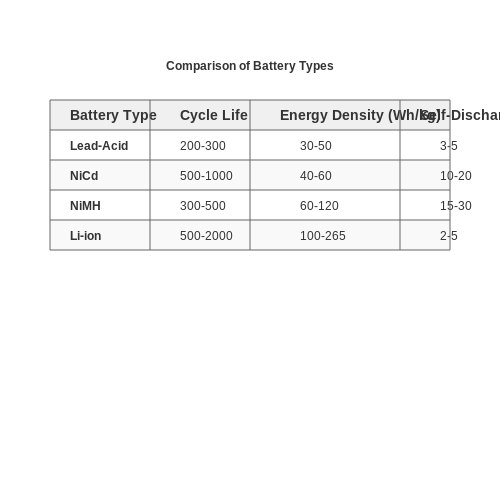
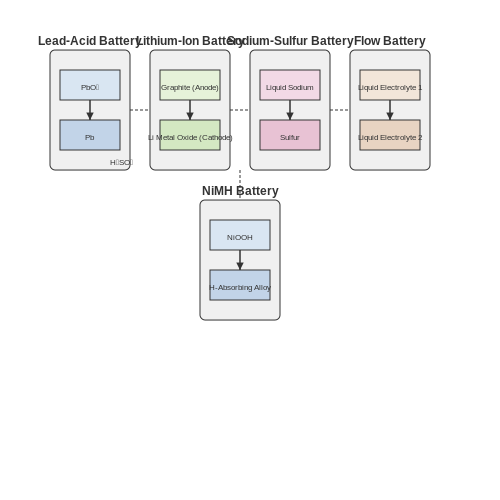
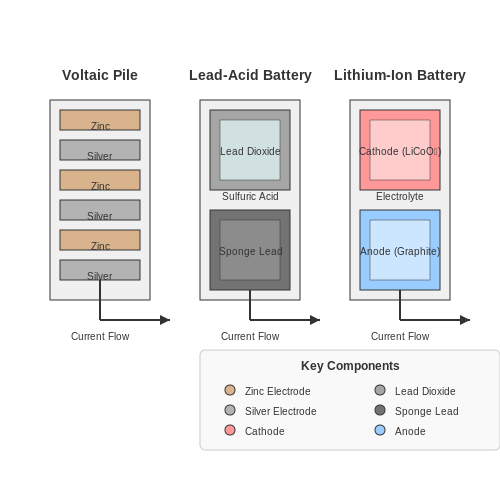
- Lithium-Ion (Li-ion): Widely used in portable electronics and electric vehicles, Li-ion batteries are favored for their high energy density, lightweight, and efficient performance. They typically operate at voltages ranging from 3.6V to 4.2V per cell.
- Nickel-Metal Hydride (NiMH): These are a common choice for hybrid vehicles and high-drain applications, offering better performance than traditional nickel-cadmium batteries in terms of capacity and environmental impact.
- Lead-Acid: Known for their robustness and simplicity, lead-acid batteries are still extensively used in automotive applications and backup power systems. They provide significant power output but tend to be heavier and less energy-dense compared to their Lithium-ion counterparts.
Specialized Batteries
Beyond standard types, there are specialized batteries designed for specific applications. Some notable examples include:
- Flow Batteries: These are useful in large-scale applications like grid energy storage. Flow batteries utilize liquid electrolytes stored in external tanks, allowing for scalability and longevity.
- Sodium-Sulfur (NaS): Often used in stationary energy storage applications, NaS batteries thrive in high-temperature conditions and are notable for their high energy density.
As batteries are connected in series or parallel configurations, understanding their characteristics, such as voltage, current capacity, and charge/discharge cycles, becomes essential. This knowledge directly influences factors such as energy efficiency, safety, and overall system performance. The choice of battery type dictates the configuration and can significantly affect the operational dynamics of the larger electrical system.
1.2 Battery Specifications and Ratings
In the realm of electronics, particularly when connecting batteries, understanding battery specifications and ratings is paramount. These specifications dictate how batteries can be integrated into systems to ensure efficiency, safety, and longevity. This section delves into critical ratings such as capacity, voltage, current, cycle life, and internal resistance, enriching the reader’s capability to deploy batteries effectively in various applications.Capacity
Battery capacity, typically measured in ampere-hours (Ah), represents the total amount of electrical charge a battery can store. This capacity addresses the charge that can be delivered over a specific time frame. For instance, a battery rated at 100 Ah can theoretically provide 100 amps for one hour or 50 amps for two hours. The relationship can be mathematically expressed as:Voltage
Voltage, or electric potential difference, is integral to understanding how batteries function within a circuit. Each battery cell generates a nominal voltage depending on its chemistry; for instance, lead-acid cells provide about 2 volts per cell, while lithium-ion cells typically offer around 3.7 volts per cell. When connecting multiple batteries, the arrangement—whether series or parallel—will influence the overall voltage output. When batteries are connected in series, the total voltage can be calculated as:Current Rating
The current rating, often specified as Continuous Discharge Rate (CDR) or Peak Discharge Rate, indicates the maximum current a battery can deliver without compromising performance or safety. High current ratings are particularly crucial in applications like power tools or electric vehicles, where demanding power bursts are required. The relationship can be analyzed using the equation of power:Cycle Life
Cycle life is a crucial measure of longevity and durability that refers to the number of complete charge and discharge cycles a battery can undergo before its capacity significantly degrades (often defined as reaching 80% of its original capacity). This metric varies widely across battery chemistries; lithium-ion batteries can typically sustain hundreds to thousands of cycles, whereas lead-acid batteries tend to have fewer cycles. The empirical relationship is often expressed as:Internal Resistance
Internal resistance is an often-overlooked specification that affects battery performance. It represents the opposition to the flow of current within the battery itself, leading to energy losses in the form of heat, especially at high discharge rates. A battery with high internal resistance may not deliver sufficient current under load, leading to a reduction in overall efficiency. The internal resistance \( R \) can be quantitatively related to the voltage drop \( V \) observed during current flow \( I \):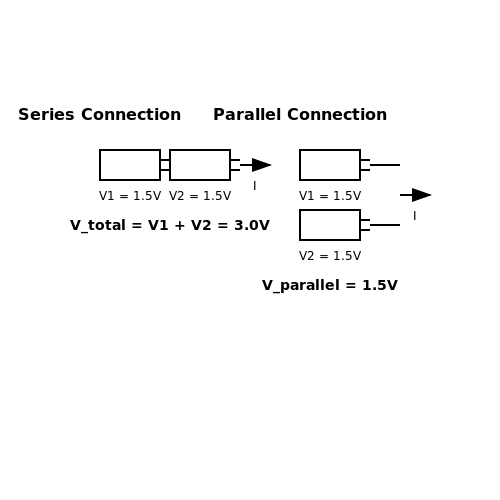
1.3 Safety Considerations
When connecting batteries together, particularly in engineering applications where precision and safety are paramount, understanding the potential hazards is crucial. Safety considerations should be integrated into the design and execution phases to mitigate risks, ensuring both human and material safety.Understanding Battery Chemistry
Different types of batteries—such as lithium-ion, lead-acid, and nickel-metal hydride—exhibit unique chemical properties and hazards. For instance, lithium-ion batteries can be volatile if overcharged, leading to thermal runaway, while lead-acid batteries can emit toxic gases like hydrogen when charged improperly. A thorough understanding of the battery type being used informs the safety measures required.Overcurrent Protection
One of the most significant hazards when connecting multiple batteries in parallel or series is the risk of overcurrent. When batteries are combined, their capacities can overlap, and unequal charge states between cells may lead to excessive current flow and potential fires. Utilizing fuses or circuit breakers sized appropriately for the configuration can prevent catastrophic failures. The necessary fuse rating can be determined using the equation:Voltage Matching and Balancing
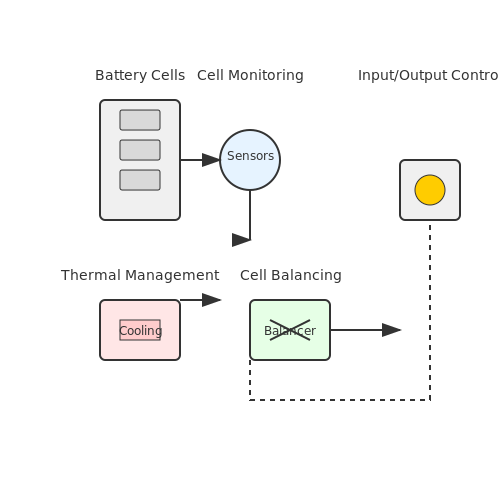
Voltage mismatch between batteries in series can lead to unequal charging and discharging cycles. This situation could result in over-discharge of lower-voltage batteries, compromising their lifespan and safety. Implementing battery management systems (BMS) that include balancing circuits helps mitigate this issue by equalizing voltage across cells, facilitating safer and more efficient operation.Physical Safety Measures
Physical configurations also play a crucial role in safety. Batteries should be housed in compartments designed to withstand punctures and spills, which is particularly essential for corrosive or flammable chemistries. Sturdy enclosures not only protect users but can also contain leaks or short-circuit incidents. Moreover, ventilation is key in preventing the buildup of explosive gases, particularly for lead-acid batteries. Appropriate venting ensures that gases released during charging do not accumulate in enclosed spaces, significantly reducing risks.Personal Protective Equipment (PPE)
While much emphasis is placed on equipment safety, personal safety must not be overlooked. Engineers and technicians working with batteries should employ appropriate PPE, including gloves, goggles, and face shields. This safety apparatus is essential to protect against acid splashes, electrical shorts, and other potential hazards associated with battery technology.Environmental Considerations
Waste disposal and environmental impact of batteries also present significant safety considerations. Proper disposal of batteries according to local regulations is crucial in preventing environmental contamination. Performing thorough risk assessments and identifying disposal options ensures compliance with safety standards while minimizing ecological impact. In real-world applications, such as electric vehicles or renewable energy storage systems, integrating these safety considerations into the design phase leads to safer, more reliable systems. Rigorous testing and validation against safety standards can help avert widespread issues, safeguarding both operators and end-users. In conclusion, while the integration of batteries into systems can enhance performance and efficiency, incorporating stringent safety measures and protocols is critical to maintaining safety throughout the lifecycle of the batteries.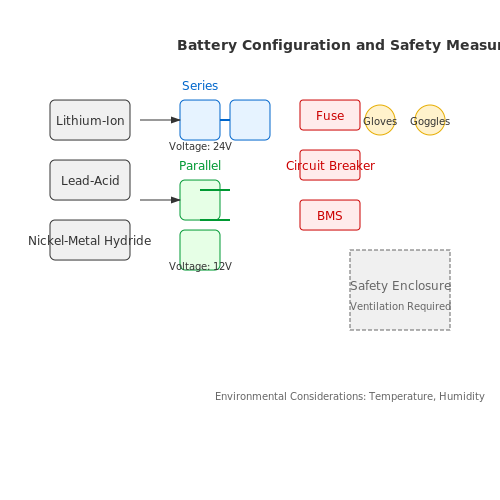
2. Series Connection
2.1 Series Connection
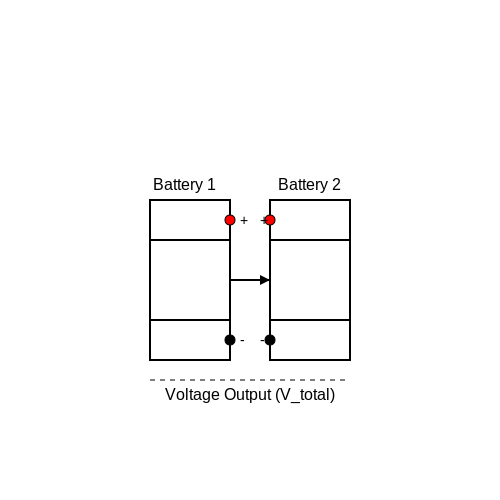
When connecting batteries, one of the predominant configurations is the series connection, where the positive terminal of one battery connects to the negative terminal of the next. This method not only simplifies the battery arrangement but also has significant implications for voltage output and application in larger battery systems.
Fundamentals of Series Connection
In a series connection, the total voltage is the sum of the voltages of each individual battery. For instance, if two 1.5V batteries are connected in series, the total voltage increases to 3.0V. This additive property can be succinctly expressed mathematically as:
where \( V_i \) is the voltage of the i-th battery and \( n \) is the total number of batteries in the series. This characteristic makes series connections particularly useful for applications requiring higher voltages.
Current Characteristics in Series Connections
An important aspect to understand is that in a series circuit, the same current flows through each battery. Therefore, the total current in the circuit remains constant regardless of the number of batteries connected. This principle is grounded in Kirchhoff's laws, specifically the law of conservation of charge, which can be represented as:
However, this uniform current also exposes potential issues. If one of the batteries in a series setup becomes faulty (e.g., a short circuit or depletion), it can affect the entire circuit, resulting in diminished performance or total failure.
Practical Relevance and Applications
Series connections are widely utilized in various real-world applications, including:
- Flashlights: Often use a series of batteries to achieve the desired voltage for the bulb.
- Portable Electronics: Devices like toys often employ series connections to maximize battery life and efficiency.
- Electric Vehicles: High-voltage battery packs consist of numerous cells connected in series to provide the necessary power for the electric motor.
These applications highlight not only the practicality of series connections but also the need for careful consideration when designing battery packs, particularly with respect to battery chemistry, capacity, and internal resistance.
Circuit Design Considerations
When designing a circuit with series-connected batteries, engineers must take into account several key factors:
- Battery Matching: Batteries should ideally have the same voltage, capacity, and chemistry to ensure uniform performance.
- Temperature Effects: Variations in temperature can influence battery performance, impacting longevity and efficiency.
- Monitoring and Maintenance: Specialized battery management systems (BMS) are often implemented to balance charge levels and extend the life of the battery pack.
Understanding the intricacies of series connections lays a foundation for more complex battery arrangements and enhances the knowledge necessary for optimizing performance in practical applications.
2.2 Parallel Connection
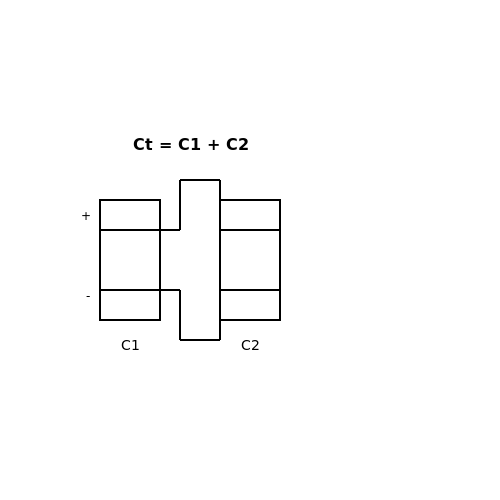
In the realm of battery connections, the parallel connection is fundamental to understanding how to achieve specific energy and power requirements in various applications. When batteries are connected in parallel, their terminals are joined such that the positive terminals are connected together and the negative terminals are connected together as well. This configuration is particularly advantageous when the aim is to increase capacity (amp-hour rating) while maintaining the same voltage as a single battery.
Understanding Parallel Connections
By linking batteries in parallel, the total capacity is given by the sum of the individual capacities of the batteries, while the voltage remains constant. If we denote \( C_1, C_2, \ldots, C_n \) as the capacities of each battery, the total capacity \( C_t \) can be mathematically expressed as:
This contrast serves a vital purpose; in applications requiring higher current outputs without adjusting the voltage, parallel configurations shine. For instance, in electric vehicles or renewable energy systems, assembling multiple batteries effectively boosts the usable capacity, extending operational time while ensuring consistent performance.
Current Distribution in Parallel Batteries
In a parallel connection, it is also crucial to consider how current flows through each battery. The current drawn from the group is distributed among the batteries. Each battery will supply a portion of the total current based on its internal resistance. Batteries with lower internal resistances will typically share more of the load, which highlights the need to use batteries with similar ratings and conditions to avoid imbalances. This situation is mathematically depicted by:
Where \( I_t \) is the total current and \( I_i \) are the currents flowing through each battery.
Real-World Applications
The practical relevance of parallel battery connections is evident in many technological domains:
- Renewable Energy Systems: Solar energy systems often utilize batteries in parallel to store energy generated during peak sunlight, allowing for sustained energy use when sunlight is insufficient.
- Telecommunications: Backup power supplies frequently employ parallel-connected batteries to ensure that equipment remains operational during power outages.
- Electric Vehicles: These vehicles commonly use parallel configurations to achieve higher capacity, enabling longer travel distances on a single charge.
Considerations When Connecting Batteries in Parallel
While paralleling batteries offers significant benefits, certain considerations must be observed:
- Battery Matching: Use batteries of the same type, age, and charge level to ensure uniform current distribution.
- Monitoring: Implement battery monitoring systems to track individual battery performance and health, preventing potential failure in the system.
- Wiring and Connections: Ensure that connections are robust and that the wire gauges used can handle the total current demand.
Conclusion
In conclusion, the parallel connection of batteries is a powerful method for increasing energy capacity while maintaining voltage integrity. Understanding this configuration allows engineers and practitioners to design efficient systems that meet specific power needs effectively. As battery technology continues to evolve, the applications and methods of using parallel connections will remain a cornerstone of electrical engineering in various domains.
2.3 Series-Parallel Connection
The series-parallel connection of batteries serves as a fundamental technique to achieve the desired operational parameters in various electronic systems. By utilizing both series and parallel configurations, engineers can tailor the voltage and capacity of battery systems to suit specific application needs. This subsection delves into the intricacies of series-parallel connections, exploring the theoretical underpinnings, practical advantages, and applications in modern technology.
Understanding Series Connection
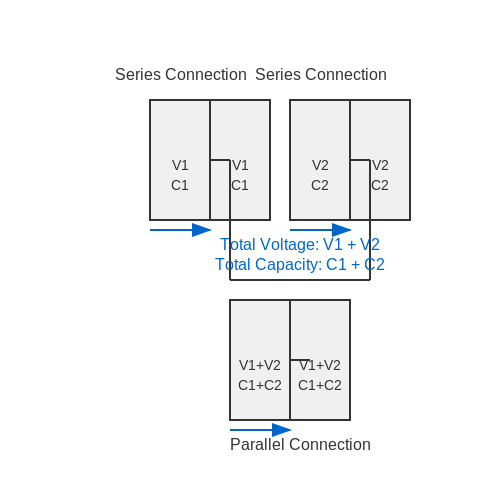
In a series connection, batteries are connected end-to-end, which results in the total voltage being the sum of the individual battery voltages while the current remains constant across all batteries. This configuration is often used when a higher voltage output is required. For instance, if three 2V batteries are connected in series, the total voltage will be:
However, it is crucial to note that the total capacity (in amp-hours, Ah) of the series string remains the same as that of a single battery—thus, capacity does not increase. This limitation highlights the necessity of capacity management when designing systems reliant on higher voltage.
Understanding Parallel Connection
Conversely, a parallel connection allows for an increase in the overall capacity (Ah) while the voltage remains constant. In this case, batteries are connected simultaneously to the same voltage potential. If we take two 12V batteries, each with a capacity of 100Ah, the total capacity in a parallel arrangement becomes:
The voltage remains at 12V. This configuration is particularly advantageous in applications where extended run times are desired, such as in backup power systems, ensuring a sustained energy supply while preventing voltage losses common in series connections.
Combining Series and Parallel Configurations
The series-parallel configuration combines the benefits of both series and parallel connections, allowing for an increase in both voltage and capacity. To better illustrate this, consider connecting four 12V batteries; two sets of two batteries in series can be connected in parallel. This arrangement yields:
Thus, the final arrangement provides a total output of 24V at 200Ah, significantly enhancing the system's power capabilities while mitigating the voltage and current limitations of singular configurations.
Practical Relevance and Applications
Understanding series-parallel connections is critical in various applications, particularly in electric vehicles (EVs), renewable energy systems, and portable power supplies. For instance, in EVs, series-parallel configurations are commonly employed to attain the required high voltage for performance while ensuring that the system can sustain long travel distances through enhanced capacity. Additionally, in solar energy systems, series-parallel wiring among batteries helps optimize energy storage for variable load demands.
Moreover, industrial applications, such as uninterruptible power supplies (UPS), often utilize series-parallel configurations to balance load requirements and extend operational time during power outages, thus ensuring seamless operation of critical infrastructure.
Conclusion
The series-parallel connection of batteries emerges as a sophisticated method to meet specific voltage and capacity needs across a variety of applications. By employing these configurations, engineers and technicians can optimize battery systems to enhance performance, efficiency, and reliability in electronic circuits.
3. Automotive Applications
3.1 Automotive Applications
In the realm of automotive engineering, the effective connection of batteries is pivotal for optimizing performance and enhancing reliability in vehicles. Understanding how to properly connect batteries to meet the demands of modern automotive systems involves several key considerations, particularly in how the batteries can be arranged in series or parallel configurations to achieve desired voltage and current ratings.
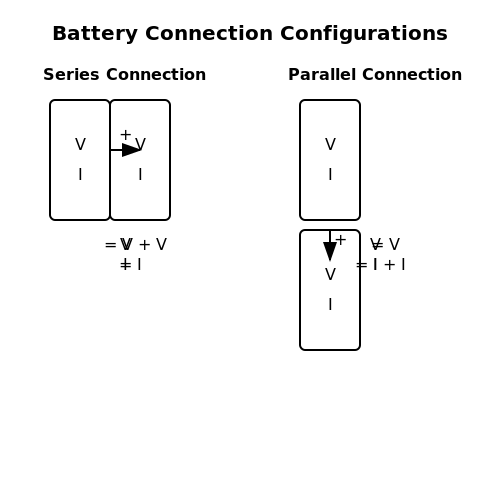
When batteries are connected in series, the voltages are additive, while the current remains the same as that of a single battery. This method is particularly advantageous when higher voltages are required, such as in electric vehicles (EVs) where the total voltage must be sufficient to drive the motor systems efficiently. If we consider a configuration with n identical batteries in series, the total voltage V_t can be expressed mathematically as:
where V is the voltage of a single battery. For example, connecting three 12V batteries in series will result in a total voltage of 36V, suitable for many EV applications.
Conversely, when batteries are connected in parallel, their currents add while the voltage remains constant. This configuration is essential when the application demands higher current output, such as in starting systems or powering high-drain accessories. In a parallel connection, the total current I_t is given by:
with I being the current of a single battery. Thus, to power a system requiring high current, several batteries can be connected in parallel, while maintaining the voltage across the terminals.
Battery Management Systems (BMS)
Regardless of the connection method, the integration of a Battery Management System (BMS) is essential in automotive applications. A BMS ensures that all batteries are charged evenly and protects against overcharging and excessive discharging, which could lead to reduced battery life or catastrophic failure. It continuously monitors voltage, current, and temperature, optimizing the performance of the battery pack.
Moreover, in systems where multiple batteries are interconnected, it is crucial to understand the concept of voltage sag during high current draw applications. This phenomenon occurs when the internal resistance of the batteries contributes to a temporary voltage drop, which can adversely affect performance. A well-designed BMS can mitigate these effects by redistributing load among the batteries and employing thermal management strategies.
Real-World Examples
Modern electric vehicles, such as those produced by Tesla, utilize a series of advanced battery packs that demonstrate these concepts effectively. Tesla vehicles typically employ thousands of small cylindrical lithium-ion cells connected in large arrays, effectively balancing both series and parallel arrangements. This configuration allows Tesla to achieve the desired range and performance characteristics while maintaining optimal operational safety through their proprietary BMS.
In addition to electric vehicles, connecting batteries in automotive applications is also critical for hybrid systems, where the integration of internal combustion engines and electric power supports improved fuel efficiency and lower emissions.
Thus, a thorough understanding of battery connection configurations in automotive applications is not just an academic exercise, but a key driver in the development of innovative automotive technologies.
Renewable Energy Storage
Renewable energy storage has emerged as a pivotal technology in the quest for sustainable electrical systems. As the world transitions to renewable energy sources such as solar and wind, the intermittent nature of these resources necessitates reliable energy storage solutions. This subsection delves into the various ways batteries are connected and utilized for effective energy storage, aiming to enhance the stability and reliability of renewable energy systems.
Understanding the Role of Batteries in Renewable Energy Storage
Batteries are critical components in renewable energy storage systems, serving as the backbone of energy management. They allow excess energy generated during peak production periods to be stored and released when generation is low or demand is high. This capability is crucial for balancing supply and demand, thereby enhancing grid stability.
Battery Types and Their Applications
Several types of batteries are employed in renewable energy systems, each with distinct characteristics that make them suitable for specific applications:
- Lithium-Ion Batteries: Highly efficient and widely used due to their high energy density and long cycle life. They are ideal for applications necessitating quick response times, such as frequency regulation and peak shaving.
- Lead-Acid Batteries: Although older technology, still relevant in stationary storage applications due to their lower initial costs. They are often utilized in off-grid systems for energy backup.
- Flow Batteries: Consist of liquid electrolyte solutions that can be recharged by replacing the electrolyte, making them ideal for large-scale storage applications.
Strategies for Connecting Batteries
When integrating batteries with renewable energy sources, several connection strategies can be employed to optimize performance and enhance capacity. The most common configurations include:
- Series Connection: Increases the total voltage of the battery bank, allowing for higher output voltages that can match the requirements of various applications.
- Parallel Connection: Enhances capacity while maintaining the same voltage. This is advantageous for applications requiring higher energy storage capacity without increasing voltage.
Mathematical Modeling of Battery Connections
To design an effective battery system, it is essential to be able to model the behavior of batteries when connected in series or parallel. Consider the following basic equations:
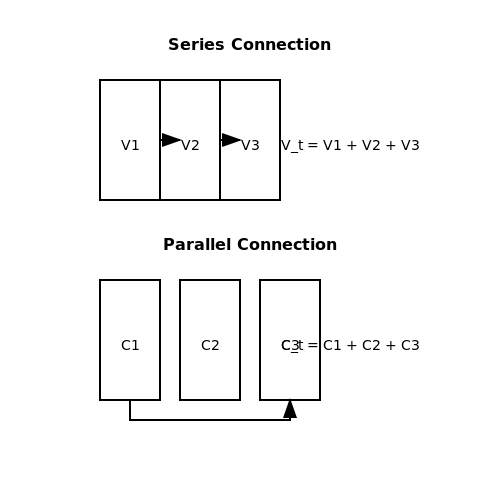
For series connections, the total voltage \( V_t \) is given by:
Where \( V_1, V_2, \ldots, V_n \) are the individual battery voltages.
For parallel connections, the total capacity \( C_t \) is given by:
Where \( C_1, C_2, \ldots, C_n \) are the individual capacities of the batteries.
Real-World Applications and Future Trends
The effective integration of batteries in renewable energy systems has already demonstrated significant real-world applications. For instance, photovoltaic systems paired with battery storage allow households to maximize self-consumption and reduce dependence on the grid. Moreover, large-scale battery installations help stabilize the grid and prevent outages.
Looking forward, advancements in battery technology, such as solid-state batteries and enhanced chemical formulations, promise to increase the efficiency and lifespan of batteries. Additionally, the continued development of hybrid systems, combining different types of storage technologies, could provide even more versatile and reliable energy solutions.
Ultimately, the strategic connection of batteries within renewable energy systems not only aids in bridging the gap between variable energy generation and consumption but also plays a crucial role in the overall sustainability and resilience of future energy infrastructures.
3.3 Portable Devices
In the context of portable devices, the design and arrangement of batteries are crucial for maximizing efficiency, longevity, and performance. As technology advances, the demand for efficient battery connections grows, especially for applications ranging from handheld electronics to electric vehicles. Understanding the principles of connecting batteries will allow engineers and physicists to innovate and refine portable solutions that meet modern demands.
Fundamentals of Battery Configuration
Before diving into practical implementations, it’s essential to revisit the basic configurations for connecting batteries: in series, parallel, or a combination of both. Each configuration impacts voltage, capacity, and overall energy management in the power source.
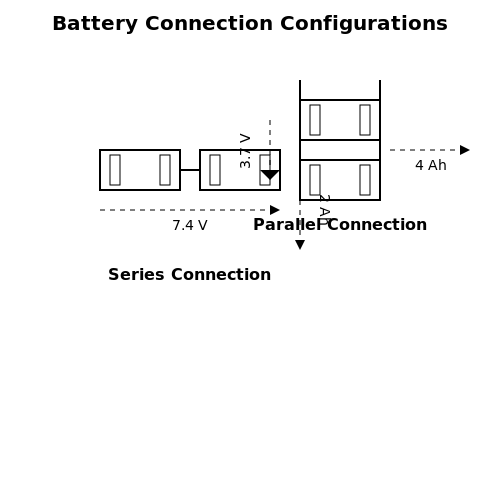
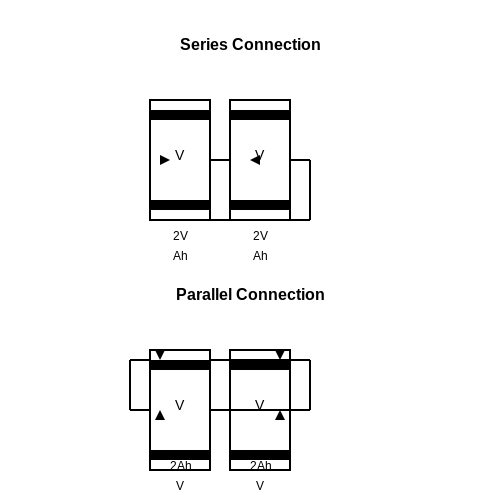
- Series Connection: This arrangement leads to a summation of voltages. For example, if two 3.7 V lithium-ion batteries are connected in series, the total voltage output becomes 7.4 V while the capacity remains the same (measured in ampere-hours, Ah).
- Parallel Connection: This setup ensures a unified voltage output while summing the capacities. So, if two 3.7 V batteries of 2 Ah each are arranged in parallel, the combined capacity rises to 4 Ah while maintaining 3.7 V output.
Impact on Portable Devices
The choice of battery configuration directly influences the functionality and design of portable devices. For instance, in high-drain devices such as smartphones or tablets, series connections might be preferable to achieve higher voltage levels quickly while ensuring a compact form factor. Conversely, low-drain portable devices like LED flashlights may benefit more from parallel arrangements due to the extended lifespan and sustained power delivery.
Real-World Application: Mobile Phones
Take, for example, a mobile phone that integrates multiple lithium-polymer cells. Manufacturers often utilize a series connection to maintain a higher voltage output while employing optimized battery management systems (BMS) to balance the individual cell states. This ensures that each cell is charged and discharged evenly, maximizing battery life while maintaining safety and efficiency.
Battery Management Systems (BMS)
Battery management systems play a pivotal role, especially in complex battery arrangements. A BMS monitors parameters such as:
- Voltage levels of individual cells
- Temperature variations
- State of charge (SoC)
- State of health (SoH)
By effectively managing these parameters, a BMS mitigates risks such as overcharging or overheating, which can lead to catastrophic failure or reduced battery life. Integration of smart BMS solutions is fundamental in advancing the reliability of portable devices.
Emerging Trends in Battery Connections
Advancements in battery technology, including the development of solid-state batteries and new chemistries like lithium-sulfur, necessitate re-evaluating traditional connection approaches. These novel technologies promise higher energy densities and improved safety profiles, which could further enhance how batteries are connected in future portable devices. Engineers are also exploring modular designs that would allow for easy battery replacements and upgrades, potentially revolutionizing the maintenance of portable consumer electronics.
As we progress, understanding the balance between voltage, capacity, and safety will continue to shape the future of portable devices, enabling innovation without compromising user experience.
4. Identifying Battery Imbalance
4.1 Identifying Battery Imbalance
When connecting batteries in series or parallel configurations, ensuring that all batteries are balanced is paramount for system safety, longevity, and performance. A battery imbalance can occur when batteries of differing capacities, state of charge, or internal resistances are used together, leading to undesired conditions such as overcharging, overheating, or even failure of the battery system.
Understanding Battery Imbalance
Battery imbalance can manifest in several ways. The most notable symptoms include:
- Voltage Differences: The voltage across individual cells can vary significantly, particularly during charging or discharging cycles.
- Internal Resistance Fluctuations: Differences in internal resistance can lead to uneven current distribution.
- Temperature Discrepancies: Unequal heating among cells can indicate imbalance, as cells with higher current draw typically heat up more.
Methods for Identifying Imbalance
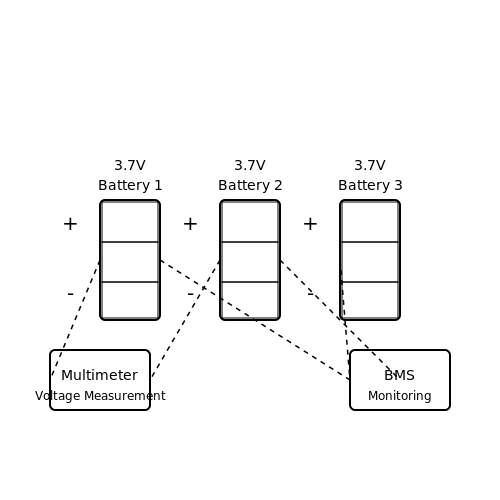
The process of identifying battery imbalance involves several techniques, notably voltage measurements and impedance tests. One practical method involves using a multimeter to measure the voltage of each battery cell:
- Ensure that all batteries are at the same state of charge before measurement.
- Measure the terminal voltage of each battery.
- Compare the voltages; a significant difference (typically more than 0.2V) could indicate an imbalance.
Another advanced technique is to employ a battery management system (BMS) that continuously monitors voltage, current, and temperature across all cells. This method is particularly effective in larger battery packs found in electric vehicles and renewable energy systems. Should an imbalance be detected, the BMS can activate balancing circuits, redistributing charge among the cells to maintain uniformity.
Mathematical Analysis of Imbalance
We can mathematically express the imbalance using the formula for the voltage difference \( \Delta V \) between two cells:
Where \( V_{max} \) and \( V_{min} \) represent the maximum and minimum voltages among all cells, respectively. Ideally, as the number of cells increases, \( \Delta V \) should decrease, reflecting a balanced configuration.
Consequences of Ignoring Imbalance
Failure to address battery imbalance can lead to several adverse outcomes. These include:
- Reduced Battery Life: Chronic imbalance accelerates wear and tear on the weaker cells.
- Increased Risk of Failure: An imbalanced battery system can experience catastrophic failures, including thermal runaway.
- Decreased Performance: The overall efficiency of the system may be compromised, leading to reduced runtime and energy generation.
Understanding and detecting battery imbalance is crucial not only for enhancing the operational reliability of battery systems but also for ensuring safety in high-stakes applications like electric vehicles and renewable energy storage systems. Implementing rigorous monitoring and balancing techniques can significantly prolong the life of your battery arrays.
4.2 Dealing with Overheating
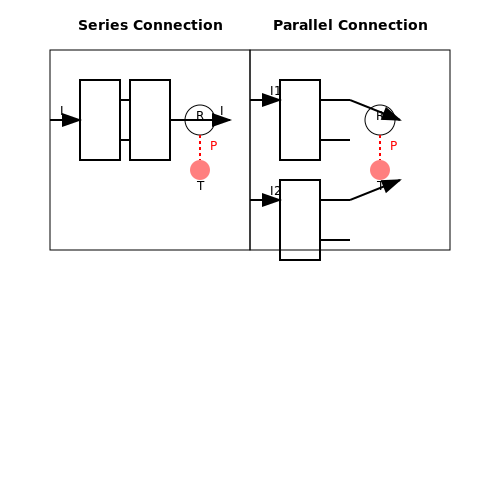
Dealing with overheating in batteries when connecting them together is not only essential for operational efficiency but also critical for safety. Understanding the thermodynamic principles and electrical characteristics involved in battery operation will enable engineers and researchers to mitigate risks associated with excessive heat generation. When batteries are connected in series or parallel, as seen in a variety of applications ranging from electric vehicles to renewable energy storage, they can generate heat due to internal resistance. The governing principle here is Joule heating, represented mathematically as:- Active Cooling Systems: Utilizing fans, liquid cooling systems, or heat exchangers can dissipate heat efficiently, maintaining optimal battery temperatures.
- Thermal Management Materials: Incorporating phase change materials (PCMs) can provide thermal stabilization by absorbing excess heat and releasing it slowly when temperatures drop.
- Battery Management Systems (BMS): These electronic systems monitor battery temperature and SoC, employing algorithms to balance the load or divert energy from overheating cells.
- Proper Sizing and Configuration: Careful consideration of the battery configuration—both in series and parallel—ensures that every individual cell operates within its thermal limits.
4.3 Managing Battery Life
Managing the life of batteries connected in series or parallel configurations is crucial for sustaining performance and ensuring safety. Battery life, a measure of the time a battery can supply power before it must be recharged, is influenced by several interrelated factors including discharge rates, temperature, and charge cycles.Understanding Battery Chemistry
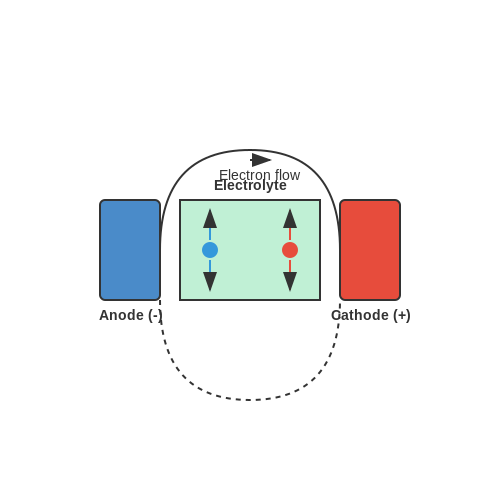
At the core of battery management is an understanding of the chemical processes that occur within the cells during both discharge and charge cycles. For instance, lithium-ion batteries operate through lithium ion movement between the anode and cathode, where *intercalation* (the process of inserting ions into a material) takes place. As batteries discharge, the concentration of lithium ions decreases, leading to a gradual depletion of available energy.Discharge Rates and Their Impact
The discharge rate, expressed as a multiple of the battery's rated capacity (C-rate), has significant implications for battery longevity. For example, discharging a battery at 1C means drawing 1 ampere from a 1 ampere-hour battery. However, higher discharge rates can lead to increased internal heat, reduced efficiency, and accelerated degradation. The relationship between discharge rate and battery life can often be modeled using empirical observations, revealing an inverse exponential trend. To analytically understand this phenomenon, we can explore Peukert's Law, which states: $$ T = \frac{C}{I^k} $$ Where: - \( T \) is the time (in hours) for which the battery can deliver a continuous current, - \( C \) is the capacity of the battery in ampere-hours, - \( I \) is the discharge current, - \( k \) is a constant greater than 1 that describes how capacity diminishes with increased current. Applying this concept, batteries should ideally be discharged at rates lower than their rated capacities to extend lifespan.Temperature Management
Environmental factors such as temperature play a critical role in managing battery life. Lithium-ion batteries perform optimally within a specific temperature range, generally between 20°C and 25°C. Operating outside this range can result in accelerated aging, diminished capacity, and even thermal runaway. To mitigate these risks, implementing thermal management systems—such as passive cooling with heat sinks or active systems—becomes essential, especially in applications like electric vehicles or grid-scale energy storage systems.Cycle Life and Charging Practices
Cycle life, defined as the number of complete charge-discharge cycles a battery can endure before its capacity falls below a specific threshold (often defined as 80% of the original capacity), is another critical aspect of battery longevity. When considering charging practices, it's often recommended to utilize partial charging cycles rather than full cycles. Charging to approximately 80% of the battery's capacity extends cycle life by minimizing stress on the electrodes associated with extreme voltage ranges. Additionally, employing smart charging technologies, which involve algorithms to optimize charge rates and enhance recovery during idle periods, can lead to prolonged battery operation. These smart systems generally rely on Battery Management Systems (BMS) to monitor factors such as voltage, temperature, and state of charge, providing users with real-time insights into battery health.Practical Applications
The importance of managing battery life extends to various domains, including renewable energy systems, portable electronics, and electric vehicles. For instance, in solar energy setups, efficient battery management ensures that energy harnessed during peak sunlight hours is utilized effectively, enhancing the overall efficiency of energy systems. Similarly, in electric vehicles, optimizing battery life not only increases vehicle range but also contributes to sustainability by reducing the frequency of battery replacements. In conclusion, managing battery life is a multifaceted process that involves understanding the interplay of chemistry, discharge rates, temperature control, and cycle life optimization. By employing comprehensive strategies and technologies, we can significantly extend the life and performance of battery systems, leading to more sustainable and reliable energy solutions.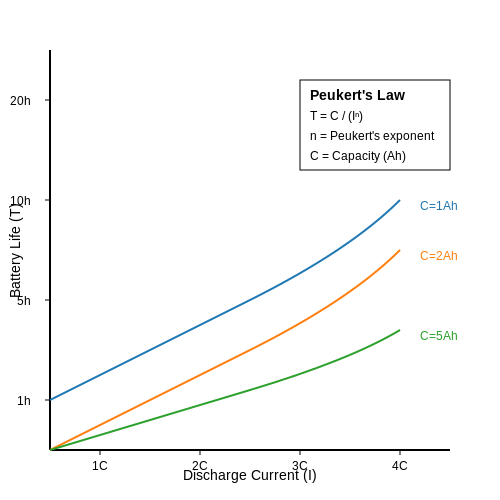
5. Advancements in Battery Chemistry
5.1 Advancements in Battery Chemistry
The quest for more efficient, sustainable, and high-capacity batteries has spurred significant advancements in battery chemistry over the past few decades. As the demand for energy storage solutions increases—from electric vehicles to grid energy storage—the need for improved performance characteristics, such as energy density, charge/discharge rates, longevity, and safety, becomes paramount. One of the most notable developments is the transition from traditional lithium-ion batteries to newer chemistries. Lithium iron phosphate (LiFePO4) is often favored for its stability and safety but has limitations in energy density. Conversely, lithium nickel manganese cobalt (NMC) batteries provide a promising balance between energy density, cost, and cycling stability but can exhibit thermal instability without proper management. The exploration of lithium-sulfur (Li-S) batteries illustrates a significant breakthrough. The theoretical energy density of Li-S batteries is much higher—approximately five times that of conventional lithium-ion batteries—due to the high capacity of sulfur as an electrode material. However, challenges such as polysulfide dissolution and poor conductivity must be addressed to unlock their potential in practical applications. Another noteworthy advancement includes solid-state batteries, which replace the liquid electrolyte with a solid-state material. This shift can enhance safety by mitigating risks such as leakage and flammability associated with liquid electrolytes. Solid-state batteries potentially offer higher energy densities and longevity, paving the way for their use in electric vehicles and portable electronics. Researchers are also investigating the utilization of alternative materials, such as sodium-ion batteries, which could alleviate dependence on lithium by employing abundant sodium resources. While current sodium-ion technologies exhibit lower energy density compared to lithium-ion, ongoing research aims to improve their performance metrics and economic viability. The incorporation of nanotechnology further exemplifies the innovative directions in battery chemistry. Nanostructured electrodes can significantly increase the surface area available for electrochemical reactions, which may lead to improved charge rates and cycle life. For instance, silicon nanowires can serve as anodes in lithium-ion batteries, providing ten times the capacity of traditional graphite. Lastly, advancements in battery management systems (BMS) are crucial for maximizing the performance and safety of modern batteries. Machine learning algorithms are increasingly integrated into BMS for predictive maintenance, battery health monitoring, and efficient charging strategies. These systems enhance the overall performance and lifespan of batteries by ensuring optimal operating conditions. As we explore these advancements, it is essential to understand their practical implications, including potential commercialization, scalability, and integration into existing energy landscapes. The ongoing evolution of battery chemistry plays a critical role in shaping the future of energy storage and utilization. In summary, the rich landscape of battery chemistry is undergoing rapid innovation, with promising developments like lithium-sulfur and solid-state technologies paving the way for safer and more efficient energy storage solutions. As the field continues to evolve, there is immense potential to tackle the growing energy demands of our modern world.5.2 Impact of Electric Vehicles
As the global demand for sustainable transportation grows, electric vehicles (EVs) have taken center stage in discussions about energy efficiency, technological advancement, and environmental impact. A critical aspect of EV technology is the connection and configuration of battery systems, which is vital for optimizing performance, charge times, and battery lifecycle. To fully understand the significance of these connections, one must appreciate both the fundamental physics and the practical applications at play.
The main battery technologies employed in EVs typically include lithium-ion (Li-ion), nickel-metal hydride (NiMH), and emerging solid-state batteries, each presenting distinct characteristics and requiring specific considerations in their configurations. In integrating batteries in series or parallel, engineers must assess voltage and capacity requirements, leading to decisions that affect vehicle performance and safety. For instance, connecting batteries in series increases the overall voltage, which can enhance the vehicle's range and efficiency. Conversely, parallel connections increase the total capacity (Ah), which allows for extended travel distances but may complicate the thermal management of the system.
Energy Density and Range Considerations
Energy density—the amount of energy stored per unit mass or volume—plays a significant role in EV design. The choice of battery connections directly influences how energy is stored and utilized. Engineers rely on the equation:
where \(E\) is energy (in watt-hours), \(V\) is voltage, and \(Q\) is capacity (in ampere-hours). This equation highlights the trade-offs between voltage and capacity when selecting proper battery connections. As evanescent technology continues to evolve, innovations such as improved thermal management systems are vital in influencing these trade-offs, leading to enhanced energy density without compromising safety.
Thermal Management and Safety
Heat generation during charging and discharging is a critical consideration in battery design for EVs. Batteries connected in series or parallel will have different thermal management needs. A series connection may lead to uneven heating, where certain cells heat more than others depending on their charge state. In contrast, parallel connections can have a more uniform power distribution but may complicate individual cell monitoring. Active thermal management systems, incorporating sophisticated cooling and heating techniques, mitigate these risks, ensuring the longevity and reliability of the battery pack.
Additionally, safety protocols, such as battery management systems (BMS), are essential. A BMS monitors the state of charge, health, and thermal status of each cell, preventing issues such as overcharging or excessive temperature increase, which could lead to catastrophic failures. As seen in various case studies of EV incidents, the intricacies of battery connections become crystal clear in their implications for real-world safety.
The Future of EV Battery Connections
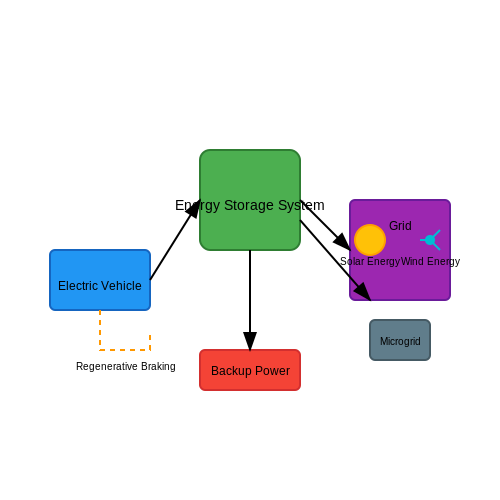
With ongoing advancements in battery technology, such as vehicle-to-grid (V2G) systems and integration of renewable energy sources, the connections between batteries will evolve significantly. V2G technology allows EV batteries not only to draw power during peak hours but also to feed energy back to the grid, enhancing overall energy efficiency and stability. This integration exemplifies how the connections within battery systems are not isolated but rather part of a much larger energy ecosystem.
In conclusion, the impact of battery connections in electric vehicles extends far beyond the simplistic notion of connecting wires. It intertwines with energy management, safety protocols, and the future trajectory of sustainable energy. Each connection configuration serves as a building block to the broader field of electromobility, reflecting both engineering challenges and opportunities for innovation.
5.3 Integration with Smart Technologies
In recent years, the integration of battery systems with smart technologies has paved the way for enhanced energy management and efficiency. This integration is particularly relevant in applications spanning from renewable energy storage systems to electric vehicles and smart grids. By employing advanced digital communication and monitoring techniques, these systems can optimize performance, increase lifespan, and improve safety protocols.Smart Battery Management Systems (BMS)
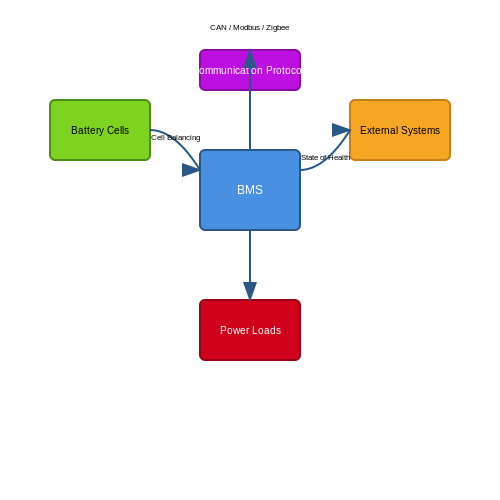
At the core of smart battery technology lies the Battery Management System (BMS), which plays a critical role in ensuring safe and efficient operation. A typical BMS monitors parameters such as voltage, current, temperature, and state of charge (SOC) across individual battery cells. By gathering this data, the BMS can perform several essential functions:- Cell Balancing: To maximize energy capacity and lifespan, the BMS actively balances charge levels across cells, preventing overcharging and deep discharging.
- State of Health (SOH) Monitoring: Utilizing algorithms based on real-time performance, it estimates the health of the batteries, allowing for predictive maintenance.
- Communication: Through various protocols (e.g., CAN, Modbus, Zigbee), the BMS communicates with both external systems and users, providing crucial data for decision-making.
Applications in Renewable Energy Systems
The synergy between smart technologies and battery connections extends into renewable energy integration. In solar energy systems, smart batteries are employed to store energy during peak production times and release it during periods of low generation. This requires sophisticated algorithms that predict solar energy availability and consumer demand. A pivotal aspect of this integration is the scripting of optimum charging strategies using adaptive algorithms, which significantly enhance the operational efficiency of both the solar panels and the battery systems. Importantly, these advancements support the variability present in renewable energy, facilitating a more stable energy grid.Real-World Impact: Electric Vehicles
Smart integration also exhibits its relevance in the field of electric vehicles (EVs). The integration between battery systems and vehicle management systems creates a plethora of functions aimed at elevating user experience and operational efficiency. For instance, real-time data analytics coupled with battery state monitoring allows for:- Route Optimization: Leveraging real-time traffic data, EVs can adapt their routes based on battery levels and optimal charging stations.
- Regenerative Braking Systems: These systems recover energy that would otherwise be lost during braking, feeding it back into the battery, thereby increasing range.
- Load Forecasting: Advanced algorithms can predict energy consumption patterns, which in turn informs charging and energy distribution strategies.
Conclusion
The integration of smart technologies with battery systems represents a transformative step in energy management across various sectors. By enabling real-time monitoring, intelligent communication, and predictive analytics, this synergy enhances performance and extends the operational lifespan of batteries. As we delve deeper into the smart age, these technologies will undoubtedly form the backbone of sustainable energy solutions and infrastructures.References and Further Reading
- NIST Develops Smart Battery Management System — This article discusses advancements in battery management systems that enhance safety and performance in various applications.
- How Energy Storage Works — A comprehensive overview of different energy storage technologies and their roles in modern energy systems.
- Integration of Smart Grids with Renewable Energy Systems — Research focusing on the advantages of smart grids intertwined with renewable energy.
- Electric Vehicles and the Battery Management System — An analysis of the crucial role battery management systems play in electric vehicles.
- The Importance of Battery Management Systems for Electric Vehicles — A detailed discussion on how BMS technologies influence the performance of electric vehicles.
- Battery Modeling and Battery Management Systems for Energy Storage in Smart Grids — This paper delves into modeling strategies for batteries to optimize their integration into smart grids.
- Energy Storage Reports — A collection of peer-reviewed articles and reviews focusing exclusively on energy storage technologies and their impact.
6. Recommended Books
6.1 Recommended Books
- Electrical Energy Efficiency: Technologies and Applications — This book delves into component connections, including battery configurations. It explores the efficiency of various pairing methods and provides insights for engineers designing optimized systems.
- Battery Management Systems and Energy Storage Management — A comprehensive guide on using battery systems efficiently. It includes in-depth discussions on series and parallel connections and their impact on energy storage performance.
- Battery Reference Book — Provides a broad overview of battery technologies with detailed sections on battery connections. Ideal for professionals seeking an exhaustive resource on battery configurations and their applications.
- Handbook of Batteries and Fuel Cells — Offers a comprehensive study of various battery types and configurations, including practical guidelines on connecting batteries in different series and parallel arrangements for optimized utility.
- Batteries for Electronic Devices — Focuses on battery use in electronic systems, addressing the essential topics of battery connection strategies and their impact on system behavior, making it suitable for electronics professionals and researchers.
- Electric Power Systems — An essential text for understanding electrical systems, with chapters dedicated to battery technology, configuration choices, and their implications for system design and reliability.
- Battery Technology Handbook — This handbook provides insights into battery technologies and systems, including detailed analysis of connecting batteries in innovative ways to meet growing energy demands and application requirements.
- Battery Systems Engineering — It focuses on system-level understanding of batteries, highlighting methods to connect batteries effectively for enhanced performance and sustainability in advanced engineering applications.
6.2 Online Resources
- Battery University — Offers comprehensive information on various types of batteries, their characteristics, and usage, including an extensive section on connecting batteries in series and parallel configurations.
- All About Circuits: Series and Parallel Battery Configurations — Provides detailed guides on the science and practicality of connecting batteries in series and parallel, with examples and applications.
- Electronics Tutorials: Series and Parallel Battery Connections — A tutorial covering the principles and calculations involved in series and parallel configurations, accompanied by illustrative diagrams.
- Digi-Key: Battery Series and Parallel Connection Calculator — Features a handy calculator for determining total voltage, capacity, and power of series and parallel battery configurations.
- Engineering.com: Connecting and Using Battery Packs — Offers insights on the engineering challenges and considerations involved in connecting different types of batteries, with a focus on industry applications.
- ResearchGate: Series and Parallel Battery Configurations — A scholarly article providing a comparative study of series and parallel configurations, analyzing their efficiency and real-life applications.
- Electronic Design: Battery Balancers Explained — Discusses the crucial role of battery balancers when connecting batteries in series or parallel, emphasizing safety and performance optimization.
- Adafruit Learning System: All About Batteries — Provides a straightforward yet insightful exploration of batteries, including how to effectively connect them in series and parallel arrangements to optimize power systems.
6.3 Research Articles
- IEEE - Battery Pack Design for Improved Energy Efficiency — This paper explores innovative designs for battery packs to enhance energy efficiency. It looks at both serial and parallel connections and their effects on energy distribution and thermal management in electric vehicles.
- ScienceDirect - Battery Energy Storage System (BESS) in Microgrids — This study provides a comprehensive analysis of BESS configurations involving parallel and series connections, discussing their impact on energy reliability and power quality in microgrid applications.
- ScienceDirect - Challenges of Lithium-Ion Battery Adoption in Renewable Energy Systems — Discusses the integration challenges of Lithium-ion batteries in renewable energy systems, focusing on how different battery connection strategies can affect system performance and sustainability.
- ACS Publications - Modular Battery Management for Distributed Systems — Offers insights into modular battery management systems, optimizing connections to manage uneven battery aging and capacity in distributed energy setups.
- Nature - Balancing Stability and Efficiency in Battery Systems — Investigates the trade-offs between stability and efficiency in battery systems using different configurations, emphasizing practical implications in large-scale energy storage.
- MDPI - Comparative Study on Battery Technologies — This research provides a side-by-side comparison of different battery technologies and their connection methodologies, highlighting their impact on operational performance and cost-effectiveness.
- Springer - Advances in Energy Storage Systems — Examines the latest advancements in energy storage systems, focusing on the optimization of battery connection architectures to improve energy density and lifecycle.