Batteries as Energy Storage Devices
1. Definition and Function of Batteries
1.1 Definition and Function of Batteries
The term battery encompasses a range of devices that store and deliver electrical energy, primarily through electrochemical means. A battery typically consists of one or more electrochemical cells arranged in series or parallel, which convert stored chemical energy into electrical energy through redox (reduction-oxidation) reactions. Understanding batteries requires delving into both their construction and the myriad of electrochemical processes that govern their operation.
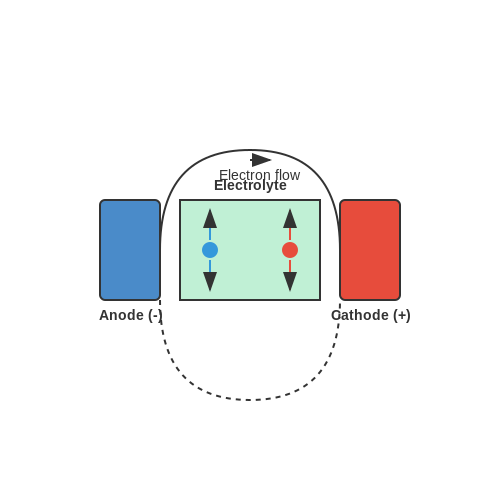
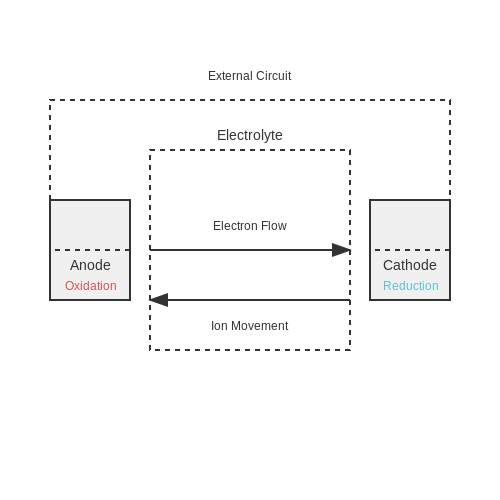
At the core of a battery is the electrochemical cell. Each cell consists of an anode (negative electrode), a cathode (positive electrode), and an electrolyte that facilitates ionic movement between the electrodes. When a battery discharges, the anode undergoes oxidation, releasing electrons that flow through an external circuit to the cathode, where they reduce the corresponding species, thereby generating electric current. The overall behavior of the battery can be well-described by the Nernst Equation:
In this equation, E is the cell potential during operation, E^0 is the standard cell potential, R is the universal gas constant, T is the absolute temperature in Kelvin, n is the number of electrons transferred in the half-reaction, F is Faraday's constant, and Q is the reaction quotient representing the ratio of concentrations of products to reactants.
The choice of materials for the electrodes and electrolyte profoundly impacts both the voltage output and capacity of the battery. For instance, lithium-ion batteries, which have gained prominence due to their lightweight and high energy density, typically utilize lithium cobalt oxide as a cathode material and graphitic carbon as anode material. The evolution of battery chemistries, from lead-acid to nickel-hydride and lithium-ion, reveals a continuous pursuit of improved energy density, charge/discharge cycles, and safety considerations.
When considering practical applications, batteries serve essential roles in everything from portable electronic devices, such as smartphones and laptops, to large-scale applications like electric vehicles (EVs) and renewable energy storage systems. The shift towards sustainable energy solutions and the electrification of transportation has catalyzed advances in battery technology, compelling researchers to explore new materials and architectures that enhance energy and power density, prolong lifespan, and reduce costs.
In conclusion, understanding the definition and function of batteries is a crucial stepping stone in the exploration of energy storage technologies. Their operation hinges on fundamental electrochemical principles, and advancements in battery design continue to shape the landscape of modern electronics and energy systems.
1.2 Types of Batteries
Batteries serve as crucial energy storage devices across a range of applications, from consumer electronics to electric vehicles and renewable energy systems. The different types of batteries have evolved significantly, each designed to meet specific energy capacity, efficiency, discharge characteristics, and lifecycle needs. Understanding the variety of batteries allows one to select the appropriate technology for a given application, optimizing performance and longevity.
Primary Batteries
Primary batteries are non-rechargeable energy sources that operate based on irreversible electrochemical reactions. Common examples include alkaline, lithium, and zinc-carbon batteries. The operational principle typically involves converting chemical energy into electrical energy to provide a voltage for electronic devices. Once depleted, primary batteries cannot be recharged, making them suitable for low-drain applications where long shelf life and simplicity are desired.
- Alkaline Batteries: Widely used in household items like remote controls and flashlights, alkaline batteries offer a high energy density and stable voltage output, typically between 1.5V and 1.6V.
- Lithium Batteries: These batteries have a higher energy density compared to alkaline, featuring voltages up to 3.0V or 3.7V depending on the chemistry. Lithium batteries excel in applications requiring performance at extreme temperatures.
- Zinc-Carbon Batteries: Often found in low-performance gadgets, these batteries are inexpensive and work well in very low-drain devices.
Secondary Batteries
In contrast to primary batteries, secondary batteries are rechargeable and designed for multiple cycles of use. They have become increasingly important in applications where sustainability and cost-effectiveness are paramount. The ability to regain capacity after discharge makes these batteries suited for everything from portable electronics to electric vehicles and large-scale energy storage systems.
- Lithium-Ion Batteries: Lithium-ion (Li-ion) technology has become the gold standard in the battery industry due to its high energy density, lightweight design, and excellent cycle stability. Typical applications include smartphones, laptops, and electric vehicles.
- Nickel-Metal Hydride (NiMH) Batteries: A popular choice in hybrid vehicles and consumer electronics, NiMH batteries offer higher energy density than nickel-cadmium (NiCd) but at a lower cost than Li-ion batteries, making them a good compromise.
- Lead-Acid Batteries: Despite being one of the oldest battery technologies, lead-acid batteries are still widely utilized for automotive applications and uninterruptible power supplies (UPS) due to their robustness and cost-effectiveness.
Emerging Technologies
Research and development are continuously pushing the boundaries of battery technology. Emerging alternatives like solid-state batteries, which replace the liquid electrolyte with a solid one, promise to provide higher energy densities and increased safety. Other innovations, such as lithium-sulfur and flow batteries, are being explored for specialized applications, with the former offering the potential for significantly reduced weight and cost, while flow batteries are ideal for large-scale storage of renewable energy due to their scalability.
The selection of battery types is foundational in many domains, and understanding their intrinsic characteristics, such as energy density, voltage stability, recharge cycle limits, and cost implications, is critical for engineers and researchers aiming to develop efficient and sustainable energy solutions.
1.3 Battery Chemistry and Electrochemistry
Understanding battery chemistry is essential for optimizing energy storage systems. At the heart of every battery is a chemical reaction that enables the conversion of stored chemical energy into electrical energy. This process largely hinges on the principles of electrochemistry—combining both chemical and physical processes.
Electrochemical Principles
Batteries operate based on electrochemical reactions between an anode and a cathode separated by an electrolyte. During discharge, oxidation occurs at the anode, releasing electrons that travel through an external circuit to the cathode, where reduction takes place. This flow of electrons generates electrical energy.
Mathematically, the relationship governing the rechargeable electrochemical systems can often be articulated through the Nernst Equation, which describes the relationship between cell potential and concentration gradients of the species involved:
Where:
- E = cell potential at non-standard conditions
- E° = standard cell potential
- R = universal gas constant (8.314 J/(mol·K))
- T = absolute temperature in Kelvin
- n = number of moles of electrons transferred in the reaction
- F = Faraday constant (96485 C/mol)
- Q = reaction quotient
Types of Battery Chemistry
Batteries can be categorized based on the materials used for the electrodes and the electrolyte. Here are a few common types:
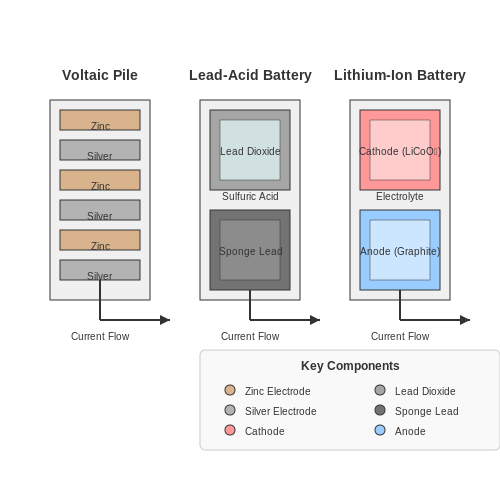
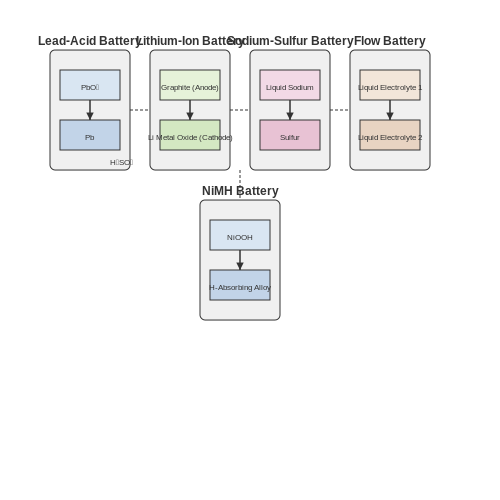
- Lead-acid batteries: These utilize lead dioxide (PbO2) at the positive electrode and sponge lead (Pb) at the negative electrode, with diluted sulfuric acid (H2SO4) as the electrolyte. Predominantly used in automobiles due to their reliability.
- Lithium-ion batteries: Known for their energy density and rechargeability, these batteries feature lithium cobalt oxide (LiCoO2) in the cathode and graphite as the anode. They are widely used in portable electronics and electric vehicles.
- Nickel-metal hydride (NiMH) batteries: With nickel oxyhydroxide (NiOOH) at the positive electrode and a hydrogen-absorbing alloy at the negative, these batteries are often found in hybrid electric vehicles and portable power applications.
The Role of the Electrolyte
The electrolyte serves several critical functions in a battery, including facilitating the movement of ions between the anode and cathode while acting as an electrical insulator. The selection of an appropriate electrolyte can significantly influence the battery's performance in terms of conductivity, thermal stability, and safety.
Additionally, the choice of electrolyte impacts the battery's operating voltage and overall efficiency. Research continues to explore advanced electrolytes, such as solid-state electrolytes, aimed at enhancing safety and energy density.
Real-World Applications of Battery Chemistry
The knowledge of battery chemistry extends beyond conventional uses. For instance, advanced battery technologies, such as flow batteries and solid-state batteries, are gaining traction in applications requiring large-scale energy storage, such as renewable energy integration. These systems capitalize on well-understood electrochemical principles while pushing the boundaries of existing technologies.
Ultimately, understanding the intricate chemistry of batteries not only informs responsible design choices but also paves the way to innovative energy solutions crucial for sustainable development.
2. Basic Electrochemical Processes
2.1 Basic Electrochemical Processes
Understanding the fundamental electrochemical processes that occur in batteries is crucial for engineers and researchers working in energy storage technologies. These processes involve the interconversion of chemical energy into electrical energy through oxidation and reduction reactions. This section delves into the core electrochemical principles governing battery operation.
Electrochemical Fundamentals
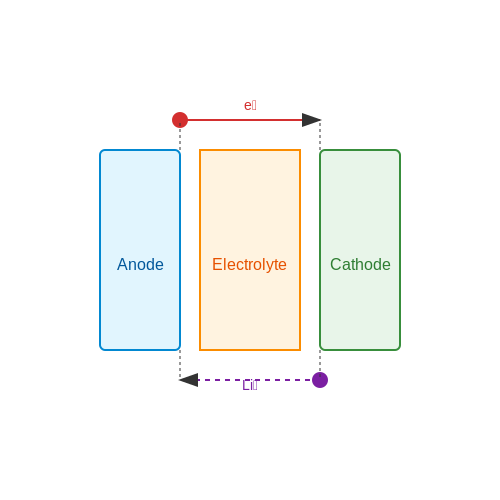
At the heart of battery functionality lies the electrochemical cell, typically composed of two electrodes—the anode and cathode—immersed in an electrolyte. An oxidation reaction occurs at the anode, where the energy stored in the chemical bonds of the reactants is released. Conversely, at the cathode, a reduction reaction takes place, where electrons flow from the anode to the cathode, supplying energy to an external circuit.
The overall cell reaction can be expressed by the equation:
In this representation, A and B symbolize the reactants and products of oxidation and reduction. The movement of electrons through the external circuit manifests as electrical current, which can be harnessed for various applications.
The Role of the Electrolyte
The electrolyte is a pivotal component, typically comprising a solution of conductive ions. Its primary function is to facilitate ion transport between the electrodes while preventing direct electron flow, which would lead to short-circuiting. A deep understanding of electrolyte properties—such as ionic conductivity, viscosity, and electrochemical stability—is essential for optimizing battery performance. Solid, liquid, and gel electrolytes each have distinct advantages and limitations, impacting aspects like charge-discharge rates and operational safety.
Voltage Generation and Nernst Equation
The voltage produced by electrochemical cells can be elucidated by the Nernst equation, which relates the concentration of reactants and products to the electrode potential:
Here, E is the cell potential, E° is the standard electrode potential, R is the universal gas constant, T is the temperature in Kelvin, n is the number of moles of electrons exchanged, F is the Faraday constant, and Q is the reaction quotient, defined as:
The Nernst equation demonstrates that the voltage output of a battery is affected not only by the materials used but also by the concentration of ions present in the electrolyte. As products accumulate and reactants diminish, the overall cell potential will decrease, underscoring the importance of efficient mass transport within the system.
Practical Applications
The principles discussed are critical in designing batteries for diverse applications, from portable electronics to electric vehicles and renewable energy storage systems. Engineers leverage this knowledge to innovate more efficient, reliable, and sustainable energy storage solutions. Advances in materials science, such as the development of high-capacity anodes and stable electrolytes, continue to enhance battery technology performance.
In summary, the basic electrochemical processes in batteries encapsulate essential concepts of energy storage and conversion. Harnessing these principles fosters the advancement of technologies that support our energy-dependent society.
2.2 Charge and Discharge Cycles
Understanding the charge and discharge cycles of batteries is crucial when evaluating their performance, longevity, and overall energy storage capabilities. These cycles are fundamental to how batteries operate, influencing their efficiency, capacity fading, and voltage regulation during normal use. Here, we will explore the intricate details of these cycles, along with their practical implications in various applications.
Charge Cycle Dynamics
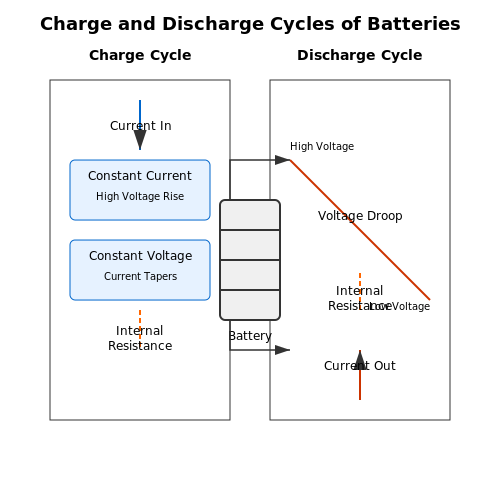
During the charge cycle, electrical energy is supplied to the battery, initiating a series of electrochemical reactions that store this energy. The voltage applied to the battery must exceed its open-circuit voltage (OCV) to facilitate this process. The charge process can be divided into several stages:
- Constant Current (CC) Phase: Initially, a constant current is applied until the battery reaches a predefined voltage level, usually referred to as the cut-off voltage.
- Constant Voltage (CV) Phase: After reaching this voltage, the charger maintains a constant voltage while gradually reducing the current. This is essential to avoid overcharging, which can lead to overheating and damage.
These phases significantly affect the battery's state of charge (SoC) and state of health (SoH). Advanced battery management systems (BMS) are employed to monitor these parameters closely to optimize performance.
Discharge Cycle Mechanisms
The discharge cycle involves the reverse process, where energy is released from the battery to power devices. The discharge profile is influenced by the applied load and the internal resistance of the battery. Key aspects include:
- Voltage Droop: As the battery discharges, its voltage gradually decreases due to internal resistance. Understanding this voltage drop is critical for applications requiring stable voltage output.
- Peukert's Law: This law states that the capacity of a battery varies with the rate of discharge. A higher discharge current lowers the effective capacity, which is important for applications with varied load demands.
Cycle Life and Efficiency
The number of complete charge and discharge cycles a battery can undergo before its capacity falls below a specific threshold defines its cycle life. Cycle life is influenced by factors like depth of discharge (DoD), temperature, and rate of charge/discharge. The relationship between these factors can be mathematically expressed through empirical models.
In the equation above, $$E_{cycle}$$ is the energy available after $$N_{cycles}$$, $$E_{max}$$ is the maximum energy capacity, $$E_{min}$$ is the minimum energy threshold, and $$D_{oD}$$ represents the depth of discharge.
Practical Implications
Understanding charge and discharge cycles is essential for a variety of real-world applications. For instance:
- Electric Vehicles (EVs): Optimizing charging strategies for lithium-ion batteries enhances driving range and battery longevity.
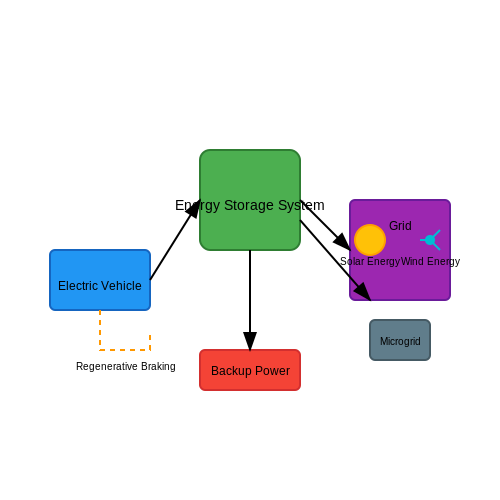
- Grid Energy Storage: Properly designed charge/discharge cycles allow batteries to effectively stabilize renewable energy sources like solar and wind.
Battery technology continues to evolve, focusing on improving efficiency and extending cycle life. Advanced materials and architecture, as well as sophisticated battery management systems, play pivotal roles in shaping the future of energy storage solutions.
2.3 Energy Density and Power Density
In the realm of energy storage devices, understanding energy density and power density is crucial for evaluating performance metrics relevant to practical applications in electronics and electrical engineering. These parameters not only dictate how much energy can be stored in a battery but also influence how quickly that energy can be delivered. Thus, they are integral to designing systems ranging from portable electronics to electric vehicles. Energy density, typically expressed in watt-hours per liter (Wh/L) or watt-hours per kilogram (Wh/kg), quantifies the total energy a battery can store relative to its volume or mass. In practical terms, a higher energy density means a longer runtime between charges for devices powered by such batteries. For instance, lithium-ion batteries, widely adopted in consumer electronics, exhibit high energy densities—approximately 250 Wh/kg—making them suitable for mobile applications where weight and space are at a premium. On the other hand, power density, defined in watts per liter (W/L) or watts per kilogram (W/kg), measures how quickly energy can be extracted from a battery. It is essential when rapid bursts of power are needed, such as in electric vehicles during acceleration. Batteries like supercapacitors have notably high power densities but lower energy densities, thus making them more suitable for applications requiring quick charge and discharge cycles, rather than long-term energy storage. The relationship between energy density and power density helps illustrate the trade-offs in battery design. The rate capability and capacity of a battery can often be inversely related; thus, strategies such as optimizing electrode materials and geometries, electrolyte selection, and even temperature management become essential. From a mathematical perspective, these characteristics can be described as follows: 1. Energy Density (E) is given by: $$ E = \frac{W_{total}}{V_{pack}} $$ where \(W_{total}\) is the total energy capacity of the battery and \(V_{pack}\) is the volume of the battery pack. 2. Power Density (P) can be expressed as: $$ P = \frac{W_{rate}}{V_{pack}} $$ where \(W_{rate}\) is the power output at a given discharge rate. In practical applications, combining high energy density with high power density has driven innovations in various sectors. For example, electric vehicles benefit significantly from advancements in battery technology that enhance both metrics, resulting in longer ranges and improved performance. Technology giants, such as Tesla and Panasonic, are investing heavily in research to optimize lithium-ion batteries and develop solid-state alternatives that promise higher densities. In conclusion, a nuanced understanding of both energy density and power density is critical for the design and efficacy of modern energy storage systems. Their ongoing evaluation against the backdrop of evolving materials science and engineering will define the future of portable power, where scalability and efficiency increasingly dictate the innovation trajectory.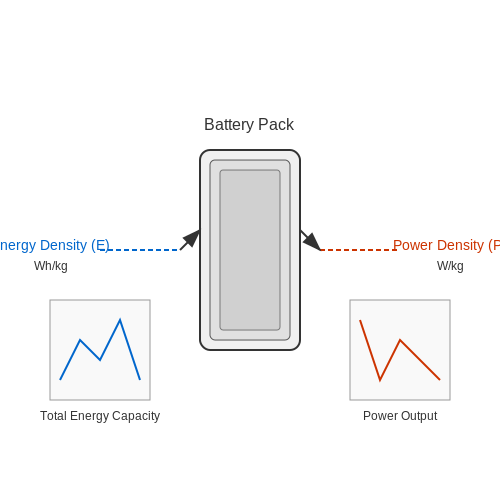
3. Lead-Acid Batteries
3.1 Lead-Acid Batteries
Lead-acid batteries represent one of the oldest types of rechargeable energy storage devices, first developed in the mid-19th century. Their robust design and ability to deliver high surge currents make them particularly valuable for various applications, including automotive starter batteries, uninterruptible power supplies, and renewable energy storage systems. Understanding the underlying principles of lead-acid batteries not only sheds light on their operation but also reveals the path for advancements in energy storage technology.
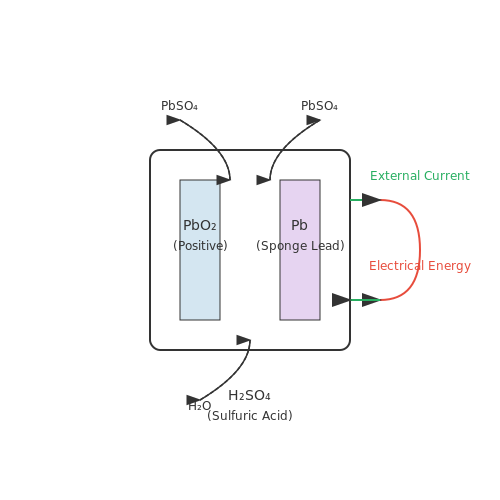
At the core of lead-acid batteries is a chemical reaction between lead dioxide (PbO2), sponge lead (Pb), and sulfuric acid (H2SO4). When the battery discharges, the chemical energy stored within it converts back into electrical energy through an electrochemical reaction. This reaction can be expressed as:
Password, this transformation during discharge generates a significant potential difference across the terminals, enabling the supply of electricity to external devices. As energy is drawn, the lead sulfate (PbSO4) accumulates on the electrodes, necessitating a process known as charging to restore the chemical potential.
Charging Mechanism
Charging is achieved through an external power source which supplies current to reverse the discharge reaction. The electrolysis of water also occurs, producing gases that should be monitored to prevent overcharging. The efficiency of the charging process is pivotal, influenced by factors such as charge current, temperature, and the state of the battery.
Efficiency and Capacity
The capacity of a lead-acid battery, typically expressed in ampere-hours (Ah), determines how long it can supply a given current. Moreover, the battery's depth of discharge (DoD) affects its cycle life; deeper discharges correspond to reduced longevity. It’s crucial to avoid complete discharges and maintain a state of charge (SoC) between 20-80% to achieve optimal performance and lifespan.
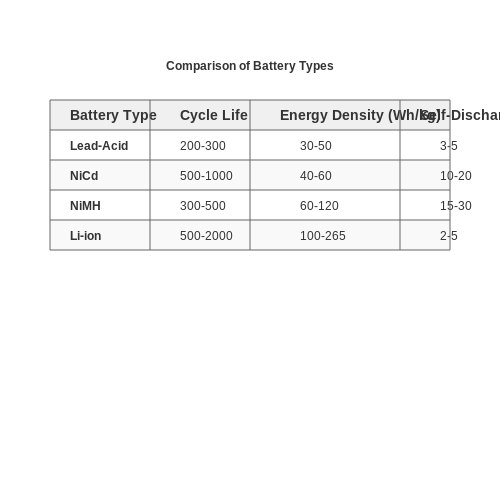
For practical applications, the energy density and power density are of significant interest. Lead-acid batteries tend to have a lower energy density compared to newer battery chemistries, such as lithium-ion. However, they excel in high current delivery, making them perfect for applications requiring short bursts of high current, such as in vehicle starting systems. This unique characteristic, combined with a high cycle life of approximately 500-1200 cycles, assures their continued relevance in modern technology.
Applications Beyond Vehicles
While lead-acid batteries have been synonymous with automotive applications, their utility extends into various domains. In renewable energy systems, they serve as effective storage solutions, ensuring that generated energy is accessible during non-generative periods. This ability particularly aligns with solar energy systems where lead-acid batteries can buffer daytime production for nighttime usage.
In conclusion, despite the emergence of advanced battery technologies, lead-acid batteries remain pivotal in the energy landscape. Their extensive history, coupled with adaptability across diverse applications, affirms their place in electric energy storage systems today and likely in the foreseeable future.
3.2 Lithium-Ion Batteries
The evolution of batteries has significantly impacted modern technology, with lithium-ion (Li-ion) batteries emerging as a dominant energy storage device. Their widespread adoption can be attributed to several factors, including high energy density, lightweight design, and a favorable cycle life compared to other battery technologies.
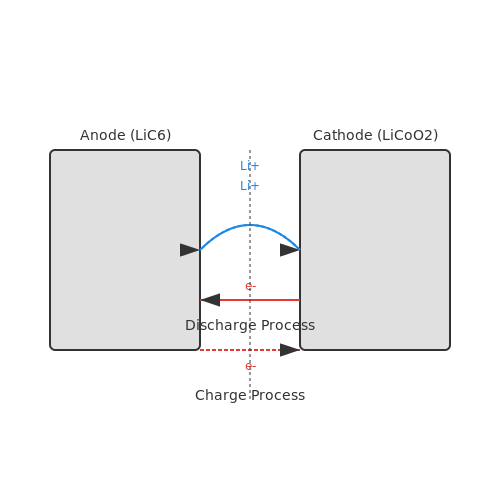
At the core of lithium-ion batteries is the electrochemical reaction that occurs during charge and discharge cycles. During discharge, lithium ions move from the anode to the cathode, releasing energy, while during charging, the process reverses. This dynamics relies on the mobility of lithium ions within the electrolyte and the structural properties of the electrodes.
Electrode Materials
Typically, the anode is composed of graphite, which allows for the intercalation of lithium ions. The cathode material can vary but often consists of lithium cobalt oxide (LiCoO2), lithium iron phosphate (LiFePO4), or lithium nickel manganese cobalt oxide (NMC). Each of these materials provides different benefits:
- LiCoO2: High energy density, commonly used in consumer electronics.
- LiFePO4: Excellent thermal stability and longevity, preferred for electric vehicles.
- NMC: A balanced choice providing good energy density and safety characteristics.
Charge/Discharge Mechanisms
The electrochemical processes can be represented by the following half-reactions:
During discharge, lithium ions move from the anode to the cathode through the electrolyte, generating electrical current. The reverse occurs during charging. The electrolyte, typically a lithium salt in an organic solvent, plays a crucial role as it facilitates ion transport while providing insulation to prevent short circuits.
Performance Factors
Several factors influence the performance of lithium-ion batteries, including:
- Temperature: Performance typically peaks around 25°C, with extreme temperatures adversely affecting efficiency and lifespan.
- Cycle Life: Generally, Li-ion batteries can endure 500 to 2000 cycles, depending on the chemistry and management systems employed.
- State of Charge (SoC): Keeping the battery in mid-range SoC can enhance longevity, avoiding extreme states that stress the battery.
Applications and Real-world Impact
The versatility and efficiency of lithium-ion batteries make them crucial for various applications, including:
- Consumer Electronics: Powering devices from smartphones to laptops, where lightweight and high energy capacity are essential.
- Electric Vehicles: Offering significant range and performance, key for the transition to sustainable transportation.
- Energy Storage Systems: Enabling renewable energy integration by storing excess energy from solar or wind sources for later use.
In summary, lithium-ion batteries represent a pivotal technology in the energy landscape, combining theoretical underpinnings of electrochemistry with practical relevance in everyday life. Continued advancements in materials and battery management systems are set to enhance their performance and safety, further solidifying their role in future energy scenarios.
3.3 Nickel-Cadmium and Nickel-Metal Hydride Batteries
As the demand for efficient and reliable energy storage solutions grows, Nickel-Cadmium (NiCd) and Nickel-Metal Hydride (NiMH) batteries continue to play a critical role in various applications. These rechargeable battery technologies offer their own unique characteristics, advantages, and limitations that are essential for engineers and researchers to understand.
Understanding Nickel-Cadmium Batteries
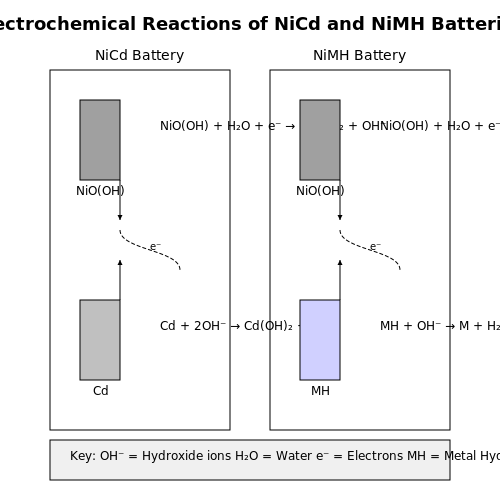
Developed in the late 19th century, Nickel-Cadmium batteries utilize cadmium as the negative electrode and nickel oxide hydroxide as the positive electrode, embedded in an alkaline electrolyte. The chemical reaction between the electrodes during discharge enables the release of energy, while recharging reverses the reaction.
The key reaction is represented as follows:
These reactions highlight the electrochemical processes taking place, which result in a nominal cell voltage of approximately 1.2 volts per cell. NiCd batteries are known for their ability to withstand deep discharge cycles and their relatively high energy density.
Advantages and Applications
- Durability: They can perform well in extreme temperatures and exhibit a longer lifecycle compared to lead-acid batteries.
- Rapid charging: NiCd batteries can be charged rapidly, making them suitable for applications that require quick energy replenishment, such as power tools and emergency lighting systems.
However, a significant environmental concern arises from the use of cadmium, a toxic heavy metal. Consequently, many applications have transitioned to more environmentally friendly alternatives, paving the way for Nickel-Metal Hydride batteries.
Exploring Nickel-Metal Hydride Batteries
Nickel-Metal Hydride batteries, introduced in the late 1980s, replace cadmium with a hydrogen-absorbing alloy as the anode. This change not only improves the energy density but also reduces environmental risks. The basic cell reaction is given by:
Where MH refers to the metal hydride alloy. This design achieves a nominal voltage of approximately 1.2 volts per cell, similar to NiCd batteries, while offering higher capacity and lower self-discharge rates.
Advantages and Applications
- Higher capacity: NiMH batteries typically feature higher energy density and capacity compared to NiCd cells, making them suitable for high-drain applications such as hybrid vehicles and portable electronics.
- Environmental impact: The absence of cadmium makes them a more eco-friendly option, enhancing their appeal in today's market focused on sustainability.
Conclusion
In summary, both Nickel-Cadmium and Nickel-Metal Hydride batteries have contributed significantly to energy storage technology. While NiCd offers proven durability and fast charging capabilities, NiMH represents a modern alternative with higher energy capacities and reduced environmental challenges. Understanding these technologies is crucial for engineers and researchers as they continue to develop innovative applications for energy storage in an ever-evolving landscape.
4. Consumer Electronics and Portable Devices
4.1 Consumer Electronics and Portable Devices
Batteries serve as the cornerstone of energy storage systems for consumer electronics and portable devices. Devices such as smartphones, tablets, wireless earbuds, and laptops rely on batteries to provide the necessary energy for their operation. Understanding the intricacies of battery technology is essential for engineers and researchers working in this domain, particularly as demand for higher energy densities, faster charging, and improved safety continues to grow.
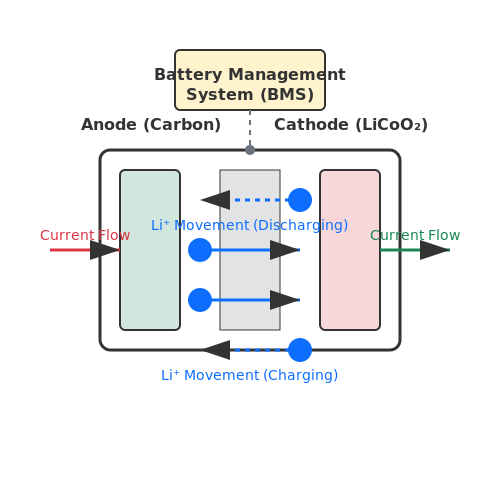
Traditionally, lithium-ion (Li-ion) batteries dominate this market segment due to their advantageous characteristics, including relatively high energy density and long cycle life. Moreover, Li-ion batteries exhibit relatively low self-discharge rates, allowing devices to retain charge effectively when not in use. The chemical reaction within these batteries involves the movement of lithium ions between the cathode and anode during discharge and charging cycles. A standard cathode material is often lithium cobalt oxide (LiCoO₂), while graphite is commonly used for the anode.
The energy stored in a Li-ion battery can be calculated with the formula:
Here, E represents the energy in watt-hours (Wh), V is the voltage of the battery, and Q is the charge capacity in ampere-hours (Ah). For instance, a 3.7V battery with a capacity of 2,000mAh can provide:
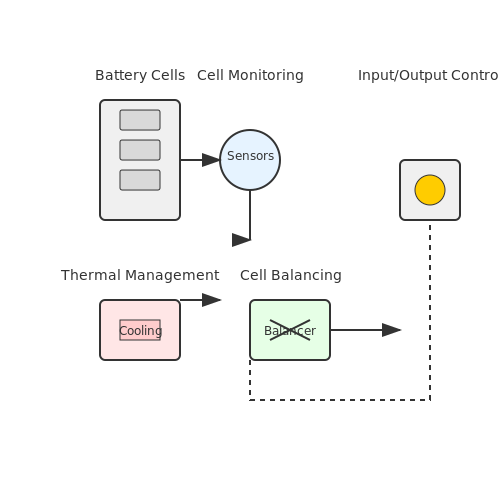
To maximize battery performance and safety, various technologies have been developed. Battery Management Systems (BMS) play a critical role in monitoring and managing the charge-discharge cycles, ensuring that conditions such as temperature and voltage remain within safe operational limits. Advances in smart BMS technologies now allow for real-time data collection and remote monitoring of battery health, extending battery life and enhancing user experience.
Another cutting-edge development is the advent of solid-state batteries, which promise to deliver greater energy densities and improved safety by replacing the flammable liquid electrolyte with a solid compound. This innovation could significantly impact portable electronics as well as electric vehicles, thus broadening the horizon of battery applications.
As demand for portable devices continues to rise, the exploration of alternative chemistries is also an active area of research. Technologies such as sodium-ion and lithium-sulfur batteries present opportunities to reduce reliance on lithium and foster the use of abundant materials, potentially reducing costs and environmental impact.
In conclusion, the continuous evolution of battery technology remains pivotal to enhancing the functionality of consumer electronics and portable devices. As engineers and researchers venture into new materials, architectures, and management strategies, the future holds exciting advancements in energy storage and conversion technologies.
4.2 Electric Vehicles
Electric vehicles (EVs) represent a significant shift in transportation technology, driven largely by advancements in battery technologies. The performance, range, and sustainability of EVs hinge on their energy storage systems, primarily lithium-ion batteries, which have transformed how we think about electric energy and mobility. This section will explore the role of batteries in electric vehicles, emphasizing technical specifications, innovative developments, and emerging trends.Battery Technologies in EVs
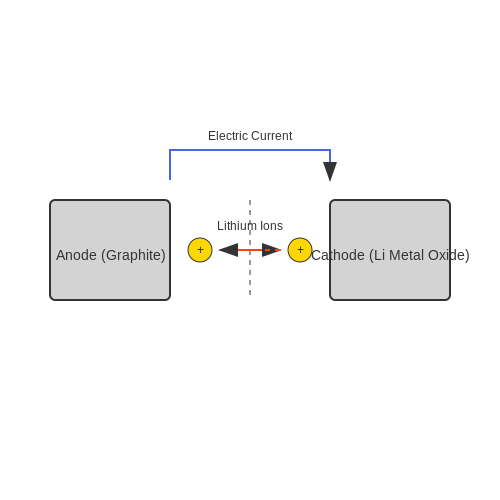
At the core of every electric vehicle lies a sophisticated energy storage system, often centered on lithium-ion technology. Lithium-ion batteries provide a compelling combination of high energy density, long cycle life, and lightweight characteristics. In comparison to traditional lead-acid batteries, lithium-based systems offer several advantages, including faster charge times and less environmental impact. The chemistry behind lithium-ion batteries is complex, involving intercalation processes where lithium ions move between the anode (usually graphite) and cathode (typically lithium metal oxide). This movement generates electric current, allowing the vehicle to operate. Understanding this chemical foundation lays the groundwork for appreciating more advanced battery systems, such as solid-state batteries, which promise improved safety and energy density.Energy Storage Capacity and Range
The energy storage capacity of a battery is a crucial metric that directly influences the range of an EV. This is quantified in kilowatt-hours (kWh). As an illustration, the Tesla Model 3 boasts a capacity of up to 82 kWh, enabling it to achieve a range exceeding 350 miles on a single charge under optimal driving conditions. Consequently, enhancing energy density—achievable through advancing materials and designs—remains a top priority in battery research, as detailed in the equation:Fast-Charging Technology
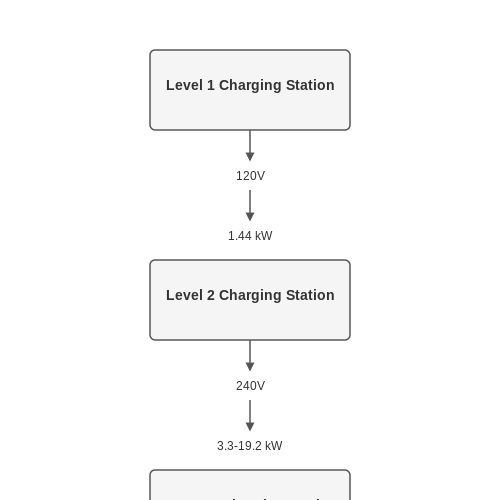
Another pivotal area of focus is fast-charging technologies. This development has a profound impact on the practical usability of EVs. Fast chargers, capable of delivering high numbers of kilowatts for a quick charge, rely on the thermal management of batteries to maintain optimal performance and longevity. Innovations such as dual battery architectures and adaptive charge control systems are critical for achieving rapid replenishment without compromising battery health. Among various charging infrastructures like Level 2 (typical home charging), Level 3 (DC fast charging), and Tesla Superchargers, the DC fast chargers illustrate the swiftest means of energizing an EV. An example would be a Level 3 charger delivering up to 350 kW, capable of charging a vehicle from 20% to 80% in approximately 20 minutes. This level of convenience drastically alters the perceptions around electric vehicle range anxiety.Future Trends and Innovations
As the market for electric vehicles continues to grow, researchers are actively exploring several promising trends that could revolutionize battery technology. - Solid-State Batteries: This emerging technology utilizes a solid electrolyte instead of a liquid one, potentially offering enhanced safety and energy density, coupled with reduced charging times. - Battery Recycling: With increased EV adoption, establishing effective recycling systems for lithium-ion batteries will minimize environmental impact and recovery of valuable materials. - Vehicle-to-Grid (V2G) Systems: These systems enable EVs to return energy to the grid, integrating them into a broader energy management framework that optimizes demand and supply. In conclusion, electric vehicles are at the forefront of engineering innovations that emphasize the necessity of advanced battery systems. The evolving landscape of battery technology not only plays a crucial role in the performance of electric vehicles but also impacts global efforts for sustainable transport solutions. ### References and Further Reading- IEEE - Electric Vehicles — Explore the latest research and developments in electric vehicles and their energy systems in this rich repository of engineering information.
- ScienceDirect - Battery Technology — A comprehensive source of scientific and technical research articles focusing on innovations in battery technology for electric vehicles.
- ResearchGate - EVs Batteries — Access a wide array of scholarly articles related to the advancements and challenges in electric vehicle battery technologies.
- Nature - Future of Electric Vehicles — An insightful discussion on the future of electric vehicles and associated research trends.
- NREL - Electric Vehicle Research — Information from the National Renewable Energy Laboratory on electric vehicle research and development activities in sustainable energy technologies.
- Automotive Engineering - EV Innovations — An extensive resource offering insights into the latest innovations in electric vehicle technology and battery systems.
- Car and Driver - EV Overview — An overview of electric vehicle performance metrics and the role of battery technology in automotive engineering.
4.3 Renewable Energy Storage Systems
The integration of renewable energy sources such as solar, wind, and hydropower into the existing energy grid presents significant challenges, particularly in terms of energy storage. These sources are often intermittent and unpredictable, leading to a mismatch between energy generation and consumption. Consequently, the development and optimization of renewable energy storage systems have become essential to ensure energy reliability and sustainability.
At the core of renewable energy storage solutions are various battery technologies, each offering distinct advantages and disadvantages. Among the most prominent are lithium-ion batteries, flow batteries, and advanced lead-acid systems. The choice of technology depends on several factors including energy density, cost, charge/discharge cycles, and environmental impacts. Understanding the nuances of these technologies is fundamental for engineers and researchers aiming to enhance their performance in renewable applications.
Battery Technologies for Renewable Energy Storage
Lithium-ion batteries, widely used in consumer electronics, are also making waves in renewable energy storage. Their high energy density and declining costs have led to significant adoption in residential and commercial applications. However, these batteries are not without challenges, including lifecycle impacts and the need for recycling strategies. The growing demand for lithium has sparked discussions about ethical sourcing and sustainability.
Flow batteries, such as vanadium redox batteries, are gaining traction due to their scalability and long discharge times. They operate by storing energy in liquid electrolytes, allowing for longer life cycles and more extensive storage capacities compared to conventional batteries. A notable advantage is that flow batteries can discharge energy over several hours, making them a compelling solution for applications requiring longer-duration energy supply.
Lead-acid batteries, while historically significant, face competition from newer technologies. However, their low cost and well-understood maintenance requirements make them relevant in specific niche markets, particularly for off-grid applications where cost minimization is crucial.
Efficiency and Performance
The effectiveness of renewable energy storage systems is often measured by their round-trip efficiency, defined as the ratio of energy output to energy input. This efficiency highlights the inherent losses in the charging and discharging process. For instance, lithium-ion batteries typically exhibit round-trip efficiencies exceeding 90%, whereas flow batteries may range between 70% to 85%. Understanding these efficiencies is vital for engineers who must optimize the energy throughput in storage systems.
Real-World Applications
Case studies highlight the practical implications of integrating these storage systems. For instance, the Hornsdale Power Reserve in South Australia has effectively utilized lithium-ion battery technology, contributing to grid stability and reducing reliance on fossil-fuel-based peaking plants. Similarly, projects using vanadium redox flow batteries are showing promise in large-scale applications, with facilities designed to balance the output from wind farms and solar installations.
The deployment of these systems underscores the transition towards a more sustainable energy landscape, addressing not only the technological but also the regulatory and market challenges inherent in energy storage. As policy frameworks evolve, so too will the role of advanced storage systems in facilitating a green energy future.
Conclusion
As renewable energy sources continue to play an increasingly vital role in meeting global energy demands, renewable energy storage systems will be crucial in optimizing efficiency and reliability. Understanding the nuances of various battery technologies enables engineers and researchers to develop innovative solutions that advance the sustainability of energy systems. With ongoing advancements and investments in this sector, the intersection of power generation and storage will be pivotal in shaping our energy future.
5. Advancements in Battery Chemistry
5.1 Advancements in Battery Chemistry
The evolution of battery technology has been a significant facet of modern energy storage solutions, driving advancements across various sectors including electric vehicles, renewable energy, and consumer electronics. As we explore the latest advancements in battery chemistry, we recognize the interplay between material science and electrochemistry, leading to batteries that are not only more efficient but also safer and more sustainable.
Emergence of Next-Generation Battery Technologies
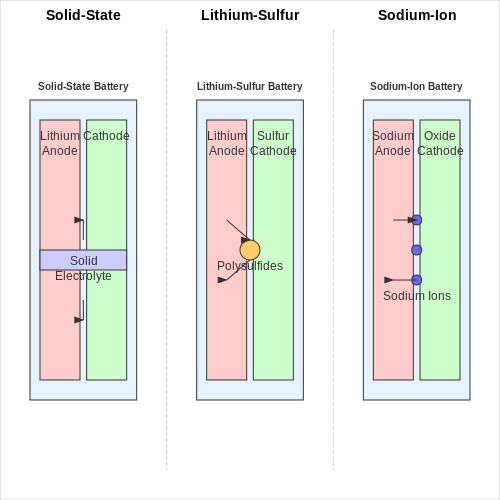
Traditionally, lithium-ion (Li-ion) batteries have dominated the market due to their high energy density and relatively low self-discharge rates. However, the pursuit of higher performance and reduced environmental impact has catalyzed research into alternative chemistries. Prominent among these are solid-state batteries, lithium-sulfur (Li-S) batteries, and sodium-ion (Na-ion) batteries.
Solid-State Batteries
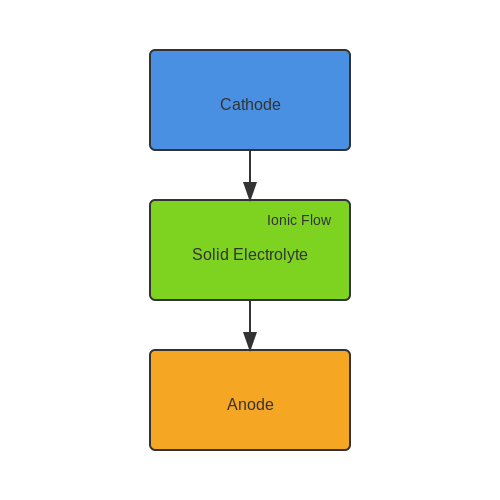
Solid-state batteries utilize a solid electrolyte rather than the liquid or gel electrolytes found in conventional Li-ion batteries. This design significantly lowers the risk of leakage and flammability while enhancing thermal stability. The solid electrolyte also facilitates higher ionic conductivity, which can result in faster charging times and improved energy density.
Researchers have identified several materials for solid electrolytes, including ceramics, polymers, and composite materials. For example, lithium metal oxides and sulfides have shown considerable promise in laboratory settings. The challenge remains in the scalability of these materials for commercial production, alongside achieving a suitable interface between the solid electrolyte and electrodes to minimize impedance.
Where \(V\) is the voltage drop across the battery due to internal resistance, \(V_{cell}\) is the theoretical voltage, and \(I\) is the current through the battery with \(R_{total}\) being the total resistance. The implications of reducing internal resistance are crucial for solid-state batteries, as a lower resistance can lead to higher efficiency and energy output.
Lithium-Sulfur Batteries
With a theoretical specific energy of about 2600 Wh/kg, Li-S batteries hold the potential for revolutionizing energy storage. They utilize lithium as the anode and sulfur as the cathode, providing a much larger capacity than traditional lithium cobalt oxide cathodes. However, the polysulfide dissolution problem hampers their cycle life and efficiency.
Recent advancements involve the development of novel approaches such as functionalized carbon materials that can retain polysulfides and prevent them from migrating away from the cathode. This not only improves the cycle stability but also enhances the overall performance of the battery.
Sodium-Ion Batteries
Sodium-ion technology presents a cost-effective alternative to lithium-ion systems, especially given sodium's abundance and lower extraction costs. These batteries function similarly to Li-ion batteries but substitute sodium ions in place of lithium ions. The selection of cathode materials, such as layered oxides and polyanionic compounds, is critical to achieving desired performance metrics.
Current research delves into the optimization of electrode materials to enhance energy capacity and cycle stability. As sodium-ion batteries gain traction, they offer distinct advantages in grid storage applications where energy cost efficiency is paramount.
Environmental Impact and Sustainability
As the focus on sustainability grows, advancements in battery chemistry increasingly take into account the environmental impact of raw materials and end-of-life disposal. Researchers are investigating ways to incorporate recyclable materials and improve battery lifecycle ends, aligning with both ecological considerations and resource conservation efforts.
In summary, the field of battery chemistry is undergoing rapid transformations driven by innovations in materials science and growing demand for sustainable energy storage solutions. The ongoing research into solid-state, lithium-sulfur, and sodium-ion technologies highlights the potential for delivering enhanced performance while addressing inherent challenges. As these advancements continue to emerge, they promise to significantly alter the landscape of energy storage and consumption worldwide.
5.2 Solid-State Batteries
As the demand for safer, more efficient energy storage technologies grows, solid-state batteries (SSBs) have gained significant attention as a compelling alternative to conventional lithium-ion batteries. Unlike their liquid electrolyte counterparts, SSBs utilize a solid electrolyte, which presents unique advantages in terms of energy density, thermal stability, and safety. This advancement is pivotal in addressing some of the critical shortcomings in battery technology, particularly for applications in electric vehicles and portable electronic devices.
Fundamentals of Solid-State Batteries
SSBs are composed of three primary components: a solid electrolyte, an anode, and a cathode. The solid electrolyte serves multiple functions, most notably conducting ions between the anode and cathode while providing a barrier against dendrite formation—a risk prevalent in liquid electrolytes that can lead to short circuits. The materials used for solid electrolytes can vary, ranging from ceramics and glasses to polymers, each offering distinct ionic conductivities and stability profiles.
Materials Used in Solid Electrolytes
The choice of electrolyte material is crucial for the performance of solid-state batteries. Common candidates include:
- Lithium Phosphate (Li3PO4): Known for its high ionic conductivity and good electrochemical stability.
- Lithium Garnets: Such as Li7La3Zr2O12 (LLZO), which exhibit high ionic conductivities and are stable against lithium metal anodes.
- Polymer electrolytes: These materials, like polyethylene oxide (PEO) doped with lithium salts, provide flexibility and ease of processing.
Advancements in these materials enable higher ionic conductivities, typically exceeding 10-3 S/cm, which is essential for competitive performance in high-power applications.
Benefits of Solid-State Batteries
One of the most significant benefits of solid-state batteries is their enhanced safety profile. The absence of flammable liquid electrolytes reduces the risk of thermal runaway—a key concern with lithium-ion batteries. Furthermore, solid electrolytes have a greater tolerance to overcharging and can potentially recycle lithium ions more efficiently, leading to improved cycle life and capacity retention.
Challenges and Limitations
Despite their advantages, solid-state batteries face several challenges that hinder their commercial viability. Manufacturing techniques are still in development, as the integration of solid electrolytes with electrodes must ensure minimal interfacial resistance. One of the critical issues is the adhesion between the solid electrolyte and electrode materials, which can deteriorate over time, leading to performance degradation.
Current Developments and Future Trends
Research is actively addressing these challenges, with innovative approaches including:
- Nano-coating technology: Enhancing solid electrolyte interface by applying thin layers that improve electrical contact while maintaining mechanical stability.
- 3D printing techniques: Allowing precise control over battery architecture to optimize energy density and power performance.
- Hybrid systems: Combining solid-state technology with aspects of conventional batteries to gradually transition towards a fully solid architecture.
As these research hurdles are addressed, solid-state batteries are expected to revolutionize the energy storage landscape, leading to safer and more efficient applications across automotive, aerospace, and consumer electronics sectors.
Conclusion
The promise of solid-state batteries lies in their potential to surpass the limitations of traditional battery technologies. As ongoing research and development continue to carry the field forward, these batteries may soon provide a highly scalable, efficient, and safe energy storage solution for a range of applications, marking a significant step towards the sustainable energy systems of the future.
5.3 Recycling and Sustainability Concerns
As the reliance on batteries grows, the environmental impact associated with their life cycle becomes increasingly significant. Advanced energy storage systems, while providing substantial benefits in terms of energy efficiency and renewable integration, present a set of recycling and sustainability challenges that need to be addressed. Effectively managing battery waste and ensuring the materials can be efficiently recycled are crucial for mitigating environmental harm and preserving valuable resources.
The Composition of Battery Systems
Batteries, particularly lithium-ion systems, comprise an array of chemicals and materials, including metals such as lithium, cobalt, nickel, and graphite. The extraction of these materials often entails energy-intensive mining processes that can engender significant environmental degradation. Moreover, the potential for hazardous substances leaching into soil and water sources during disposal amplifies the need for effective recycling practices.
Recycling Technologies and Methodologies
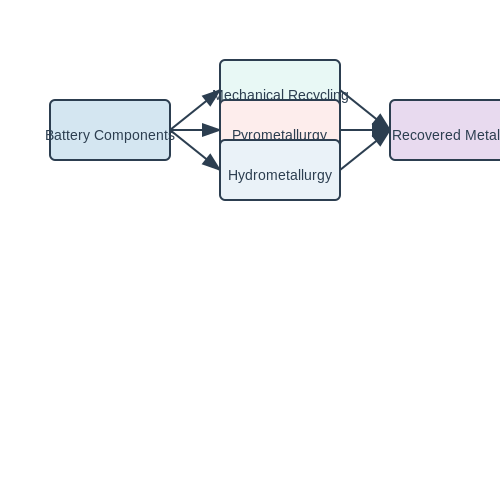
The recycling of battery materials is facilitated through several established methods, each varying in technology and efficiency. One common technique is mechanical recycling, which involves the physical disassembly of batteries into their component parts—useful for recovering metals. Pyrometallurgy and hydrometallurgy are alternative methods that employ heat and chemical baths, respectively, to extract valuable materials. Recent advancements in biotechnologies are also being explored, harnessing biological processes to recover metals in an environmentally friendly manner.
Mechanical Recycling
This process entails the physical separation of battery components through crushing and screening. While it effectively retrieves metals, it often leads to material loss and is less efficient for certain battery chemistries.
Pyrometallurgy
In pyrometallurgical processes, batteries are subjected to high temperatures to facilitate the separation of metals through melting. Although this method is relatively fast and effective, it can be energy-intensive and may not recover all materials present in the battery.
Hydrometallurgy
Hydrometallurgical methods involve dissolution of metals in aqueous solutions, enabling selective recovery. This technique can often achieve higher recoveries of valuable metals but may require extensive purification steps, which can increase costs and time.
Real-World Applications and Policy Implications
Countries worldwide are implementing regulations and policies aimed at enhancing battery recycling efficacy. For example, the European Union has set ambitious recycling targets, mandating that significant portions of materials in batteries must be recovered by 2030. Similarly, initiatives in the United States focus on improving infrastructure for battery collection and recycling, alongside public awareness campaigns to promote responsible disposal. Case studies indicate that effective recycling not only reduces environmental burdens but also opens up avenues for reintroducing materials back into the supply chain, reducing dependence on virgin resources.
Future Directions in Sustainable Battery Technologies
Developing more sustainable batteries is critical to addressing environmental concerns. Research is exploring batteries with less harmful materials, including sodium-ion and organic battery systems, which can potentially reduce the ecological impact. Furthermore, the industry is investing in closed-loop systems where batteries are designed with recycling in mind from the start. Innovations in battery design, manufacture, and disposal protocols could play a pivotal role in steering the industry towards sustainability.
As we advance into a future anchored in renewable energy, understanding and implementing effective recycling methodologies and sustainable practices will be essential. A collective industry approach can transform our reliance on energy storage devices from a potential liability to a pivotal force for environmental preservation and resource management.
6. Safety Issues and Hazard Management
6.1 Safety Issues and Hazard Management
As vital components of modern technology, batteries serve as indispensable energy storage devices. However, their operation is not without risks. In this section, we examine safety issues associated with battery use and explore effective hazard management strategies to ensure safe handling, operation, and end-of-life disposal.
Understanding Battery Chemistry and Associated Risks
The safety of batteries largely depends on their internal chemistry. Common types include lithium-ion, lead-acid, nickel-metal hydride, and others, each presenting unique hazards:
- Lithium-ion batteries: These batteries are known for high energy densities but can pose risks of thermal runaway, a phenomenon leading to rapid temperature rise, leakage, or fire if internal components short-circuit.
- Lead-acid batteries: Primarily used in automotive applications, these can release hazardous gases such as hydrogen and sulfuric acid which may lead to explosive environments if not ventilated properly.
Understanding the specifics of battery chemistry is crucial for developing appropriate safety measures. Proper labeling and Material Safety Data Sheets (MSDS) should be reviewed to familiarize users with hazard potential and protective measures related to each battery type.
Thermal Management and Fire Prevention
Thermal runaway can be exacerbated by environmental conditions or external short circuits. To mitigate such risks, several strategies can be implemented:
- Thermal management systems: Incorporating thermal insulation and monitoring systems helps control the temperatures within the battery pack.
- Ventilation: Adequate airflow in storage and utilization environments minimizes the accumulation of heat and enhances safety.
- Fire suppression systems: Integration of suppression mechanisms, such as sprinklers or specialized chemical extinguishers, can minimize damage in the event of a fire.
Safe Handling and Use Practices
Ensuring user awareness is critical in preventing accidents. To promote battery safety, implement the following practices:
- Training: Provide users with comprehensive training on handling batteries, focusing on the identification of potential hazards and emergency response procedures.
- Personal Protective Equipment (PPE): Require the use of appropriate PPE including gloves, goggles, and, when necessary, acid-resistant clothing while working with batteries.
Regular safety audits can help identify and rectify potential hazards in usage environments. By fostering a culture of safety, organizations can significantly decrease the likelihood of incidents.
End-of-Life Management
Proper disposal and recycling of batteries play essential roles in hazard management. Batteries contain toxic materials that can pollute the environment if not disposed of correctly. Ensuring compliance with local regulations and utilizing certified recycling facilities not only promotes environmental safety but also recovers valuable materials for reuse.
The adoption of standardized battery recycling programs can serve as a critical step towards reducing waste and promoting sustainability within technology sectors.
With a firm understanding of the safety issues and proactive hazard management strategies outlined above, engineers and technicians can significantly enhance the safe application of battery technology in various settings.
6.2 Performance Limitations
In the realm of energy storage, batteries are pivotal for powering everything from portable electronics to electric vehicles and grid storage systems. However, inherent performance limitations challenge their efficiency, reliability, and application viability. Understanding these limitations is crucial for engineers, physicists, and researchers seeking to innovate in battery technologies. One major constraint is the battery's energy density, defined as the amount of energy stored per unit mass or volume. This limitation not only affects the overall capacity and weight of batteries but also directly correlates with the practical range and utility of devices. Energy density can be expressed mathematically as:- Electrochemical Reactions: With each cycle, irreversible reactions and changes in electrochemical components occur, contributing to material degradation.
- Temperature Fluctuations: High temperatures can accelerate chemical reactions leading to capacity fade, while low temperatures reduce ionic mobility, diminishing performance.
- Charging Rates: Rapid charging can lead to lithium plating on the anode, which not only lowers capacity but also increases the risk of short-circuits and thermal runaway.
- Storing the battery in a cool, dry place to minimize self-discharge rates.
- Avoiding complete discharge prior to storage; ideally, batteries should be stored at around 40% charge.
- Regularly checking and recharging stored batteries to maintain optimal performance.
6.3 Economic Factors
In the broader context of energy storage, particularly concerning batteries, economic factors play a crucial role in determining feasibility, scalability, and advancements in technology. Understanding the economic implications of battery technology is vital for engineers and researchers aiming to innovate and optimize energy solutions for the ongoing energy transition. Economic factors influence the choice of materials, manufacturing processes, and long-term viability of energy storage solutions.
Investment and Development Costs
The initial investment required for battery technology encompasses various aspects including material costs, manufacturing investments, and research and development expenditures. For instance, the production of lithium-ion batteries relies on the extraction of lithium, cobalt, and nickel, which can fluctuate in market price due to supply chain variations, geopolitical factors, or changing regulations aimed at environmental protection.
Furthermore, as the demand for electric vehicles (EVs) and renewable energy systems increases, the necessity for larger-scale battery production establishes a parallel between economies of scale and declining unit costs. Economies of scale occur when increased production leads to lower average costs per unit, enhancing the feasibility of energy storage technologies.
Cost of Ownership and Lifespan
The cost of ownership is a multiplier in evaluating the economic impact of batteries. This encompasses both the initial purchase price and the operational costs over the battery's effective lifespan. For example:
- Maintenance costs associated with battery management systems.
- Efficiency losses due to charge and discharge cycles affecting the net energy delivered.
- The environmental costs of disposal or recycling when the battery reaches the end of its life.
Understanding the total cost of ownership requires an analysis of the battery's cycle life, defined as the number of complete charge/discharge cycles before capacity degradation renders the battery no longer useful. This is fundamental for cost-effective applications in renewable energy systems and grid storage solutions.
Market Demand and Policy Influence
Fluctuations in market demand, driven by technological advancements and shifts in consumer preferences, heavily impact the battery industry. Furthermore, government policies, including subsidies for electric vehicles and incentives for renewable energy installations, help catalyze growth in the energy storage sector. For instance, the global push for net-zero emissions target requires a re-evaluation of energy storage solutions, driving innovations such as solid-state batteries and alternative chemistries.
Additionally, international trade policies affect material sourcing and battery production economics. Tariffs on raw materials or finished products can shift market equilibrium and influence investment decisions. This interconnectedness emphasizes the importance of a robust understanding of the economic landscape in battery technology.
Case Study: Lithium-ion Battery Pricing Trends
As a pertinent example, a case study of lithium-ion battery pricing trends over the past decade illustrates the economic factors at play. From 2010 to 2020, the price per kilowatt-hour (kWh) dropped considerably, from approximately $$1,200 to less than $$150. This dramatic decline can be attributed to:
- Advancements in manufacturing techniques.
- Increased demand for consumer electronics and EVs.
- Innovations in battery chemistry and energy density.
The projections indicate continued reductions in costs, which align with the anticipation of higher energy storage deployment across various sectors.
In summary, the economic factors surrounding batteries as energy storage devices encompass a multifaceted discussion that intertwines market dynamics, material costs, lifecycle analysis, and regulatory environments. Recognizing these elements is essential for driving innovation and effective resource allocation in future energy systems.
7. Books and Textbooks
7.1 Books and Textbooks
- Batteries for Sustainable Energy — Explore advanced battery technologies, key concepts, and real-life applications related to sustainable energy solutions, compiled by experts in the field.
- Advances in Batteries for Medium and Large-Scale Energy Storage — This book provides a detailed examination of recent advancements in battery technology for medium and large-scale energy storage applications.
- Electrochemical Power Sources: Fundamentals, Systems, and Applications — Comprehensive coverage on the electrochemical aspects of batteries, including system design and application insights.
- Modern Battery Engineering: A Comprehensive Introduction — Linden provides a thorough introduction for those interested in the engineering concepts behind modern batteries, supported by various practical examples.
- Principles and Applications of Lithium Secondary Batteries — Delve into the principles governing lithium battery technology, accompanied by current and developing applications.
- Handbook of Battery Systems — Edited by renowned experts, this handbook provides insights into complex battery systems, focusing on innovative technologies and applications.
- Rechargeable Batteries: Materials, Technologies and New Trends — Addressing both foundational topics and new technological trends in rechargeable battery research and development.
- Energy Storage — A key resource that discusses various energy storage technologies with a major focus on battery systems, offering both academic and industrial perspectives.
7.2 Research Articles and Journals
- Advances in Batteries for Energy Storage — This article explores the latest advancements in battery technology, focusing on improved efficiency and longevity, as well as their implications for renewable energy storage.
- Battery Energy Storage: An Ideal Sustainability Contributor — Discusses the role of battery storage in sustainable energy solutions, highlighting case studies on how batteries are effectively integrated into power grids.
- Emerging Technologies for Renewable Energy Storage — This paper reviews cutting-edge technologies in battery storage, including both commercially available solutions and those still in research and development.
- Journal of Energy Storage — A comprehensive journal offering insights and peer-reviewed articles on energy storage technologies, including developments in battery storage systems.
- Electrochemical Energy Storage for Renewable Power Grid — Analyzes the electrochemical approaches to energy storage, considering their efficiency, scalability, and applicability to modern grids powered by renewable sources.
- Economic Analysis of Battery Storage in Energy Grids — Provides an in-depth economic analysis of implementing battery storage in energy grids, discussing costs relative to benefits and long-term financial impacts.
- Development and Future of Electric Vehicle Batteries — Explores the advancements in battery technology specific to electric vehicles, highlighting trends and innovations that promise to improve vehicle efficiency and range.
7.3 Online Resources and Websites
- Battery University — This resource offers comprehensive information on battery technology, including tutorials on different battery chemistries, charging, and discharging principles, and expert articles for advanced users.
- Electrical4U Battery Section — A well-structured repository of articles covering the fundamental and complex aspects of batteries, including comparative studies of various battery types and their applications in different technologies.
- OSTI: Energy Storage & Batteries — Offers detailed research papers and government-funded articles on the latest advancements in battery technology and energy storage solutions. Highly recommended for researchers looking for academic and industrial perspectives.
- Explain That Stuff! - Batteries — Provides a solid base for understanding battery science with straightforward explanations, supported by diagrams and historical context. It's beneficial for readers seeking to connect theoretical knowledge with practical applications.
- Nature Collection: Energy Storage and Batteries — A curated collection of peer-reviewed articles and studies published in Nature, focusing on the latest cutting-edge research in energy storage, including new battery materials and design innovations.
- IEEE Xplore Digital Library — Access a wide range of IEEE journals and conference papers on advanced battery technologies, offering in-depth technical analyses and novel research findings applicable to engineering and physics fields.
- ScienceDirect - Batteries — An expansive resource detailing various battery technologies, including lithium-ion, flow, and solid-state batteries, with access to academic papers providing both theoretical insights and experimental results.